 English
 русский
 Español
 عربى
عربى 中文简体
中文简体
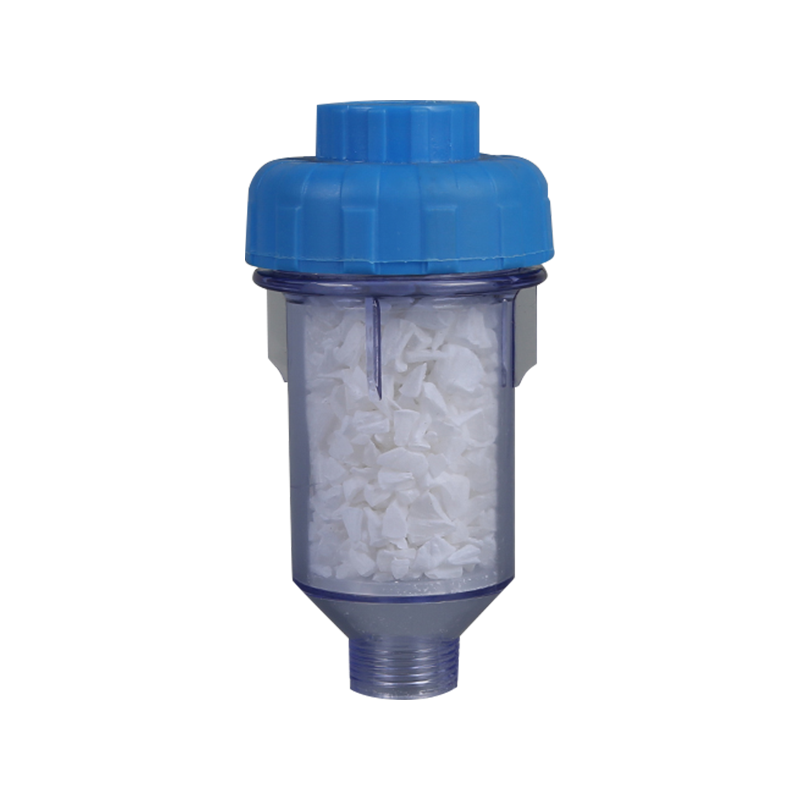 >
>The core highlight of this filter is its built-in silicone sheet filter layer. As a high-performance elastic material, silicone has high-temperature resistance, aging resistance, corrosion resistance,...
See Details [email protected]
 +86-18368206374
 No.99,Yuma Road,Mazhu Town,Yuyao City,Zhejiang Province,China.
Best Water Filter Brands for Commercial Use: Expert Recommendations for 2026
Industry News-Content
- 1 Why Commercial Water Filtration Demands a Different Standard
- 2 Top Water Filter Brands for Commercial Use in 2026
- 2.1 3M Purification — Best for Food Service and Hospitality
- 2.2 Pentair — Best All-Around for Industrial and Municipal Applications
- 2.3 Everpure — Best for Precision Water Quality in Food and Beverage Production
- 2.4 Culligan — Best for Managed Service and Long-Term Contracts
- 2.5 Watts Water Technologies — Best for High-Purity Industrial Applications
- 3 Commercial Water Filter Brand Comparison at a Glance
- 4 Understanding the Main Types of Commercial Water Filtration Systems
- 5 Key Certifications B2B Buyers Should Verify
- 6 Total Cost of Ownership: What Commercial Buyers Actually Pay
- 7 How to Specify a Commercial Water Filter System: A Step-by-Step Procurement Framework
- 8 Reverse Osmosis in Commercial Settings: Key Facts for Procurement Teams
- 9 Common Mistakes Commercial Buyers Make When Sourcing Water Filters
- 10 2026 Market Trends in Commercial Water Filtration
- 11 Final Recommendations: Matching Brand to Application
For commercial buyers, choosing the wrong water filtration system can mean equipment failures, compliance violations, and thousands in avoidable operational costs. The top water filter brands for commercial use in 2026 are Yaorui, Pentair, Everpure, Culligan, and Watts Water Technologies — each excelling in different segments from food service to light manufacturing.
Why Commercial Water Filtration Demands a Different Standard
Commercial and industrial facilities face water quality challenges that household products simply aren't designed to address. A standard home water filtration system is typically rated for 50–200 gallons per day. A mid-size restaurant, hotel, or office building may require 500–5,000+ gallons daily — and often under continuous pressure, not on-demand.
The consequences of inadequate filtration in a commercial setting are serious:
- Scale buildup in boilers and dishwashers can reduce equipment lifespan by 30–50%, according to industry maintenance data.
- Chlorine and sediment in food service water can alter flavor profiles, affecting product consistency.
- Healthcare and pharmaceutical facilities face regulatory requirements mandating water purity levels that standard municipal supply doesn't guarantee.
- HVAC cooling towers and manufacturing processes often require water with specific mineral content or near-zero contaminants to avoid corrosion.
This is why a full commercial water filtration system — whether a whole house water filtration system for a residential complex or a reverse osmosis water system for a laboratory — must be specified by flow rate, contaminant profile, and service infrastructure, not just brand name.
Top Water Filter Brands for Commercial Use in 2026
The following brands are recommended based on performance data, commercial deployment scale, certifications, service network, and total cost of ownership — not marketing claims.
3M Purification — Best for Food Service and Hospitality
3M's commercial filtration line is purpose-built for food and beverage environments. Their High Flow Series systems handle flow rates from 1.5 to over 10 GPM (gallons per minute) and are NSF/ANSI 42 and 53 certified. Their carbon block filtration technology reduces chlorine, chloramines, cysts, and sediment without the maintenance complexity of a full reverse osmosis system.
Best fit: Hotels, restaurants, coffee chains, hospitals with large food service operations.
Notable stat: 3M Purification serves over 300,000 foodservice locations globally, making it one of the most widely deployed commercial water purifier brands in the world.
Pentair — Best All-Around for Industrial and Municipal Applications
Pentair offers one of the broadest commercial portfolios in the industry, spanning reverse osmosis water filter systems, ultrafiltration, ion exchange, and whole house water filter configurations for multi-unit residential developments. Their PENTEK and X-Flow product lines cover everything from 5-micron sediment pre-filters to high-recovery reverse osmosis systems producing up to 300,000 GPD (gallons per day).
Best fit: Light manufacturing, property management companies, municipal buildings, mixed-use commercial real estate.
Key advantage: Pentair's modular design means a whole house water filtration system deployed across a 200-unit apartment complex can be upgraded incrementally without replacing the entire infrastructure.
Everpure — Best for Precision Water Quality in Food and Beverage Production
Everpure (a Pentair brand, operated independently) focuses specifically on the food service market with proprietary precoat filtration technology. Their systems are designed to protect espresso machines, steamers, carbonated beverage dispensers, and ice makers — equipment where scale and chloramine contamination are particularly damaging.
Best fit: Specialty coffee, craft breweries, restaurant groups with high-volume hot water usage.
Notable data point: Everpure filters are used in over 25 major U.S. fast food and QSR chains, with documented reduction in equipment service calls of up to 40% after installation.
Culligan — Best for Managed Service and Long-Term Contracts
Culligan's commercial strength lies less in hardware innovation and more in its nationwide managed service model. For B2B buyers who want to outsource filter maintenance, water testing, and compliance documentation, Culligan's service network — over 800 dealer locations across North America — is unmatched. Their commercial water softening and reverse osmosis water system offerings are competitively priced when bundled with service agreements.
Best fit: Multi-location retail chains, office parks, healthcare networks that prefer a vendor-managed filtration program over in-house management.
Watch out for: Long-term service contracts that may lock buyers in for 3–5 years. Always negotiate exit clauses and annual pricing caps before signing.
Watts Water Technologies — Best for High-Purity Industrial Applications
Watts Water's commercial and industrial line is engineered for the most demanding applications: pharmaceutical water systems, laboratory-grade purification, semiconductor manufacturing rinse water, and high-purity process water. Their reverse osmosis systems and electrodeionization (EDI) units can produce water with conductivity below 0.1 µS/cm — far beyond what standard commercial water purifier products deliver.
Best fit: Pharmaceutical manufacturers, biotech labs, electronics fabrication, medical device production.
Key differentiator: Watts Water is one of the few brands offering complete water treatment train engineering — from raw water intake to point-of-use delivery — as a single-vendor solution for regulated industries.
Commercial Water Filter Brand Comparison at a Glance
The table below summarizes the five leading brands across key procurement criteria for commercial buyers:
| Brand | Primary Segment | Max Flow Rate | RO Available | Service Network | Best For |
|---|---|---|---|---|---|
| 3M Purification | Food Service | 10+ GPM | Yes | Global | Hotels, QSR Chains |
| Pentair | Industrial / Residential | 300,000 GPD | Yes | Global | Property Mgmt, Manufacturing |
| Everpure | Food & Beverage | 3 GPM | Limited | N. America, Europe | Breweries, Coffee, QSR |
| Culligan | Managed Service | Variable | Yes | N. America (800+ dealers) | Multi-location, Healthcare |
| Watts Water | High-Purity Industrial | Custom | Yes (RO + EDI) | Global | Pharma, Labs, Electronics |
Understanding the Main Types of Commercial Water Filtration Systems
Before selecting a brand, procurement teams need to understand which filtration technology is appropriate. The right type of water filtration system depends on inlet water quality, application, flow rate requirements, and the specific contaminants to be removed.
Whole House Water Filter / Whole House Water Filtration System
A whole house water filter (also called a point-of-entry system) treats all water entering a building before it reaches any tap, fixture, or appliance. In commercial contexts, this is often implemented as a whole house water filtration system across an entire facility or multi-unit building.
Typical commercial whole house systems use a multi-stage approach:
- Sediment pre-filter (5–20 microns) — removes particulates, rust, sand
- Carbon filter — removes chlorine, chloramines, VOCs, and taste/odor compounds
- Water softener or anti-scale media — addresses hardness, prevents scale buildup in pipes and equipment
- UV disinfection (optional) — kills bacteria and viruses without chemicals
Commercial sizing note: A whole house water filtration system for a 50-room hotel typically requires a flow rate of 20–40 GPM with a 10–20 micron pre-filter and a dedicated carbon tank sized for the daily volume. Undersizing is the most common procurement error.
Reverse Osmosis Water Filter / Reverse Osmosis System
Reverse osmosis (RO) is the gold standard for high-purity water production in commercial environments. A reverse osmosis water filter uses a semipermeable membrane to remove up to 99% of dissolved solids, including heavy metals, nitrates, fluoride, and most organic contaminants.
A commercial reverse osmosis system differs from a home reverse osmosis water filter in several key ways:
- Flow rates: Commercial RO systems range from 200 GPD to 100,000+ GPD vs. 50–100 GPD for home units.
- Recovery rate: Commercial systems use energy recovery devices to achieve 60–80% water recovery, compared to 25–50% in standard home reverse osmosis water filter units.
- Pretreatment: Commercial reverse osmosis water systems typically require dedicated pre-filtration (softening, carbon, antiscalant dosing) to protect the membrane and extend service life.
- Storage tanks: Large-volume RO systems incorporate pressurized storage or atmospheric break tanks to ensure flow on demand.
The reverse osmosis process involves applying pressure (typically 150–600 PSI for brackish water) to force water through a membrane while brine is discharged to drain. A well-designed reverse osmosis system in a commercial setting can reduce TDS (total dissolved solids) from 500+ ppm to under 10 ppm.
Under Sink Water Filter
An under sink water filter provides point-of-use filtration at individual taps. In commercial settings, under sink water filter units are commonly deployed in office kitchens, break rooms, laboratory workstations, and hotel suites where dedicated filtered water access is needed without full building-level treatment.
For B2B buyers managing multiple locations, under sink water filter systems offer a low-capital, easy-to-maintain solution. Most commercial under sink water filter units are rated for 500–1,500 gallons per filter cartridge, with replacement intervals of 6–12 months depending on inlet water quality.
Best use case: Office buildings where each floor's break room requires filtered drinking water independently — an under sink water filter at each point is often more cost-effective than running a central reverse osmosis water system to every tap.
Home Water Filtration System Adapted for Light Commercial Use
For small offices, clinics, or boutique retail environments, a heavy-duty home water filtration system — upgraded to a commercial-rated model — can be appropriate. The key is specifying NSF/ANSI 53 or 58 certified products with sufficient flow rate for the application. A standard home water filtration system rated for 0.5 GPM is inadequate for a busy office; a commercial-grade home water filtration system at 1.5–3 GPM with a 1,000+ gallon capacity filter is the minimum viable specification.
Water Purifier Systems for Regulated Industries
In pharmaceutical, food processing, and healthcare environments, the term water purifier takes on a precise technical meaning. A commercial water purifier in these contexts must meet specific purity standards — USP Purified Water, WFI (Water for Injection), or ASTM Type II laboratory water — as defined by regulatory agencies. These systems combine reverse osmosis, deionization, and often UV and ultrafiltration in sequence to produce water of defined, audited quality. Off-the-shelf water purifier products sold for home use are not suitable substitutes.
Key Certifications B2B Buyers Should Verify
Certifications validate performance claims and are often required for regulatory compliance. When issuing an RFP for a commercial water filtration system or under sink water filter installation, require documentation of the following:
| Certification | What It Covers | Required For |
|---|---|---|
| NSF/ANSI 42 | Aesthetic impurities (chlorine, taste, odor) | Food service, hospitality |
| NSF/ANSI 53 | Health-based contaminants (lead, cysts, VOCs) | Healthcare, public buildings |
| NSF/ANSI 58 | Reverse osmosis systems, TDS reduction | Any commercial RO installation |
| NSF/ANSI 61 | Drinking water system components (material safety) | All potable water systems |
| WQA Gold Seal | Independent third-party performance verification | General procurement assurance |
| FDA 21 CFR | Materials in contact with food or drug products | Food manufacturing, pharma |
Important: Certifications must be verified against the specific model being purchased, not just the brand. A brand may have NSF 58 certification on one reverse osmosis water filter model but not on all models in its commercial line.
Total Cost of Ownership: What Commercial Buyers Actually Pay
Purchase price is only one component of the true cost of a commercial water filtration system. B2B procurement teams should model total cost of ownership (TCO) over a 5-year period, incorporating the following cost categories:
- Capital cost: Equipment purchase and installation. A commercial reverse osmosis system for a medium hotel can range from $8,000 to $45,000 installed, depending on capacity.
- Filter and membrane replacement: RO membranes typically cost $100–$500 each and last 2–5 years in commercial service. Carbon and sediment filters may need quarterly replacement in high-turbidity applications.
- Water waste: Traditional reverse osmosis water systems discharge 2–4 liters of wastewater per liter of purified output. High-efficiency commercial models can cut this to 1:1 or better, which has significant impact on water bills at scale.
- Energy consumption: High-pressure commercial RO pumps can draw 1–5 kWh per 1,000 gallons. At commercial utility rates, this adds up over 5 years.
- Service contracts: Culligan and other managed-service providers typically charge $50–$300/month per location for service agreements that include filter replacement and emergency callouts.
- Downstream equipment savings: A properly specified whole house water filter or RO system can extend commercial dishwasher and boiler life by 30–50%, reducing capital expenditure on equipment replacement.
In one documented case study from a 120-room mid-scale hotel in Arizona, installing a whole house water filtration system combined with a commercial reverse osmosis water system for the kitchen reduced annual equipment maintenance costs by $22,000 and cut bottled water spending by $14,000 — delivering full ROI in under 18 months.
How to Specify a Commercial Water Filter System: A Step-by-Step Procurement Framework
Procurement teams without deep water treatment expertise frequently over-specify (buying industrial-grade equipment for light commercial use) or under-specify (deploying home water filtration system hardware in a demanding commercial context). This framework avoids both.
Step 1: Commission a Water Analysis
Before contacting any supplier, obtain a full water analysis of the facility's incoming supply. A certified lab panel covering TDS, hardness, pH, iron, manganese, chlorine, nitrates, and microbial indicators costs $100–$400 and is the single most valuable investment in the specification process. Municipal water quality reports (CCRs) are publicly available but are averaged across a distribution zone — your building's actual water may differ, especially in older infrastructure.
Step 2: Define Flow Rate and Point-of-Use Requirements
Map the water end-uses across the facility. Does every tap need filtered water (whole house water filter approach), or only specific high-value points like kitchen, lab, or bar? Define peak simultaneous demand in GPM. If your facility has 30 sinks and each draws 1.5 GPM, peak demand could reach 45 GPM — a figure that eliminates most residential and light commercial units immediately.
Step 3: Select the Appropriate Technology
Match the technology to the contaminant profile and application:
- Hard water + scale in equipment → water softener or anti-scale whole house water filtration system
- High TDS, lead, nitrates → reverse osmosis water filter or full reverse osmosis system
- Chlorine/taste/odor → carbon-based water filtration system or under sink water filter at point of use
- Bacteria, cysts, protozoa → UV disinfection added after the primary water filtration system
- Pharmaceutical/lab grade purity → reverse osmosis + EDI water purifier system
Step 4: Issue an RFP with Defined Performance Specifications
Rather than asking suppliers to recommend a system, issue an RFP specifying: maximum inlet TDS, required outlet TDS, required flow rate at peak, filter service life in gallons, required certifications, and warranty terms. This allows genuine apples-to-apples comparison across 3M, Pentair, Everpure, Culligan, and other vendors.
Step 5: Evaluate Service and Parts Availability
A commercial water filtration system is only as good as the support behind it. Confirm: Are replacement cartridges stocked locally or must they be ordered internationally? What is the guaranteed response time for service calls? Is the supplier authorized to service the equipment, or will it require a third-party contractor? For multi-site B2B buyers, national service coverage (as offered by Culligan and 3M Purification) significantly reduces operational risk.
Reverse Osmosis in Commercial Settings: Key Facts for Procurement Teams
Because reverse osmosis is the most commonly specified technology for commercial high-purity water needs, procurement teams benefit from understanding how it works at a mechanical level — not just what it claims to do.
In a commercial reverse osmosis system, feedwater is pressurized against a semipermeable membrane. Water molecules pass through; dissolved salts, heavy metals, bacteria, and most organic compounds are rejected and flushed to drain as brine. The resulting permeate water has dramatically reduced contaminant levels.
Key performance metrics for a commercial reverse osmosis water system:
- Recovery rate: The percentage of feedwater converted to purified output. Commercial systems target 65–80%; anything below 50% is wasteful at scale.
- Rejection rate: The percentage of dissolved solids removed. A good commercial reverse osmosis water filter achieves 95–99% rejection.
- Membrane life: Typically 2–5 years, subject to feedwater quality and pretreatment effectiveness. Fouling from iron, hardness, or organic matter is the leading cause of premature membrane failure.
- Permeate TDS: For most commercial applications, target under 50 ppm. For laboratory or pharmaceutical use, under 5 ppm (requiring additional polishing stages).
A reverse osmosis water system is not a standalone solution for most commercial facilities — it is most effective as part of a multi-stage water treatment train, with sediment pre-filtration, carbon pre-treatment, and post-RO remineralization or UV polishing depending on the application.
Common Mistakes Commercial Buyers Make When Sourcing Water Filters
Based on patterns across commercial installations, the following procurement errors are the most costly and most preventable:
- Specifying by price rather than by performance. A cheaper whole house water filter with a 1-GPM flow rate installed in a facility requiring 10 GPM will fail within months and may void equipment warranties.
- Ignoring inlet water variability. Municipal water quality can change seasonally, particularly after heavy rainfall or during water main maintenance. Systems should be specified with a margin above current TDS and turbidity levels.
- Overlooking filter replacement logistics. A reverse osmosis water filter with proprietary cartridges that must be ordered from a single overseas supplier creates supply chain risk. Always verify that replacement media is available from multiple local distributors.
- Conflating a home water filtration system with a commercial water filtration system. NSF certification does not guarantee commercial suitability. A home water filtration system certified to NSF 58 may be rated at 50 GPD — wholly inadequate for a facility requiring 2,000 GPD.
- Skipping professional installation. Improper connection of a reverse osmosis system or under sink water filter in a commercial setting can introduce microbial contamination through cross-connections. Always use a licensed plumber or certified water treatment installer for commercial deployments.
2026 Market Trends in Commercial Water Filtration
Several developments are reshaping the commercial water filter market in 2026 that B2B buyers should factor into long-term procurement strategy:
PFAS Removal Now a Priority Specification
The U.S. EPA's 2024 enforceable PFAS Maximum Contaminant Levels (MCLs) have created significant demand for PFAS-capable filtration. Granular activated carbon (GAC) and high-rejection reverse osmosis membranes are currently the two validated technologies for PFAS reduction. Commercial buyers in regulated sectors must now verify that their water filtration system is PFAS-tested and that supplier performance data is third-party validated — not self-reported.
Smart Monitoring and IoT Integration
Leading commercial water filter brands — including Yaorui and Pentair — now offer IoT-connected systems that provide real-time monitoring of filter pressure differential, TDS levels, and remaining filter capacity. For multi-site operators, this data integration allows centralized water quality oversight and predictive maintenance scheduling, reducing emergency filter failures by an estimated 60% in early adopter deployments.
Water Efficiency Mandates Affecting RO Procurement
In drought-affected regions of the U.S., commercial buildings face increasing pressure — and in some jurisdictions, regulatory requirements — to improve water efficiency. High-recovery reverse osmosis water system configurations with brine recycling and permeate flush technology are becoming a standard specification requirement, not an optional upgrade, for new commercial installations in California, Arizona, Nevada, and Texas.
Sustainability Certifications Influencing Supplier Selection
ESG procurement criteria increasingly require documentation of a water filter or reverse osmosis system supplier's own environmental footprint — including the carbon cost of manufacturing filter media, packaging waste from cartridge replacement programs, and take-back schemes for spent membranes. Pentair and Watts Water both publish annual sustainability reports; smaller suppliers may not yet offer equivalent transparency.
Final Recommendations: Matching Brand to Application
To consolidate the guidance in this article, here is a direct mapping of commercial application to recommended brand and system type:
| Commercial Application | Recommended System Type | Recommended Brand | Key Spec to Verify |
|---|---|---|---|
| Hotel / Resort (50–200 rooms) | Whole house water filtration system + RO for kitchen | Pentair / 3M | 20–50 GPM peak flow |
| Restaurant / Food Service | Carbon filtration system + reverse osmosis water filter for beverage | Everpure / 3M | NSF 42 + 53, 1.5–3 GPM |
| Office Building (100–500 employees) | Under sink water filter per floor + central softening | 3M / Culligan | NSF 53, 1,000-gal cartridge life |
| Multi-Unit Residential (50–200 units) | Whole house water filter at building entry | Pentair | Modular capacity, 10–30 GPM |
| Pharmaceutical / Laboratory | Reverse osmosis system + EDI water purifier | Watts Water | USP or ASTM purity grade |
| Light Manufacturing / HVAC | Reverse osmosis water system + anti-scale pre-treatment | Pentair / Watts Water | Recovery rate >65%, PFAS tested |
Related products
-
 >
>
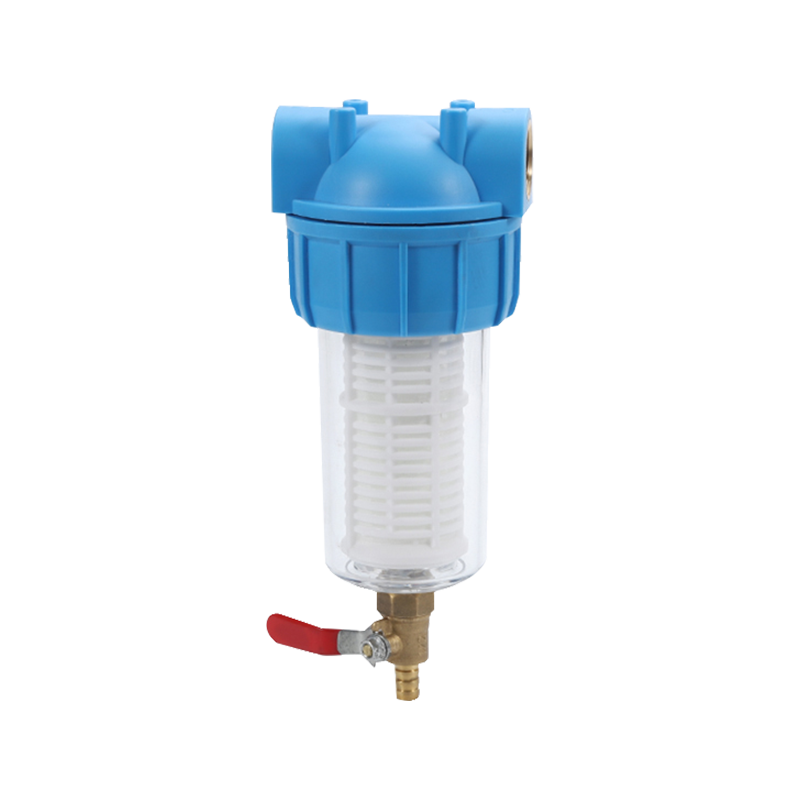
RH-06J5BSingle Water Filter with copper recoil valve is characterized by its efficient filtration system, which can effectively remove impurities, suspended matter, residual chlorine, odor and some ha...
See Details -
 >
>
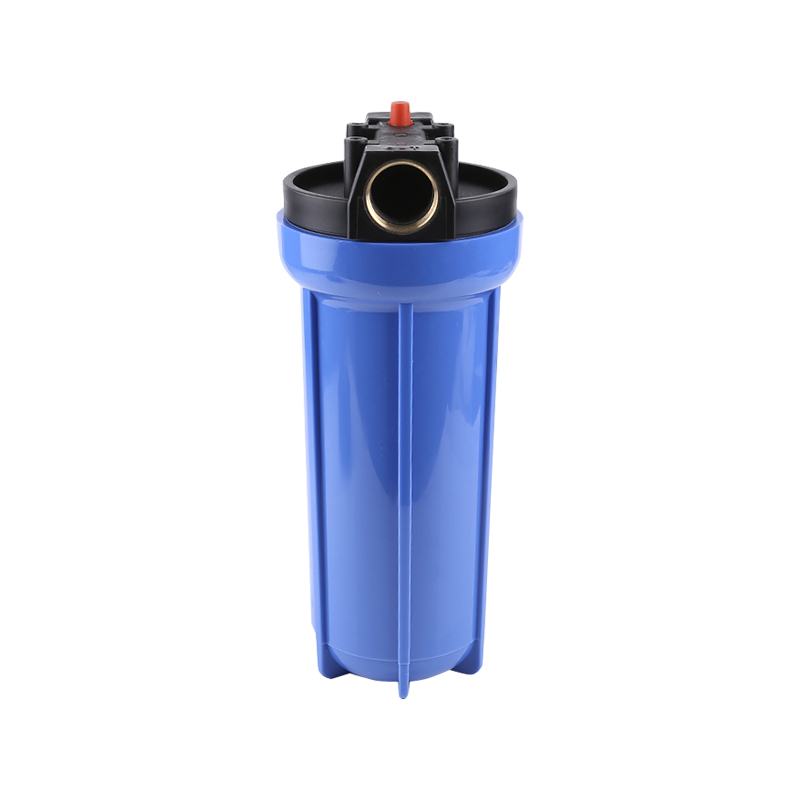
1. Single Water Filter(15BAR).2. 10" PET bottle+black cap, 3/4"brass thread.3. With 10" PP 70g filter cartridge.4. Color box packing.5. Components: wrench+plastic hanging board+screw.
See Details -
 >
>
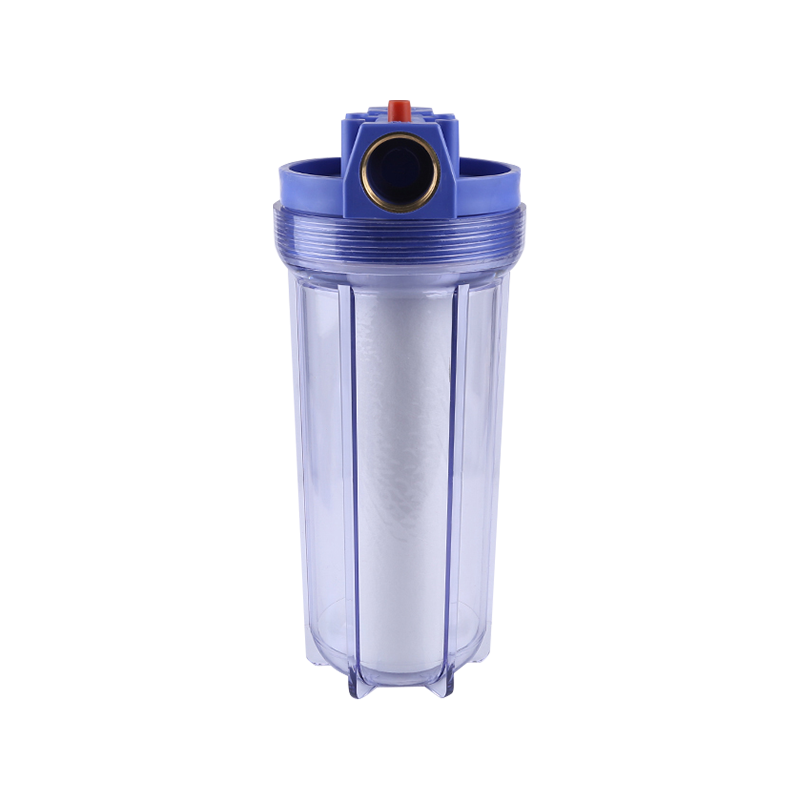
1. Single Water Filter(15BAR); 2. 10" PET bottle+blue cap,3/4"brass thread.3. With 10" PP 70g filtercartridge.4. Color box Packing. 5. Components: wrench+plastic hanging board+screw.
See Details -
 >
>
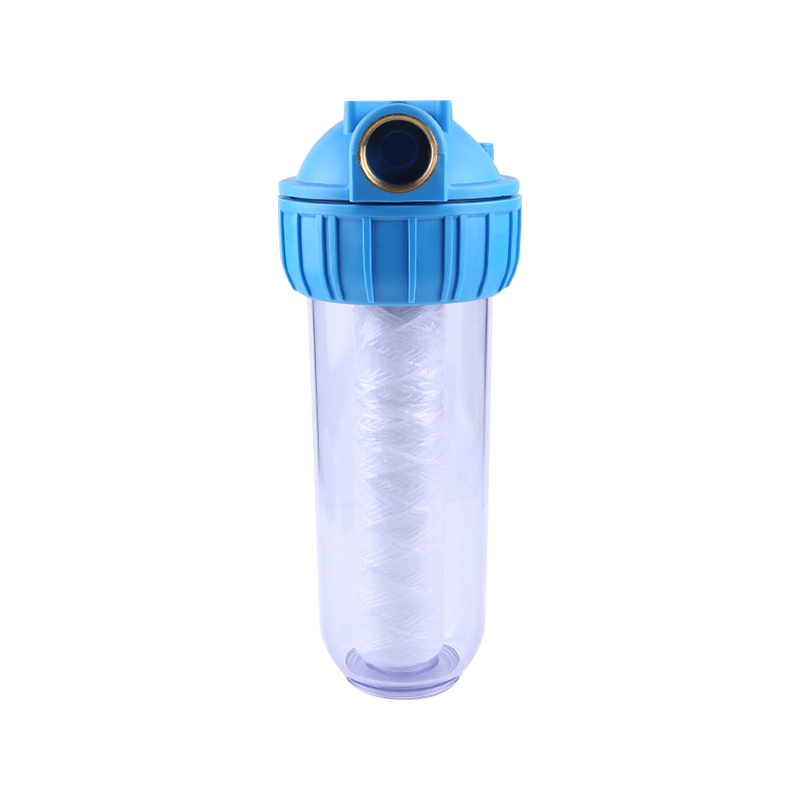
1. Single Water Filter(15BAR).2. 10" PET bottle+blue cap,3/4"brass thread.3. With 10" pp 70g cartridge. 4. Color box Packing. 5. Components: wrench+plastic hanging board+screw.
See Details -
 >
>
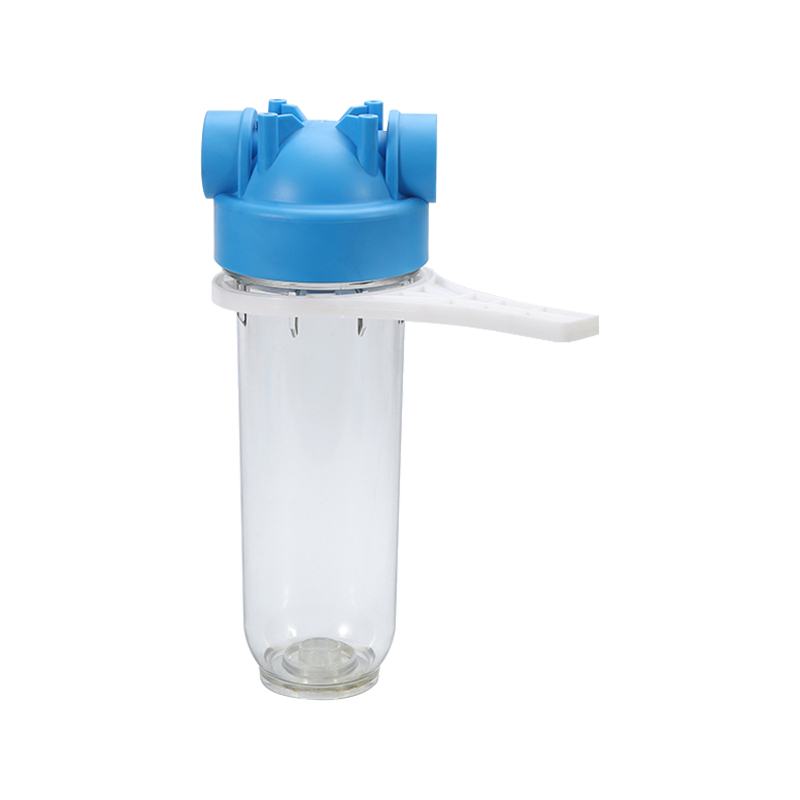
1. Single Water Filter(15BAR).2. 10" PET bottle+blue cap,3/4"brass thread.3. With 10" PP 70g filter cartridge.4. Color box Packing.5. Components: wrench+plastic hanging board+screw.
See Details -
 >
>
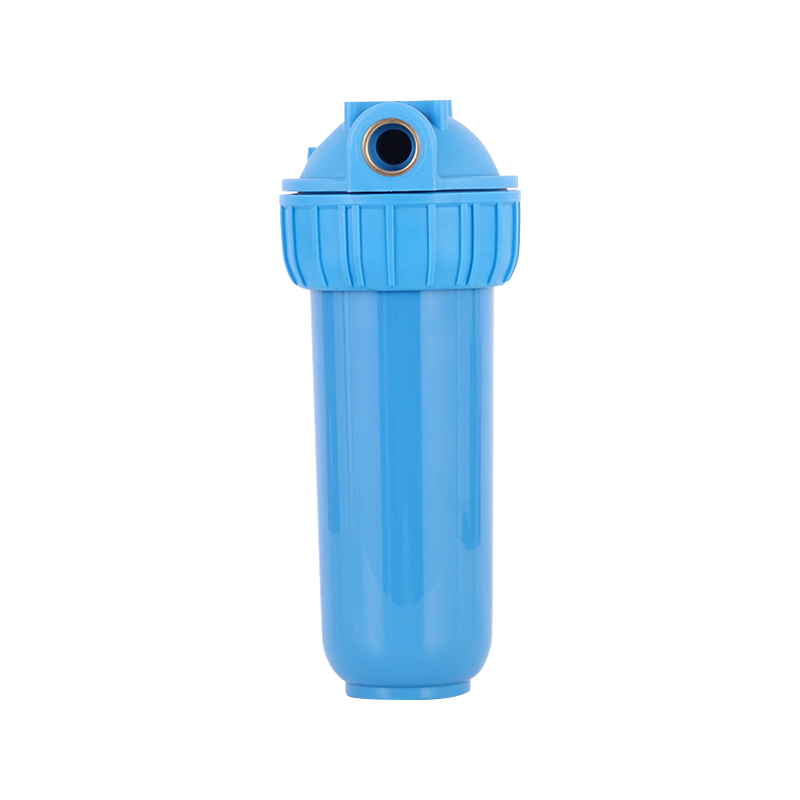
1. Single Water Filter(15BAR).2. 10" PET blue bottle+blue cap,3/4"brass thread.3. With 10" pp 70g cartridge. 4. Color box Packing. 5. Components: wrench+plastic hanging board.
See Details -
 >
>
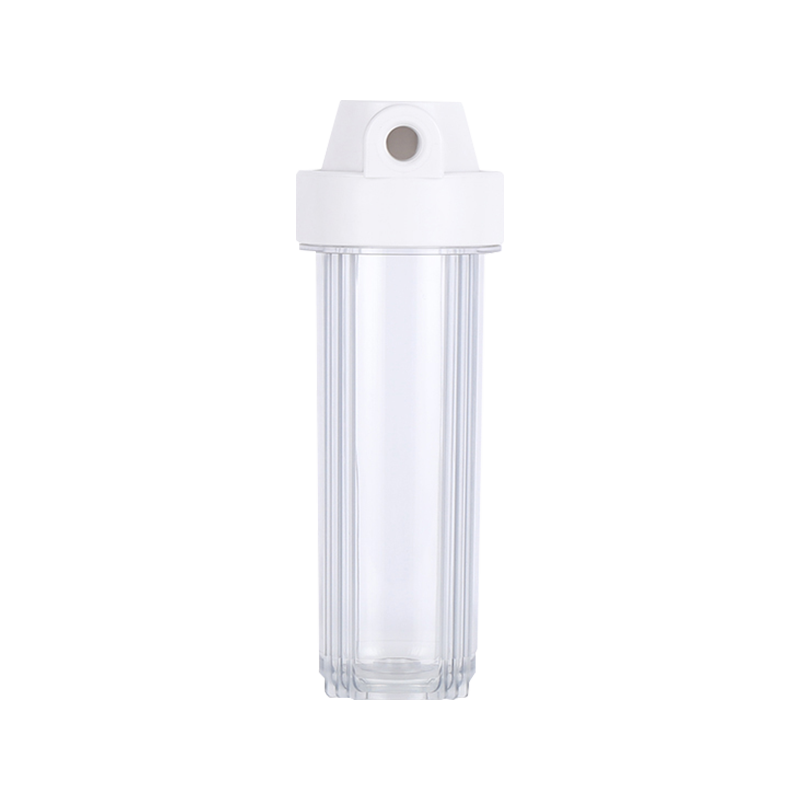
1. Single Water Filter(15BAR).2. 10" PET transparent bottle+white cap,1/4"brass thread.3. With 10" pp 70g cartridge. 4. Color box Packing.
See Details

If you are interested in our products, please consult us
Ningbo Yaorui Water Purification Technology Co., LTD. All Rights Reserved.
Wholesale Household Water Purifier Manufacturers
