
 English
 русский
 Español
 عربى
عربى 中文简体
中文简体
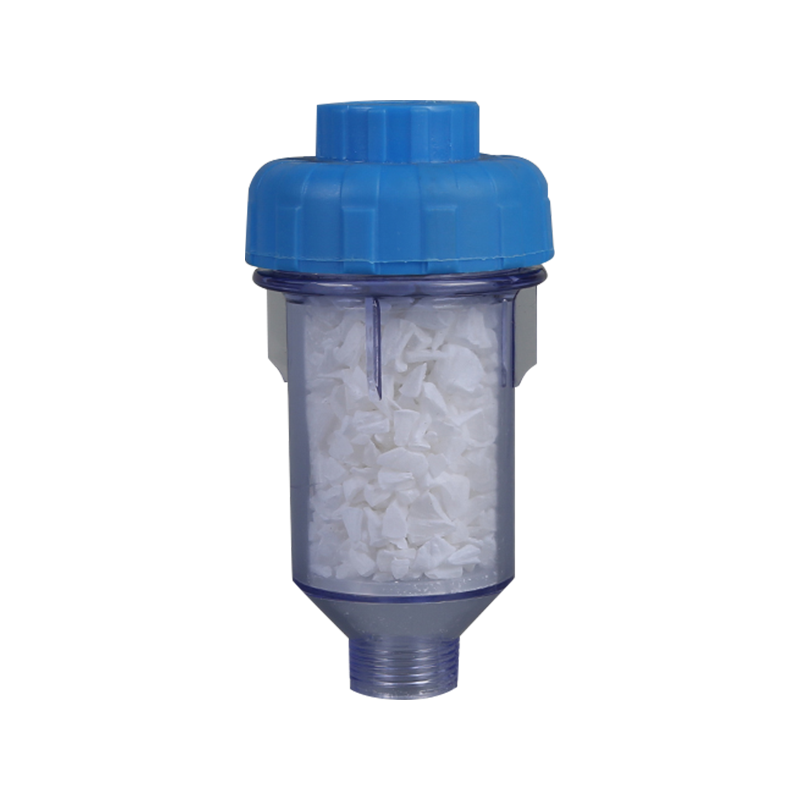 >
>The core highlight of this filter is its built-in silicone sheet filter layer. As a high-performance elastic material, silicone has high-temperature resistance, aging resistance, corrosion resistance,...
See Details [email protected]
 +86-18368206374
 No.99,Yuma Road,Mazhu Town,Yuyao City,Zhejiang Province,China.
How Do You Install and Maintain a Water Filter Cartridge Properly?
Industry News-Content
Water filter cartridges are essential for providing clean and safe drinking water in homes, offices, and industrial settings. They remove sediments, chlorine, heavy metals, bacteria, and other contaminants, ensuring water quality meets health standards. However, the performance of a water filter cartridge depends heavily on proper installation and routine maintenance. Incorrect installation or neglecting maintenance can lead to reduced efficiency, contamination, or damage to the filtration system. Understanding the correct steps to install and maintain a water filter cartridge ensures not only safe water but also longer service life of the system.
Step-by-Step Guide to Installing a Water Filter Cartridge
Installing a water filter cartridge may seem straightforward, but small mistakes can compromise water quality. Start by turning off the main water supply or the specific valve connected to your filter system. This prevents leaks and minimizes water wastage. Next, carefully unscrew the filter housing using the provided wrench and remove the old cartridge. Always handle used cartridges with care and dispose of them according to local environmental regulations. After removing the old cartridge, clean the filter housing thoroughly with a clean cloth or mild cleaning solution to remove accumulated sediments or debris. Insert the new cartridge carefully, ensuring it is aligned properly with the O-ring or gasket to prevent leaks. Finally, screw the housing back on securely, turn on the water supply slowly, and flush the system for several minutes to remove any loose carbon dust or particles from the new cartridge.
Maintenance Tips for Water Filter Cartridges
Routine maintenance is crucial to keep your water filter cartridge working efficiently. Failing to replace cartridges or clean the system regularly can result in clogging, reduced water flow, and poor water quality. Proper maintenance involves monitoring water clarity and taste, replacing cartridges as recommended, and checking system seals and gaskets.
| Maintenance Task | Recommended Frequency | Notes |
|---|---|---|
| Replace Cartridge | Every 3–6 months | Depends on water usage and manufacturer instructions |
| Clean Filter Housing | Each cartridge change | Removes sediment buildup and prevents bacterial growth |
| Inspect O-Rings and Gaskets | Each cartridge change | Replace if worn to prevent leaks |
| Flush System | Monthly or after long inactivity | Helps remove trapped air and debris |
| Monitor Water Taste & Clarity | Ongoing | Cloudy water or off taste indicates cartridge replacement is needed |
Best Practices for Extending Cartridge Life
To maximize the efficiency and lifespan of a water filter cartridge, consider the following practices. Pre-filtration using a sediment filter can reduce the load on the main cartridge, preventing clogging and extending its life. Avoid freezing the filter, as extreme cold can damage both the cartridge and housing. Always follow the manufacturer’s installation guidelines, including flow rates and pressure limits. Lastly, regularly inspect the system for leaks, unusual tastes, or slow water flow. Early detection of problems can prevent bigger issues and ensure continuous water safety.
Common Mistakes to Avoid
Many users inadvertently reduce cartridge performance due to simple mistakes. Installing the cartridge backward, skipping regular replacements, or using harsh cleaning chemicals inside the housing can all compromise water quality. Ignoring leaks or changes in water taste can also result in bacterial contamination or system damage. By being proactive and attentive, you can ensure the water filter continues to perform optimally for years.
FAQ
Q1: How can I tell when a water filter cartridge needs replacement?
A1: Common signs include reduced water flow, cloudy or bad-tasting water, or reaching the manufacturer’s recommended usage period.
Q2: Can I clean and reuse a water filter cartridge?
A2: Most modern cartridges, especially carbon-based filters, are not designed for cleaning and reuse. Replacement is recommended for optimal performance.
Q3: Is professional installation necessary?
A3: While many cartridges are user-friendly, professional installation can ensure proper sealing, avoid leaks, and maintain warranty coverage, especially for complex systems.
Q4: What factors affect the lifespan of a water filter cartridge?
A4: Water quality, usage volume, sediment levels, and proper installation all affect how long a cartridge lasts. Hard or dirty water may require more frequent replacement.
References
- Water Quality Association (WQA). Residential Water Filtration Guide. 2023.
- NSF International. Guide to Drinking Water Filters and Cartridges. 2022.
- Manufacturer User Manuals – Various Brands of Water Filter Cartridges.
Related products
-
 >
>
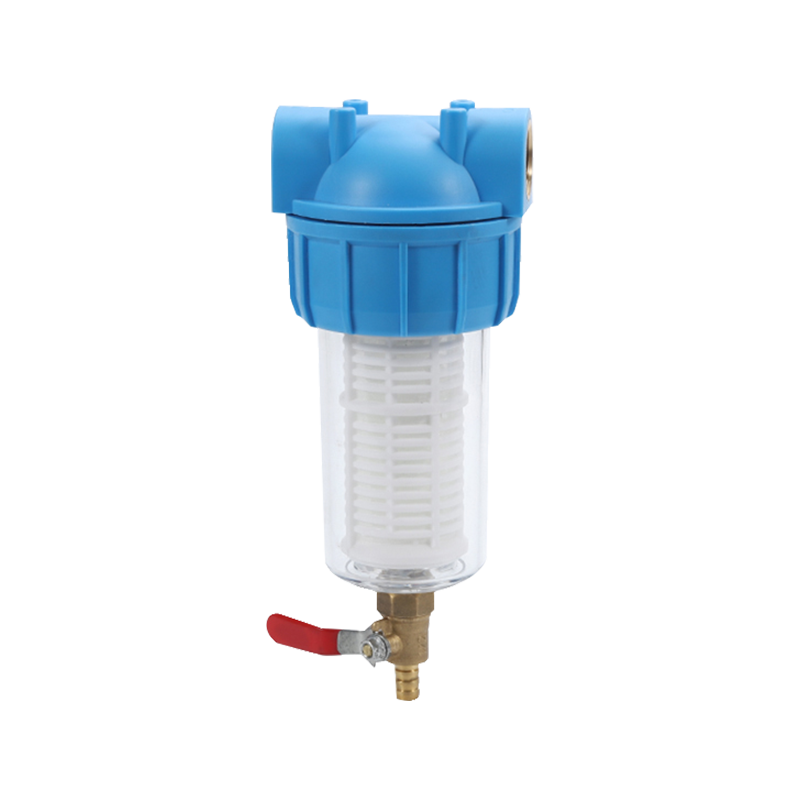
RH-06J5BSingle Water Filter with copper recoil valve is characterized by its efficient filtration system, which can effectively remove impurities, suspended matter, residual chlorine, odor and some ha...
See Details -
 >
>
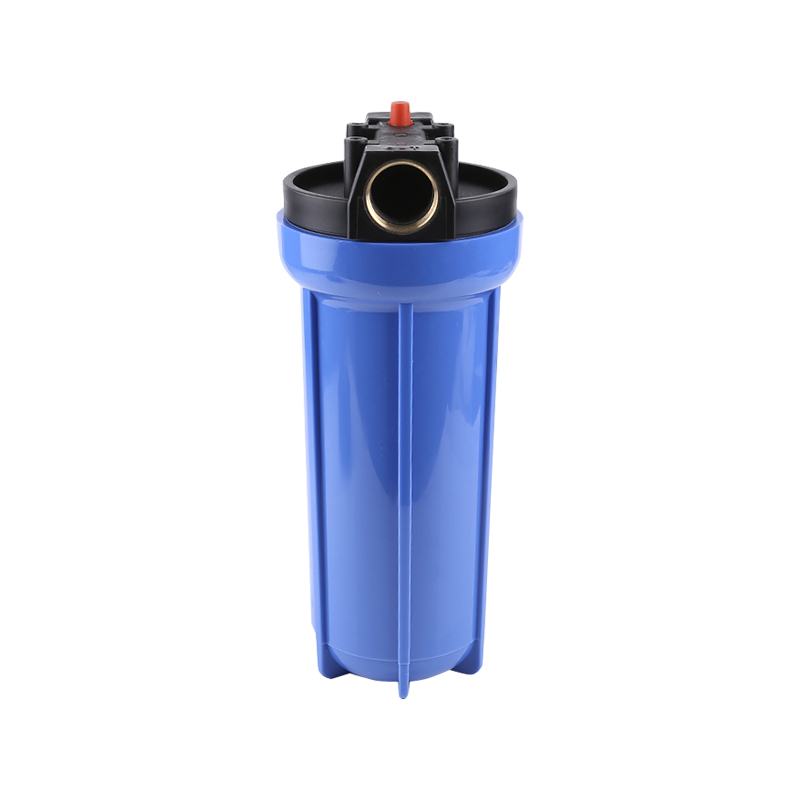
1. Single Water Filter(15BAR).2. 10" PET bottle+black cap, 3/4"brass thread.3. With 10" PP 70g filter cartridge.4. Color box packing.5. Components: wrench+plastic hanging board+screw.
See Details -
 >
>
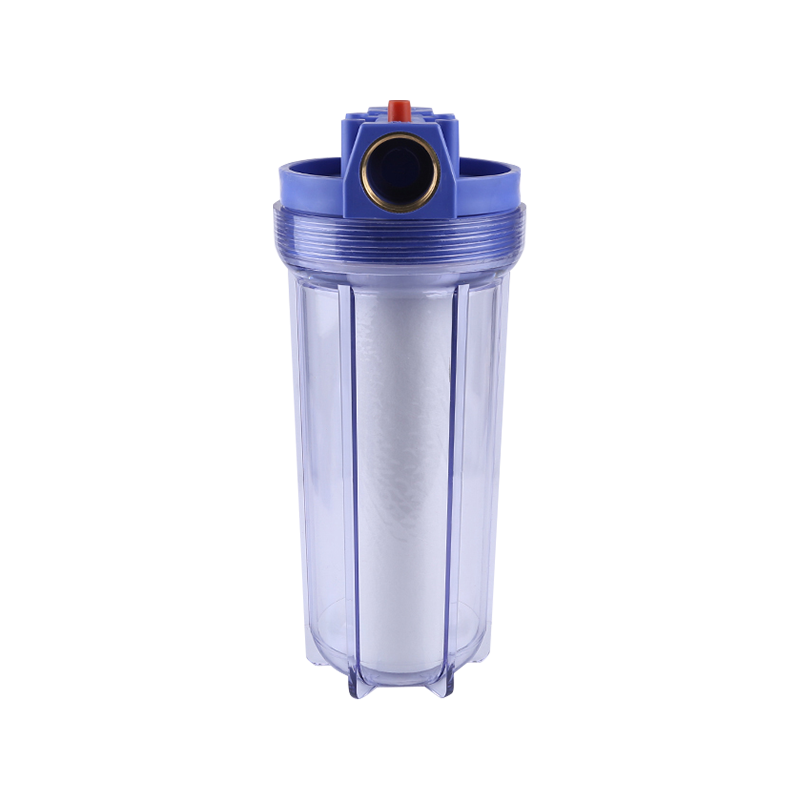
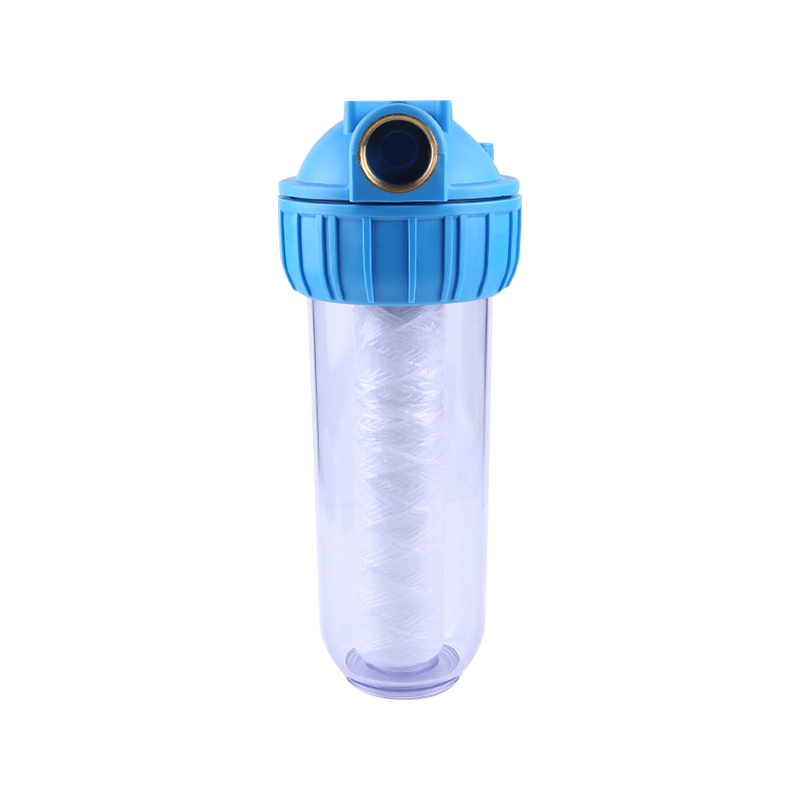
1. Single Water Filter(15BAR); 2. 10" PET bottle+blue cap,3/4"brass thread.3. With 10" PP 70g filtercartridge.4. Color box Packing. 5. Components: wrench+plastic hanging board+screw.
See Details -
 >
>
1. Single Water Filter(15BAR).2. 10" PET bottle+blue cap,3/4"brass thread.3. With 10" pp 70g cartridge. 4. Color box Packing. 5. Components: wrench+plastic hanging board+screw.
See Details -
 >
>
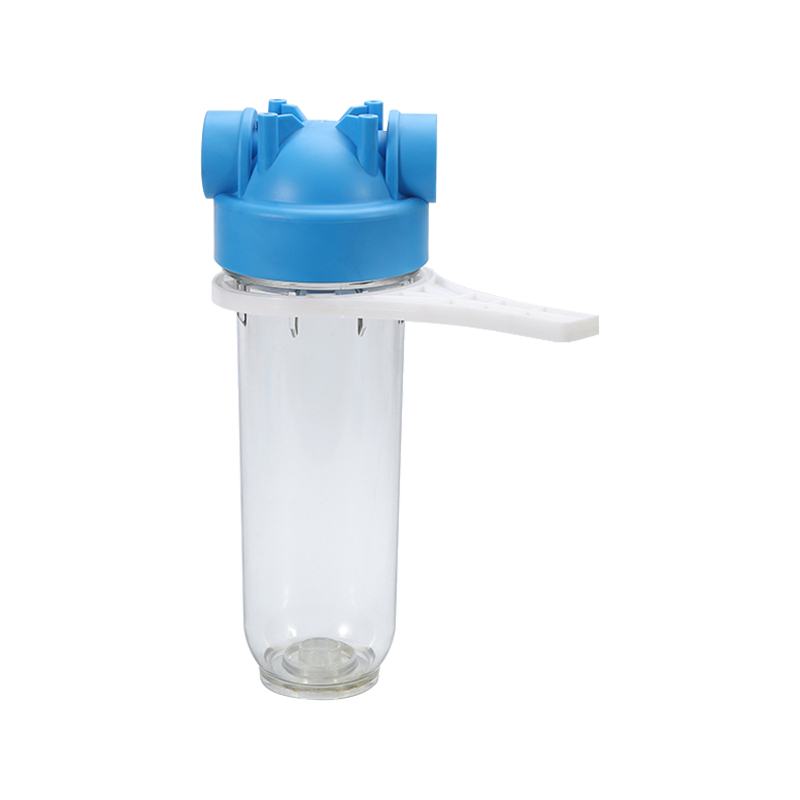
1. Single Water Filter(15BAR).2. 10" PET bottle+blue cap,3/4"brass thread.3. With 10" PP 70g filter cartridge.4. Color box Packing.5. Components: wrench+plastic hanging board+screw.
See Details -
 >
>
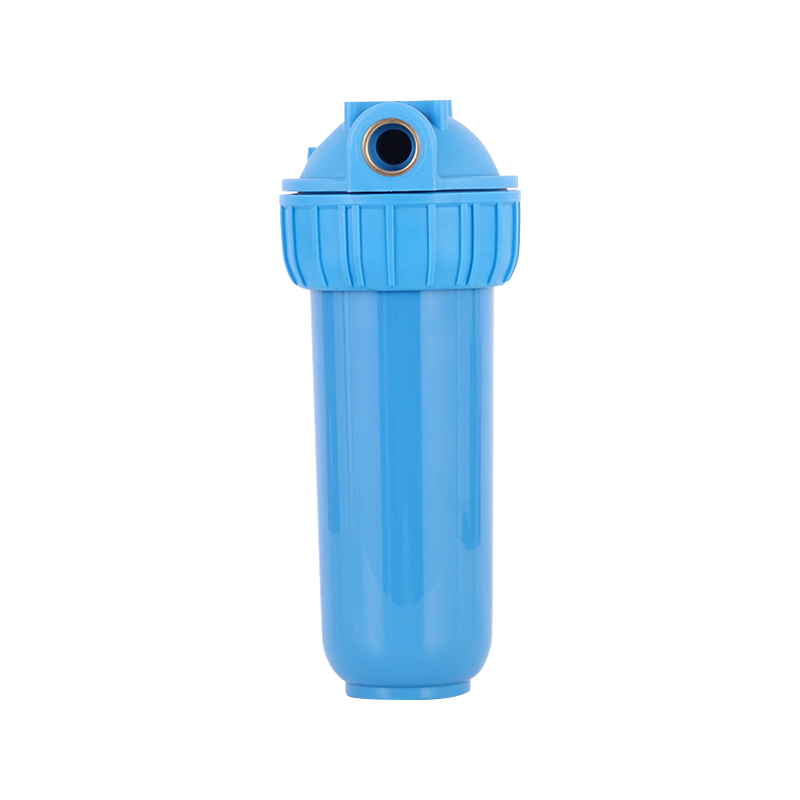
1. Single Water Filter(15BAR).2. 10" PET blue bottle+blue cap,3/4"brass thread.3. With 10" pp 70g cartridge. 4. Color box Packing. 5. Components: wrench+plastic hanging board.
See Details -
 >
>
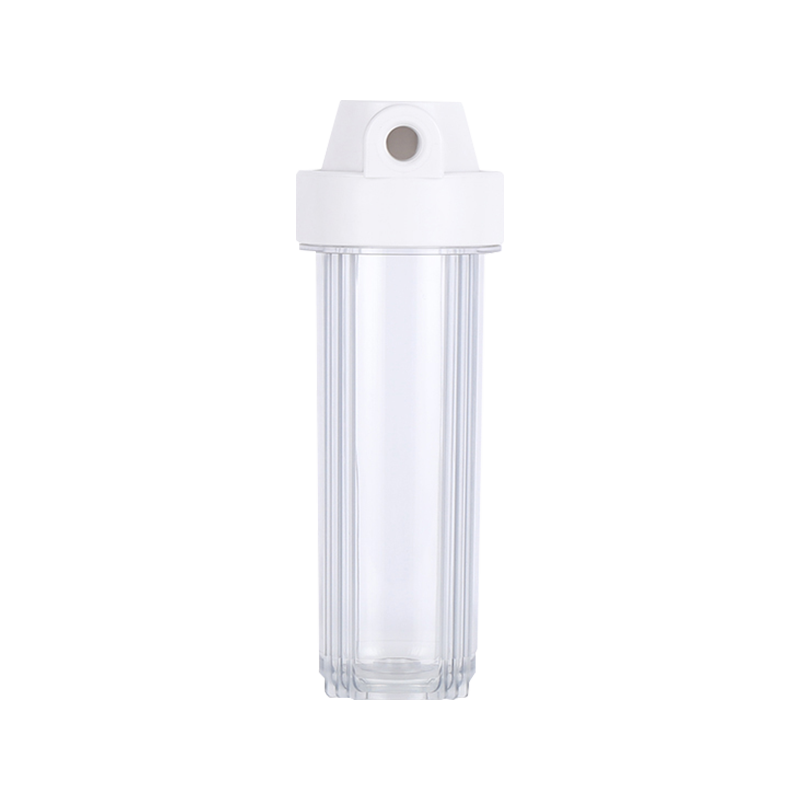
1. Single Water Filter(15BAR).2. 10" PET transparent bottle+white cap,1/4"brass thread.3. With 10" pp 70g cartridge. 4. Color box Packing.
See Details

If you are interested in our products, please consult us
Ningbo Yaorui Water Purification Technology Co., LTD. All Rights Reserved.
Wholesale Household Water Purifier Manufacturers
