 English
 русский
 Español
 عربى
عربى 中文简体
中文简体
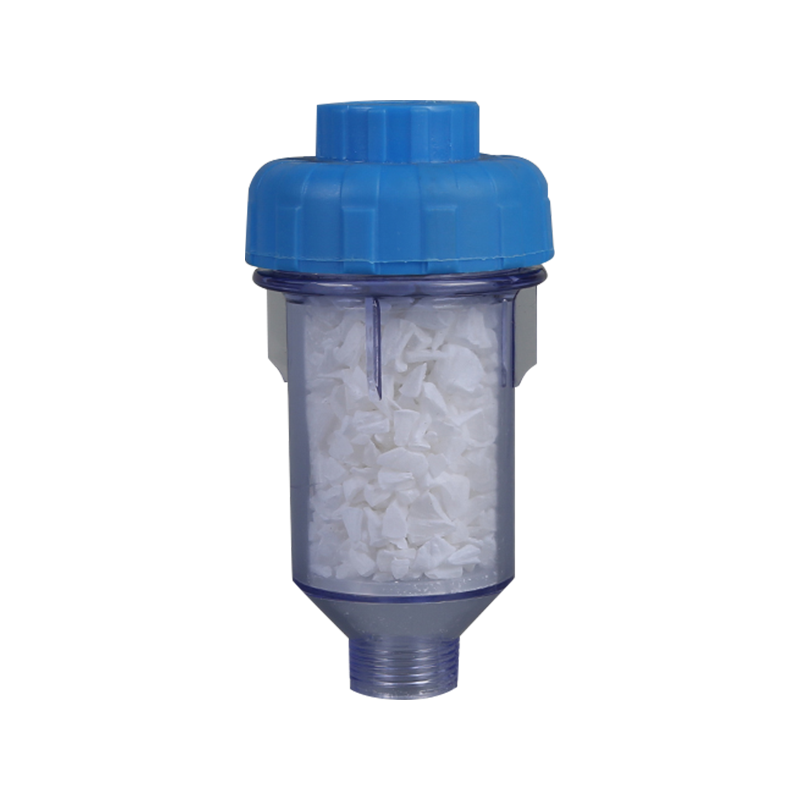 >
>The core highlight of this filter is its built-in silicone sheet filter layer. As a high-performance elastic material, silicone has high-temperature resistance, aging resistance, corrosion resistance,...
See Details [email protected]
 +86-18368206374
 No.99,Yuma Road,Mazhu Town,Yuyao City,Zhejiang Province,China.
Advantages of Soft Water: How It Protects Your Home, Skin, and Appliances
Industry News-Content
Fill a glass with hard tap water and let it dry. The white film that remains is not residue from the glass—it is calcium carbonate and magnesium that evaporated out of solution. The same minerals are silently coating your shower head, kettle, water heater, and every pipe elbow they pass through. Soft water addresses that problem at the source. Once hardness minerals are removed, the benefits are not subjective: cleaning products work better, scale stops forming, skin feels less dry, and appliances last longer.
In practical terms, the advantages of soft water come down to five areas:
- More effective soap and detergent with less product
- No mineral film on dishes, glassware, or appliances
- Cleaner rinsing for skin and hair
- Hardly any limescale inside pipes and heaters
- Lower energy consumption and fewer equipment failures
What Is Soft Water, and How Is It Measured?
Soft water contains low concentrations of dissolved calcium and magnesium, usually below 1 grain per gallon (gpg). Hard water is the opposite: it carries noticeable amounts of these minerals, which enter the supply when groundwater passes through limestone, chalk, or gypsum deposits. Hardness is measured either in grains per gallon or milligrams per liter (mg/L), and the same water supply can be classified differently depending on which standard your region uses.
| Classification | Grains per Gallon | Milligrams per Liter |
|---|---|---|
| Soft | Less than 1 | Less than 17.1 |
| Slightly hard | 1 – 3.5 | 17.1 – 60 |
| Moderately hard | 3.5 – 7 | 60 – 120 |
| Hard | 7 – 10.5 | 120 – 180 |
| Very hard | Over 10.5 | Over 180 |
This scale matters because the same hardness difference that looks invisible in a glass of water is extremely visible in a washing machine, a boiler, or a shower. A supply at 10 gpg will produce visible scale in a kettle in weeks, while a supply below 3.5 gpg can run for months without a trace. Understanding where your incoming water sits on this scale determines whether softening is a comfort upgrade or a protective requirement.
What Soft Water Changes in Daily Cleaning
Start with the most direct advantage: water that does not contain hardness ions lets soap do its job. Calcium and magnesium react with soap to form insoluble salts—soap scum—before the soap reaches the surface it is meant to clean. That reaction steals cleaning power, dulls surfaces, and leaves a gray film behind. Soft water eliminates this reaction almost completely, which is why a small amount of liquid soap produces rich lather in soft water but barely foams in hard water.
Clean dishes illustrate the same effect in a visible way. The spots left on glassware after air drying are calcium carbonate deposits that reappear even after rinsing with cleaner. Softened water dries without those spots, so glasses and silverware come out of a dishwasher looking noticeably clearer. The same applies to a coffee machine or kettle: scale that would normally build up over weeks stays easy to wipe off when the feed water has been softened.
Fabric is another place where hard water leaves evidence. Minerals accumulate inside cotton fibers during washing, making towels stiff, reducing the absorbency of bath linens, and causing dark clothes to fade with a dull, dingy look. With soft water, detergent rinses out completely, so fabric stays flexible and colors hold longer. If you want these effects across every tap in the house instead of just one kitchen outlet, whole-house water filters for city water are the more practical setup for municipal supplies because the treatment point sits before water branches to individual fixtures.
Skin, Hair, and Personal Care
Skin and hair benefits are real, but they need context. Hard water does not directly cause eczema or dandruff; what it does is leave mineral and soap residue on skin and hair every time you wash. That residue can irritate the scalp, make the hair feel rough and brittle, and leave the skin dry and tight. Softened water rinses soap and shampoo away completely, which removes a common source of chronic dryness and itching. Many people also notice that they need less shampoo and body wash, because lather is no longer being consumed by mineral ions in the water.
It is worth saying plainly: soft water is not a skincare treatment. But when recurring dry skin, itchy scalp, or dull hair are linked to hard water in the home, removing the hardness is usually the first step before changing any product.
Protecting Pipes, Water Heaters, and Appliances
The costliest advantage of soft water is inside the pipes and tanks you never see. Limescale grows fastest on heated surfaces. Scale on a water heater heating element acts as an insulator, so the heater draws more energy to heat the same quantity of water. Over time, scale can narrow pipe bores, reduce flow rate, and cause shut-off valves and solenoid valves to stick. These failures slowly increase energy use, and eventually lead to premature replacement of water heaters, washing machines, dishwashers, and coffee machines.
Research funded by the Water Quality Research Foundation has shown that softened water can reduce detergent use by roughly 50% and energy consumption for water heating by up to 22%. This is not about saving a few dishes of detergent; it is about the natural lifetime of major appliances.
For manufacturers and importers, this failure mode is familiar: scale-related breakdowns are a top cause of warranty claims for water-using appliances. Designing a system to operate on softened water reduces that risk at the source. Replacing a salt-based softener is not always necessary; in many households, dedicated resin-based water softening filter cartridges do the same job in a standard filter housing. The resin exchanges hardness ions for sodium while water flows through, and the cartridge can be replaced without touching the rest of the system.
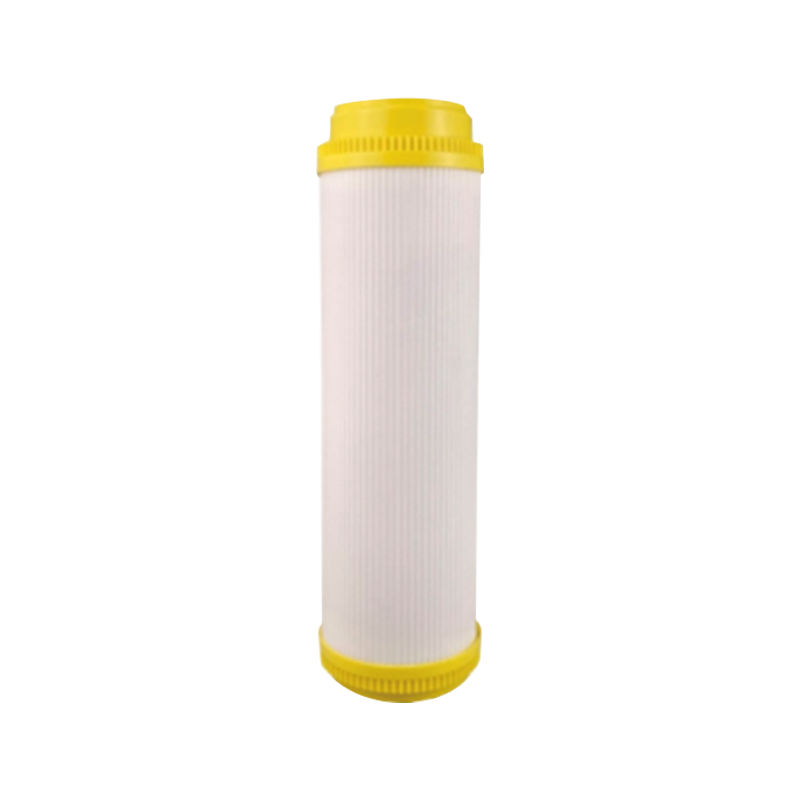 RH-Resin 10-inch Ion-Exchange Water Softening Filter CartridgeThis 10-inch resin cartridge exchanges hardness ions for sodium inside a standard filter housing, offering a salt-free alternative for scale prevention in households and appliances. It suits the article's discussion on reducing scale-related breakdowns and recurring costs without installing a full softener.View Product →
Cost, Energy, and Environmental Savings
The financial advantage of soft water is the sum of smaller recurring savings, not one large bill. Less detergent, less fabric softener, less dishwasher cleaner, and fewer descaling products all come from the same root cause. Fewer scale deposits also mean fewer service calls and longer intervals between appliance replacements.
There is an environmental side, too. When soap lathers properly and rinses clean, households need fewer chemical cleaning products, and those products end up in wastewater in lower concentrations. Natural cleaning bases like vinegar or baking soda also work more effectively on soft water because there is no mineral film competing with them. This is one of the few home improvements where the user, the budget, and the surfaces involved all benefit from the same change.
Softening and Filtration: What a Complete System Looks Like
Softening is not filtration, and the distinction matters when you design a treatment package. Filtration removes particles, chlorine, organic compounds, and in the case of reverse osmosis, dissolved solids. Softening specifically targets calcium and magnesium. The two functions complement each other: a typical whole-house plan starts with a sediment filter to protect downstream equipment, adds a softening stage to control scale, and finishes with a carbon filter for taste and odor.
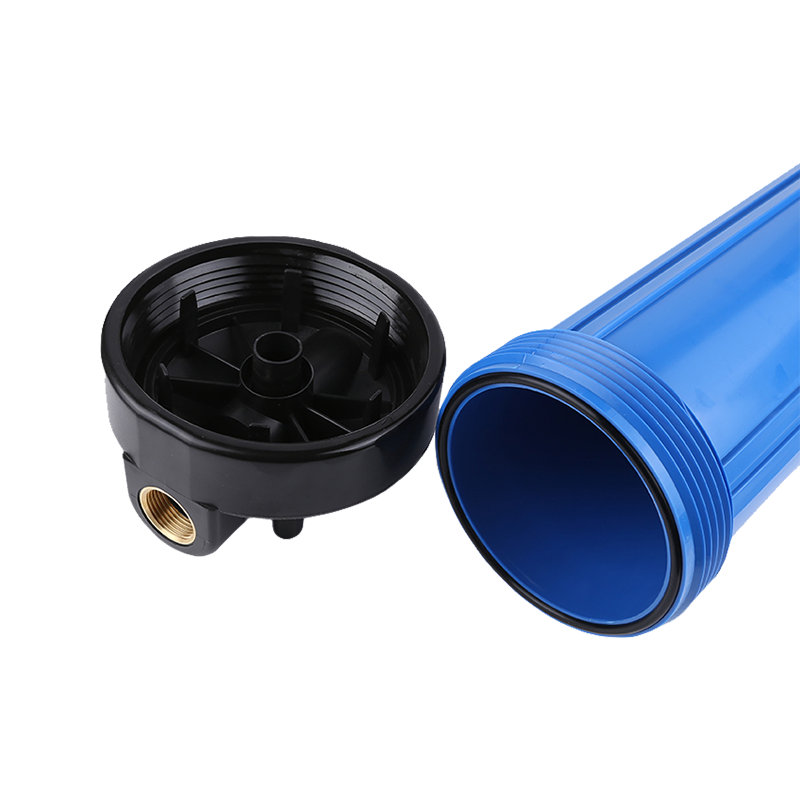 RH-JBB20A 20-Inch Jumbo Water Filter Housing with Brass ThreadsThis 20-inch jumbo housing, rated for 18 bar, is designed as a large-format prefilter to protect downstream softening resin from sediment. Its high flow capacity and replaceable cartridges fit the whole-house treatment plan described, especially for well water or high sediment loads.View Product →
For homes with well water or unusually high sediment load, the prefilter is not optional; without it the softening resin will clog quickly. A large-format filter housing is a common choice for this first stage because it offers high flow rates and longer cartridge life. For urban municipal water, where sediment loads are low but chlorine is present, the softening stage usually pairs with an activated carbon block.
Sodium deserves one honest mention. Ion-exchange softeners, whether a full salt-based unit or a resin cartridge, exchange hardness ions for sodium, so softened water contains slightly more sodium than hard water. The increase is usually modest for moderately hard water, but measurable, and it matters for anyone on a strict sodium-limited diet. That concern can be avoided by drinking water from a point-of-use reverse osmosis system, because the RO membrane removes the exchanged sodium. A compact RO unit can be combined with a softening line instead of replacing it.
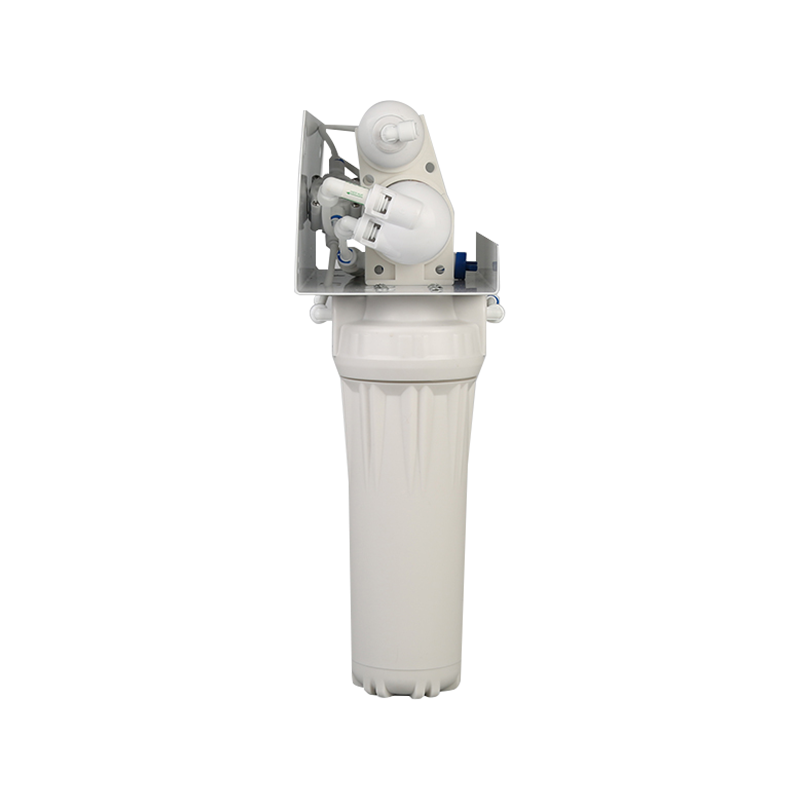 RH-RO4 Six-Stage 75G Reverse Osmosis System with MineralizationThis six-stage 75G reverse osmosis system removes hardness-exchange sodium and other contaminants through a 0.0001-micron membrane, then adds post-carbon and mineral stages. It pairs well with a softening line, addressing the article's point about drinking water concerns for sodium-sensitive users.View Product →
Soft water will not fix every water quality problem, and it is not a substitute for filters that remove chlorine, heavy metals, or bacteria. What it does is remove a separate set of problems caused by hardness minerals, and those problems happen to be the most expensive recurring ones in a household: scale in heaters, soap scum in bathrooms, stiff laundry, and dullness on glass. If you are evaluating water treatment for a home, test the hardness level first, then decide whether the answer is a full softener, a softening cartridge, or a combined softening and filtration system. Getting that choice right has a larger effect on daily comfort and equipment life than any other single water treatment decision.
Related products
-
 >
>
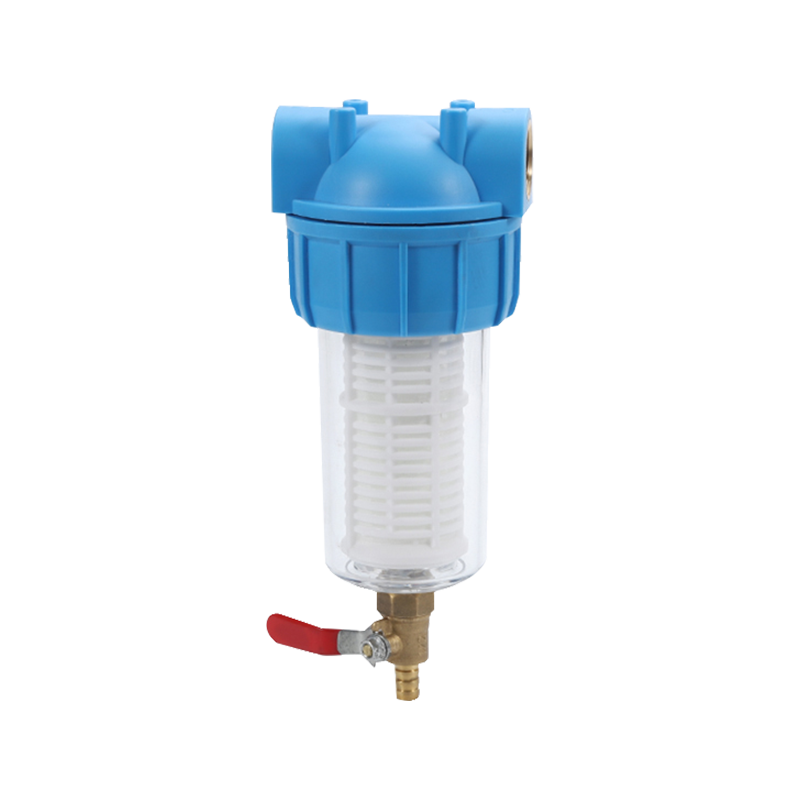
RH-06J5BSingle Water Filter with copper recoil valve is characterized by its efficient filtration system, which can effectively remove impurities, suspended matter, residual chlorine, odor and some ha...
See Details -
 >
>
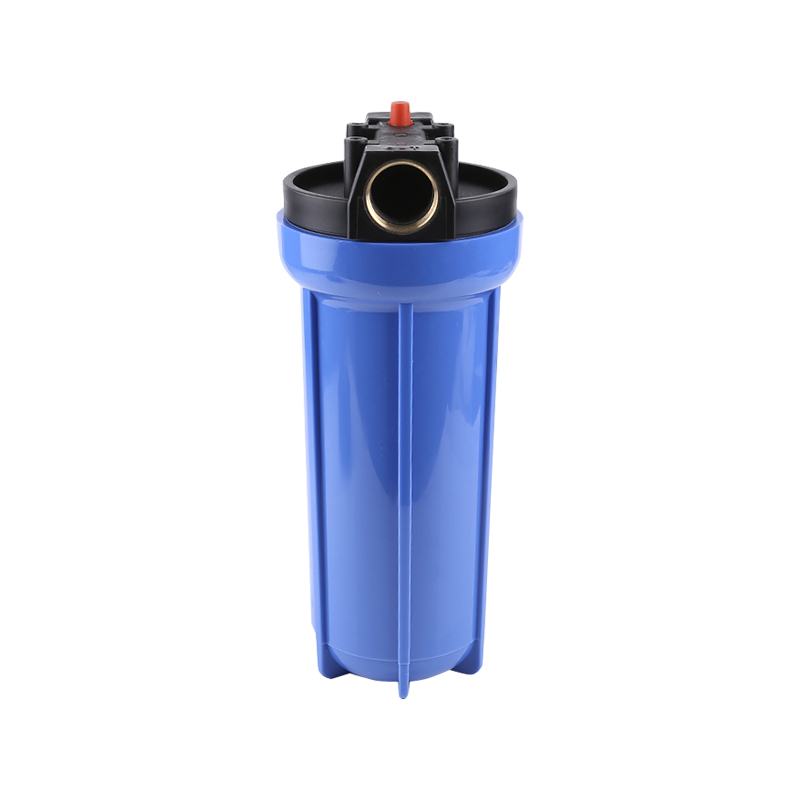
1. Single Water Filter(15BAR).2. 10" PET bottle+black cap, 3/4"brass thread.3. With 10" PP 70g filter cartridge.4. Color box packing.5. Components: wrench+plastic hanging board+screw.
See Details -
 >
>
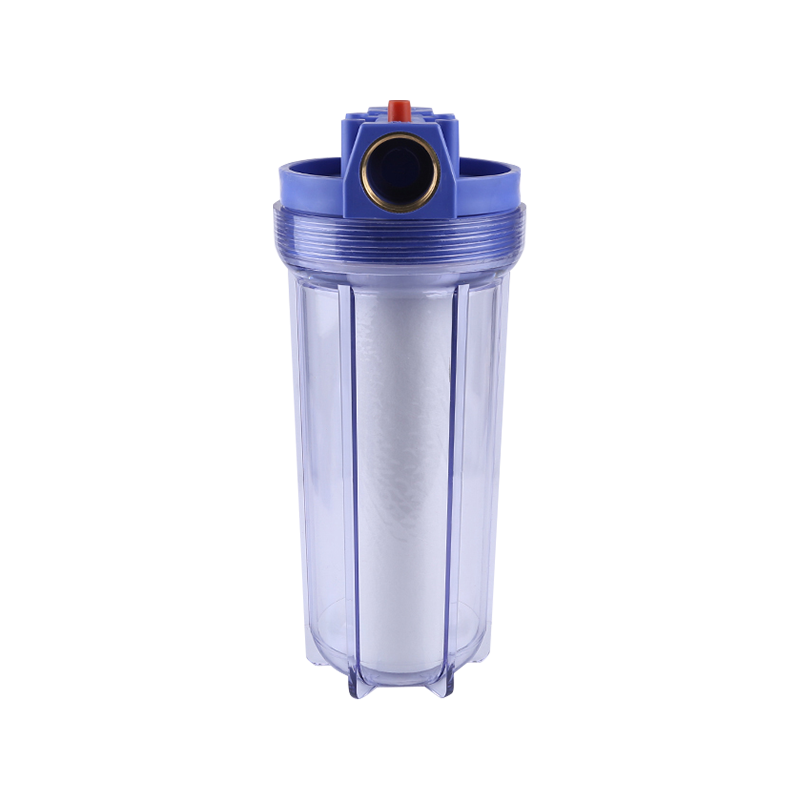
1. Single Water Filter(15BAR); 2. 10" PET bottle+blue cap,3/4"brass thread.3. With 10" PP 70g filtercartridge.4. Color box Packing. 5. Components: wrench+plastic hanging board+screw.
See Details -
 >
>
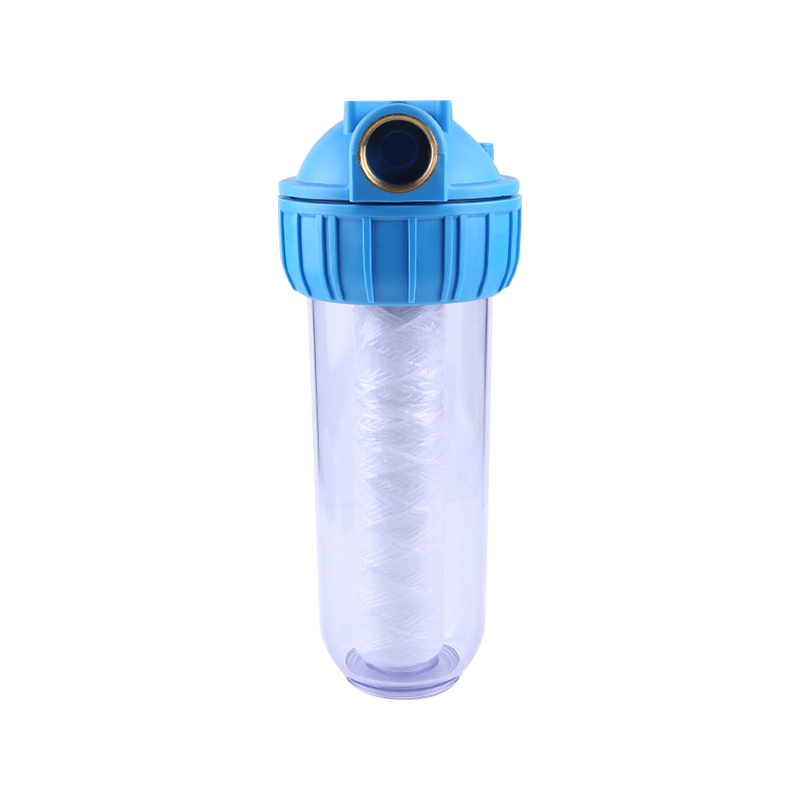
1. Single Water Filter(15BAR).2. 10" PET bottle+blue cap,3/4"brass thread.3. With 10" pp 70g cartridge. 4. Color box Packing. 5. Components: wrench+plastic hanging board+screw.
See Details -
 >
>
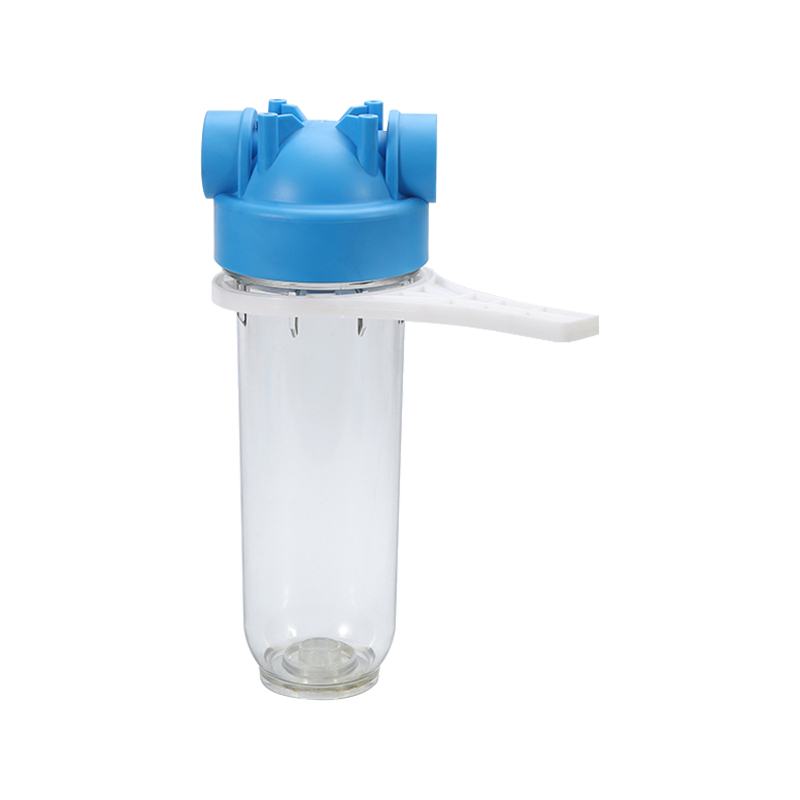
1. Single Water Filter(15BAR).2. 10" PET bottle+blue cap,3/4"brass thread.3. With 10" PP 70g filter cartridge.4. Color box Packing.5. Components: wrench+plastic hanging board+screw.
See Details -
 >
>
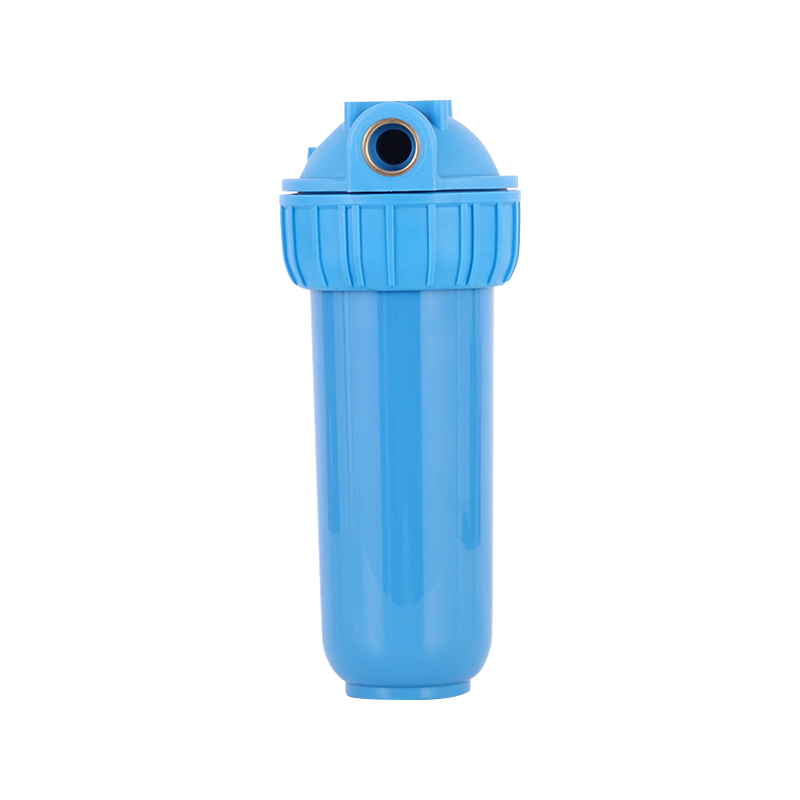
1. Single Water Filter(15BAR).2. 10" PET blue bottle+blue cap,3/4"brass thread.3. With 10" pp 70g cartridge. 4. Color box Packing. 5. Components: wrench+plastic hanging board.
See Details -
 >
>
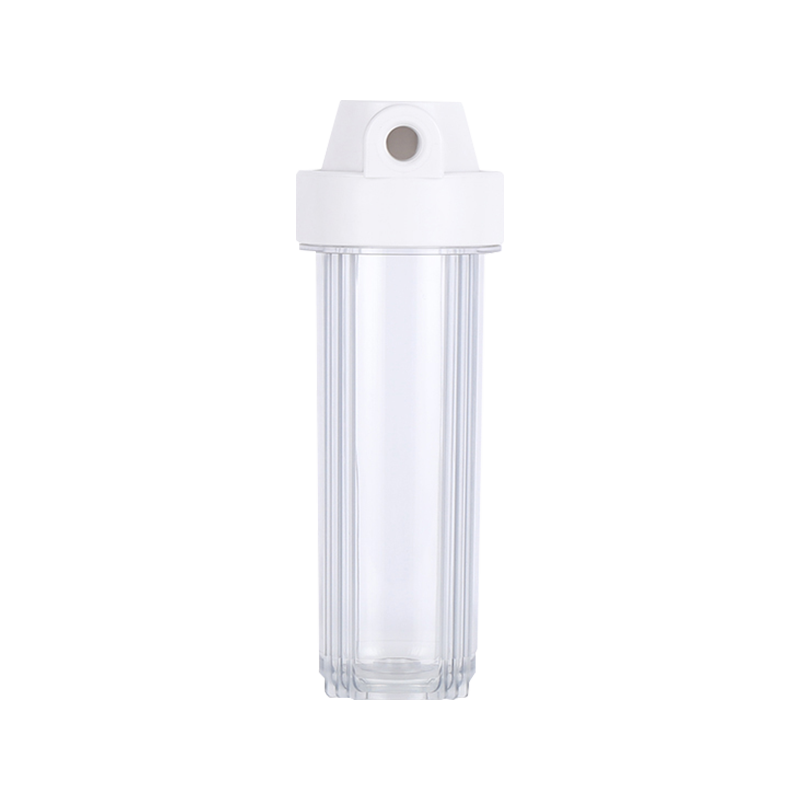
1. Single Water Filter(15BAR).2. 10" PET transparent bottle+white cap,1/4"brass thread.3. With 10" pp 70g cartridge. 4. Color box Packing.
See Details

If you are interested in our products, please consult us
Ningbo Yaorui Water Purification Technology Co., LTD. All Rights Reserved.
Wholesale Household Water Purifier Manufacturers
