 English
 русский
 Español
 عربى
عربى 中文简体
中文简体
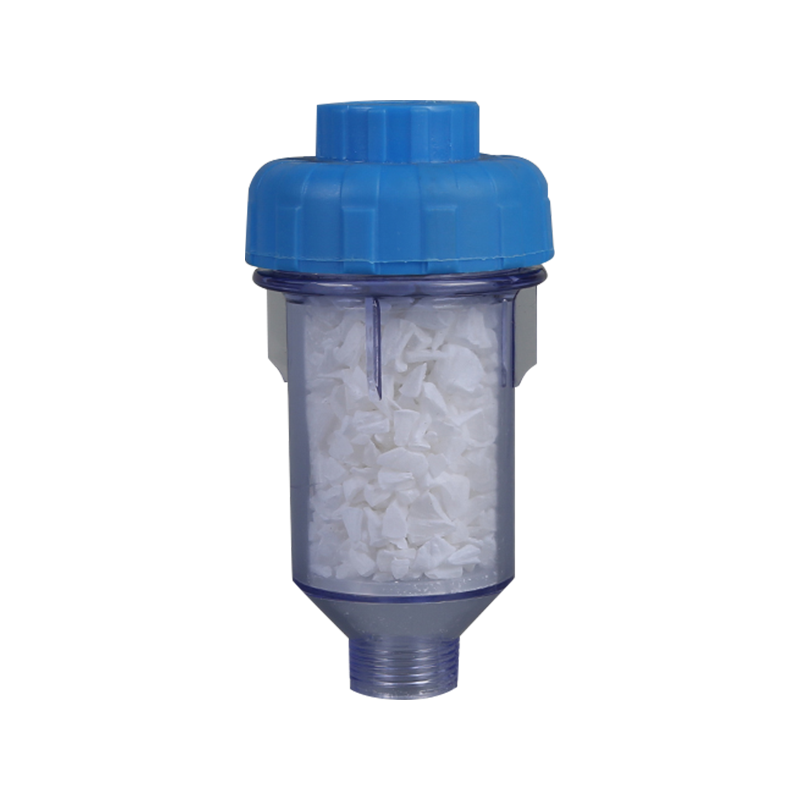 >
>The core highlight of this filter is its built-in silicone sheet filter layer. As a high-performance elastic material, silicone has high-temperature resistance, aging resistance, corrosion resistance,...
See Details [email protected]
 +86-18368206374
 No.99,Yuma Road,Mazhu Town,Yuyao City,Zhejiang Province,China.
How Does Water Filtration Work? A Practical Guide to Common Filters and RO Systems
Industry News-Content
- 1 The Two Core Mechanisms: Physical and Chemical Filtration
- 2 Physical Filtration: Size Exclusion in Practice
- 3 Chemical Filtration: Activated Carbon at Work
- 4 Ion Exchange: When Hard Water Needs Different Treatment
- 5 Reverse Osmosis: Pushing Water Through a Semipermeable Membrane
- 6 How Multi-Stage Systems Combine Mechanisms
- 7 What to Consider Before Buying a Filtration System
Open your kitchen tap and the water looks clear. That does not mean it is clean. Municipal water treatment removes many microbes and solids, but chlorine, dissolved minerals, and trace contaminants can still reach your glass. A water filter works by passing that water through one or more barrier media that trap or alter those unwanted substances. The exact process depends on the filter type: some rely on physical size exclusion, others on chemical attraction, and some use membranes fine enough to reject dissolved ions.
The Two Core Mechanisms: Physical and Chemical Filtration
Almost every household filter relies on one or both of these principles. Physical filtration is a sieving process: particles larger than the filter's pore size are held back while water flows through. Chemical filtration uses an adsorption surface to bind molecules that pass through physically. Understanding which mechanism addresses which impurity helps you choose the right product for your tap water.
Physical Filtration: Size Exclusion in Practice
Physical filters remove particles larger than the filter's pore size. A common example is a sediment prefilter rated at 5 microns, which blocks rust, sand, silt, and pipe scale while allowing water to flow through. Below 1 micron, absolute-rated cartridges can even catch bacteria-sized particles, although they usually require tight housings. For whole-house applications, a whole-house sediment prefilter protects downstream filters and fixtures from premature clogging.
Different filter materials offer different performance. Spun polypropylene yarn cartridges are cheap and effective for coarse sediment, while pleated or folded cartridges provide more surface area for longer service life without sacrificing flow rate. A 10-inch cartridge in a standard housing is common for under-sink use; a 20-inch jumbo cartridge holds more sediment and often lasts longer at higher flow rates.
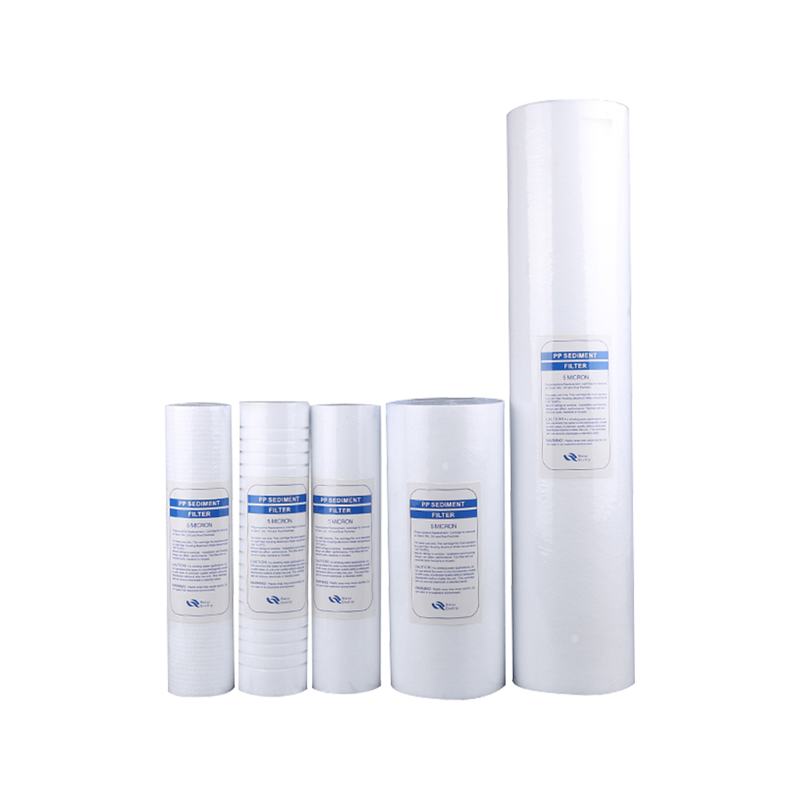 RH-PP Spun Polypropylene Water Filter Cartridge for Sediment RemovalThis 10-inch polypropylene cartridge offers chemical stability and mechanical strength, making it a reliable first-stage filter for sediment and particulate matter in under-sink systems.View Product →
Chemical Filtration: Activated Carbon at Work
Activated carbon filters work through adsorption, a process in which contaminants stick to the surface of carbon granules or blocks. The carbon has an enormous internal surface area—one gram can have hundreds of square meters of pores. When water passes through, organic compounds like chlorine, volatile organic chemicals, and some odor-causing compounds bind to the carbon surface. The result is better taste and a safer chemical profile.
Carbon blocks are more effective at capturing tiny particles than loose granular carbon, because the pores are narrower and the contact time is longer. Granular activated carbon (UDF) is often used in a second stage for chlorine and odor, while compressed carbon block (CTO) polishes the water further and reduces fine particles. If your water has a strong chlorine smell or high turbidity, a cartridge that combines a sediment layer with activated carbon provides two stages in one compact element.
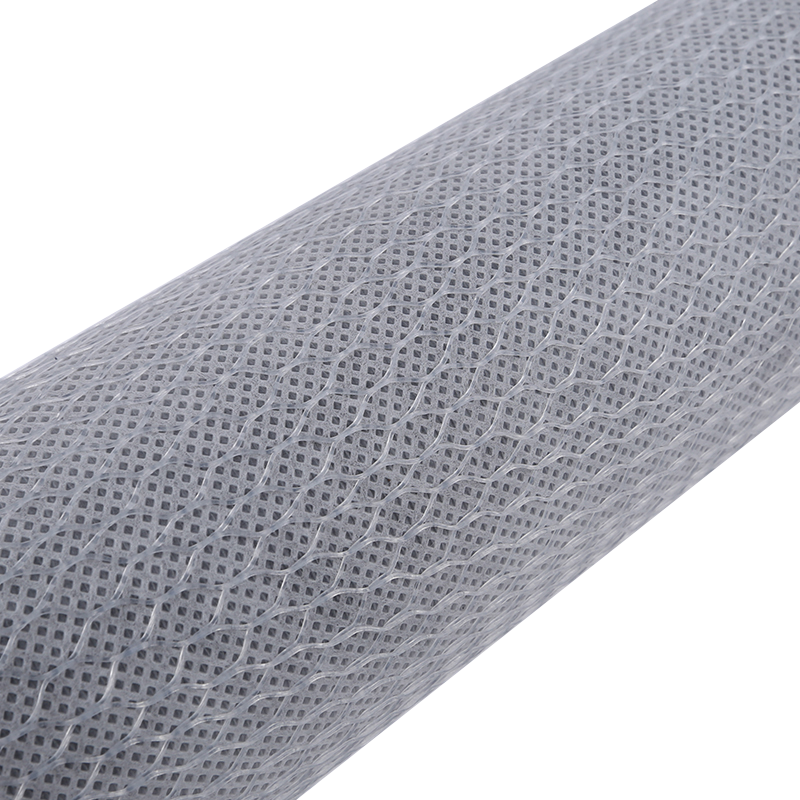 RH-CTO10 Carbon Block Water Filter for Chlorine and Odor ReductionA 10-inch activated carbon block cartridge that polishes water by adsorbing chlorine, volatile organics, and odors, with a compact design suitable for standard housings.View Product →
Ion Exchange: When Hard Water Needs Different Treatment
Hard water contains calcium and magnesium ions. These minerals do not pose a health risk, but they cause scale buildup in kettles and pipes, dry skin, and soap scum. Water filters that soften water use a resin bed to swap calcium and magnesium ions for sodium or potassium ions. The resin becomes saturated and is regenerated with salt water.
This is not a mechanical filtration process; it is a chemical exchange that changes the water's mineral composition. If you use well water with hardness, a dedicated water softening cartridge or a multi-stage system with a resin stage can solve the problem before the water reaches your fixtures. Softening is usually separate from removal of chlorine, sediment, and dissolved solids.
Reverse Osmosis: Pushing Water Through a Semipermeable Membrane
Reverse osmosis (RO) works differently than carbon or sediment filters. It uses a thin composite membrane with pores so small that dissolved salts, heavy metals, and most micro-organisms are rejected. Pressure forces water molecules through the membrane, while a concentrated stream carries the rejected impurities away. RO systems typically need a pre-filter to remove chlorine and sediment, because the membrane can be damaged by oxidants.
The output water is much lower in total dissolved solids (TDS), which can be noticeable in taste. Modern countertop RO systems have improved water efficiency and recovery rates. A 400G unit produces about 0.28 gallons per minute, which is suitable for drinking and cooking but not for whole-house demand. A modern RO unit may use 1 to 3 gallons of feed water for every gallon of purified water, depending on pressure and membrane design.
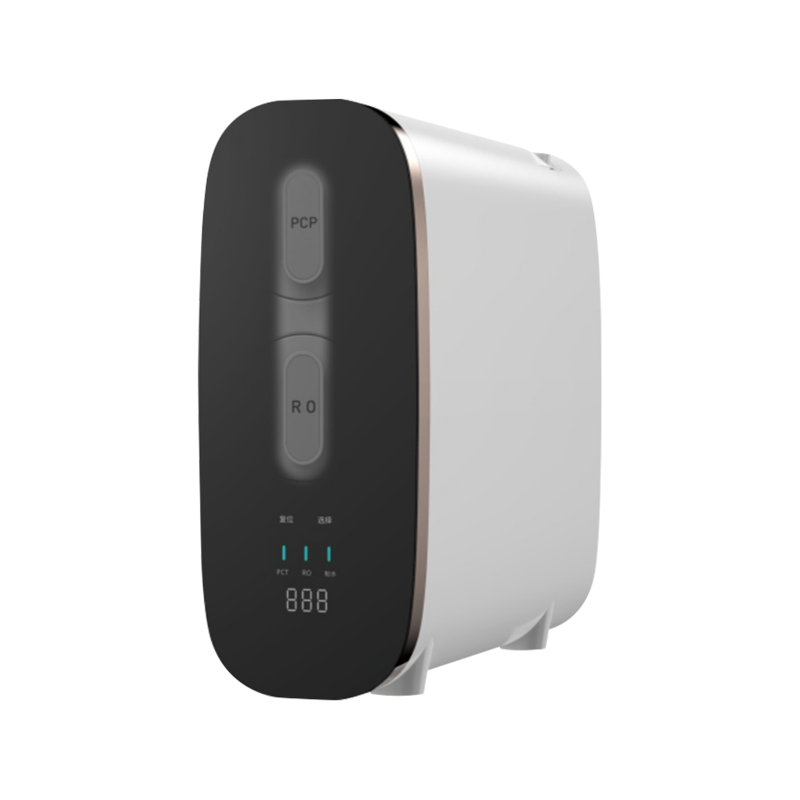 Four-Stage 400G Reverse Osmosis System with Tankless DesignA compact four-stage RO system featuring a composite PCP cartridge and 400G membrane, delivering 2:1 wastewater ratio and TDS monitoring without a storage tank.View Product →
How Multi-Stage Systems Combine Mechanisms
A typical four-stage or five-stage household filter does not rely on a single mechanism. It sequences them to protect the polished final stage. A standard setup may look like this:
| Stage | Mechanism | Targets |
|---|---|---|
| 1 | Physical | Sand, rust, silt |
| 2 | Chemical adsorption | Chlorine, odors |
| 3 | Chemical + fine sieving | VOC, residual chlorine, fine particles |
| 4 | Reverse osmosis | TDS, heavy metals, microbes |
| 5 | Adsorption or mineralization | Taste, pH, stability |
The sequence matters because carbon and RO membranes perform better when sediment has been removed first. This is also why replacements are staggered; the prefilter may need changing every three to six months, while carbon cartridges last six to twelve months and RO membranes typically one to three years.
What to Consider Before Buying a Filtration System
Before choosing a filter, decide what you actually need to remove. Test your water at least for TDS, hardness, and chlorine, or request a municipal water quality report. A DIY test kit can measure these in minutes. If your supplier publishes an annual report, that is a better guide for regulated contaminants. A local lab test goes further and can reveal iron, manganese, or bacteria in well water.
Then match the technology to the problem. For city water with chlorine and sediment, a multi-stage countertop or under-sink filter with carbon and PP is enough. For well water with iron and bacteria, you might need a sediment prefilter, iron removal cartridge, and disinfection stage. For salty or high-TDS water, an RO system is the only realistic solution for true purification.
Also consider flow rate. A whole-house sediment prefilter must not choke your shower or dishwasher, so it needs a large cartridge and housing. Countertop RO units rated at 400G fill a glass in about 12 seconds, which is fine for drinking, but not for whole-house demand. Cartridge replacement cost and availability matter too. Every filter has a service life in gallons or months; skipping replacement leads to pressure drops, bacterial growth, and a drop in contaminant removal.
Water filtration is not a single technology; it is a combination of mechanisms that defend each other. Understanding whether your water needs physical, chemical, or ion-exchange treatment tells you which filter stages are non-negotiable. A simple sediment cartridge can protect your whole house, an activated carbon block can make tap water taste better, and an RO membrane can bring it close to distilled quality.
The right system matches your water quality, your usage volume, and your willingness to maintain it. That is why most manufacturers offer more than one configuration—so you can build a system around real requirements rather than a generic claim.
Related products
-
 >
>
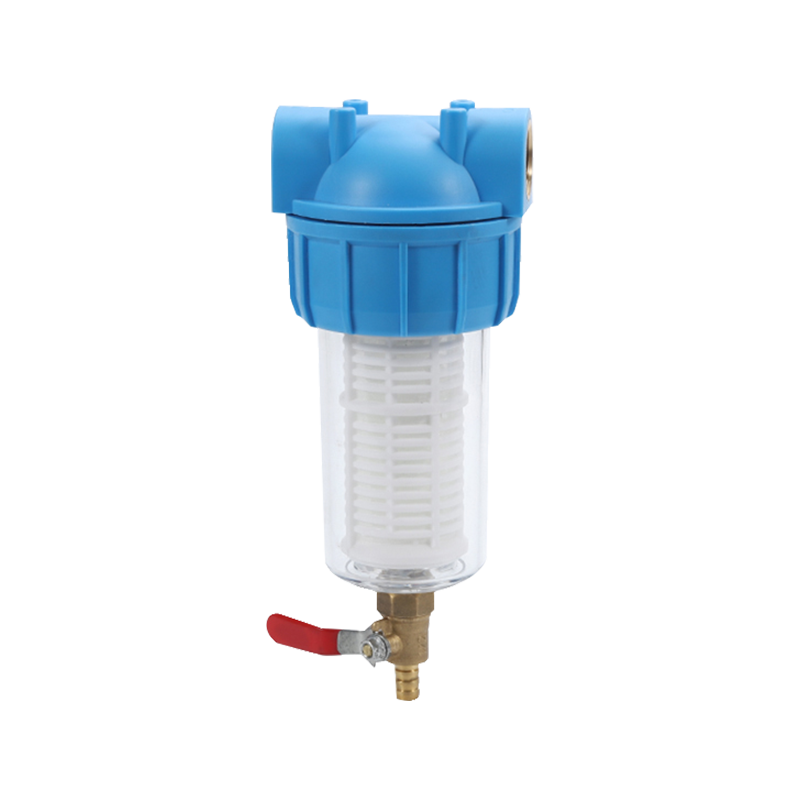
RH-06J5BSingle Water Filter with copper recoil valve is characterized by its efficient filtration system, which can effectively remove impurities, suspended matter, residual chlorine, odor and some ha...
See Details -
 >
>
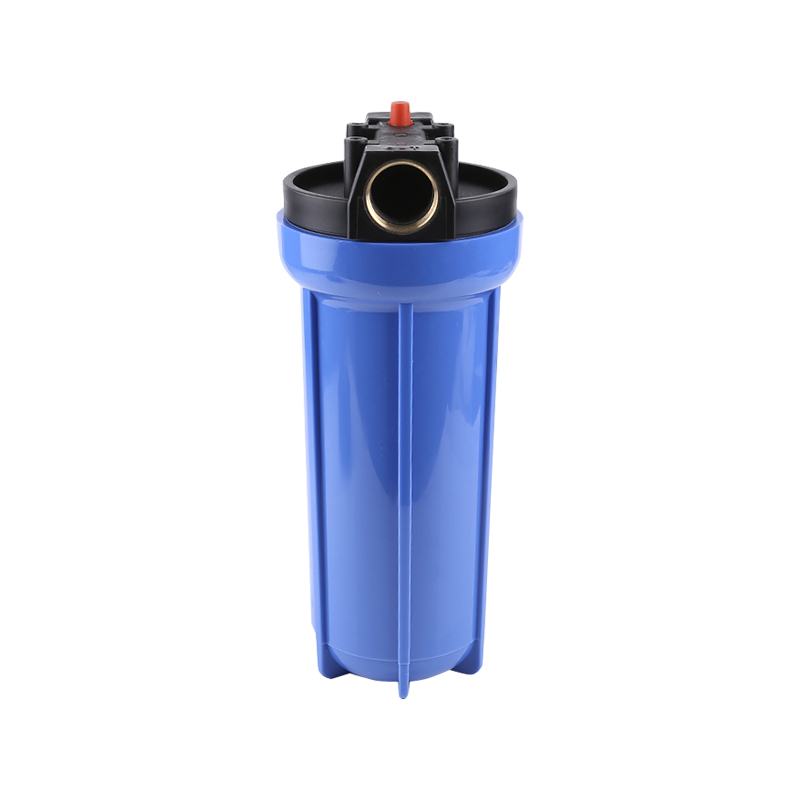
1. Single Water Filter(15BAR).2. 10" PET bottle+black cap, 3/4"brass thread.3. With 10" PP 70g filter cartridge.4. Color box packing.5. Components: wrench+plastic hanging board+screw.
See Details -
 >
>
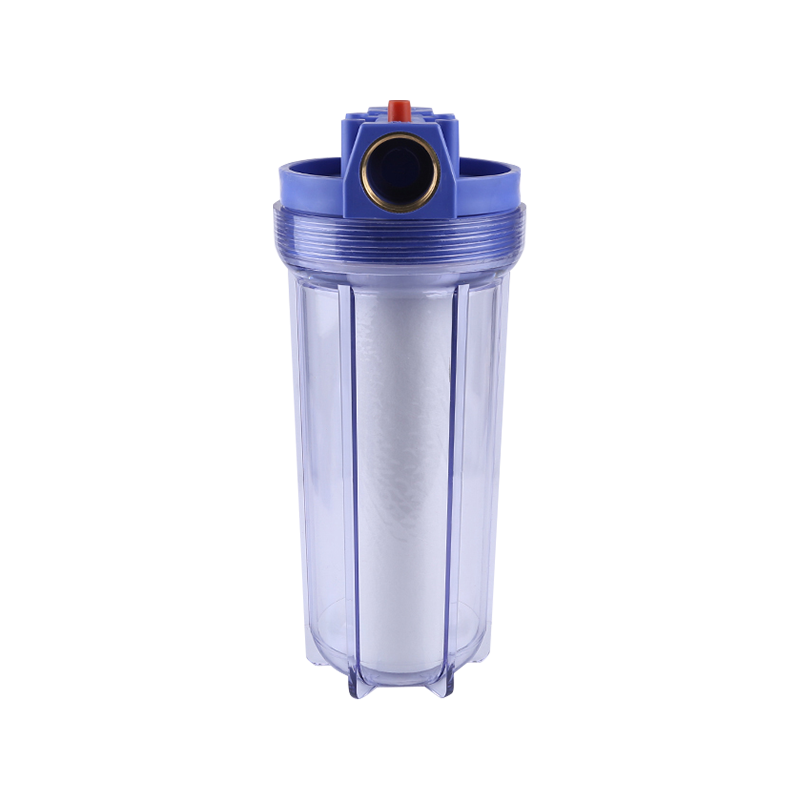
1. Single Water Filter(15BAR); 2. 10" PET bottle+blue cap,3/4"brass thread.3. With 10" PP 70g filtercartridge.4. Color box Packing. 5. Components: wrench+plastic hanging board+screw.
See Details -
 >
>
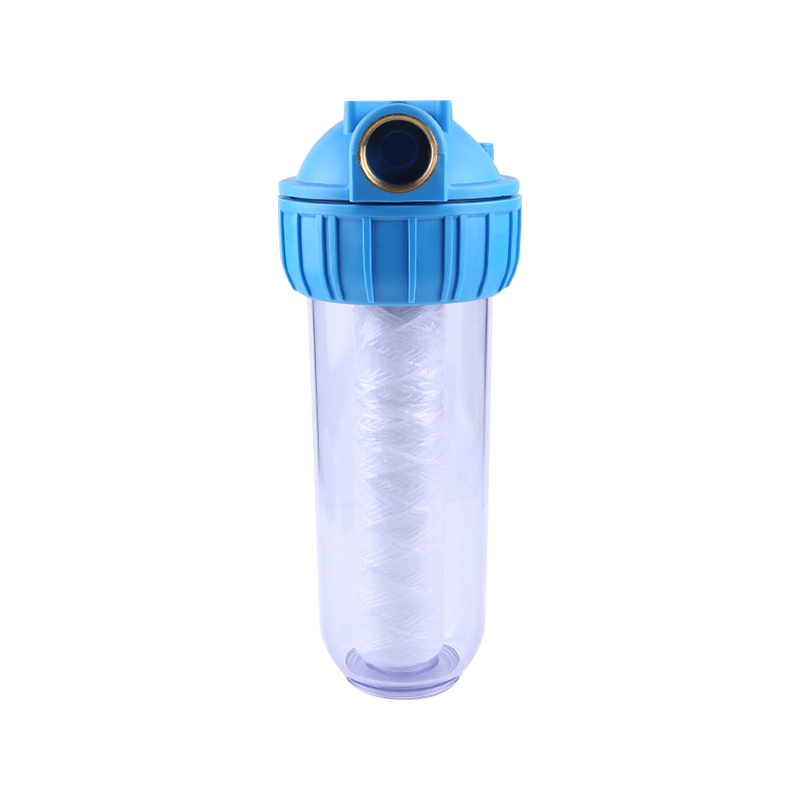
1. Single Water Filter(15BAR).2. 10" PET bottle+blue cap,3/4"brass thread.3. With 10" pp 70g cartridge. 4. Color box Packing. 5. Components: wrench+plastic hanging board+screw.
See Details -
 >
>
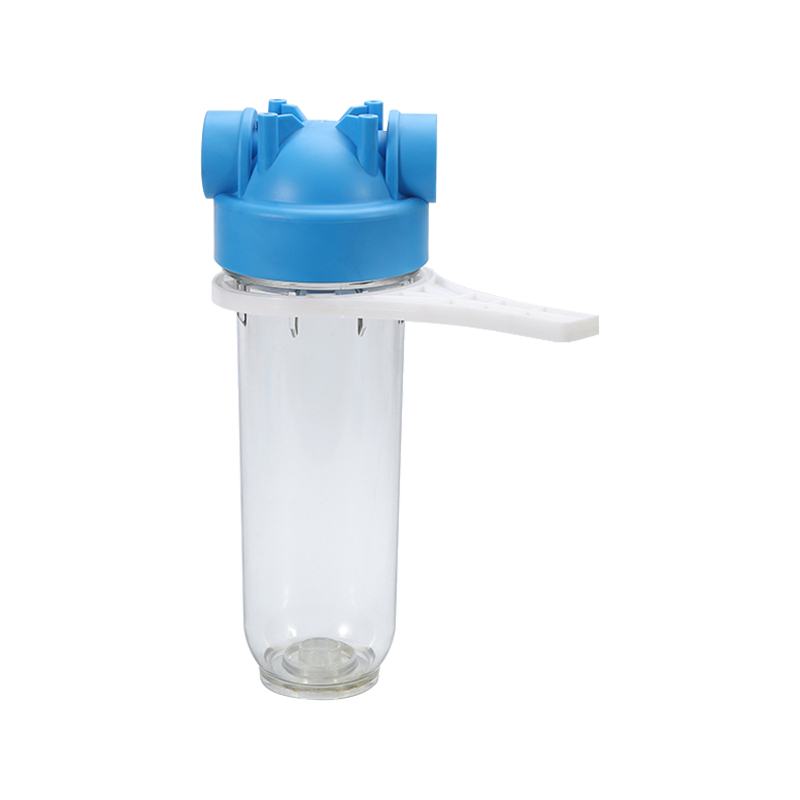
1. Single Water Filter(15BAR).2. 10" PET bottle+blue cap,3/4"brass thread.3. With 10" PP 70g filter cartridge.4. Color box Packing.5. Components: wrench+plastic hanging board+screw.
See Details -
 >
>
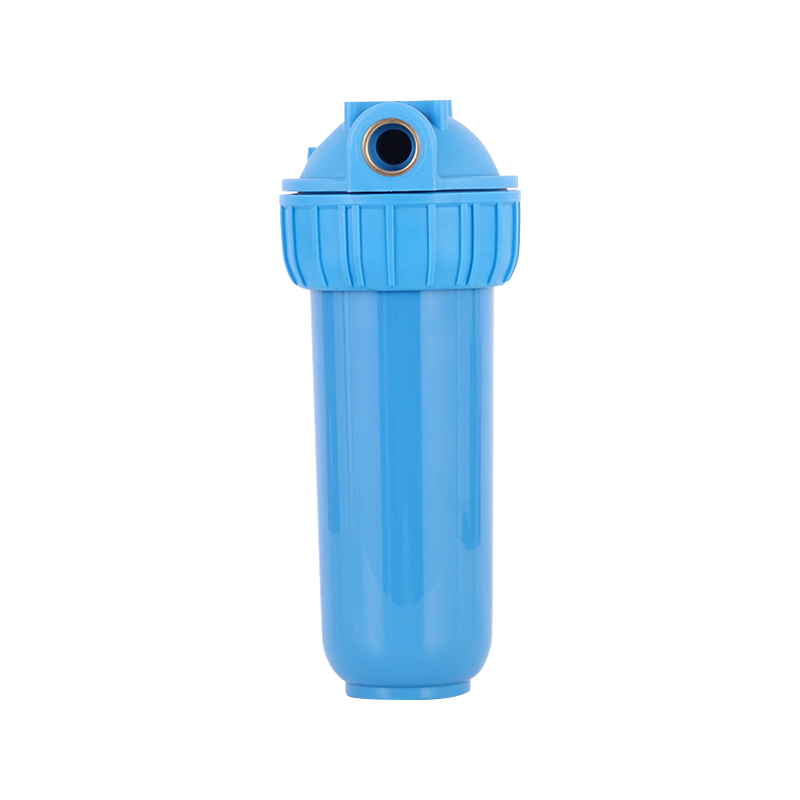
1. Single Water Filter(15BAR).2. 10" PET blue bottle+blue cap,3/4"brass thread.3. With 10" pp 70g cartridge. 4. Color box Packing. 5. Components: wrench+plastic hanging board.
See Details -
 >
>
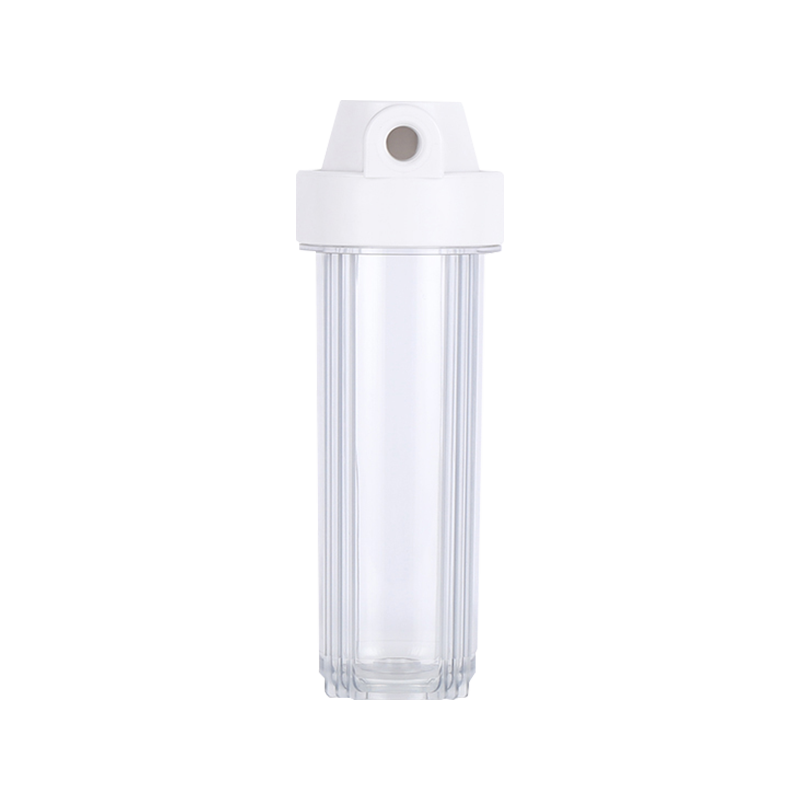
1. Single Water Filter(15BAR).2. 10" PET transparent bottle+white cap,1/4"brass thread.3. With 10" pp 70g cartridge. 4. Color box Packing.
See Details

If you are interested in our products, please consult us
Ningbo Yaorui Water Purification Technology Co., LTD. All Rights Reserved.
Wholesale Household Water Purifier Manufacturers
