 English
 русский
 Español
 عربى
عربى 中文简体
中文简体
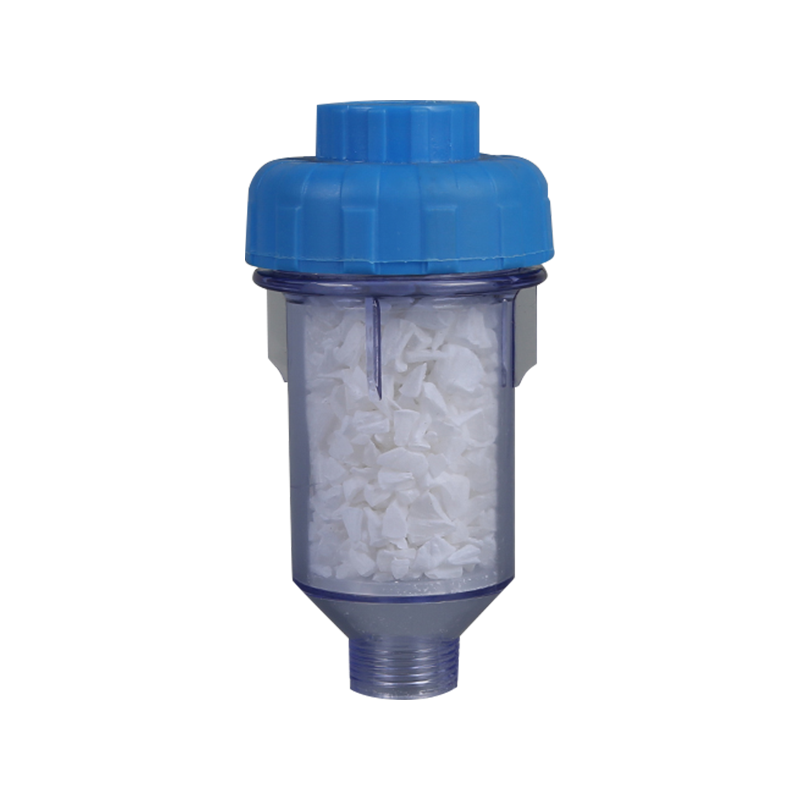 >
>The core highlight of this filter is its built-in silicone sheet filter layer. As a high-performance elastic material, silicone has high-temperature resistance, aging resistance, corrosion resistance,...
See Details [email protected]
 +86-18368206374
 No.99,Yuma Road,Mazhu Town,Yuyao City,Zhejiang Province,China.
Hard Water and Tankless Water Heaters: Scale Risks, Solutions, and Buyer Considerations
Industry News-Content
- 1 Why Hard Water Is the Main Risk for Tankless Water Heaters
- 2 What Buyers Need to Understand Before Choosing a Tankless Unit for Hard Water
- 3 Practical Solutions for Hard Water and Tankless Water Heaters
- 4 Water Quality Pre-Filtration and the Role of the Heater Supplier
- 5 Planning Your Tankless Installation in a Hard Water Area
When a tankless water heater starts losing hot water output a few months after installation, the culprit is usually not the heater itself. It is often the water going into it. In hard water areas, the dissolved calcium and magnesium in the supply line precipitate onto the heat exchanger surfaces the moment the water is heated, forming a stubborn mineral scale. That scale acts like an insulating jacket, forcing the heater to work harder and run hotter, while the narrow flow paths inside the unit begin to close. The result is declining performance and rising gas or electric consumption, often before the owner realizes anything is wrong. The good news is that this outcome is largely avoidable with the right pre-treatment and maintenance approach.
Why Hard Water Is the Main Risk for Tankless Water Heaters
Tankless water heaters have a much smaller heat exchanger volume than a conventional storage tank. The water is heated only as it flows through, which makes the system efficient, but it also means the internal surfaces reach higher temperatures quickly. As the water temperature rises, the solubility of calcium carbonate and magnesium carbonate drops. The minerals precipitate out of the water faster than they can be carried away, and they stick to the metal surfaces inside the heater.
This is why tankless units in hard water areas fail more often and more visibly than tank-type heaters. A storage tank has a quieter, lower-intensity heating cycle that allows more of the scale to settle at the bottom where it can be flushed out. A tankless unit has no place for that scale to go. It accumulates in the heat exchanger, the flow sensor, and the inlet screen over time.
| Hardness level | Approximate grains per gallon | Typical effect on tankless performance |
|---|---|---|
| Soft to moderately hard | 0–7 gpg | Minimal scaling with annual descaling; no special treatment needed |
| Hard | 7–10 gpg | Visible scale buildup within 6–12 months; regular flushing required |
| Very hard | 10–14 gpg | Rapid flow restriction and efficiency loss; pre-treatment strongly recommended |
| Extremely hard | 14+ gpg | Heat exchanger damage and sensor failure possible within 1–2 years without treatment |
The effects are not always immediate. In moderately hard water, the first sign may be a slight reduction in hot water flow at the farthest shower head. In harder water, the heater may begin producing water that is hotter than the set point because the heat exchanger retains more heat, or it may start tripping the high-limit switch during summer months. Eventually, the flow can drop below the minimum activation threshold, and the heater simply stops igniting.
What Buyers Need to Understand Before Choosing a Tankless Unit for Hard Water
The decision to install a tankless water heater in a hard water area is not about whether it is possible. It is about whether the buyer is willing to manage the water quality. There are three practical questions that every homeowner or plumbing contractor should clarify before purchase:
- What is the actual water hardness in grains per gallon or milligrams per liter? The answer changes the maintenance schedule and can determine which pre-treatment method is needed. A simple test kit from a hardware store often gives a close enough reading for planning purposes.
- Does the unit have a manufacturer warranty that covers scale-related damage? Many warranties require documented flushing at specific intervals. If heavy scale is found during a warranty inspection, some manufacturers may deny the claim.
- Is there enough space for a whole-house pre-filter or a water-softening solution? If the heater is installed in a tight closet, a compact scale-control cartridge may be a better fit than a traditional softener system.
The worst-case scenario is a small, high-efficiency tankless unit installed in a home with 12+ gpg water and no pre-treatment. In that situation, the usable lifespan of the heat exchanger can drop dramatically, and replacement costs are often two to three times the original installation price. On the other hand, a properly protected tankless heater in hard water can last just as long as a similar unit in soft water.
One of the most effective ways to control scale without a bulky salt-based softener is a silicon-phosphorus cartridge. These cartridges release a thin, protective layer on the surfaces inside the heater that prevents minerals from crystallizing and adhering. They are especially useful for homes where space is limited, and they can be installed directly in the incoming cold water line before the heater.
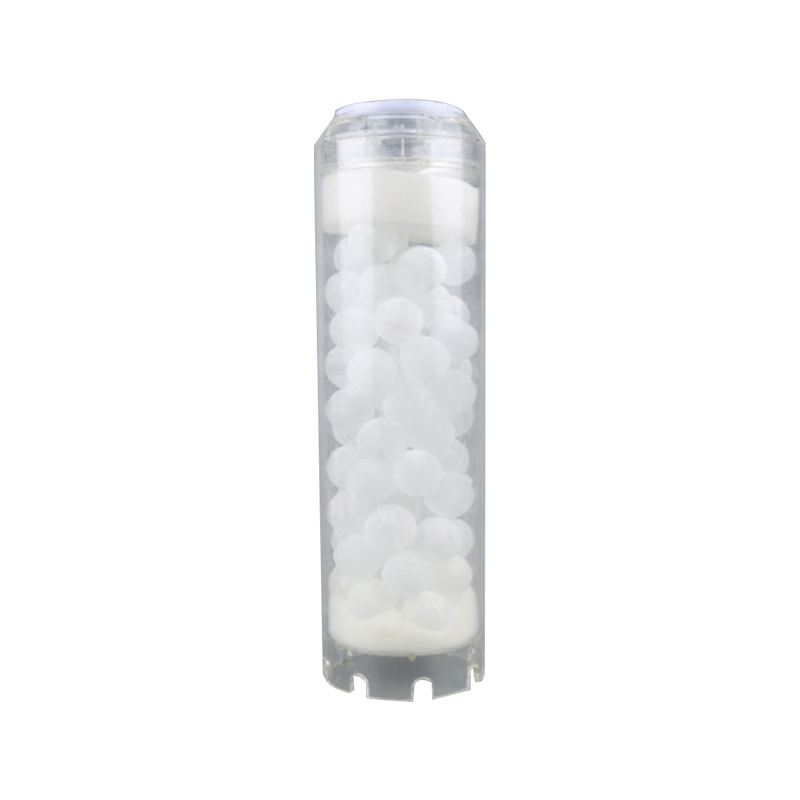 Silicon Phosphorus Cartridge for Scale Control in Water HeatersThis 10-inch cartridge releases a protective layer to prevent mineral crystallization and adhesion in heaters, ideal for homes with limited space and hard water where a full softener is not feasible.View Product →
Practical Solutions for Hard Water and Tankless Water Heaters
There is no single best solution for every installation. The right approach depends on the hardness level, the available space, and the annual maintenance budget. Here is how the most common strategies compare in practice.
Traditional water softeners
A salt-based ion-exchange softener removes calcium and magnesium completely, replacing them with sodium. This is the most reliable way to protect a tankless heater. It also prevents scale in all the home’s plumbing fixtures, which is a major secondary benefit. The tradeoffs are the ongoing cost of salt, the need for a drain connection, and the environmental impact of the regeneration brine. For homes with already softened water, a tankless unit requires no additional scale protection.
Resin-based filter cartridges
For point-of-entry protection in smaller homes, apartments, or rental properties, a resin filter cartridge can provide practical scale reduction without the complexity of a full softener. The resin beads exchange hardness ions for sodium or hydrogen, and the cartridge is essentially a replaceable, disposable softener. It is not as convenient for very high hardness levels, but in the 7–10 gpg range it can be a practical option, especially when whole-house installation is not feasible.
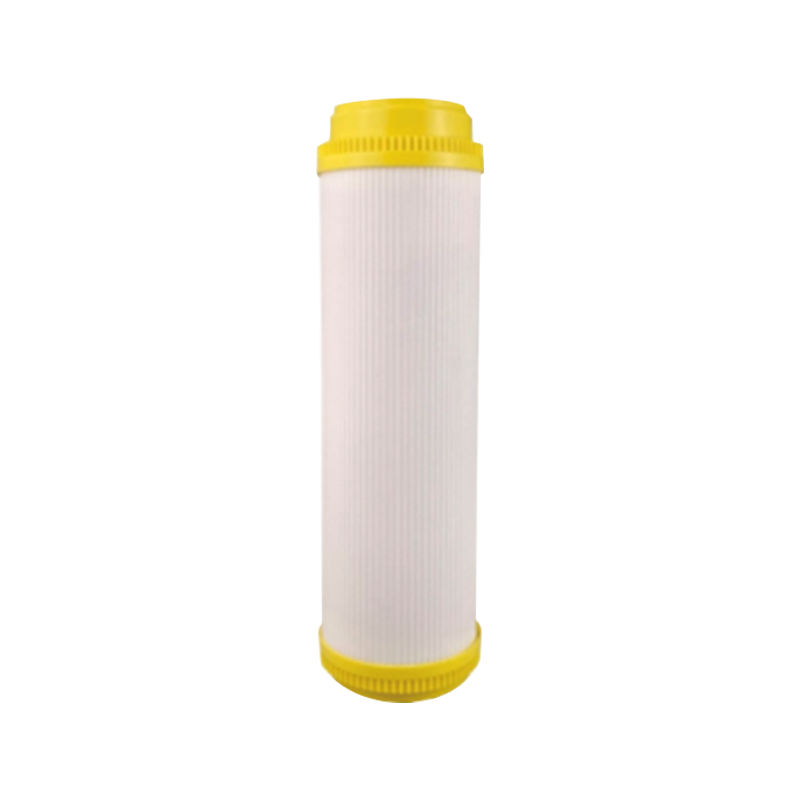 Resin Water Filter Cartridge for Point-of-Entry Scale ReductionA disposable resin cartridge that exchanges hardness ions, suitable for smaller homes or rentals with moderate hardness (7–10 gpg) as a practical alternative to complex whole-house softeners.View Product →
Scale-control and anti-scaling cartridges
These cartridges do not remove the minerals. Instead, they change the crystallization behavior so that the minerals pass through the heater in suspension rather than depositing on the heat exchanger. A silicon-phosphorus cartridge is a classic example. This approach is a good fit for homes with hard water that do not require soft water for other purposes. It is also the least intrusive option because it only requires a housing in the main water line.
Routine descaling
Even with pre-treatment, a tankless water heater connected to hard water should be flushed regularly. The standard method uses a small pump and citric acid or a commercial descaler solution. The frequency depends on hardness and usage, but a practical guideline is once per year for moderately hard water and every six months for very hard water. Skipping this maintenance step is the single most common reason tankless heaters fail in hard water areas.
Water Quality Pre-Filtration and the Role of the Heater Supplier
Beyond hardness, sediment and particulate matter can significantly worsen the problem. Sand, rust, and fine particles in municipal or well water can settle at the bottom of the inlet screen or jam the flow sensor. Installing a sediment pre-filter before the scale-control cartridge ensures that only dissolved minerals reach the heater. This combination is more durable and easier to service than a heater with no pre-treatment at all.
The hard water issue also affects what kind of product a distributor should source. A tankless unit with all-stainless heat exchanger is much more forgiving in hard water than one with copper, because stainless surfaces are less prone to pitting and mineral adhesion. Buyers should ask suppliers for details on the heat exchanger material and warranty coverage for scale-related failures.
For OEM projects and private label programs, the water quality requirements of the destination market should be considered early in product development. That means choosing the right filtration components, scale-control cartridges, and housings that can be paired with the heater or supplied as one complete solution. A manufacturer that can also offer the filter housings and softening cartridges makes it easier for the buyer to design a single, coherent package.
Planning Your Tankless Installation in a Hard Water Area
Before purchasing any tankless water heater in a region with hard or very hard water, it is worth working through a short decision checklist. First, test the water hardness and confirm the mineral content. Second, decide whether to install a whole-house softener, a scale-control cartridge, or a resin cartridge, and make sure the selected solution is compatible with the heater’s warranty conditions. Third, set up a regular descaling schedule and record it for the warranty file.
It also helps to pair the heater with a properly sized filter housing, especially when well water is involved. A housing with a large filter cartridge can handle both sediment and scale control without affecting the flow rate too much. This is particularly important for tankless heaters because they need a minimum flow rate to activate the burner; if the pre-filter or cartridge drops the flow too much, the heater may not start at all. In a well water application, that risk is higher because the incoming pressure may already be lower than municipal supplies.
Overall, a tankless heater is not something to avoid because of hard water. But a buyer should be clear about the maintenance commitment. With the right pre-treatment and a consistent flushing schedule, the unit will perform well and last a long time. With no protection and high hardness, the cost of ownership quickly rises to the point where a conventional tank heater would have been the more economical choice.
Related products
-
 >
>
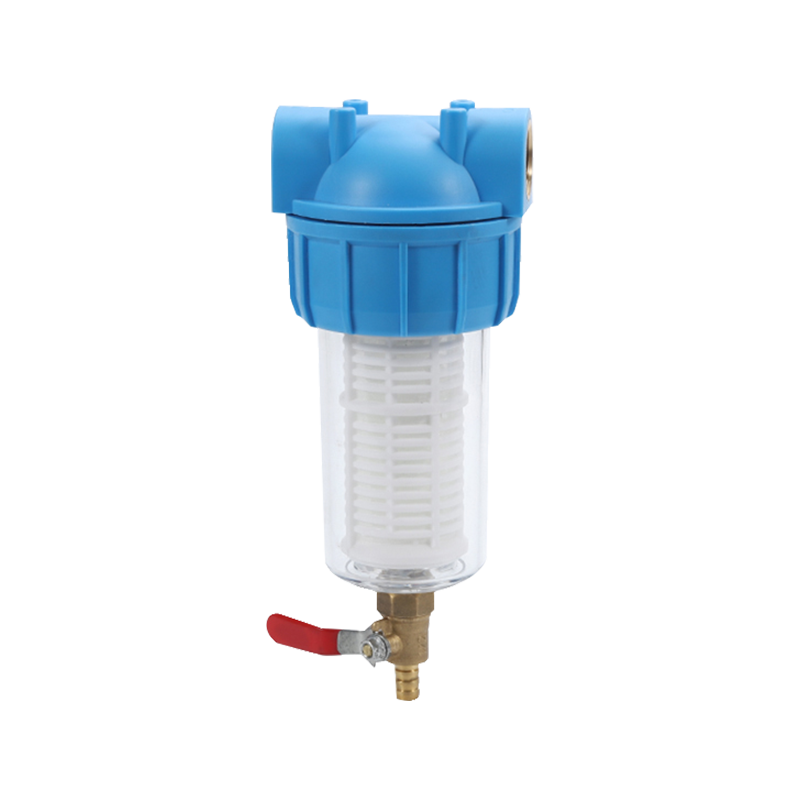
RH-06J5BSingle Water Filter with copper recoil valve is characterized by its efficient filtration system, which can effectively remove impurities, suspended matter, residual chlorine, odor and some ha...
See Details -
 >
>
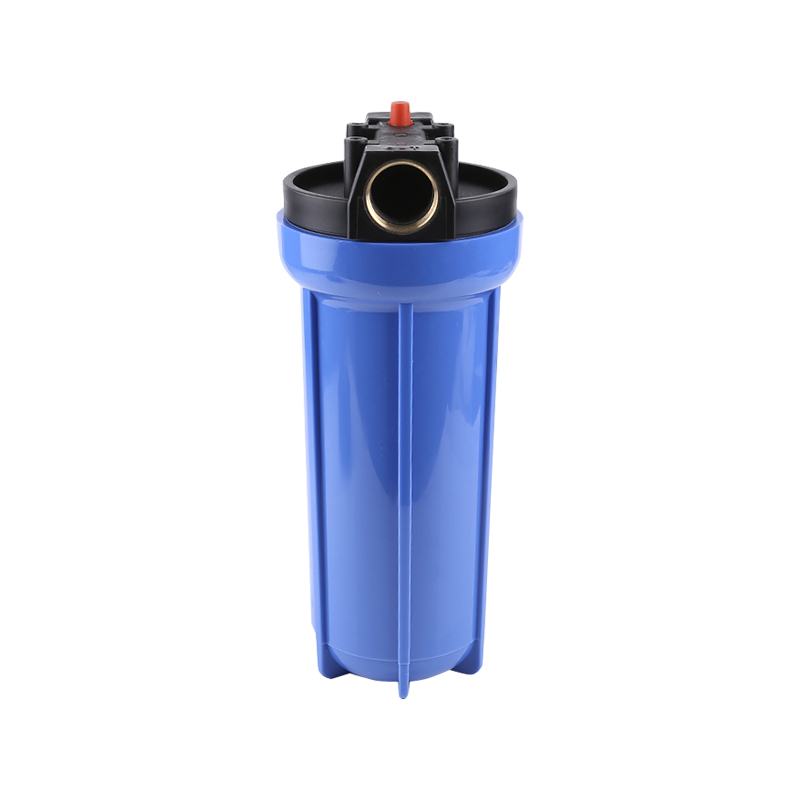
1. Single Water Filter(15BAR).2. 10" PET bottle+black cap, 3/4"brass thread.3. With 10" PP 70g filter cartridge.4. Color box packing.5. Components: wrench+plastic hanging board+screw.
See Details -
 >
>
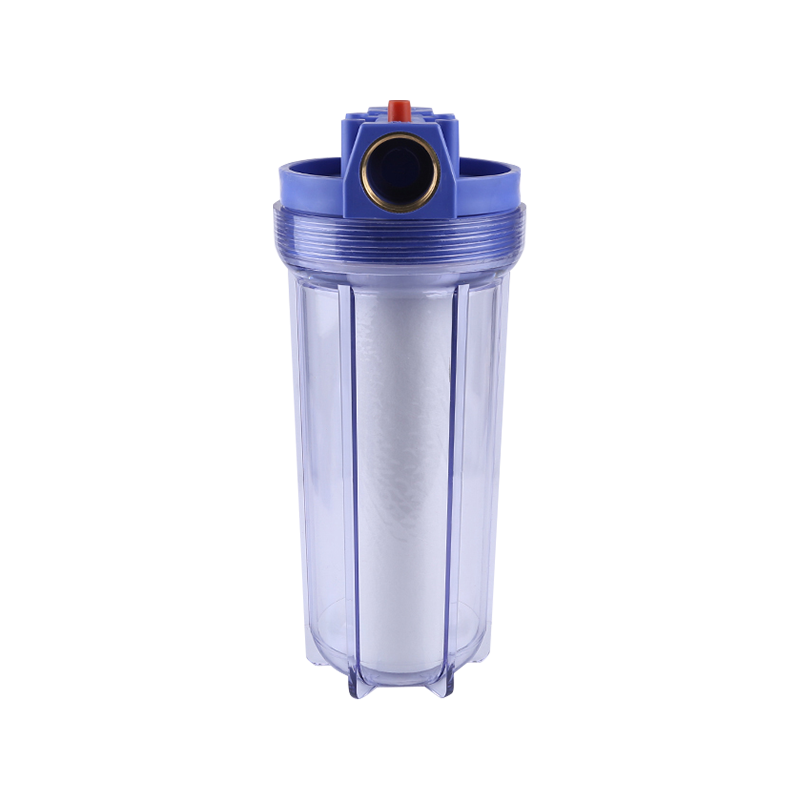
1. Single Water Filter(15BAR); 2. 10" PET bottle+blue cap,3/4"brass thread.3. With 10" PP 70g filtercartridge.4. Color box Packing. 5. Components: wrench+plastic hanging board+screw.
See Details -
 >
>
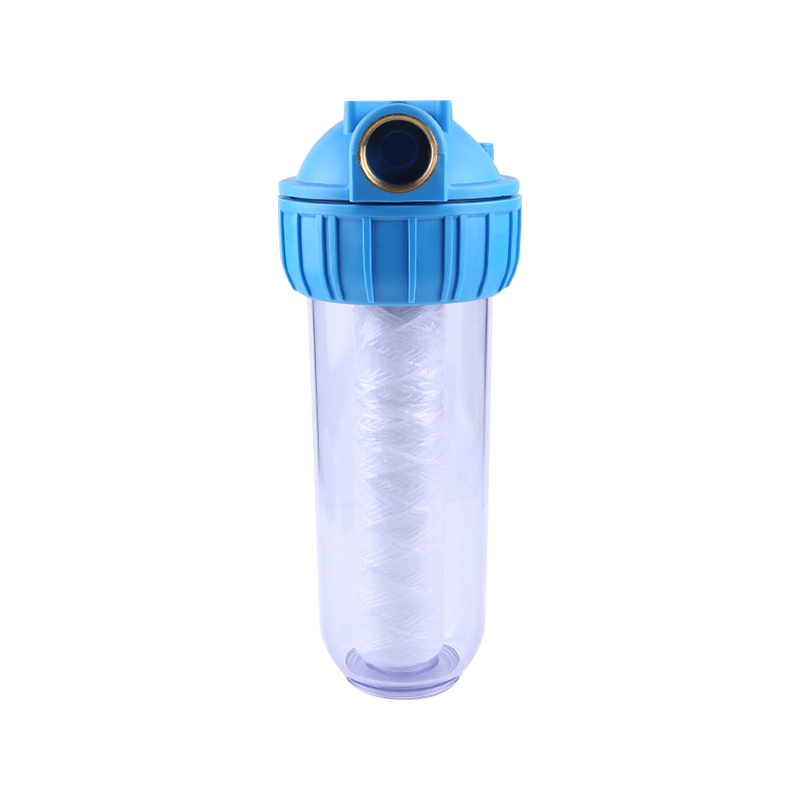
1. Single Water Filter(15BAR).2. 10" PET bottle+blue cap,3/4"brass thread.3. With 10" pp 70g cartridge. 4. Color box Packing. 5. Components: wrench+plastic hanging board+screw.
See Details -
 >
>
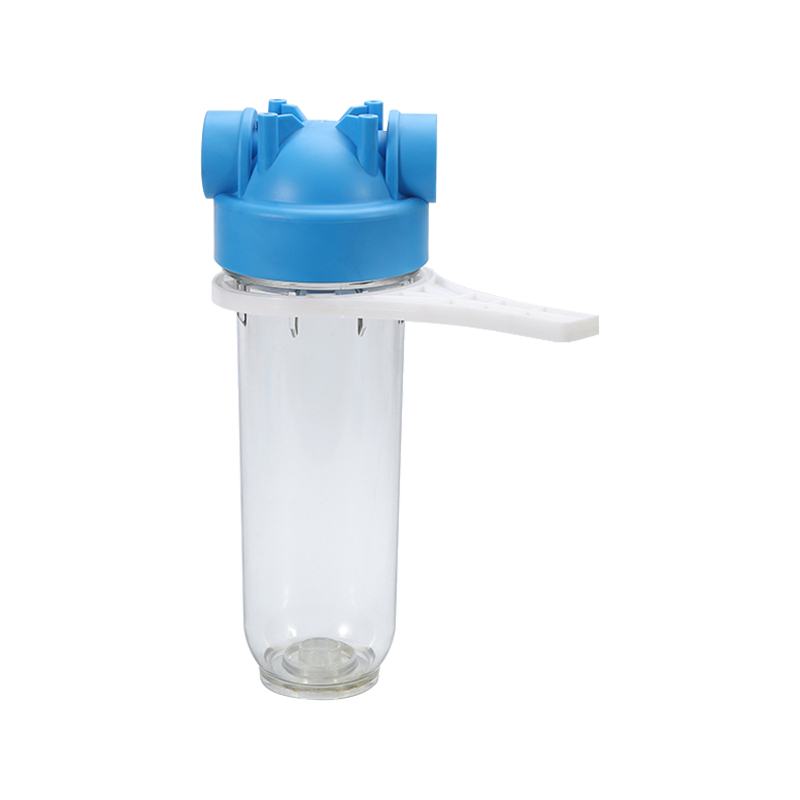
1. Single Water Filter(15BAR).2. 10" PET bottle+blue cap,3/4"brass thread.3. With 10" PP 70g filter cartridge.4. Color box Packing.5. Components: wrench+plastic hanging board+screw.
See Details -
 >
>
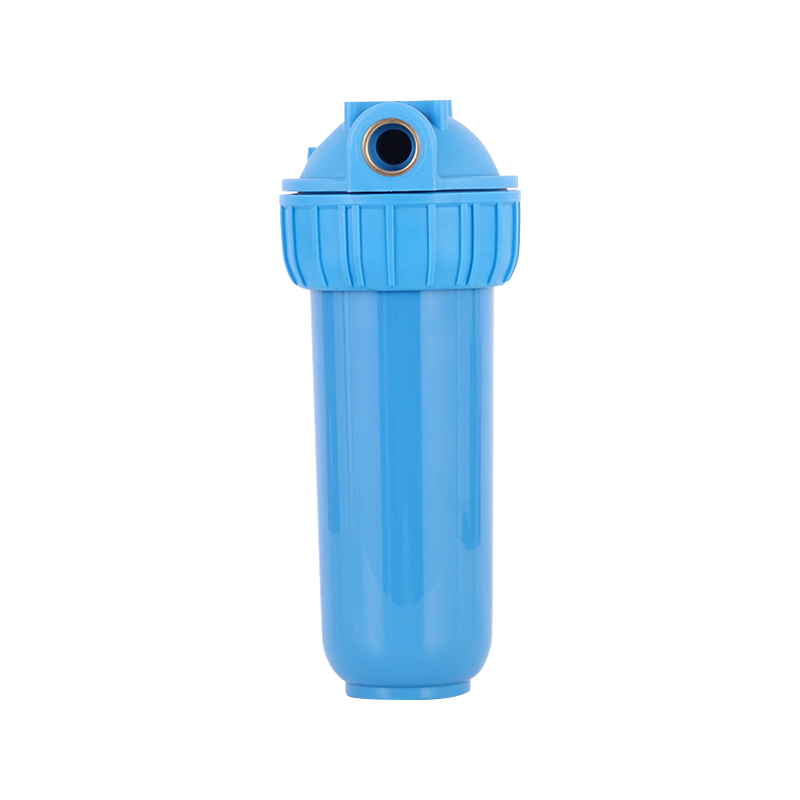
1. Single Water Filter(15BAR).2. 10" PET blue bottle+blue cap,3/4"brass thread.3. With 10" pp 70g cartridge. 4. Color box Packing. 5. Components: wrench+plastic hanging board.
See Details -
 >
>
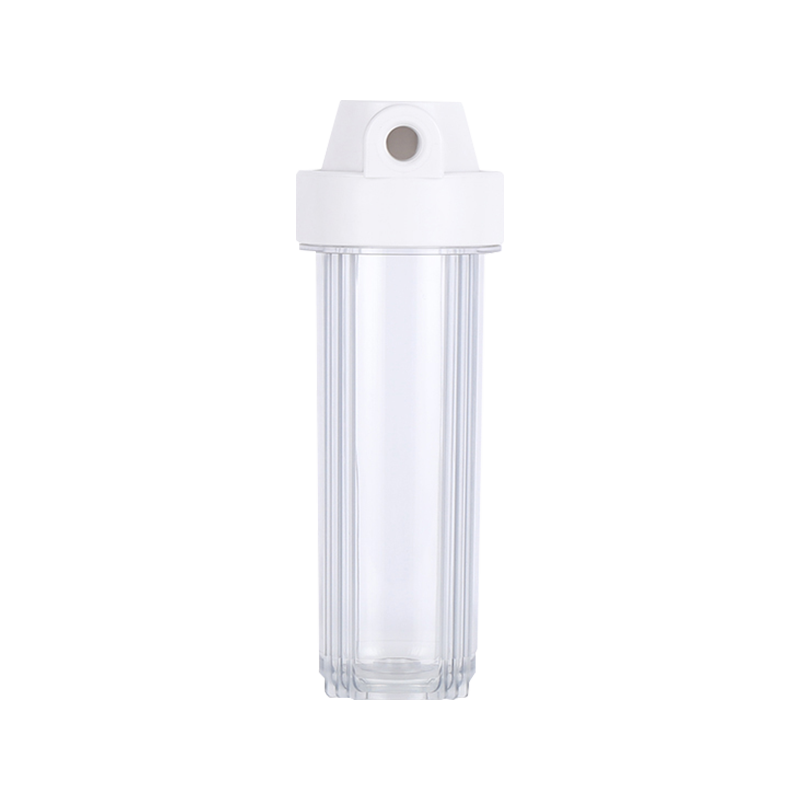
1. Single Water Filter(15BAR).2. 10" PET transparent bottle+white cap,1/4"brass thread.3. With 10" pp 70g cartridge. 4. Color box Packing.
See Details

If you are interested in our products, please consult us
Ningbo Yaorui Water Purification Technology Co., LTD. All Rights Reserved.
Wholesale Household Water Purifier Manufacturers
