 English
 русский
 Español
 عربى
عربى 中文简体
中文简体
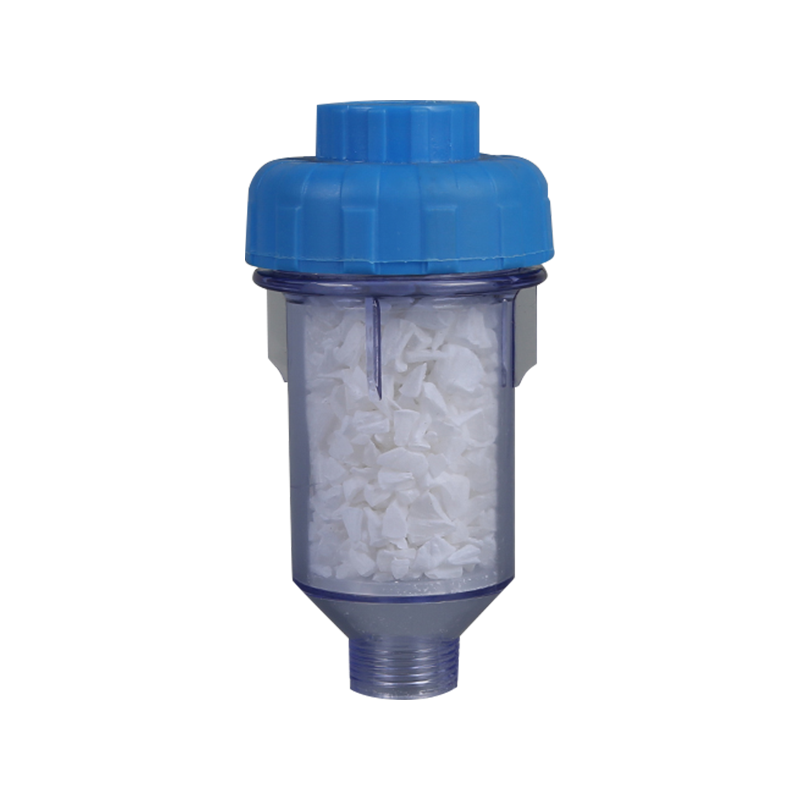 >
>The core highlight of this filter is its built-in silicone sheet filter layer. As a high-performance elastic material, silicone has high-temperature resistance, aging resistance, corrosion resistance,...
See Details [email protected]
 +86-18368206374
 No.99,Yuma Road,Mazhu Town,Yuyao City,Zhejiang Province,China.
Custom Water Treatment Solutions: A Practical Guide for OEM and Distribution Buyers
Industry News-Content
A water treatment system that fits one building can be a poor fit for another. A municipal supply with high chlorine needs activated carbon, while a private well with hardness and iron requires resin and oxidation media. A light commercial countertop unit may be ideal for an apartment, but a coffee shop with 400 cups per day needs a much larger, high-flow setup. This is why many buyers no longer order a standard catalog model. They ask for custom water treatment solutions that match the actual water chemistry, operating pressure, and available installation space. The result is usually lower operating cost, longer filter life, and fewer performance complaints.
Why Custom Water Treatment Solutions Are Necessary
Customization is not a luxury. It is a practical way to control total cost of ownership. When you match the filter media and system size to the real contaminants in the water, you avoid both under-filtering and over-filtering. Under-filtering leaves taste or sediment problems that damage the brand and lead to repeated service calls. Over-filtering means paying for membrane or resin capacity that you never use, which raises the price of every system you sell. For a distributor or OEM, a custom design also creates a clear product differentiator.
Consider three common examples. First, a high-residence community in the United States gets its water from a municipal system with chloramine. The best selling point for that location may be a catalytic carbon filter that breaks down chloramine. Second, a household in a rural Australian area pumps water from a bore. The water is high in iron and manganese. For that customer, an iron removal filter and a softening cartridge matter more than a polished RO unit. Third, a commercial coffee machine supplier is looking for a replacement filter that fits inside the machine and delivers consistent flow at 3 to 4 bar. The cartridge must be compact, but it also must handle hot water without swelling. These are different products, and that is exactly why custom water treatment solutions are in demand.
What to Define When Customizing a Water Treatment Solution
Start with Water Quality and Target Contaminants
Before any filter is selected, you should know the raw water parameters. This can be done with a simple home test or a certified lab report. Look for sediment, turbidity, chlorine or chloramine, hardness, iron, manganese, heavy metals, and total dissolved solids. The treatment goal also matters. Do you want to improve taste, protect an appliance, remove scale, or provide safe drinking water? The answer decides whether you need a sediment pre-filter, an activated carbon block, a resin cartridge, a ceramic candle, or a reverse osmosis membrane. If a customer has not tested the water, the safest custom solution is built on modular stages that can be changed later without replacing the whole housing.
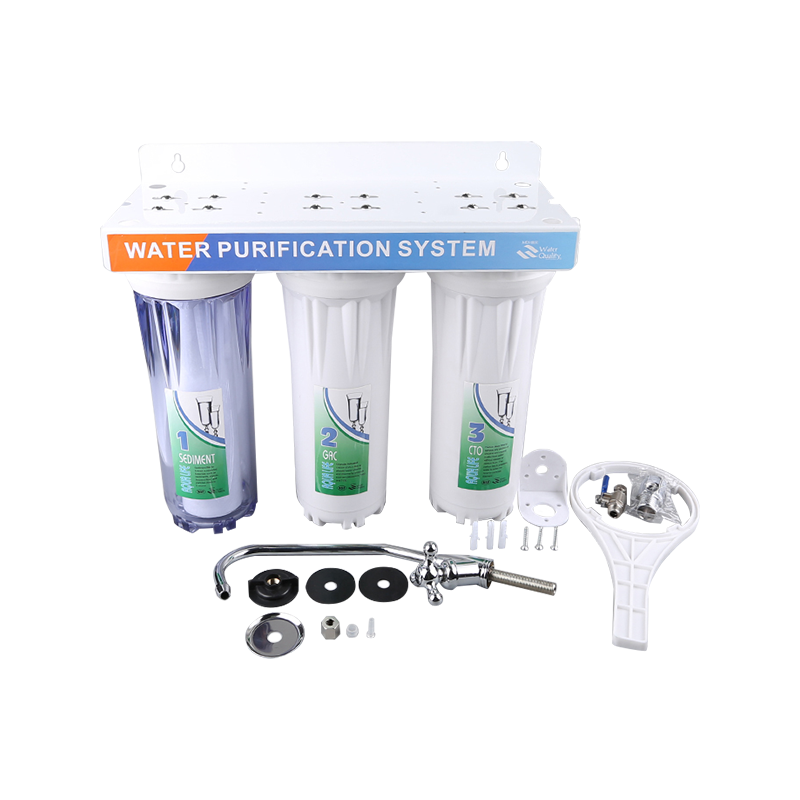 Three-stage 10-inch water filter with PP, CTO, and UDF cartridgesThis three-stage unit fits under-sink installations where municipal water taste and odor are the main concern. It includes sediment, carbon block, and resin cartridges for effective chlorine and impurity reduction.View Product →
Choose the Right Stage Count and Filter Media
Stage count is the first parameter that most buyers ask about. A single-stage unit is enough for basic sediment removal or chlorine reduction in a simple under-sink installation. A three-stage unit gives a place for PP, CTO, and UDF cartridges, which is a common configuration for municipal water where taste and odor are the main concern. For well water, you may need five or six stages that include a sediment pre-filter, carbon, resin, and a UV or RO stage. The media type is what actually does the work. PP melt-blown cartridges remove sediment, while yarn-wound cartridges handle higher turbidity. CTO blocks reduce chlorine and taste. Resin cartridges soften water. Ceramic filters remove bacteria. The correct combination must be based on the water test, not on a catalog default.
Match Flow Rate and System Pressure
Flow rate is often overlooked. A whole-house filter with a 10-inch cartridge may only deliver 2 to 3 gallons per minute with a pressurised municipal supply. If the customer has two bathrooms, a washing machine, and a dishwasher, that pressure drop will be felt. Large Jumbo or Big Blue housings accept 20-inch cartridges that maintain a higher flow rate and cause less pressure loss. For an under-sink reverse osmosis system, flow rate is measured in gallons per day (GPD). A 75 GPD RO unit is fine for drinking and cooking, but a 600 or 800 GPD countertop machine is needed if the customer also wants instant hot water or ice. Before you commit to a housing size, confirm the available water pressure and the peak simultaneous demand.
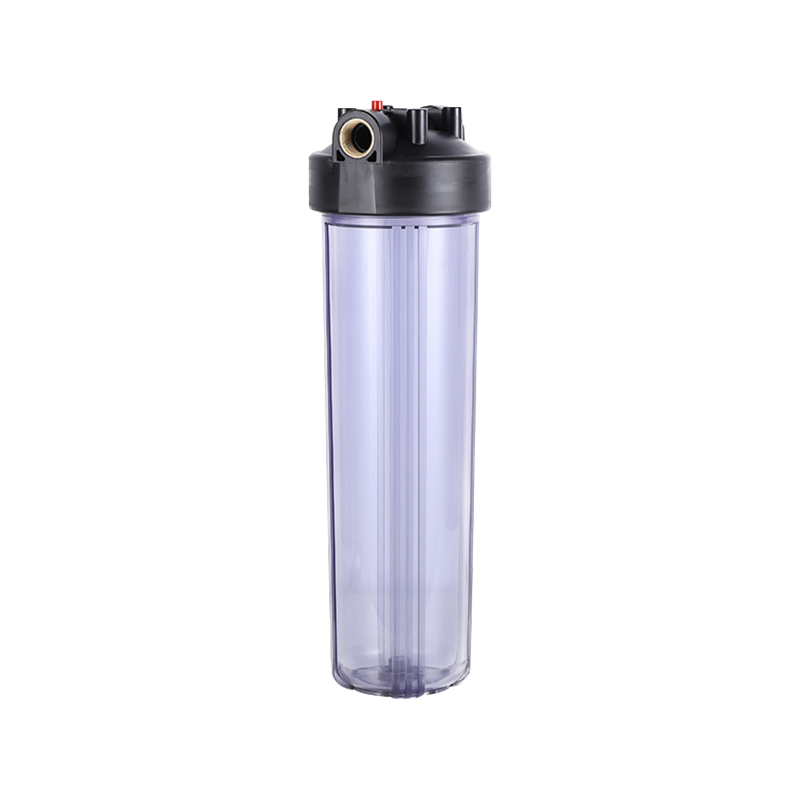 20-inch jumbo transparent single housing without cartridgeThis large 20-inch housing is designed for whole-house or high-flow applications, maintaining pressure with minimal drop. The transparent body allows easy visual inspection, and it accepts standard 20-inch cartridges.View Product →
Select Housing Size and Connection Fittings
Housing size determines which cartridges are compatible. 10-inch housings are common for under-sink and countertop units, while 20-inch Jumbo housings are used for whole-house and high-flow applications. The inlet and outlet connections also affect installation. NPT threaded ports, quick-connect bayonet fittings, and hose clamps are not interchangeable. A manufacturer that can supply different housing sizes and connection styles gives you more freedom in the field. For after-sales service, a non-proprietary cartridge size is also an advantage, because it makes replacement easier for your technicians.
Think About Installation Space and Maintenance
Custom water treatment solutions should fit where the customer is going to put them. A compact apartment may need a thin under-sink unit or a countertop model with a small footprint. A family in a house with a utility room has more space for a whole-house system. If the unit is mounted under a heavy sink, the filter change interval matters. A large housing with a 20-inch cartridge typically requires fewer changes than a small one. The time spent on maintenance is an important cost element that is often forgotten during the initial purchase.
Application-Specific Customization Scenarios
Every application has its own set of design constraints. For a home kitchen, the classic under-sink filter may be the most practical, but a countertop unit with a flexible hose is easier to install in rented apartments or small kitchens. When the goal is to treat the entire house, you need a whole-house system with a larger housing and a filter set that handles the peaks. Our whole-house water filters for city water are a typical starting point for this type of project, because they use standard 10-inch or 20-inch cartridges and can be scaled to different flow rates.
Commercial environments are different. A coffee machine filter must provide consistent taste while protecting the machine from scale. The same filter may be used in a low-pressure residential machine or a high-pressure commercial unit. In these situations, you need a compact cartridge with a known chlorine reduction capacity and a high temperature tolerance. This is where a coffee machine filter cartridge becomes a hidden component of the machine. We can integrate a properly sized cartridge into the brewing equipment.
 Cartridge for coffee machine filtration and scale protectionThis filter cartridge is tailored for coffee machines, removing fine particles and chlorine while preserving essential coffee oils. It also helps control water contact time for a balanced extraction.View Product →
Outdoor and mobile applications also need custom attention. A portable gravity filter for camping has to be light and robust, while a filter system for an RV or a boat must handle vibration and a wide range of water temperatures. Some customers ask for a filter that fits into a small compartment, so the housing diameter and length must be measured exactly.
For an OEM buyer, the process is different because you are not selling one product. You need a supplier that can develop a custom water treatment solution around your brand. Our OEM water filter solutions are built for companies that want their own housing, own cartridge, or own packaging. We provide a way to combine our manufacturing capabilities with your market knowledge.
Technical Parameters to Confirm with Your Manufacturer
To avoid expensive mistakes, you should share a simple spec sheet with your manufacturer before requesting a quotation. The table below lists the most important parameters and what they affect.
| Parameter | Why It Matters | Example |
|---|---|---|
| Raw water source | Determines contaminant profile and chemistry | Municipal, well, bore, surface water |
| Filter stage count | Balances installation space, cost, and treatment depth | 1 stage for sediment; 3 stages for chlorine and taste |
| Micron rating | Influences particle retention and pressure loss | 5 micron, 1 micron, 0.5 micron |
| Flow rate | Affects how many fixtures can run at once | 2 GPM vs. 12 GPM |
| Housing size | Determines cartridge compatibility and service interval | 10", 20", Jumbo / Big Blue |
| Connection type | Affects installation time and seal safety | 1/2" NPT, quick connect, bayonet |
| Filter media | Targets specific contaminants | PP, CTO, UDF, resin, ceramic, RO membrane |
From Inquiry to Delivery: How a Custom Project Runs
A custom water treatment solution starts with a conversation. A typical project runs through these steps: the buyer shares the water test, expected flow, and installation drawings; the manufacturer recommends a cartridge combination and housing size; the supplier makes a sample or a prototype for the buyer to test in the field; after the sample passes, the manufacturer optimizes the design for mass production; a packing and labeling solution is agreed so the product fits the buyer's distribution network. Throughout this process, a manufacturer with 15 years of experience can point out a common design issue before it becomes a costly mistake. For example, a 20-inch cartridge may look like the right choice on paper, but if the customer's cabinet is only 18 inches deep, the whole project needs to be reworked. That is why early communication is so important.
Custom water treatment solutions allow you to solve a water problem precisely, not just approximate it. Whether you are an OEM looking for a branded product or a distributor with a specific water profile, the key is to define the contaminant target, the flow rate, and the installation space before you talk to a manufacturer. The right manufacturing partner will help you translate those requirements into a reliable, cost-effective system that performs in the field and keeps your customers satisfied.
Related products
-
 >
>
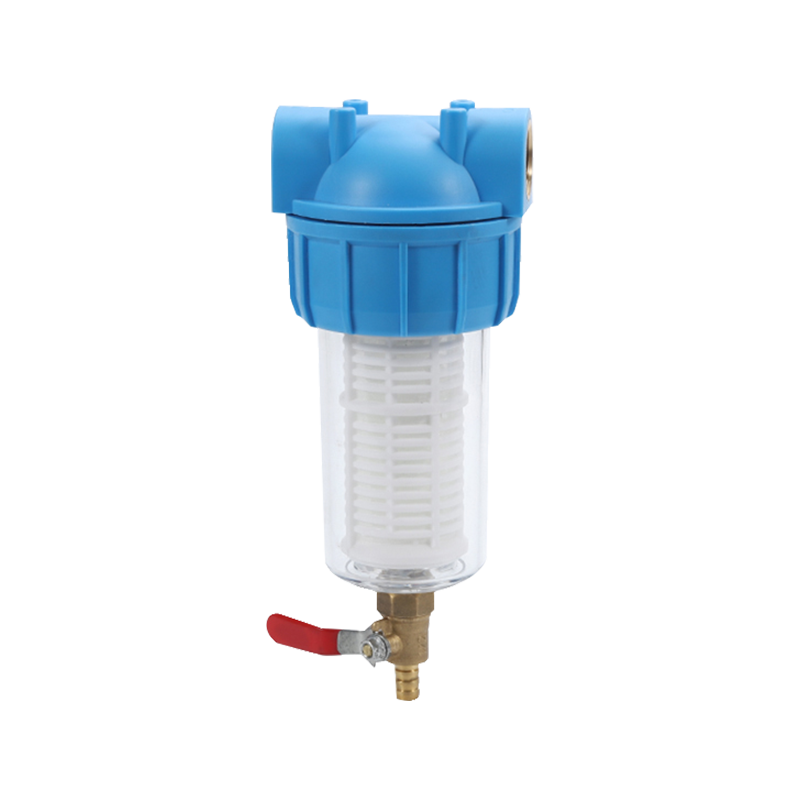
RH-06J5BSingle Water Filter with copper recoil valve is characterized by its efficient filtration system, which can effectively remove impurities, suspended matter, residual chlorine, odor and some ha...
See Details -
 >
>
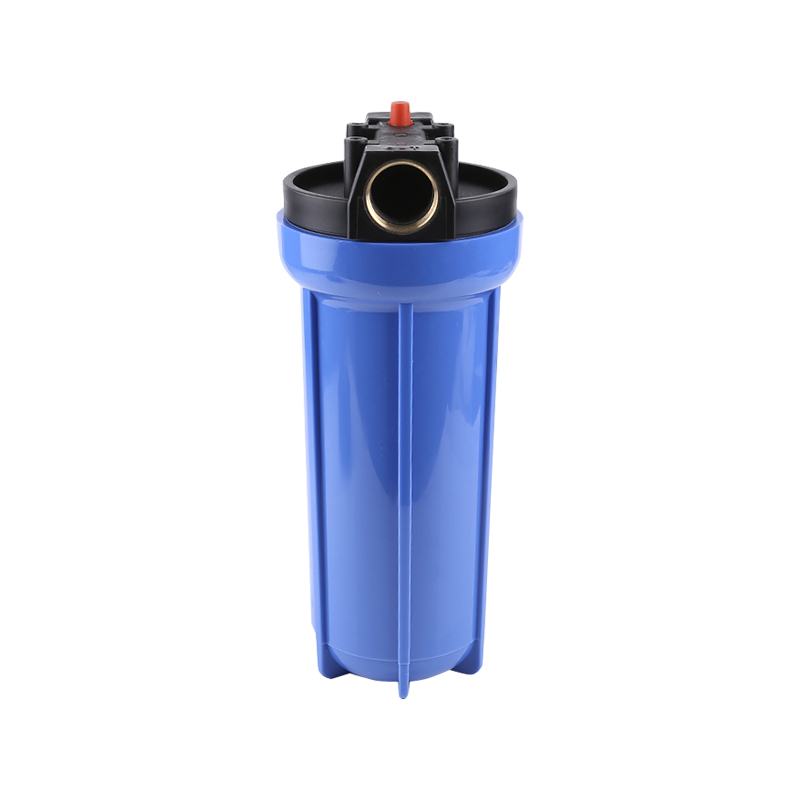
1. Single Water Filter(15BAR).2. 10" PET bottle+black cap, 3/4"brass thread.3. With 10" PP 70g filter cartridge.4. Color box packing.5. Components: wrench+plastic hanging board+screw.
See Details -
 >
>
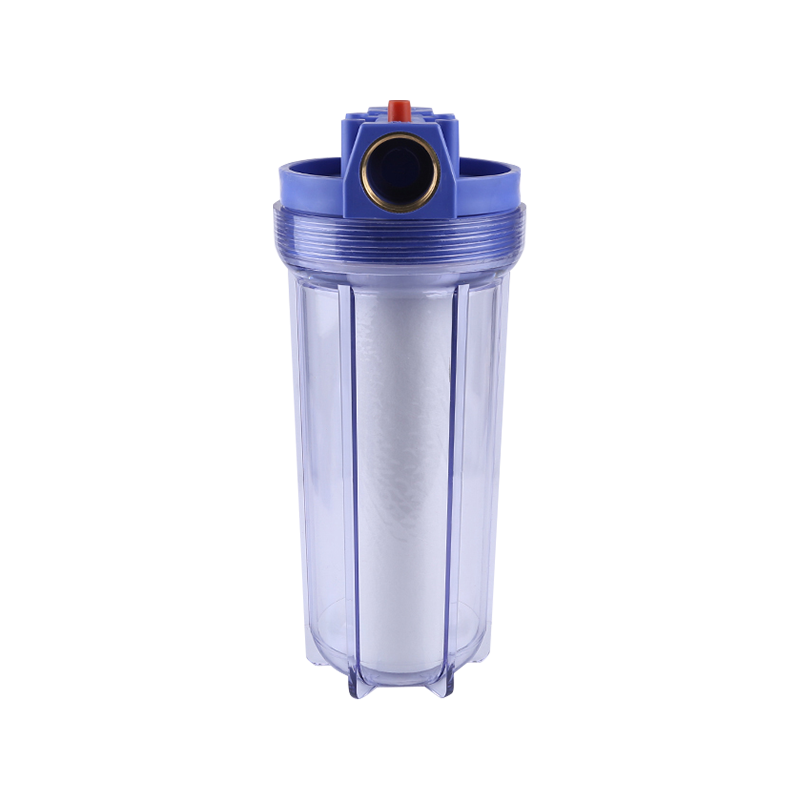
1. Single Water Filter(15BAR); 2. 10" PET bottle+blue cap,3/4"brass thread.3. With 10" PP 70g filtercartridge.4. Color box Packing. 5. Components: wrench+plastic hanging board+screw.
See Details -
 >
>
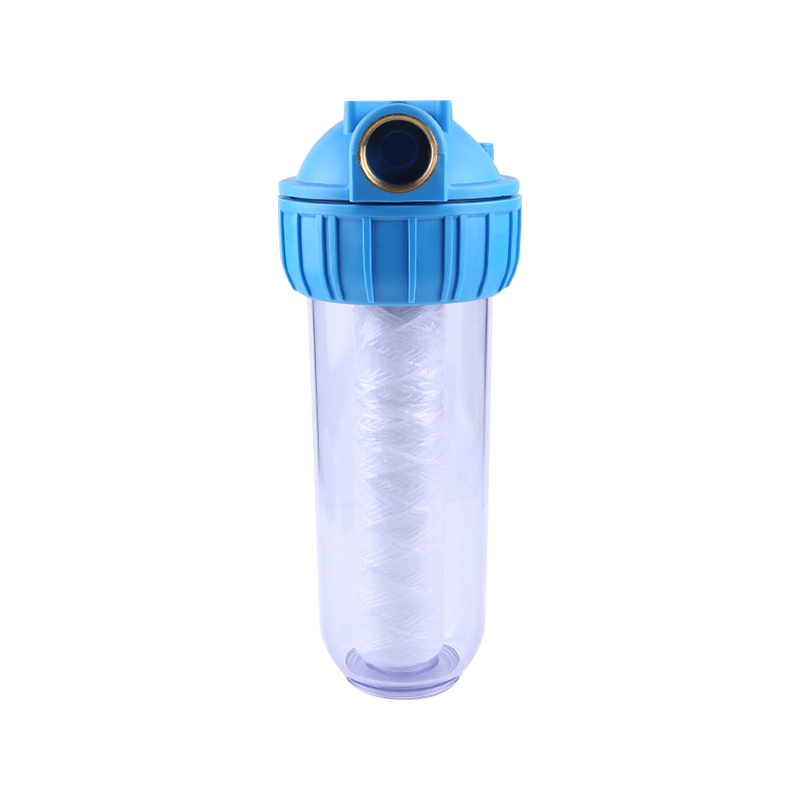
1. Single Water Filter(15BAR).2. 10" PET bottle+blue cap,3/4"brass thread.3. With 10" pp 70g cartridge. 4. Color box Packing. 5. Components: wrench+plastic hanging board+screw.
See Details -
 >
>
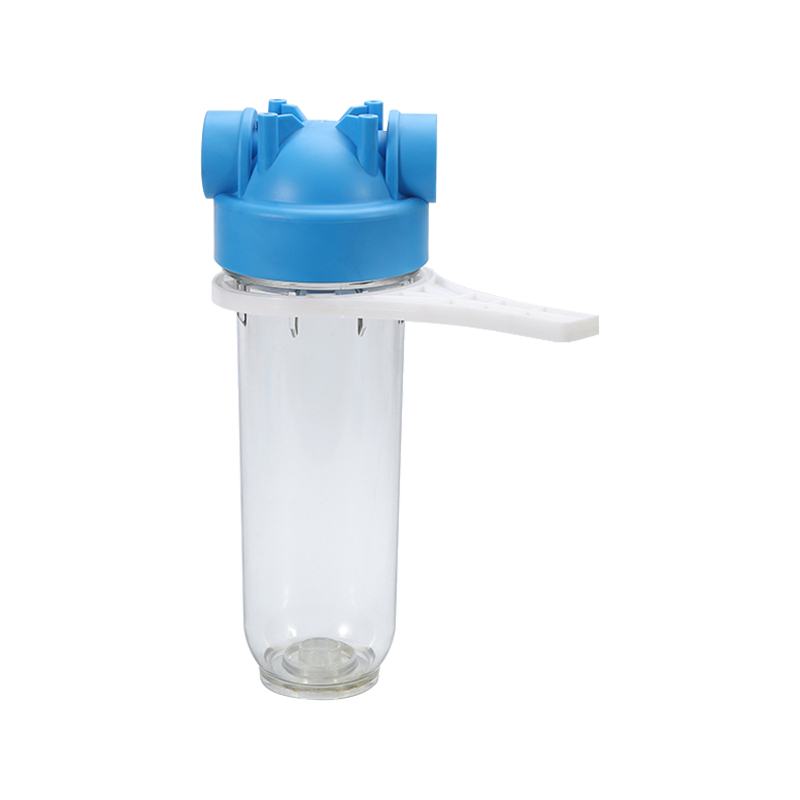
1. Single Water Filter(15BAR).2. 10" PET bottle+blue cap,3/4"brass thread.3. With 10" PP 70g filter cartridge.4. Color box Packing.5. Components: wrench+plastic hanging board+screw.
See Details -
 >
>
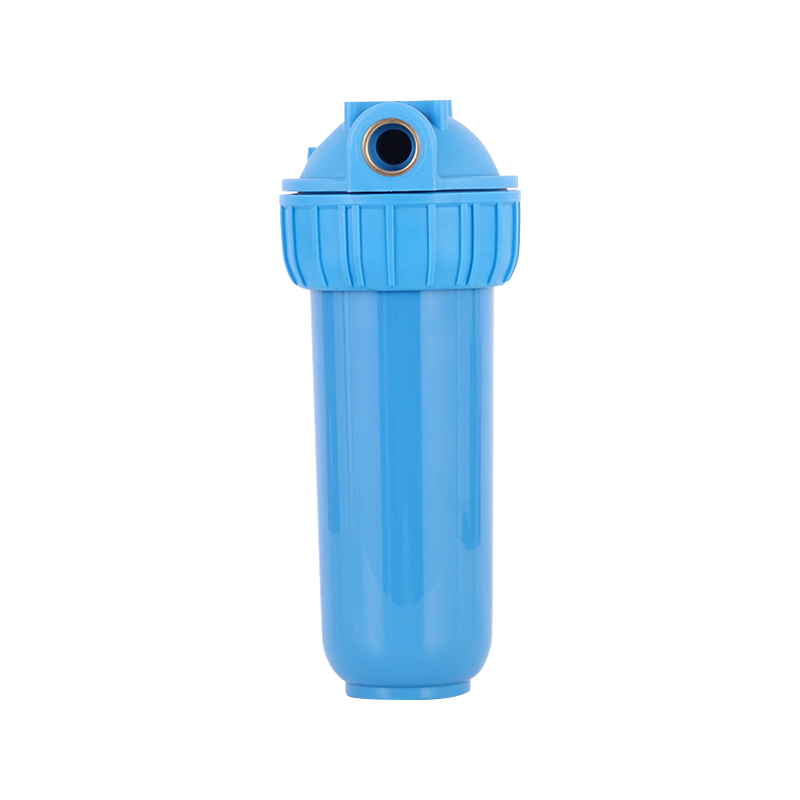
1. Single Water Filter(15BAR).2. 10" PET blue bottle+blue cap,3/4"brass thread.3. With 10" pp 70g cartridge. 4. Color box Packing. 5. Components: wrench+plastic hanging board.
See Details -
 >
>
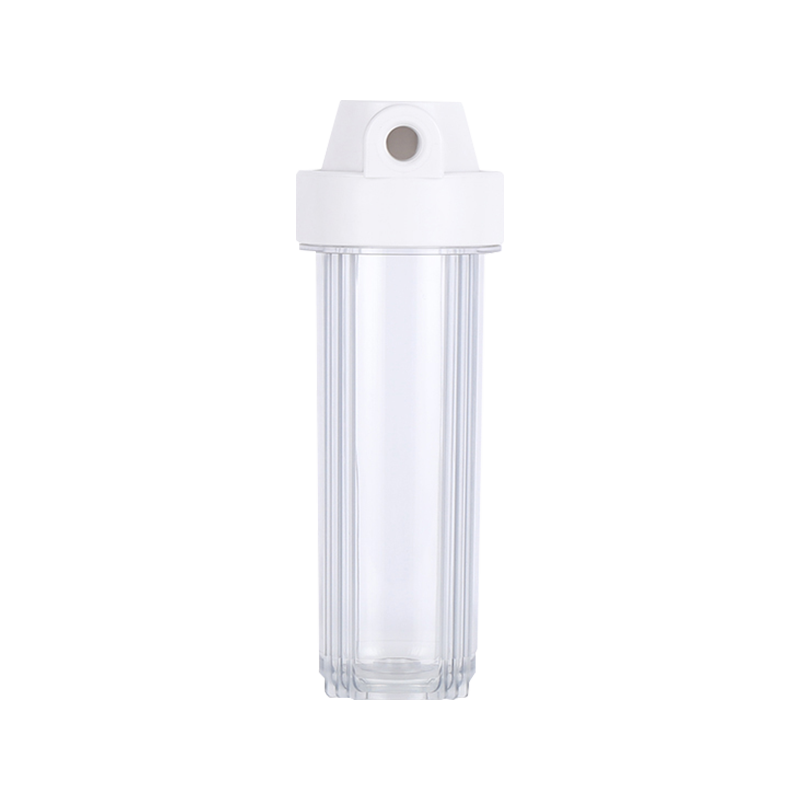
1. Single Water Filter(15BAR).2. 10" PET transparent bottle+white cap,1/4"brass thread.3. With 10" pp 70g cartridge. 4. Color box Packing.
See Details

If you are interested in our products, please consult us
Ningbo Yaorui Water Purification Technology Co., LTD. All Rights Reserved.
Wholesale Household Water Purifier Manufacturers
