 English
 русский
 Español
 عربى
عربى 中文简体
中文简体
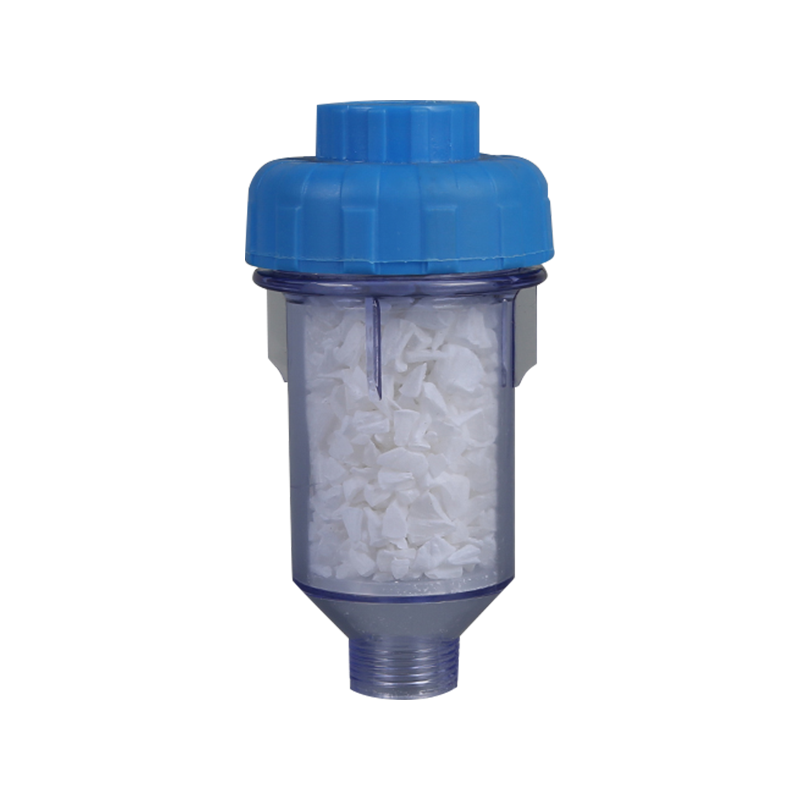 >
>The core highlight of this filter is its built-in silicone sheet filter layer. As a high-performance elastic material, silicone has high-temperature resistance, aging resistance, corrosion resistance,...
See Details [email protected]
 +86-18368206374
 No.99,Yuma Road,Mazhu Town,Yuyao City,Zhejiang Province,China.
How to Choose the Best Water Heater for Hard Water: Protection and Maintenance Tips
Industry News-Content
Your water heater has an uncomfortable way of hiding problems. The first sign often appears during the yearly flush: a thick layer of scale at the bottom of the tank, or a heating element that looks like it is coated in concrete. In a hard water area, that is not a maintenance oddity. It is a predictable outcome. The practical takeaway is that you can buy a water heater with better materials and still watch it fail quickly unless something is done about the mineral load before the water gets hot.
Why Hard Water Damages Water Heaters
Hard water is defined by its calcium and magnesium content. If your water measures above 7 grains per gallon (GPG) or about 120 milligrams per liter, it is considered hard. When that water is heated, the dissolved minerals precipitate as calcium carbonate scale. The scale clings to the heating elements, the tank floor, and the anode rod.
Scale is more than an aesthetic problem. It acts as an insulating layer. A layer only 1 millimeter thick can reduce heat transfer by about 10 percent, which means the heating element has to work harder and use more energy. In electric heaters, the element can overheat and burn out. In gas heaters, the burner efficiency drops because the tank bottom is covered in deposits. The scale also traps air bubbles, creating the popping and rumbling sounds that many homeowners hear.
Over time, the same mineral deposits accelerate the wear of the sacrificial anode rod. The anode is meant to corrode instead of the tank, but hard water makes it work at a faster rate. Once the anode is depleted, the tank begins to corrode from the inside. For most families, this means a new water heater in four to six years instead of ten or more.
What to Look for in a Water Heater for Hard Water
Start with the materials that come into direct contact with water. The heating element and tank lining are the two most important components. For harsh water, 316L stainless steel is a better option than standard glass-lined steel because it resists pitting and chloride attack. Titanium heating elements offer excellent resistance to scale adherence, though they cost more. Compare the common options below.
| Material | Scale resistance | Corrosion resistance | Expected behavior in hard water |
|---|---|---|---|
| Copper-Nickel | Moderate | Good | Will develop scale over time; can be cleaned but may pit after years of exposure. |
| Stainless Steel 316L | High | Excellent | Resists scale adherence and chloride attack; strong choice for high-hardness areas. |
| Titanium | Very High | Excellent | Minimal scale build-up; longer service life, but at a higher purchase price. |
Another decision is the tank type. Traditional tank-style heaters are generally a safer choice for hard water than tankless models. Tankless units use narrow heat exchanger tubes that can clog with scale quickly, and the flow rate does not always provide enough time for the scale inhibitor to form a protective layer. If you are in a very hard water area, a tanked unit with a large drain valve is easier to flush and maintain. Still, even the best tank will not survive indefinitely without treatment.
The Long-Term Fix: Treating Water Before It Reaches the Heater
Material choices only delay the inevitable. The real solution is to reduce the hardness at the source. There are two practical approaches: ion-exchange water softeners and scale-inhibiting filter cartridges. A softener removes calcium and magnesium entirely, but it is expensive and requires a regeneration loop. A silicon-phosphorus cartridge is a much simpler option: it introduces a food-grade scale inhibitor that coats the pipe surfaces and prevents scale from bonding. For a home on a budget, or for renters who cannot install a softener, this is a pragmatic compromise.
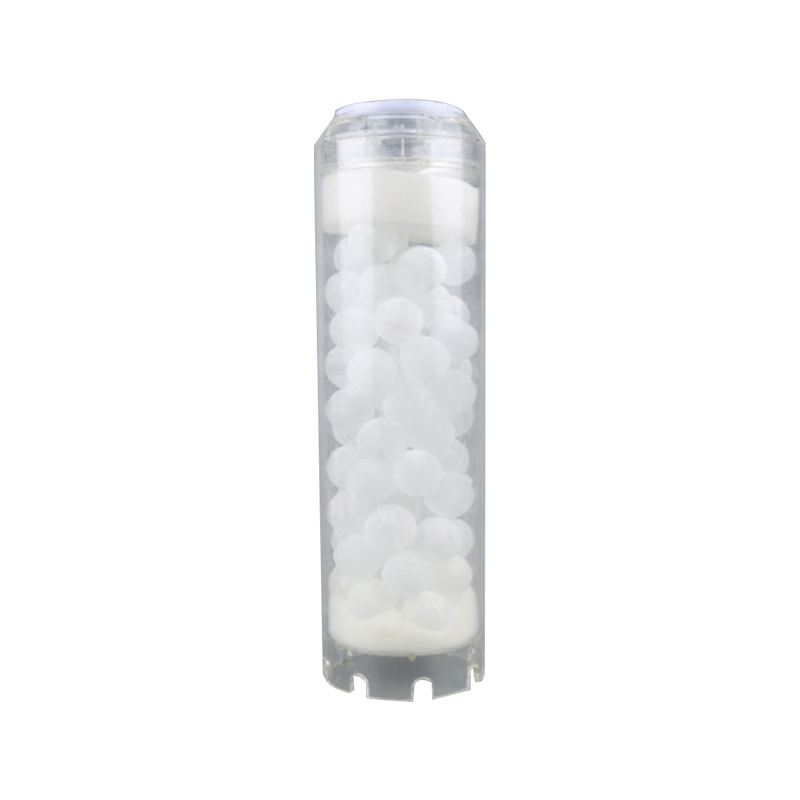 Silicon Phosphorus Cartridge for Scale PreventionThis 10-inch cartridge introduces food-grade scale inhibitor to prevent scale buildup in pipes and water heaters, offering a budget-friendly alternative to ion-exchange softeners without regeneration.View Product →
Where you place this filter matters. Ideally, install it on the cold water supply line just before the water heater, so the treatment is delivered before water enters the tank. If your water supply also contains iron or manganese, you need an additional filter to remove those minerals before they oxidize. Here is where a dedicated well water hardness filter is useful.
Filter Choice and Installation Considerations
Choosing the right cartridge depends on the chemical profile of your water and the space available. For a standard 10-inch or 20-inch housing, a resin-based softening cartridge can be used for point-of-entry treatment. Resin beads exchange sodium ions for calcium and magnesium, reducing hardness at the point where it matters most. These cartridges need to be replaced when the resin is exhausted. On the other hand, a silicon-phosphorus cartridge does not need regeneration and works by a different mechanism.
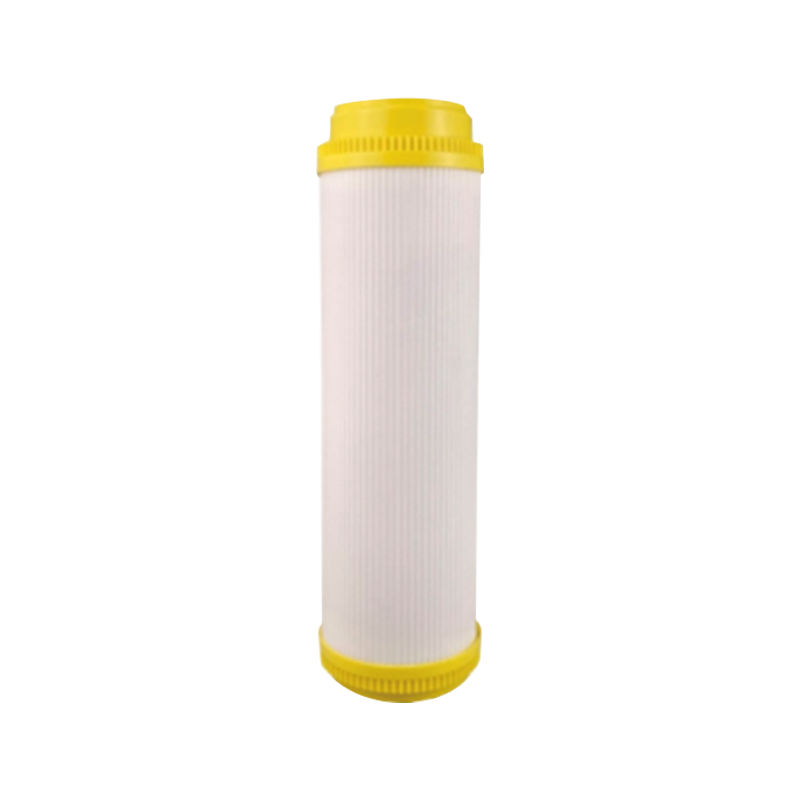 Resin-Based Water Filter Cartridge for Hardness ReductionThis 10-inch resin cartridge exchanges sodium ions for calcium and magnesium, reducing hardness at point of entry. Suitable for standard housings, it requires replacement when resin is exhausted.View Product →
Maintenance is straightforward. Check the filter housing quarterly, and replace the cartridge according to the manufacturer's recommended schedule. In areas with very hard water, a 20-inch jumbo housing provides a longer service interval and lower pressure drop. You may also consider a water softening filter cartridge if your hardness level exceeds 10 GPG and you prefer a point-of-entry system that does not require regeneration. Always follow the installation instructions to avoid leaks and ensure that the filter is oriented in the correct flow direction.
Conclusion
Hard water does not just shorten the life of a water heater; it raises energy costs and turns a routine maintenance task into a major repair. The best approach combines a water heater designed for mineral resistance with a point-of-entry treatment system. A scale-inhibiting cartridge or a resin-based softening cartridge can make the difference between a unit that lasts ten years and one that dies after four. Start with a water test, choose a heater that matches your water chemistry, and treat the water before it enters the tank. That sequence is what actually protects your investment.
Related products
-
 >
>
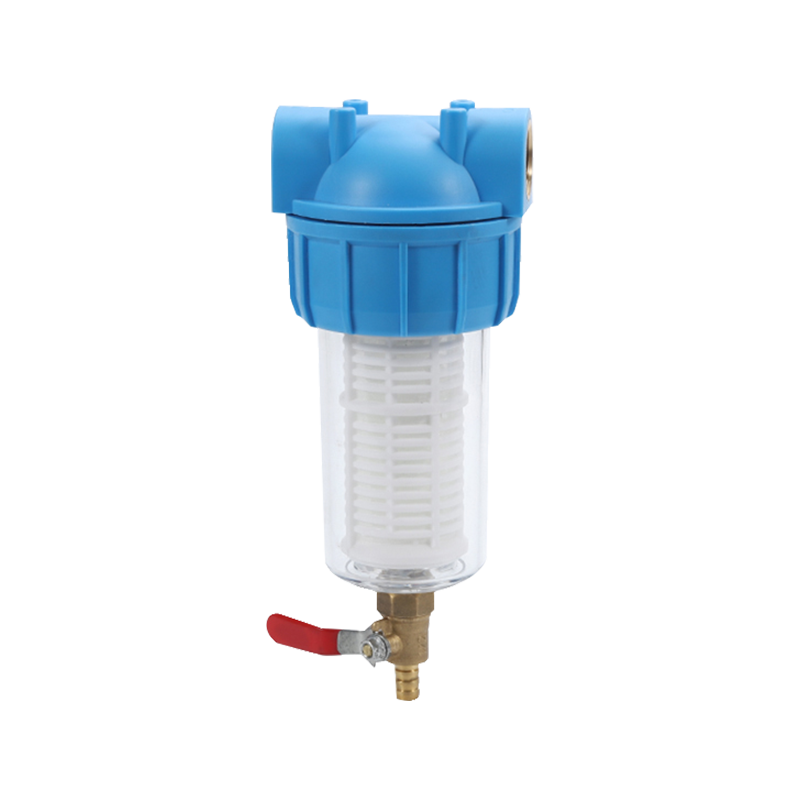
RH-06J5BSingle Water Filter with copper recoil valve is characterized by its efficient filtration system, which can effectively remove impurities, suspended matter, residual chlorine, odor and some ha...
See Details -
 >
>
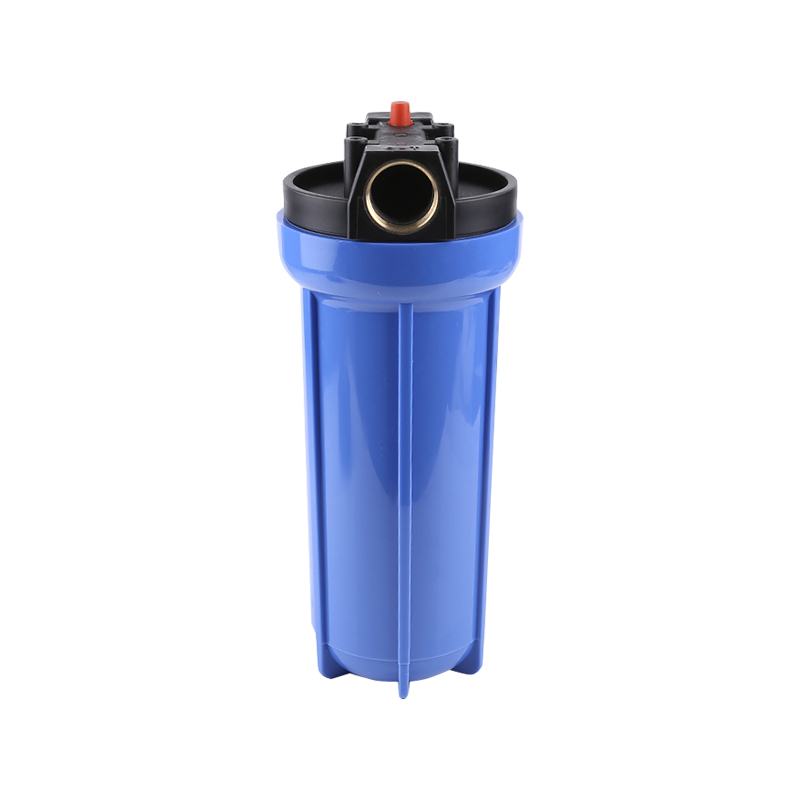
1. Single Water Filter(15BAR).2. 10" PET bottle+black cap, 3/4"brass thread.3. With 10" PP 70g filter cartridge.4. Color box packing.5. Components: wrench+plastic hanging board+screw.
See Details -
 >
>
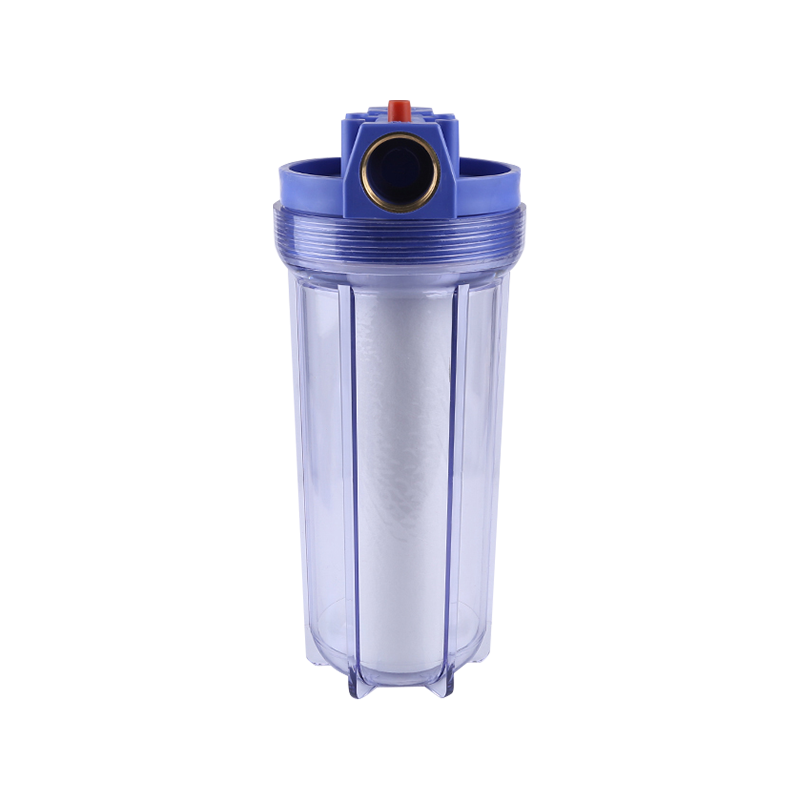
1. Single Water Filter(15BAR); 2. 10" PET bottle+blue cap,3/4"brass thread.3. With 10" PP 70g filtercartridge.4. Color box Packing. 5. Components: wrench+plastic hanging board+screw.
See Details -
 >
>
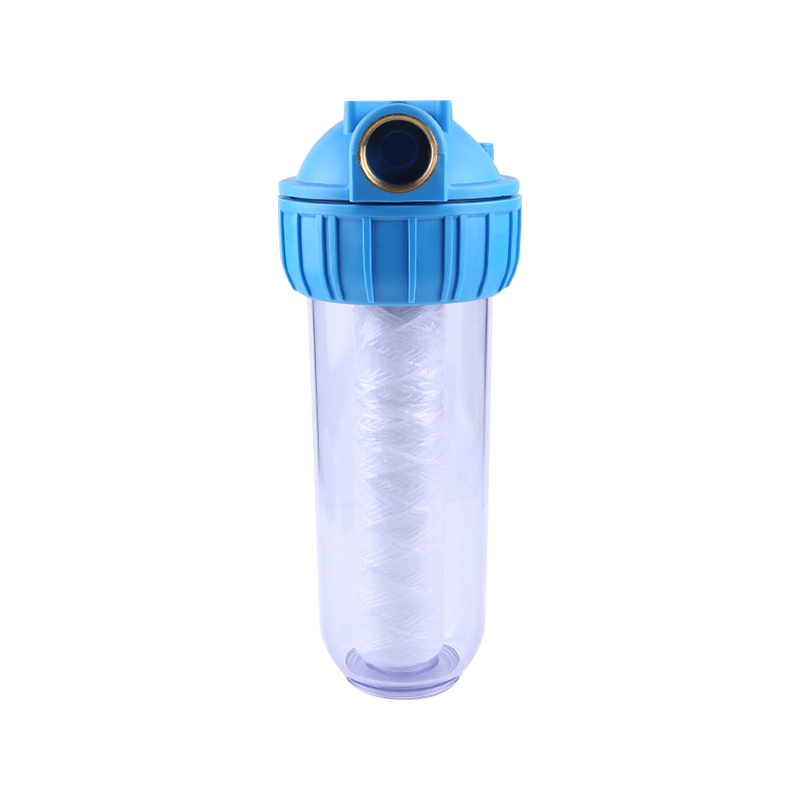
1. Single Water Filter(15BAR).2. 10" PET bottle+blue cap,3/4"brass thread.3. With 10" pp 70g cartridge. 4. Color box Packing. 5. Components: wrench+plastic hanging board+screw.
See Details -
 >
>
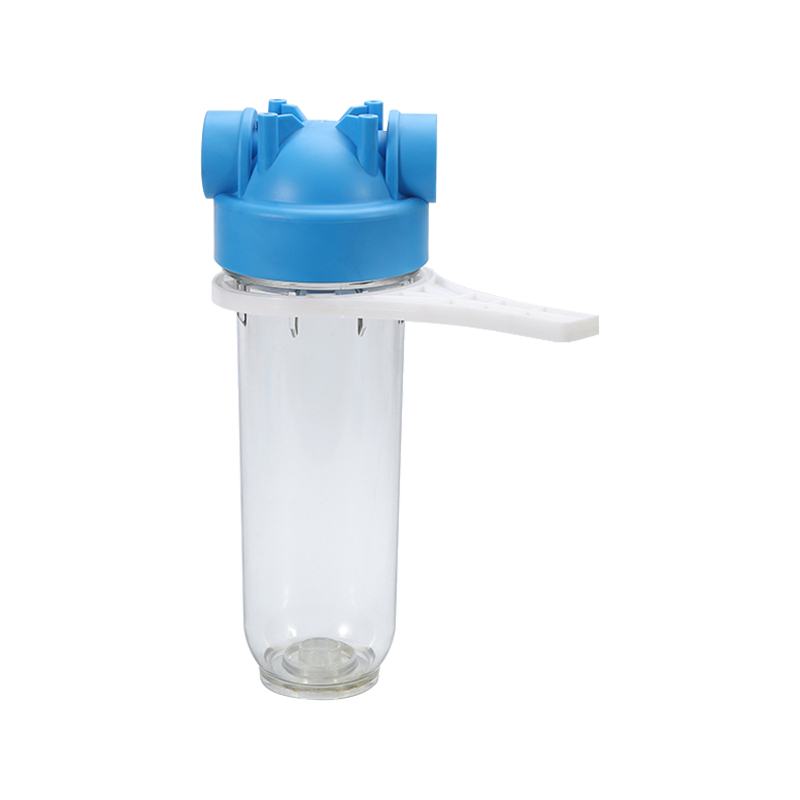
1. Single Water Filter(15BAR).2. 10" PET bottle+blue cap,3/4"brass thread.3. With 10" PP 70g filter cartridge.4. Color box Packing.5. Components: wrench+plastic hanging board+screw.
See Details -
 >
>
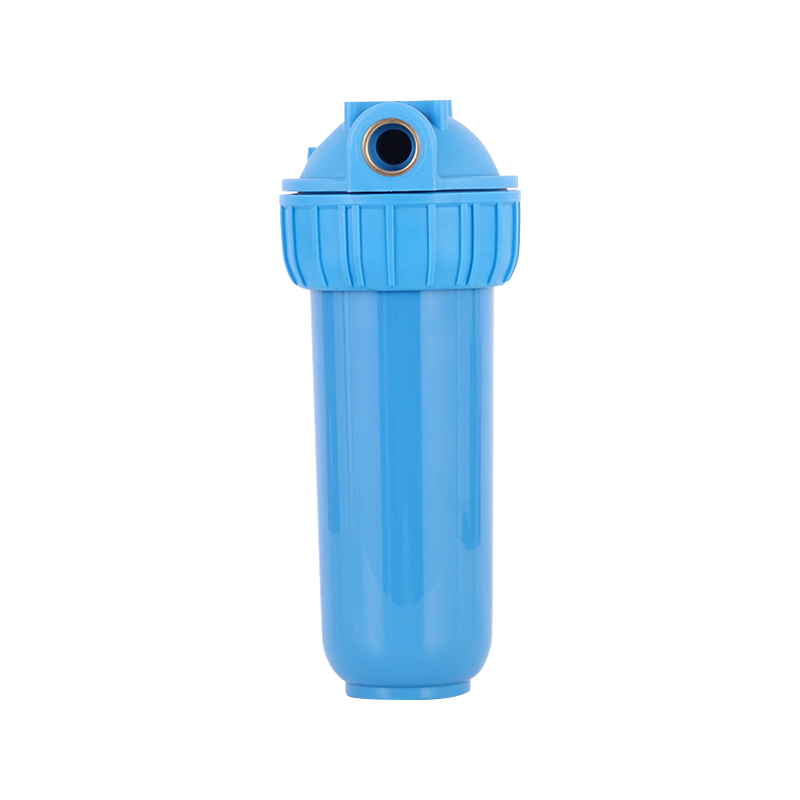
1. Single Water Filter(15BAR).2. 10" PET blue bottle+blue cap,3/4"brass thread.3. With 10" pp 70g cartridge. 4. Color box Packing. 5. Components: wrench+plastic hanging board.
See Details -
 >
>
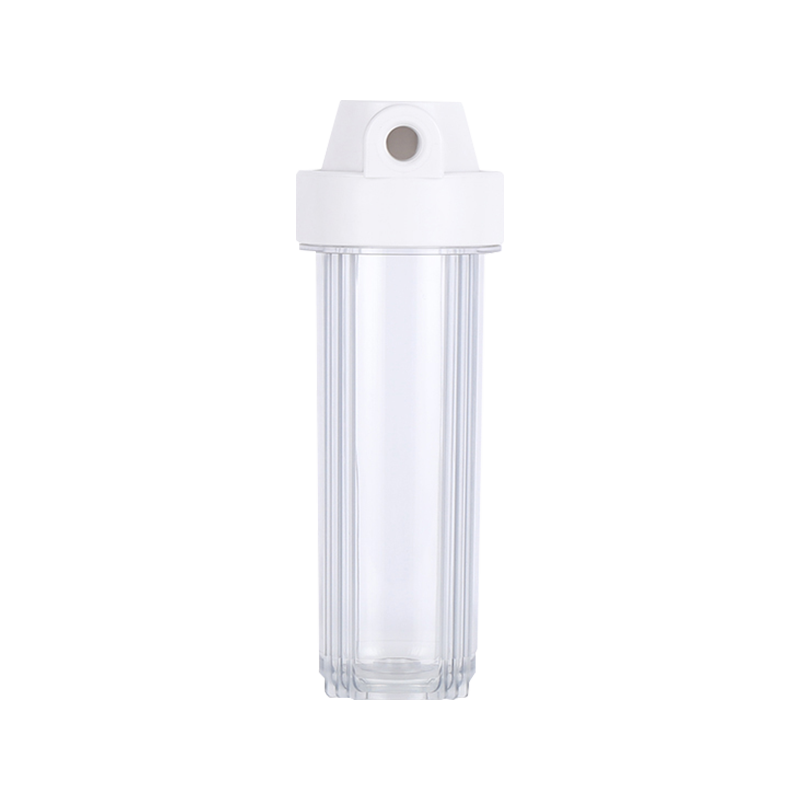
1. Single Water Filter(15BAR).2. 10" PET transparent bottle+white cap,1/4"brass thread.3. With 10" pp 70g cartridge. 4. Color box Packing.
See Details

If you are interested in our products, please consult us
Ningbo Yaorui Water Purification Technology Co., LTD. All Rights Reserved.
Wholesale Household Water Purifier Manufacturers
