 English
 русский
 Español
 عربى
عربى 中文简体
中文简体
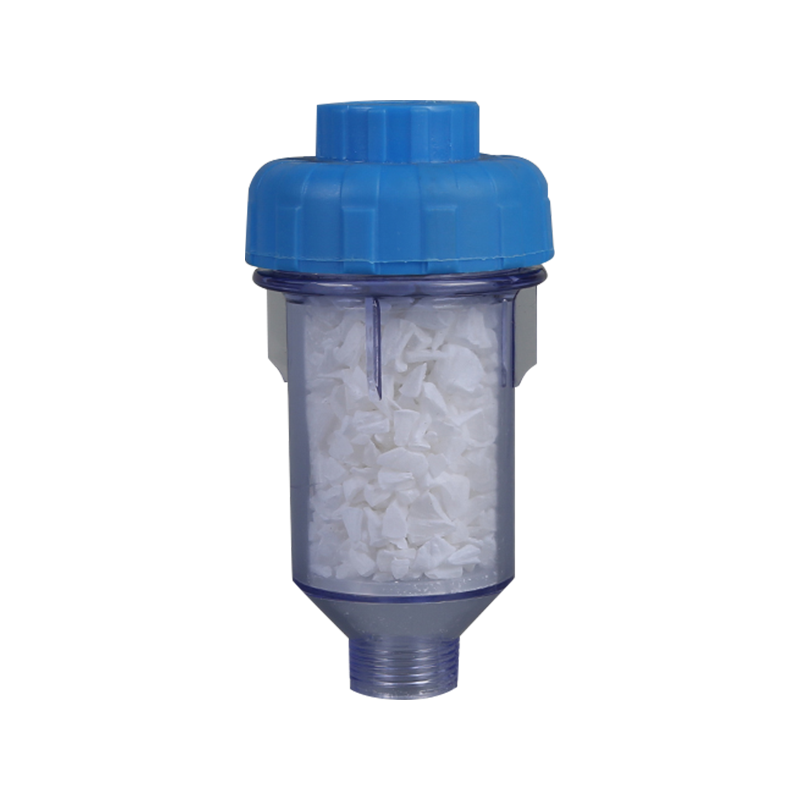 >
>The core highlight of this filter is its built-in silicone sheet filter layer. As a high-performance elastic material, silicone has high-temperature resistance, aging resistance, corrosion resistance,...
See Details [email protected]
 +86-18368206374
 No.99,Yuma Road,Mazhu Town,Yuyao City,Zhejiang Province,China.
Chlorine in Shower Water: Skin, Hair, and Respiratory Risks and How to Filter It
Industry News-Content
After a hot shower, your skin feels tight and itchy, and your hair looks dry and dull. You may blame your soap, shampoo, or hard water, but an often-overlooked cause is chlorine in shower water. The conclusion is straightforward: chlorine is added to most municipal water supplies to kill bacteria and viruses, and while that keeps the water safe to drink, it creates a different set of problems when you shower. Hot water vaporizes chlorine and chloramine, making them easier to inhale, and your skin and lungs absorb them more readily than your digestive system does. The practical impact is that regular showers may be doing more harm to your skin and hair than you realize.
Why Is There Chlorine in Your Shower Water?
Most water utilities in the United States and Canada add chlorine or chloramine as a disinfectant. The U.S. Environmental Protection Agency sets the legal limit for free chlorine in drinking water at 4 mg/L (4 ppm), but many systems operate at concentrations between 0.5 and 2 mg/L. That level is effective at controlling harmful organisms and is considered safe for drinking and bathing by regulatory standards. However, "safe" does not mean "free of side effects." Chlorine does not disappear at your meter; it stays in the water as it travels to your showerhead. When you turn on the hot water, a portion of that chlorine evaporates into the air, and another portion comes into direct contact with your skin and hair.
What Chlorine Does to Your Skin and Hair
Chlorine strips the natural oils from your skin and hair, disrupts the moisture barrier, and oxidizes the proteins in keratin. Over time, these effects add up:
- Dry, tight skin and increased flaking
- Itchiness and irritation, especially after a long hot shower
- Brittle, frizzy hair with more split ends
- Faded or discolored hair color in dyed hair
- Red or irritated eyes if water routinely gets in them
For people with eczema, psoriasis, or seborrheic dermatitis, the impact is more than cosmetic. Chlorine can trigger flare-ups and make existing patches more inflamed. Hair that is chemically treated or naturally fine also loses moisture faster, leaving it dull and more difficult to manage.
Respiratory and Eye Irritation from Hot Steam
Hot water creates steam, and chlorine in that steam can be inhaled directly. In addition, chlorine reacts with organic matter in the water to form disinfection byproducts such as trihalomethanes (THMs). In a small, poorly ventilated bathroom, a 10-minute shower can produce a noticeable concentration of these compounds in the air. This can irritate the respiratory tract, cause coughing or wheezing, and worsen symptoms for people with asthma. The eyes, nose, and throat can also feel dry or irritated after exposure.
The risk is not limited to breathing. Skin absorption increases with heat and longer exposure, so the same compounds that affect your hair and skin can enter your bloodstream. This is why the issue is worth addressing even if you do not notice immediate symptoms.
Who Is Most Sensitive to Chlorine?
Healthy adults may not notice mild chlorine exposure, but children, older adults, and people with asthma, allergies, or chronic skin conditions are more vulnerable. If you have a compromised skin barrier, your body can absorb chlorine compounds more quickly. Pregnant women also tend to be cautious about disinfectant byproducts, and a filtered shower is a simple way to lower exposure without giving up the comfort of warm water.
How to Reduce Chlorine Exposure in the Shower
You do not need a whole-house system to notice a difference. The first and most direct step is to treat the water at the point of use. A shower filter options designed for chlorine removal uses a cartridge containing activated carbon, KDF media, or a blend of both. It installs between the existing shower arm and showerhead and reduces chlorine and chloramine as you bathe. If you want to compare different configurations, our chlorine removal shower filters page lists options that are designed for this exact problem.
 Custom Shower Filter Manufacturers, SuppliersAs China Shower Filter manufacturers and Shower Filter suppliers, Ningbo Yaorui Water Purification Technology Co., LTD. produce Custom Sh...View Product →
Beyond filtration, simple habits make a big difference. Run the exhaust fan or open a window during and after your shower to keep vaporized chlorine from building up in the air. Keep the water temperature moderate, because hotter water increases vaporization and opens your pores for faster absorption. Shorten the shower time when your skin feels sensitive. Afterward, gently pat your skin dry and apply a moisturizer to support the moisture barrier.
For the whole home, a whole-house carbon filter removes chlorine from every tap. That helps your washing machine, dishwasher, and bathroom sinks as well, and it is especially useful if you have a large family. If you are evaluating this route, take a look at the whole-house water filters for city water for an idea of what is available.
Choosing a Shower Filter: What to Look For
Not all shower filters are equal. The media type, cartridge volume, flow rate, and housing quality all affect how much chlorine is actually removed. The table below compares the three most common chlorine-reducing media.
| Media | How It Works | Best For | Maintenance |
|---|---|---|---|
| Activated carbon | Adsorbs chlorine and organic compounds | Reducing taste, odor, and chlorine | Replace cartridge every 2 to 3 months |
| KDF | Uses a redox reaction to convert chlorine into harmless chloride ions | Extending media life and reducing chloramine | Replace cartridge according to the manufacturer's schedule |
| Carbon and KDF blend | Combines adsorption and redox reaction | Broader chlorine and chloramine reduction | Regular cartridge replacement required |
Why Cartridge Quality Matters
As a manufacturer of filtration products, we see a wide range of cartridge quality in the market. The filter media needs sufficient surface area and contact time, and the housing must be sealed to prevent water from bypassing the media. A low-quality cartridge can break down quickly or channel water through only a portion of the media, resulting in poor chlorine reduction. When you choose a filter, look for a cartridge that is easy to replace and has a clear service life. A reliable activated carbon filter cartridge is often the heart of a shower filter, and replacing it on schedule matters as much as the initial unit.
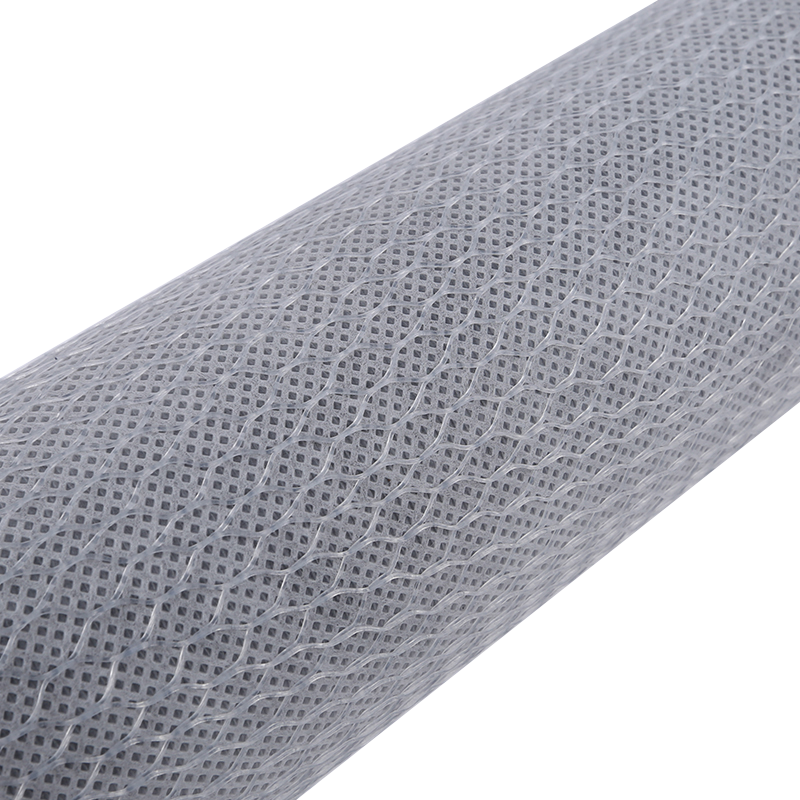 Wholesale RH-CTO10 PP Activated carbon water filter cartridge Suppliers, FactoryYaorui Water Purification Technology Co., LTD is China wholesale RH-CTO10 PP Activated carbon water filter cartridge suppliers and RH-CTO...View Product →
Final Thoughts
Chlorine in shower water is not an alarming health crisis, but it is a manageable source of everyday irritation. The fact that chlorine is in your water does not mean you must live with dry skin, brittle hair, and irritated airways. Start with the cheapest fixes: better ventilation, shorter showers, and regular moisturizing. Then consider a point-of-use shower filter to reduce chlorine at the moment that matters most. For a more complete solution, a whole-house filter can address the rest of your home's water. Whatever route you choose, the goal is simple: enjoy your shower without letting chlorine take a toll on your body.
Related products
-
 >
>
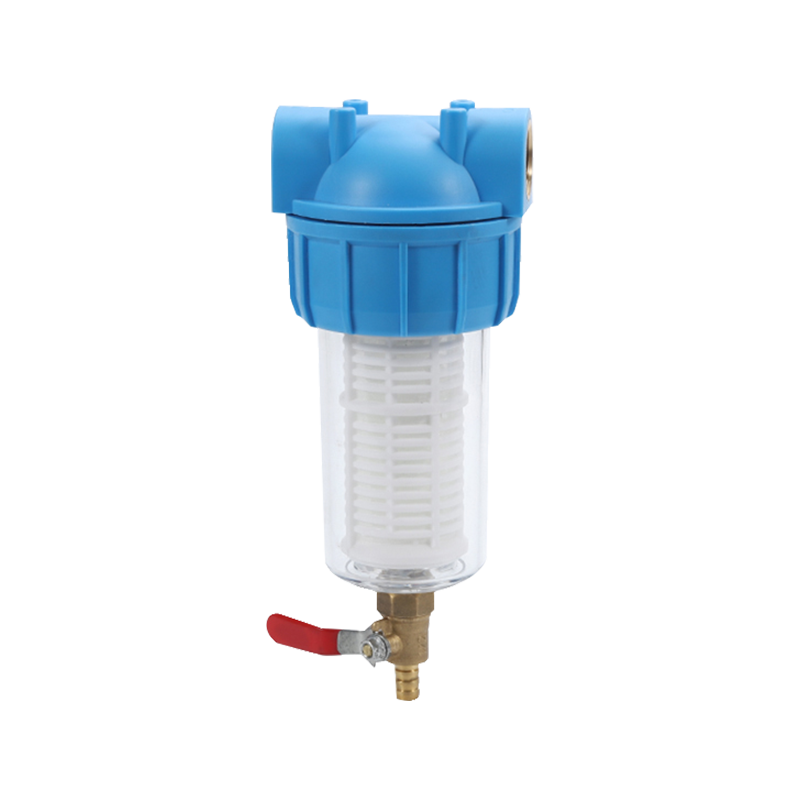
RH-06J5BSingle Water Filter with copper recoil valve is characterized by its efficient filtration system, which can effectively remove impurities, suspended matter, residual chlorine, odor and some ha...
See Details -
 >
>
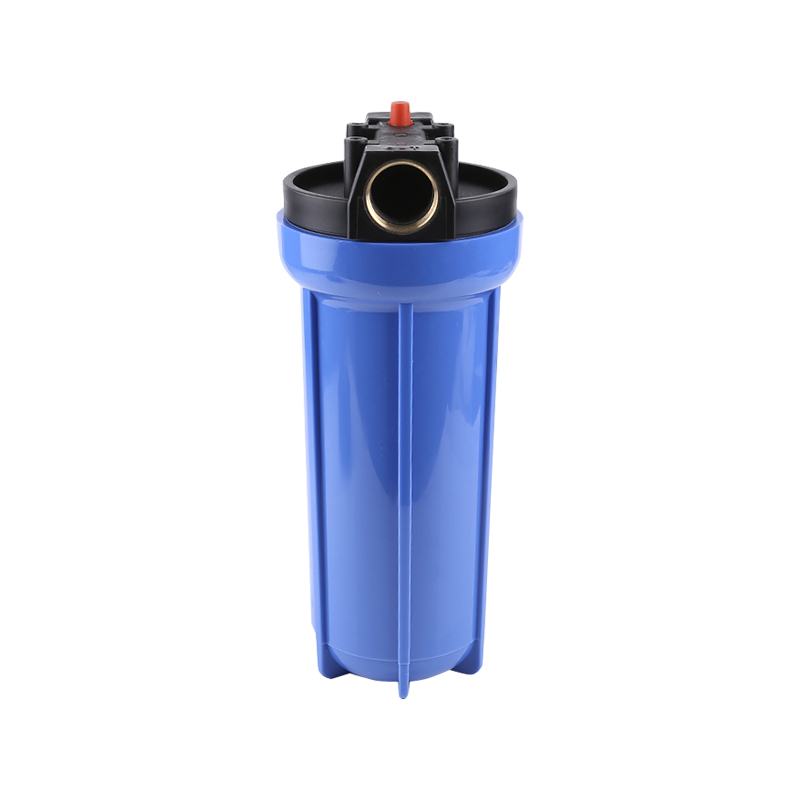
1. Single Water Filter(15BAR).2. 10" PET bottle+black cap, 3/4"brass thread.3. With 10" PP 70g filter cartridge.4. Color box packing.5. Components: wrench+plastic hanging board+screw.
See Details -
 >
>
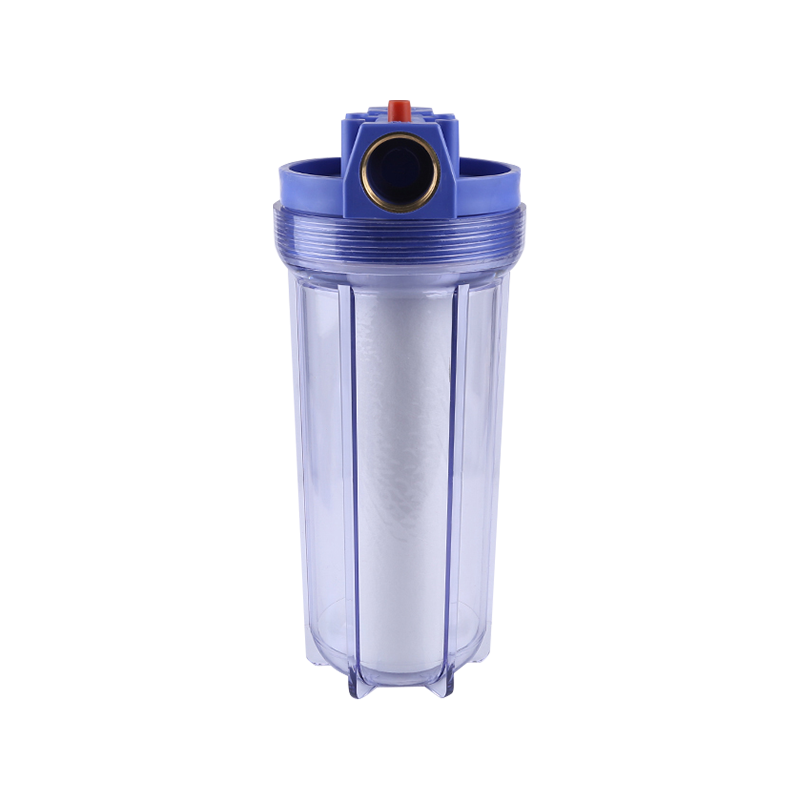
1. Single Water Filter(15BAR); 2. 10" PET bottle+blue cap,3/4"brass thread.3. With 10" PP 70g filtercartridge.4. Color box Packing. 5. Components: wrench+plastic hanging board+screw.
See Details -
 >
>
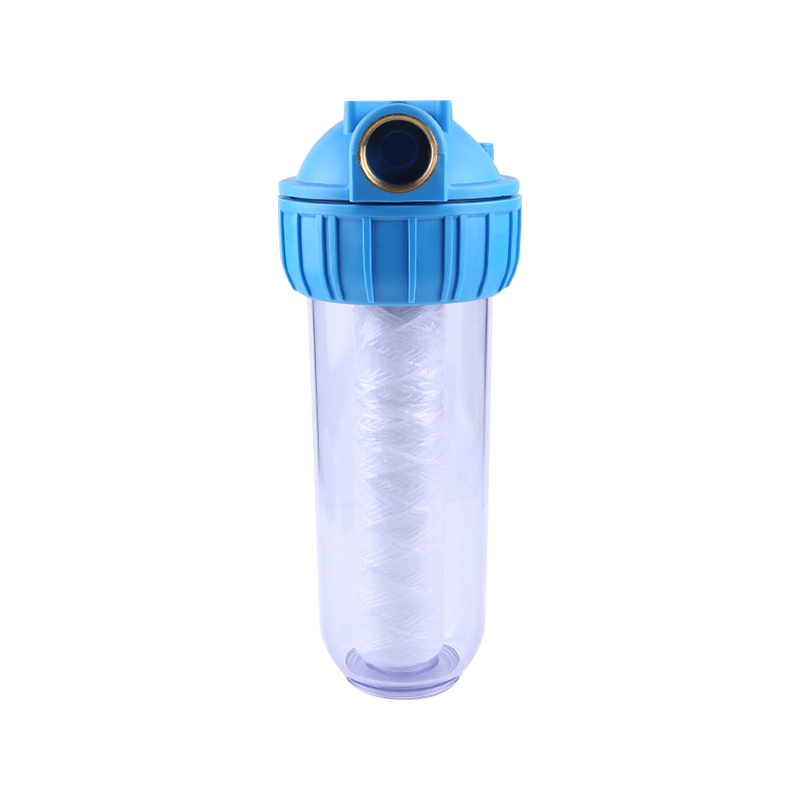
1. Single Water Filter(15BAR).2. 10" PET bottle+blue cap,3/4"brass thread.3. With 10" pp 70g cartridge. 4. Color box Packing. 5. Components: wrench+plastic hanging board+screw.
See Details -
 >
>
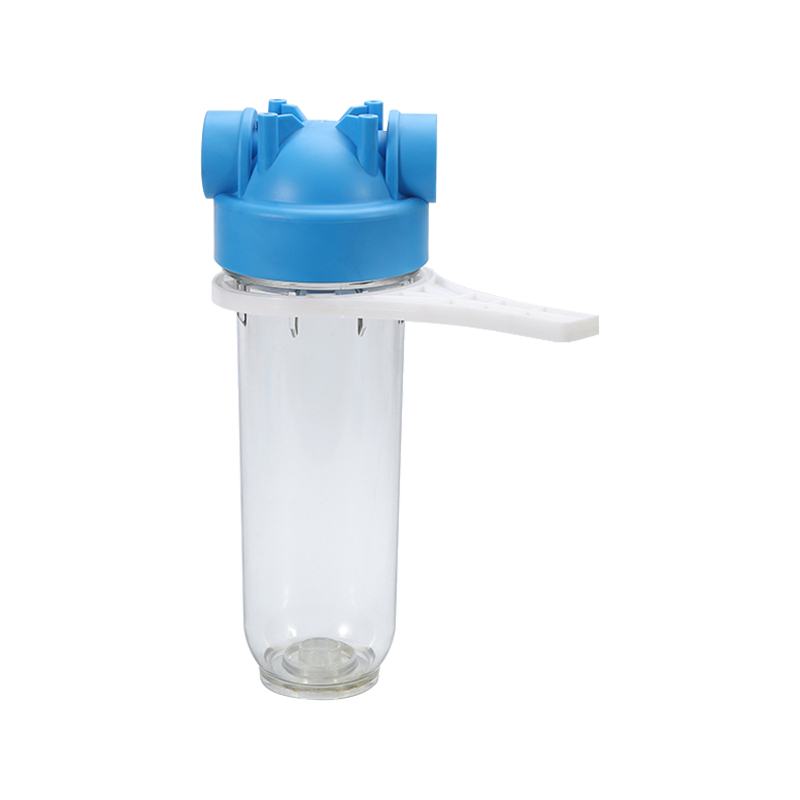
1. Single Water Filter(15BAR).2. 10" PET bottle+blue cap,3/4"brass thread.3. With 10" PP 70g filter cartridge.4. Color box Packing.5. Components: wrench+plastic hanging board+screw.
See Details -
 >
>
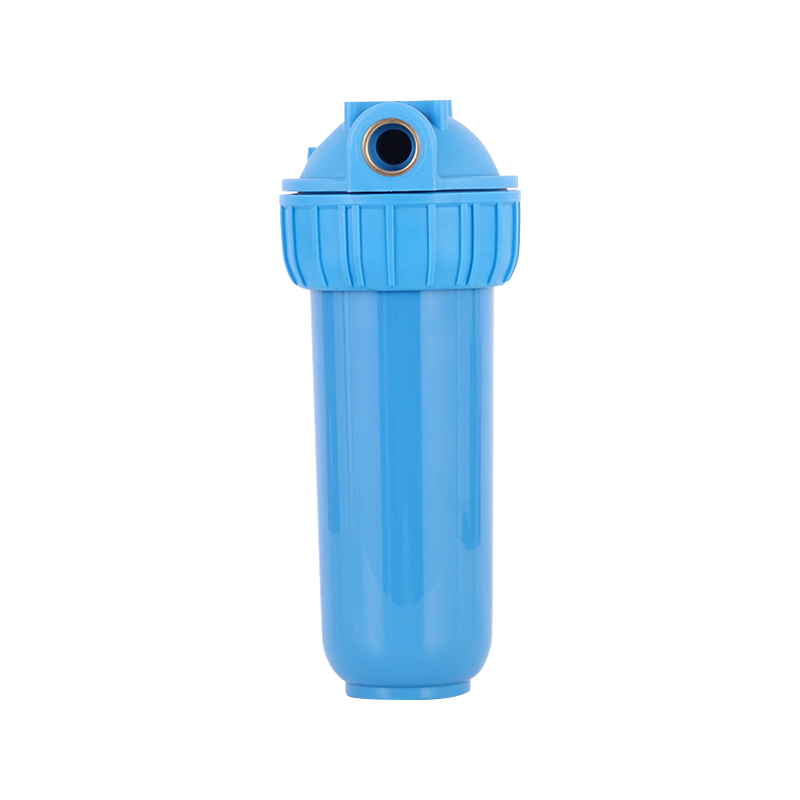
1. Single Water Filter(15BAR).2. 10" PET blue bottle+blue cap,3/4"brass thread.3. With 10" pp 70g cartridge. 4. Color box Packing. 5. Components: wrench+plastic hanging board.
See Details -
 >
>
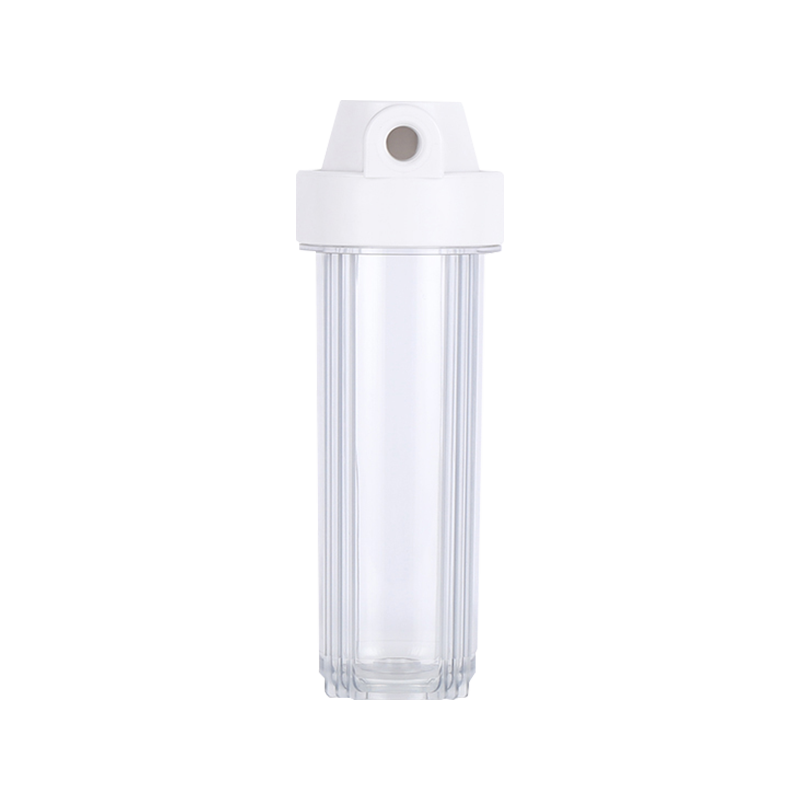
1. Single Water Filter(15BAR).2. 10" PET transparent bottle+white cap,1/4"brass thread.3. With 10" pp 70g cartridge. 4. Color box Packing.
See Details

If you are interested in our products, please consult us
Ningbo Yaorui Water Purification Technology Co., LTD. All Rights Reserved.
Wholesale Household Water Purifier Manufacturers
