 English
 русский
 Español
 عربى
عربى 中文简体
中文简体
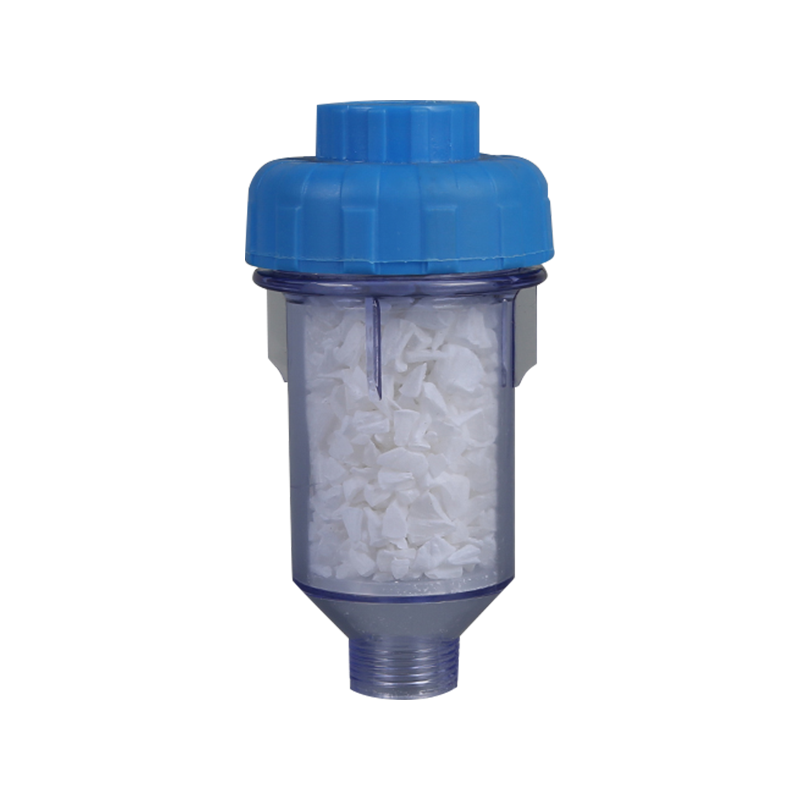 >
>The core highlight of this filter is its built-in silicone sheet filter layer. As a high-performance elastic material, silicone has high-temperature resistance, aging resistance, corrosion resistance,...
See Details [email protected]
 +86-18368206374
 No.99,Yuma Road,Mazhu Town,Yuyao City,Zhejiang Province,China.
Carbon Water Filtration Systems for Home: How They Work and How to Choose
Industry News-Content
Most homeowners notice carbon water filtration only when something changes: a new chlorine taste, a stale odor from a glass of tap water, or coffee that no longer smells the way it should. Carbon media has been a workhorse in household water treatment for decades because it addresses the complaints people notice most. This guide explains how carbon water filtration systems for home work, how to choose a configuration, and what to expect from long-term use.
How Carbon Water Filtration Systems Work
Activated carbon removes contaminants through adsorption. The carbon is treated to create millions of microscopic pores, giving a very large surface area for organic compounds to stick to. When water passes through a carbon cartridge, chlorine, taste, and odor compounds are pulled out of the solution and held on the carbon surface. In some cases, the reaction changes chlorine into harmless chloride, which is why the smell and taste disappear quickly.
There are two common forms of carbon media. Granular activated carbon (GAC) is loose and works well in high-flow systems. Carbon block is made from compressed powdered carbon and gives the water more contact with the media. Because carbon block is denser, it can also trap fine particles that would pass through loose GAC. Many home systems combine both: a sediment pre-filter reduces larger particles, a layer of granular carbon handles chlorine quickly, and a carbon block cartridge finishes the water.
Contact time matters. If water moves through the carbon too quickly, some contaminants may pass through before they can bind to the media. That is why a well-designed carbon water filtration system for home use matches the cartridge size and flow rate to the expected water pressure and household demand.
What Carbon Removes, and What Needs Another Filter Type
Carbon filtration is excellent for improving taste, smell, and chlorine, but it is not a universal purifier. Understanding its limits prevents the most common mistake: choosing a carbon-only system for a water problem that needs a different process.
| Contaminant | Carbon Response | Best Configuration |
|---|---|---|
| Chlorine | Reduced effectively; improves taste and odor | Carbon block or granular carbon |
| Chloramine | Reduced, but requires longer contact time or catalytic carbon | High-capacity carbon block |
| Volatile organic compounds (VOCs) | Adsorbed well; reduces fuels, solvents, and odors | Carbon block with adequate contact time |
| Sediment | Only partially removed by carbon media | PP sediment pre-filter before carbon |
| Heavy metals, bacteria, fluoride | Not reliably removed by standard carbon | Reverse osmosis or specialty media |
The practical takeaway is simple: carbon is the right tool for chlorine, taste, odor, and many VOCs. If your water has lead, bacteria, iron, or hardness, you need a different process before or after the carbon stage. That is why many complete systems use carbon in combination with reverse osmosis or other targeted media. For households that only need to reduce chlorine, dedicated activated carbon block filters for chlorine reduction are an effective and straightforward choice.
Choosing the Right Carbon Water Filtration System for Your Home
Tap water quality, installation space, and budget determine the best configuration. Most homes fall into one of three setups: under the sink, on the countertop, or at the whole-house entrance.
Under-Sink Carbon Systems
For drinking and cooking water, an under-sink system is the most practical upgrade. The filter sits below the sink and feeds a separate faucet, so you get filtered water without sacrificing counter space. A two-stage arrangement with a sediment cartridge followed by a carbon cartridge gives reliable chlorine reduction and protects the carbon from collecting dirt and rust. A compact system such as two-stage under-sink water filter system is ideal for most city tap water and can be installed with basic plumbing tools. If cabinet space is tight, compare the footprints of different under-sink drinking water filters before buying.
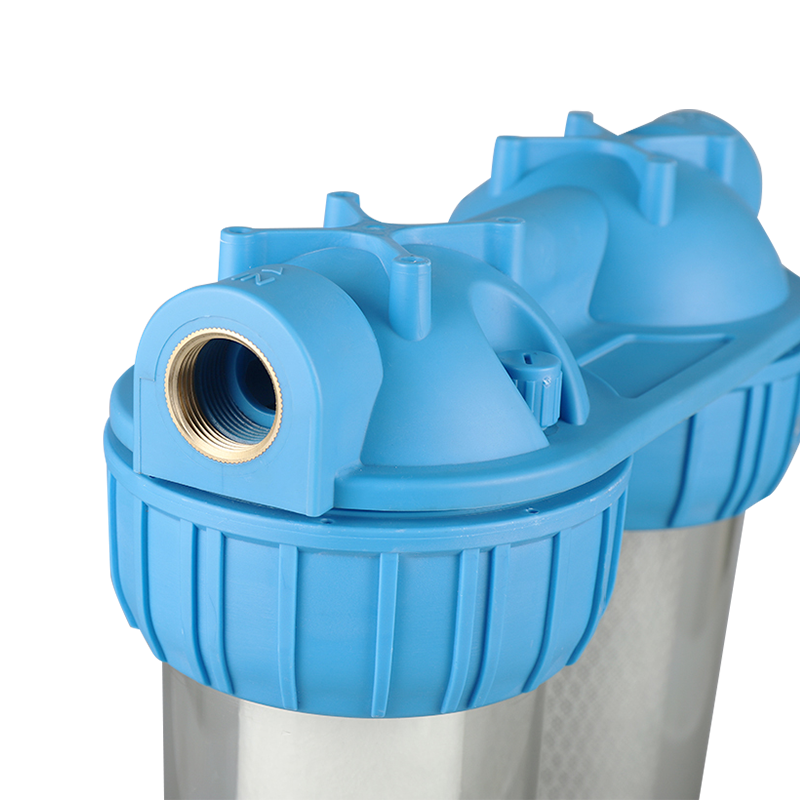 Wholesale RH-JA2 two stages water filter system Suppliers, Factory - Ningbo YaorYaorui Water Purification Technology Co., LTD is China wholesale RH-JA2 two stages water filter system suppliers and RH-JA2 two stages wa...View Product →
Countertop and Three-Stage Systems
Renters and small kitchens often prefer countertop models. These connect to the faucet with a diverter valve and require no permanent changes to the plumbing. A three-stage system adds an extra layer for broader conditioning. For example, three-stage countertop water purifier with PP, CTO, and UDF cartridges can handle both sediment and chlorine in a single unit. It can also be moved to a new tap if you relocate, which makes it a flexible first filter for an apartment or temporary living situation.
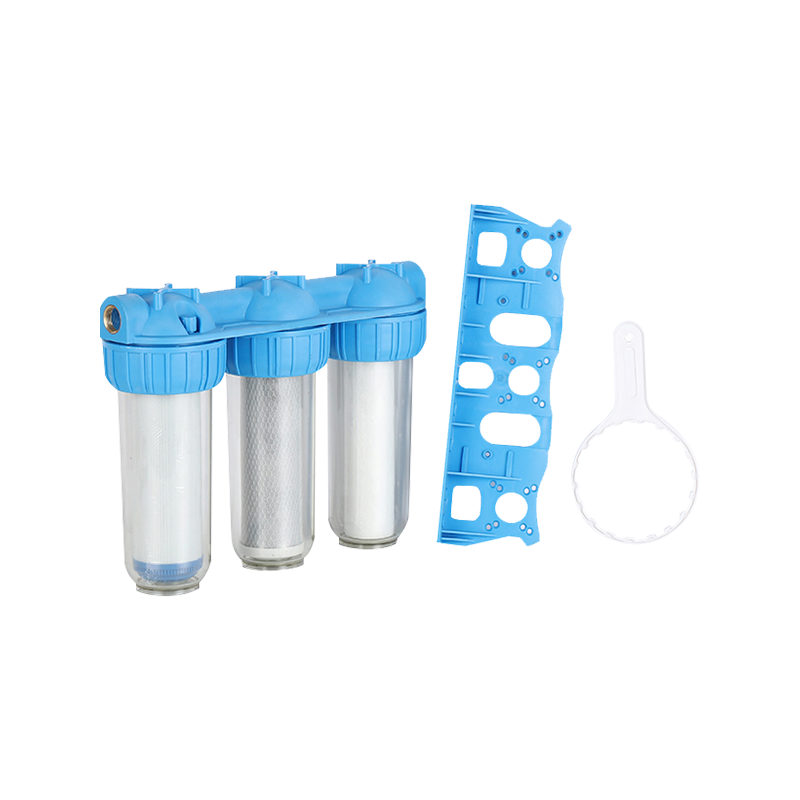 Wholesale RH-JA3 PET bottle with cap water purifier in three satges Suppliers, FYaorui Water Purification Technology Co., LTD is China wholesale RH-JA3 PET bottle with cap water purifier in three satges suppliers and ...View Product →
Whole-House Carbon Systems
If you want fewer chlorine odors in every bathroom and kitchen, a whole-house carbon system treats water at the main line before it reaches any faucet. Showers, laundry, and tap water all benefit from the same chlorine reduction. These systems need a larger housing and a cartridge with enough surface area to keep pressure from dropping. City water households often start with a whole-house carbon filter and then add an under-sink carbon or reverse-osmosis stage for drinking water.
Flow Rate, Cartridge Life, and Maintenance
Carbon cartridges are consumable. Their lifespan depends on the volume of water used, the amount of chlorine or organic matter in the water, and how effective the upstream pre-filter is. A typical 10-inch carbon block cartridge lasts three to six months in a moderate-use household, but a high-usage family may need to change it sooner. The easiest signal is taste: when chlorine returns or the flow drops noticeably, the carbon has reached its practical limit.
Proper care helps the filter work as intended. Keep these practices in mind:
- Flush a new carbon cartridge for a few minutes before drinking the first glass of water.
- Use a sediment pre-filter on well water or older plumbing to prevent carbon from being coated by fine particles.
- Check the housing cap and O-ring whenever you change the cartridge to avoid small leaks.
When replacing the filter, choose a cartridge with the same dimensions and micron rating as the original. A standard 10-inch activated carbon block filter cartridge with a 5-micron rating fits most household filter housings and gives a good balance between flow and contaminant reduction. In areas with high sediment or very hard water, a larger jumbo cartridge provides more media volume and a lower pressure drop.
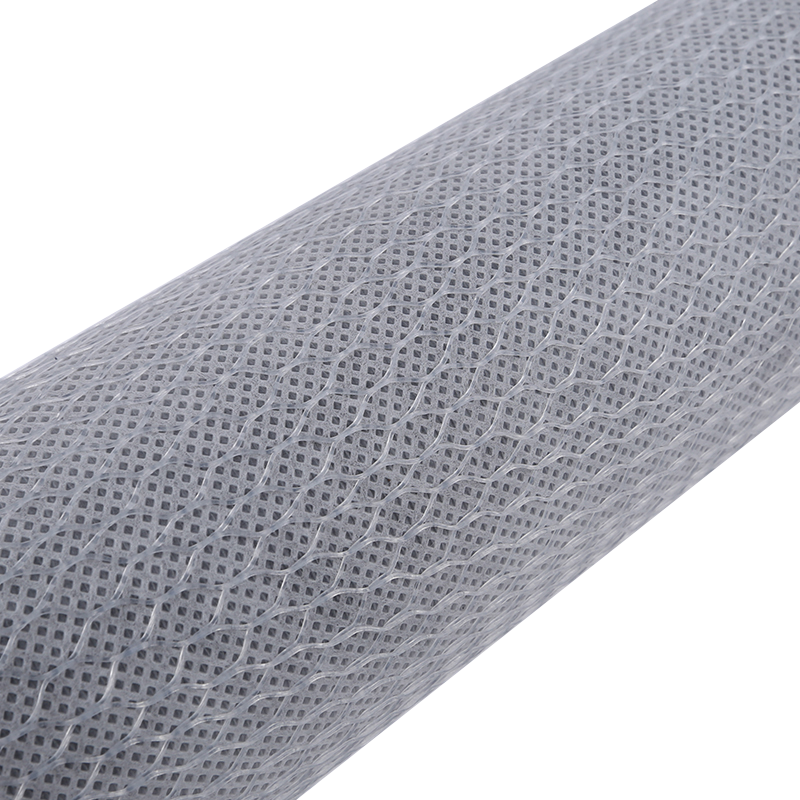 Wholesale RH-CTO10 PP Activated carbon water filter cartridge Suppliers, FactoryYaorui Water Purification Technology Co., LTD is China wholesale RH-CTO10 PP Activated carbon water filter cartridge suppliers and RH-CTO...View Product →
Why Manufacturer Quality Matters for Carbon Filtration
An undersink or countertop carbon system is only as good as its seal and carbon fill. If water finds a path around the media, or if the carbon block develops a channel, unfiltered water passes through even though the filter is replaced on schedule. Products from manufacturers with disciplined production and quality control are less likely to have these failure points.
A manufacturer that produces both replacement cartridges and complete systems can also make maintenance easier, since the housing, cartridge, and seals are designed to work together. Carbon block quality depends on the carbon source, binder content, and compression pressure, so two filters with the same size and price can perform quite differently. Look for systems with test data or NSF-42 certification for chlorine reduction, and keep a spare cartridge on hand so you are not tempted to delay a replacement.
Choosing a carbon water filtration system for home does not have to be complicated. Start with your water quality: if chlorine, taste, and odor are the main concerns, a carbon-based system will give the fastest improvement. If sediment is present, add a pre-filter. If you need broader reduction of heavy metals or bacteria, combine carbon with reverse osmosis or specialty media. In most households, a well-built carbon filter remains the simplest and most economical way to make water taste and smell cleaner every day.
Related products
-
 >
>
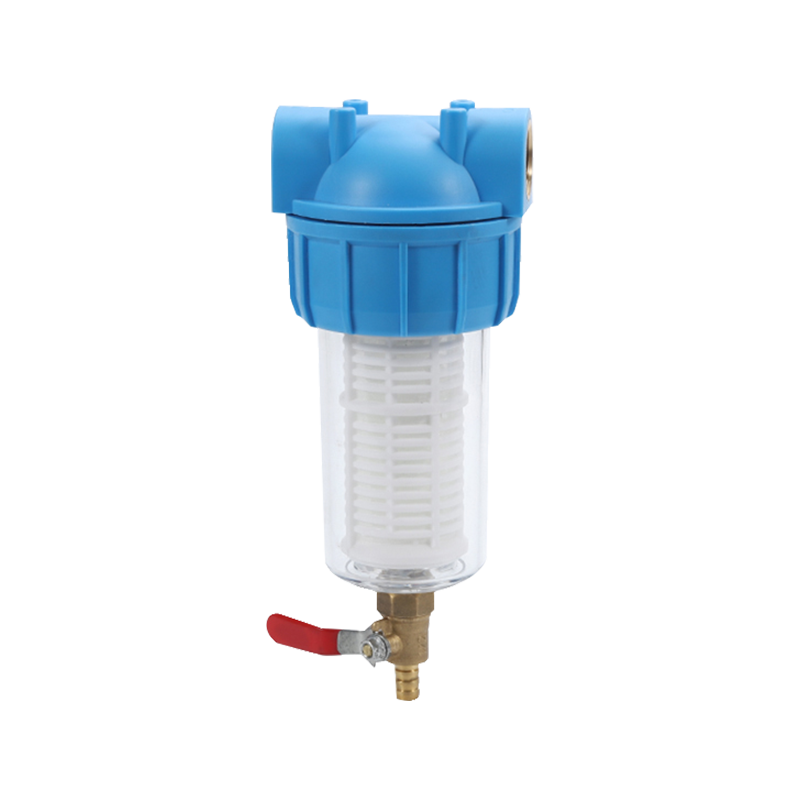
RH-06J5BSingle Water Filter with copper recoil valve is characterized by its efficient filtration system, which can effectively remove impurities, suspended matter, residual chlorine, odor and some ha...
See Details -
 >
>
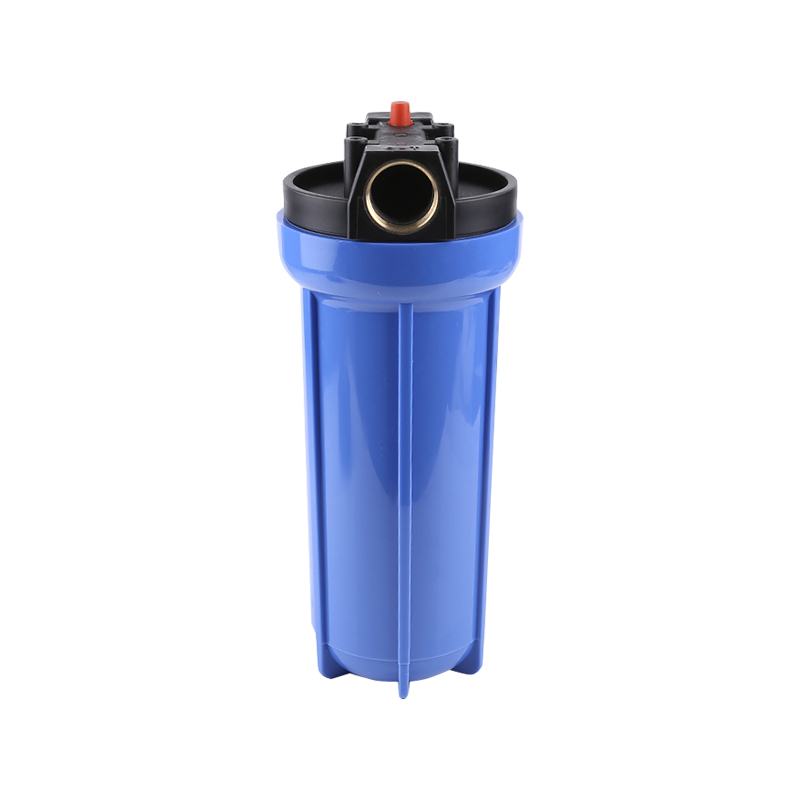
1. Single Water Filter(15BAR).2. 10" PET bottle+black cap, 3/4"brass thread.3. With 10" PP 70g filter cartridge.4. Color box packing.5. Components: wrench+plastic hanging board+screw.
See Details -
 >
>
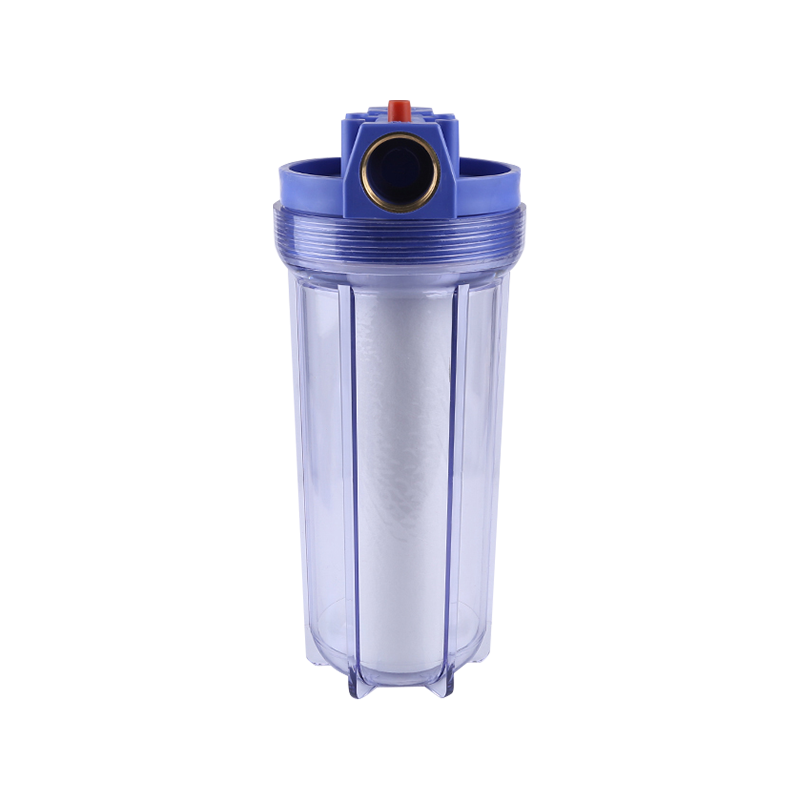
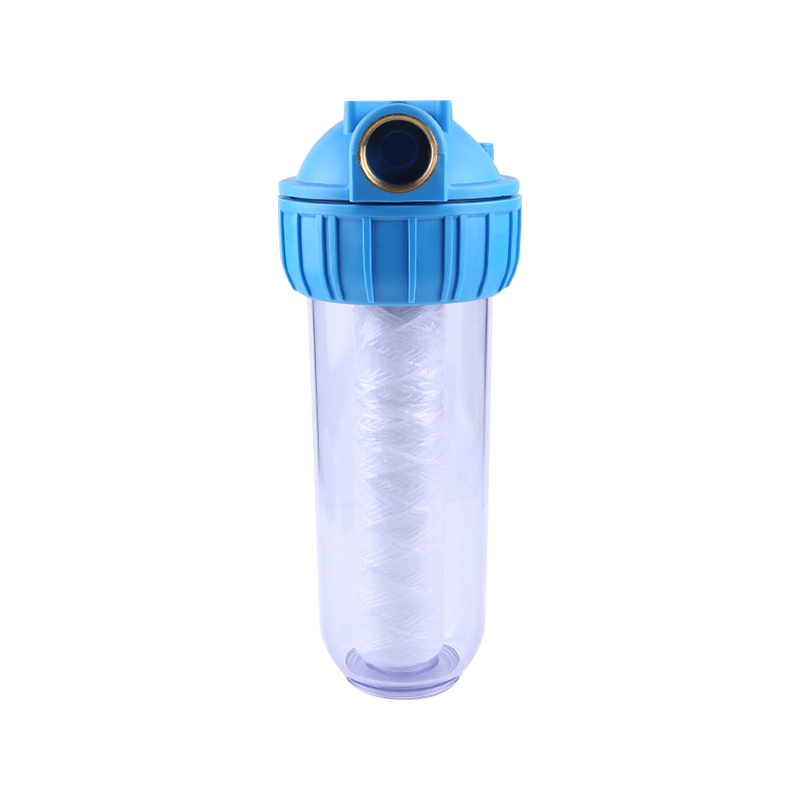
1. Single Water Filter(15BAR); 2. 10" PET bottle+blue cap,3/4"brass thread.3. With 10" PP 70g filtercartridge.4. Color box Packing. 5. Components: wrench+plastic hanging board+screw.
See Details -
 >
>
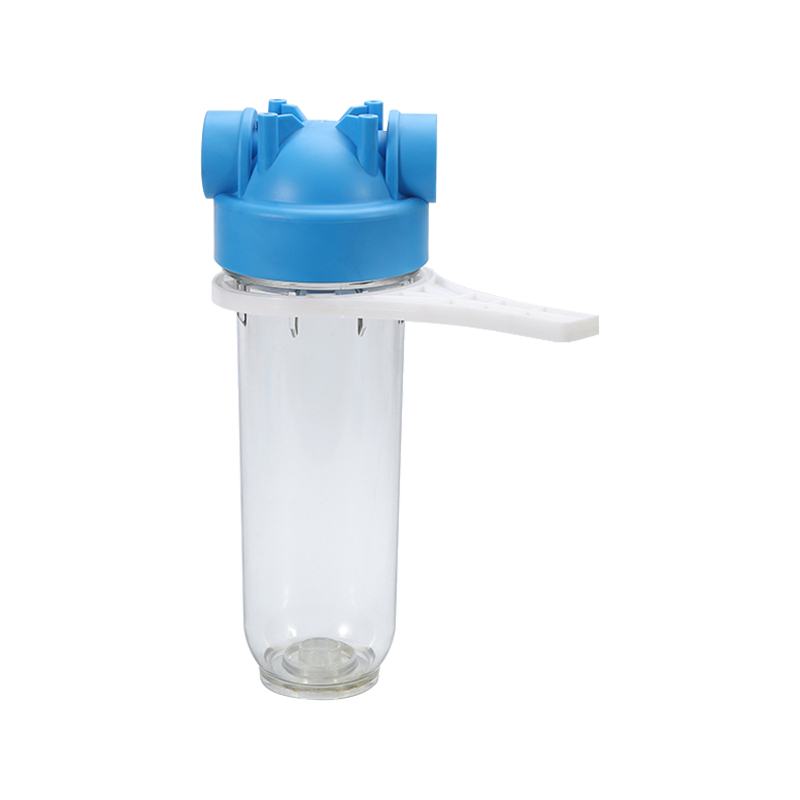
1. Single Water Filter(15BAR).2. 10" PET bottle+blue cap,3/4"brass thread.3. With 10" pp 70g cartridge. 4. Color box Packing. 5. Components: wrench+plastic hanging board+screw.
See Details -
 >
>
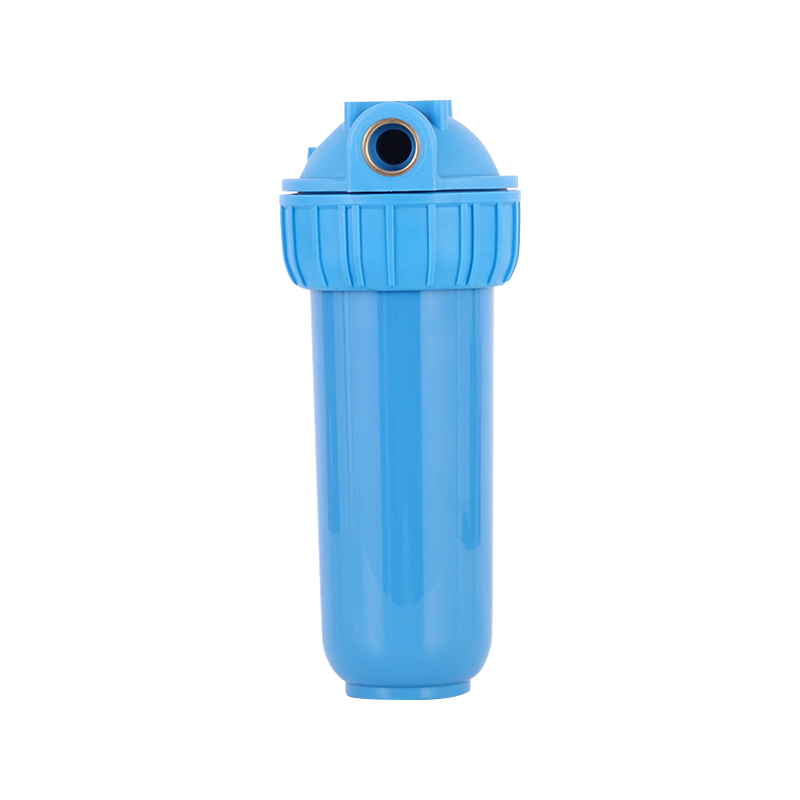
1. Single Water Filter(15BAR).2. 10" PET bottle+blue cap,3/4"brass thread.3. With 10" PP 70g filter cartridge.4. Color box Packing.5. Components: wrench+plastic hanging board+screw.
See Details -
 >
>
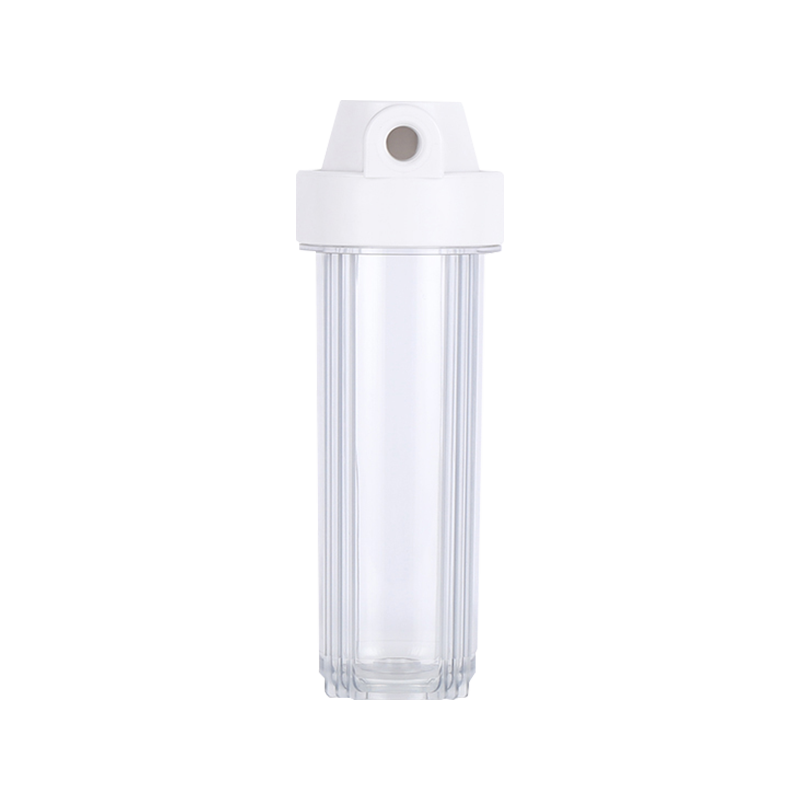
1. Single Water Filter(15BAR).2. 10" PET blue bottle+blue cap,3/4"brass thread.3. With 10" pp 70g cartridge. 4. Color box Packing. 5. Components: wrench+plastic hanging board.
See Details -
 >
>
1. Single Water Filter(15BAR).2. 10" PET transparent bottle+white cap,1/4"brass thread.3. With 10" pp 70g cartridge. 4. Color box Packing.
See Details

If you are interested in our products, please consult us
Ningbo Yaorui Water Purification Technology Co., LTD. All Rights Reserved.
Wholesale Household Water Purifier Manufacturers
