 English
 русский
 Español
 عربى
عربى 中文简体
中文简体
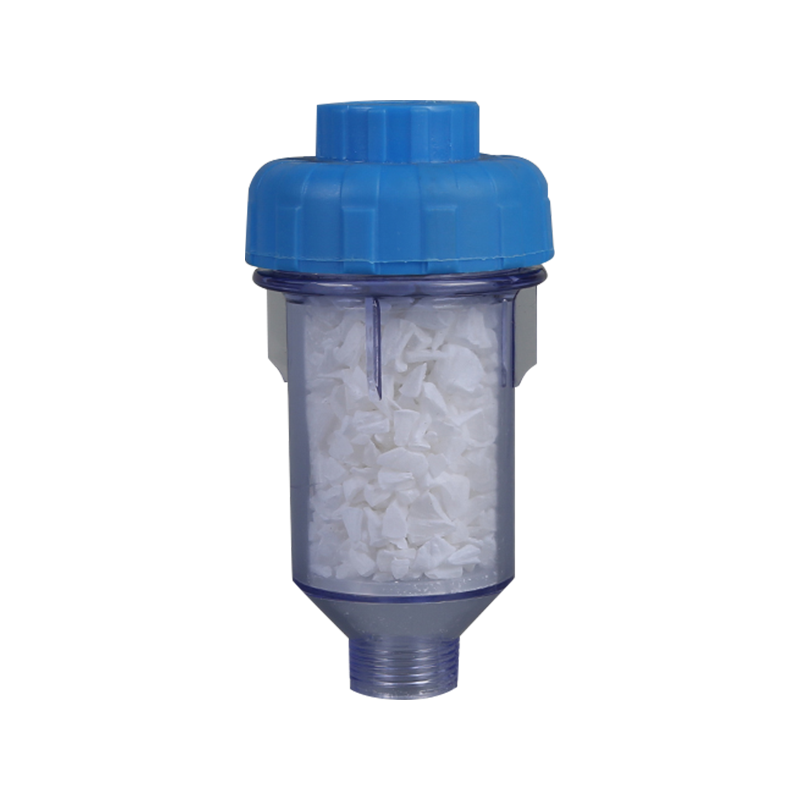 >
>The core highlight of this filter is its built-in silicone sheet filter layer. As a high-performance elastic material, silicone has high-temperature resistance, aging resistance, corrosion resistance,...
See Details [email protected]
 +86-18368206374
 No.99,Yuma Road,Mazhu Town,Yuyao City,Zhejiang Province,China.
How to Choose and Install Home Water Filtration Systems: A Practical Guide
Industry News-Content
- 1 Start With Your Water Quality Before Buying a System
- 2 Match the System Type to Your Household's Water Use
- 3 Installation Basics: Pressure, Space, and Bypass
- 4 Avoid These Common Installation Mistakes
- 5 For Drinking Water: Under-Sink Filters and Reverse Osmosis
- 6 Plan for Filter Replacements Before You Install
Choosing a water filtration system for home installation starts with a simple question: what do you want to remove from your water? That question matters more than brand names or price, because the right system depends on your source water, your plumbing layout, and the space available under your sink or near your main water line. This guide explains the key decisions, from water testing to installation and ongoing maintenance, so you can install a system that actually fits your home.
Start With Your Water Quality Before Buying a System
The fastest way to narrow down filter types is a water test. City water typically contains residual chlorine, sediment from aging pipes, and sometimes scale-forming minerals. Private wells often bring in silt, iron, hardness, or even bacteria. You do not need a full lab report to begin, but knowing your basic water profile prevents you from buying a system that fails to solve the actual problem.
Common contaminants and the filter that addresses them
- Sediment and particles: use a washable or disposable sediment filter, often rated at 5 or 20 microns.
- Chlorine and taste: activated carbon filters, either granular or carbon block, reduce chlorine and improve taste.
- Hard water minerals: ion-exchange resin or a softener is needed, not a regular carbon filter.
- Heavy metals or dissolved solids: reverse osmosis or specialized media such as KDF or selective resin.
If your home is connected to municipal water, a whole-house water filter for city water can address chlorine and suspended particles before water reaches every tap. For well-water homes, you may need additional stages for iron or hardness before you install the main system.
Match the System Type to Your Household's Water Use
Home water filtration systems break down into three common categories: whole-house, under-sink, and countertop. Reverse osmosis is a sub-category often installed under the sink or as a countertop unit. Your choice should balance the area you want to cover, the amount of water you need, and how much installation work you are comfortable doing.
| System type | Best for | Typical filtration | Installation effort |
|---|---|---|---|
| Whole house | Filtering all water entering the home | Sediment, chlorine, scale prevention | Medium; cuts into main supply line |
| Under-sink | Drinking and cooking water in the kitchen | Carbon, sediment, sometimes heavy metals | Low to medium; connects to cold water line |
| Countertop | Rental homes or small spaces | Carbon filtration | Very low; no pipe modification |
| Reverse osmosis | High dissolved solids or heavy metals | Sediment, carbon, RO membrane | Medium; needs drain connection |
Whole-house systems are ideal if you want filtered water from every bathroom and laundry tap, not just the kitchen. Under-sink systems offer more targeted filtration for drinking and cooking. If you only want better-tasting water at the kitchen faucet, an under-sink drinking water filter avoids the cost and complexity of a whole-house unit.
Installation Basics: Pressure, Space, and Bypass
Before you start cutting pipes, check a few conditions in your home. Most whole-house filters are installed on the main water line after the shut-off valve but before the water heater. This position keeps sediment and scale out of the heater and protects the rest of the plumbing. A pre-filter can extend the life of your cartridges and the main system.
What to check before installation
- Turn off the main water supply and open the nearest faucet to relieve pressure.
- Use a bucket or towels when you cut the pipe; residual water will still drain out.
- Check water pressure with a gauge. Ideal pressure is between 40 and 60 psi. If it is higher, install a pressure-reducing valve before the filter.
- Install a bypass shut-off valve so you can replace cartridges without stopping water flow for the whole house.
- Ensure the filter housing has enough clearance for cartridge changes. Leave at least one cartridge length of space below the housing.
For a straightforward whole-house installation, a single-stage system with a durable housing and a standard 10-inch cartridge is one of the easiest systems to install and maintain. A product like a single-stage whole-house water filter unit works well when your main issue is sediment and chlorine.
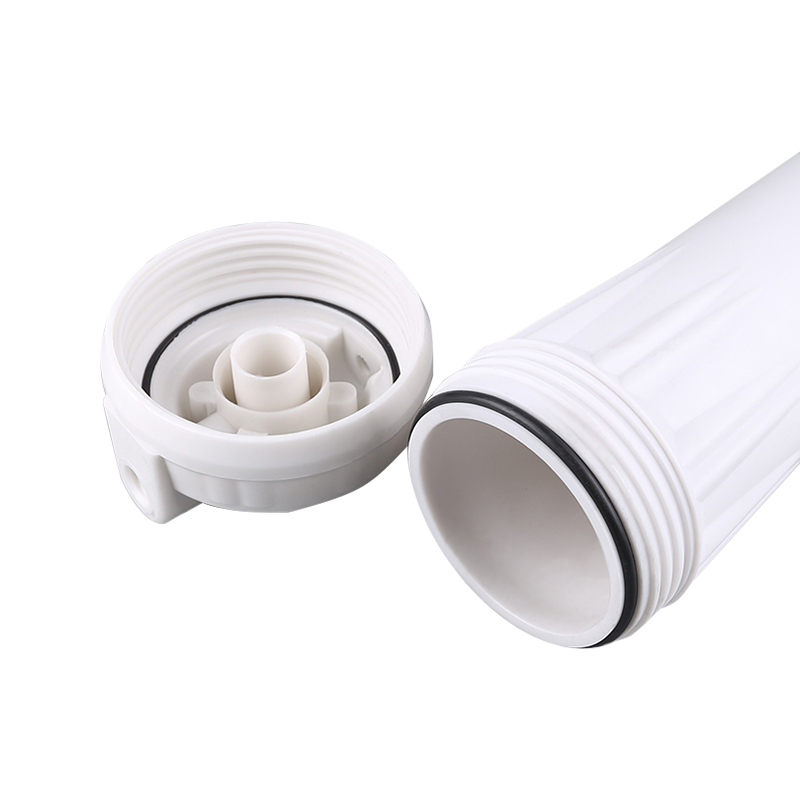 Wholesale RH-JD1 PET stable single stage whole house water filter for daily usinYaorui Water Purification Technology Co., LTD is China wholesale RH-JD1 PET stable single stage whole house water filter for daily using ...View Product →
Avoid These Common Installation Mistakes
Even with the right system, small installation errors can lead to leaks, low pressure, or premature cartridge failure. One recurring issue is installing the filter upside down or not allowing enough space to remove the housing. Another is skipping the bypass valve, which makes cartridge changes messy and inconvenient.
- Do not install a whole-house filter after the water heater. Hot water can damage materials and reduce filtration efficiency.
- Do not overtighten the filter housing. Hand-tighten, then give it an extra half turn with a housing wrench; too much force can crack the sump.
- Do not use thread sealing tape on compression fittings unless the manufacturer specifies it. The tape can interfere with the seal.
- Do not forget to flush new cartridges. Run water through the system for five to ten minutes before drinking the water.
For Drinking Water: Under-Sink Filters and Reverse Osmosis
If your water test shows high dissolved solids, heavy metals, or an unpleasant taste that carbon alone cannot fix, reverse osmosis is the more reliable choice. An RO system pushes water through a semi-permeable membrane after sediment and carbon stages, removing a much wider range of contaminants. For general taste and odor improvement without the need for a drain connection, a two-stage or three-stage filter under the sink is a simpler option.
Many households find that a two-stage filter with polypropylene and carbon block is the right balance for daily kitchen use. For example, a compact two-stage filter for household use can be installed inline with the cold water supply and does not require a drain line.
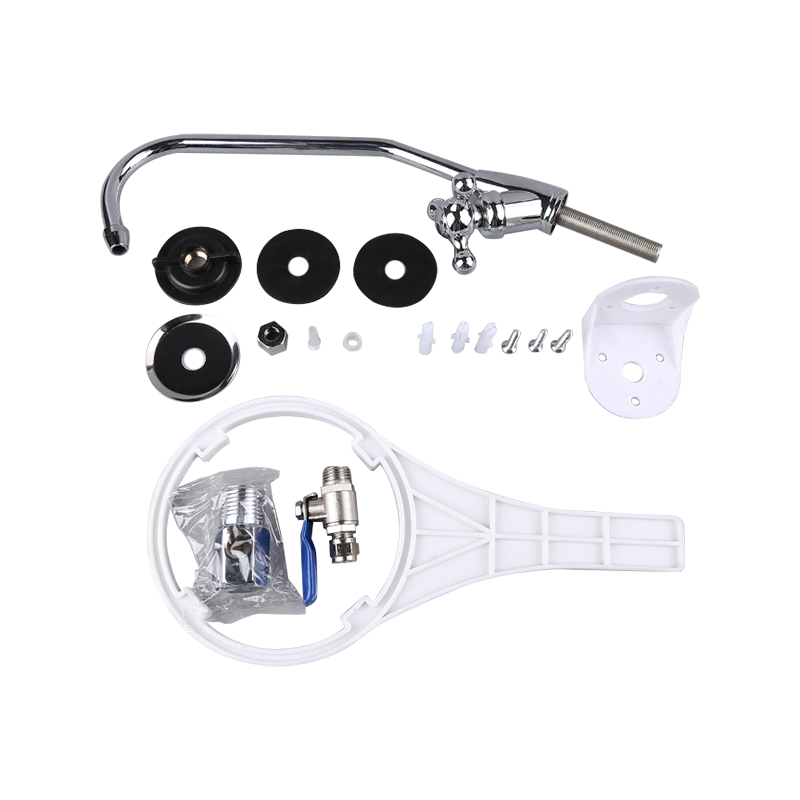 Wholesale RH-JL2 two stage water filter for house using Suppliers, Factory - NiYaorui Water Purification Technology Co., LTD is China wholesale RH-JL2 two stage water filter for house using suppliers and RH-JL2 two...View Product →
When total dissolved solids are high, a reverse osmosis system gives more consistent removal than carbon alone. A four-stage 600G reverse osmosis system is a practical option for homes that want good flow and a smaller footprint under the sink.
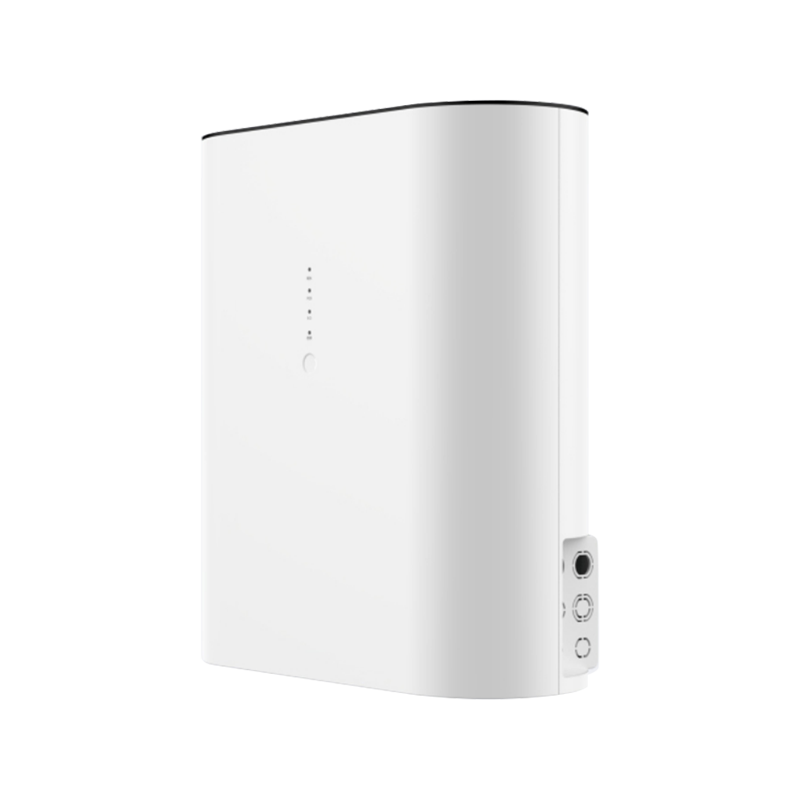 Wholesale Four stages RO system -600G water treatment systems for home SuppliersYaorui Water Purification Technology Co., LTD is China wholesale Four stages RO system -600G water treatment systems for home suppliers a...View Product →
Plan for Filter Replacements Before You Install
Filtration systems are only effective when cartridges are changed on time. Sediment filters can clog after three to six months depending on water quality. Carbon blocks lose their capacity to reduce chlorine and taste after about six months. RO membranes generally last two to three years, but the pre-filters protect the membrane and still need regular replacement.
- Write the installation date and expected replacement date on a label near the filter housing.
- Order replacement cartridges when you install the system, so you have them on hand.
- Check the pressure gauge or flow rate periodically. A noticeable drop usually means the cartridge is ready for change.
- Sanitize the housing and replace the o-ring if it feels brittle during service.
If you are servicing a rental property or want a consistent maintenance routine, keeping an extra set of cartridges makes the replacement process less disruptive for your family or tenants.
Installing a water filtration system for your home becomes straightforward when you start with water quality, then select the system type that fits your space, pressure, and daily water use. Test your water, plan the installation point, and budget for regular cartridge changes. With that approach, you get reliable, clean water without overcomplicating the purchase.
Related products
-
 >
>
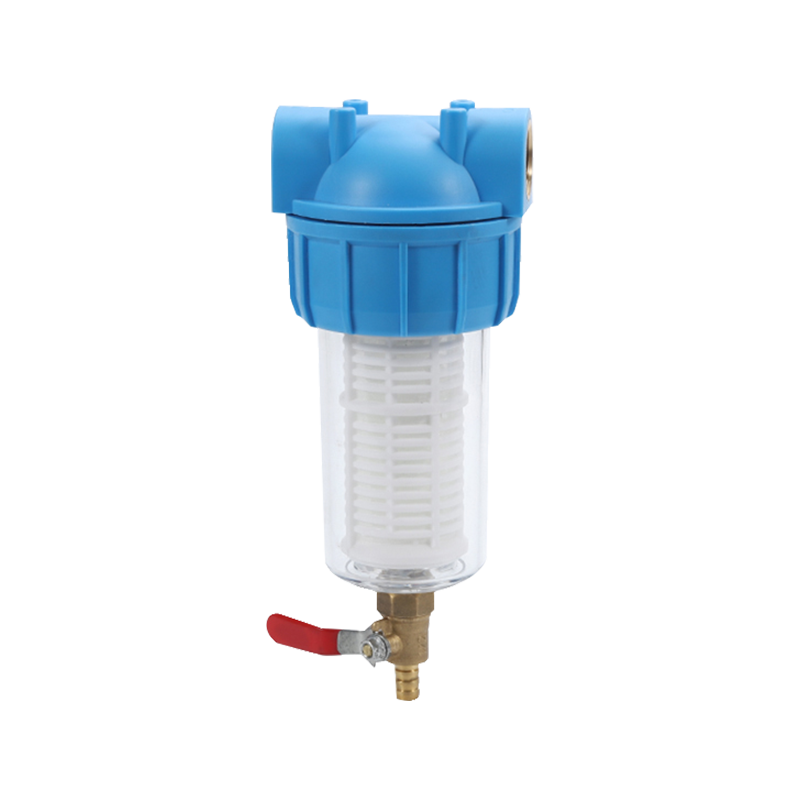
RH-06J5BSingle Water Filter with copper recoil valve is characterized by its efficient filtration system, which can effectively remove impurities, suspended matter, residual chlorine, odor and some ha...
See Details -
 >
>
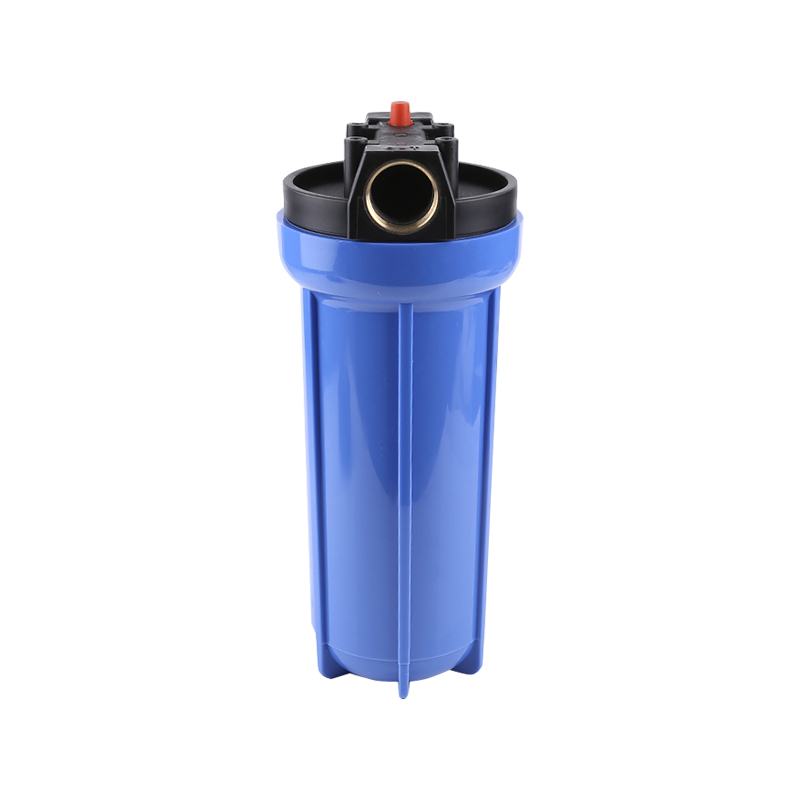
1. Single Water Filter(15BAR).2. 10" PET bottle+black cap, 3/4"brass thread.3. With 10" PP 70g filter cartridge.4. Color box packing.5. Components: wrench+plastic hanging board+screw.
See Details -
 >
>
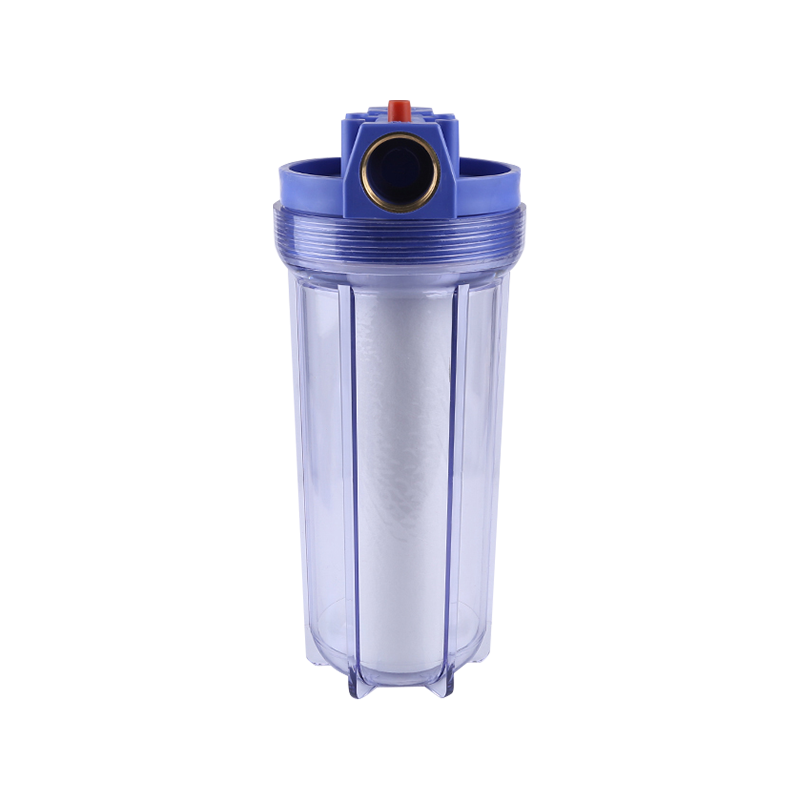
1. Single Water Filter(15BAR); 2. 10" PET bottle+blue cap,3/4"brass thread.3. With 10" PP 70g filtercartridge.4. Color box Packing. 5. Components: wrench+plastic hanging board+screw.
See Details -
 >
>
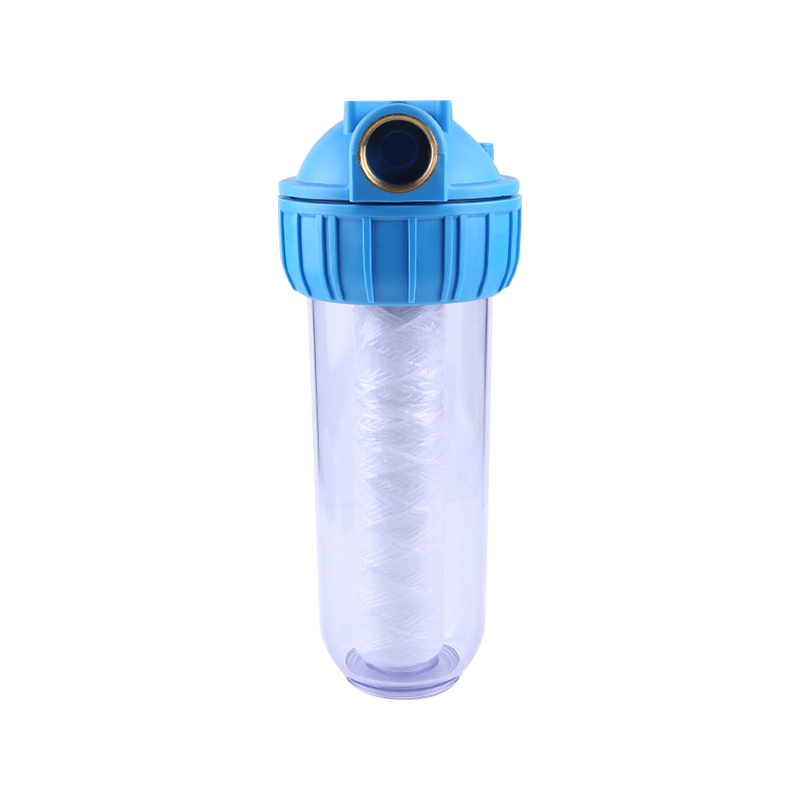
1. Single Water Filter(15BAR).2. 10" PET bottle+blue cap,3/4"brass thread.3. With 10" pp 70g cartridge. 4. Color box Packing. 5. Components: wrench+plastic hanging board+screw.
See Details -
 >
>
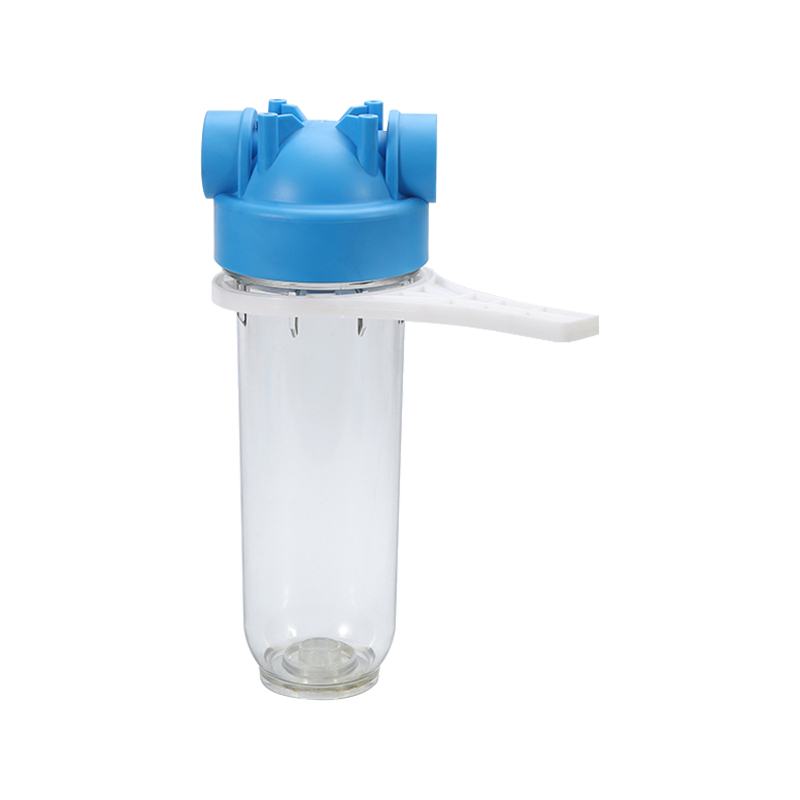
1. Single Water Filter(15BAR).2. 10" PET bottle+blue cap,3/4"brass thread.3. With 10" PP 70g filter cartridge.4. Color box Packing.5. Components: wrench+plastic hanging board+screw.
See Details -
 >
>
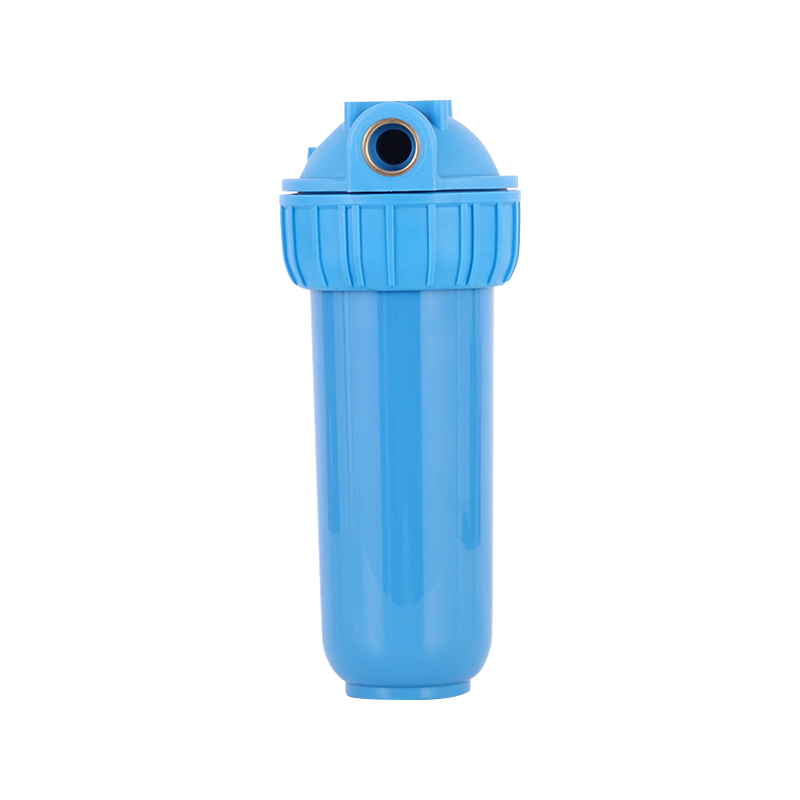
1. Single Water Filter(15BAR).2. 10" PET blue bottle+blue cap,3/4"brass thread.3. With 10" pp 70g cartridge. 4. Color box Packing. 5. Components: wrench+plastic hanging board.
See Details -
 >
>
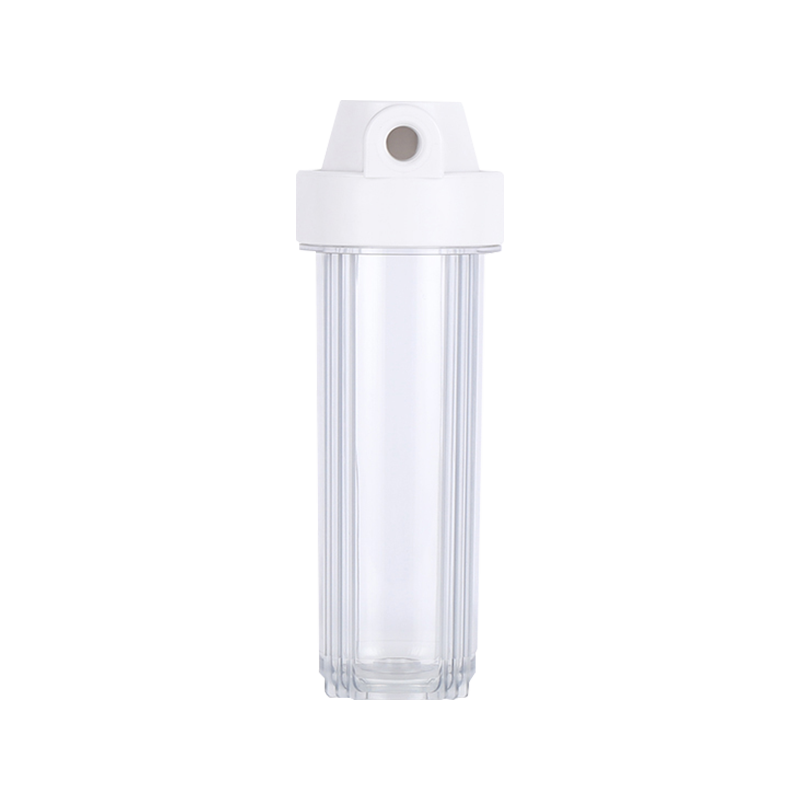
1. Single Water Filter(15BAR).2. 10" PET transparent bottle+white cap,1/4"brass thread.3. With 10" pp 70g cartridge. 4. Color box Packing.
See Details

If you are interested in our products, please consult us
Ningbo Yaorui Water Purification Technology Co., LTD. All Rights Reserved.
Wholesale Household Water Purifier Manufacturers
