 English
 русский
 Español
 عربى
عربى 中文简体
中文简体
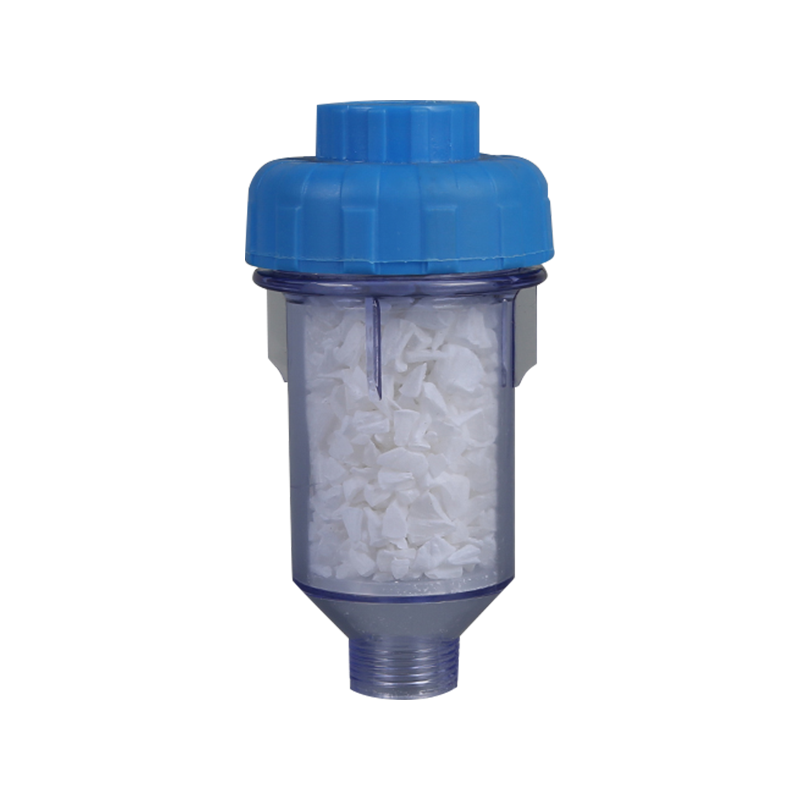 >
>The core highlight of this filter is its built-in silicone sheet filter layer. As a high-performance elastic material, silicone has high-temperature resistance, aging resistance, corrosion resistance,...
See Details [email protected]
 +86-18368206374
 No.99,Yuma Road,Mazhu Town,Yuyao City,Zhejiang Province,China.
Water Conditioning Explained: Types, Benefits, and How to Choose the Right System
Industry News-Content
- 1 What Does Water Conditioning Actually Mean?
- 2 Key Differences: Conditioner vs. Softener vs. Filter
- 3 Common Water Conditioning Technologies and How They Work
- 4 How to Match a Water Conditioning System to Your Water Source
- 5 Installation and Maintenance Considerations That Affect Performance
- 6 Scenarios: Which Water Conditioning Setup Fits Your Situation
- 7 What to Check Before Buying a Water Conditioning System
- 8 Why a Multi-Stage Approach Usually Beats a Single Magic Solution
- 9 Sourcing Water Conditioning Equipment for a Business or Installation
- 10 Final Recommendations Before You Commit
A property manager in Texas noticed that new water heaters were failing after 18 months, faucets were spotting within days, and tenants kept complaining about dry skin. A plumbing contractor traced the problem to hard groundwater feeding the whole building. The fix was not a single filter but a water conditioning strategy: sediment prefiltration, ion-exchange softening, and a carbon stage for chlorine. This is the difference between treating one symptom and designing a treatment sequence. Water conditioning is the broader process of adjusting water so it performs better for a specific home, facility, or application.
Water conditioning is not one technology. It is a category that includes filtration, softening, scale inhibition, and sometimes disinfection. If you are evaluating equipment for a house, a rental property, a boat, or an OEM product line, the decisions start with defining what the water actually contains and what you need it to do.
What Does Water Conditioning Actually Mean?
Water conditioning refers to any process that changes the physical, chemical, or biological character of water before use. The term is often used loosely, which causes confusion in purchasing decisions. In practical terms, water conditioning covers four main goals:
- Reducing hardness minerals such as calcium and magnesium through ion-exchange softening or scale-inhibiting media.
- Removing suspended solids like sand, rust, silt, and sediment that cause turbidity and wear down appliances.
- Reducing chemical contaminants including chlorine, chloramine, heavy metals, and organic compounds that affect taste, odor, and safety.
- Controlling microbiological growth with ceramic media, UV light, or other disinfection methods where biological risk exists.
Water conditioners are frequently compared with water softeners, but the terms are not interchangeable. A water softener is a specific type of conditioner focused on hardness removal, typically through ion-exchange resin that replaces calcium and magnesium ions with sodium or potassium. A water conditioner can do more: it may filter, sequester minerals, or adjust pH without necessarily producing the same softened water that a traditional softener delivers.
Key Differences: Conditioner vs. Softener vs. Filter
Buyers often contact manufacturers with one question: "Do I need a water conditioner or a water softener?" The answer depends on the water test and the end-use requirement. The table below summarizes the functional differences.
| Function | Water Conditioner | Water Softener | Water Filter |
|---|---|---|---|
| Primary goal | Adjust water quality for a specific use | Remove hardness minerals | Remove particles and chemical contaminants |
| Hardness removal | Some types reduce or alter scale formation | High-efficiency ion exchange | Not the primary function |
| Contaminant reduction | Varies by configuration | Limited to hardness and some metals | Depend on media type |
| Maintenance | Media or cartridge replacement | Salt refill and resin care | Cartridge replacement |
| Typical placement | Point-of-entry or point-of-use | Point-of-entry | Point-of-entry or point-of-use |
A conventional softener solves hard water problems but adds sodium to the water and requires periodic regeneration. If your water also contains sediment or chlorine, a softener alone will not address those issues. That is why many installed systems combine a sediment prefilter, a softener, and an activated carbon stage. For homes on city water with moderate hardness and chlorine taste, a simpler conditioning setup with carbon block filtration and scale inhibition may be sufficient.
Common Water Conditioning Technologies and How They Work
Sediment Filtration
Sediment filters are usually the first stage in a conditioning train. They remove sand, rust, and suspended particles that clog downstream equipment. Common media include melt-blown polypropylene (PP), pleated polyester, and wound yarn. Micron ratings matter: a 5-micron pleated sediment filter captures smaller particles than a 20-micron filter and is a common choice for protecting carbon blocks and membranes. In well-water applications, sediment filtration is often essential before any other treatment.
Activated Carbon Filtration
Activated carbon removes chlorine, chloramine, volatile organic compounds, and the unpleasant tastes and odors that make tap water unappealing. Carbon block filters provide better particle reduction than granular carbon because the compressed structure physically traps material while adsorption occurs. A typical application is a countertop or under-sink system with a carbon block cartridge for daily drinking water. For whole-house conditioning, larger cartridges or backwashing carbon tanks handle higher flow rates.
Ion-Exchange Softening
Ion-exchange softening uses resin beads charged with sodium ions. As hard water passes through, calcium and magnesium ions attach to the resin and sodium is released. Over time, the resin becomes saturated and must be regenerated with brine. Softened water prevents scale in pipes and water heaters, reduces soap scum, and improves appliance lifespan. For facilities that want the benefits of soft water without the salt discharge, some conditioning systems use template-assisted crystallization or chelating media to alter scale formation rather than removing hardness ions completely.
Reverse Osmosis
Reverse osmosis (RO) is a pressure-driven membrane process that removes a wide range of dissolved solids, heavy metals, nitrate, fluoride, and many chemical contaminants. RO systems are typically installed as point-of-use units under the sink or as countertop machines. The membrane is the core component, but system performance depends on prefiltration to protect the membrane from sediment and chlorine. If your water source has high total dissolved solids (TDS) or specific contaminants like arsenic, RO is often the most effective conditioning option.
How to Match a Water Conditioning System to Your Water Source
Municipal water and well water present very different conditioning challenges. City water is usually treated and disinfected, but it can contain chlorine, chloramine, and the byproducts of disinfection. Well water is untreated, so it may contain sediment, iron, manganese, hardness, and bacteria depending on the aquifer.
For municipal water, a typical conditioning arrangement includes a whole-house sediment filter followed by an activated carbon filter for chlorine reduction. If hardness is above 7 grains per gallon, a softener is usually recommended before the carbon stage. For apartments or small spaces, a countertop conditioner with a carbon cartridge can handle drinking water needs without permanent plumbing changes.
For well water, start with a laboratory test that measures hardness, iron, manganese, pH, TDS, and coliform bacteria. High iron levels can foul softener resin and stain fixtures, so an iron-removal media or an oxidizing filter may be needed ahead of the softener. Bacteria risk may require UV sterilization after filtration. A well-water conditioning system is not a single product but a designed sequence of stages.
Installation and Maintenance Considerations That Affect Performance
The most common performance complaint about water conditioning equipment is not the equipment itself but incorrect sizing or poor maintenance. A few factors determine whether a system performs as intended.
Flow Rate and System Sizing
Flow rate is measured in gallons per minute (GPM) for point-of-entry systems and gallons per day (GPD) for RO systems. A whole-house filter for a three-bedroom home with two bathrooms usually needs 10 to 15 GPM peak flow. Using a filter housing rated below the peak demand causes pressure drop, especially during simultaneous showers and appliance use. High-flow filter housings and larger cartridges reduce this problem by increasing the filtration surface area.
Cartridge Replacement Intervals
Sediment cartridges may need replacement every three to six months depending on turbidity. Carbon cartridges typically last six to twelve months. RO membranes can last two to three years if prefilters are changed on schedule. The exact interval depends on water usage and incoming quality. A household with four people using a 600GPD countertop RO system will replace prefilters more frequently than a single person using the same model.
Pressure Requirements
RO systems need adequate water pressure to operate efficiently. Most residential RO membranes perform best at 40 to 60 psi. If incoming pressure is below 30 psi, a booster pump is recommended. The six-stage 75GPD RO system with a pressure gauge and stand bracket is an example of an installation where pressure monitoring is built into the design.
Scenarios: Which Water Conditioning Setup Fits Your Situation
Small Household on City Water
A two-person apartment with city water and hardness below 5 grains per gallon may only need a countertop carbon filter for taste improvement and chlorine reduction. A countertop purifier saves space and avoids under-sink plumbing modifications. For tenants who rent, this is the least invasive option.
Large Home with Hard Well Water
A four-bedroom house on a private well with hard water, iron, and sediment requires a more complete sequence: a 20-inch sediment prefilter, an iron-removal filter, a softener, and an activated carbon final stage. If bacteria are present, a UV sterilizer should be added after the conditioning tanks. This configuration protects plumbing, appliances, and drinking water quality simultaneously.
RV, Marine, and Outdoor Use
Recreational vehicles and boats have unique constraints: space is limited, water sources vary, and systems must tolerate vibration and occasional freezing. Compact inline filters and double-stage units with hanging brackets are common choices. Some users prefer a double-stage water filter with PP and CTO cartridges to handle both sediment and chlorine in one small footprint.
What to Check Before Buying a Water Conditioning System
When you source water conditioning products for resale or for a specific installation, keep these practical checks in mind:
- Test the water first. Do not guess. A basic test for hardness, pH, TDS, iron, chlorine, and coliform provides the data needed to choose media and stages.
- Verify cartridge specifications. Dimensions, micron rating, and connection type are not universal. A 10-inch cartridge is not always interchangeable with another 10-inch cartridge from a different supplier.
- Check flow ratings against peak usage. Choose a housing and cartridge combination that maintains adequate pressure during simultaneous draws.
- Confirm material compatibility. For drinking water applications, check that plastic components are food-grade and free of BPA where this matters to the end user.
- Plan for maintenance access. A filter installed behind a refrigerator or in a cramped cabinet will not be replaced on schedule. Design the installation with enough clearance for cartridge changes.
For buyers who need consistent quality across multiple units, working with a manufacturer that produces both the filter housings and the cartridges simplifies inventory and avoids compatibility mismatches. This is especially relevant for OEM programs, where the entire conditioning system must meet the branding, packaging, and performance requirements of the buyer's market.
Why a Multi-Stage Approach Usually Beats a Single Magic Solution
Water conditioning is rarely solved by one product. Each technology removes a specific class of impurities, and the limitations of one stage are covered by the strengths of another. Sediment filters protect carbon and membrane media. Carbon removes chlorine that would degrade ion-exchange resin and RO membranes. Softening prevents scale that would foul plumbing. RO provides a final barrier against dissolved contaminants that carbon and sediment cannot capture.
This is why manufacturers offer staged systems: single-stage units for basic taste improvement, double-stage for sediment plus chlorine, three-stage for households that also want granular carbon, and reverse osmosis systems for the highest level of dissolved solids reduction. When a five-stage RO system is installed, the first stages condition the water so the membrane can do its job efficiently and last longer.
Sourcing Water Conditioning Equipment for a Business or Installation
If you are a distributor, retailer, or installer, product consistency and supply reliability matter as much as the engineering. Evaluate suppliers on three dimensions: manufacturing depth, customization flexibility, and responsiveness.
Manufacturing depth means the supplier controls the production of the components that fail most often: filter cartridges and housings. A manufacturer that produces PP melt-blown cartridges, carbon block cartridges, and housings in one facility can test the assembled system and guarantee compatibility. A supplier that only assembles third-party parts introduces quality variables that are difficult to trace.
Customization is important for branded product lines. An OEM partner should be able to adjust cartridge media, housing color, connector type, and packaging. The OEM water filtration solutions page on many manufacturer sites outlines what is possible, but the real capability depends on in-house tooling and production lines.
Responsiveness is critical when a container shipment is delayed by a filter spec error. A manufacturer that answers technical inquiries within a working day and provides replacement or rework solutions quickly is worth more than one with lower unit pricing but slow communication.
Final Recommendations Before You Commit
Start with a water quality benchmark, then build the conditioning train around that data. Do not buy a system based only on the number of stages or the claimed contaminant reduction percentage. Check whether the cartridges are available as ongoing consumables, whether the housing is compatible with standard cartridges, and whether the flow rate matches the peak demand of the building.
For homes with simple city water and soft hardness, a two-stage system with PP and CTO cartridges can deliver good results at low cost. For properties with well water, plan for sediment, iron, hardness, and bacteria in separate stages. For drinking water where TDS or specific contaminants are a concern, an RO system provides the broadest protection.
Water conditioning is not a one-time purchase. It is a maintenance relationship with the equipment. The best system is the one that your client, tenant, or family will actually maintain. Simpler systems with obvious cartridge changes are more likely to perform over time than complex systems that require professional servicing. Keep this principle in mind, and the equipment you choose will deliver consistent water quality for years.
Related products
-
 >
>
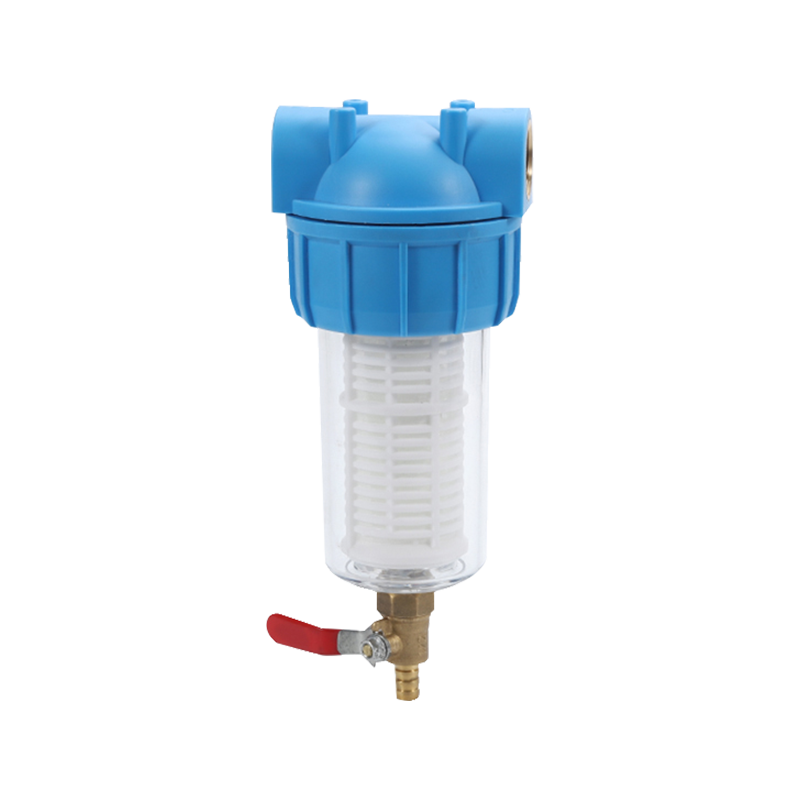
RH-06J5BSingle Water Filter with copper recoil valve is characterized by its efficient filtration system, which can effectively remove impurities, suspended matter, residual chlorine, odor and some ha...
See Details -
 >
>
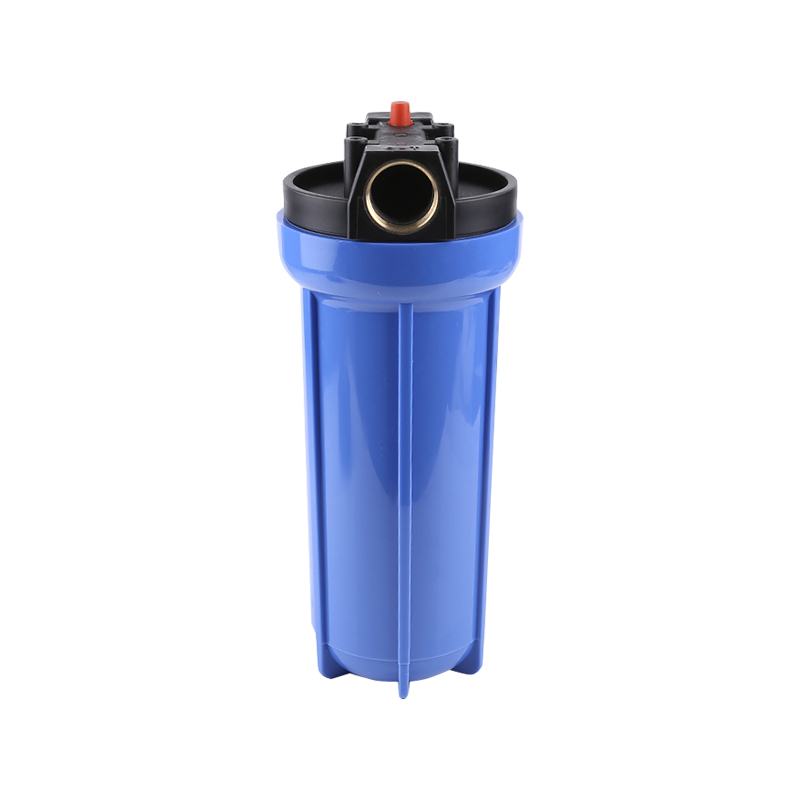
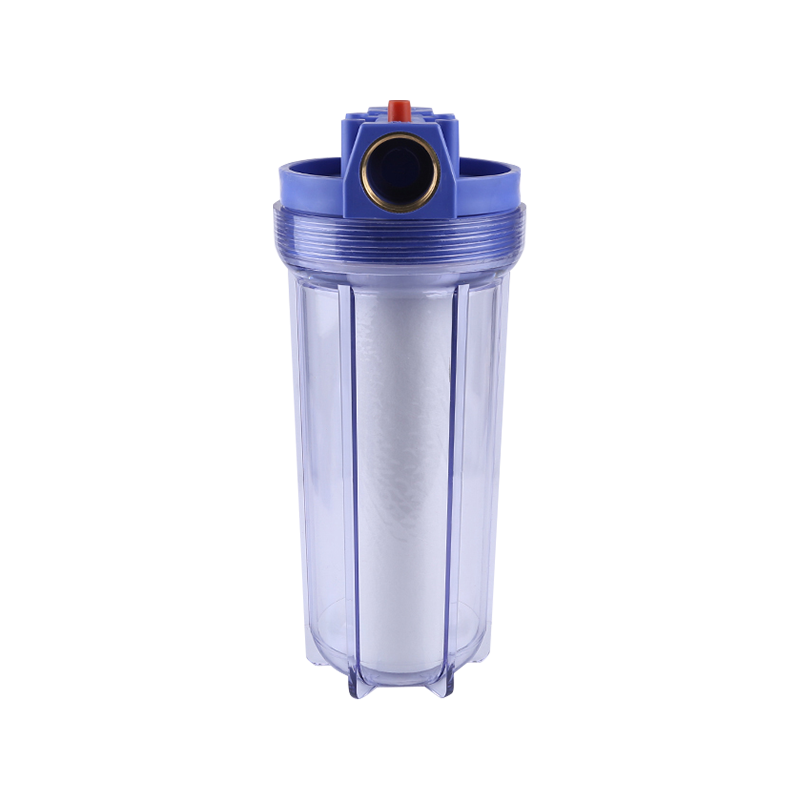
1. Single Water Filter(15BAR).2. 10" PET bottle+black cap, 3/4"brass thread.3. With 10" PP 70g filter cartridge.4. Color box packing.5. Components: wrench+plastic hanging board+screw.
See Details -
 >
>
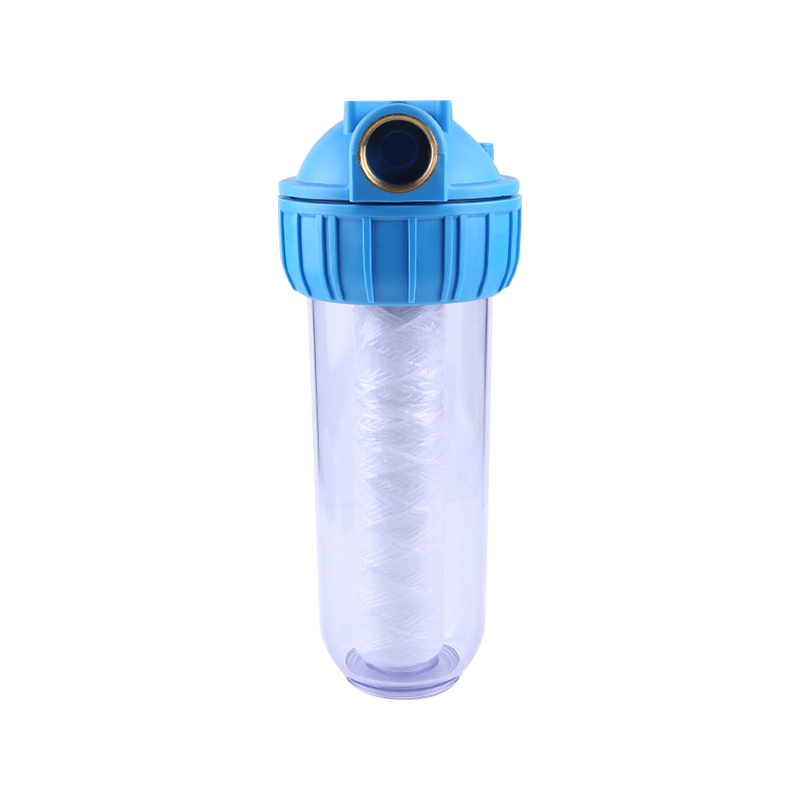
1. Single Water Filter(15BAR); 2. 10" PET bottle+blue cap,3/4"brass thread.3. With 10" PP 70g filtercartridge.4. Color box Packing. 5. Components: wrench+plastic hanging board+screw.
See Details -
 >
>
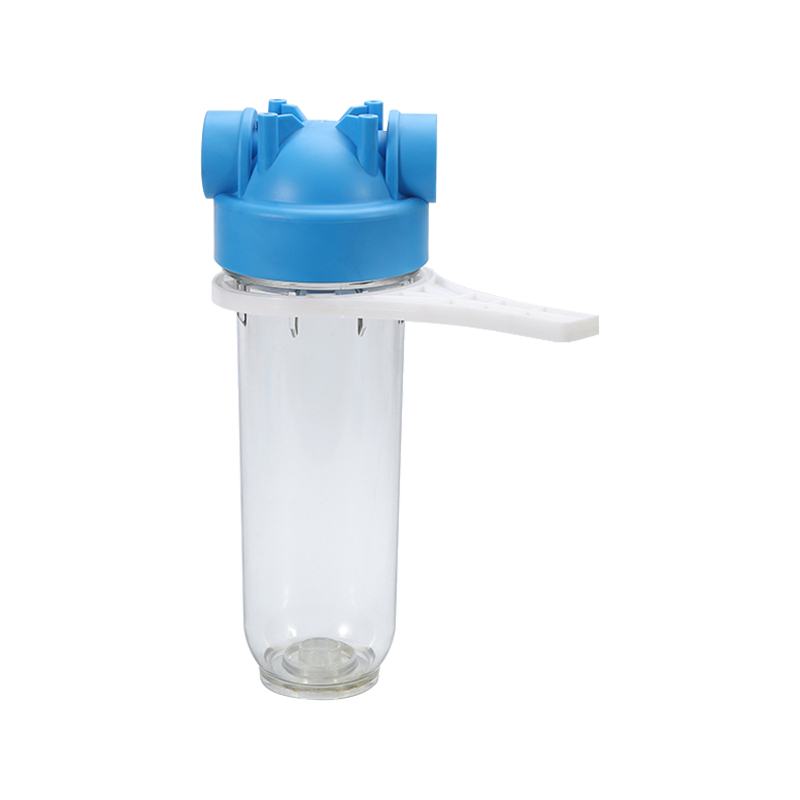
1. Single Water Filter(15BAR).2. 10" PET bottle+blue cap,3/4"brass thread.3. With 10" pp 70g cartridge. 4. Color box Packing. 5. Components: wrench+plastic hanging board+screw.
See Details -
 >
>
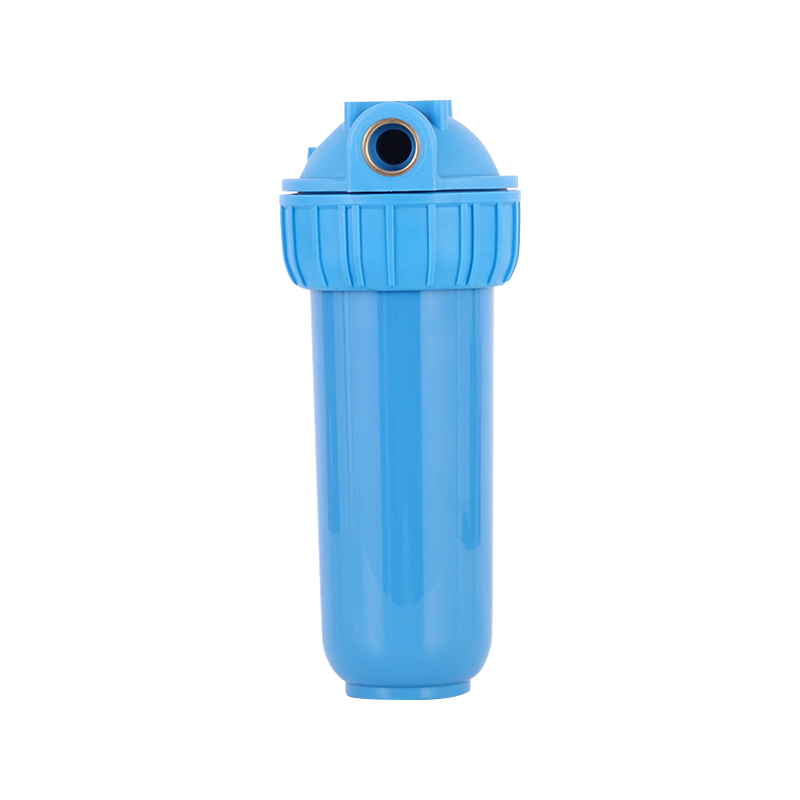
1. Single Water Filter(15BAR).2. 10" PET bottle+blue cap,3/4"brass thread.3. With 10" PP 70g filter cartridge.4. Color box Packing.5. Components: wrench+plastic hanging board+screw.
See Details -
 >
>
1. Single Water Filter(15BAR).2. 10" PET blue bottle+blue cap,3/4"brass thread.3. With 10" pp 70g cartridge. 4. Color box Packing. 5. Components: wrench+plastic hanging board.
See Details -
 >
>
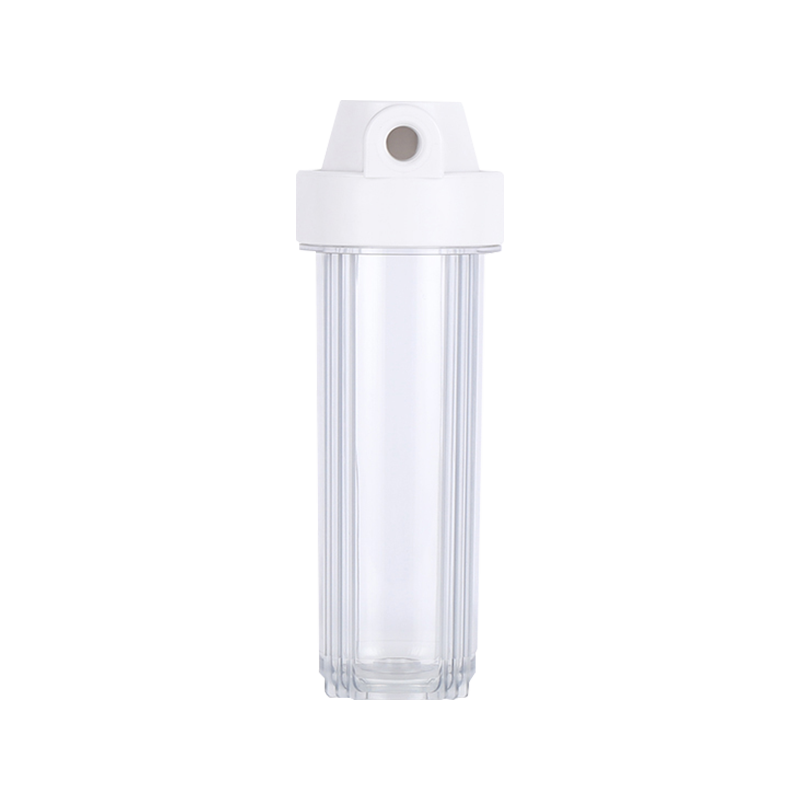
1. Single Water Filter(15BAR).2. 10" PET transparent bottle+white cap,1/4"brass thread.3. With 10" pp 70g cartridge. 4. Color box Packing.
See Details

If you are interested in our products, please consult us
Ningbo Yaorui Water Purification Technology Co., LTD. All Rights Reserved.
Wholesale Household Water Purifier Manufacturers
