 English
 русский
 Español
 عربى
عربى 中文简体
中文简体
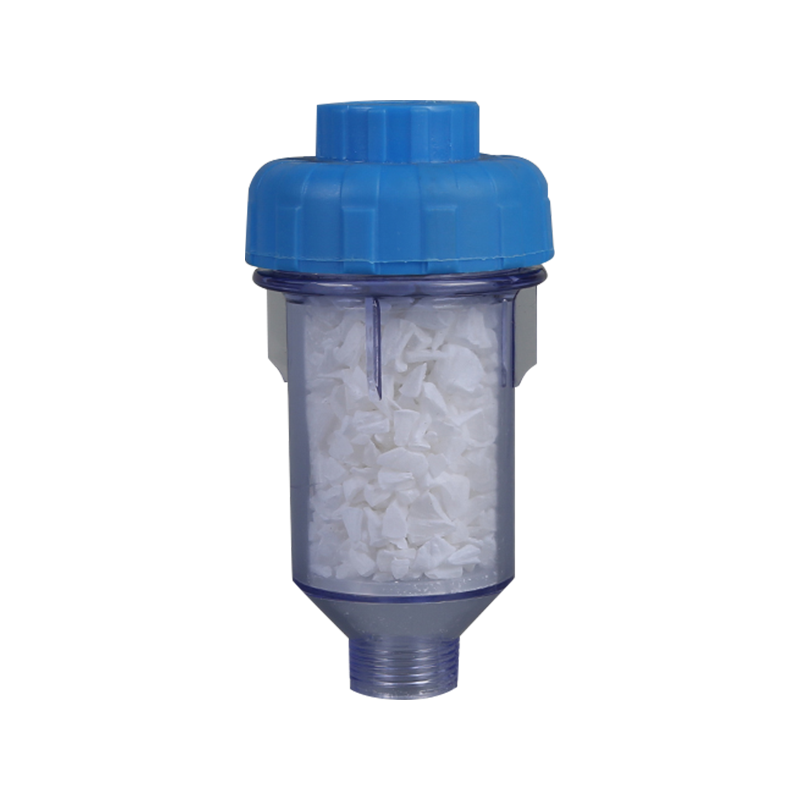 >
>The core highlight of this filter is its built-in silicone sheet filter layer. As a high-performance elastic material, silicone has high-temperature resistance, aging resistance, corrosion resistance,...
See Details [email protected]
 +86-18368206374
 No.99,Yuma Road,Mazhu Town,Yuyao City,Zhejiang Province,China.
What is reverse osmosis water filter?
Industry News-Content
- 1 What Is a Reverse Osmosis System
- 2 What Is Reverse Osmosis Water Filtration Step by Step
- 3 What Does Reverse Osmosis Do to Contaminants
- 4 What Is a Reverse Osmosis Water System Made Of
- 5 What Is a Reverse Osmosis Filter Membrane Rated to Remove
- 6 What Is RO Water Purifier Output and Waste Ratio
- 7 Reverse Osmosis Water Filter System Versus Other Filtration Types
- 8 Choosing the Right Reverse Osmosis Water Filter System
- 9 Maintenance and Filter Replacement Schedule
- 10 Key Takeaways on Reverse Osmosis Water Filters
QUICK ANSWER
A reverse osmosis water filter is a purification device that forces tap water through a semi permeable membrane under pressure, physically blocking dissolved salts, heavy metals, and most microorganisms while letting purified water pass through. A properly maintained reverse osmosis water filter system typically removes 95 to 99 percent of total dissolved solids, including lead, arsenic, fluoride, nitrates, and chlorine byproducts, making it one of the most thorough point of use water treatment methods available for homes and small businesses.
Unlike carbon filters, which mainly improve taste and odor by adsorbing chlorine and organic compounds, a reverse osmosis system works at the molecular level. The membrane pores are small enough, typically around 0.0001 microns, to reject particles many times smaller than a human hair, which is why reverse osmosis is considered the benchmark for residential water purification. The sections below break down exactly how the system works, what it removes, and how to choose one for your home.
What Is a Reverse Osmosis System
To understand what is a reverse osmosis system, it helps to start with the basic science. Osmosis is the natural movement of water through a semi permeable membrane from an area of low solute concentration to an area of high solute concentration. Reverse osmosis does the opposite: applied water pressure forces water molecules to move against this natural gradient, from the concentrated side to the pure side, leaving contaminants behind on the membrane surface.
A residential reverse osmosis system is not a single filter but a multi stage assembly built around that membrane. Most systems use somewhere between three and six stages, combining sediment filtration, carbon filtration, the reverse osmosis membrane itself, and sometimes a final polishing filter before the water reaches the faucet.
0.0001 Micron Pore Size
95 to 99 Percent TDS Removed
3 to 6 Typical Filter Stages
50 to 75 Gallons Per Day Output
What Is Reverse Osmosis Water Filtration Step by Step
What is reverse osmosis water filtration in practice comes down to a sequence of physical filtration steps working together. Here is how a typical under sink reverse osmosis water filter system processes incoming tap water.
1Sediment pre filter. Removes dirt, rust particles, and sand that could clog or damage the membrane, extending its usable life significantly.
2Carbon pre filter. Adsorbs chlorine and chloramine, since these disinfectants can degrade the thin film membrane material over time if left untreated.
3Reverse osmosis membrane. Water is pushed under pressure, typically 40 to 80 pounds per square inch, through the semi permeable membrane, where dissolved solids and most microorganisms are rejected and flushed to a drain line.
4Storage tank. Purified water collects in a pressurized tank, since the membrane produces water slowly, often less than one gallon per minute.
5Post carbon polishing filter. A final pass through activated carbon improves taste immediately before the water reaches the dedicated faucet.
What Does Reverse Osmosis Do to Contaminants
What does reverse osmosis do that other filtration methods cannot match is its ability to reject dissolved substances, not just suspended particles. Because the membrane works by size exclusion and electrical charge rejection, it captures a very wide range of contaminant types in a single pass.
| Contaminant | Typical Removal Rate | Common Source |
|---|---|---|
| Lead | Up to 99 percent | Old plumbing, solder joints |
| Arsenic | 92 to 99 percent | Groundwater, agricultural runoff |
| Fluoride | 85 to 92 percent | Municipal water treatment additives |
| Nitrates | 85 to 95 percent | Fertilizer runoff, septic systems |
| Chlorine and chloramine | Removed by carbon stages | Municipal disinfection |
| Sodium | 85 to 95 percent | Water softener discharge, natural minerals |
| Bacteria and cysts | Greater than 99 percent | Well water, contaminated supply |
What does a reverse osmosis system do that a simple pitcher filter cannot is address this full spectrum at once. A carbon pitcher filter can reduce chlorine taste and some organic compounds, but it has almost no effect on dissolved minerals like fluoride, nitrates, or heavy metals, since those pass right through carbon media.
What Is a Reverse Osmosis Water System Made Of
When people ask what is a reverse osmosis water system in terms of physical components, they are usually picturing the under sink unit, but the same core parts appear whether the system is a compact countertop model or a whole house installation.
- Membrane housing and thin film composite membrane, the central component responsible for rejecting dissolved solids
- Pre filter stages, protecting the membrane from sediment and chlorine damage
- Post filter stage, refining taste before final use
- Storage tank, holding a reserve of purified water since production is slow and continuous
- Automatic shut off valve, stopping water flow to the drain once the tank is full to reduce waste
- Dedicated faucet, delivering purified water separately from the regular tap
Some newer systems replace the pressurized storage tank with a tankless design paired with a small booster pump, which produces water on demand and takes up less cabinet space, though it generally costs more upfront.
What Is a Reverse Osmosis Filter Membrane Rated to Remove
What is a reverse osmosis filter membrane in terms of its rejection rating is usually expressed as a rejection percentage tested against a standard sodium chloride solution. Most residential membranes are rated between 95 and 99 percent salt rejection under standard test conditions, though real world performance depends on water pressure, temperature, and feed water quality.
Practical note: Membrane rejection rates are tested under controlled conditions. Cold feed water, low household water pressure, or a membrane nearing the end of its service life can all reduce actual rejection performance, which is why most manufacturers recommend replacing the membrane every 2 to 3 years even if the system still appears to produce water normally.
What Is RO Water Purifier Output and Waste Ratio
A common question when evaluating what is ro water purifier efficiency is how much water the system uses versus how much it wastes. Traditional reverse osmosis systems reject a portion of incoming water to flush concentrated contaminants away from the membrane, and this ratio varies significantly by system design.
| System Type | Typical Waste Ratio | Notes |
|---|---|---|
| Standard older RO system | 4 to 1 | 4 gallons wasted per 1 gallon purified |
| Modern efficient RO system | 1.5 to 1 | Uses a permeate pump to reduce waste |
| Tankless booster pump system | 1 to 1 or better | Produces water on demand with less waste |
For households concerned about water efficiency, checking the waste ratio before purchase is just as important as checking the removal rate, since older or poorly designed systems can waste a surprising amount of water over the course of a year.
Reverse Osmosis Water Filter System Versus Other Filtration Types
Choosing the right reverse osmosis water filter system often means comparing it against carbon filters, ultraviolet systems, and water softeners, each of which solves a different problem.
Reverse Osmosis Versus Carbon Filtration
Carbon filters excel at improving taste and odor and removing chlorine, but they do not meaningfully reduce dissolved minerals, heavy metals, or nitrates. A reverse osmosis system typically includes carbon stages as part of its process, combining both benefits in one unit.
Reverse Osmosis Versus Ultraviolet Purification
Ultraviolet systems neutralize bacteria and viruses by disrupting their DNA, but they do nothing to remove dissolved solids, heavy metals, or chemical contaminants. Some whole house setups pair reverse osmosis with a UV stage for households on well water where biological contamination is a specific concern.
Reverse Osmosis Versus Water Softeners
Water softeners target hardness minerals like calcium and magnesium using ion exchange resin, but they add sodium in the process and do not remove most other contaminants. Many households run a water softener for the whole house alongside a reverse osmosis system dedicated to drinking water.
Choosing the Right Reverse Osmosis Water Filter System
Selecting a reverse osmosis water filter system comes down to matching capacity, certification, and maintenance requirements to your household needs.
- Check for certification against NSF ANSI standard 58 for contaminant reduction claims
- Confirm daily production capacity, typically 50 to 100 gallons per day for residential units, is enough for household demand
- Look for a low waste ratio design if water conservation is a priority
- Verify filter replacement intervals and local availability of replacement cartridges and membranes
- Consider remineralization filters if you prefer added minerals back into the purified water for taste
Ningbo Yaorui Water Purification Technology Co., LTD. is a manufacturer with experience producing reverse osmosis membranes and complete reverse osmosis water filter system units for residential and light commercial use. Working with an established producer helps ensure consistent membrane quality, reliable rejection rates, and access to compatible replacement filters over the long service life of the system.
Buyers comparing suppliers should ask for membrane rejection test data, confirm the waste water ratio of the specific model, and check warranty coverage on the membrane and storage tank, since these components see the most wear over years of daily use.
Maintenance and Filter Replacement Schedule
Even the best reverse osmosis system loses effectiveness without regular maintenance. Following a consistent replacement schedule protects both water quality and the membrane itself.
| Component | Replacement Interval |
|---|---|
| Sediment pre filter | Every 6 to 12 months |
| Carbon pre filter | Every 6 to 12 months |
| RO membrane | Every 2 to 3 years |
| Post carbon polishing filter | Every 12 months |
| Storage tank bladder check | Every 2 to 3 years |
Skipping filter changes does more than reduce taste quality. A saturated carbon pre filter can allow chlorine to reach the membrane, gradually degrading the thin film layer and reducing its ability to reject dissolved solids, which shortens the overall lifespan of the system.
Key Takeaways on Reverse Osmosis Water Filters
- A reverse osmosis water filter forces water through a semi permeable membrane under pressure to remove 95 to 99 percent of dissolved contaminants
- What is a reverse osmosis system in physical terms is a multi stage assembly of sediment, carbon, membrane, and storage components working together
- What does a reverse osmosis system do that basic filters cannot is remove dissolved minerals, heavy metals, and nitrates alongside chlorine and sediment
- Waste water ratio varies significantly between older and modern reverse osmosis water filter system designs, so check this figure before buying
- Regular filter and membrane replacement is essential to maintain rejection performance over the life of the system
- Sourcing components from an established manufacturer such as Ningbo Yaorui Water Purification Technology Co., LTD. helps ensure consistent membrane quality and long term reliability
Related products
-
 >
>
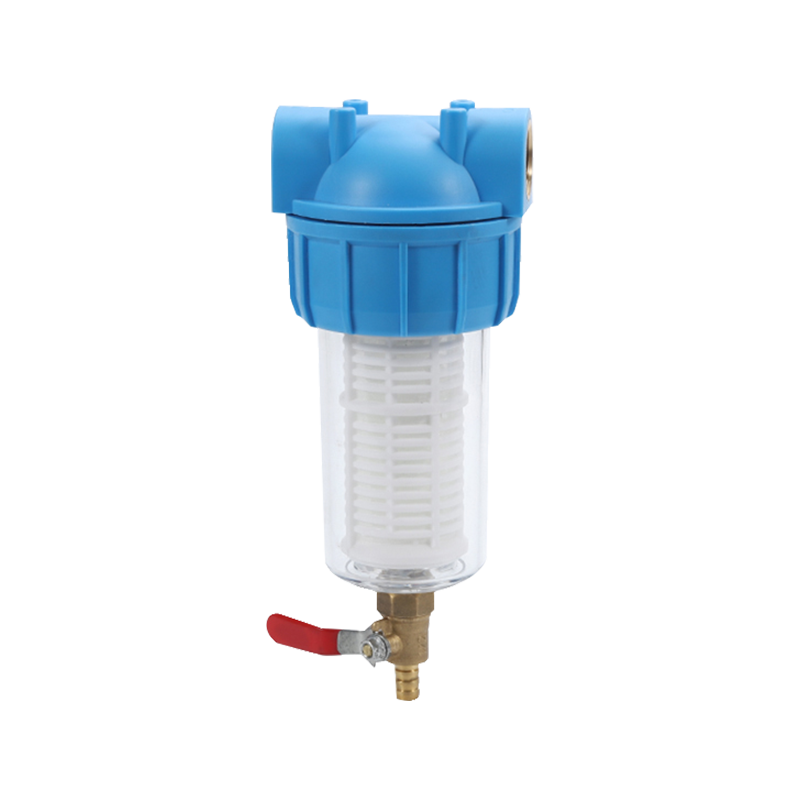
RH-06J5BSingle Water Filter with copper recoil valve is characterized by its efficient filtration system, which can effectively remove impurities, suspended matter, residual chlorine, odor and some ha...
See Details -
 >
>
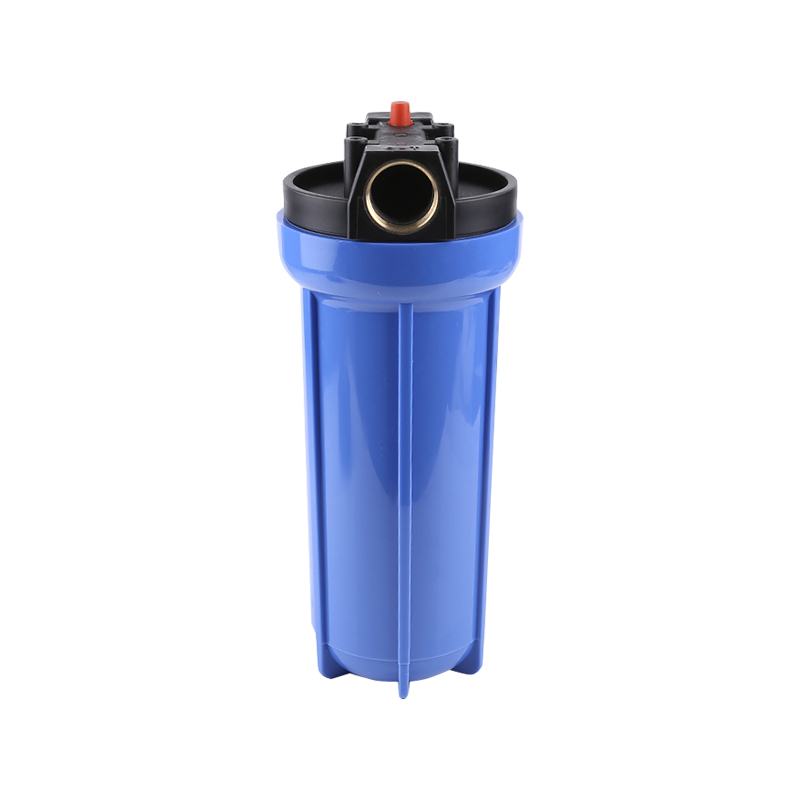
1. Single Water Filter(15BAR).2. 10" PET bottle+black cap, 3/4"brass thread.3. With 10" PP 70g filter cartridge.4. Color box packing.5. Components: wrench+plastic hanging board+screw.
See Details -
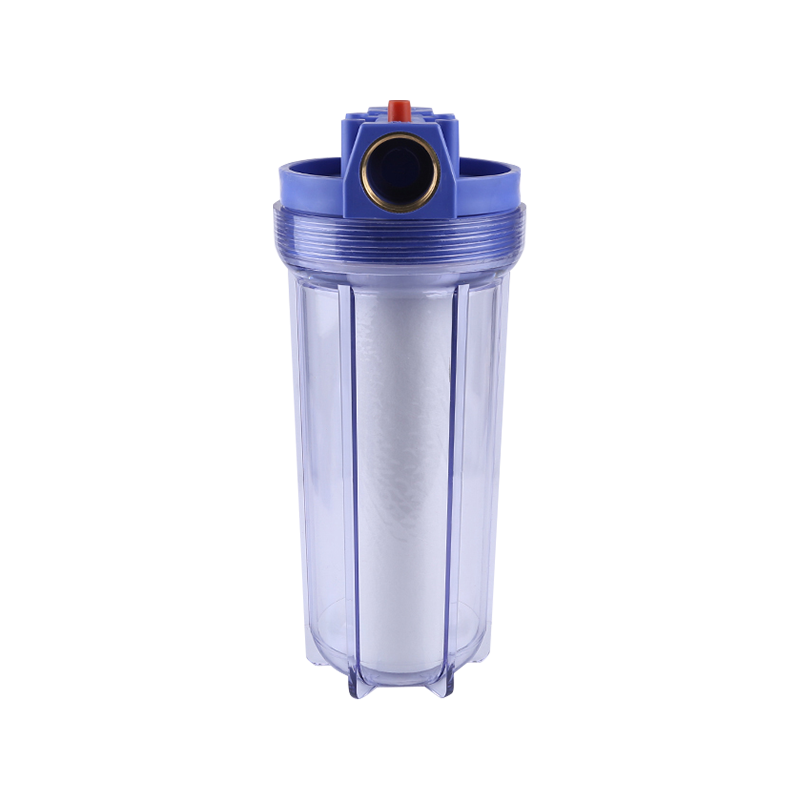 >
>
1. Single Water Filter(15BAR); 2. 10" PET bottle+blue cap,3/4"brass thread.3. With 10" PP 70g filtercartridge.4. Color box Packing. 5. Components: wrench+plastic hanging board+screw.
See Details -
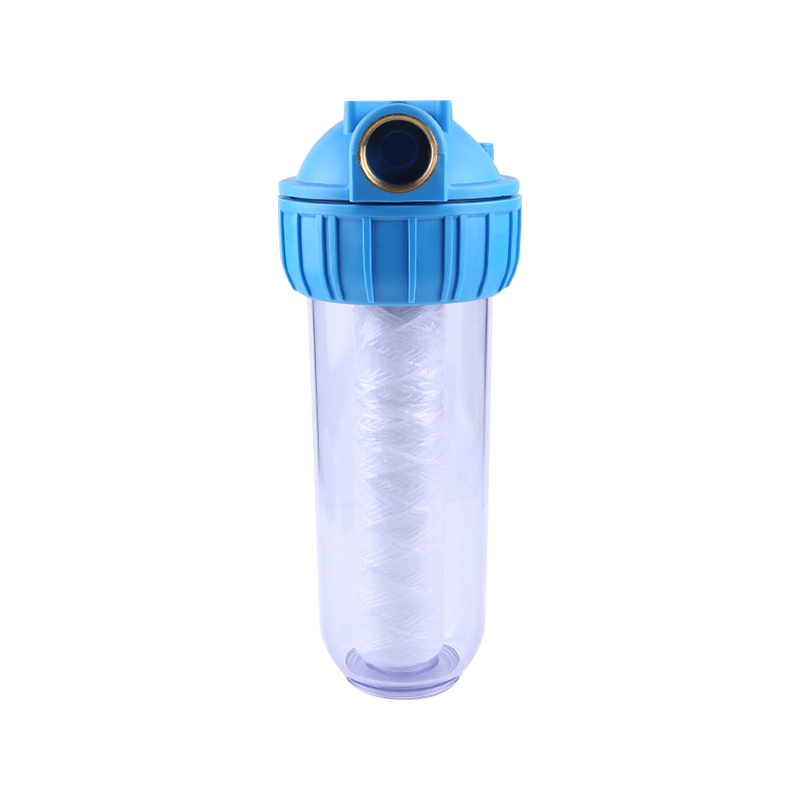 >
>
1. Single Water Filter(15BAR).2. 10" PET bottle+blue cap,3/4"brass thread.3. With 10" pp 70g cartridge. 4. Color box Packing. 5. Components: wrench+plastic hanging board+screw.
See Details -
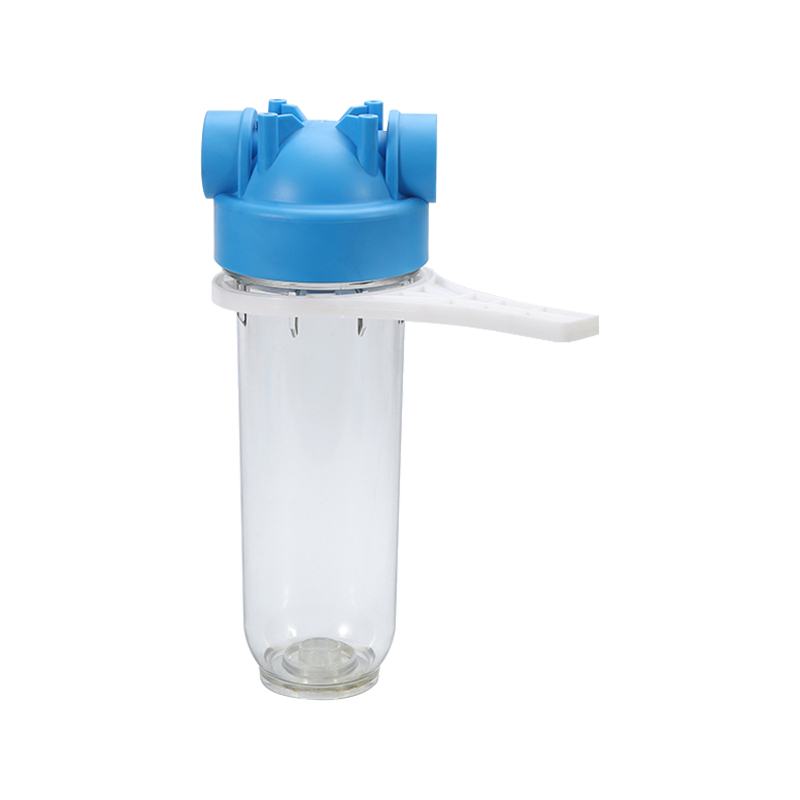 >
>
1. Single Water Filter(15BAR).2. 10" PET bottle+blue cap,3/4"brass thread.3. With 10" PP 70g filter cartridge.4. Color box Packing.5. Components: wrench+plastic hanging board+screw.
See Details -
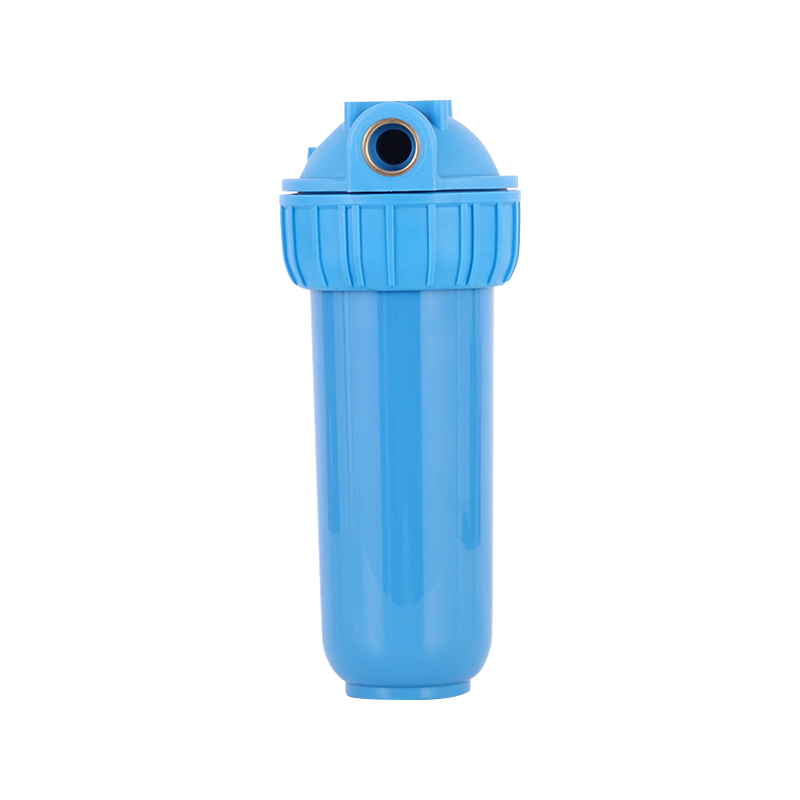 >
>
1. Single Water Filter(15BAR).2. 10" PET blue bottle+blue cap,3/4"brass thread.3. With 10" pp 70g cartridge. 4. Color box Packing. 5. Components: wrench+plastic hanging board.
See Details -
 >
>
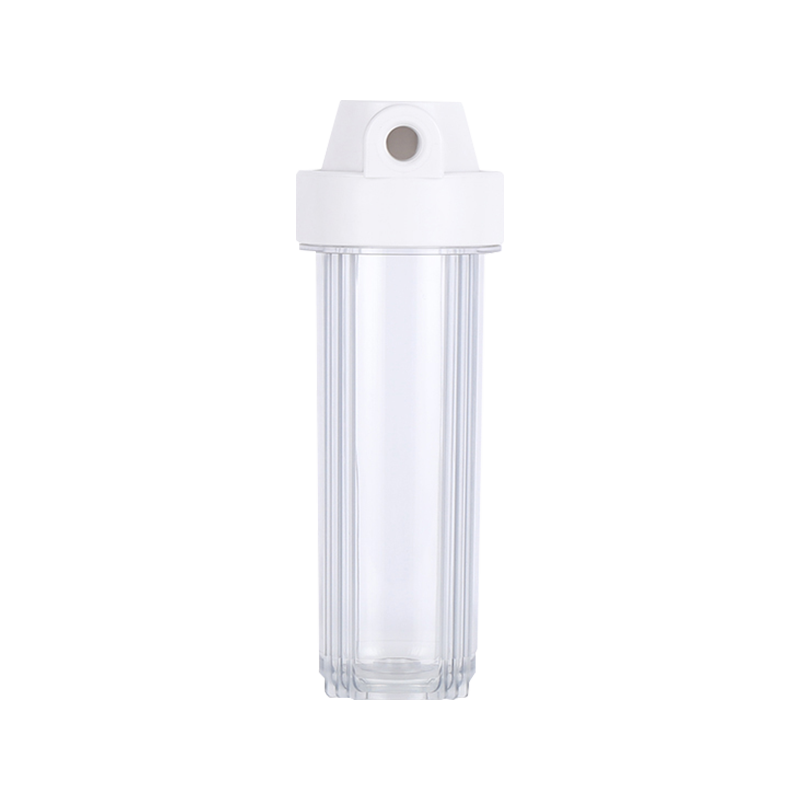
1. Single Water Filter(15BAR).2. 10" PET transparent bottle+white cap,1/4"brass thread.3. With 10" pp 70g cartridge. 4. Color box Packing.
See Details

If you are interested in our products, please consult us
Ningbo Yaorui Water Purification Technology Co., LTD. All Rights Reserved.
Wholesale Household Water Purifier Manufacturers
