 English
 русский
 Español
 عربى
عربى 中文简体
中文简体
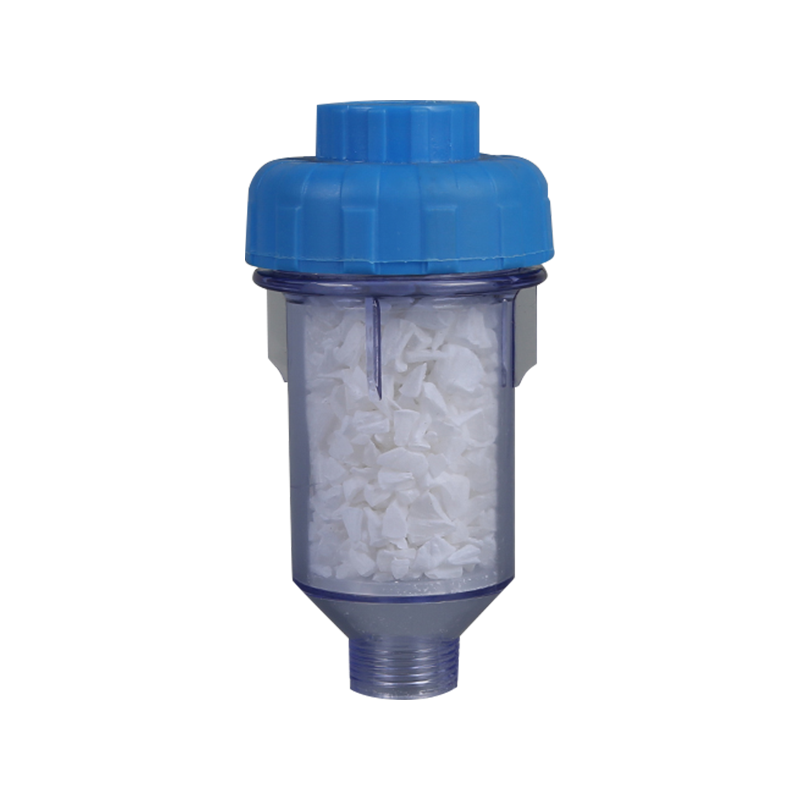 >
>The core highlight of this filter is its built-in silicone sheet filter layer. As a high-performance elastic material, silicone has high-temperature resistance, aging resistance, corrosion resistance,...
See Details [email protected]
 +86-18368206374
 No.99,Yuma Road,Mazhu Town,Yuyao City,Zhejiang Province,China.
Find the Perfect Home Water Filter in 2026: What You Need to Know
Industry News-Content
- 1 The Short Answer: What Most Homes Actually Need
- 2 Why Water Filtration Matters More Than Ever in 2026
- 3 Test Your Water Before You Buy Anything
- 4 What Filters Water: The Core Technologies Explained
- 5 Types of Home Water Filtration Systems: Pros, Cons, and Costs
- 6 Factors to Consider When Comparing Water Filters
- 7 How to Choose a Water Filter System: A Step-by-Step Framework
- 8 Well Water: Special Considerations for Private Water Supplies
- 9 What Makes a Good Water Filter: Key Quality Indicators
- 10 5 Common Mistakes to Avoid When Choosing a Home Water Filter
- 11 Quick Reference: Matching Your Situation to the Right System
- 12 Final Thoughts: A Practical Summary for 2026 Buyers
The Short Answer: What Most Homes Actually Need
For the majority of households on municipal water, a countertop or under-sink reverse osmosis (RO) system delivers the broadest contaminant removal at the best value — typically $150–$400 for the unit plus $50–$100/year in filter replacements. If your primary concerns are taste, chlorine, and common sediment, a high-quality activated carbon pitcher or faucet filter handles the job for under $50.
If you are on well water, or if a recent water test revealed heavy metals, nitrates, or microbial contamination, you will need a more comprehensive solution — either a whole house water filter system, a UV purifier, or a multi-stage under-sink system. The right answer depends entirely on what is actually in your water.
This guide walks through every major factor to consider when comparing water filters, explains what filters water at a technical level, and gives you a clear framework for how to choose a water filter system that fits your home, budget, and water quality needs in 2026.
Why Water Filtration Matters More Than Ever in 2026
Municipal water treatment in most developed countries reliably eliminates acute microbial threats. However, it does not address every contaminant that may be present by the time water reaches your tap. Key concerns that have intensified in recent years include:
- PFAS ("forever chemicals"): Per- and polyfluoroalkyl substances are now detectable in drinking water across hundreds of U.S. and European municipalities. The EPA set a maximum contaminant level (MCL) of 4 parts per trillion for PFOA and PFOS in 2024 — a standard that many older treatment systems struggle to consistently meet. Reverse osmosis and activated carbon block filters are among the few technologies proven to remove PFAS.
- Lead from aging infrastructure: An estimated 9–12 million lead service lines still serve homes in the United States alone. Even homes with modern plumbing may have lead solder in older internal pipe joints. No level of lead is considered safe for children.
- Microplastics: Studies published between 2022 and 2025 confirm microplastic particles in tap water globally. While long-term health effects are still being studied, reverse osmosis membranes and fine ceramic filters (0.1–0.2 micron) effectively remove them.
- Chlorine and chloramines: Added intentionally as disinfectants, these compounds create disinfection byproducts (DBPs) including trihalomethanes (THMs) that are classified as probable human carcinogens at elevated long-term exposure levels.
- Agricultural runoff: Nitrates from fertilizers exceed safe thresholds (10 mg/L MCL) in many rural well water supplies, posing serious risk to infants and pregnant women.
Understanding what makes a good water filter starts with knowing which of these contaminants are actually present in your supply — which is why water testing is the non-negotiable first step before any purchase.
Test Your Water Before You Buy Anything
One of the most common and costly mistakes homeowners make is purchasing a filter system without first knowing what their water contains. No single filter technology removes all contaminants, and some systems excel at removing specific threats while being ineffective against others.
Your Water Testing Options
| Testing Method | Cost (USD) | What It Covers | Best For |
|---|---|---|---|
| Municipal Annual Report (CCR) | Free | Regulated contaminants at treatment plant | Starting point for city water users |
| At-home test kit (strips) | $10–$30 | pH, chlorine, hardness, nitrates, basic metals | Quick screen; not definitive |
| Mail-in lab test (basic) | $30–$80 | Heavy metals, bacteria, hardness, pH | City water with specific concerns |
| Mail-in lab test (comprehensive) | $150–$400 | PFAS, VOCs, pesticides, full metals panel, bacteria | Well water, older homes, rural areas |
| State-certified lab (on-site) | $200–$600+ | Full regulatory panel; legally defensible results | Well water; pre-purchase home inspections |
For city water users, begin with your municipality's Consumer Confidence Report (CCR), which is legally required to be published annually. This tells you which contaminants were detected and at what levels. Then cross-reference against EPA MCLs. If any contaminant is near or above the MCL, or if your home has older plumbing, follow up with a mail-in lab test. This $50–$150 investment is the single most important step in learning how to choose a water filtration system.
What Filters Water: The Core Technologies Explained
Understanding what filters water at a mechanistic level makes it much easier to evaluate marketing claims and match a system to your actual contamination profile. There are five primary filtration mechanisms used in residential systems — often in combination.
1. Activated Carbon (AC and Carbon Block)
Activated carbon works through adsorption — contaminants bind to the enormous surface area of the carbon matrix (up to 1,500 m² per gram). It is highly effective at removing chlorine, chloramines, VOCs, some pesticides, and improving taste and odor. Carbon block filters (compressed carbon) outperform granular activated carbon (GAC) for most contaminants because they offer better contact time and eliminate channeling.
Does not effectively remove: nitrates, fluoride, heavy metals (without special media), hardness minerals, or most microorganisms.
2. Reverse Osmosis (RO)
RO uses hydraulic pressure to force water through a semi-permeable membrane with pores of approximately 0.0001 microns — small enough to reject dissolved ions, heavy metals, nitrates, PFAS, fluoride, arsenic, and most other dissolved solids. A well-designed RO system removes 90–99% of most contaminants by TDS (total dissolved solids).
The trade-off: RO wastes water. Older systems waste 3–4 gallons per gallon filtered; modern efficient RO systems (2024–2026 models) achieve ratios as low as 1:1 or 2:1. RO also removes beneficial minerals, so many premium systems include a remineralization stage.
3. UV Purification
Ultraviolet light at 254 nm wavelength disrupts the DNA of bacteria, viruses, and cysts, rendering them unable to reproduce. UV purifiers achieve 99.99% (4-log) inactivation of most pathogens — including Giardia and Cryptosporidium, which are chlorine-resistant. UV does not remove any chemical contaminants and requires clear (low-turbidity) water to be effective, so it is almost always paired with a sediment pre-filter.
4. Ceramic and Ultrafiltration (UF) Membranes
Ceramic filters and UF membranes physically block particles based on pore size — typically 0.1–0.5 microns for ceramic, and 0.01–0.1 microns for UF. Both remove bacteria, protozoa, sediment, and microplastics without electricity or pressure. They do not remove viruses (too small), dissolved chemicals, or heavy metals unless coated with silver or combined with other media.
5. Ion Exchange (Water Softening and Deionization)
Ion exchange resins swap undesirable ions (calcium, magnesium, lead, nitrate) for less harmful ones (typically sodium or hydrogen). Traditional water softeners use cation exchange to replace hardness ions (Ca²⁺, Mg²⁺) with Na⁺, reducing scale buildup. Specialized anion exchange resins can also remove nitrates and some heavy metals. Ion exchange does not remove sediment, bacteria, or organic chemicals.
Technology vs. Contaminant Quick Reference
| Contaminant | Activated Carbon | Reverse Osmosis | UV | Ceramic/UF | Ion Exchange |
|---|---|---|---|---|---|
| Chlorine / Chloramines | moderately effective | highly effective | not effective | not effective | not effective |
| Lead / Heavy Metals | (block only) | highly effective | not effective | not effective | moderately effective |
| PFAS | (carbon block) | moderately effective | not effective | not effective | not effective |
| Nitrates | not effective | moderately effective | not effective | not effective | yes (anion) |
| Bacteria / Protozoa | not effective | moderately effective | highly effective | moderately effective | not effective |
| Viruses | not effective | highly effective | highly effective | not effective | not effective |
| Fluoride | not effective | moderately effective | not effective | not effective | not effective |
| Sediment / Microplastics | moderately effective | highly effective | not effective | moderately effective | not effective |
| Hardness (Scale) | not effective | highly effective | not effective | not effective | (softener) |
| VOCs / Pesticides | highly effective | moderately effective | not effective | not effective | not effective |
Types of Home Water Filtration Systems: Pros, Cons, and Costs
There are six main types of home water filtration systems available in 2026. Each suits a different household profile, budget, and contamination scenario.
1. Pitcher Filters
Best for: renters, small households, budget-conscious buyers focused on taste and chlorine removal.
- Upfront cost: $20–$60; replacement filters: $5–$15 per filter (every 1–2 months)
- Effective at: chlorine taste/odor, some heavy metals (with premium filters like ZeroWater or Clearly Filtered), sediment
- Not effective at: bacteria, viruses, nitrates, fluoride (with standard Brita-type filters)
- Drawback: slow filtration speed (1–5 minutes per fill), small capacity (8–12 cups), requires frequent filter replacement
2. Faucet-Mounted Filters
Best for: renters or homeowners wanting on-demand filtered water at a single tap without installation.
- Upfront cost: $25–$80; annual filter cost: $30–$60
- Effective at: chlorine, taste/odor, some VOCs, lead (certified models)
- Drawback: reduces water flow rate; not compatible with all faucet designs (pull-out spray heads typically incompatible)
3. Under-Sink Filters (Multi-Stage)
Best for: homeowners wanting high-performance point-of-use filtration at the kitchen sink without a pitcher or countertop unit.
- Upfront cost: $100–$300 (non-RO); installation: DIY possible or $100–$200 professional
- Effective at: chlorine, chloramines, lead, VOCs, PFAS (with certified carbon block stage), sediment
- Annual filter cost: $50–$120; filter life: typically 6–12 months or 1,000–3,000 gallons
- Does not remove: nitrates, fluoride, hardness minerals
4. Reverse Osmosis (RO) Systems — Under-Sink or Countertop
Best for: households with multiple contamination concerns, well water users, or anyone wanting the broadest chemical removal at the point of use.
- Upfront cost: $150–$600 for under-sink; $100–$300 for countertop tankless models
- Annual maintenance: $50–$120 for pre/post filters; RO membrane replacement every 2–3 years (~$30–$60)
- Removes: 90–99% of TDS, lead, arsenic, fluoride, nitrates, PFAS, chromium-6, bacteria, viruses, microplastics
- Drawback: wastes water (1:1 to 4:1 waste ratio depending on model); slow tank-fill time on traditional systems (though tankless RO in 2025–2026 models delivers 400–800 GPD on demand)
- Look for NSF/ANSI 58 certification, which specifically governs RO systems
5. Whole House Water Filter Systems
Best for: homes on well water, homes with widespread sediment or hardness issues, or households that want filtered water at every tap — not just the kitchen.
Learning how to choose a whole house water filter requires a different mindset than point-of-use selection. These systems are installed at the main water entry point and treat all water entering the home — showers, laundry, dishwashers, and all taps included. This matters because chlorine and VOCs can be absorbed through skin and inhaled as steam during showers.
- Upfront cost: $300–$2,500+ depending on system complexity; professional installation typically adds $200–$600
- Annual maintenance: $100–$400 for media and filter replacements
- Standard whole house systems use sediment pre-filters + carbon media for chlorine/VOC removal; advanced versions add KDF media for heavy metals, iron filters, UV stages, or water softeners
- Flow rate is a critical spec: a system must deliver at least 7–10 GPM for a standard 3-bedroom home to avoid pressure drops
- Does not typically reduce TDS to the level of under-sink RO; not designed for that purpose
6. Countertop Gravity Filters
Best for: off-grid living, emergency preparedness, renters who cannot install under-sink systems, or buyers prioritizing cost-per-gallon.
- Upfront cost: $60–$350; filter lifespan: 3,000–6,000 gallons per element (approximately 1–3 years for most households)
- Leading brands (Berkey, ProPur, Alexapure) use multi-stage ceramic + carbon block elements rated to remove bacteria, protozoa, heavy metals, chlorine, VOCs, and PFAS
- No electricity or water pressure required
- Drawback: slow flow rate (1–3 GPH); requires manual refilling; takes up counter space
Factors to Consider When Comparing Water Filters
Once you have your water test results and understand the basic technology options, the following factors to consider when comparing water filters will narrow your shortlist to the right system.
NSF/ANSI Certification — the Single Most Important Spec
Always buy a filter certified to the relevant NSF/ANSI standard for the contaminants you need to remove. Marketing language like "removes 99% of contaminants" is meaningless without third-party certification. The key standards are:
- NSF/ANSI 42: Aesthetic effects — chlorine, taste, odor, particulates
- NSF/ANSI 53: Health effects — lead, VOCs, cysts, asbestos, MTBE
- NSF/ANSI 58: Reverse osmosis systems — TDS reduction, specific contaminants
- NSF/ANSI 244: Microbiological purifiers (bacteria, viruses, cysts)
- NSF/ANSI 177: Shower filters
- NSF/ANSI 419: PFAS reduction — newer standard (2023) specifically for per- and polyfluoroalkyl substances
A filter certified to NSF/ANSI 53 for lead removal, for example, has been independently tested to reduce lead from 150 ppb to 10 ppb or less under the stated flow conditions. Certification to NSF 42 alone does not cover health-effects contaminants.
Daily Water Usage and Flow Rate
The average American household uses approximately 80–100 gallons per person per day in total, but drinking and cooking water consumption is far lower — around 1–2 gallons per person per day. Point-of-use systems (pitcher, faucet, under-sink, RO) are sized for drinking water only. Whole house systems must handle total household demand.
For whole house systems, check the system's rated flow rate in gallons per minute (GPM) and peak demand capacity. A typical shower uses 2 GPM; a washing machine uses 3–5 GPM. A 3-bathroom home running two simultaneous showers and a dishwasher needs a system rated at 10–15 GPM minimum to maintain acceptable pressure.
Total Cost of Ownership (TCO)
The upfront purchase price is often the smallest part of what you will actually pay. Filter replacement costs, water waste (for RO), and maintenance all add up. Always calculate the cost per gallon of filtered water and the annual operating cost before comparing models.
| System Type | Upfront Cost | Annual Cost | Cost per Gallon | 5-Year TCO (est.) |
|---|---|---|---|---|
| Pitcher (Brita-type) | $30 | $60–$80 | $0.10–$0.20 | $330–$430 |
| Faucet mount | $40 | $40–$60 | $0.05–$0.10 | $240–$340 |
| Under-sink multi-stage | $150 | $60–$100 | $0.02–$0.06 | $450–$650 |
| Under-sink RO | $250 | $70–$120 | $0.02–$0.05 | $600–$850 |
| Gravity filter (Berkey) | $200 | $30–$60 | $0.01–$0.03 | $350–$500 |
| Whole house system (basic) | $500–$1,000 | $100–$200 | $0.003–$0.01 | $1,200–$2,000 |
Water Pressure and Plumbing Compatibility
RO systems require a minimum inlet pressure of 40–60 PSI to drive water through the membrane effectively. If your home's water pressure is below 40 PSI — common in older buildings or rural areas on gravity-fed systems — you will need either a booster pump or an alternative filtration technology. Most RO system specs list the minimum pressure requirement clearly; verify before purchasing.
Whole house systems require adequate pipe diameter (typically ¾ inch or 1 inch supply lines) and sufficient pressure at the entry point. Systems installed in series add pressure drop; a well-designed multi-stage whole house system should add no more than 5–10 PSI of pressure loss at rated flow.
Filter Replacement Schedule and Availability
A filter that is difficult to replace — either due to cost, proprietary cartridge design, or availability — will be left overdue and will stop protecting you effectively. Before purchasing any system, verify: how often filters need replacing, the cost of replacement cartridges, and whether they are available from multiple suppliers or only the manufacturer. Proprietary filter cartridges from smaller brands can become unavailable if the company discontinues a product line.
How to Choose a Water Filter System: A Step-by-Step Framework
With the above knowledge in place, the question of how to choose a water filtration system reduces to a logical sequence of decisions. Follow these steps to arrive at the right system for your home.
- Get your water tested. Use your CCR as a starting point, then get a mail-in or lab test if you are on well water, have older plumbing, or your CCR shows contaminants near MCL limits.
- List your target contaminants. Identify every contaminant you need to reduce, ranked by health risk priority: microbial pathogens first, then heavy metals, then chemicals, then aesthetics.
- Decide: point-of-use or whole house? If you only need filtered drinking and cooking water, point-of-use is sufficient. If you are on well water, have sediment or iron issues, or want filtered water at all taps and showers, start with whole house filtration — and add a point-of-use RO or carbon stage for drinking water if needed.
- Match technology to contaminants. Use Table 2 above to confirm which technology addresses each contaminant on your list. If you have 3+ distinct contaminant categories, consider a multi-stage system combining carbon + RO + UV, or a whole house system paired with a point-of-use RO.
- Verify NSF/ANSI certification. Confirm that any system you shortlist carries the relevant NSF/ANSI certification for your target contaminants — not just marketing claims.
- Calculate total cost of ownership. Compare upfront + 5-year filter costs across shortlisted systems. The cheapest upfront option is rarely the cheapest over time.
- Check plumbing requirements. Confirm water pressure compatibility, pipe size, and whether DIY installation is feasible or professional installation is needed.
- Purchase and establish a filter change schedule. Set calendar reminders for filter changes. An expired filter provides no protection and, in some cases, can re-release captured contaminants.
Well Water: Special Considerations for Private Water Supplies
Homeowners on private wells face a fundamentally different challenge from those on municipal water: there is no utility treatment and no regulatory oversight of your supply. You are entirely responsible for ensuring your water is safe.
Well water contamination profiles vary widely by geography, but common threats include iron and manganese (which cause staining and taste issues), hydrogen sulfide (rotten egg odor), hardness, bacteria (coliform, E. coli), nitrates from agricultural runoff, arsenic in certain geological regions, radon (dissolved gas), and sediment from well casing deterioration.
Recommended Well Water System Stack
For most well water households, the most effective home water filtration system is a whole-house multi-stage system combined with a point-of-use stage for drinking water. A typical recommended configuration for well water:
- Stage 1 — Sediment pre-filter (5–20 micron): Removes sand, silt, and particulates that would shorten the life of downstream media
- Stage 2 — Iron/manganese filter or KDF media: Removes iron and manganese to prevent staining and fouling of RO membranes
- Stage 3 — Activated carbon whole house filter: Removes hydrogen sulfide, organics, pesticides, VOCs
- Stage 4 — UV purifier: Kills bacteria, viruses, and protozoa at the whole house level
- Stage 5 — Under-sink RO (kitchen tap): Final reduction of nitrates, arsenic, fluoride, remaining dissolved contaminants for drinking and cooking
This system stack adds up to $800–$2,500 installed, depending on brand and complexity. It is the most effective home water filtration system configuration for typical private well water challenges. Annual maintenance is approximately $200–$400 for filter and UV lamp replacements.
Test your well water annually. Well water quality changes seasonally and can shift due to nearby construction, agricultural activity, or deterioration of the well casing. A baseline comprehensive test and annual follow-up testing are the responsible standard for private well owners.
What Makes a Good Water Filter: Key Quality Indicators
Beyond certification and contaminant removal performance, what makes a good water filter in practical terms? Here are the quality indicators that separate reliable, long-serving systems from budget options that underperform after a few months.
- Verified filter capacity ratings: A filter rated for 500 gallons should actually perform to specification at gallon 499, not degrade linearly from the first use. NSF-certified systems are tested at end-of-life, not just at initial installation, which is a critical distinction.
- No BPA or NSF 61-listed housing materials: The filter housing that contacts your drinking water must itself be non-toxic. Look for NSF/ANSI 61 compliance on all wetted components.
- Clear filter change indicators: Whether electronic (TDS meter, app alerts) or time-based, a reliable replacement indicator prevents the most common user error: forgetting to change the filter.
- Adequate flow rate for household size: A system that filters slowly enough to become a bottleneck will be bypassed or abandoned. For a family of 4, an under-sink system should produce at least 50–75 gallons per day with a storage tank, or instant delivery at tap for tankless systems.
- Reputable brand with documented testing data: Companies like A.O. Smith, Pentair, iSpring, APEC, Berkey, and Aquasana publish independent test reports. Brands that only cite internal testing or make unverifiable claims should be treated with caution.
- Ease of installation and maintenance: A system that requires a plumber to replace every filter cartridge imposes a hidden cost. Twist-and-lock or quick-change filter designs significantly reduce maintenance burden.
5 Common Mistakes to Avoid When Choosing a Home Water Filter
Even well-informed buyers make these errors. Avoiding them saves money and ensures your investment actually protects your household.
- Buying based on marketing claims alone. "Removes 99.9% of contaminants" is a meaningless claim without specifying which contaminants, at what concentration, under what conditions. Always verify against NSF certification data.
- Skipping water testing. Purchasing a whole house iron filter when your water doesn't actually have elevated iron wastes money on unnecessary equipment and may miss the actual issue. Test first, buy second.
- Forgetting filter replacement costs. A $50 pitcher that requires $80/year in replacement cartridges costs more over 3 years than a $150 under-sink system with $40/year cartridges. Calculate TCO before committing.
- Relying on a single filtration stage for complex water. If your water test shows bacteria, lead, VOCs, and nitrates simultaneously, no single-stage system adequately addresses all four. A multi-stage solution is required.
- Neglecting the whole house vs. point-of-use distinction. An under-sink RO system produces excellent drinking water but does nothing to protect skin and lungs from chlorine and VOCs during showers. If whole-body exposure is a concern — especially for children or immunocompromised household members — only a whole house system addresses it comprehensively.
Quick Reference: Matching Your Situation to the Right System
Use this table as a starting point for how to choose a water filter system based on your most common scenario. Always cross-check against your actual water test results.
| Your Situation | Recommended System | Key Certification to Require | Budget Range |
|---|---|---|---|
| Renter, good city water, taste concerns only | Pitcher or faucet filter | NSF 42 | $20–$60 |
| Homeowner, city water, lead concern (older home) | Under-sink carbon block or RO | NSF 53 (lead) | $150–$350 |
| PFAS detected in local water report | Under-sink RO or certified carbon block | NSF 419 (PFAS) | $200–$500 |
| Well water with bacteria risk | Whole house: sediment + carbon + UV; under-sink RO for drinking | NSF 244 (microbiological) | $800–$2,500 |
| Well water with nitrates (rural/agricultural) | Under-sink RO (nitrate removal) + whole house sediment/carbon | NSF 58 (nitrate) | $600–$1,500 |
| Hard water (scale on appliances) | Whole house water softener (ion exchange) | NSF 44 | $400–$1,200 |
| Off-grid / emergency preparedness | Gravity filter (Berkey / ProPur) | NSF 42 + 53; ask for independent lab test data | $200–$400 |
| Comprehensive whole-home protection (city water) | Whole house carbon + UV + under-sink RO | NSF 42 + 53 + 58 | $700–$2,000 |
Final Thoughts: A Practical Summary for 2026 Buyers
The home water filtration market in 2026 is more capable — and more confusing — than ever. New PFAS standards, improved tankless RO technology, and a crowded marketplace of brands and certifications make the selection process genuinely complex without a solid framework.
The core principles remain constant regardless of which specific model you ultimately select. Test before you buy. Match technology to verified contaminants — not marketing promises. Require NSF/ANSI certification for the specific threats you are addressing. Calculate the 5-year total cost of ownership, not just the sticker price. And for well water or multi-contaminant situations, layer technologies rather than relying on a single stage.
For most city water households, a $200–$350 NSF-certified under-sink RO system with a carbon pre-filter and remineralization stage is the best value combination of broad contaminant removal, low cost per gallon, and reliable long-term performance. For well water households, budget for a complete whole house system — the upfront investment of $800–$2,000 is small compared to the long-term health and infrastructure costs of inadequately treated private water.
Water quality directly affects health, appliance longevity, and quality of life. Understanding how to choose a water filter system — and acting on that knowledge with a tested, certified, properly maintained solution — is one of the most straightforward and high-return investments a homeowner can make in 2026.
Related products
-
 >
>
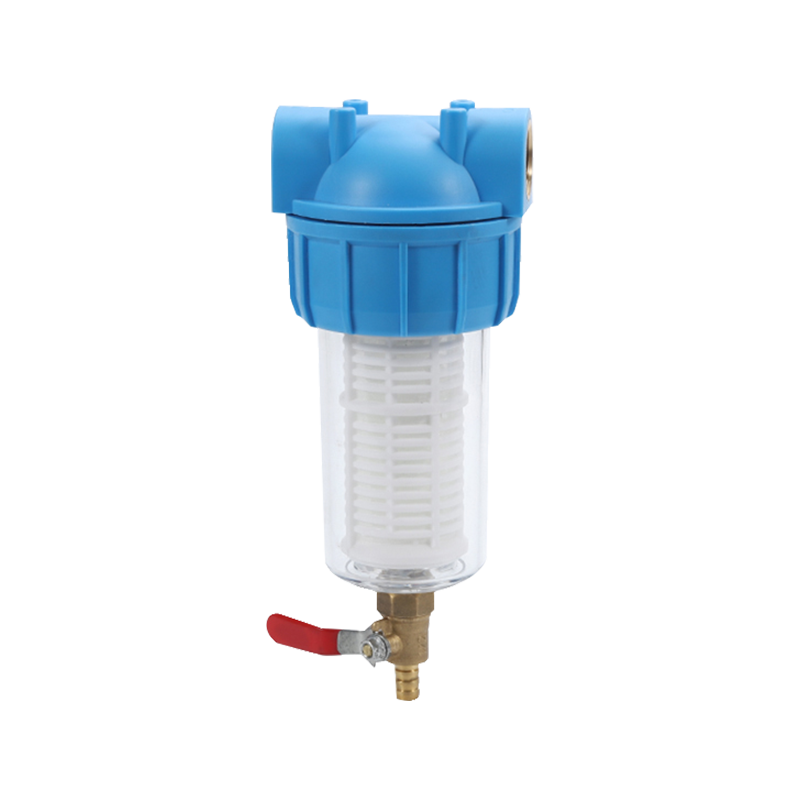
RH-06J5BSingle Water Filter with copper recoil valve is characterized by its efficient filtration system, which can effectively remove impurities, suspended matter, residual chlorine, odor and some ha...
See Details -
 >
>
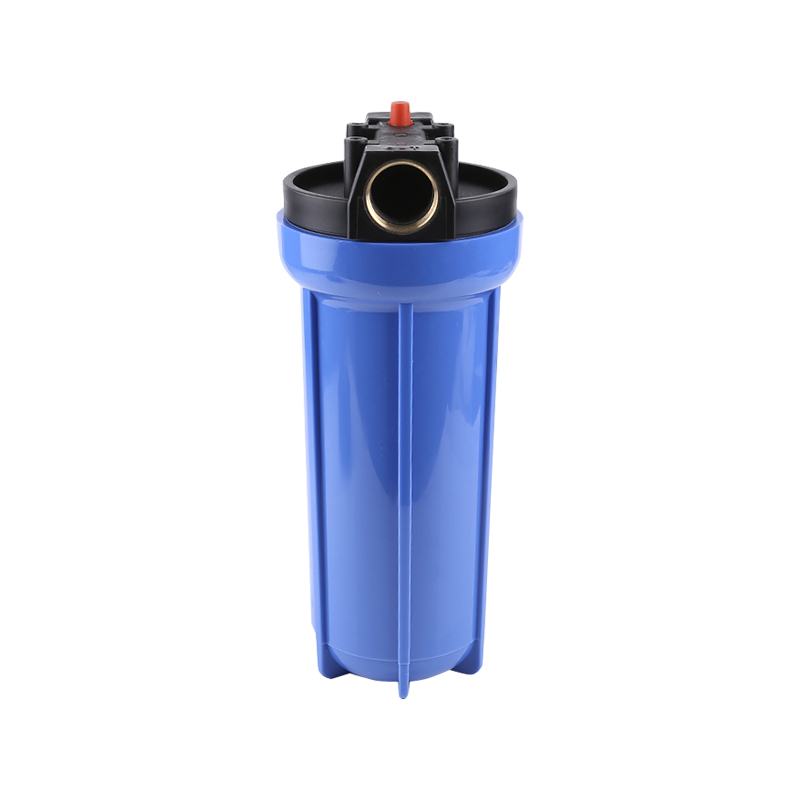
1. Single Water Filter(15BAR).2. 10" PET bottle+black cap, 3/4"brass thread.3. With 10" PP 70g filter cartridge.4. Color box packing.5. Components: wrench+plastic hanging board+screw.
See Details -
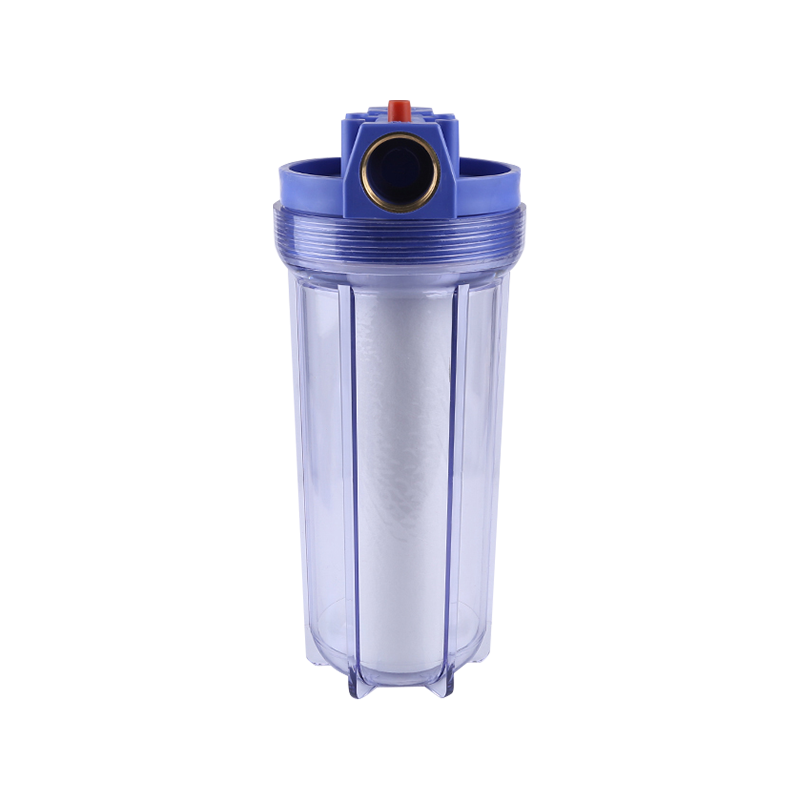 >
>
1. Single Water Filter(15BAR); 2. 10" PET bottle+blue cap,3/4"brass thread.3. With 10" PP 70g filtercartridge.4. Color box Packing. 5. Components: wrench+plastic hanging board+screw.
See Details -
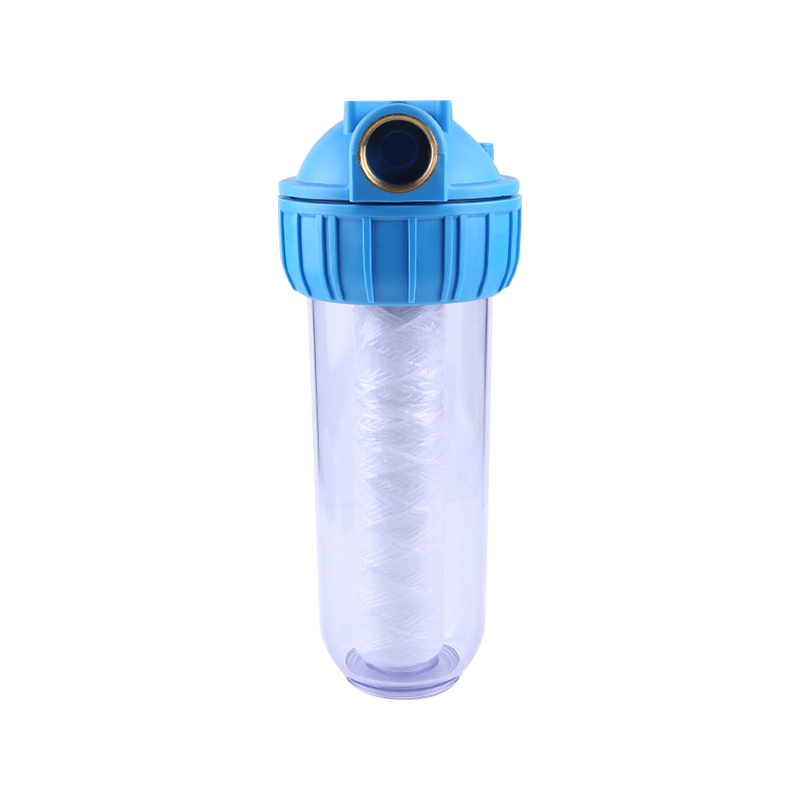 >
>
1. Single Water Filter(15BAR).2. 10" PET bottle+blue cap,3/4"brass thread.3. With 10" pp 70g cartridge. 4. Color box Packing. 5. Components: wrench+plastic hanging board+screw.
See Details -
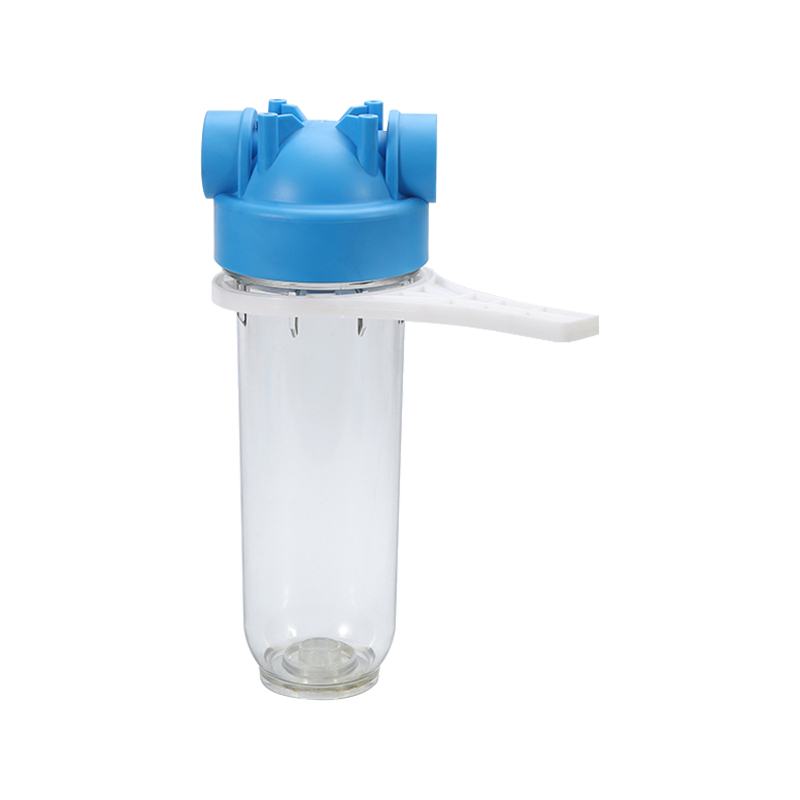 >
>
1. Single Water Filter(15BAR).2. 10" PET bottle+blue cap,3/4"brass thread.3. With 10" PP 70g filter cartridge.4. Color box Packing.5. Components: wrench+plastic hanging board+screw.
See Details -
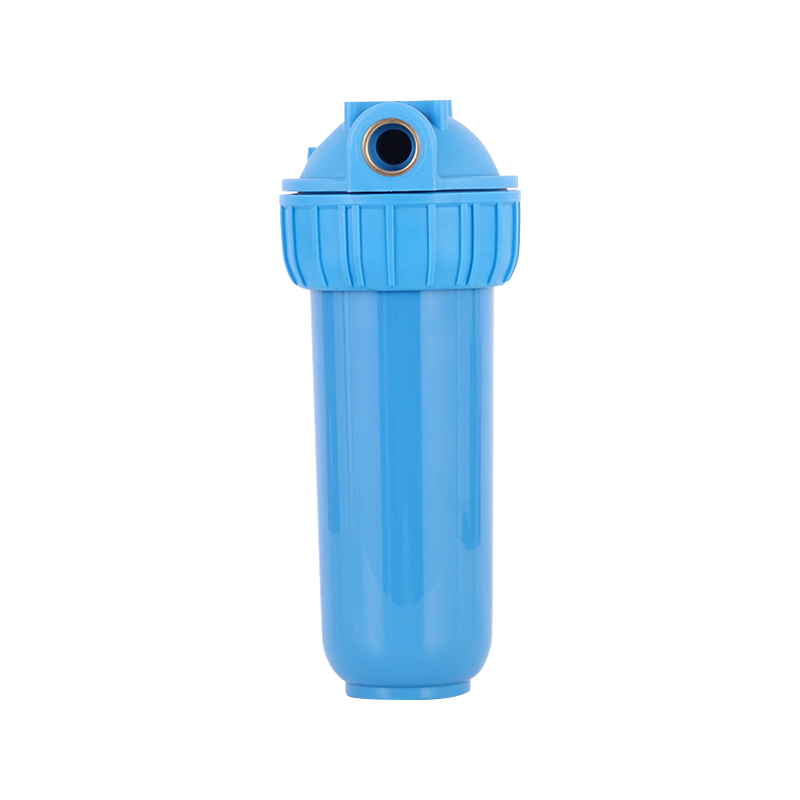 >
>
1. Single Water Filter(15BAR).2. 10" PET blue bottle+blue cap,3/4"brass thread.3. With 10" pp 70g cartridge. 4. Color box Packing. 5. Components: wrench+plastic hanging board.
See Details -
 >
>
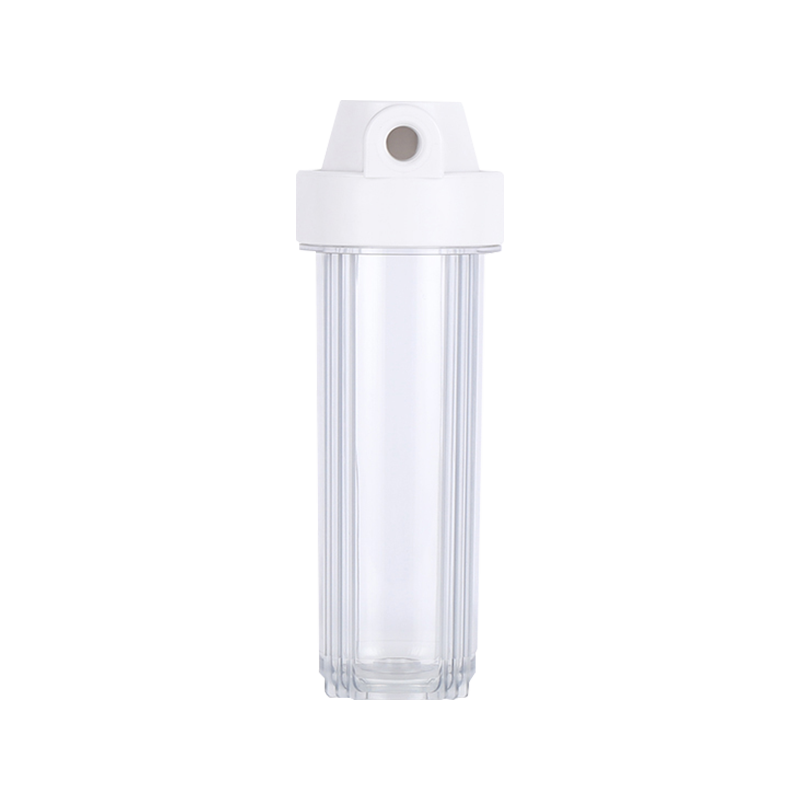
1. Single Water Filter(15BAR).2. 10" PET transparent bottle+white cap,1/4"brass thread.3. With 10" pp 70g cartridge. 4. Color box Packing.
See Details

If you are interested in our products, please consult us
Ningbo Yaorui Water Purification Technology Co., LTD. All Rights Reserved.
Wholesale Household Water Purifier Manufacturers
