 English
 русский
 Español
 عربى
عربى 中文简体
中文简体
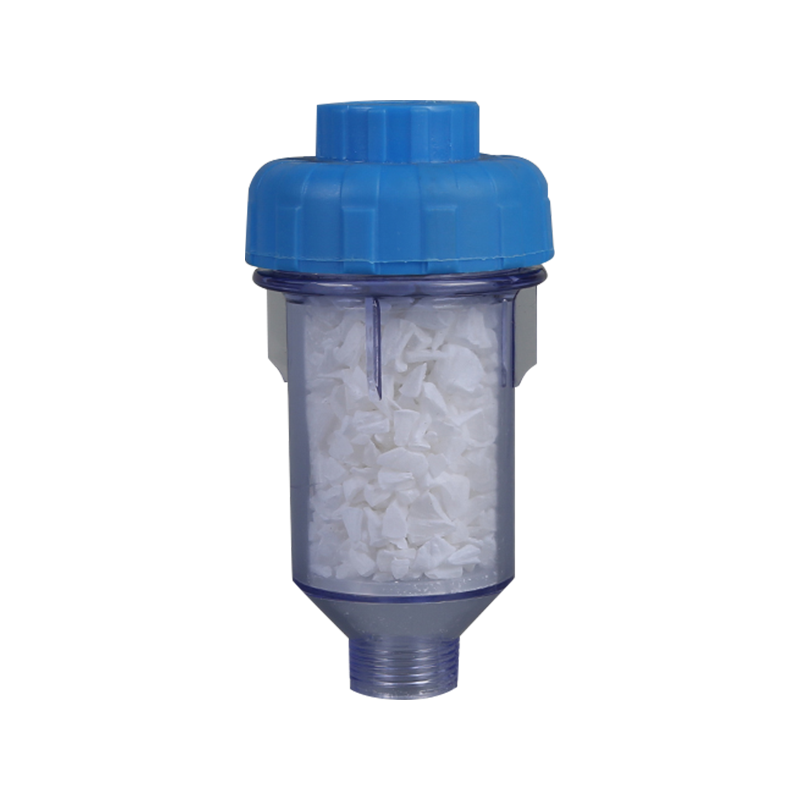 >
>The core highlight of this filter is its built-in silicone sheet filter layer. As a high-performance elastic material, silicone has high-temperature resistance, aging resistance, corrosion resistance,...
See Details [email protected]
 +86-18368206374
 No.99,Yuma Road,Mazhu Town,Yuyao City,Zhejiang Province,China.
How to Choose a Whole House Water Filtration System: A Complete Buyer's Guide
Industry News-Content
- 1 What Is a Whole House Water Filtration System?
- 2 Step 1: Test Your Water Before You Buy Anything
- 3 Step 2: Understand the Main Types of Water Filtration Options
- 4 Step 3: Calculate the Flow Rate Your Household Needs
- 5 Step 4: Evaluate Filter Certifications — The Difference Between Marketing and Performance
- 6 Step 5: Calculate the True Long-Term Cost
- 7 Step 6: Match Your System to Your Water Source
- 8 Top Rated Water Filters for Home Use: What the Best Systems Have in Common
- 9 How to Filter Tap Water at Home: Choosing the Right Configuration
- 10 Installation and Maintenance: What to Plan For
- 11 Frequently Asked Questions
- 11.1 Do I need a whole house filter if I already have a refrigerator filter?
- 11.2 Can one system handle both hard water and chemical contamination?
- 11.3 How often should I test my water after installing a filter?
- 11.4 Is an alkalizing water filter worth adding to a whole house system?
- 11.5 What are the most recommended water filters for general whole house use?
- 12 Final Checklist Before You Buy
The most important thing to know before buying a whole house water filtration system is this: there is no single best filter for every home. The right system depends on what's actually in your water, how much water your household uses, and what level of filtration you need at each tap. This guide gives you a clear, step-by-step framework to make the right choice — covering everything from water testing to filter types, flow rates, certifications, and long-term costs.
Whether you're comparing water filtration options for the first time or upgrading an existing setup, the information below will help you buy with confidence and avoid the most common mistakes homeowners make when shopping for top rated water filters for home use.
What Is a Whole House Water Filtration System?
A whole house water filtration system — also called a point-of-entry (POE) filter — connects directly to your home's main water supply line, treating every drop of water before it reaches any faucet, shower, appliance, or fixture. This is different from point of use water filters, which treat water only at a single tap or outlet (such as an under-sink reverse osmosis unit or a countertop pitcher filter).
The core advantage of a whole house system is comprehensive coverage. When you learn how to filter tap water at home at the entry point, every family member benefits — not just those who drink from a specific filtered faucet. Your shower water, laundry water, dishwasher water, and cooking water are all treated simultaneously.
Whole House vs. Point of Use: Which Do You Need?
| Feature | Whole House (POE) | Point of Use (POU) |
|---|---|---|
| Coverage | Every tap and appliance | Single faucet or outlet |
| Installation | Main supply line (professional recommended) | Under sink or countertop (DIY-friendly) |
| Cost (upfront) | $300–$3,000+ | $50–$600 |
| Filtration depth | Moderate to high (varies by system) | High (especially RO systems) |
| Best for | Whole-home protection, skin/hair, appliances | Drinking and cooking water only |
Many households use both: a whole house system for general protection and a dedicated point of use water filter — such as a reverse osmosis unit — at the kitchen sink for drinking water. This combination delivers the broadest possible coverage.
Step 1: Test Your Water Before You Buy Anything
The single most important step in this water treatment buyers guide is one most homeowners skip entirely: test your water first. Buying a filtration system without knowing what's in your water is like buying medication without knowing your diagnosis. You may spend hundreds of dollars on a system that doesn't address your actual water quality problems.
How to Test Your Water
- Municipal water consumers: Request your local utility's annual Consumer Confidence Report (CCR). In the US, all public water suppliers are legally required to publish this each year. It lists detected contaminants and their concentrations.
- Well water users: Test annually at minimum. Well water is not regulated by municipal standards and is highly variable by region and geology.
- At-home test kits: Basic kits ($15–$40) detect hardness, chlorine, pH, nitrates, and lead. Useful for quick screening but not comprehensive.
- Certified laboratory testing: Full-panel tests ($100–$400) provide detailed contaminant data. NSF-certified labs offer the most reliable results for making an informed purchase decision.
Common Contaminants and What They Mean for Filter Selection
| Contaminant | Common Source | Health Concern | Filter Type Needed |
|---|---|---|---|
| Chlorine / Chloramine | Municipal disinfection | Taste, odor, skin irritation | Activated carbon |
| Lead | Old pipes and fixtures | Neurological damage (especially children) | KDF, reverse osmosis, certified carbon |
| Hard minerals (calcium, magnesium) | Natural geology | Scale buildup, appliance damage | Water softener or salt-free conditioner |
| Nitrates | Agricultural runoff, well water | Risk to infants ("blue baby syndrome") | Reverse osmosis, ion exchange |
| PFAS / PFOA | Industrial sites, firefighting foam | Cancer risk, hormone disruption | Activated carbon (GAC), reverse osmosis |
| Bacteria / Viruses | Well water, aging infrastructure | Gastrointestinal illness | UV purification, ultrafiltration |
| Sediment (sand, rust, silt) | Pipes, well water | Appliance and fixture damage | Sediment pre-filter (5–50 micron) |
Step 2: Understand the Main Types of Water Filtration Options
Good water filtration is not a single technology — it's a category that includes multiple filtration methods, each targeting different contaminants. Understanding what each type does (and doesn't do) is essential for selecting a good quality water filter that actually solves your problem.
Activated Carbon Filtration
Activated carbon is the most widely used filtration medium in both whole house and point of use water filters. It works through adsorption — contaminants bond to the enormous surface area of the carbon material (one gram of activated carbon has a surface area of approximately 500–1,500 square meters).
- Effectively removes: Chlorine, chloramines, VOCs, herbicides, pesticides, some PFAS, taste and odor compounds
- Does NOT remove: Nitrates, heavy metals (without special media), dissolved minerals, bacteria, fluoride
- Two formats: Granular Activated Carbon (GAC) for whole house systems; Carbon Block for point-of-use applications (more effective per unit)
KDF (Kinetic Degradation Fluxion) Media
KDF media uses a copper-zinc alloy to create an electrochemical reaction that neutralizes contaminants. It is commonly paired with activated carbon in recommended water filters for whole house use because it extends carbon filter life and handles contaminants carbon alone cannot.
- Effectively removes: Chlorine, heavy metals (lead, mercury, iron), hydrogen sulfide, scale
- Key benefit: Inhibits bacterial growth within the filter itself, reducing maintenance frequency
Reverse Osmosis (RO)
Reverse osmosis forces water through a semi-permeable membrane with pores as small as 0.0001 microns, removing the widest spectrum of contaminants of any consumer filtration technology. Whole house RO systems exist but are expensive and produce significant wastewater — most homeowners use RO only at the point of use (kitchen sink) combined with a whole house carbon system.
- Effectively removes: Lead, fluoride, nitrates, arsenic, PFAS, bacteria, viruses, dissolved solids, heavy metals
- Limitation: Wastes 3–4 gallons of water per gallon filtered (traditional systems); newer models improve this ratio to 1:1
- Note on minerals: RO removes beneficial minerals (calcium, magnesium) as well as harmful ones. Many users add a remineralization stage — or an alkalizing water filter post-stage — to restore pH and mineral content
Sediment Filtration
Sediment filters are the first line of defense in any whole house filtration system. They remove physical particles — sand, silt, rust, and debris — before water enters more sensitive filter stages. Without a sediment pre-filter, fine particles can clog carbon or RO membranes prematurely, reducing both filtration effectiveness and filter lifespan.
- Common ratings: 1, 5, 10, 25, and 50 microns. Lower micron = finer filtration. A 5-micron pre-filter is the standard recommendation for most municipal water supplies.
- Well water: May require a 25–50 micron sediment filter as the first stage if turbidity (cloudiness) is high, followed by a finer 5-micron stage
UV Purification
Ultraviolet (UV) systems use UV-C light to destroy the DNA of bacteria, viruses, and protozoa, rendering them unable to reproduce. UV is the most effective technology for microbiological contamination and is essential for households on private well water. Crucially, UV does not filter — it does not remove chemicals, heavy metals, or sediment. It must be paired with other filtration stages.
- Effective against: E. coli, Giardia, Cryptosporidium, Legionella, most waterborne pathogens
- Requirement: Water must be clear (low turbidity) before reaching the UV lamp for full effectiveness — always install after a sediment pre-filter
- Lamp replacement: UV bulbs require annual replacement regardless of usage — typically $30–$80 per bulb
Water Softeners and Salt-Free Conditioners
Hard water — water with elevated calcium and magnesium levels above 120 mg/L (7 gpg) — causes scale buildup in pipes, water heaters, and appliances. Traditional ion-exchange water softeners replace calcium and magnesium ions with sodium ions, effectively eliminating hardness. Salt-free conditioners (template-assisted crystallization systems) change the structure of minerals so they don't adhere to surfaces, without actually removing them.
- Water softener: Highly effective at eliminating scale; requires salt refills every 4–8 weeks; not recommended for people on low-sodium diets
- Salt-free conditioner: No salt, no wastewater, less maintenance; effective for scale prevention but does not technically "soften" water — hardness minerals remain present
Alkalizing Water Filters
An alkalizing water filter raises the pH of drinking water — typically to between 8.0 and 9.5 — through remineralization media (adding calcium, magnesium, and potassium) or through electrolysis (water ionizers). Alkaline water has become popular due to claims about hydration and health benefits, though scientific evidence for most of these claims remains limited. What is well established is that remineralization after RO filtration restores a more natural mineral balance and improves taste.
- Remineralization filters: Most practical and affordable option; commonly added as a final stage after an RO system
- Water ionizers: Use electrolysis to separate alkaline and acidic water streams; effective but expensive ($500–$4,000)
Step 3: Calculate the Flow Rate Your Household Needs
Flow rate — measured in gallons per minute (GPM) — determines whether a whole house filter can supply enough water pressure for simultaneous use across multiple fixtures. This is one of the most critical and most overlooked specifications in water filter information sheets.
If your filter's flow rate is too low, you'll experience a noticeable drop in water pressure when the dishwasher runs while someone is showering. General guidelines by household size:
- 1–2 people: Minimum 10 GPM
- 3–4 people: Minimum 15 GPM
- 5+ people / large homes: 20+ GPM recommended
For reference: a standard shower uses approximately 2 GPM, a dishwasher uses 1–2 GPM, and a washing machine uses 3–5 GPM. A family of four running two showers and a dishwasher simultaneously needs at least 8–9 GPM of sustained flow from the filtration system.
Always check both the rated flow rate and the pressure drop specification. A filter that reduces your incoming pressure from 60 PSI to 40 PSI at peak flow may cause noticeable performance issues. Aim for a pressure drop of no more than 15–20 PSI across the filtration system under peak demand.
Step 4: Evaluate Filter Certifications — The Difference Between Marketing and Performance
One of the most important pieces of water filter information to verify before purchasing is independent certification. Many filters on the market make broad claims ("removes 99.9% of contaminants") without any third-party testing to back them up. Certified filters have been tested by accredited laboratories against specific NSF/ANSI standards.
Key NSF/ANSI Certifications to Look For
- NSF/ANSI 42: Aesthetic effects — chlorine taste and odor, particulates. The baseline standard for carbon filters.
- NSF/ANSI 53: Health effects — lead, cysts (Giardia, Cryptosporidium), VOCs, and other health-relevant contaminants. This is the standard that matters most for health protection.
- NSF/ANSI 58: Reverse osmosis systems — covers contaminant reduction claims for RO membranes.
- NSF/ANSI 61: Material safety — confirms the filter materials themselves don't leach harmful substances into the water.
- NSF/ANSI 244 / P473: PFAS reduction — specifically tests for PFOA and PFOS removal. Look for this if PFAS is a concern in your area.
A good quality water filter for whole house use should carry at minimum NSF/ANSI 42 and 53 certification. For well water with microbiological risk, also look for NSF/ANSI 55 (UV systems). You can verify any filter's certification status at the NSF International product database at nsf.org.
Step 5: Calculate the True Long-Term Cost
The purchase price of a whole house filtration system is only part of the total cost of ownership. Before committing to any system, calculate the annual and 5-year cost including replacement filters, salt (for softeners), UV bulbs, and professional maintenance.
| System Type | Typical Upfront Cost | Annual Maintenance Cost | Filter Lifespan |
|---|---|---|---|
| Sediment + Carbon (basic) | $200–$600 | $50–$150 | 6–12 months per cartridge |
| Multi-stage carbon + KDF | $400–$1,200 | $100–$300 | 1–3 years (tank systems) |
| Water softener (salt-based) | $500–$2,500 | $80–$200 (salt) | Resin: 10–20 years |
| UV system | $200–$800 | $30–$80 (bulb) | Bulb: 1 year |
| Whole house RO system | $1,500–$5,000+ | $200–$600 | Membrane: 2–5 years |
A mid-range multi-stage system purchased for $700 with $200/year in filter replacements costs approximately $1,700 over five years. Budget systems with expensive proprietary cartridges can easily exceed this total despite lower upfront prices. Always check the cost and availability of replacement filters before buying.
Step 6: Match Your System to Your Water Source
Your water source — municipal supply or private well — significantly affects which system configuration makes sense. This is a foundational piece of water filter information that shapes every other decision.
Municipal (City) Water
Municipal water is pre-treated and regulated, but it typically contains chlorine or chloramine disinfectants, disinfection byproducts (DBPs), and trace contaminants from aging infrastructure. The recommended baseline system for municipal water:
- Sediment pre-filter (5 micron) — removes particles and protects downstream stages
- Activated carbon or KDF/carbon filter — removes chlorine, chloramines, VOCs, and taste/odor compounds
- Optional: Water softener or conditioner — if hardness exceeds 7 GPG
- Optional: Point-of-use RO at kitchen sink — for drinking water if lead, fluoride, or nitrates are detected
Well Water
Well water is unregulated and highly variable. It may contain bacteria, iron, manganese, hydrogen sulfide (rotten egg smell), hardness, nitrates, arsenic, and sediment in any combination. A comprehensive well water system typically requires:
- Sediment pre-filter (25–50 micron, then 5 micron)
- Iron and manganese filter (if levels exceed 0.3 mg/L iron or 0.05 mg/L manganese)
- Activated carbon filter — for hydrogen sulfide, VOCs, pesticides
- UV purification system — mandatory if coliform bacteria have been detected
- Water softener — if hardness is above 7 GPG
- Point-of-use RO — if nitrates, arsenic, or heavy metals are detected above EPA action levels
Well water systems are typically more complex and more expensive than municipal setups due to the wider range of potential contaminants and the absence of pre-treatment. Budget $1,000–$3,500+ for a comprehensive well water whole house system, including installation.
Top Rated Water Filters for Home Use: What the Best Systems Have in Common
Rather than recommending specific branded products (which change frequently), understanding what makes a system a consistently top rated water filter for home use is more useful for long-term decision-making. The best systems share these characteristics:
- NSF/ANSI certification for the contaminants they claim to remove — not just certification for materials (NSF 61), but actual performance testing (NSF 42, 53, or 58).
- Multi-stage design — at minimum, a sediment pre-filter plus a carbon stage. Quality systems add KDF, UV, or additional specialty media as needed.
- Adequate flow rate for household size — 15 GPM minimum for a family of four, with a pressure drop below 15 PSI.
- Widely available replacement filters — from multiple suppliers, not just the OEM manufacturer. Proprietary cartridges that can only be purchased from the original brand become a long-term cost liability.
- Transparent performance data — reputable brands publish third-party test results, not just marketing claims. Look for actual contaminant reduction percentages from independent laboratory testing.
- Filter life indicators or scheduled replacement reminders — systems that help you track when filters need changing reduce the risk of running degraded filtration without realizing it.
How to Filter Tap Water at Home: Choosing the Right Configuration
When planning how to filter tap water at home for your specific situation, use this decision framework to identify the right system configuration:
- If your primary concern is taste and odor from chlorine: A single whole house GAC carbon filter (NSF 42 certified) is sufficient and affordable.
- If your water is hard (scale on fixtures, soap scum): Add a salt-based softener or salt-free conditioner upstream of your carbon filter.
- If you have well water with bacteria risk: Sediment → Carbon → UV is the minimum configuration. Add an iron filter if iron levels are elevated.
- If lead, PFAS, or nitrates are detected: Install a whole house carbon system plus a point-of-use RO unit at the kitchen tap for drinking and cooking water.
- If you want the most comprehensive protection: A multi-stage system (sediment → KDF/carbon → UV → softener) combined with a kitchen RO unit with an alkalizing water filter post-stage covers virtually every contaminant category.
Installation and Maintenance: What to Plan For
Even the best system will underperform if poorly installed or inadequately maintained. Here is what good water filtration looks like in practice over the life of the system.
Installation Considerations
- Location: The system should be installed on the main supply line after the water meter but before the water heater — this ensures all cold and hot water is treated.
- Bypass valve: Always install a bypass valve so you can service or replace filters without shutting off water to the entire house.
- Professional installation: Recommended for multi-stage systems, UV units, and softeners. Incorrect installation can void warranties and create leak risks. Budget $200–$500 for professional installation of a whole house system.
- Space: Multi-stage systems can require 3–6 feet of linear pipe space. Measure your utility room or basement before purchasing.
Ongoing Maintenance Schedule
- Every 3–6 months: Replace sediment pre-filter cartridges (more frequently with well water or high turbidity)
- Every 6–12 months: Replace carbon filter cartridges (or as indicated by the manufacturer's gallon rating)
- Annually: Replace UV bulb; test water quality to confirm filtration is performing as expected
- Every 1–3 years: Replace large tank carbon media (for tank-style whole house systems)
- Every 2–5 years: Replace RO membrane (if applicable)
- Ongoing: Check salt levels in water softener brine tank monthly; refill as needed
Neglecting filter replacement is one of the most common causes of whole house system failure. A saturated carbon filter not only stops removing contaminants — it can actually release previously captured compounds back into the water, making your water quality temporarily worse than unfiltered. Set calendar reminders for every maintenance interval.
Frequently Asked Questions
Do I need a whole house filter if I already have a refrigerator filter?
Refrigerator filters are point of use water filters that treat only the water dispensed through the fridge. They do not protect your shower, dishwasher, washing machine, or other taps. If your main concern is drinking water quality and your water otherwise has no significant issues (no hard water, no bacteria risk), a refrigerator or under-sink filter may be sufficient. If you want comprehensive whole-home protection, a whole house system is necessary.
Can one system handle both hard water and chemical contamination?
Yes, but typically through a combined system rather than a single unit. A common configuration is a water softener (for hardness) paired with a carbon filter (for chemical contaminants) installed in sequence. Many manufacturers offer pre-packaged combo units that include both stages. This is frequently the most cost-effective approach for homes with both hard water and chlorine issues.
How often should I test my water after installing a filter?
Test annually for municipal water users and every 6–12 months for well water users. After installing a new system, test 30–60 days after installation to confirm the system is performing as expected. Any significant change in taste, odor, or water appearance should also trigger an immediate test.
Is an alkalizing water filter worth adding to a whole house system?
As a whole house stage, an alkalizing filter is generally not necessary — and would be expensive to maintain at whole-house volumes. The most practical application of an alkalizing water filter is as a final post-filter stage on a kitchen-sink RO system, where it restores minerals and raises pH for better-tasting drinking water. For the majority of homeowners, whole house carbon filtration followed by a kitchen RO with remineralization provides the best balance of protection, taste, and cost.
What are the most recommended water filters for general whole house use?
The most consistently recommended water filters for whole house applications are multi-stage systems combining a sediment pre-filter, a large-capacity GAC or catalytic carbon stage, and an optional KDF stage. Look for systems from brands that publish independent NSF test results, offer standard-sized replacement cartridges, and have a minimum flow rate of 15 GPM for average household use. Avoid systems with proprietary filter cartridges that can only be purchased from the manufacturer — this creates a long-term pricing dependency.
Final Checklist Before You Buy
Use this checklist to confirm you've covered every critical decision point in this water treatment buyers guide before making a purchase:
- Have you tested your water and identified the specific contaminants present?
- Does the system include filter stages that are certified to remove your detected contaminants (NSF 42, 53, or 58)?
- Is the system's flow rate sufficient for your household size (minimum 15 GPM for 3–4 people)?
- Have you calculated the total 5-year cost including filter replacements and installation?
- Are replacement filters widely available from multiple suppliers at reasonable prices?
- Does the system fit in your available installation space with room for filter changes?
- Have you planned for a bypass valve during installation?
- If you have well water with bacteria risk, does the system include UV purification?
- Have you set up a maintenance reminder schedule for filter replacements?
Knowing how to choose a whole house water filtration system comes down to matching the right technology to your actual water quality data, your household's flow demands, and your realistic maintenance capacity. The goal is not the most expensive system or the one with the most marketing claims — it's the system that reliably delivers good water filtration at every tap in your home for years to come.
Related products
-
 >
>
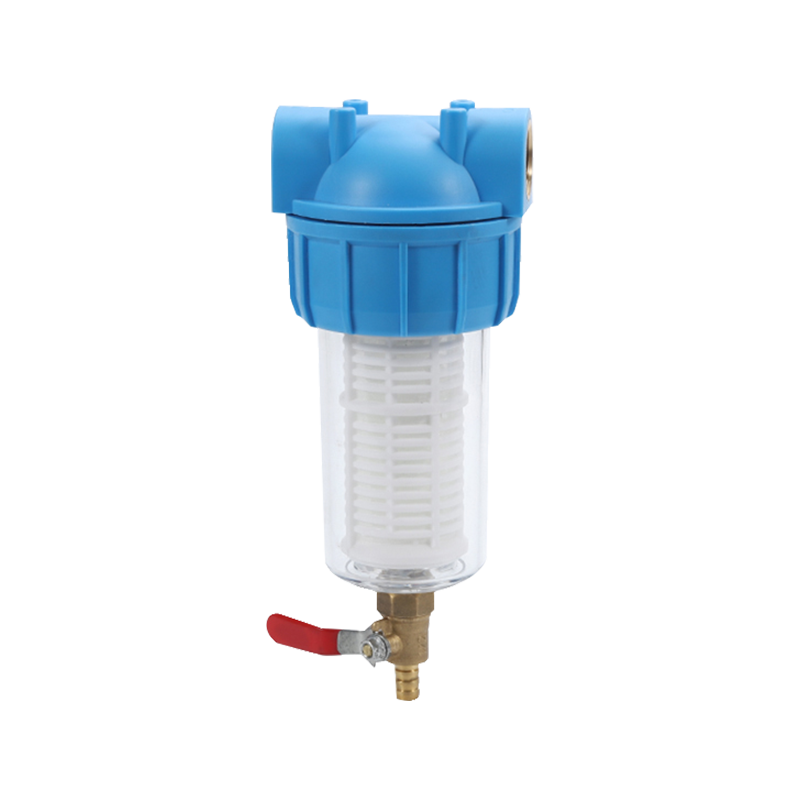
RH-06J5BSingle Water Filter with copper recoil valve is characterized by its efficient filtration system, which can effectively remove impurities, suspended matter, residual chlorine, odor and some ha...
See Details -
 >
>
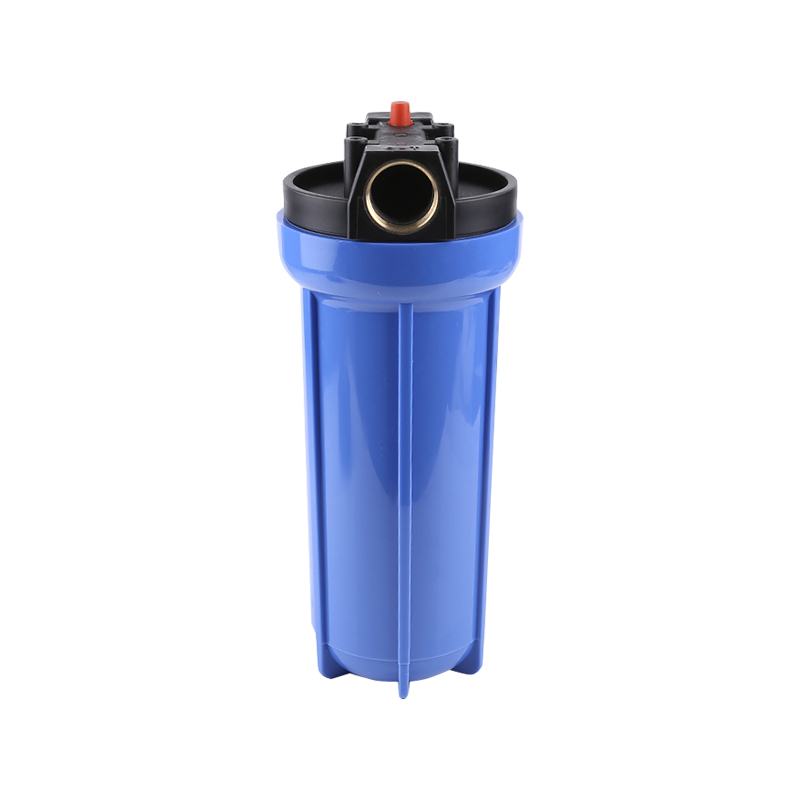
1. Single Water Filter(15BAR).2. 10" PET bottle+black cap, 3/4"brass thread.3. With 10" PP 70g filter cartridge.4. Color box packing.5. Components: wrench+plastic hanging board+screw.
See Details -
 >
>
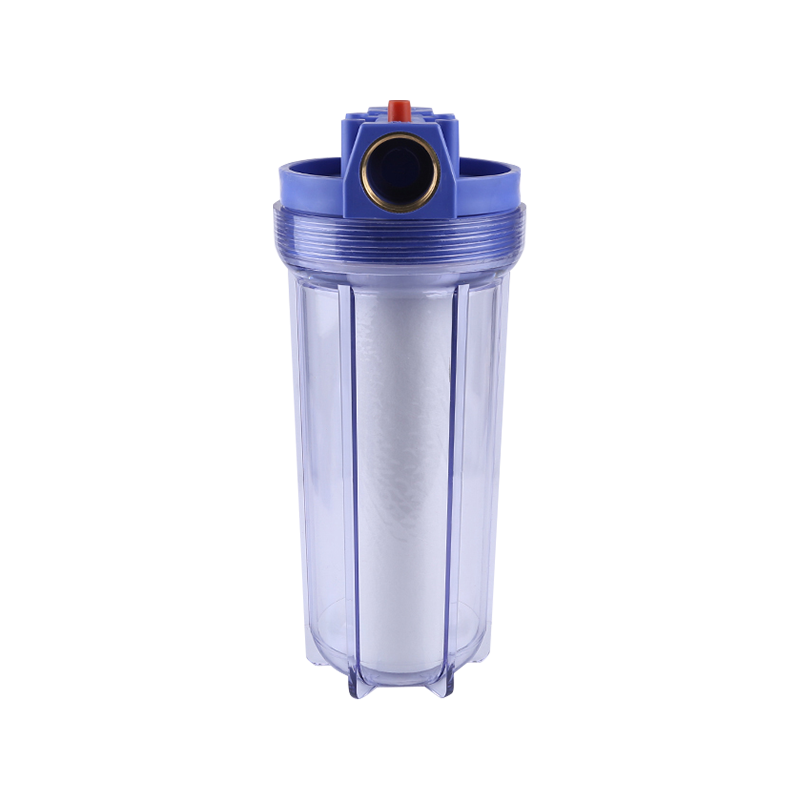
1. Single Water Filter(15BAR); 2. 10" PET bottle+blue cap,3/4"brass thread.3. With 10" PP 70g filtercartridge.4. Color box Packing. 5. Components: wrench+plastic hanging board+screw.
See Details -
 >
>
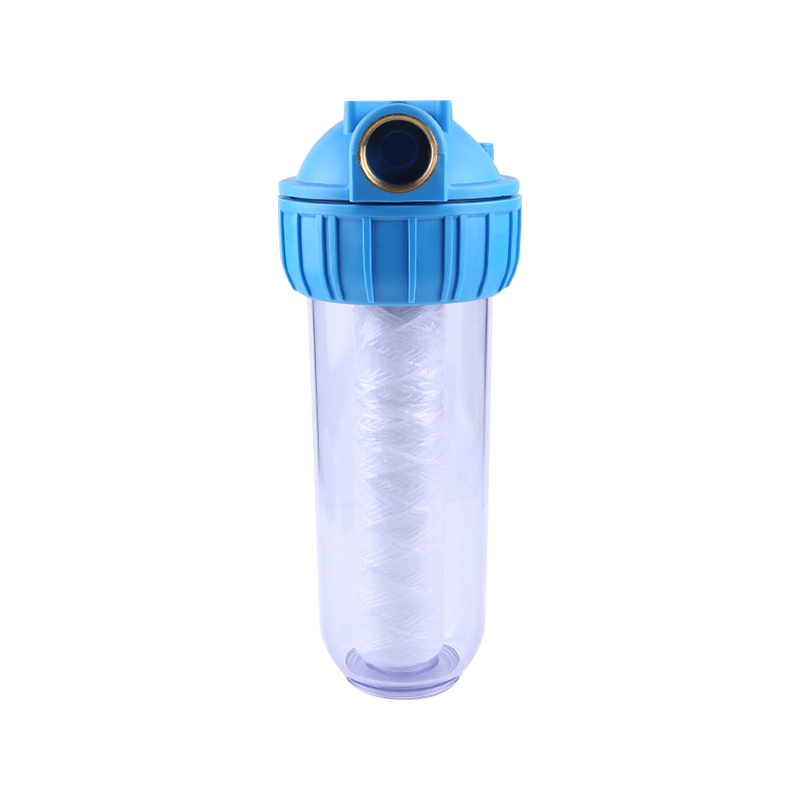
1. Single Water Filter(15BAR).2. 10" PET bottle+blue cap,3/4"brass thread.3. With 10" pp 70g cartridge. 4. Color box Packing. 5. Components: wrench+plastic hanging board+screw.
See Details -
 >
>
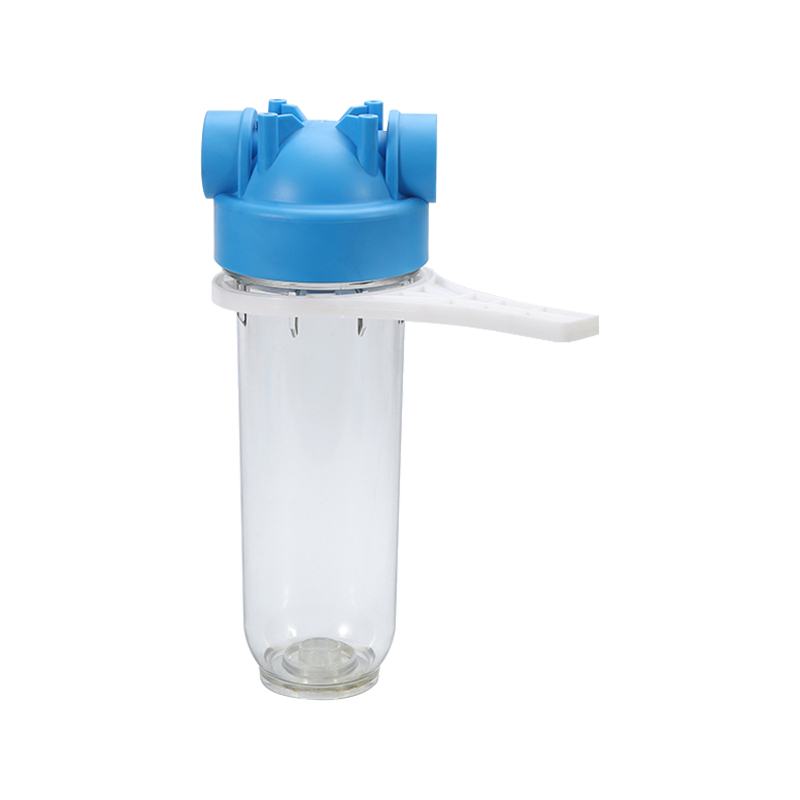
1. Single Water Filter(15BAR).2. 10" PET bottle+blue cap,3/4"brass thread.3. With 10" PP 70g filter cartridge.4. Color box Packing.5. Components: wrench+plastic hanging board+screw.
See Details -
 >
>
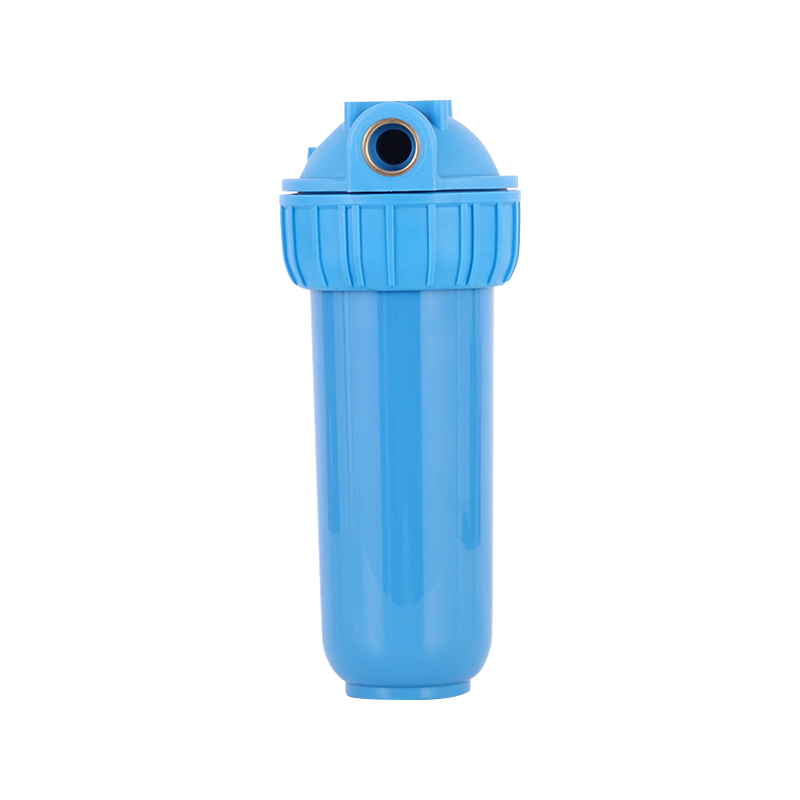
1. Single Water Filter(15BAR).2. 10" PET blue bottle+blue cap,3/4"brass thread.3. With 10" pp 70g cartridge. 4. Color box Packing. 5. Components: wrench+plastic hanging board.
See Details -
 >
>
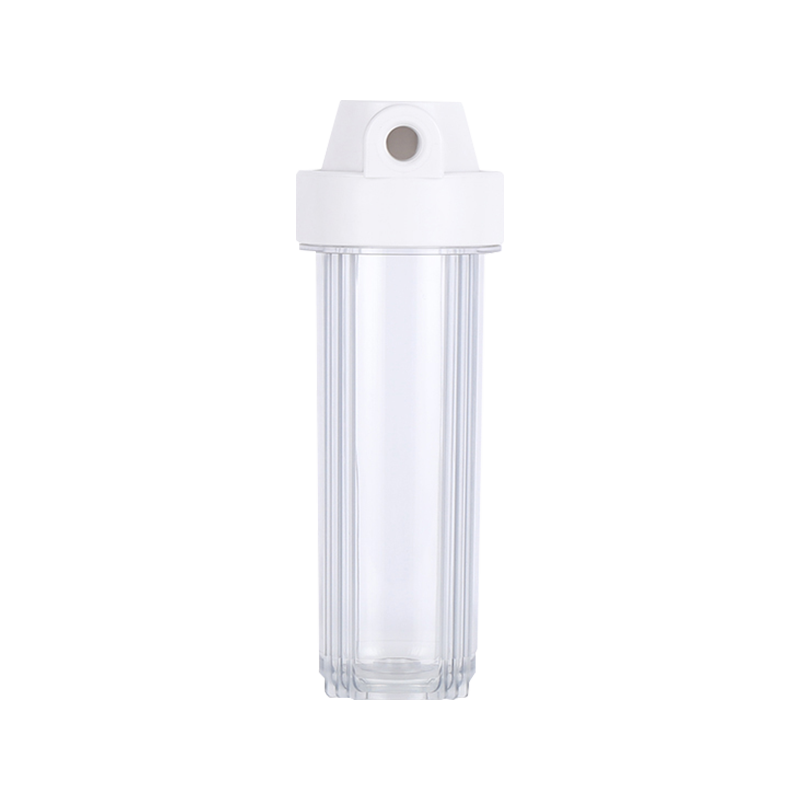
1. Single Water Filter(15BAR).2. 10" PET transparent bottle+white cap,1/4"brass thread.3. With 10" pp 70g cartridge. 4. Color box Packing.
See Details

If you are interested in our products, please consult us
Ningbo Yaorui Water Purification Technology Co., LTD. All Rights Reserved.
Wholesale Household Water Purifier Manufacturers
