 English
 русский
 Español
 عربى
عربى 中文简体
中文简体
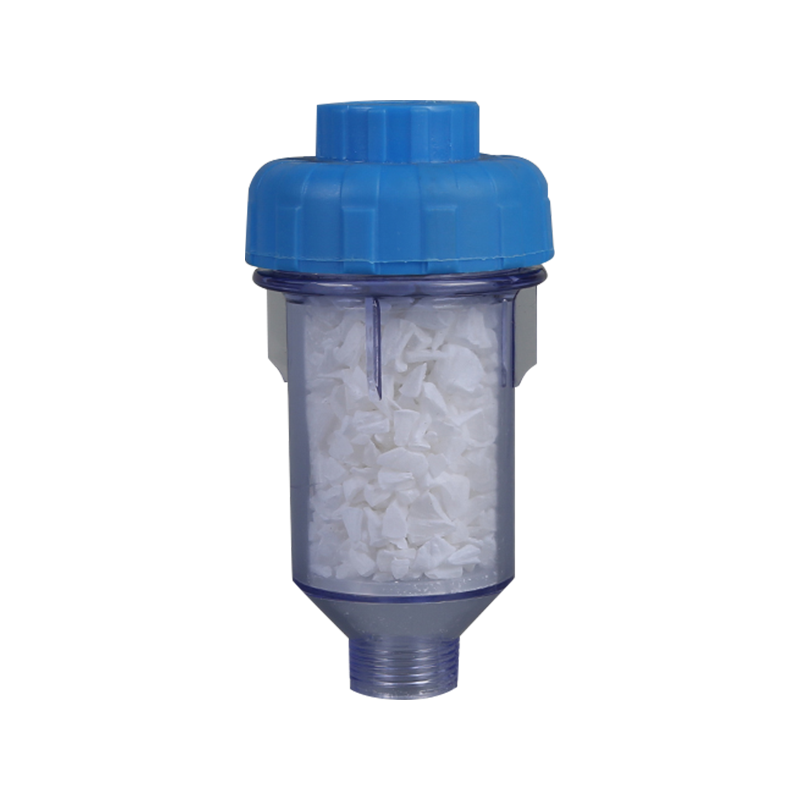 >
>The core highlight of this filter is its built-in silicone sheet filter layer. As a high-performance elastic material, silicone has high-temperature resistance, aging resistance, corrosion resistance,...
See Details [email protected]
 +86-18368206374
 No.99,Yuma Road,Mazhu Town,Yuyao City,Zhejiang Province,China.
What Factors Should You Consider When Comparing Water Filters?
Industry News-Content
- 1 The Short Answer: What Matters Most When Comparing Water Filters
- 2 What Filters Water? Understanding the Core Technologies
- 3 Factor 1: Identify What's Actually in Your Water
- 4 Factor 2: Certifications — The Most Reliable Way to Verify Performance
- 5 Factor 3: Types of Home Water Filtration Systems and Which Fits Your Needs
- 6 Factor 4: How to Choose a Whole House Water Filter
- 7 Factor 5: Filter Lifespan, Flow Rate, and Maintenance Costs
- 8 Brand Spotlight: Evaluating ZeroWater on PFAS Removal
- 9 Brand Spotlight: Evaluating PUR on Product Comparisons
- 10 Which Filter Is Best for Taste? Comparing Common Options
- 11 Water Filter Comparison Chart: Quick Reference
- 12 Step-by-Step: How to Choose a Water Filter System for Your Home
- 13 Final Takeaways
The Short Answer: What Matters Most When Comparing Water Filters
If you only have time to remember a handful of points, here they are. The most important factors to consider when comparing water filters are: (1) what contaminants are actually in your water, (2) the filtration technology used (activated carbon, reverse osmosis, ion exchange, or distillation), (3) certification by independent bodies like NSF/ANSI, (4) flow rate and filter lifespan, (5) ongoing cost per gallon, and (6) whether the system fits your household's water usage — point-of-use (pitcher or faucet) versus whole-house systems.
For most households drinking municipal tap water, a certified activated carbon pitcher or faucet filter (such as those from ZeroWater, PUR, or Brita) is sufficient for chlorine taste, sediment, and many organic contaminants. If your concern is PFAS ("forever chemicals"), lead, or fluoride, you'll need a system specifically certified for those — reverse osmosis (RO) units are currently the most effective home water filtration system for removing the widest range of contaminants, including PFAS, when paired with a proper carbon pre-filter.
For whole-home concerns — hard water, sediment, chlorine smell affecting every tap — a whole house water filter installed at the main water line is the better choice, often combined with a water softener for hardness issues.
Now let's break down each factor in detail, with comparison data, brand evaluations, and a decision framework so you can confidently choose the right system for your home.
What Filters Water? Understanding the Core Technologies
Before comparing specific products, it helps to understand what filters water at a mechanical and chemical level. Most consumer water filters rely on one or a combination of the following technologies:
Activated Carbon Filtration
Activated carbon works through adsorption — contaminants chemically bind to the carbon's porous surface as water passes through. This is the most common technology in pitchers, faucet filters, and refrigerator filters. It's highly effective at removing chlorine, chloramine, volatile organic compounds (VOCs), and improving taste and odor. However, standard carbon filters are less effective at removing dissolved minerals, salts, fluoride, or many heavy metals unless specifically enhanced.
Reverse Osmosis (RO)
RO systems force water through a semi-permeable membrane with pores small enough to block dissolved salts, heavy metals (lead, arsenic), fluoride, nitrates, and PFAS. RO is widely regarded as the most effective home water filtration system for comprehensive contaminant removal, typically removing 90-99% of total dissolved solids. The tradeoff is wastewater production (older systems waste 3-4 gallons per gallon produced, though newer tankless models have improved this to roughly 1.5:1) and the need for periodic membrane replacement.
Ion Exchange
Ion exchange resins swap unwanted ions (like calcium and magnesium in hard water, or lead) for sodium or hydrogen ions. This is the core technology behind water softeners and also used in some pitcher filters (like ZeroWater) to reduce total dissolved solids dramatically.
UV Purification
UV light neutralizes bacteria, viruses, and other microorganisms by disrupting their DNA. It doesn't remove chemical contaminants or particulates, so it's typically used as a supplementary step alongside carbon or RO filtration — common in well-water systems.
Distillation
Distillation boils water and recondenses the steam, leaving behind minerals, heavy metals, and most contaminants. It's extremely thorough but slow, energy-intensive, and removes beneficial minerals along with contaminants — making it less popular for everyday home use compared to RO.
Factor 1: Identify What's Actually in Your Water
The single most overlooked step when figuring out how to choose a water filtration system is testing your water before buying anything. A filter that's excellent at removing chlorine taste won't help if your real problem is lead from old pipes or arsenic from a private well.
Here's how to find out what's in your water:
- Request your municipality's annual Consumer Confidence Report (CCR), which lists detected contaminants and their levels compared to EPA limits.
- For well water, get a certified lab test — municipal CCRs won't apply to you, and well water can vary significantly in hardness, bacteria, nitrates, and heavy metals.
- Use an at-home test kit for a quick baseline check on pH, hardness, chlorine, and common metals — useful as a screening tool, though less precise than lab analysis.
- Check the EPA's Safe Drinking Water Information System (SDWIS) database online for violation history in your area.
Once you know your specific contaminants, you can match them against a filter's certified contaminant reduction list — this is the foundation of any solid water guide for home filtration decisions.
Factor 2: Certifications — The Most Reliable Way to Verify Performance
Marketing claims on water filter packaging can be vague or misleading. The most trustworthy way to evaluate what makes a good water filter is independent third-party certification. The key standards to look for are:
| Certification | What It Verifies | Common Application |
|---|---|---|
| NSF/ANSI 42 | Aesthetic effects: chlorine, taste, odor | Most carbon filters |
| NSF/ANSI 53 | Health effects: lead, VOCs, cysts | Premium pitcher/faucet filters |
| NSF/ANSI 58 | Reverse osmosis system performance | Under-sink RO systems |
| NSF/ANSI 401 | Emerging contaminants, including some PFAS | Newer high-end filters |
| NSF/ANSI P473 | PFOA/PFOS reduction specifically | PFAS-focused filters |
When comparing products, always check the manufacturer's certification documentation against the specific standard number — a filter certified to NSF/ANSI 42 only addresses taste and odor, not health-related contaminants like lead or PFAS, even if the marketing language sounds reassuring.
Factor 3: Types of Home Water Filtration Systems and Which Fits Your Needs
There are several broad categories of types of home water filtration systems, each suited to different needs, budgets, and installation complexities. Understanding the types of water filter for home use helps narrow down your options quickly.
Pitcher and Dispenser Filters
These are the most affordable and accessible entry point, typically using activated carbon (sometimes combined with ion exchange). They require no installation, fit in a refrigerator, and cost $20-$60 for the pitcher plus $5-$10 per replacement filter. They're a solid choice for renters or anyone wanting a simple water filter for drinking tap water without plumbing changes.
Faucet-Mounted Filters
These attach directly to your faucet, filtering water on demand with a flip switch. They're convenient for households that want filtered water for cooking and drinking without committing to a pitcher's refill routine, typically costing $20-$40 with filters lasting 2-3 months.
Under-Sink Filters and RO Systems
Installed beneath the kitchen sink with a dedicated tap, these range from simple single-stage carbon units ($50-$150) to multi-stage RO systems ($150-$500+). RO under-sink units offer the most thorough filtration available for point-of-use applications.
Whole House (Point-of-Entry) Systems
Installed where the main water line enters your home, these treat all water used in the house — for drinking, bathing, laundry, and appliances. They're essential if you're dealing with sediment, chlorine odor throughout the home, or hard water affecting pipes and appliances.
Countertop Filters
These sit on the counter and connect to the faucet via a hose, offering higher filtration capacity than pitchers without permanent installation — a middle ground for renters wanting more robust filtration.
Factor 4: How to Choose a Whole House Water Filter
If your water issues affect every faucet — strong chlorine smell, sediment, scale buildup on fixtures, or skin/hair dryness from hard water — a point-of-entry system is worth the investment. Here's how to choose whole house water filter systems specifically:
- Flow rate compatibility: Whole house systems must handle your home's peak water demand, typically measured in gallons per minute (GPM). Undersized systems cause noticeable pressure drops when multiple fixtures run simultaneously — most homes need 10-15 GPM capacity.
- Sediment pre-filtration: A sediment filter (typically 5-micron) protects downstream components and should be the first stage in any whole-house setup.
- Carbon stage for chlorine/chloramine: A large-volume carbon tank or cartridge addresses taste, odor, and many organic compounds across the whole home.
- Separate water softener if needed: Whole house filters address contaminants and chlorine, but hardness (calcium/magnesium) requires a dedicated ion-exchange softener — these are often paired but sold separately.
- Professional installation considerations: Whole house systems tie into your main plumbing line and typically require a bypass valve, pressure gauges, and proper sizing — many homeowners hire a licensed plumber for installation, adding $200-$500 to the total cost.
Factor 5: Filter Lifespan, Flow Rate, and Maintenance Costs
The upfront price of a water filter is often a small part of the total cost of ownership. Filter replacement frequency and cost per gallon matter much more over time. Here's a comparison of typical ongoing costs across system types:
| System Type | Filter Lifespan | Approx. Cost per Filter | Est. Annual Cost |
|---|---|---|---|
| Pitcher (carbon) | ~40 gallons / 2 months | $6-$10 | $36-$60 |
| Pitcher (ion exchange, e.g. ZeroWater) | ~20-25 gallons / 4-6 weeks | $10-$15 | $80-$130 |
| Faucet-mounted | ~100 gallons / 2-3 months | $15-$20 | $60-$80 |
| Under-sink RO (multi-stage) | 6-12 months per stage | $15-$40 per stage | $80-$150 |
| Whole house | 3-6 months (sediment), 6-12 months (carbon) | $20-$60 per cartridge | $80-$200 |
Notice that ion-exchange pitchers like ZeroWater have a significantly higher annual cost than standard carbon pitchers — this is the tradeoff for their much more aggressive reduction of total dissolved solids (TDS).
Brand Spotlight: Evaluating ZeroWater on PFAS Removal
A common question when researching pitcher filters is how to evaluate the water filtration company ZeroWater on PFAS reduction. ZeroWater's pitchers use a 5-stage ion-exchange and carbon filtration system designed to reduce total dissolved solids to near zero, which the brand demonstrates using an included TDS meter.
On PFAS specifically, ZeroWater has pursued NSF/ANSI 53 and P473 certification for select filter models, which test for reduction of PFOA and PFOS — two of the most studied "forever chemicals." Independent testing and the company's own certification documentation indicate meaningful reduction of these compounds when filters are fresh and within their rated capacity.
A few practical considerations when evaluating ZeroWater for PFAS:
- Check that the specific model and filter you're purchasing carries the P473 or relevant NSF certification — not all ZeroWater products are certified to the same standards, and certifications can change between product generations.
- PFAS reduction performance tends to decline as the filter approaches the end of its rated capacity — ZeroWater's shorter filter lifespan (around 20-25 gallons) compared to standard carbon filters is partly a function of its more aggressive ion-exchange media, but it also means more frequent replacement is necessary to maintain PFAS reduction performance.
- The TDS meter included with ZeroWater pitchers measures dissolved solids, not PFAS directly — a low TDS reading doesn't guarantee PFAS-free water, so certification documentation remains the more reliable indicator for PFAS specifically.
Overall, ZeroWater represents a reasonable budget-friendly option for households concerned about PFAS in tap water, provided filters are replaced on schedule and the specific model's certifications are verified — though under-sink RO systems generally offer more consistent PFAS reduction over longer filter intervals.
Brand Spotlight: Evaluating PUR on Product Comparisons
When you evaluate the water filtration company PUR on product comparisons, the brand's lineup spans pitchers, dispensers, faucet-mount filters, and under-sink systems, primarily using activated carbon with some models incorporating ion exchange for lead reduction.
PUR's faucet-mount filters are certified to NSF/ANSI 42 and 53 for many models, covering both taste/odor (chlorine) and health-related contaminants like lead. This dual certification is notable because many budget pitcher filters only achieve NSF 42 certification, leaving lead reduction unaddressed.
| PUR Product Line | Typical Certifications | Best For |
|---|---|---|
| Pitcher/Dispenser | NSF 42, some NSF 53 | Everyday taste improvement, light lead reduction |
| Faucet Filtration System | NSF 42, 53, 401 | Households wanting on-demand filtered water with lead/VOC protection |
| Under-sink Filtration | NSF 42, 53 | Higher capacity, less frequent changes |
When comparing PUR products against competitors, the key differentiator is that PUR's faucet-mount line generally offers broader certified contaminant reduction (including lead) at a lower price point than comparable pitcher filters from other brands that only cover taste and odor. However, PUR's filters do not currently carry PFAS-specific certifications comparable to NSF P473, so households specifically concerned about PFAS should look elsewhere or supplement with an RO system.
Which Filter Is Best for Taste? Comparing Common Options
If your main goal is improving the taste of tap water — removing chlorine flavor and odor — the best water filter for taste is generally an activated carbon system, since carbon specifically targets the compounds responsible for chlorine and chloramine taste/smell.
- Standard carbon pitchers (Brita, PUR pitchers) noticeably reduce chlorine taste within seconds of filtering and are the most cost-effective option for taste improvement alone.
- Ion-exchange pitchers (ZeroWater) go further by also removing dissolved minerals that contribute to a "heavy" or mineral taste — some users describe ZeroWater-filtered water as tasting "cleaner" or closer to bottled water, though this is subjective and some prefer the taste of water with some mineral content.
- RO systems produce the most neutral-tasting water by removing nearly all dissolved solids, which is why RO water is often used as the base for bottled water and beverages — though some people add a remineralization stage afterward for taste preference.
For most households, a simple carbon pitcher addresses 90% of taste complaints related to chlorine, making it the most practical starting point before investing in more elaborate systems.
Water Filter Comparison Chart: Quick Reference
Use this water filter comparison chart as a quick reference when weighing your options across the most common decision criteria:
| Criteria | Pitcher (Carbon) | Pitcher (Ion Exchange) | Under-Sink RO | Whole House |
|---|---|---|---|---|
| Upfront Cost | Low | Low-Medium | Medium-High | High |
| Installation | None | None | Moderate (DIY possible) | Professional recommended |
| PFAS Reduction | Limited | Good (if certified) | Excellent | Varies by media |
| Lead Reduction | Varies (check NSF 53) | Good | Excellent | Possible with media addition |
| Coverage | Single pitcher | Single pitcher | Single tap | Entire home |
| Best For | Taste improvement, renters | TDS reduction, PFAS concerns on a budget | Comprehensive drinking water treatment | Sediment, chlorine, hardness affecting whole home |
Step-by-Step: How to Choose a Water Filter System for Your Home
Bringing everything together, here's a practical step-by-step process for how to choose a water filter system that actually fits your household:
- Test your water first. Get your municipal CCR or a lab test for well water to identify specific contaminants of concern.
- Decide on scope: whole-home vs. drinking water only. Hardness, sediment, and whole-house chlorine odor point toward a point-of-entry system; concerns limited to drinking/cooking water point toward point-of-use options.
- Match technology to your specific contaminants. Use the certification tables above — don't assume a filter handles a contaminant unless it's specifically certified for it.
- Factor in household size and usage. A family of five will burn through pitcher filters far faster than a single person, which may tip the cost-benefit calculation toward a higher-capacity under-sink or whole-house system.
- Calculate total annual cost, not just upfront price. Use the maintenance cost table above to compare realistic long-term spending.
- Consider installation requirements and your living situation. Renters generally benefit from non-permanent solutions like pitchers, faucet filters, or countertop units.
- Set a maintenance reminder. Filters lose effectiveness past their rated capacity — set calendar reminders for replacement to ensure continued performance, especially for health-related contaminants like lead and PFAS.
Following this process is the most reliable water guide for home filtration decisions, helping you avoid both overspending on unnecessary features and underprotecting against contaminants that genuinely matter for your water source.
Final Takeaways
When comparing water filters, the factors that matter most are grounded in your specific water quality, not generic marketing claims. Test your water, verify certifications against the specific contaminants you care about, and calculate total cost of ownership rather than focusing only on the purchase price.
For everyday taste improvement and basic protection, a certified carbon pitcher or faucet filter (PUR, Brita) is sufficient and affordable. For households concerned about PFAS, lead, or other dissolved contaminants on a budget, ZeroWater's ion-exchange pitchers offer meaningful reduction provided filters are replaced on schedule and certifications are verified for your specific model. For the most thorough protection, an under-sink RO system remains the gold standard. And for whole-home issues like hardness, sediment, or chlorine odor at every tap, a point-of-entry whole house system — often paired with a water softener — is the appropriate investment.
There's no single "best" filter for everyone — the right choice depends entirely on what's in your water and what you're trying to remove.
Related products
-
 >
>
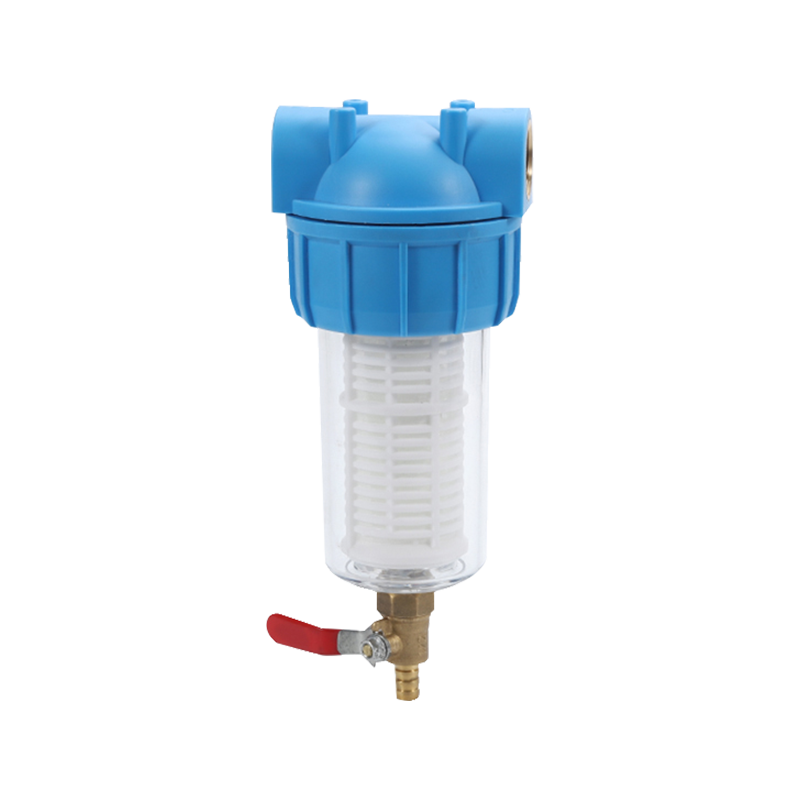
RH-06J5BSingle Water Filter with copper recoil valve is characterized by its efficient filtration system, which can effectively remove impurities, suspended matter, residual chlorine, odor and some ha...
See Details -
 >
>
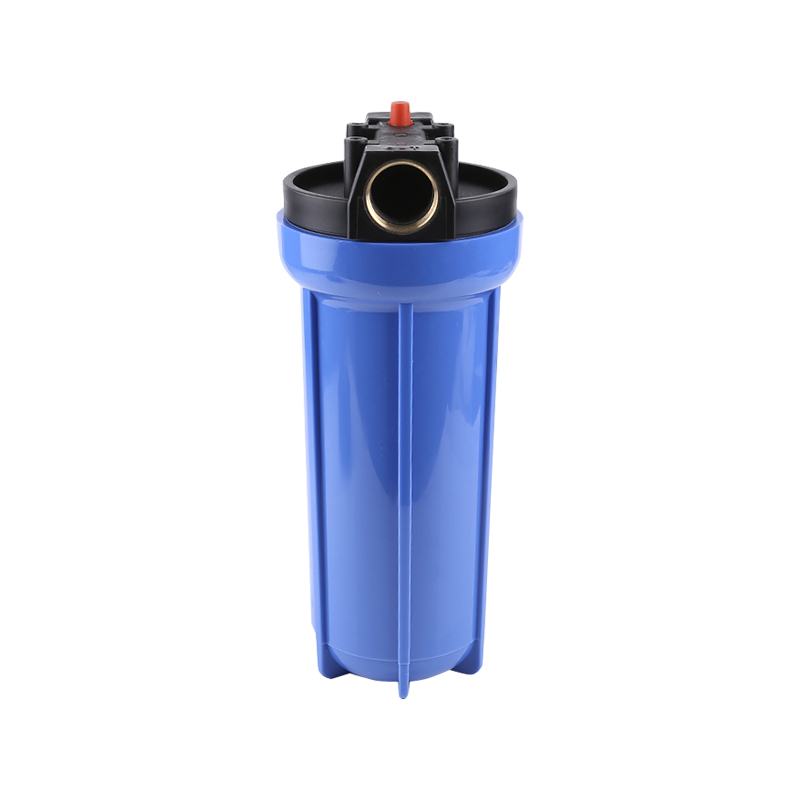
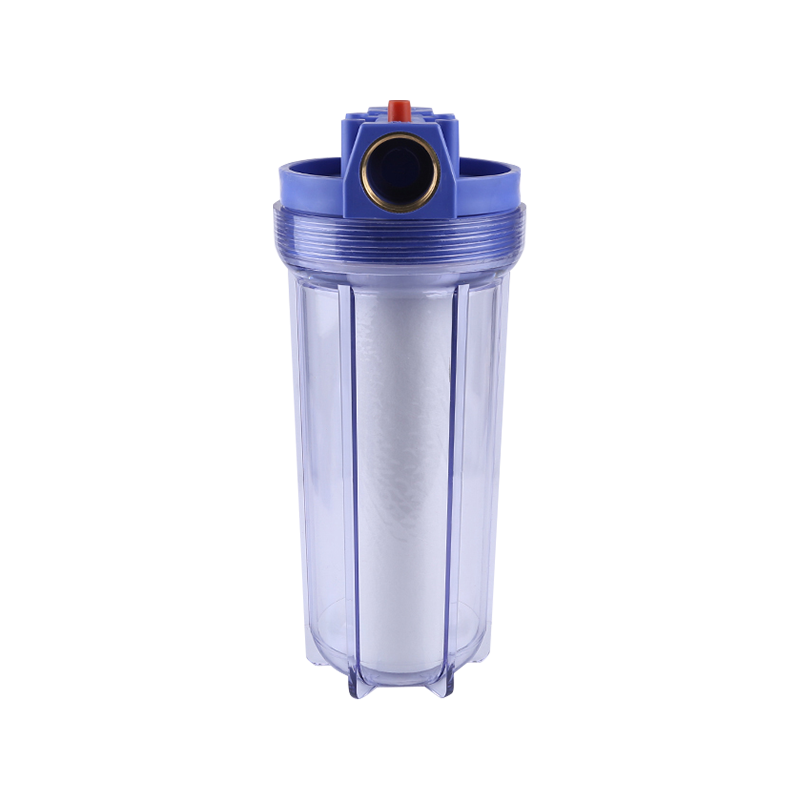
1. Single Water Filter(15BAR).2. 10" PET bottle+black cap, 3/4"brass thread.3. With 10" PP 70g filter cartridge.4. Color box packing.5. Components: wrench+plastic hanging board+screw.
See Details -
 >
>
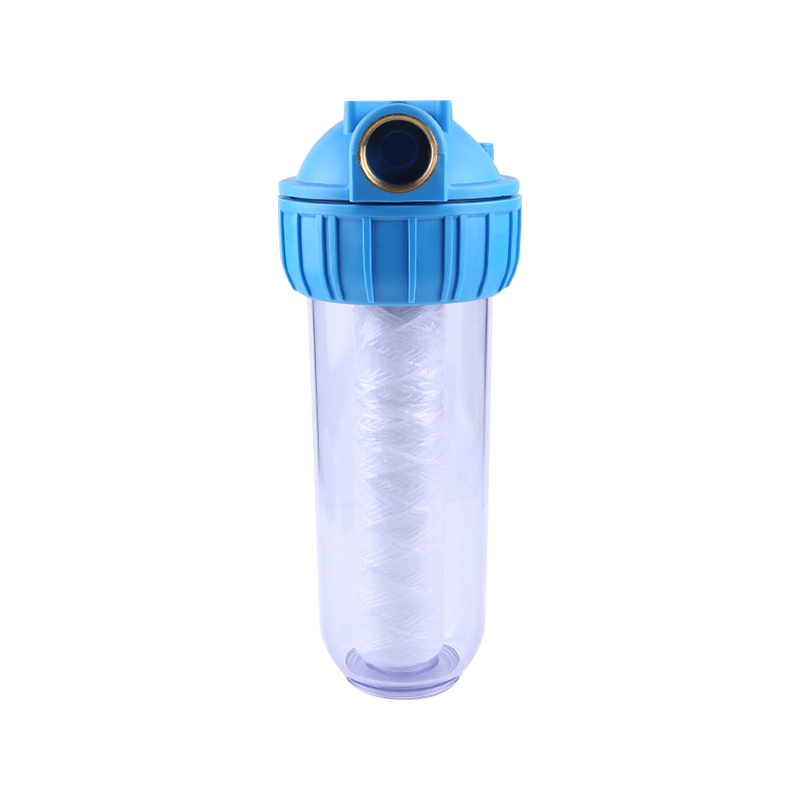
1. Single Water Filter(15BAR); 2. 10" PET bottle+blue cap,3/4"brass thread.3. With 10" PP 70g filtercartridge.4. Color box Packing. 5. Components: wrench+plastic hanging board+screw.
See Details -
 >
>
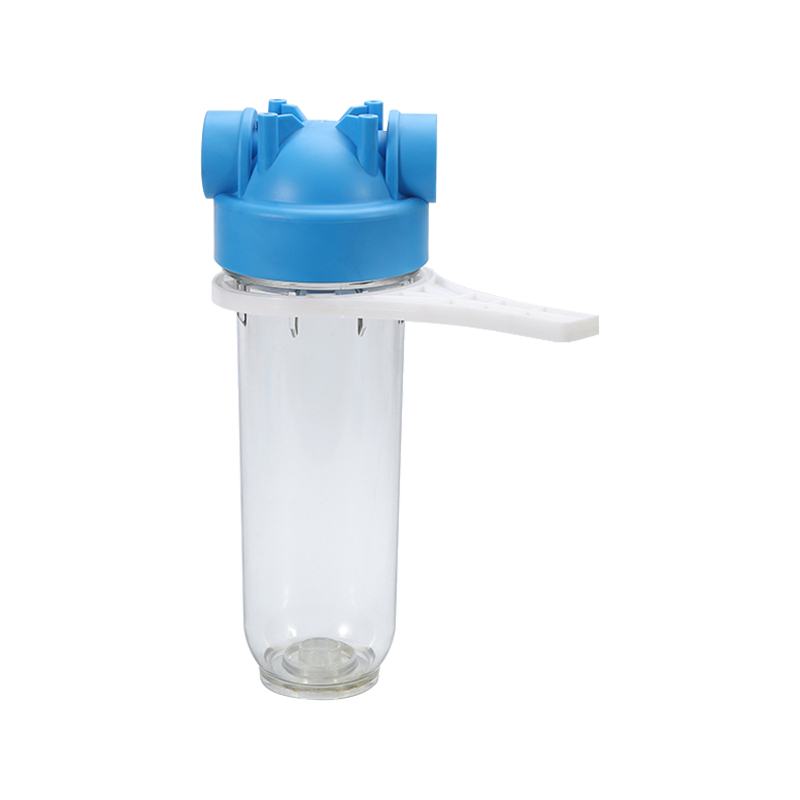
1. Single Water Filter(15BAR).2. 10" PET bottle+blue cap,3/4"brass thread.3. With 10" pp 70g cartridge. 4. Color box Packing. 5. Components: wrench+plastic hanging board+screw.
See Details -
 >
>
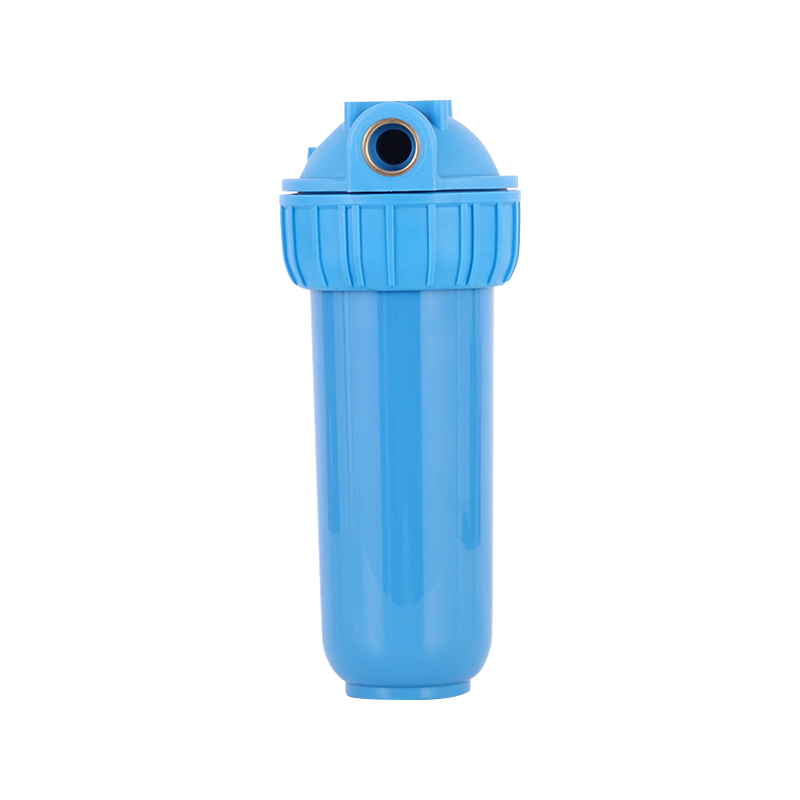
1. Single Water Filter(15BAR).2. 10" PET bottle+blue cap,3/4"brass thread.3. With 10" PP 70g filter cartridge.4. Color box Packing.5. Components: wrench+plastic hanging board+screw.
See Details -
 >
>
1. Single Water Filter(15BAR).2. 10" PET blue bottle+blue cap,3/4"brass thread.3. With 10" pp 70g cartridge. 4. Color box Packing. 5. Components: wrench+plastic hanging board.
See Details -
 >
>
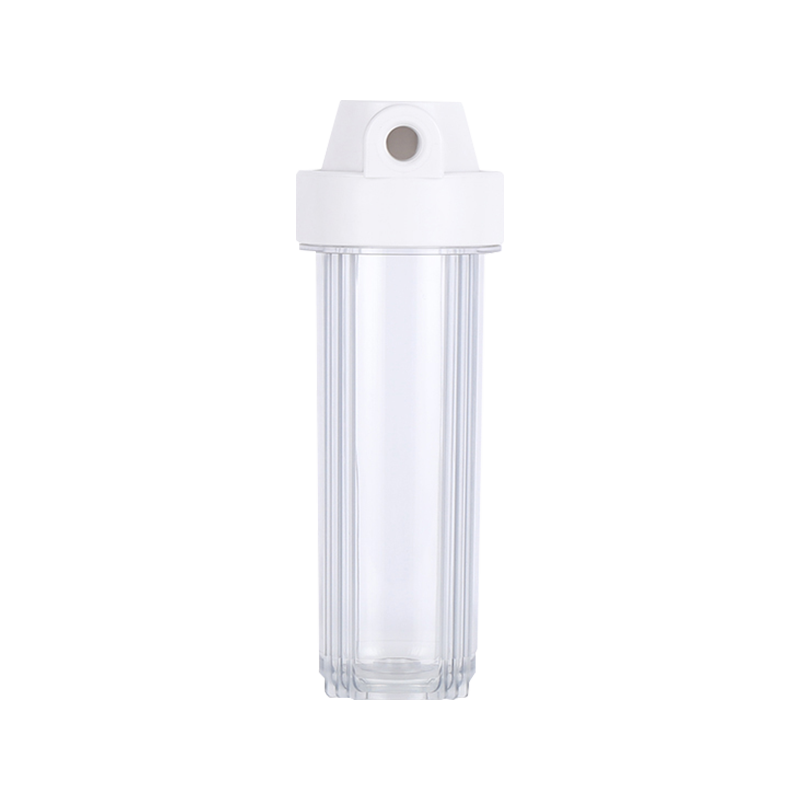
1. Single Water Filter(15BAR).2. 10" PET transparent bottle+white cap,1/4"brass thread.3. With 10" pp 70g cartridge. 4. Color box Packing.
See Details

If you are interested in our products, please consult us
Ningbo Yaorui Water Purification Technology Co., LTD. All Rights Reserved.
Wholesale Household Water Purifier Manufacturers
