 English
 русский
 Español
 عربى
عربى 中文简体
中文简体
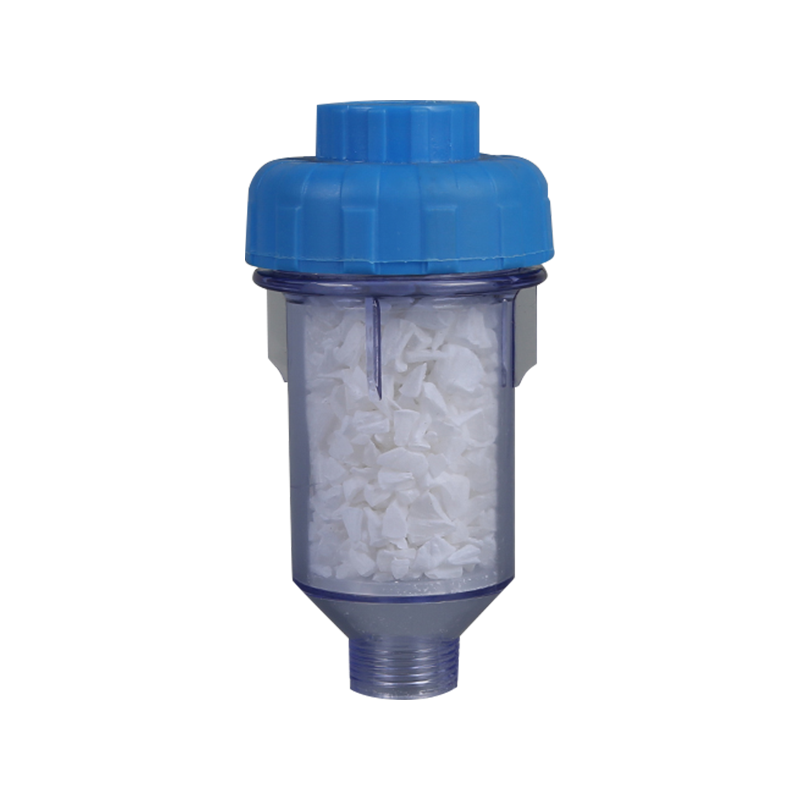 >
>The core highlight of this filter is its built-in silicone sheet filter layer. As a high-performance elastic material, silicone has high-temperature resistance, aging resistance, corrosion resistance,...
See Details [email protected]
 +86-18368206374
 No.99,Yuma Road,Mazhu Town,Yuyao City,Zhejiang Province,China.
How Do You Know When It Is Time to Replace Water Filter Parts?
Industry News-Content
- 1 Why Timely Replacement of Water Filter Parts Matters
- 2 Warning Sign 1 — Noticeably Reduced Water Flow Rate
- 3 Warning Sign 2 — Changes in Taste or Odor
- 4 Warning Sign 3 — Visible Changes in Water Appearance
- 5 Warning Sign 4 — Filter Life Indicators and Electronic Monitors
- 6 Manufacturer Replacement Intervals by Filter Part Type
- 7 How Water Quality in Your Area Affects Replacement Frequency
- 8 How to Inspect Water Filter Parts During Cartridge Changes
- 9 Special Considerations for UV Lamp Replacement
- 10 Building a Replacement Schedule That Works for Your System
You know it is time to replace water filter parts when you notice a combination of warning signs including reduced water flow, changes in taste or odor, visible discoloration, filter indicator alerts, or when replacement intervals recommended by the manufacturer have been reached — whichever comes first. Waiting until water quality visibly deteriorates is too late in most cases, because a saturated or damaged filter part can allow contaminants to pass through long before you can taste or smell them. Replacing parts on a proactive schedule, backed by awareness of the specific warning signs for each component, is the only reliable way to ensure continuous protection for your household or facility.
Why Timely Replacement of Water Filter Parts Matters
A water filter system is only as effective as its weakest component. Each part — from the sediment pre-filter to the membrane, activated carbon block, and O-ring seals — has a finite service life determined by the volume of water processed, the concentration of contaminants in your source water, and operating conditions such as water pressure and temperature.
When filter media becomes saturated, it loses its ability to adsorb contaminants and can begin releasing previously captured pollutants back into the filtered water — a process known as desorption or breakthrough. Studies on activated carbon filters have shown that a fully exhausted carbon block can allow chlorine, volatile organic compounds (VOCs), and other contaminants to pass through at concentrations equal to or higher than unfiltered source water. This makes timely replacement a health issue, not just a performance issue.
Warning Sign 1 — Noticeably Reduced Water Flow Rate
A significant and progressive drop in water flow rate from your filtered water outlet is one of the earliest and most reliable indicators that one or more filter parts need attention. Flow reduction occurs because filter media — particularly sediment filters and carbon block cartridges — become physically clogged with captured particles over time, increasing resistance to water flow.
What Reduced Flow Indicates by Filter Type
- Sediment pre-filter: A heavily loaded sediment cartridge is the most common cause of flow reduction in multi-stage systems. When the pre-filter is clogged with rust, sand, or silt particles, the entire system downstream is starved of adequate inlet pressure. If flow has dropped by more than 30–40% from normal, the sediment cartridge almost certainly needs replacement.
- Carbon block cartridge: Dense carbon block filters gradually restrict flow as pores fill with adsorbed contaminants and particulates. A carbon block that has reached end of life will often reduce flow to a trickle before chemical breakthrough occurs — flow reduction is therefore a useful early indicator.
- Reverse osmosis (RO) membrane: Slow RO production rate — taking significantly longer than normal to fill the storage tank — can indicate a fouled or scaling membrane that needs replacement or cleaning.
- RO storage tank bladder: If flow from the RO faucet starts strong then drops to a trickle within seconds, the storage tank bladder may have failed, leaving the tank waterlogged and unable to maintain adequate pressure.
To quantify flow reduction objectively, measure how long it takes to fill a 1-liter container from your filter outlet when the system was new, and repeat the test periodically. A doubling of fill time — for example, from 10 seconds to 20 seconds — indicates a 50% flow reduction that warrants immediate cartridge inspection.
Warning Sign 2 — Changes in Taste or Odor
Any detectable change in the taste or smell of your filtered water — particularly the return of a chlorine taste, a musty or earthy odor, or a metallic flavor — is a strong signal that filter media has reached or passed its effective service life. Taste and odor changes should always be treated as an urgent replacement indicator, not a minor inconvenience, because they indicate that contaminants are actively passing through the filter into your drinking water.
Taste and Odor Symptoms Matched to Filter Parts
| Symptom | Likely Cause | Part to Replace |
|---|---|---|
| Chlorine taste or smell returns | Activated carbon media exhausted | Carbon block or GAC cartridge |
| Musty, earthy, or moldy odor | Bacterial growth in carbon media or housing | Carbon cartridge + sanitize housing |
| Metallic or bitter taste | RO membrane fouled or failed; heavy metals passing through | RO membrane |
| Rotten egg (sulfur) smell | Hydrogen sulfide passing through exhausted media | Carbon cartridge or KDF media cartridge |
| Salty or brackish taste | RO membrane rejection rate declining | RO membrane |
| Plastic or chemical taste in new system | New filter media not fully flushed | Flush 2–3 full tank cycles before use |
Warning Sign 3 — Visible Changes in Water Appearance
Filtered water should always be visually clear and colorless. Any visible change in water appearance is an immediate red flag that a filter part has failed or been bypassed. Never consume water that appears discolored, cloudy, or contains visible particles — have the system inspected and the relevant parts replaced before resuming use.
- Black particles or specks: Often indicate that activated carbon granules are breaking down and shedding from a granular activated carbon (GAC) cartridge. The cartridge has physically degraded and must be replaced immediately. A fine carbon particle screen or post-filter may also need inspection.
- Brown or rust-colored water: Indicates that the sediment pre-filter has failed or been bypassed, allowing iron or rust particles to pass downstream. Inspect and replace the sediment cartridge and check the filter housing O-ring for damage that could allow unfiltered water to bypass the cartridge.
- Milky or cloudy appearance: Temporary cloudiness immediately after filter replacement is normal — caused by dissolved air being released — and clears within minutes. Persistent cloudiness that does not clear suggests a bacterial contamination issue or a ruptured membrane in an RO system.
- White or chalky particles: Calcium carbonate scale flaking from a scaling RO membrane or from internal surfaces of a system with inadequate scale inhibition. Indicates the membrane or scale inhibitor dosing system needs attention.
Warning Sign 4 — Filter Life Indicators and Electronic Monitors
Many modern water filter systems include built-in filter life indicators — either simple time-based counters or more sophisticated volume-tracking monitors that measure actual water throughput. Never ignore or override a filter change alert — these indicators are calibrated to provide a safety margin before actual breakthrough occurs, meaning the filter is already approaching the end of its protective capacity when the alert triggers.
Types of Filter Monitoring Systems
- Time-based indicators: Count elapsed days since the last filter reset and alert at a predetermined interval (typically 6 or 12 months). Simple and reliable but do not account for actual water usage — a household using 50 liters per day will exhaust a carbon cartridge much faster than one using 10 liters per day. Time-based alerts are best treated as a maximum interval, not a fixed schedule.
- Volume-based flow meter monitors: Measure total water throughput using a flow sensor and trigger an alert when the rated cartridge capacity (e.g., 3,000 liters or 5,000 liters) has been reached. More accurate than time-based systems because they track actual filter loading. Found on under-sink systems, refrigerator filters, and commercial point-of-use units.
- TDS (Total Dissolved Solids) monitors: Inline TDS meters continuously measure the dissolved solids content of filtered water. In RO systems, a rising TDS reading indicates that the membrane's rejection rate is declining. A properly functioning RO system should reduce TDS by 90–98% — if measured rejection falls below 80%, the membrane needs replacement regardless of time or volume elapsed.
- Pressure differential gauges: Used in whole-house and commercial systems to measure the pressure drop across a filter cartridge. A rising pressure differential indicates increasing cartridge loading. When the differential exceeds the manufacturer's maximum recommended value — typically 0.5–1.0 bar (7–15 psi) — the cartridge should be replaced to prevent flow restriction and potential housing damage.
Manufacturer Replacement Intervals by Filter Part Type
Even without visible warning signs, each type of water filter part has a recommended maximum service life that should not be exceeded. The intervals below are standard industry guidelines — your actual replacement frequency may be shorter depending on water quality, usage volume, and local contaminant levels.
| Filter Part | Typical Replacement Interval | Capacity Rating | Key Replacement Trigger |
|---|---|---|---|
| Sediment pre-filter (5–20 micron) | 3 – 6 months | 2,000 – 5,000 L | Flow reduction; visible discoloration of cartridge |
| Activated carbon block cartridge | 6 – 12 months | 3,000 – 10,000 L | Return of chlorine taste or odor |
| Granular activated carbon (GAC) cartridge | 6 – 12 months | 3,000 – 8,000 L | Taste/odor change; black particle shedding |
| Reverse osmosis membrane | 2 – 5 years | 15,000 – 75,000 L | TDS rejection below 80%; slow production rate |
| RO post-carbon polishing filter | 12 months | 5,000 – 10,000 L | Taste change in RO product water |
| UV lamp | 12 months | Rated by operating hours (~8,000 hrs) | Annual replacement regardless of appearance |
| O-ring seals and gaskets | 1 – 2 years or at cartridge change | N/A | Visible cracking, flattening, or any leakage |
| RO storage tank bladder | 3 – 5 years | N/A | Flow drops to trickle within seconds of opening tap |
How Water Quality in Your Area Affects Replacement Frequency
Manufacturer replacement intervals are based on average water quality conditions. If your source water has higher-than-average contaminant concentrations, your filter parts will reach exhaustion faster than the standard schedule predicts — sometimes 2 to 3 times faster. Understanding your local water quality is essential for calibrating a realistic replacement schedule.
Factors That Accelerate Filter Part Exhaustion
- High sediment or turbidity: Well water or aging municipal infrastructure with high iron, sand, or rust content loads sediment cartridges rapidly. In high-sediment water supplies, sediment pre-filters may need replacement every 4–8 weeks rather than the standard 3–6 months.
- High chlorine or chloramine concentration: Municipal water systems that apply heavy chlorine or chloramine disinfection exhaust carbon media significantly faster. A carbon block rated for 10,000 liters in low-chlorine water may last only 5,000–6,000 liters in water with 2–3 ppm chlorine.
- High TDS and hardness: Hard water with high calcium and magnesium content causes scale buildup on RO membranes, reducing their effective lifespan from the typical 3–5 years to as little as 1–2 years without adequate scale pre-treatment.
- High organic contamination: Water with high levels of naturally occurring organic matter — common in surface water supplies and some rural well water systems — clogs and exhausts carbon media much faster than groundwater with low organic content.
Request a copy of your municipal water quality report (Consumer Confidence Report in the US) or commission an independent water test for well water to understand your specific contaminant load. This information directly determines whether you should follow standard replacement intervals or adopt a more frequent schedule.
How to Inspect Water Filter Parts During Cartridge Changes
Every cartridge change is an opportunity to inspect non-cartridge filter parts that are not replaced on a set schedule but do wear over time. Building a quick inspection routine into each cartridge replacement prevents leaks, bypasses, and premature system failures between scheduled service intervals.
Parts to Inspect at Each Cartridge Change
- O-rings and gaskets: Remove and visually inspect every O-ring for flattening, cracking, splitting, or surface hardening. An O-ring that has lost its round cross-section profile or shows any cracking should be replaced immediately — even a hairline crack in a filter housing O-ring can allow unfiltered water to bypass the cartridge entirely.
- Filter housing interior: Check for slime, biofilm, discoloration, or scale buildup on the inner walls of the housing. A thin, clear slime indicates early-stage biofilm growth that should be addressed by sanitizing the housing with a dilute food-grade sanitizer before installing the new cartridge.
- Cartridge seating surfaces: Confirm that the cartridge seats fully and squarely in its housing with no gaps or misalignment. A cartridge that does not seat correctly allows water to channel around it rather than through it, dramatically reducing filtration effectiveness even with a brand-new cartridge installed.
- Inlet and outlet fittings: Check push-fit or compression fittings for signs of weeping, mineral deposits (indicating past slow leaks), or cracking in plastic fittings. Replace any fitting that shows physical damage or has been difficult to seat securely in recent service cycles.
- Used cartridge condition: Examine the removed cartridge before discarding it. Heavy discoloration concentrated in one area rather than evenly distributed suggests channeling — water was bypassing part of the media rather than flowing evenly through the entire cartridge. This indicates either an O-ring failure or an incorrectly seated cartridge in the previous service cycle.
Special Considerations for UV Lamp Replacement
UV disinfection lamps require particular attention because they present a unique problem: a UV lamp can appear to be working — glowing visibly — while having lost the germicidal UV-C output needed to inactivate pathogens. The visible blue-white glow of a UV lamp is produced by the visible light spectrum, not the UV-C wavelength (254 nm) responsible for disinfection. As the lamp ages, UV-C output declines while visible light output remains relatively stable.
- Replace UV lamps annually regardless of appearance. Most UV lamps are rated for approximately 9,000 hours of continuous operation — just over 12 months of 24/7 use. After this period, UV-C output has typically declined to approximately 70–80% of initial output, which may be insufficient to achieve the minimum dose required for effective disinfection of certain pathogens.
- Clean the quartz sleeve at every lamp replacement. The quartz sleeve surrounding the UV lamp must be kept clean and clear — mineral scale or biofilm deposits on the sleeve can reduce UV transmission by up to 50%, severely compromising disinfection effectiveness even with a new lamp installed.
- Replace the quartz sleeve every 2–3 years. Quartz gradually devitrifies (becomes cloudy) over time even when clean, reducing UV transmission. A sleeve that appears physically intact but has become visibly less clear than when new should be replaced.
Building a Replacement Schedule That Works for Your System
Rather than tracking each filter part independently — which leads to missed replacements — the most practical approach is to build a coordinated replacement schedule that groups parts with similar service lives and aligns replacements with natural service milestones.
Example Replacement Schedule for a 5-Stage RO System
- Every 3–6 months: Replace Stage 1 sediment pre-filter. Inspect housing O-rings.
- Every 6–12 months: Replace Stage 2 and Stage 3 carbon block pre-filters. Replace Stage 5 post-carbon polishing filter. Replace UV lamp if fitted. Sanitize all housings. Test TDS rejection of RO membrane.
- Every 2–5 years: Replace Stage 4 RO membrane (based on TDS rejection test results — replace when rejection falls below 80%). Inspect and replace storage tank if bladder shows signs of failure. Replace all O-rings and fittings as a preventive set.
Set calendar reminders for each interval and keep a simple log of replacement dates, flow rate measurements, and TDS readings. Over 12–18 months of data collection, you will be able to identify the actual depletion rate of each part under your specific water conditions — allowing you to fine-tune the schedule to match real-world performance rather than relying solely on generic manufacturer recommendations.
Related products
-
 >
>
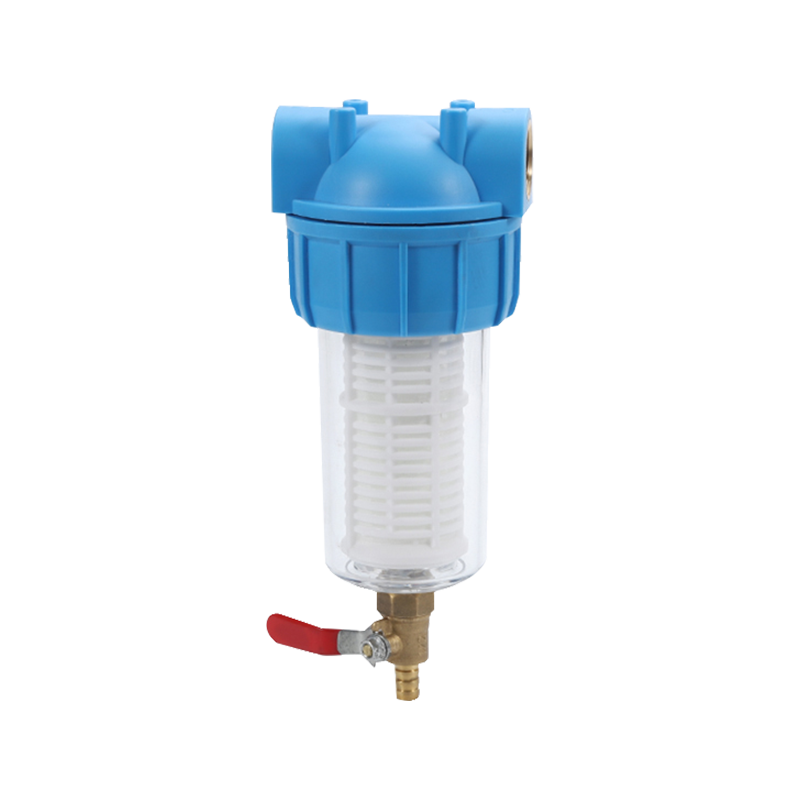
RH-06J5BSingle Water Filter with copper recoil valve is characterized by its efficient filtration system, which can effectively remove impurities, suspended matter, residual chlorine, odor and some ha...
See Details -
 >
>
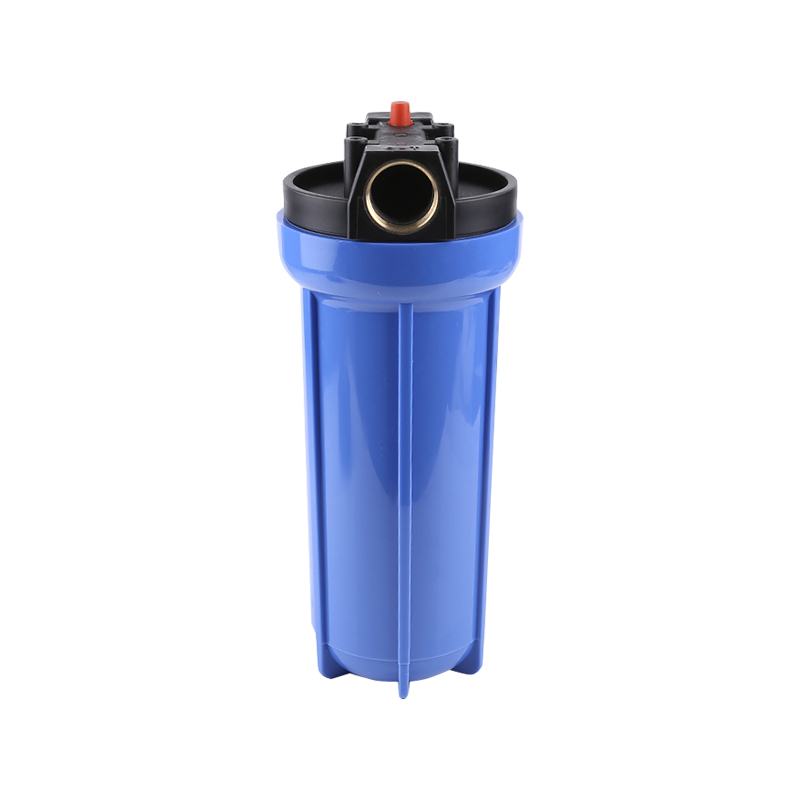
1. Single Water Filter(15BAR).2. 10" PET bottle+black cap, 3/4"brass thread.3. With 10" PP 70g filter cartridge.4. Color box packing.5. Components: wrench+plastic hanging board+screw.
See Details -
 >
>
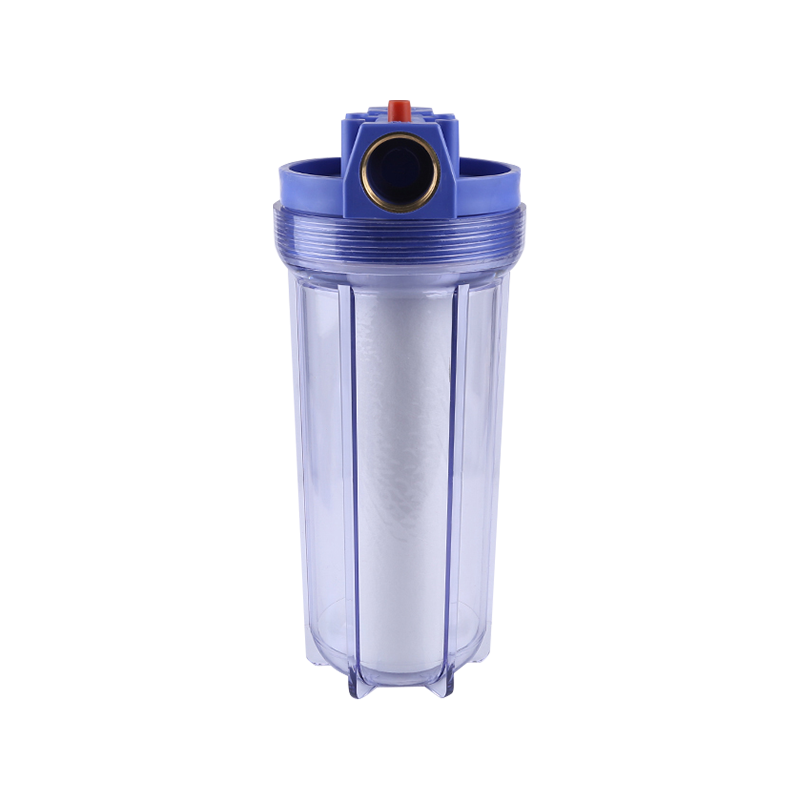
1. Single Water Filter(15BAR); 2. 10" PET bottle+blue cap,3/4"brass thread.3. With 10" PP 70g filtercartridge.4. Color box Packing. 5. Components: wrench+plastic hanging board+screw.
See Details -
 >
>
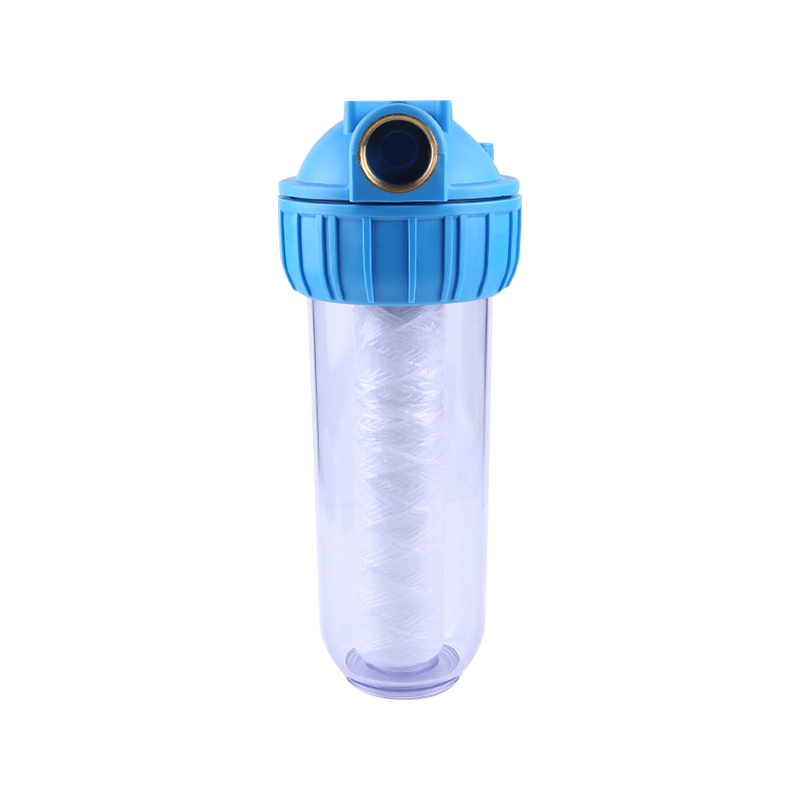
1. Single Water Filter(15BAR).2. 10" PET bottle+blue cap,3/4"brass thread.3. With 10" pp 70g cartridge. 4. Color box Packing. 5. Components: wrench+plastic hanging board+screw.
See Details -
 >
>
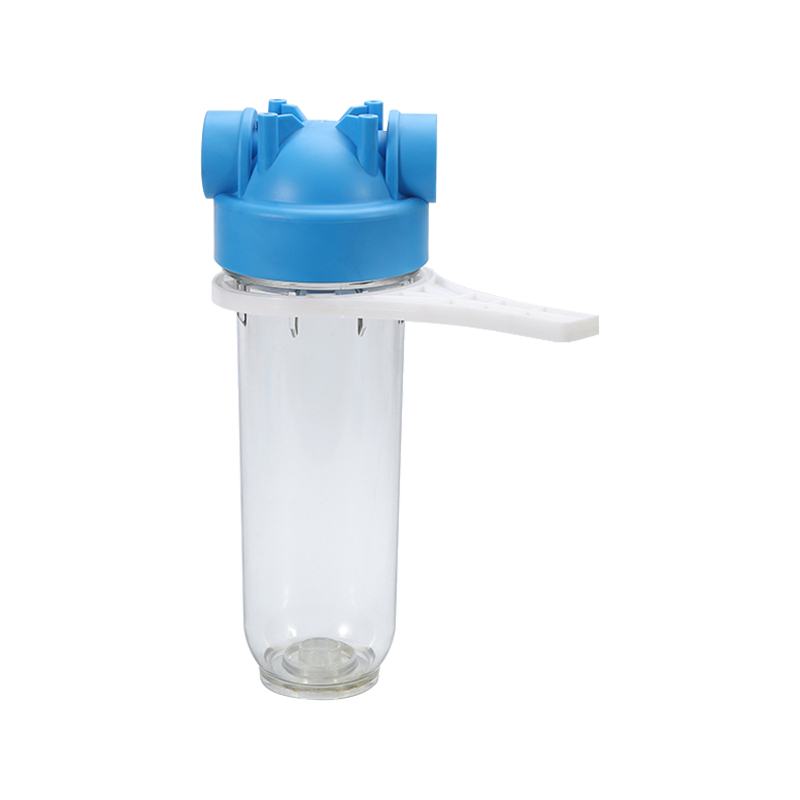
1. Single Water Filter(15BAR).2. 10" PET bottle+blue cap,3/4"brass thread.3. With 10" PP 70g filter cartridge.4. Color box Packing.5. Components: wrench+plastic hanging board+screw.
See Details -
 >
>
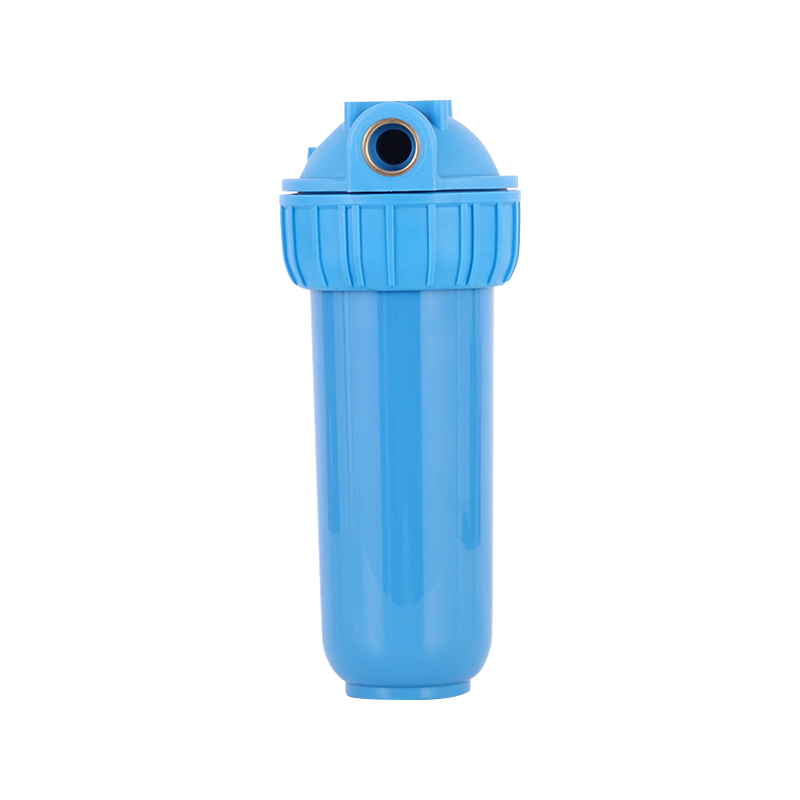
1. Single Water Filter(15BAR).2. 10" PET blue bottle+blue cap,3/4"brass thread.3. With 10" pp 70g cartridge. 4. Color box Packing. 5. Components: wrench+plastic hanging board.
See Details -
 >
>
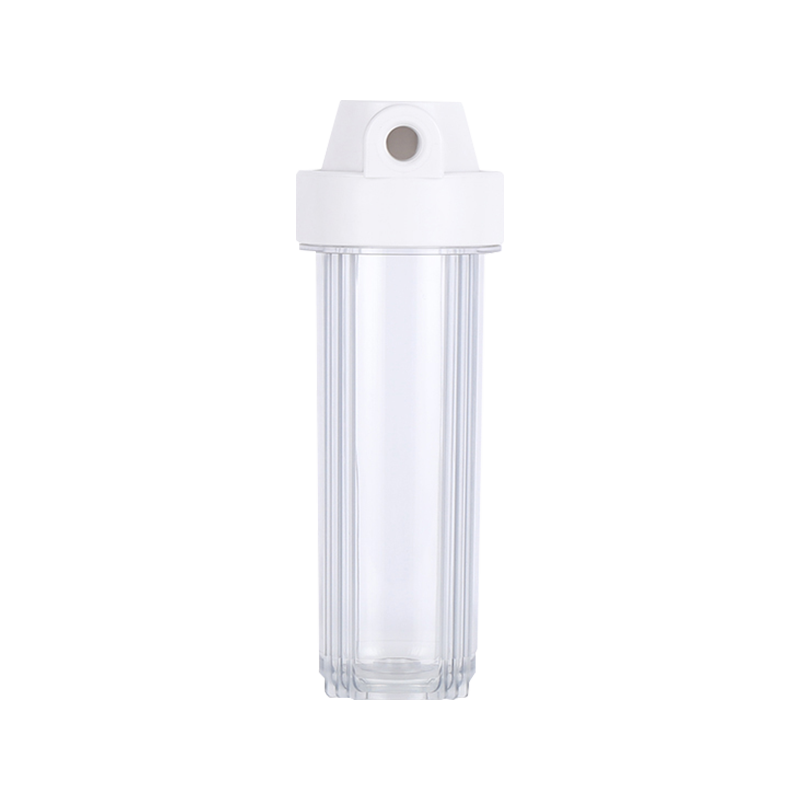
1. Single Water Filter(15BAR).2. 10" PET transparent bottle+white cap,1/4"brass thread.3. With 10" pp 70g cartridge. 4. Color box Packing.
See Details

If you are interested in our products, please consult us
Ningbo Yaorui Water Purification Technology Co., LTD. All Rights Reserved.
Wholesale Household Water Purifier Manufacturers
