 English
 русский
 Español
 عربى
عربى 中文简体
中文简体
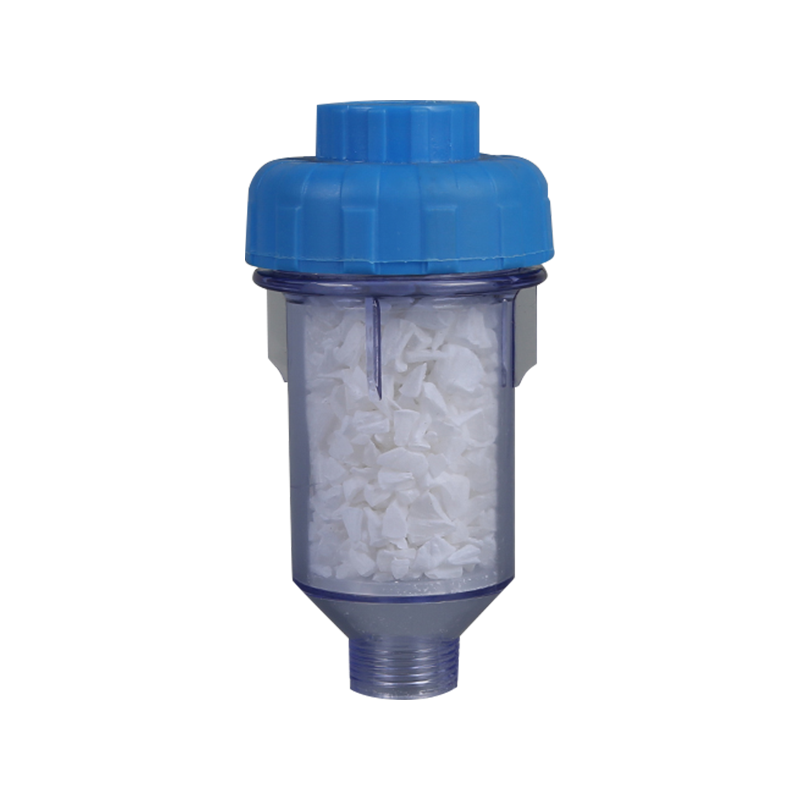 >
>The core highlight of this filter is its built-in silicone sheet filter layer. As a high-performance elastic material, silicone has high-temperature resistance, aging resistance, corrosion resistance,...
See Details [email protected]
 +86-18368206374
 No.99,Yuma Road,Mazhu Town,Yuyao City,Zhejiang Province,China.
How Do You Know When It's Time to Replace Your Household Water Filter?
Industry News-Content
- 1 Manufacturer Lifespan Ratings: The Starting Point, Not the Final Answer
- 2 Taste and Odor Changes: The Most Reliable Early Warning Sign
- 3 Reduced Water Flow: A Mechanical Signal You Shouldn't Ignore
- 4 Visible Signs: What You Can See With Your Eyes
- 5 The Danger of Waiting Too Long: Contamination in Reverse
- 6 Smart Tools for Knowing Exactly When to Replace
- 7 Factors That Shorten Filter Life Beyond the Rated Estimate
- 8 A Practical Replacement Checklist
You should replace your household water filter when it reaches its rated lifespan in gallons or months — whichever comes first — or when you notice warning signs such as reduced water flow, returning unpleasant taste or odor, visible discoloration, or an unexplained rise in contaminant-related health symptoms. Most filters carry a manufacturer-rated lifespan between 2 and 12 months, but real-world replacement timing depends heavily on your water quality, household size, and filter type. Waiting too long doesn't just reduce filtration effectiveness — an expired filter can actively release trapped contaminants back into your drinking water.
Manufacturer Lifespan Ratings: The Starting Point, Not the Final Answer
Every household water filter comes with a rated lifespan expressed in one of two ways: time (months) or volume (gallons). These ratings are established under standardized laboratory conditions — typically using clean, moderately contaminated water at a controlled flow rate — which rarely reflects actual home use.
| Filter Type | Typical Rated Lifespan | Gallon Capacity | Real-World Adjustment |
|---|---|---|---|
| Pitcher Filter (e.g., Brita Standard) | 2 months | 40 gallons | Replace earlier with hard or heavily chlorinated water |
| Under-Sink Carbon Block | 6–12 months | 500–1,000 gallons | Shorten interval for well water or high sediment |
| Reverse Osmosis Membrane | 2–3 years | Up to 75,000 gallons | Pre-filters must be changed every 6–12 months to protect membrane |
| Refrigerator Filter | 6 months | 200–300 gallons | High-use households may need replacement every 3–4 months |
| Whole-House Sediment Filter | 3–6 months | Varies widely | Well water may require monthly changes |
| UV Purification Bulb | 12 months | N/A (time-based only) | Replace annually regardless of usage — UV output degrades invisibly |
A family of four consuming an average of 3 gallons of filtered water per day will use approximately 90 gallons per month. A pitcher filter rated for 40 gallons would therefore need replacement every 13–14 days — far more frequently than the 2-month calendar guideline suggests. Always calculate your actual daily usage against the gallon rating for the most accurate replacement schedule.
Taste and Odor Changes: The Most Reliable Early Warning Sign
Human taste and smell are surprisingly sensitive indicators of filter exhaustion. When a carbon-based filter reaches capacity, it loses its ability to adsorb chlorine, chloramines, and volatile organic compounds (VOCs) — and these chemicals return to the water in detectable concentrations.
- Chlorine smell returning: A strong swimming-pool odor in filtered water almost always signals that the activated carbon is saturated and no longer capturing chlorine effectively.
- Musty or earthy taste: This can indicate bacterial growth within an overdue filter — a serious hygiene concern, not just a palatability issue.
- Metallic or bitter aftertaste: May signal that the filter is no longer effectively removing dissolved metals such as copper or zinc from aging pipes.
- Sulfur (rotten egg) odor: Particularly in well water systems, this indicates hydrogen sulfide breakthrough — the filter media is exhausted.
If any of these sensory changes appear before the scheduled replacement date, treat it as an immediate replacement trigger. Taste and odor are lagging indicators — by the time you notice them, filtration efficiency has already been compromised for some time.
Reduced Water Flow: A Mechanical Signal You Shouldn't Ignore
A noticeable drop in water flow rate through your filter system is one of the clearest physical signs that the filter media is clogged with accumulated sediment, scale, or particulate matter. This is especially common in:
- Sediment pre-filters in whole-house or under-sink systems — these trap rust, sand, and silt, and become visibly brown or gray when spent.
- Pitcher filters that take significantly longer to drain water from the upper reservoir into the lower tank than when new.
- Reverse osmosis systems where production rate drops below 50% of the rated output — often caused by a fouled pre-filter starving the RO membrane.
For RO systems specifically, a drop in daily output from 50 gallons to 20–25 gallons is a reliable indicator that pre-filters need immediate replacement. Continuing to run an RO system with clogged pre-filters accelerates membrane degradation — turning a $15 filter replacement into a potential $150–$300 membrane replacement.
Visible Signs: What You Can See With Your Eyes
Some filter replacement indicators are visible — either in the water itself or in the filter cartridge when inspected.
Signs in the Water
- Cloudy or turbid water: Indicates the filter is no longer capturing fine particulates. Any visible cloudiness in filtered water requires immediate investigation and likely filter replacement.
- Black specks or particles: In carbon block filters, this can indicate filter media breakdown — carbon particles are passing through into the water supply.
- Rusty or brownish tint: Signals that the sediment filter is overwhelmed and iron or rust particles are passing through unfiltered.
Signs in the Filter Cartridge
- Dark brown or black coloration throughout a sediment filter cartridge — not just on the outer surface — means the filter is fully saturated.
- Slimy or biofilm coating on filter housing walls indicates bacterial colonization — a hygiene emergency requiring immediate replacement and system sanitization.
- Scale buildup or calcification around filter connections in hard water areas, which can reduce seal integrity and allow unfiltered water bypass.
The Danger of Waiting Too Long: Contamination in Reverse
One of the most critical — and least understood — risks of overdue filter replacement is contaminant back-release. Activated carbon filters work by adsorption: contaminants bind to the surface of carbon particles. When the carbon reaches saturation, this process reverses. Previously captured contaminants can desorb back into the filtered water, potentially at higher concentrations than in unfiltered tap water.
A 2018 study published in the journal Water Research found that expired pitcher filters allowed bacterial counts to exceed those of unfiltered tap water within weeks of surpassing their rated lifespan — particularly in warm ambient temperatures that accelerate microbial growth within the moist filter media.
The groups most vulnerable to the health consequences of a failed filter include:
- Infants and young children (higher sensitivity to lead, nitrates, and bacteria)
- Pregnant women (fetal exposure to heavy metals and VOCs)
- Immunocompromised individuals (heightened risk from microbial contamination)
- Elderly household members (reduced capacity to metabolize accumulated contaminants)
Smart Tools for Knowing Exactly When to Replace
Beyond calendar reminders and sensory checks, several practical tools can help you determine filter status with greater precision:
- TDS (Total Dissolved Solids) Meters: Inexpensive digital meters ($10–$30) measure the concentration of dissolved solids in water in parts per million (ppm). For RO systems, a significant rise in TDS readings — for example, from 20 ppm back toward 150+ ppm — confirms membrane or post-filter exhaustion. Note: TDS meters do not detect all contaminants and should not be used as the sole indicator for carbon filters.
- Electronic Filter Life Indicators: Many modern refrigerators and under-sink systems include built-in LED indicators that track usage volume. Samsung, LG, and GE refrigerator models use flow-meter-based tracking to alert when the 200–300 gallon capacity is approaching — more reliable than calendar-only reminders.
- At-Home Water Test Kits: Basic test strips ($15–$40 for multi-parameter kits) can detect chlorine, lead, bacteria, nitrates, and pH. Testing filtered water every 3 months gives a direct performance snapshot rather than relying on estimates.
- Professional Water Testing: For well water households or areas with known contamination issues, an annual certified lab test ($100–$400 depending on contaminant panel) provides the most comprehensive and legally defensible assessment of whether your filter system is performing adequately.
Factors That Shorten Filter Life Beyond the Rated Estimate
Several conditions cause filters to exhaust faster than manufacturer ratings suggest. If any of the following apply to your household, adjust your replacement schedule accordingly — typically shortening it by 25–50%:
| Factor | Impact on Filter Life | Recommended Action |
|---|---|---|
| High sediment / turbidity in source water | Reduces life by 30–60% | Add a sediment pre-filter to protect main filter |
| Hard water (high mineral content) | Causes scale buildup, reduces flow and capacity | Consider a water softener upstream of the filter |
| High chlorine levels in municipal water | Saturates carbon faster than rated | Shorten replacement interval by 25–30% |
| Large household (5+ people) | Higher daily volume exhausts filter faster | Calculate gallon-based interval, not time-based |
| Well water source | Higher variability and contaminant load | Test quarterly; replace on results, not schedule |
A Practical Replacement Checklist
Use this checklist to determine whether your household water filter needs replacement now, regardless of the calendar date:
- Has the filter reached or exceeded its rated gallon capacity based on your actual daily usage?
- Has it been in service for longer than the manufacturer's time-based guideline?
- Does the filtered water smell of chlorine, sulfur, or have any unusual odor?
- Does the filtered water taste noticeably different from when the filter was new?
- Has water flow through the filter slowed significantly compared to normal?
- Is the filtered water cloudy, discolored, or does it contain visible particles?
- Does a TDS meter show a significant rise in dissolved solids in the filtered water output?
- Has the filter been exposed to any unusual contamination event (pipe burst, boil notice, flooding)?
Related products
-
 >
>
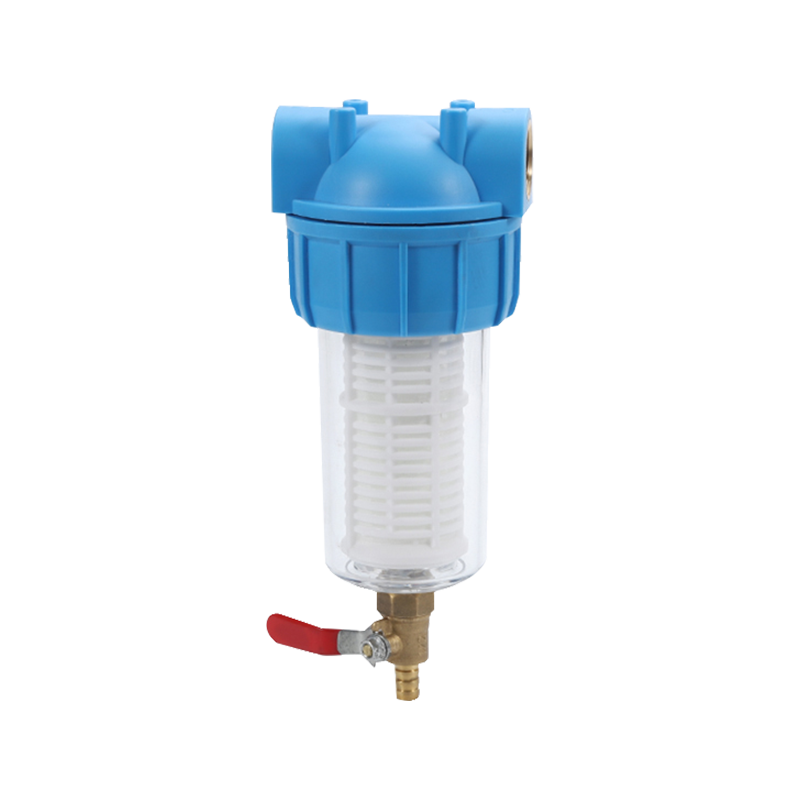
RH-06J5BSingle Water Filter with copper recoil valve is characterized by its efficient filtration system, which can effectively remove impurities, suspended matter, residual chlorine, odor and some ha...
See Details -
 >
>
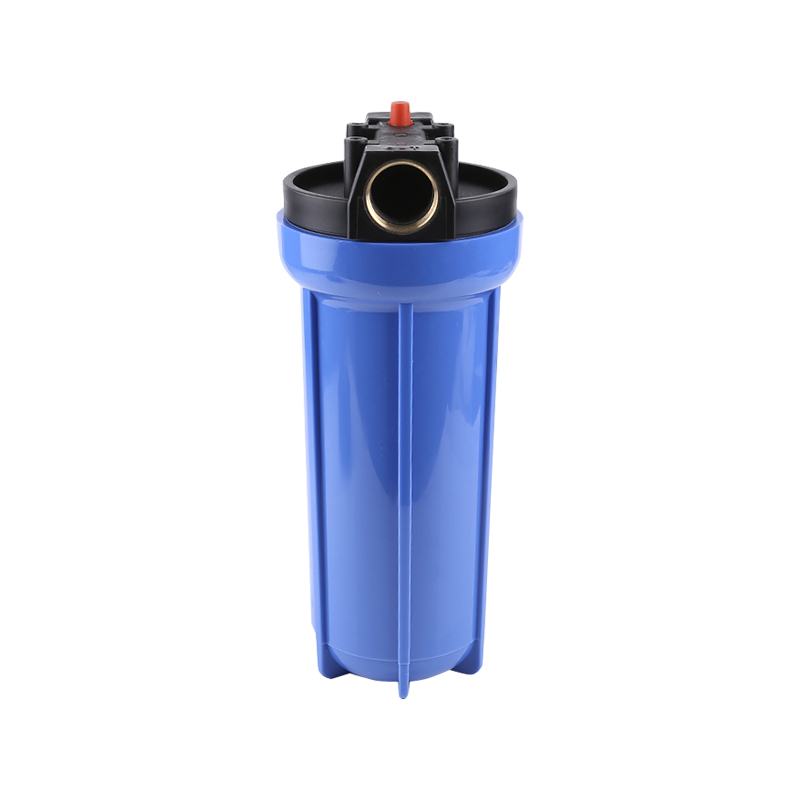
1. Single Water Filter(15BAR).2. 10" PET bottle+black cap, 3/4"brass thread.3. With 10" PP 70g filter cartridge.4. Color box packing.5. Components: wrench+plastic hanging board+screw.
See Details -
 >
>
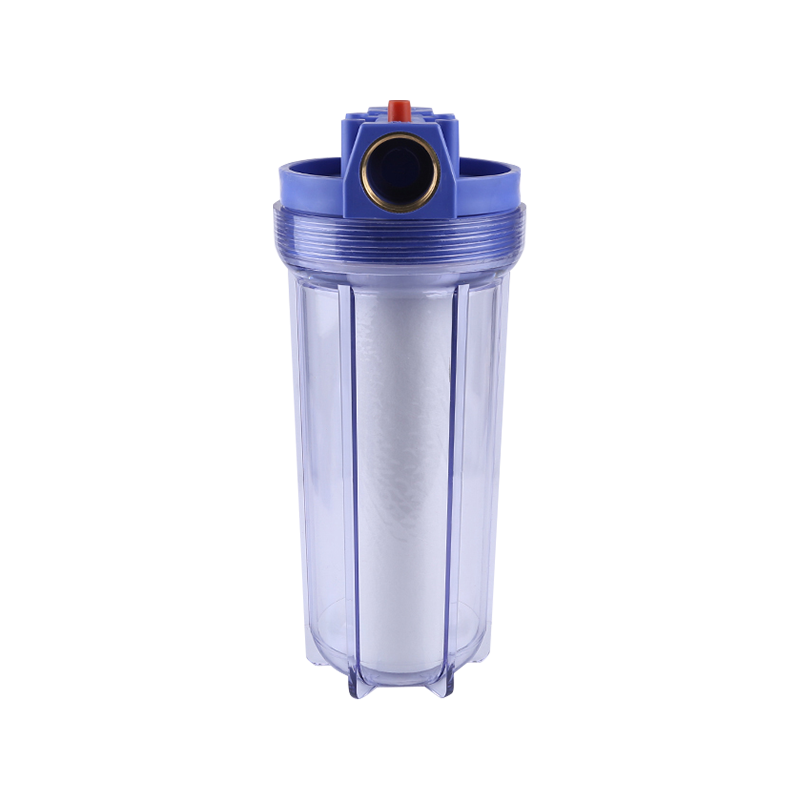
1. Single Water Filter(15BAR); 2. 10" PET bottle+blue cap,3/4"brass thread.3. With 10" PP 70g filtercartridge.4. Color box Packing. 5. Components: wrench+plastic hanging board+screw.
See Details -
 >
>
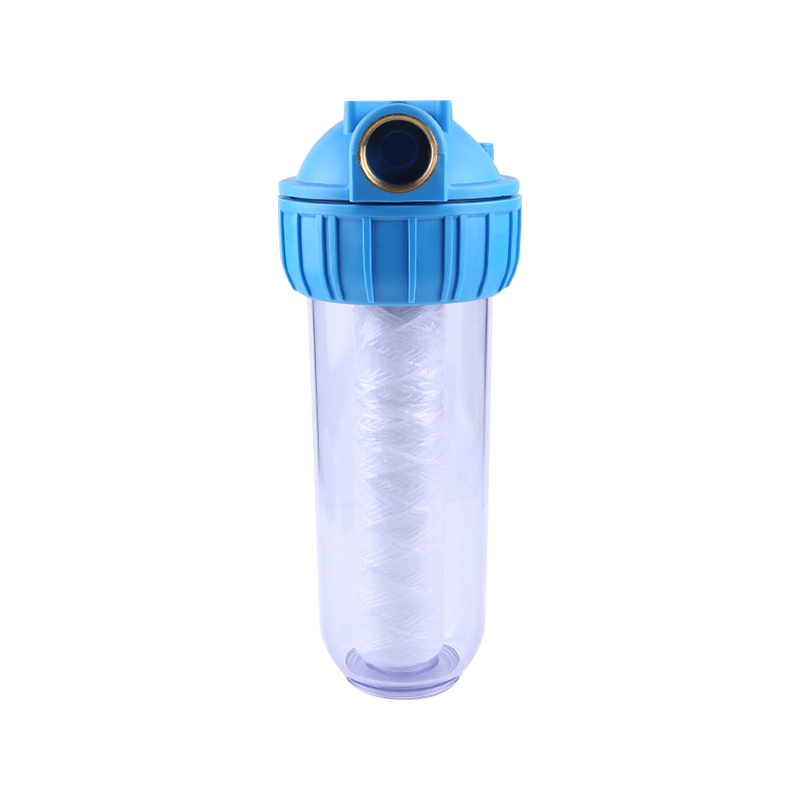
1. Single Water Filter(15BAR).2. 10" PET bottle+blue cap,3/4"brass thread.3. With 10" pp 70g cartridge. 4. Color box Packing. 5. Components: wrench+plastic hanging board+screw.
See Details -
 >
>
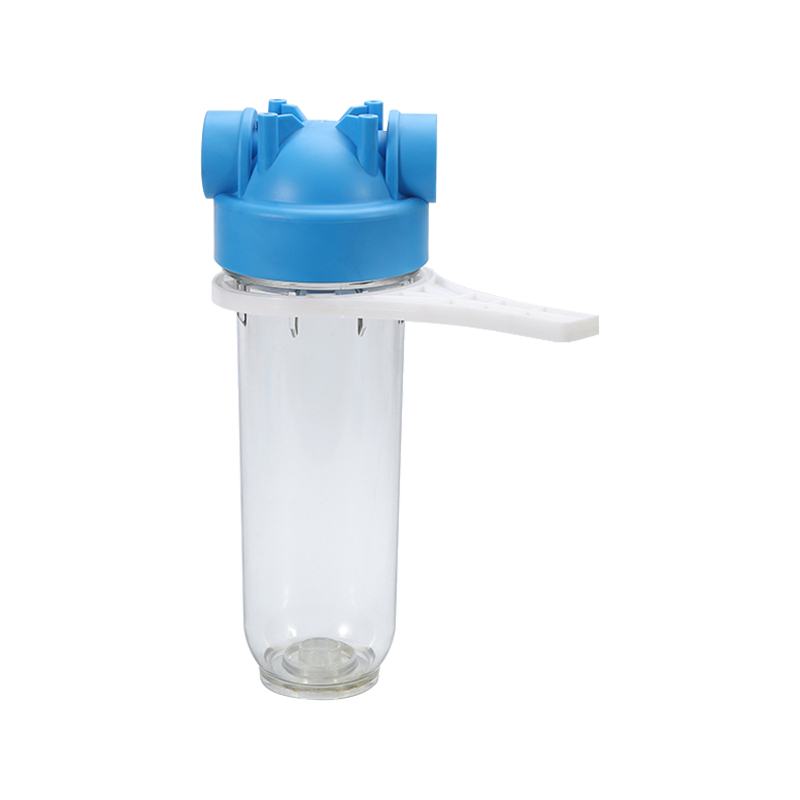
1. Single Water Filter(15BAR).2. 10" PET bottle+blue cap,3/4"brass thread.3. With 10" PP 70g filter cartridge.4. Color box Packing.5. Components: wrench+plastic hanging board+screw.
See Details -
 >
>
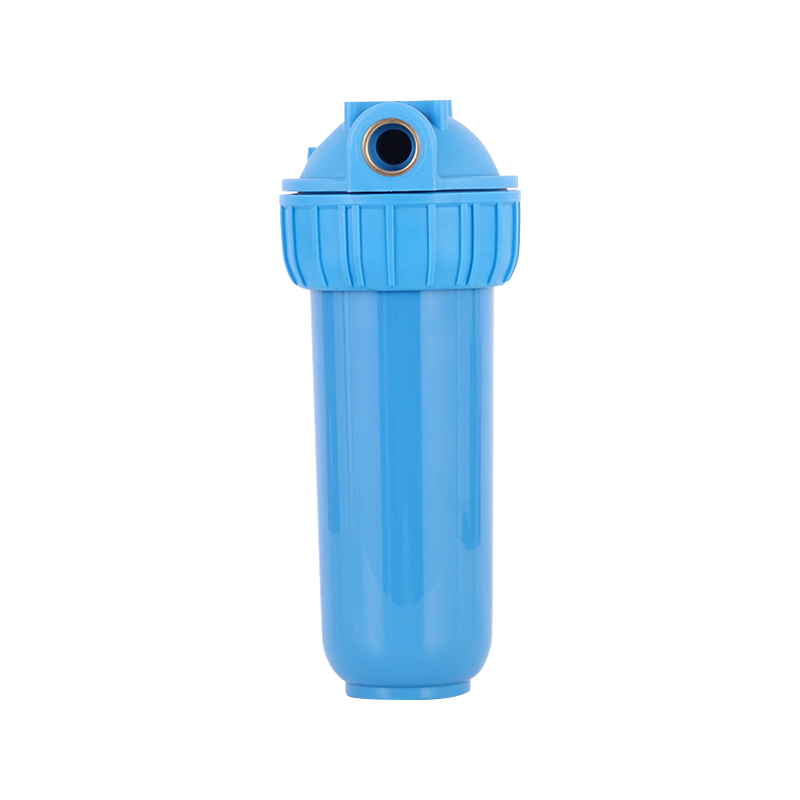
1. Single Water Filter(15BAR).2. 10" PET blue bottle+blue cap,3/4"brass thread.3. With 10" pp 70g cartridge. 4. Color box Packing. 5. Components: wrench+plastic hanging board.
See Details -
 >
>
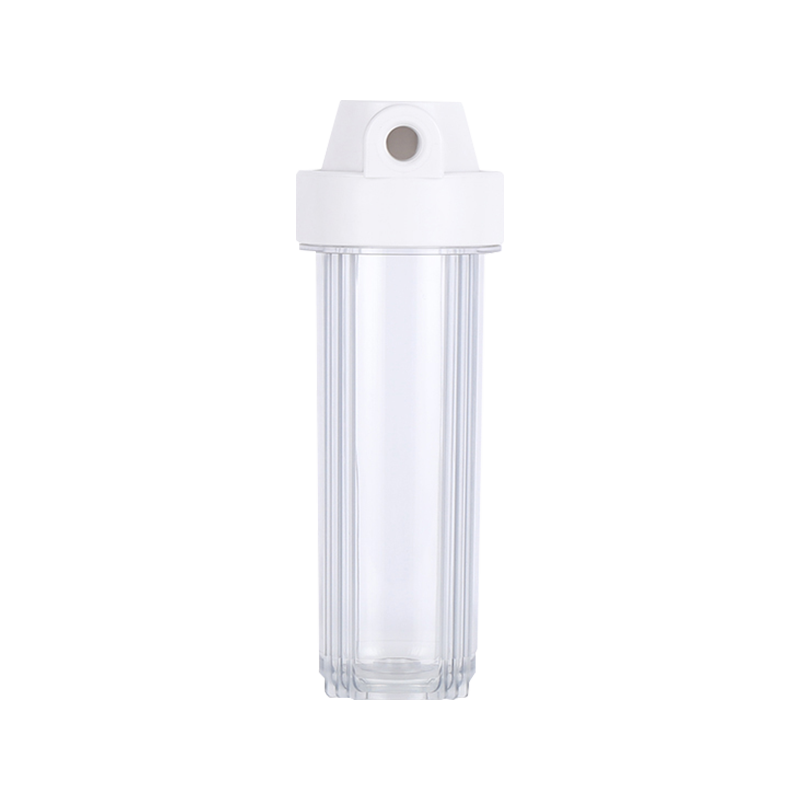
1. Single Water Filter(15BAR).2. 10" PET transparent bottle+white cap,1/4"brass thread.3. With 10" pp 70g cartridge. 4. Color box Packing.
See Details

If you are interested in our products, please consult us
Ningbo Yaorui Water Purification Technology Co., LTD. All Rights Reserved.
Wholesale Household Water Purifier Manufacturers
