 English
 русский
 Español
 عربى
عربى 中文简体
中文简体
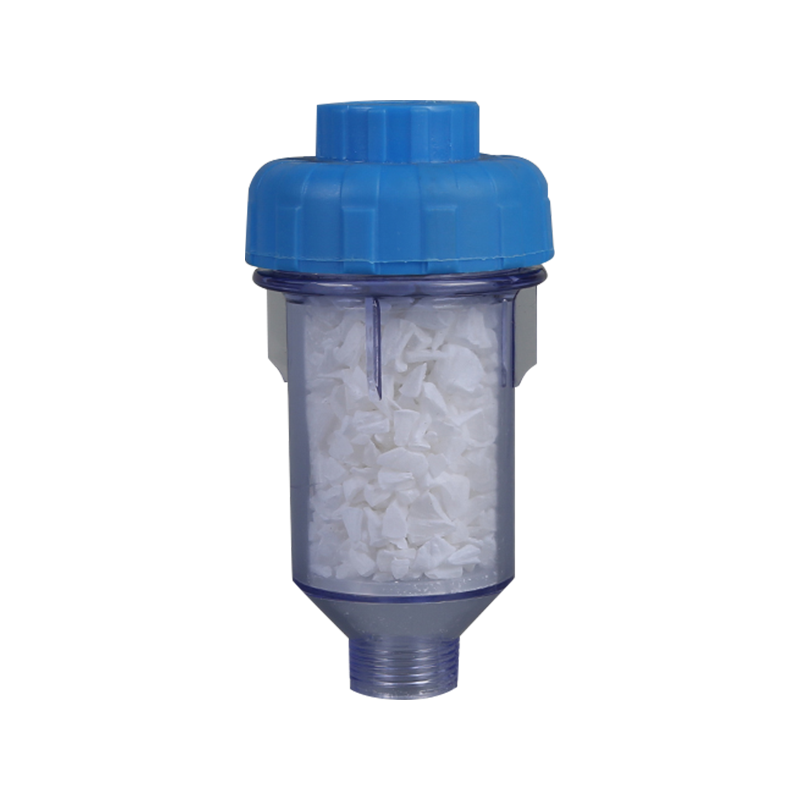 >
>The core highlight of this filter is its built-in silicone sheet filter layer. As a high-performance elastic material, silicone has high-temperature resistance, aging resistance, corrosion resistance,...
See Details [email protected]
 +86-18368206374
 No.99,Yuma Road,Mazhu Town,Yuyao City,Zhejiang Province,China.
What Is a Water Filter Cartridge and How Does It Actually Work to Purify Your Tap Water?
Industry News-Content
- 1 Introduction
- 2 What Is a Water Filter Cartridge?
- 3 How Does a Water Filter Cartridge Actually Work?
- 4 What Contaminants Can a Water Filter Cartridge Remove?
- 5 How Long Does a Water Filter Cartridge Last?
- 6 Frequently Asked Questions (FAQ)
Introduction
Tap water travels through miles of pipes, treatment plants, and storage reservoirs before it reaches your glass. While municipal water treatment removes many harmful contaminants, it does not eliminate everything. Chlorine, lead from old plumbing pipes, pesticides, microplastics, and even trace amounts of pharmaceuticals can remain in what looks like perfectly clear water. This is why millions of households have turned to water filter cartridges as a simple, affordable, and effective solution.
But if you have ever shopped for a water filter, you have probably been confused by terms like “carbon block,” “micron rating,” “NSF certification,” and “replacement schedule.” What exactly is a water filter cartridge? How does a seemingly simple cylinder filled with black carbon actually make your water taste better and become safer to drink? And why do you have to replace it every few months instead of just rinsing it out?
What Is a Water Filter Cartridge?
Definition and Basic Purpose
A water filter cartridge is a replaceable, consumable component that fits inside a water filtration system. It contains one or more filtration media designed to physically trap, chemically bond with, or repel contaminants found in tap water. The cartridge is the active part of any filter system. Without it, your under-sink filter, refrigerator dispenser, or countertop pitcher is just an empty plastic shell.
Unlike permanent filters that can be cleaned and reused indefinitely (such as some ceramic or diatomaceous earth filters), most water filter cartridges have a finite lifespan. As water passes through them over weeks or months, the filtration media gradually becomes saturated with trapped contaminants. Eventually, the cartridge can no longer hold more impurities, and it must be thrown away and replaced with a fresh one. This replacement schedule typically ranges from three months to two years, depending on the type of cartridge and how much water your household uses.
Common Types of Water Filter Cartridges
Not all water filter cartridges are the same. Different materials target different contaminants. The table below summarizes the most common types you will encounter when shopping for a filtration system.
| Cartridge Type | Primary Filtration Media | Best For Removing | Typical Lifespan |
|---|---|---|---|
| Activated Carbon Block | Finely ground carbon particles compressed into a solid block | Chlorine, bad tastes and odors, volatile organic compounds (VOCs), some heavy metals | 3–6 months |
| Granular Activated Carbon (GAC) | Loose carbon granules | Chlorine, taste, odor (less effective than carbon block) | 3–6 months |
| Reverse Osmosis Membrane | Thin-film composite polyamide | Dissolved solids (lead, arsenic, nitrates, fluoride, sodium) | 2–3 years |
| Sediment Cartridge | Polypropylene, cellulose, or pleated polyester | Sand, rust, silt, dirt, and other visible particles | 3–6 months |
| Ceramic Cartridge | Diatomaceous earth (fossilized diatoms) | Bacteria, cysts, sediment (can be cleaned and reused) | 6–12 months (with cleaning) |
| KDF (Kinetic Degradation Fluxion) | Copper and zinc alloy granules | Chlorine, heavy metals, hydrogen sulfide, bacteria | 6–12 months |
| Ion Exchange Resin | Polymer beads charged with sodium or hydrogen ions | Hard water minerals (calcium, magnesium) and some heavy metals | 3–6 months |
Where Are Water Filter Cartridges Used?
You have probably used a water filter cartridge many times without even realizing it. These cartridges are found in a wide range of products, including:
- Refrigerator water dispensers and ice makers – Most modern refrigerators from brands like Samsung, LG, Whirlpool, and GE have a built-in slot for a proprietary or standard-size cartridge.
- Under-sink filtration systems – These are installed on the cold water line beneath your kitchen sink and typically use one, two, or three cartridges in series.
- Countertop gravity-fed filters – Popular brands like Berkey, Brita, and ZeroWater use cartridges or disks that you fill manually.
- Whole-house filtration systems – Installed at the main water line where water enters your home. These often use large sediment and carbon cartridges.
- Portable water filter pitchers and bottles – Even a simple Brita pitcher contains a small granular activated carbon cartridge.
- Reverse osmosis systems – These multi-stage systems include sediment, carbon, and a specialized RO membrane cartridge.
Each application places different demands on the cartridge. A refrigerator cartridge must fit into a small plastic housing and handle relatively low flow rates. A whole-house cartridge, by contrast, must treat every gallon of water used for showering, laundry, and drinking simultaneously.
How Does a Water Filter Cartridge Actually Work?
The Three Core Mechanisms of Filtration
A water filter cartridge does not work through magic or electricity. Instead, it uses one or more of three fundamental physical and chemical processes: mechanical filtration, adsorption, and ion exchange. A fourth process, reverse osmosis, is used only in specialized systems but is worth understanding because it is so effective.
Mechanical Filtration (Straining)
Mechanical filtration is the simplest method. The cartridge contains a porous material with tiny holes. Water molecules are small enough to pass through these holes, but particles larger than the hole size are physically trapped. This is exactly how a sieve or a strainer works, just at a microscopic scale.
The size of the holes is measured in microns. One micron is one-millionth of a meter, or about 0.00004 inches. For comparison, a human hair is roughly 50 to 70 microns thick. A typical sediment filter cartridge has a pore size of 5 to 20 microns, which will catch sand, rust flakes, and dirt. A high-end ceramic or ultrafiltration cartridge may have pores as small as 0.2 microns, which can trap bacteria.
Adsorption (Chemical Bonding)
Adsorption is the primary method used by activated carbon cartridges. Despite the similar name, adsorption is not the same as absorption. Absorption is when a substance soaks into a material like a sponge soaking up water. Adsorption is when contaminants stick to the outside surface of a material.
Activated carbon is specially treated to create an enormous internal surface area. Just one gram of activated carbon can have over 3,000 square meters of surface area – roughly the size of half a football field. As water flows past this surface, contaminants like chlorine, volatile organic compounds (VOCs), and pesticides are attracted to the carbon and stick via weak chemical bonds called van der Waals forces. This process is so effective that a good carbon block cartridge can remove over 95 percent of chlorine and most common chemical contaminants.
Ion Exchange
Ion exchange cartridges contain tiny plastic beads (resin) that are pre-charged with harmless ions, usually sodium or hydrogen. As water passes through the beads, undesirable ions in the water – such as calcium (which causes hard water scale), magnesium, or lead – are attracted to the beads more strongly than the sodium ions. The beads swap places: they release sodium into the water and grab onto the calcium or lead.
This is why water softeners that use ion exchange add a small amount of sodium to the water. For most people, this amount is negligible compared to dietary sodium intake.
Step-by-Step: What Happens Inside a Typical Activated Carbon Block Cartridge
Now let us walk through the actual journey of a drop of water from the moment it enters a standard refrigerator or under-sink activated carbon block cartridge until it flows out clean.
Step 1 – Water Enters the Cartridge Housing
Tap water under pressure enters the cartridge housing through an inlet port. The housing is designed so that water cannot bypass the cartridge. If you forget to replace an old cartridge or install it incorrectly, unfiltered water will either not flow at all or will flow around the cartridge and remain untreated.
Step 2 – Initial Sediment Trapping
The outermost layer of most quality carbon block cartridges is a non-woven polypropylene wrap. This layer acts as a pre-filter. Its pore size is relatively large, typically 20 to 50 microns. Its job is to catch large, visible particles such as sand grains, rust flakes from old iron pipes, and pieces of sediment that broke loose from water heater tanks. This pre-filter layer protects the inner carbon block from being clogged too quickly by large debris.
Step 3 – Entry Into the Carbon Block
After passing through the sediment wrap, water encounters the solid carbon block itself. A carbon block is made by grinding activated carbon into a fine powder, mixing it with a food-grade binder, and compressing it under high pressure into a rigid, porous cylinder. The result is a material that is both highly adsorbent and mechanically strong enough to withstand water pressure.
As water enters the thousands of microscopic channels within the carbon block, several things happen simultaneously:
- Chlorine and chloramine are reduced through a chemical reaction. Chlorine is converted into a harmless chloride ion. This is why filtered water lacks that “swimming pool” taste and smell.
- Volatile organic compounds (VOCs) such as benzene, toluene, and industrial solvents are adsorbed onto the carbon surface. These compounds are common in areas near industrial sites or gas stations.
- Pesticides and herbicides that ran off from farms or lawns are also adsorbed.
- Some heavy metals, including lead and mercury, are trapped if the carbon block has been specially treated with a proprietary binder or if the cartridge includes additional media like KDF.
Step 4 – Polishing and Final Filtration
In higher-end cartridges, after water exits the carbon block, it passes through a final “polishing” layer. This may be additional loose granular activated carbon or a fine mesh screen. The purpose is to catch any microscopic carbon fines (tiny particles of carbon that broke loose during manufacturing) and to provide one last opportunity for adsorption of any remaining taste or odor compounds.
Step 5 – Clean Water Exits the Cartridge
After completing its journey through the cartridge, treated water exits through the outlet port and travels to your faucet, refrigerator dispenser, or ice maker. The entire process takes only a few seconds, but in that short time, the majority of chemical contaminants, bad tastes, and unpleasant odors have been removed.
A Helpful Analogy: The Parking Garage
Think of an activated carbon cartridge like a multi-story parking garage. Water flows through the garage like cars driving down a highway. The walls, floors, and ceilings of the garage represent the vast surface area of the carbon. Contaminants are like drivers looking for a parking spot. As they drive through, they see open spots on the walls and pull in (adsorb). Once every parking spot is filled – every surface area site is occupied – no more cars can park. The garage is saturated. This is why you must replace the cartridge. A saturated carbon cartridge cannot adsorb any more contaminants, and old trapped contaminants may even begin to leach back into the water.
What Contaminants Can a Water Filter Cartridge Remove?
The answer depends entirely on the type of cartridge you buy. A basic $10 sediment cartridge removes only large particles. A high-end activated carbon block with NSF/ANSI certifications can remove a much wider range of contaminants. Below is a breakdown by contaminant category.
Contaminants Commonly Removed by Quality Carbon Block Cartridges
- Chlorine and chloramine – Almost completely removed. This eliminates the chemical taste and smell.
- Volatile organic compounds (VOCs) – Including benzene, toluene, xylene, and industrial solvents.
- Lead – If the cartridge is NSF/ANSI 53 certified for lead reduction. Not all carbon cartridges remove lead.
- Mercury – Similar to lead, requires specific certification.
- Pesticides and herbicides – Such as atrazine, glyphosate, and lindane.
- Pharmaceuticals – Trace amounts of antibiotics, hormones, and pain relievers (requires NSF/ANSI 401 certification).
- Microplastics – Down to approximately 1 micron or smaller.
- Cysts – Such as Giardia lamblia and Cryptosporidium parvum (requires certified pore size of 1 micron or less).
- Bad tastes and odors – Sulfur (rotten egg smell), metallic tastes, and musty odors.
Contaminants NOT Removed by Standard Carbon Cartridges
It is equally important to know what a standard carbon cartridge does not remove. If your water has any of the following issues, you need a different type of cartridge, such as reverse osmosis or distillation.
- Dissolved minerals – Calcium and magnesium (these cause hard water scale but are not health hazards).
- Fluoride – Added to many municipal water supplies. Only reverse osmosis, activated alumina, or distillation removes fluoride.
- Nitrates and nitrites – Common in agricultural areas from fertilizer runoff. Only reverse osmosis or ion exchange removes these.
- Bacteria and viruses – Carbon does not remove living microorganisms. For bacteria, you need a 0.2-micron ultrafiltration, ceramic, or UV filter.
- Dissolved salts – Sodium, chloride, and other ions that make water salty.
How Long Does a Water Filter Cartridge Last?
Lifespan varies dramatically based on three factors: cartridge type, your incoming water quality, and your household water usage volume.
General Lifespan Guidelines
| Cartridge Type | Typical Lifespan (Time) | Typical Lifespan (Volume) |
|---|---|---|
| Refrigerator water filter | 6 months | 200–300 gallons |
| Under-sink carbon block | 6–12 months | 500–1,000 gallons |
| Whole-house sediment | 3–6 months | 30,000–100,000 gallons (varies widely) |
| Whole-house carbon | 6–12 months | 50,000–200,000 gallons |
| Reverse osmosis membrane | 2–3 years | Varies by use and feed water |
| Ceramic cartridge | 6–12 months (cleanable) | Unlimited with regular cleaning |
| KDF cartridge | 6–12 months | 10,000–20,000 gallons |
Signs That Your Cartridge Needs Replacement
Even if you have not reached the manufacturer’s recommended time limit, watch for these warning signs:
- Slower water flow – A clogged cartridge restricts water flow. If your dispenser or faucet takes much longer to fill a glass, the cartridge is likely saturated.
- Return of bad taste or odor – If your water starts tasting like chlorine or smells musty again, the carbon is no longer adsorbing effectively.
- Change in water color or clarity – Sediment breakthrough or carbon fines in the water indicate a failing cartridge.
- Automatic indicator light – Many refrigerators and high-end under-sink systems have electronic timers or flow meters that signal when replacement is due.
- Time elapsed – Even if you use very little water, replace carbon cartridges at least every 12 months. Over time, trapped organic matter can become a breeding ground for bacteria.
What Happens If You Do Not Replace the Cartridge?
Failing to replace a saturated water filter cartridge is worse than having no filter at all. Here is why:
- Contaminant breakthrough – Once the carbon is fully saturated, additional contaminants pass through unchanged. You are drinking unfiltered water but believing it is clean.
- Bacterial growth – The warm, moist, organic-rich environment inside an old cartridge is ideal for bacteria to multiply. Some studies have found that old refrigerator filters can have higher bacteria counts than tap water.
- Pressure drop – A completely clogged cartridge can reduce water flow to a trickle or stop it entirely.
- Carbon fines release – Deteriorating carbon blocks can break apart, sending black specks of carbon into your water and potentially into your ice maker.
Frequently Asked Questions (FAQ)
Q1: Can I clean and reuse a water filter cartridge instead of buying a new one?
For standard activated carbon, sediment, and KDF cartridges, the answer is no. Washing or soaking these cartridges does not remove contaminants that are trapped deep inside the porous structure. However, some ceramic cartridges (such as those from Doulton or Berkey) can be scrubbed with a soft brush under running water to remove surface dirt, then reused several times before replacement is needed. Always check your manufacturer’s instructions.
Q2: How do I know which replacement cartridge to buy for my refrigerator?
The easiest method is to look up your refrigerator’s model number (usually found on a sticker inside the fridge door or on the back of the unit). Then search for “water filter replacement for [model number].” You will find both OEM (original equipment manufacturer) cartridges and compatible third-party options. Alternatively, remove your old cartridge and look for a part number printed on its side.
Q3: Are generic or third-party water filter cartridges as good as brand-name ones?
Some are excellent; many are not. The safest approach is to look for third-party cartridges that carry independent certifications from NSF International (NSF/ANSI standards 42, 53, 401, or 372 for lead-free materials). Uncertified generic cartridges may claim to be “compatible” but often use lower-quality carbon, have poor seals that leak, or do not actually remove the contaminants they advertise. If a deal seems too cheap, it probably is.
Q4: Does boiling water replace the need for a filter cartridge?
No. Boiling kills bacteria and viruses, but it does not remove chlorine, lead, pesticides, microplastics, or any other chemical contaminants. In fact, boiling can concentrate some contaminants because water evaporates while the contaminants remain. Boiling and filtration are complementary methods, not substitutes.
Q5: Can a water filter cartridge remove fluoride from tap water?
Standard activated carbon cartridges cannot remove fluoride. To remove fluoride, you need one of the following: a reverse osmosis system (most effective), an activated alumina cartridge, or a distillation unit. Some specialty gravity filters (such as Berkey with PF-2 fluoride filters) also reduce fluoride but are less common.
Q6: How do I properly store a spare water filter cartridge before using it?
Keep unopened cartridges in a cool, dry place away from direct sunlight and extreme temperatures. Do not store them in a garage or shed where they might freeze or overheat. Most cartridges have a shelf life of 2–3 years if stored properly. Once you open a cartridge, you should install it immediately and use it within the recommended replacement period.
Q7: Do I really need to flush a new water filter cartridge before using it?
Yes, almost always. New cartridges contain loose carbon fines (tiny black dust) from the manufacturing process. If you do not flush the cartridge according to the manufacturer’s instructions, these fines will come out of your faucet or refrigerator dispenser, looking like black specks in your water or ice. Flushing typically involves running 1 to 5 gallons of water through the system before normal use.
Q8: Is bottled water safer than water filtered through a cartridge?
Not necessarily. Many studies have found that bottled water is less strictly regulated than tap water in some countries. Bottled water can also leach microplastics from the bottle itself. A properly maintained water filter cartridge produces water that is often purer than bottled water at a fraction of the cost and without the plastic waste.
Related products
-
 >
>
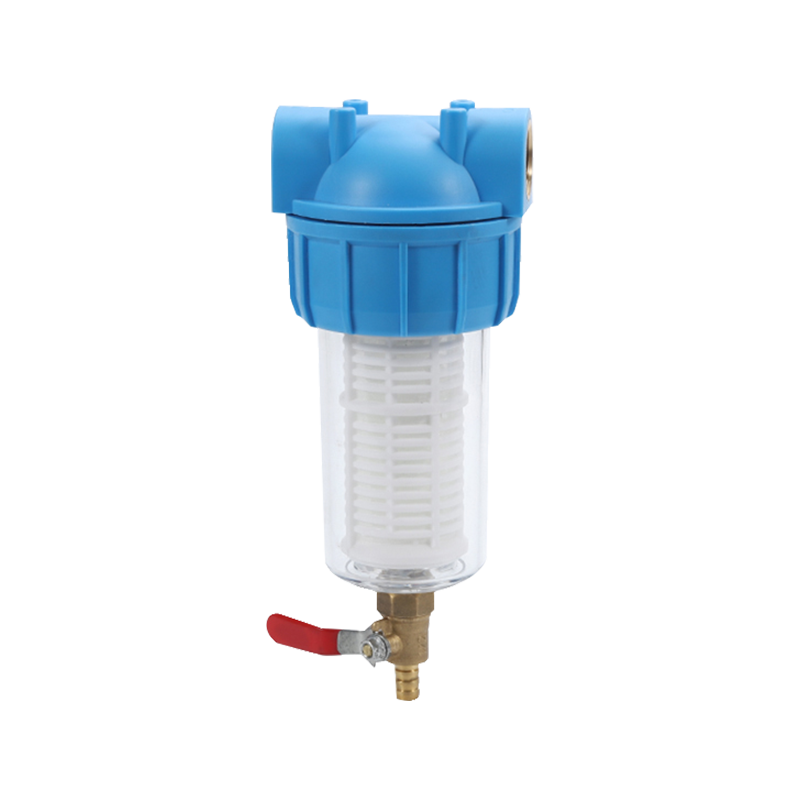
RH-06J5BSingle Water Filter with copper recoil valve is characterized by its efficient filtration system, which can effectively remove impurities, suspended matter, residual chlorine, odor and some ha...
See Details -
 >
>
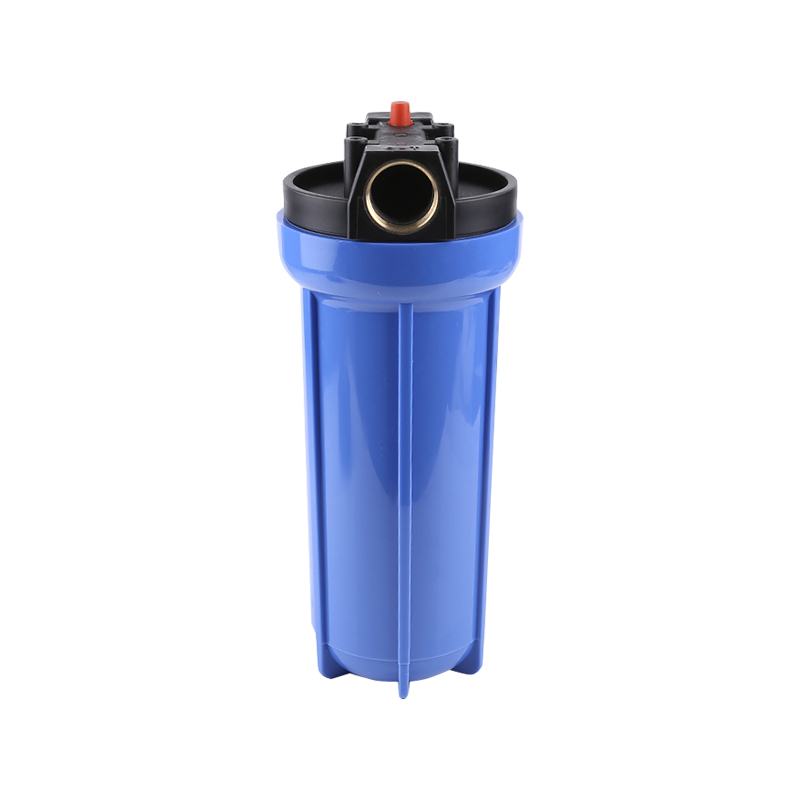
1. Single Water Filter(15BAR).2. 10" PET bottle+black cap, 3/4"brass thread.3. With 10" PP 70g filter cartridge.4. Color box packing.5. Components: wrench+plastic hanging board+screw.
See Details -
 >
>
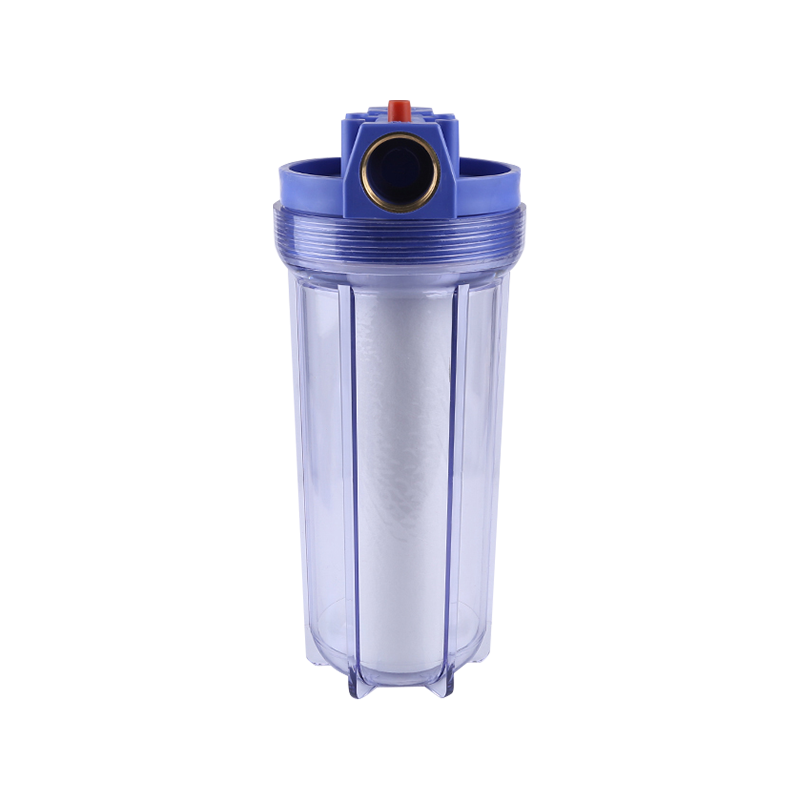
1. Single Water Filter(15BAR); 2. 10" PET bottle+blue cap,3/4"brass thread.3. With 10" PP 70g filtercartridge.4. Color box Packing. 5. Components: wrench+plastic hanging board+screw.
See Details -
 >
>
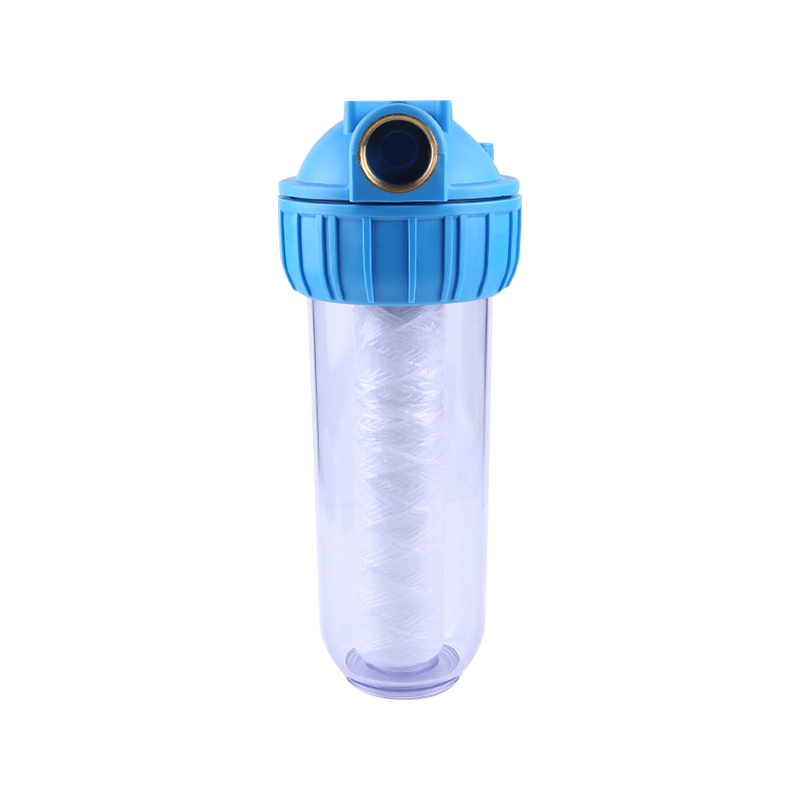
1. Single Water Filter(15BAR).2. 10" PET bottle+blue cap,3/4"brass thread.3. With 10" pp 70g cartridge. 4. Color box Packing. 5. Components: wrench+plastic hanging board+screw.
See Details -
 >
>
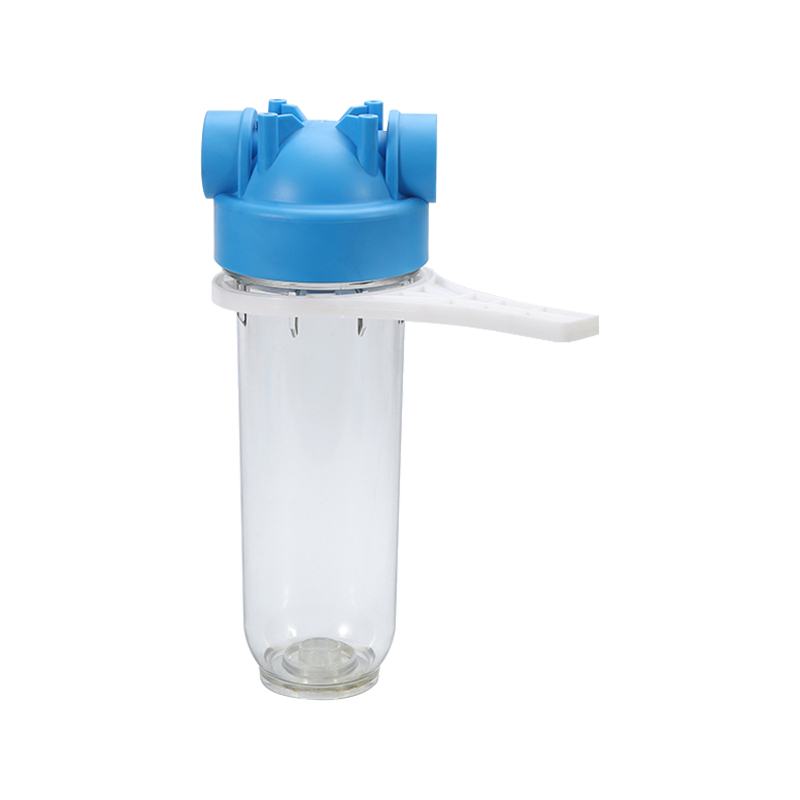
1. Single Water Filter(15BAR).2. 10" PET bottle+blue cap,3/4"brass thread.3. With 10" PP 70g filter cartridge.4. Color box Packing.5. Components: wrench+plastic hanging board+screw.
See Details -
 >
>
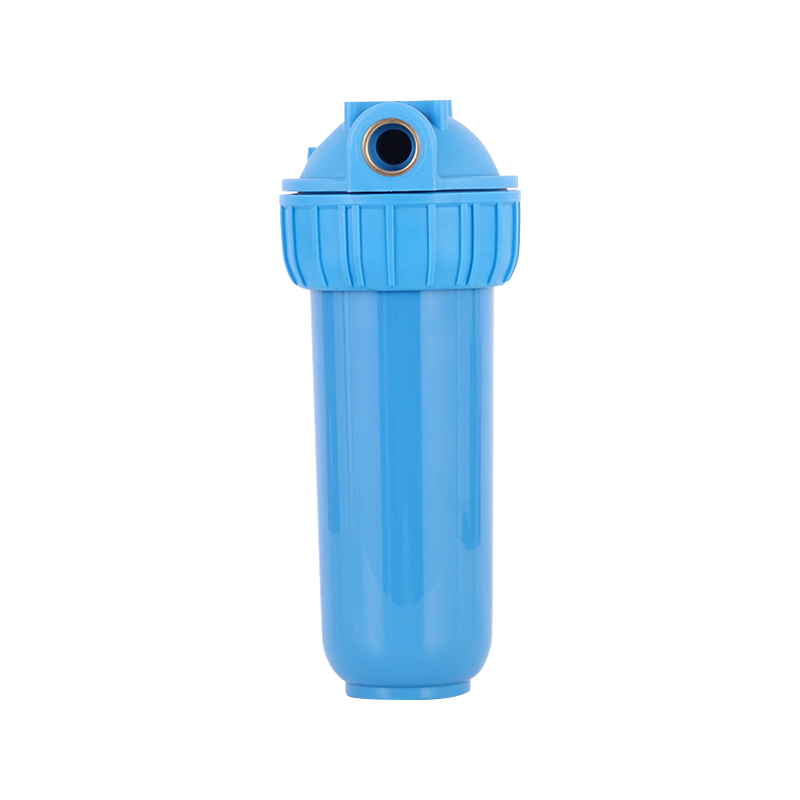
1. Single Water Filter(15BAR).2. 10" PET blue bottle+blue cap,3/4"brass thread.3. With 10" pp 70g cartridge. 4. Color box Packing. 5. Components: wrench+plastic hanging board.
See Details -
 >
>
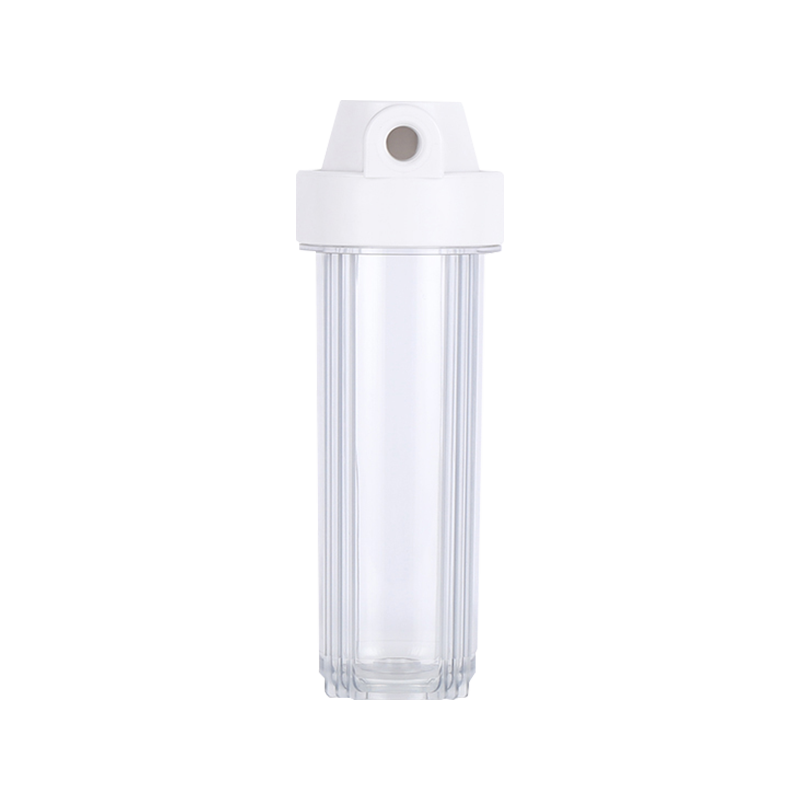
1. Single Water Filter(15BAR).2. 10" PET transparent bottle+white cap,1/4"brass thread.3. With 10" pp 70g cartridge. 4. Color box Packing.
See Details

If you are interested in our products, please consult us
Ningbo Yaorui Water Purification Technology Co., LTD. All Rights Reserved.
Wholesale Household Water Purifier Manufacturers
