 English
 русский
 Español
 عربى
عربى 中文简体
中文简体
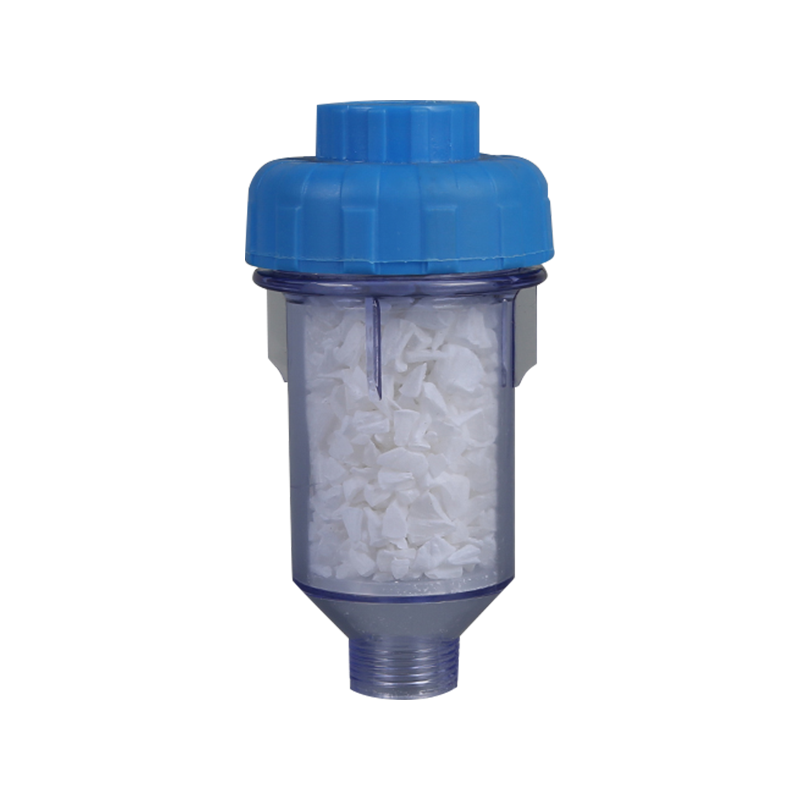 >
>The core highlight of this filter is its built-in silicone sheet filter layer. As a high-performance elastic material, silicone has high-temperature resistance, aging resistance, corrosion resistance,...
See Details [email protected]
 +86-18368206374
 No.99,Yuma Road,Mazhu Town,Yuyao City,Zhejiang Province,China.
Why Is a Water Filter Cartridge Important for Clean and Safe Drinking Water?
Industry News-Content
- 1 Understanding the Role of a Water Filter Cartridge in Filtration Systems
- 2 Improving Drinking Water Quality and Taste
- 3 Types of Water Filter Cartridges and Their Functions
- 4 Protecting Health Through Effective Water Filtration
- 5 Extending the Lifespan of Water Systems and Equipment
- 6 Importance of Regular Replacement and Maintenance
- 7 Environmental and Cost Benefits
- 8 FAQ
- 9 References
A water filter cartridge is a core functional component in nearly all modern water filtration systems, responsible for physically and chemically removing contaminants from water before it reaches the end user. In both residential and industrial applications, water quality can be affected by sediments, chlorine, organic compounds, heavy metals, and microbial impurities. Although municipal water treatment systems are designed to meet basic safety standards, water often travels through long pipelines and storage systems before reaching homes or businesses, which increases the risk of secondary contamination. This is why water filter cartridges are widely used as a final protection barrier. They ensure that drinking water is not only safe according to minimum standards but also improved in taste, clarity, and overall quality. Their importance extends beyond health protection into system efficiency, equipment protection, and long-term cost savings.
Understanding the Role of a Water Filter Cartridge in Filtration Systems
Core function of filtration media
A water filter cartridge functions as the active filtration medium inside a housing unit. When water flows through the cartridge, contaminants are captured through mechanical filtration, adsorption, or chemical reaction depending on the material used. For example, polypropylene cartridges physically block particles, while activated carbon cartridges chemically absorb chlorine and organic compounds. This layered filtration approach ensures that different types of contaminants are removed effectively in a single system.
Multi-stage filtration architecture
Most modern water purification systems use a multi-stage design where each cartridge performs a specific function. A typical setup may include a sediment cartridge for large particles, a carbon cartridge for chemical removal, and a membrane cartridge for fine purification. This structured approach significantly improves filtration efficiency and ensures consistent water quality output.
Importance in real-world water systems
In real-world conditions, water quality varies widely depending on location, infrastructure, and environmental factors. A water filter cartridge acts as a flexible and replaceable solution that adapts to these variations. Instead of replacing an entire system, users can simply replace cartridges, making the system both practical and cost-efficient.
Improving Drinking Water Quality and Taste
Removal of physical and chemical impurities
One of the most immediate benefits of a water filter cartridge is the removal of impurities that directly affect water quality. Sediment cartridges remove visible particles such as rust, sand, and dust, while activated carbon cartridges reduce chlorine, pesticides, and volatile organic compounds. These improvements are not only scientific but also sensory, making water clearer, cleaner, and more pleasant to drink.
Taste and odor enhancement
Unfiltered tap water often carries an unpleasant taste or smell due to chlorine or organic residues. Activated carbon-based water filter cartridges are particularly effective in addressing this issue by absorbing odor-causing compounds. This significantly improves the drinking experience and encourages healthier hydration habits.
Impact on daily consumption behavior
When water tastes better, people are more likely to consume adequate amounts daily. This indirectly supports hydration, digestion, and overall health. In households, this also reduces reliance on bottled water, promoting more sustainable consumption habits.
Types of Water Filter Cartridges and Their Functions
Functional classification of cartridges
Water filter cartridges are designed for specific filtration tasks, and selecting the right type depends on water quality conditions and application requirements.
Detailed comparison of common cartridge types
| Cartridge Type | Filtration Mechanism | Main Function | Typical Application | Replacement Cycle |
|---|---|---|---|---|
| Sediment Cartridge | Mechanical filtration | Removes sand, rust, particles | Household & industrial pre-filtration | 3–6 months |
| Activated Carbon Cartridge | Adsorption | Removes chlorine, odor, chemicals | Drinking water systems | 6–12 months |
| Polypropylene (PP) Cartridge | Depth filtration | Fine particle removal | General water systems | 3–6 months |
| Ceramic Cartridge | Micro-porous filtration | Bacteria and fine impurity removal | Rural or low-pressure systems | 6–12 months |
| Reverse Osmosis (RO) Cartridge | Membrane separation | Removes dissolved solids and heavy metals | Advanced purification systems | 12–24 months |
Application-based selection strategy
For household use, a combination of sediment and carbon cartridges is typically sufficient. For industrial or laboratory applications, multi-stage systems with RO membranes are preferred. Each cartridge plays a complementary role in achieving full-spectrum water purification.
Protecting Health Through Effective Water Filtration
Reduction of harmful contaminants
A high-quality water filter cartridge reduces exposure to harmful substances such as lead, chlorine byproducts, and microplastics. While these contaminants may exist in small amounts, long-term exposure can accumulate in the human body and potentially affect health.
Biological safety considerations
Certain advanced cartridges, such as ceramic or ultrafiltration types, can reduce bacteria and microorganisms. This is particularly important in areas with aging infrastructure or inconsistent water treatment systems.
Health protection for sensitive groups
Filtered water is especially important for vulnerable populations, including children, elderly individuals, and people with weakened immune systems. Clean water reduces stress on the digestive system and supports immune function.
Extending the Lifespan of Water Systems and Equipment
Prevention of sediment accumulation
Without proper filtration, sediments and particles can accumulate inside pipes, pumps, and appliances. A water filter cartridge prevents these particles from entering the system, reducing clogging and mechanical wear.
Protection of household appliances
Filtered water helps extend the lifespan of equipment such as:
- Water heaters
- Washing machines
- Coffee machines
- Industrial water systems
Operational efficiency benefits
Clean water flow ensures stable pressure and reduces energy consumption in pumping systems. This improves overall operational efficiency and reduces maintenance frequency.
Importance of Regular Replacement and Maintenance
Why cartridge replacement is essential
Over time, a water filter cartridge becomes saturated with contaminants and loses its filtration capacity. In some cases, a clogged cartridge can even restrict water flow or release trapped particles back into the water system.
Replacement indicators
Common signs that a cartridge needs replacement include:
- Reduced water pressure
- Unpleasant taste or odor returning
- Visible discoloration in water
- Exceeding recommended usage time
Maintenance best practices
Regular maintenance ensures consistent performance:
- Replace cartridges according to manufacturer guidelines
- Flush system after installation
- Use compatible filter types only
- Monitor water quality periodically
Proper maintenance ensures that filtration systems remain reliable and efficient over time.
Environmental and Cost Benefits
Reduction of plastic waste
Using a water filter cartridge system significantly reduces dependence on bottled water, which contributes to plastic waste reduction and environmental protection.
Long-term economic efficiency
Although cartridges require periodic replacement, the overall cost is much lower compared to continuously purchasing bottled water. This makes filtration systems a cost-effective long-term solution.
Sustainable water usage
Water filtration at the point of use promotes sustainability by reducing transportation energy, packaging waste, and carbon emissions associated with bottled water supply chains.
A water filter cartridge plays a vital role in ensuring clean, safe, and high-quality drinking water. It removes physical, chemical, and biological contaminants, improves taste and odor, protects household and industrial systems, and supports environmental sustainability. By acting as a replaceable filtration core, it provides an efficient, flexible, and cost-effective solution for modern water purification needs. Whether for residential or industrial use, choosing the right cartridge and maintaining it properly is essential for long-term water safety and system performance.
FAQ
What is the main function of a water filter cartridge?
It removes impurities such as sediment, chlorine, chemicals, and in advanced systems, bacteria and heavy metals from water.
How often should a water filter cartridge be replaced?
Typically every 3 to 12 months, depending on water quality and cartridge type.
Can a water filter cartridge improve drinking water taste?
Yes, especially activated carbon cartridges, which remove chlorine and odor-causing compounds.
Is filtered water safer than tap water?
Filtered water provides an additional safety layer by reducing contaminants that may remain after municipal treatment.
What happens if a cartridge is not replaced on time?
It may become clogged, reduce water flow, and lose its ability to filter contaminants effectively.
References
- World Health Organization (WHO). Guidelines for Drinking-water Quality.
- U.S. Environmental Protection Agency (EPA). Water Treatment and Filtration Standards.
- National Sanitation Foundation (NSF International). Drinking Water Filtration Certification Standards.
- American Water Works Association (AWWA). Water Quality and Distribution Systems Handbook.
- Journal of Environmental Management (Elsevier). Household Water Filtration Efficiency and Public Health Impact.
Related products
-
 >
>
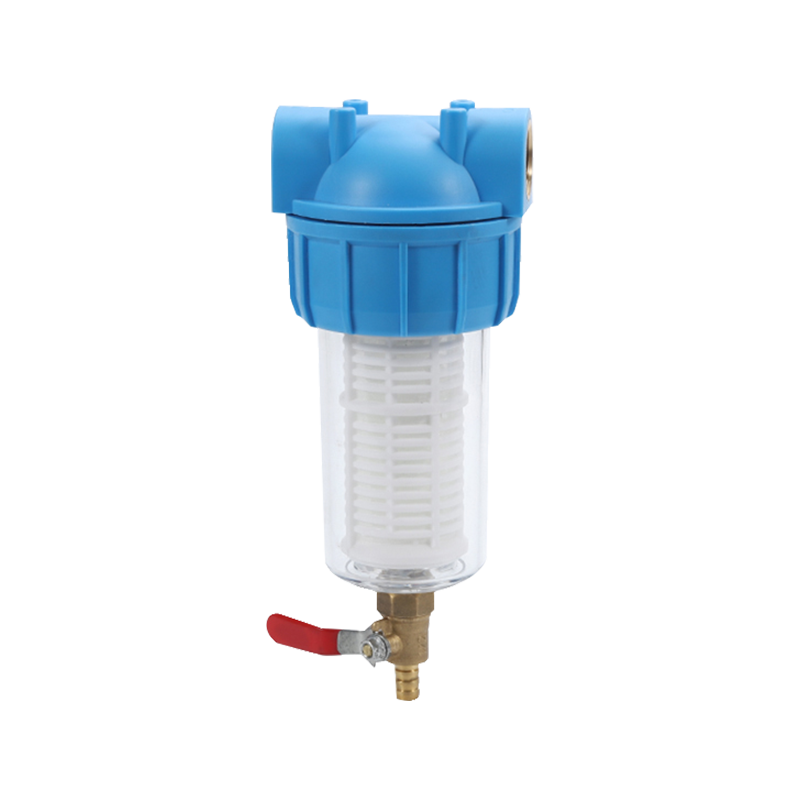
RH-06J5BSingle Water Filter with copper recoil valve is characterized by its efficient filtration system, which can effectively remove impurities, suspended matter, residual chlorine, odor and some ha...
See Details -
 >
>
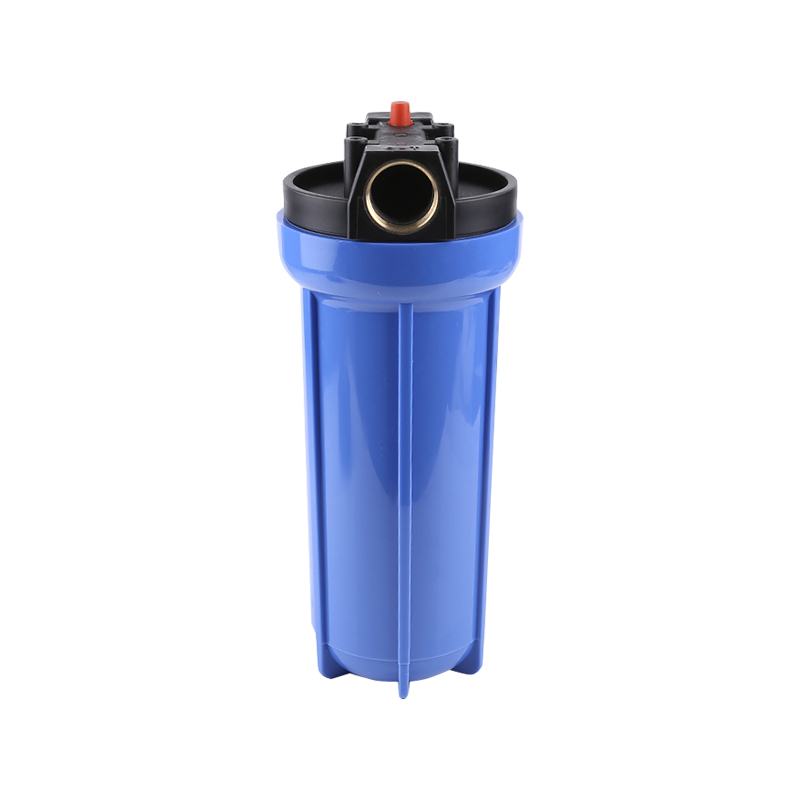
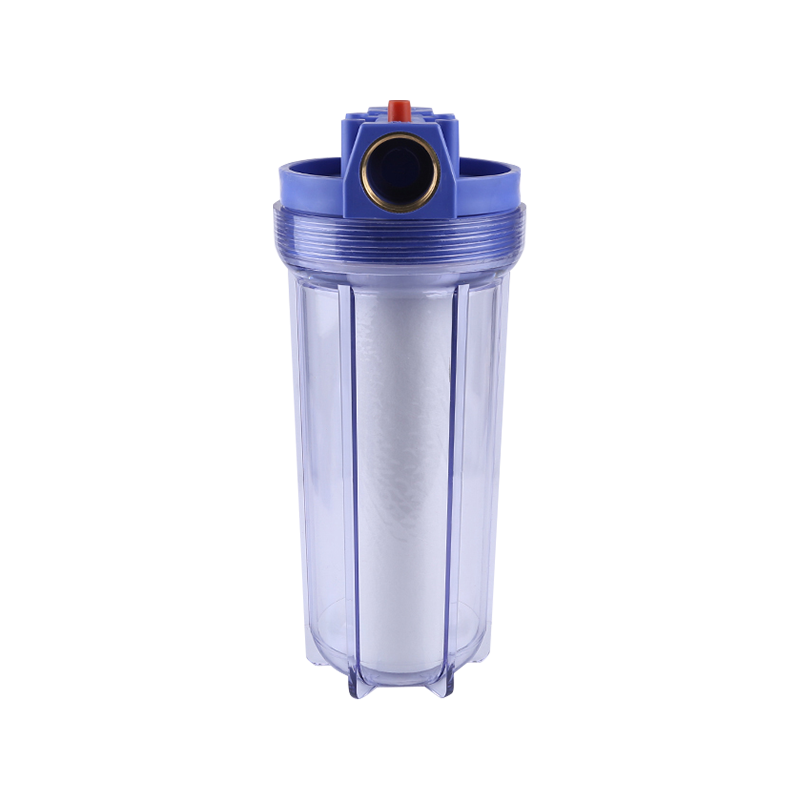
1. Single Water Filter(15BAR).2. 10" PET bottle+black cap, 3/4"brass thread.3. With 10" PP 70g filter cartridge.4. Color box packing.5. Components: wrench+plastic hanging board+screw.
See Details -
 >
>
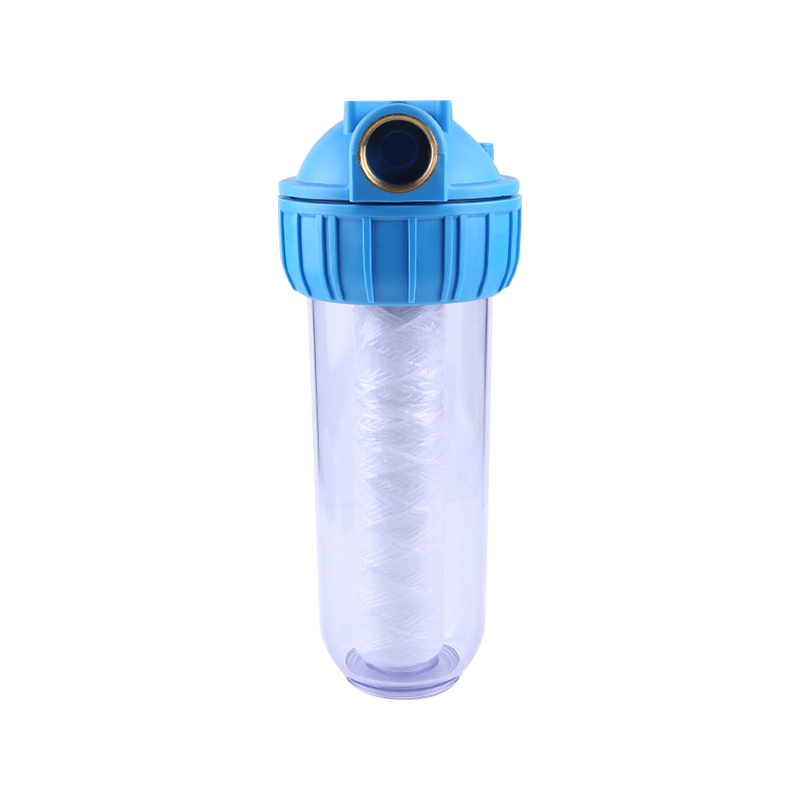
1. Single Water Filter(15BAR); 2. 10" PET bottle+blue cap,3/4"brass thread.3. With 10" PP 70g filtercartridge.4. Color box Packing. 5. Components: wrench+plastic hanging board+screw.
See Details -
 >
>
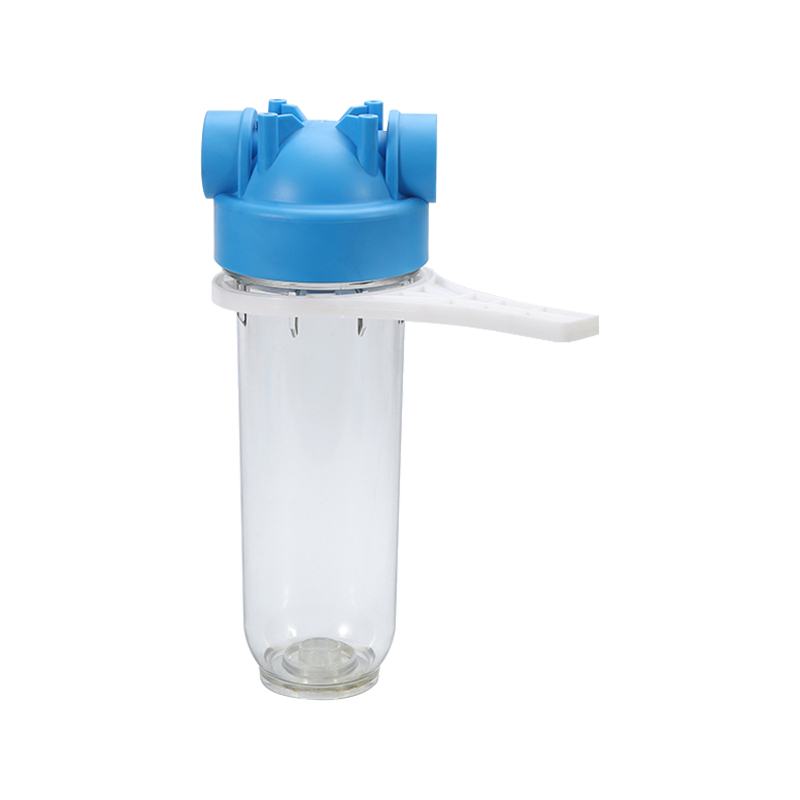
1. Single Water Filter(15BAR).2. 10" PET bottle+blue cap,3/4"brass thread.3. With 10" pp 70g cartridge. 4. Color box Packing. 5. Components: wrench+plastic hanging board+screw.
See Details -
 >
>
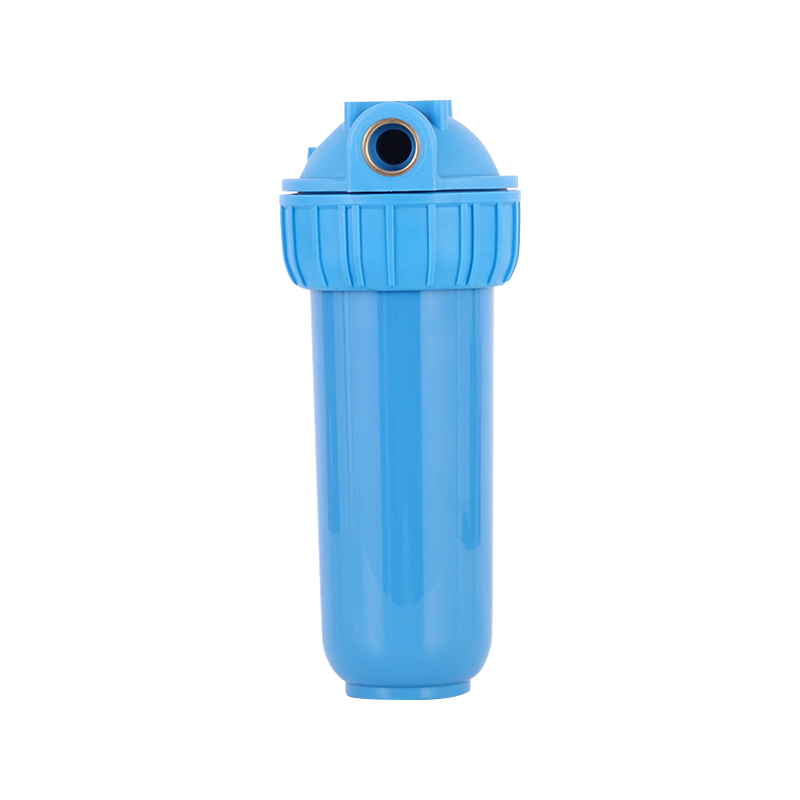
1. Single Water Filter(15BAR).2. 10" PET bottle+blue cap,3/4"brass thread.3. With 10" PP 70g filter cartridge.4. Color box Packing.5. Components: wrench+plastic hanging board+screw.
See Details -
 >
>
1. Single Water Filter(15BAR).2. 10" PET blue bottle+blue cap,3/4"brass thread.3. With 10" pp 70g cartridge. 4. Color box Packing. 5. Components: wrench+plastic hanging board.
See Details -
 >
>
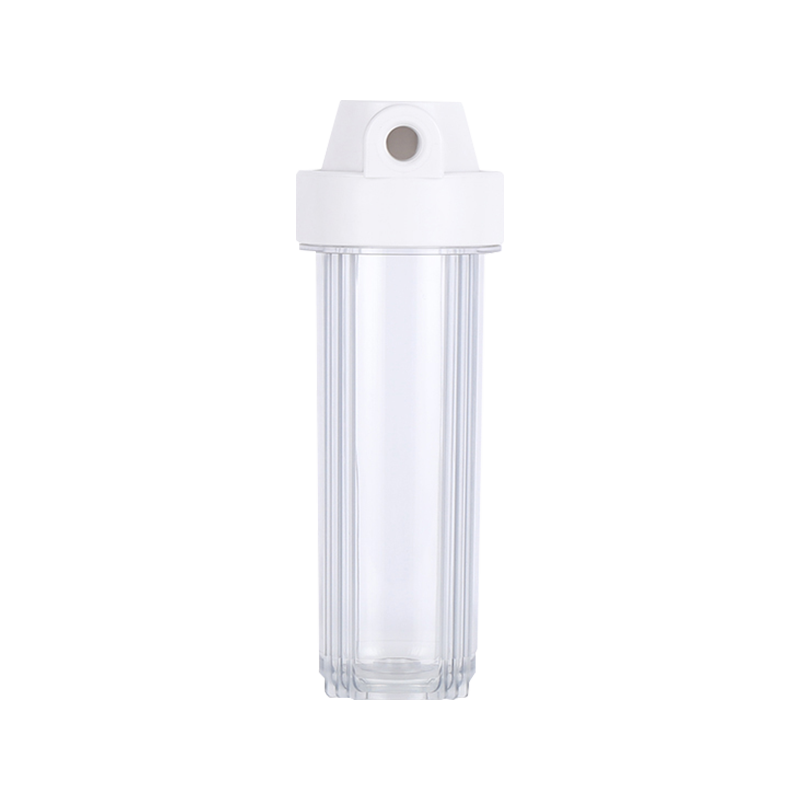
1. Single Water Filter(15BAR).2. 10" PET transparent bottle+white cap,1/4"brass thread.3. With 10" pp 70g cartridge. 4. Color box Packing.
See Details

If you are interested in our products, please consult us
Ningbo Yaorui Water Purification Technology Co., LTD. All Rights Reserved.
Wholesale Household Water Purifier Manufacturers
