 English
 русский
 Español
 عربى
عربى 中文简体
中文简体
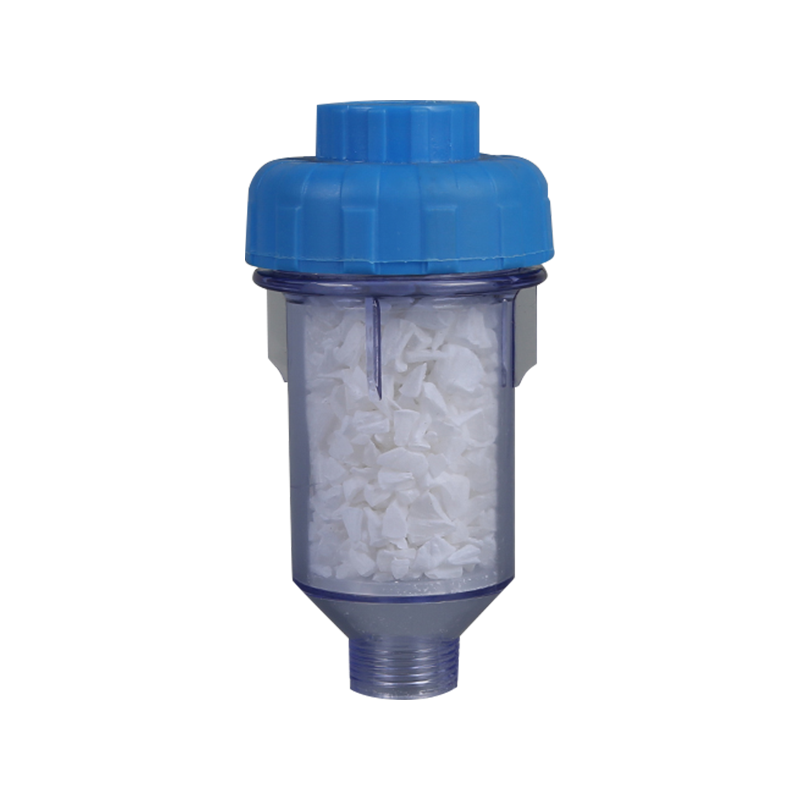 >
>The core highlight of this filter is its built-in silicone sheet filter layer. As a high-performance elastic material, silicone has high-temperature resistance, aging resistance, corrosion resistance,...
See Details [email protected]
 +86-18368206374
 No.99,Yuma Road,Mazhu Town,Yuyao City,Zhejiang Province,China.
How Do You Know When It's Time to Replace Your Single Stage Water Filter Cartridge?
Industry News-Content
- 1 Why Filter Cartridges Have a Finite Lifespan
- 2 The Five Signals That Tell You Replacement Is Due
- 3 Replacement Intervals by Filter Type and Water Quality
- 4 How Your Local Water Quality Compresses the Replacement Schedule
- 5 The Risk of Leaving a Filter Cartridge Too Long
- 6 A Practical Replacement Tracking System
- 7 What to Do When You Replace the Cartridge
The straightforward answer: most single stage water filter cartridges should be replaced every 3 to 6 months, or after filtering 1,000 to 3,000 liters of water — whichever comes first. But that range is wide for a reason. The actual replacement interval for your specific cartridge depends on your local water quality, daily water consumption, filter media type, and whether you can recognize the physical and performance signals that indicate the filter has reached its service limit. Waiting too long is not a neutral outcome — an exhausted filter can release accumulated contaminants back into your water, making it worse than no filter at all.
Why Filter Cartridges Have a Finite Lifespan
A single stage water filter cartridge works by passing water through a filtration medium — most commonly activated carbon, ceramic, or a combination of both — that traps contaminants through physical blocking, adsorption, or ion exchange. Each of these mechanisms has a capacity limit:
- Physical pore blocking (ceramic, sediment filters): Particulates physically clog the pore structure over time, reducing flow rate and eventually preventing adequate filtration of fine particles even when the housing appears intact.
- Adsorption saturation (activated carbon): Carbon filters remove chlorine, chloramines, volatile organic compounds (VOCs), and taste/odor compounds by binding them to the carbon surface. Once all available adsorption sites are occupied, the filter stops removing these contaminants — and under certain conditions, previously captured compounds can desorb back into the water.
- Ion exchange exhaustion (KDF, softening media): Filters using ion exchange to remove heavy metals or soften water have a fixed exchange capacity measured in grains or milligrams. Once exhausted, the media becomes inert — or in the case of some resin types, begins releasing previously captured ions.
- Bacterial colonization: Any filter that slows water flow or sits unused for extended periods can develop biofilm — microbial colonies growing on the filter media itself. A colonized carbon filter can actively add bacteria to filtered water, reversing the purpose of filtration entirely.
The Five Signals That Tell You Replacement Is Due
Signal 1: Reduced Water Flow Rate
A noticeable and progressive drop in flow rate is the most reliable physical indicator that a sediment or ceramic filter is approaching the end of its service life. As particulate matter accumulates in the filter matrix, resistance to flow increases. A flow rate reduction of 30–50% from the filter's initial output is a clear sign that replacement is overdue — even if the manufacturer's recommended interval has not yet been reached.
To track this practically: measure and record the time required to fill a standard 1-liter container when the filter is new. Repeat this test monthly. When fill time has increased by more than 40–50%, replace the cartridge. Note that activated carbon-only filters may not show significant flow reduction even when chemically exhausted — making flow rate an unreliable sole indicator for carbon media.
Signal 2: Return of Taste or Odor Problems
If your filtered water previously tasted noticeably better than unfiltered tap water and has recently begun to taste or smell of chlorine, mustiness, or an earthy character, your activated carbon media is saturated. Carbon's primary function in most single stage filters is the removal of chlorine and chloramines — the compounds responsible for the typical "tap water" taste and smell. When you can again detect chlorine odor in filtered water, the carbon's adsorption capacity is exhausted.
A musty or biological smell — distinct from chlorine — is a more urgent signal. This suggests biofilm development within the cartridge, which requires immediate replacement and sanitization of the filter housing before installing a new cartridge.
Signal 3: Visual Changes in Filtered Water
Filtered water should be visually indistinguishable from clean, clear water. Any of the following visual changes indicate the filter has failed and requires immediate replacement:
- Cloudiness or turbidity: The filter's particulate removal capacity has been exceeded. Sediment is passing through.
- Black or grey particles: Carbon fines breaking off from a degraded activated carbon block. Not acutely toxic, but indicates physical disintegration of the filter media.
- Rust-colored or brown water: Iron or sediment breakthrough, particularly in older plumbing systems or areas with high iron content in source water.
- Oily sheen on the water surface: Rare, but can indicate breakdown of certain filter media or contamination of the housing.
Signal 4: Time and Volume Thresholds Exceeded
Even when no obvious performance signals are present, time-based and volume-based replacement is essential. Activated carbon filters that appear to be performing normally can be chemically exhausted for contaminants that have no taste or odor — heavy metals, certain pesticides, pharmaceutical residues — while still removing chlorine effectively. You cannot rely on taste and smell alone to confirm a carbon filter is protecting you against all contaminants it was rated for.
The time threshold also addresses microbial risk. Even low-use filters accumulate bacteria over time. A cartridge that has been in service for more than 6 months — regardless of volume filtered — should be replaced, as stagnant moisture within the media supports biofilm growth independent of filtration load.
Signal 5: Filter Indicator or TDS Meter Reading
Many modern single stage filter housings include a mechanical or electronic usage indicator — typically a flow-counting device that tracks total volume filtered and signals replacement at the rated capacity. These indicators are useful but imperfect: they track volume, not contaminant load, and cannot account for unusually high contamination in source water that exhausts the filter ahead of schedule.
A handheld TDS (Total Dissolved Solids) meter, available for $10–$30, provides a more direct performance check. Measure TDS in your unfiltered tap water and in your filtered output. If the filter is performing correctly, the filtered TDS reading should be measurably lower than the tap water reading. Note that activated carbon filters do not significantly reduce TDS (they target organic compounds, not dissolved minerals), so TDS comparison is most meaningful for filters incorporating ion exchange or reverse osmosis stages — but it remains a useful consistency check for detecting gross filter failure.
Replacement Intervals by Filter Type and Water Quality
| Filter Media Type | Standard Water Quality | Poor / Hard Water | Volume Limit | Primary Failure Mode |
|---|---|---|---|---|
| Activated carbon block | 6 months | 3–4 months | 2,000–3,000 L | Adsorption saturation |
| Granular activated carbon (GAC) | 3–6 months | 2–3 months | 1,000–2,000 L | Channeling + saturation |
| Ceramic (plain) | 6–12 months* | 3–6 months | No fixed limit* | Pore clogging / cracking |
| Ceramic + carbon core | 6 months | 3–4 months | 1,500–2,500 L | Carbon saturation (first) |
| KDF + carbon | 6–12 months | 4–6 months | 3,000–5,000 L | KDF exhaustion / scaling |
| Sediment (PP spun) | 3–6 months | 1–3 months | Flow-rate dependent | Particulate clogging |
How Your Local Water Quality Compresses the Replacement Schedule
Manufacturer-stated replacement intervals are almost always calculated for moderately clean municipal water. Real-world water quality varies dramatically, and high contamination loads can exhaust a cartridge in half the stated time or less. Key factors that accelerate replacement intervals include:
- High chlorine dosing: Municipal systems in areas with aging infrastructure or higher microbial risk often dose chlorine at 2–4 mg/L, versus the 0.5–1.0 mg/L common in well-maintained systems. Higher chlorine levels saturate carbon adsorption sites proportionally faster.
- High turbidity or sediment: Water with visible particulates or seasonal turbidity spikes (common after heavy rainfall or flooding) physically clogs ceramic and sediment filters rapidly. A filter rated for 6 months in clear municipal water may clog within 4–6 weeks during a high-turbidity period.
- Hard water (high calcium and magnesium): Scale-forming minerals reduce filter flow rate and can coat activated carbon particles, reducing their effective surface area and adsorption capacity. Water hardness above 200 mg/L as CaCO₃ noticeably compresses carbon filter life.
- High iron content: Iron precipitates as rust-colored particles that rapidly clog filter pores. Dissolved iron also competes with organic contaminants for carbon adsorption sites. Iron levels above 0.3 mg/L (the WHO guideline) significantly shorten filter cartridge life.
- Well water or private water supplies: Unregulated private supplies can carry bacterial loads, agricultural runoff, and organic matter far exceeding municipal water quality — often exhausting cartridges 2–4 times faster than stated intervals and potentially requiring more frequent microbiological testing rather than relying on filter performance alone.
The Risk of Leaving a Filter Cartridge Too Long
Delaying cartridge replacement is not simply a matter of reduced performance — in some cases it actively creates water quality problems worse than using no filter at all:
- Contaminant desorption: A saturated activated carbon filter that continues to receive water can release previously captured volatile organic compounds (VOCs), pesticides, or chlorine by-products back into the filtered water — a phenomenon confirmed in laboratory studies where exhausted carbon filters produced filtered water with higher contaminant concentrations than the unfiltered source.
- Bacterial growth: Moist filter media at room temperature is an ideal bacterial growth environment. A 2018 study published in npj Clean Water detected bacterial counts in water from unchanged household filters 10,000 times higher than in the unfiltered tap water entering the filter — driven entirely by biofilm accumulation on the filter media.
- Physical media failure: Ceramic filter elements can develop micro-cracks from thermal cycling or physical stress. A cracked ceramic filter passes unfiltered water directly while appearing visually intact — the only reliable check is visual inspection under good lighting before each reinstallation.
A Practical Replacement Tracking System
The simplest and most reliable approach combines three tracking methods simultaneously:
- Date label on installation: Write the installation date directly on the cartridge or housing with a permanent marker. This takes 10 seconds and eliminates the most common reason for missed replacements — simply forgetting when the last change was made.
- Calendar or phone reminder: Set a recurring reminder for 3 months after installation (not 6 months — review at 3 months and extend only if flow rate and taste remain strong and your water quality is known to be good).
- Monthly flow rate check: A 60-second test filling a 1-liter bottle. Log the time. Any trend toward 40–50% longer fill time than baseline triggers immediate replacement regardless of the calendar date.
- Taste and odor check after periods of non-use: If the filter has sat unused for more than 5–7 days (holiday, travel), flush 2–3 liters through before drinking and check for any unusual taste or odor before resuming normal use.
What to Do When You Replace the Cartridge
Replacing the cartridge without servicing the housing leaves contamination in place. At every cartridge change:
- Inspect and clean the filter housing with a mild bleach solution (1 teaspoon of household bleach per liter of water), rinse thoroughly, and dry before inserting the new cartridge. Biofilm on the housing will colonize a new cartridge within days if not removed.
- Check O-rings and seals for cracking or deformation. A damaged O-ring allows unfiltered water to bypass the cartridge entirely — the most common cause of "the filter isn't working" that has nothing to do with the cartridge itself.
- Flush the new cartridge before use. Most manufacturers specify flushing 2–5 liters through a new carbon cartridge to remove carbon fines and any manufacturing residues. This water should not be consumed.
- Record the replacement date immediately — before the housing goes back together and the moment passes
The timing of filter cartridge replacement is not a matter of following a single number — it is a judgment that combines the manufacturer's rated capacity, your actual water quality, your daily consumption, and the physical signals your filter gives you. The safe default is replacement every 3 months, extended to 6 months only if flow rate remains strong, taste and odor are good, and your source water is known to be clean municipal supply. Any visual changes in filtered water, return of chlorine odor, significant flow reduction, or unusual smells are signals that require immediate replacement — not a wait-and-see response. An overdue filter cartridge is not a neutral filter. It is a potential source of contamination.
Related products
-
 >
>
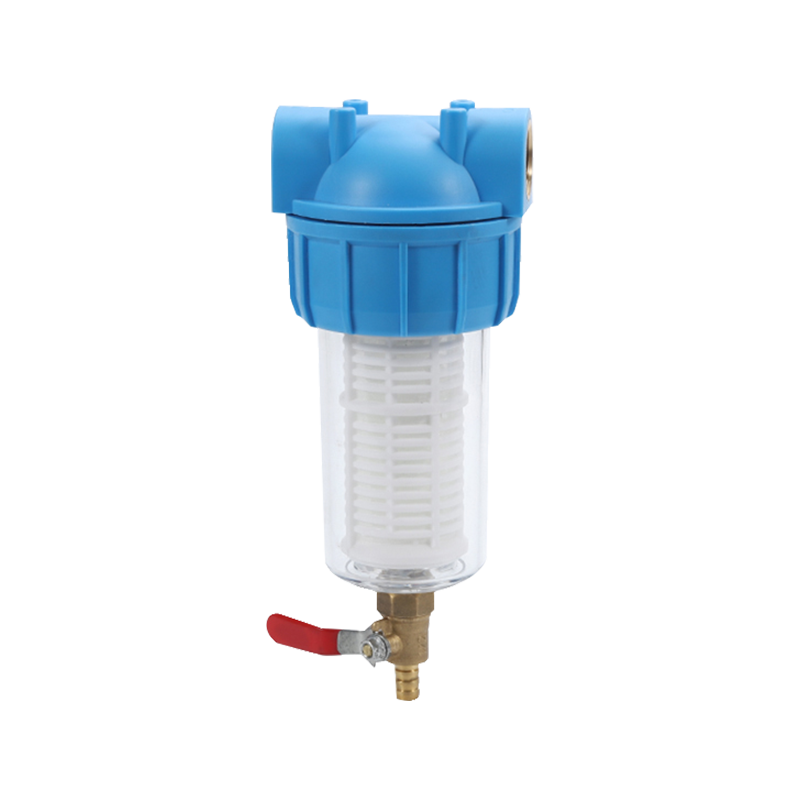
RH-06J5BSingle Water Filter with copper recoil valve is characterized by its efficient filtration system, which can effectively remove impurities, suspended matter, residual chlorine, odor and some ha...
See Details -
 >
>
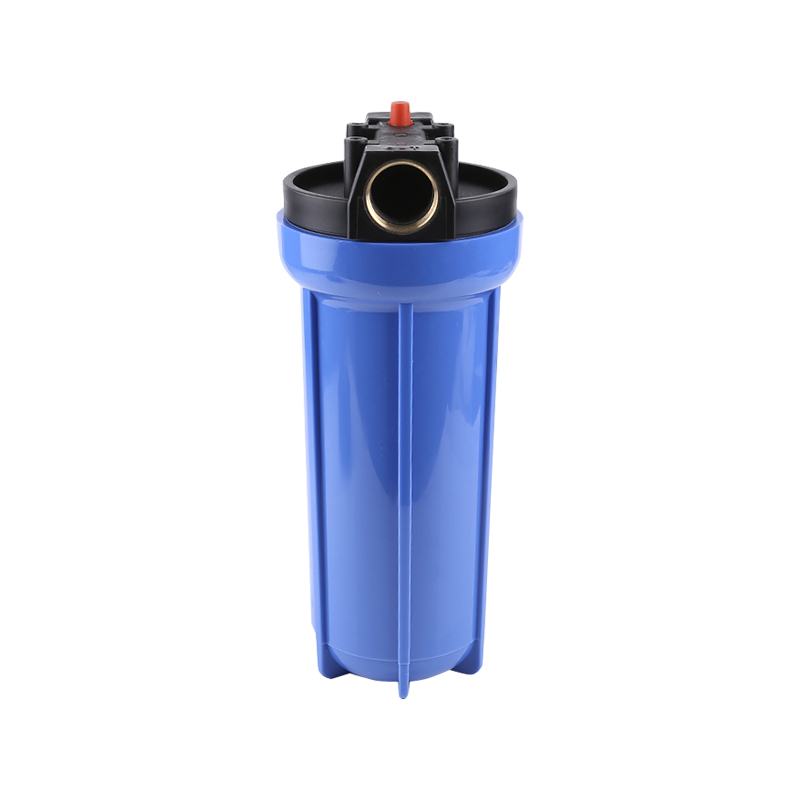
1. Single Water Filter(15BAR).2. 10" PET bottle+black cap, 3/4"brass thread.3. With 10" PP 70g filter cartridge.4. Color box packing.5. Components: wrench+plastic hanging board+screw.
See Details -
 >
>
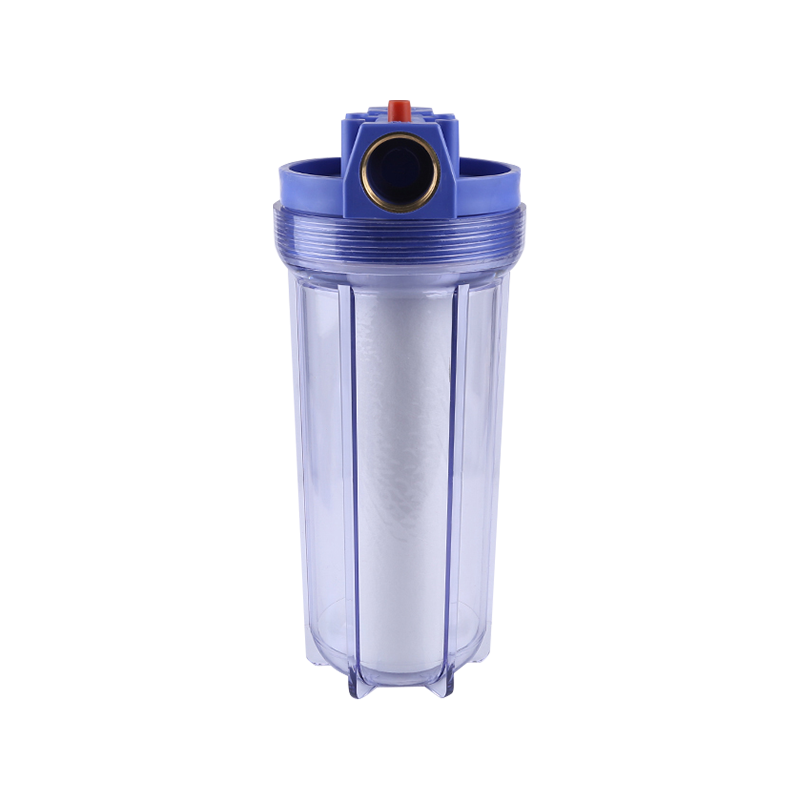
1. Single Water Filter(15BAR); 2. 10" PET bottle+blue cap,3/4"brass thread.3. With 10" PP 70g filtercartridge.4. Color box Packing. 5. Components: wrench+plastic hanging board+screw.
See Details -
 >
>
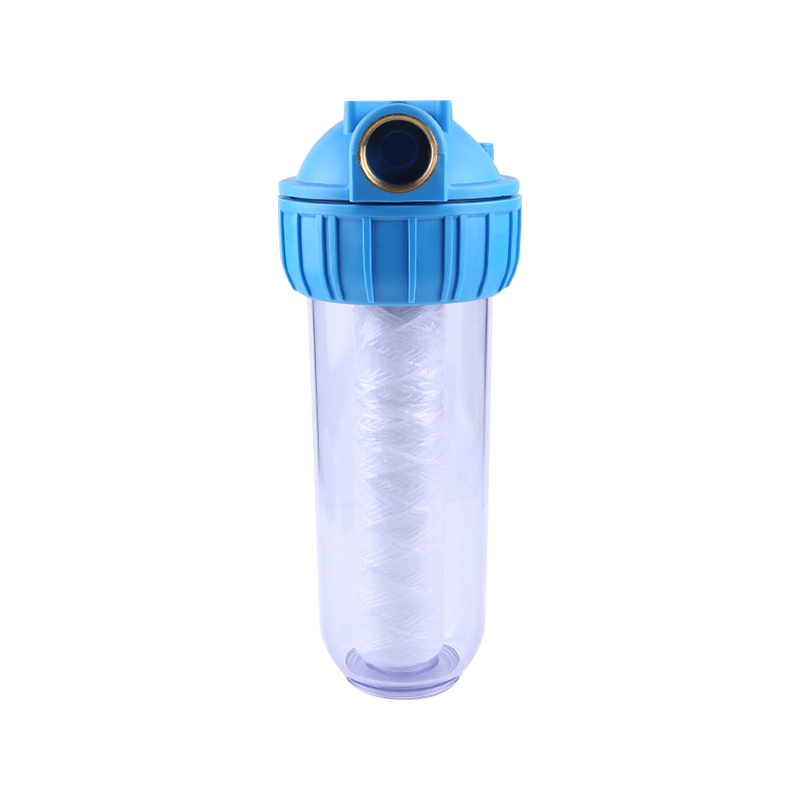
1. Single Water Filter(15BAR).2. 10" PET bottle+blue cap,3/4"brass thread.3. With 10" pp 70g cartridge. 4. Color box Packing. 5. Components: wrench+plastic hanging board+screw.
See Details -
 >
>
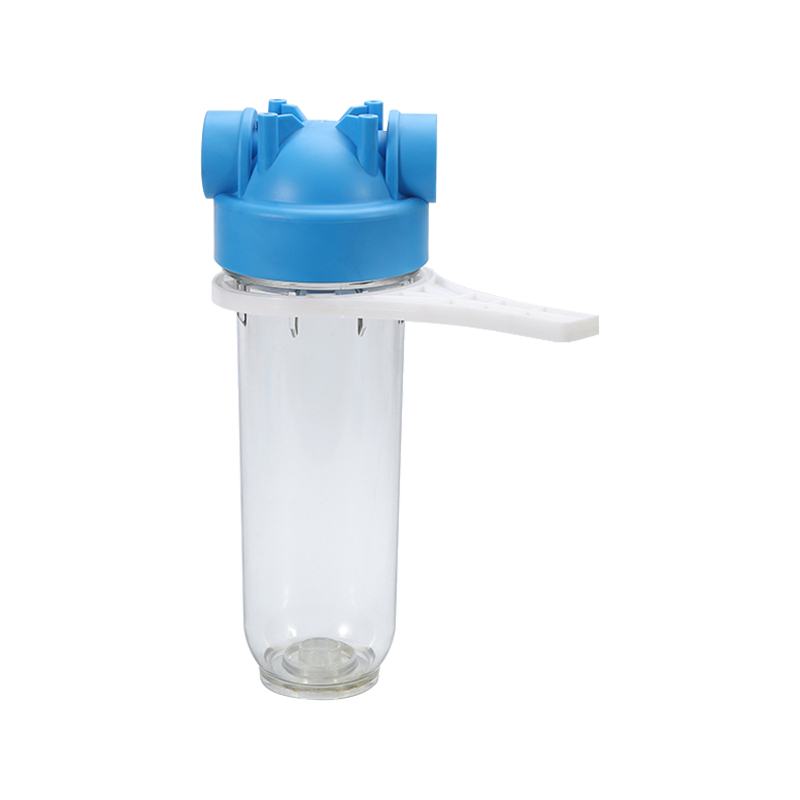
1. Single Water Filter(15BAR).2. 10" PET bottle+blue cap,3/4"brass thread.3. With 10" PP 70g filter cartridge.4. Color box Packing.5. Components: wrench+plastic hanging board+screw.
See Details -
 >
>
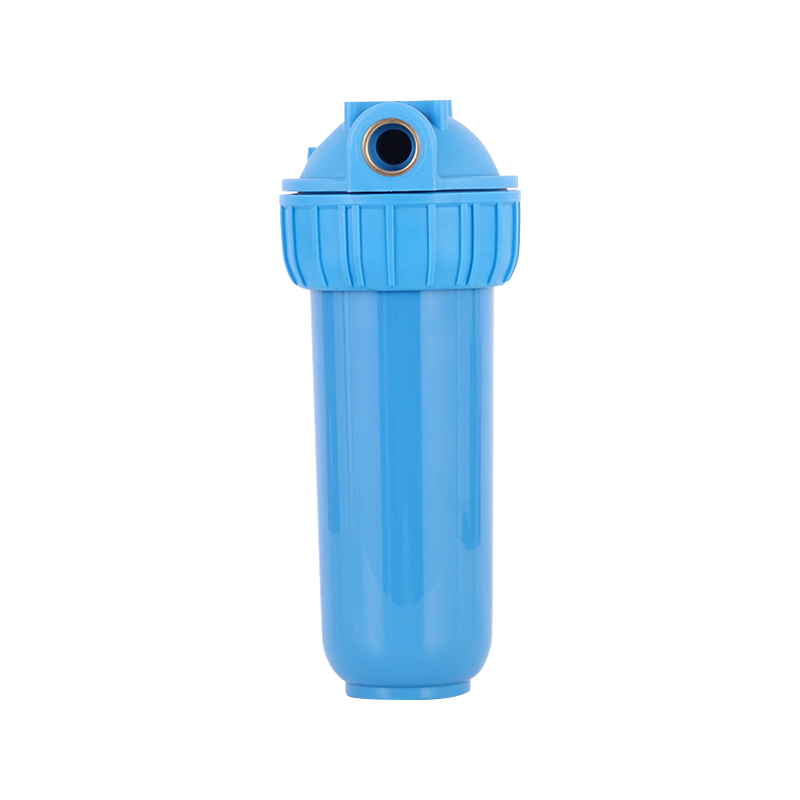
1. Single Water Filter(15BAR).2. 10" PET blue bottle+blue cap,3/4"brass thread.3. With 10" pp 70g cartridge. 4. Color box Packing. 5. Components: wrench+plastic hanging board.
See Details -
 >
>
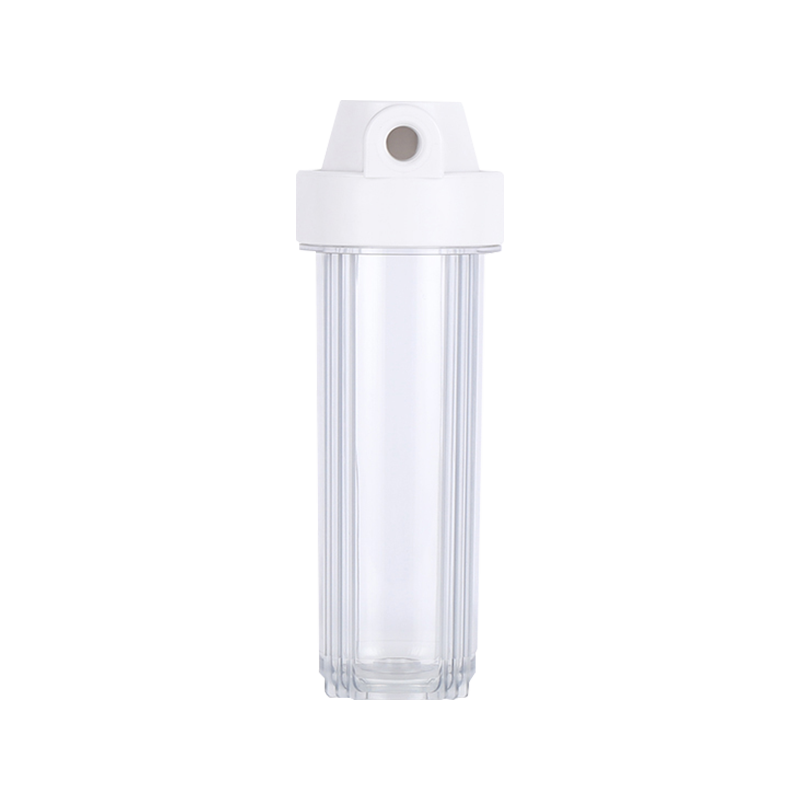
1. Single Water Filter(15BAR).2. 10" PET transparent bottle+white cap,1/4"brass thread.3. With 10" pp 70g cartridge. 4. Color box Packing.
See Details

If you are interested in our products, please consult us
Ningbo Yaorui Water Purification Technology Co., LTD. All Rights Reserved.
Wholesale Household Water Purifier Manufacturers
