 English
 русский
 Español
 عربى
عربى 中文简体
中文简体
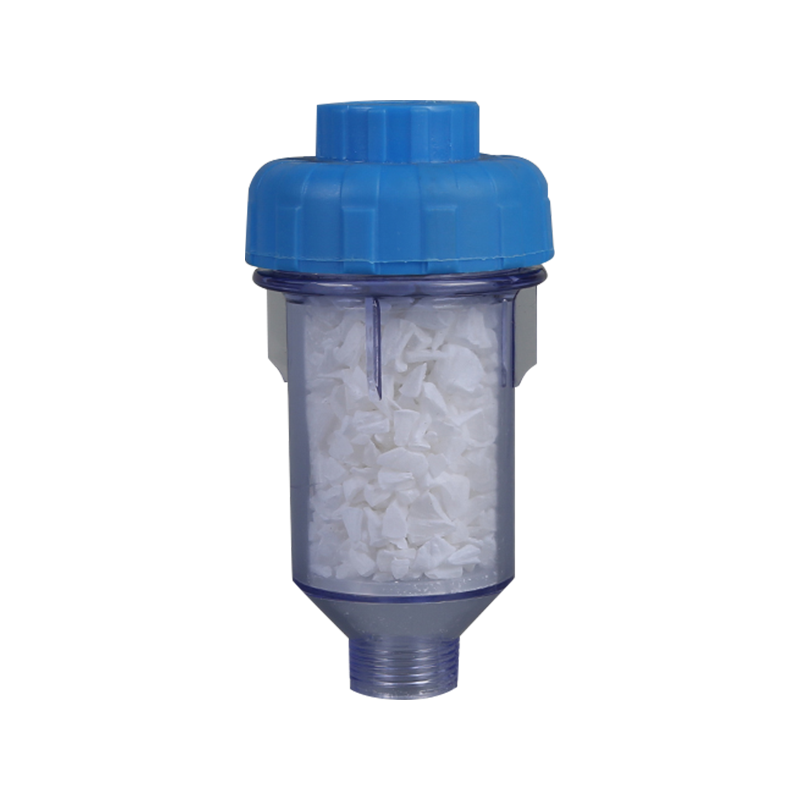 >
>The core highlight of this filter is its built-in silicone sheet filter layer. As a high-performance elastic material, silicone has high-temperature resistance, aging resistance, corrosion resistance,...
See Details [email protected]
 +86-18368206374
 No.99,Yuma Road,Mazhu Town,Yuyao City,Zhejiang Province,China.
What Is the Difference Between OEM and Aftermarket Water Filter Parts?
Industry News-Content
- 1 What OEM Water Filter Parts Actually Mean
- 2 What Aftermarket Water Filter Parts Mean
- 3 Head-to-Head Comparison: OEM vs Aftermarket
- 4 Filtration Performance: Where the Real Difference Lies
- 5 Warranty and Appliance Risk Considerations
- 6 When Aftermarket Makes Sense — and When It Doesn't
- 7 How to Evaluate an Aftermarket Filter Before Buying
OEM (Original Equipment Manufacturer) water filter parts are made by the original brand and guaranteed to fit and perform as designed, while aftermarket parts are made by third-party manufacturers, often at a lower cost but with varying quality. Choosing between the two affects filtration performance, warranty validity, and long-term appliance health. Here's a practical breakdown to help you decide.
What OEM Water Filter Parts Actually Mean
OEM parts are manufactured by — or under direct license from — the company that built your appliance. For example, a Samsung DA29-00020B filter sold under the Samsung brand is an OEM part. These are engineered to exact specifications for flow rate, micron rating, and housing dimensions.
Key characteristics of OEM filters:
- Tested and certified specifically for the appliance model
- Typically NSF/ANSI 42 and 53 certified for contaminant reduction
- Carry the appliance manufacturer's warranty protection
- Average cost: $40–$70 per filter for major brands like LG, Whirlpool, or GE
What Aftermarket Water Filter Parts Mean
Aftermarket filters are produced by independent companies designed to be compatible with specific appliance models. Brands like Waterdrop, EveryDrop (in some lines), and ICEPURE make aftermarket alternatives. Quality varies significantly across manufacturers.
Key characteristics of aftermarket filters:
- Cost typically 30–60% less than OEM equivalents ($15–$35 range)
- Quality varies — some are NSF-certified, many are not
- May or may not match OEM flow rate and filtration capacity
- Can potentially void appliance warranties if problems arise
Head-to-Head Comparison: OEM vs Aftermarket
| Factor | OEM | Aftermarket |
|---|---|---|
| Average Cost | $40–$70 | $15–$35 |
| NSF Certification | Standard | Varies by brand |
| Fit Guarantee | Exact | Usually compatible |
| Warranty Protection | Full | May be voided |
| Contaminant Reduction | Verified | Varies widely |
| Filter Life (avg) | 6 months / 300 gal | Claimed 6 months, often less |
Filtration Performance: Where the Real Difference Lies
This is the most critical factor for health. OEM filters are tested under standardized conditions to remove specific contaminants at certified percentages. For example, Whirlpool's OEM EveryDrop filters are NSF/ANSI 401 certified to reduce emerging contaminants like pharmaceuticals and pesticides.
A 2019 independent study tested 10 aftermarket refrigerator filters and found that 3 out of 10 failed to meet their claimed chlorine reduction rates after just 2 months of use. Some aftermarket filters also showed higher-than-expected levels of lead and cyst bypass.
What to look for in aftermarket filter certifications:
- NSF/ANSI 42 – aesthetic impurities (chlorine, taste, odor)
- NSF/ANSI 53 – health-related contaminants (lead, cysts, VOCs)
- NSF/ANSI 401 – emerging contaminants (pharmaceuticals, herbicides)
- WQA (Water Quality Association) Gold Seal — an additional trust indicator
Warranty and Appliance Risk Considerations
Using an aftermarket filter doesn't automatically void your appliance warranty under the Magnuson-Moss Warranty Act in the U.S. — manufacturers must prove the third-party part caused the damage. However, if an aftermarket filter leaks and damages your refrigerator's ice maker or water lines, proving that the OEM part would have prevented the issue becomes complicated and costly.
Brands like LG and Samsung explicitly state in their manuals that use of non-OEM filters may affect warranty coverage on water-related components. If your appliance is under a manufacturer's warranty and is a high-value unit ($1,500+), the $20–$30 savings on a filter may not be worth the risk.
When Aftermarket Makes Sense — and When It Doesn't
Choose aftermarket if:
- The appliance is out of warranty and older than 5 years
- The aftermarket brand carries verified NSF/ANSI 53 or 42 certification
- You're filtering for taste/odor rather than health contaminants
- Budget is a priority and you replace filters on schedule every 6 months
Choose OEM if:
- Your appliance is under an active manufacturer warranty
- You have concerns about lead, cysts, or specific health contaminants
- Your household includes infants, immunocompromised individuals, or pregnant women
- The OEM filter indicator light or system is tied to certified filter recognition
How to Evaluate an Aftermarket Filter Before Buying
Not all aftermarket filters are low quality. Here's a practical checklist before purchasing:
- Verify the NSF certification number on the NSF International website (nsf.org) — don't trust label claims alone
- Check if the brand publishes independent lab test results for your specific contaminants
- Look for filters with at least 1,000+ verified reviews and consistent ratings above 4.2/5
- Confirm the filter model number cross-references your exact appliance model
- Check the return policy — reputable aftermarket brands offer 30-day returns if fit or flow is compromised
OEM filters offer guaranteed fit, certified filtration performance, and full warranty compatibility — but at a higher price. Aftermarket filters can deliver real cost savings (up to 60% less) if you choose a reputable brand with verified NSF certifications. The key is not assuming "compatible" means "equivalent." Always verify certifications independently, match the filter to your water quality concerns, and weigh the warranty risk against the savings — especially on newer, high-value appliances.
Related products
-
 >
>
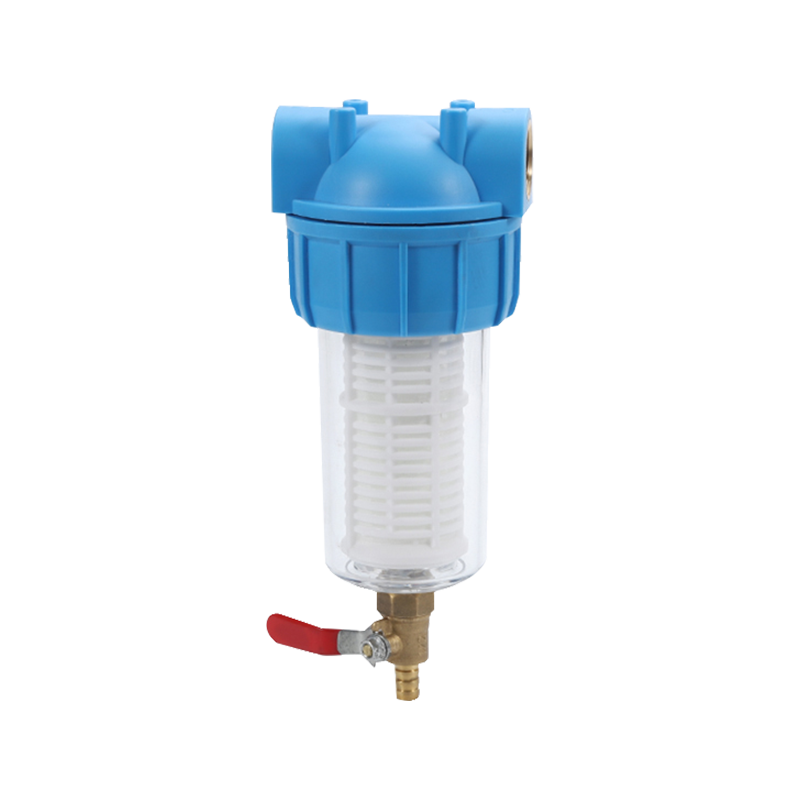
RH-06J5BSingle Water Filter with copper recoil valve is characterized by its efficient filtration system, which can effectively remove impurities, suspended matter, residual chlorine, odor and some ha...
See Details -
 >
>
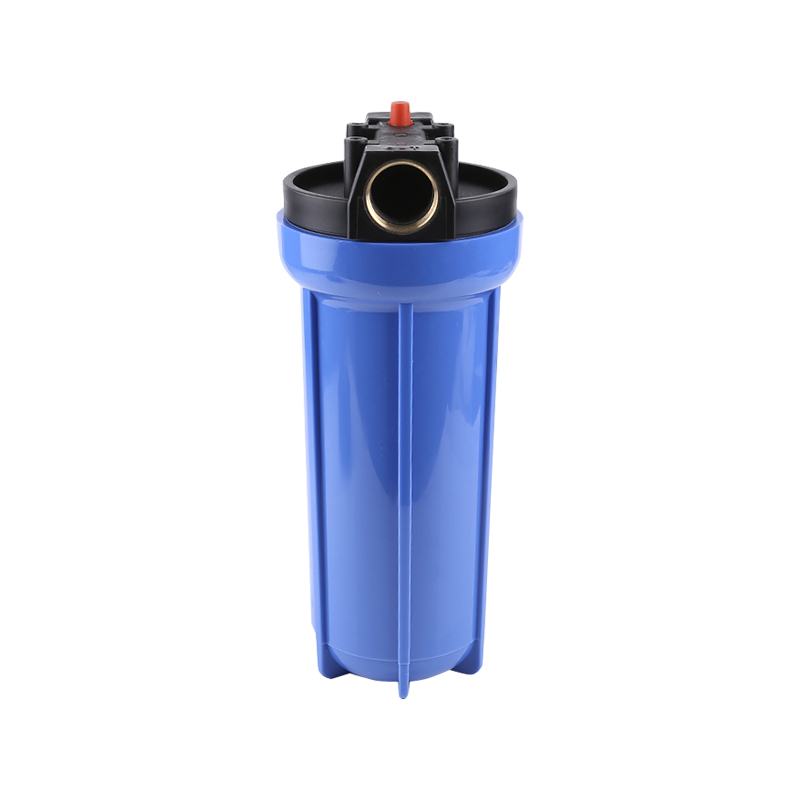
1. Single Water Filter(15BAR).2. 10" PET bottle+black cap, 3/4"brass thread.3. With 10" PP 70g filter cartridge.4. Color box packing.5. Components: wrench+plastic hanging board+screw.
See Details -
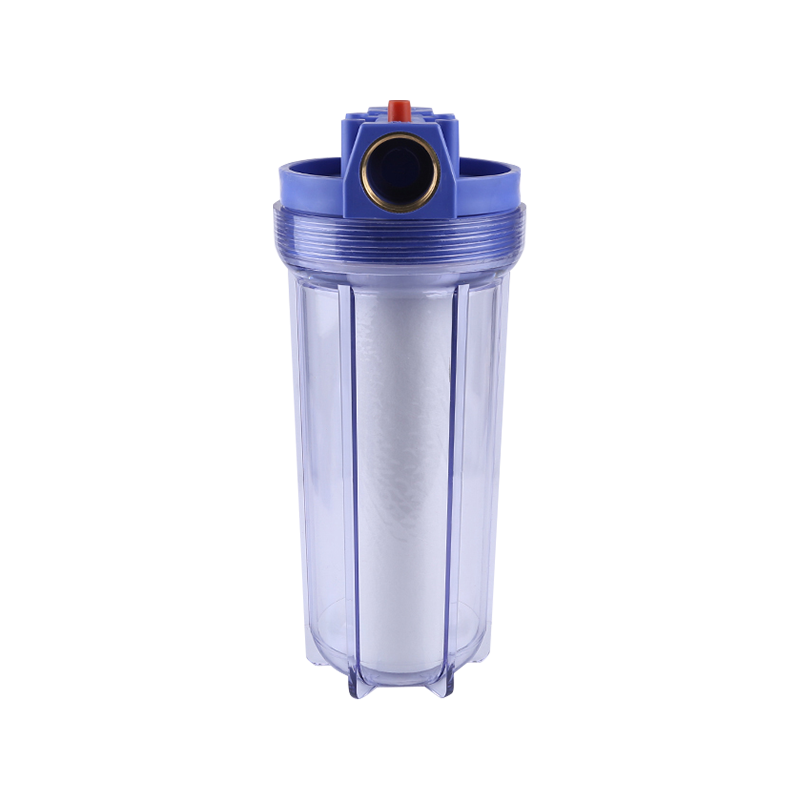 >
>
1. Single Water Filter(15BAR); 2. 10" PET bottle+blue cap,3/4"brass thread.3. With 10" PP 70g filtercartridge.4. Color box Packing. 5. Components: wrench+plastic hanging board+screw.
See Details -
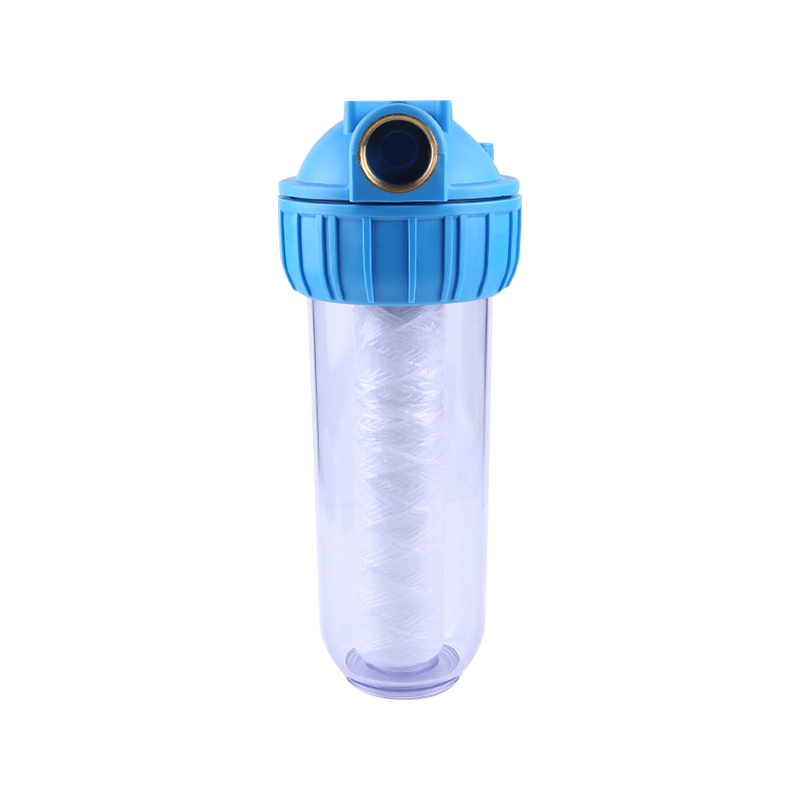 >
>
1. Single Water Filter(15BAR).2. 10" PET bottle+blue cap,3/4"brass thread.3. With 10" pp 70g cartridge. 4. Color box Packing. 5. Components: wrench+plastic hanging board+screw.
See Details -
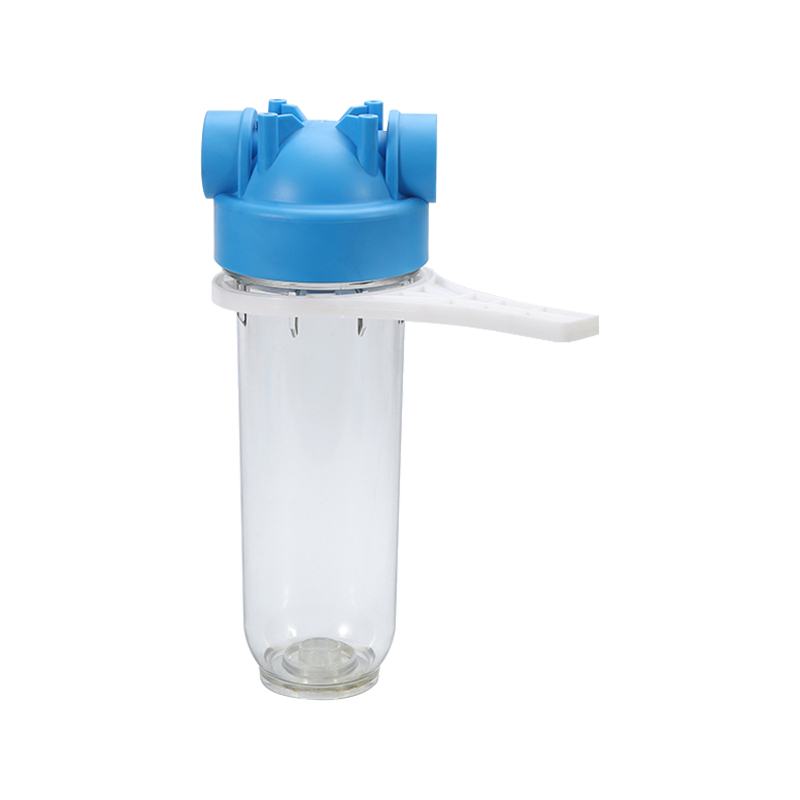 >
>
1. Single Water Filter(15BAR).2. 10" PET bottle+blue cap,3/4"brass thread.3. With 10" PP 70g filter cartridge.4. Color box Packing.5. Components: wrench+plastic hanging board+screw.
See Details -
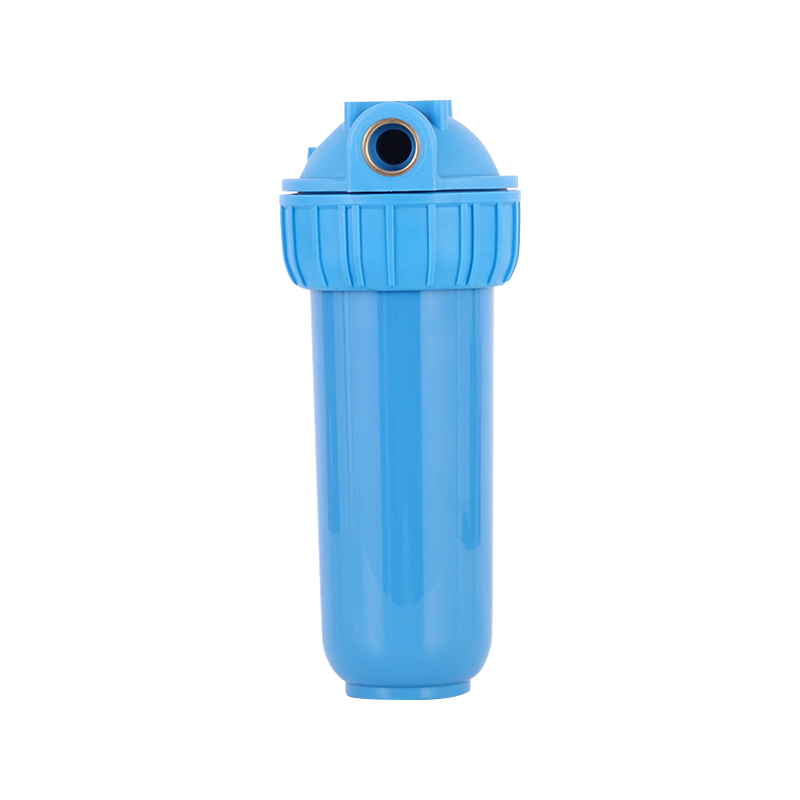 >
>
1. Single Water Filter(15BAR).2. 10" PET blue bottle+blue cap,3/4"brass thread.3. With 10" pp 70g cartridge. 4. Color box Packing. 5. Components: wrench+plastic hanging board.
See Details -
 >
>
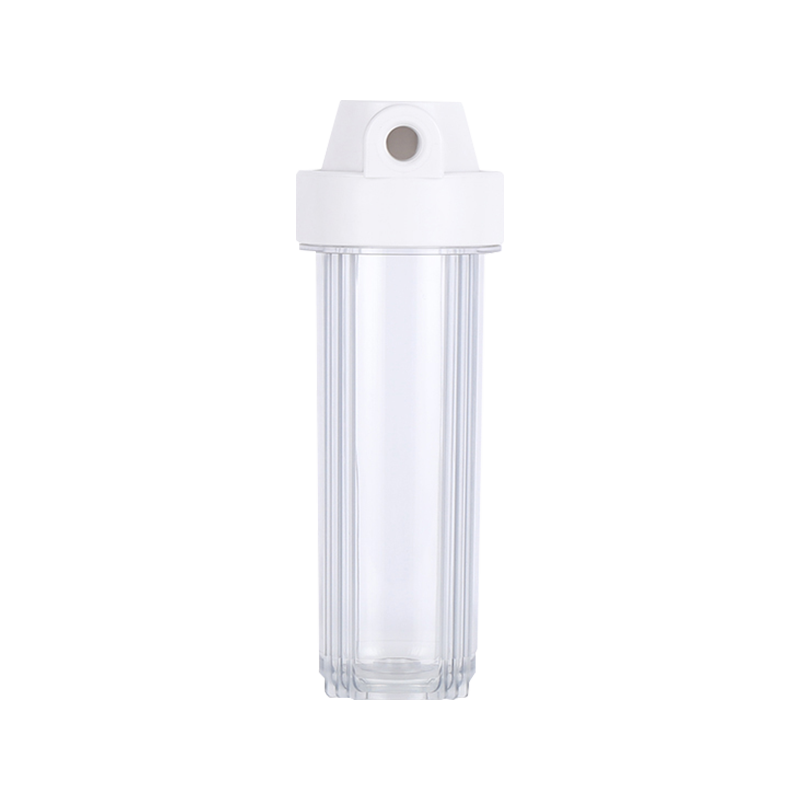
1. Single Water Filter(15BAR).2. 10" PET transparent bottle+white cap,1/4"brass thread.3. With 10" pp 70g cartridge. 4. Color box Packing.
See Details

If you are interested in our products, please consult us
Ningbo Yaorui Water Purification Technology Co., LTD. All Rights Reserved.
Wholesale Household Water Purifier Manufacturers
