 English
 русский
 Español
 عربى
عربى 中文简体
中文简体
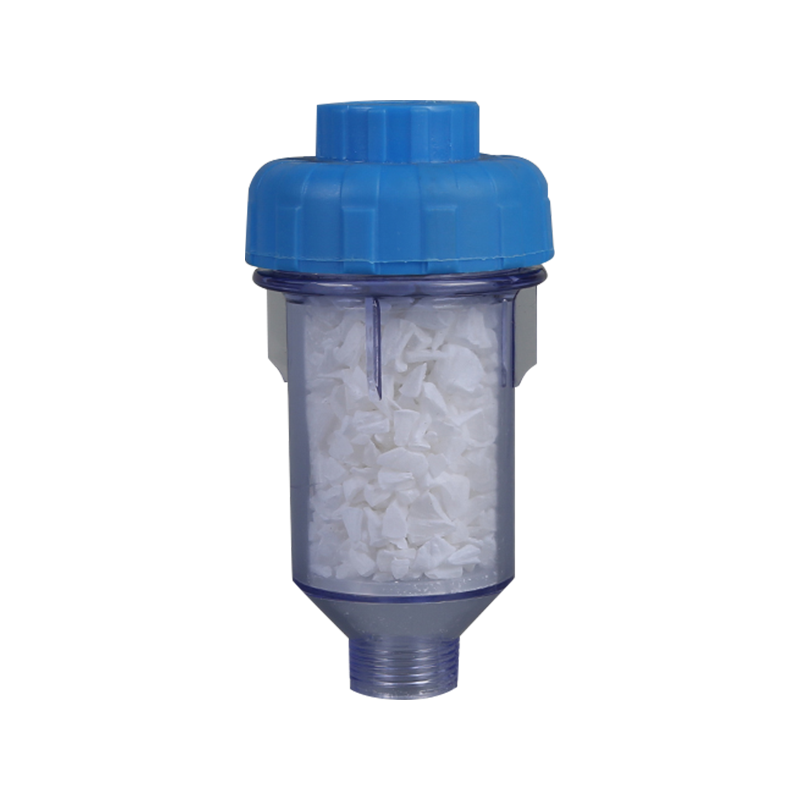 >
>The core highlight of this filter is its built-in silicone sheet filter layer. As a high-performance elastic material, silicone has high-temperature resistance, aging resistance, corrosion resistance,...
See Details [email protected]
 +86-18857088392
 No. 1, Guihua 'an Road, Qinggang Xiaohu Family, Mushan Town, Yuyao , Zhejiang, CHINA
How Does a Double Stage Water Filter Work? Explained Simply
Industry News-What Is a Double Stage Water Filter?
A double stage water filter is a filtration device that uses two separate filter components arranged in sequence to purify water. Unlike a single-stage filter, which only tackles one type of contaminant or impurity, a double stage filter handles multiple contaminants by combining two different filtration methods. This design ensures that water is cleaner, safer, and tastes better before it reaches your tap or drinking glass.
Stage 1: Sediment Filtration
The first stage in a double stage water filter is usually a sediment filter. This filter acts as the initial barrier that traps and removes larger particles and physical impurities from the water. These can include:
Dirt and sand: Common in groundwater or water coming from old pipes, these particles can make water cloudy and unpleasant.
Rust: Especially in homes with aging plumbing, rust particles can cause discoloration and affect water taste.
Debris and other sediments: Any visible or microscopic particles that could clog downstream filters or damage appliances.
The sediment filter is typically made from materials like polypropylene or pleated polyester, designed to physically block particles above a certain size (measured in microns). By removing these particles early, the sediment filter not only improves water clarity but also protects the next stage from clogging or damage, thereby extending the overall filter’s lifespan.
Stage 2: Carbon Filtration
The second stage is generally an activated carbon filter, which targets chemical impurities and improves taste and odor. Activated carbon is highly porous and has a large surface area that adsorbs contaminants through a process called adsorption (different from absorption). This means harmful chemicals stick to the carbon surface, effectively removing them from the water.
The activated carbon filter can reduce:
Chlorine and chloramine: Chemicals commonly added to municipal water for disinfection, which often cause unpleasant tastes and odors.
Volatile organic compounds (VOCs): Harmful chemicals like pesticides, herbicides, and industrial solvents that may contaminate water sources.
Bad tastes and odors: Any unpleasant smells or flavors, often caused by chemical contaminants or organic matter.
Some bacteria and parasites: While not a full sterilization stage, carbon filtration can reduce some microorganisms and improve water safety.
Because activated carbon filters do not remove minerals, they help preserve the natural taste of water while eliminating unwanted chemicals.
Why Use a Double Stage Filter?
Combining these two filtration stages offers several important benefits:
Comprehensive filtration: Sediment filters remove visible and physical particles, while carbon filters target invisible chemical contaminants, making the water much cleaner overall.
Improved taste and odor: The carbon stage removes chlorine and other chemicals that affect taste and smell, making water more pleasant to drink.
Protection for appliances: Clean water extends the life of household appliances like coffee makers, kettles, and refrigerators by preventing sediment buildup.
Healthier drinking water: Removing both sediments and harmful chemicals reduces health risks and supports overall wellbeing.
Compared to single-stage filters, a double stage filter delivers higher quality water and longer filter lifespan, making it a popular choice for homes and offices.
Related products
-
 >
>
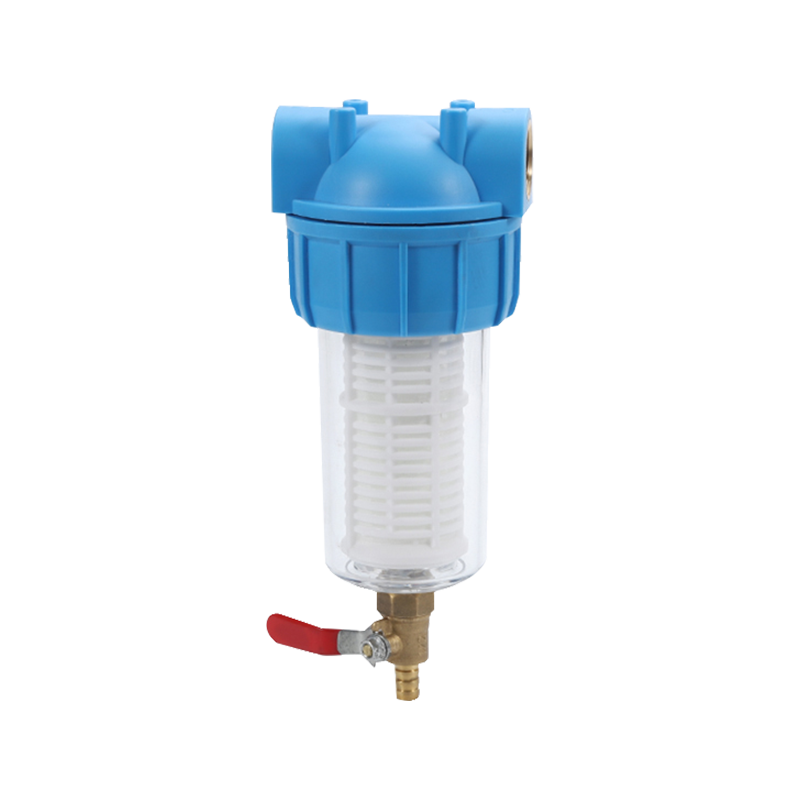
RH-06J5BSingle Water Filter with copper recoil valve is characterized by its efficient filtration system, which can effectively remove impurities, suspended matter, residual chlorine, odor and some ha...
See Details -
 >
>
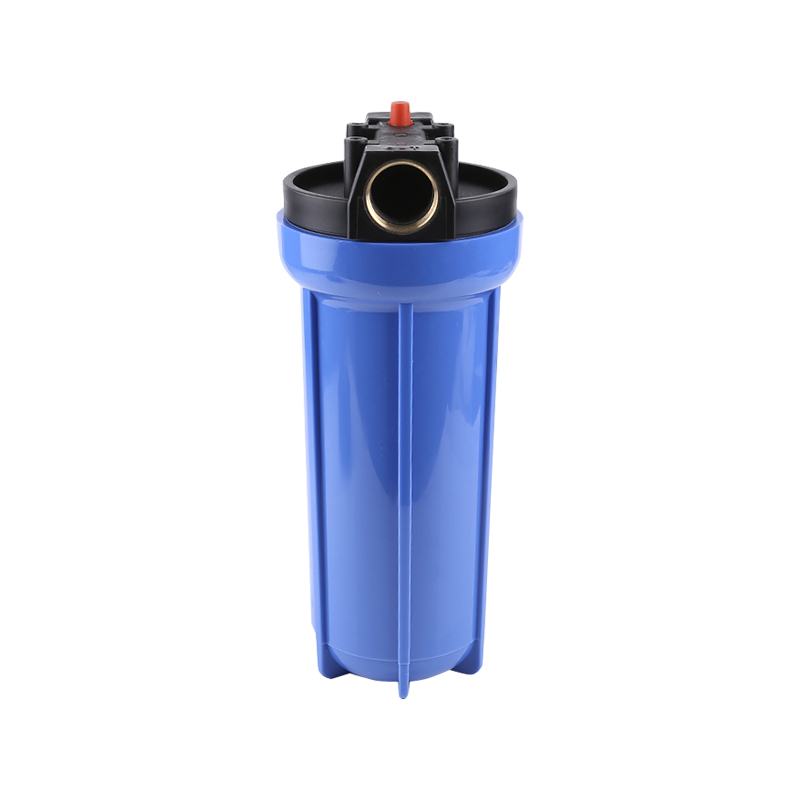
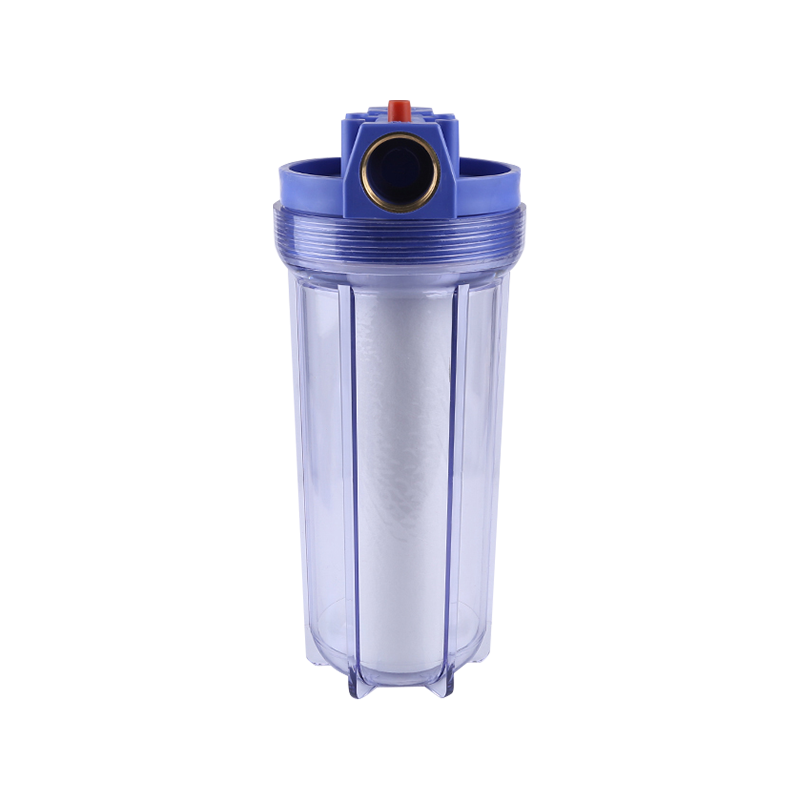
1. Single Water Filter(15BAR).2. 10" PET bottle+black cap, 3/4"brass thread.3. With 10" PP 70g filter cartridge.4. Color box packing.5. Components: wrench+plastic hanging board+screw.
See Details -
 >
>
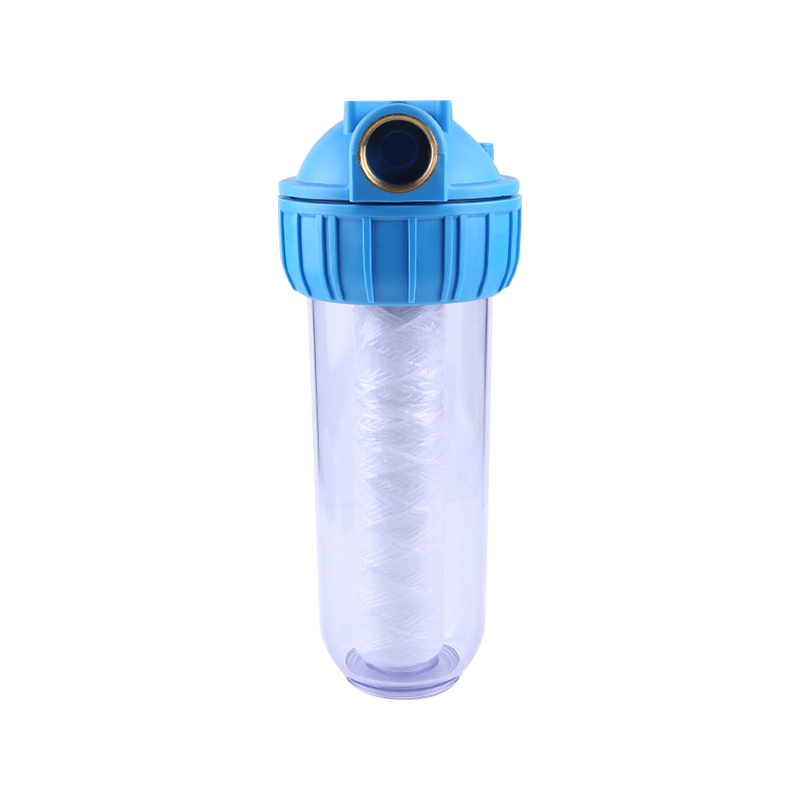
1. Single Water Filter(15BAR); 2. 10" PET bottle+blue cap,3/4"brass thread.3. With 10" PP 70g filtercartridge.4. Color box Packing. 5. Components: wrench+plastic hanging board+screw.
See Details -
 >
>
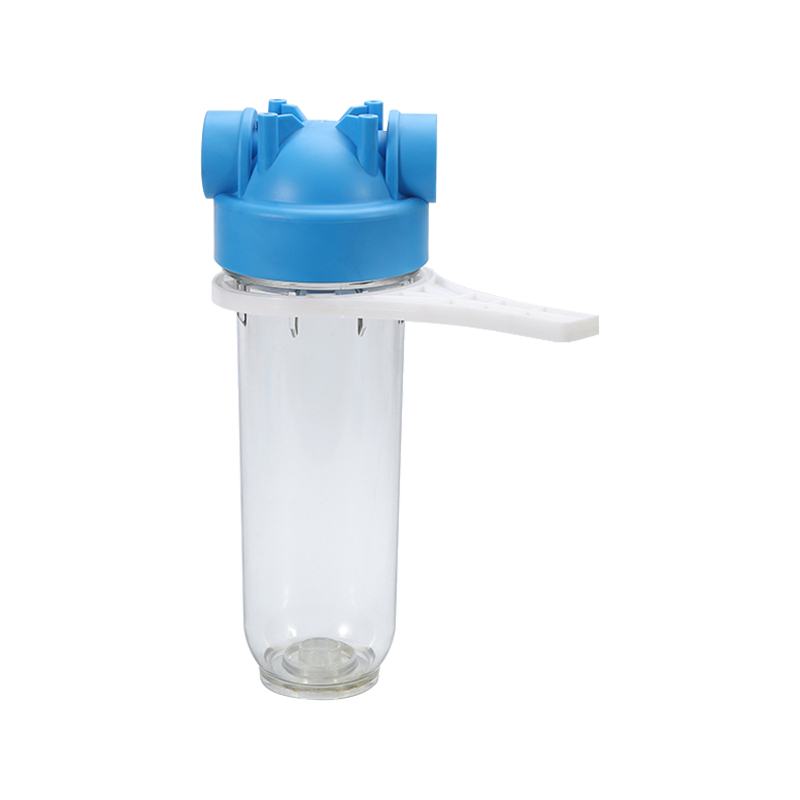
1. Single Water Filter(15BAR).2. 10" PET bottle+blue cap,3/4"brass thread.3. With 10" pp 70g cartridge. 4. Color box Packing. 5. Components: wrench+plastic hanging board+screw.
See Details -
 >
>
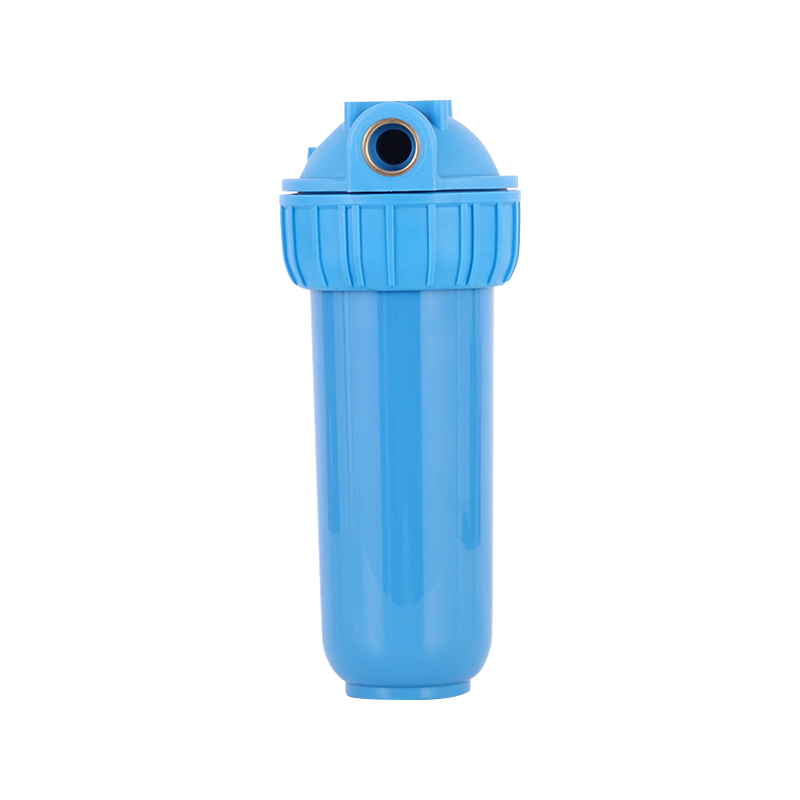
1. Single Water Filter(15BAR).2. 10" PET bottle+blue cap,3/4"brass thread.3. With 10" PP 70g filter cartridge.4. Color box Packing.5. Components: wrench+plastic hanging board+screw.
See Details -
 >
>
1. Single Water Filter(15BAR).2. 10" PET blue bottle+blue cap,3/4"brass thread.3. With 10" pp 70g cartridge. 4. Color box Packing. 5. Components: wrench+plastic hanging board.
See Details -
 >
>
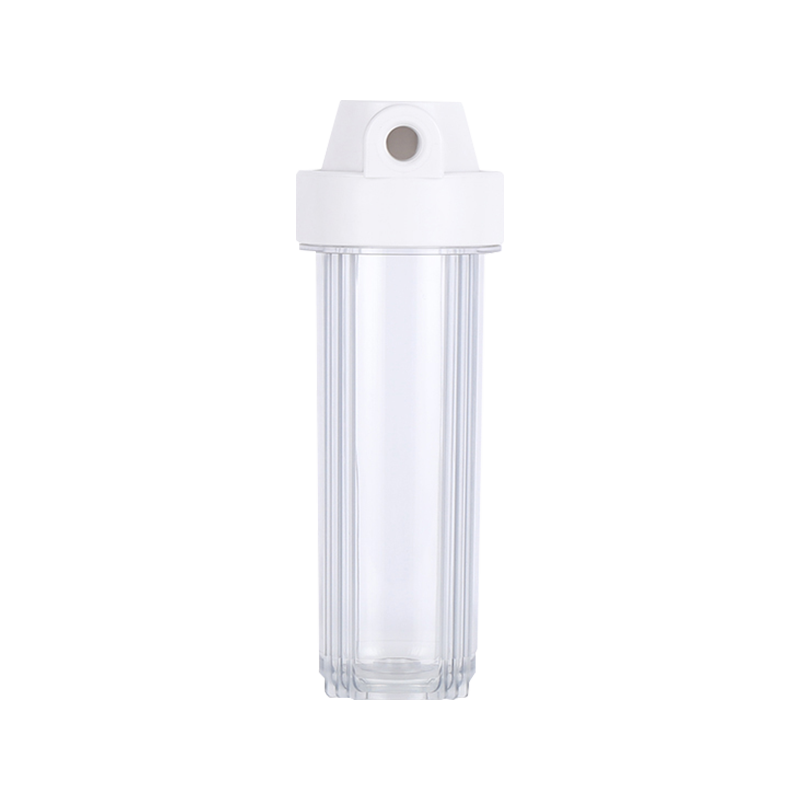
1. Single Water Filter(15BAR).2. 10" PET transparent bottle+white cap,1/4"brass thread.3. With 10" pp 70g cartridge. 4. Color box Packing.
See Details

If you are interested in our products, please consult us
Ningbo Yaorui Water Purification Technology Co., LTD. All Rights Reserved.
Wholesale Household Water Purifier Manufacturers
