 English
 русский
 Español
 عربى
 中文简体

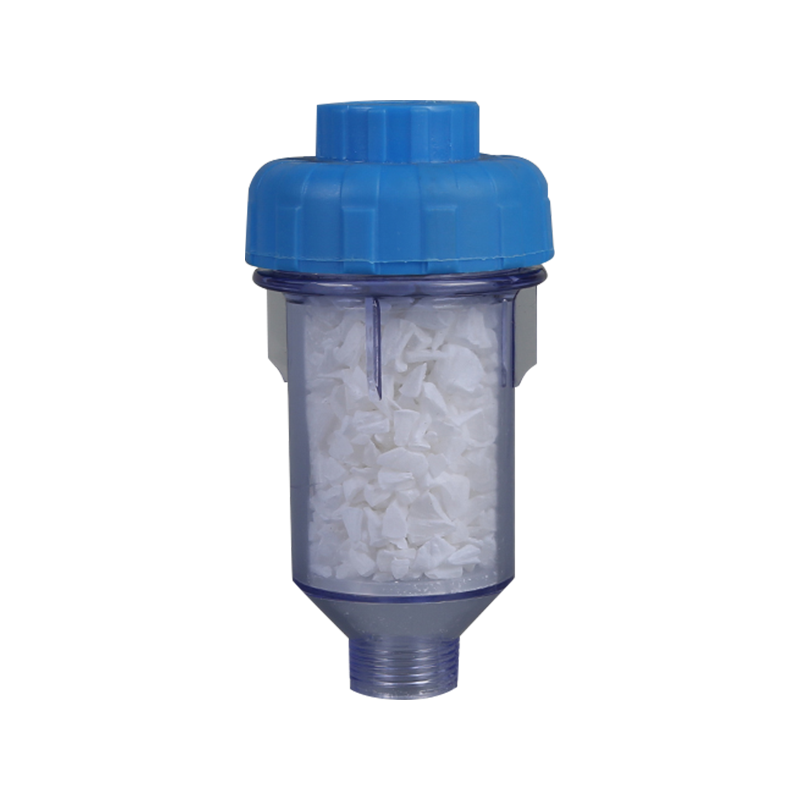 >
The core highlight of this filter is its built-in silicone sheet filter layer. As a high-performance elastic material, silicone has high-temperature resistance, aging resistance, corrosion resistance,...
See Details [email protected]
 +86-18368206374
 No.99,Yuma Road,Mazhu Town,Yuyao City,Zhejiang Province,China.
how does reverse osmosis water filter work: Practical Applications, Selection
Industry News-Content
If you have ever opened the cabinet under a kitchen sink and found a small pump, a tank and a row of cartridges, you have probably asked the same question thousands of people ask: how does a reverse osmosis water filter actually work? The short answer is that it pushes water through a membrane so fine that most dissolved material cannot follow it. The longer answer is more useful, because a reverse osmosis system is really a small production line, and every stage on that line has a job to do.
We have been manufacturing reverse osmosis systems, filter cartridges and housings for more than fifteen years, and the clearest explanations still come from following a single drop of water from the inlet to the faucet. That is what this guide does.
What "Reverse Osmosis" Actually Means
Osmosis is a natural process. When two bodies of water with different concentrations of dissolved solids are separated by a semi-permeable membrane, water molecules move from the weaker solution toward the stronger one until the concentration balances out. Nothing pushes them, they simply migrate, and the pressure they generate while doing so is called osmotic pressure.
Reverse osmosis does exactly what the name says: it reverses that natural direction. By applying pressure to the concentrated side that is higher than the osmotic pressure, you force water molecules to travel the other way, from the dirty side to the clean side, while most dissolved salts, metals and larger molecules are left behind. On a typical home unit the working pressure is roughly 40 to 60 psi, which is why the system needs a decent feed pressure, sometimes helped by a booster pump.
Two details matter here. First, the membrane is a physical barrier, not a chemical treatment, so nothing is added to the water. Second, the membrane has a spiral-wound, thin-film composite structure with pores measured in fractions of a nanometre, which is why it can stop particles far smaller than any sediment filter could catch.
The Stages Inside a Working RO Water Filter
Water rarely enters an RO membrane straight from the tap. It is prepared first, because a membrane is the most expensive part of the system and it does not like chlorine, sediment or scale.
Sediment and Carbon: Preparing the Water
A sediment cartridge made of spun polypropylene or pleated material catches sand, rust and other suspended particles. It protects everything downstream and is the cheapest part to replace.
Next comes carbon, usually a compressed carbon block or granular activated carbon. Carbon removes chlorine and chloramine, many taste and odour compounds, and a range of organic chemicals. This step is critical for membrane life, since chlorine degrades thin-film composite membranes. Most of the activated carbon block filters we produce are rated for exactly this duty, and their service life is measured in months rather than years.
The Membrane: Where Separation Happens
The heart of the system is the RO membrane inside its housing. Feed water is forced against the membrane surface; purified water, called permeate, passes through, while the concentrated stream carrying the rejected salts is flushed away as brine or concentrate. Contaminants are not stored inside the membrane the way a filter pad traps dirt, which is why the concentrate line must always be allowed to flow.
Membrane housings are simple parts, but they matter more than people expect. A housing that cracks, seals poorly or restricts flow will ruin the performance of an otherwise good membrane, so we build both threaded and quick-connect shells that hold up under repeated cartridge changes.
 10-Inch Threaded RO Membrane Housing ShellThreaded 10-inch RO membrane shell with color box packing, listed for wholesale orders as a replacement housing component for membrane assemblies.View Product →
Post-Carbon, Storage and Delivery
After the membrane, water usually passes through a post-carbon or polishing cartridge. This is a small stage with a big effect: it corrects taste, removes any residual odour, and in some systems adds back a controlled amount of minerals. Water then goes either to a pressurised storage tank or, in tankless designs, straight to the faucet through a pump and flow sensor.
| Stage | Main job | Typical media |
|---|---|---|
| 1 | Removes sand, rust and suspended solids | Spun or pleated PP |
| 2 | Reduces chlorine, taste and odour | Carbon block or GAC |
| 3 | Rejects dissolved salts and metals | Thin-film composite membrane |
| 4 | Polishes taste after storage | Post-carbon block |
| 5 | Fine tuning mineral content (optional) | Remineralisation cartridge |
Pressure, Flow Rate and the Wastewater Question
An RO system is a pressure-driven process, so the numbers behind it explain most of the complaints people have. Cold water is more viscous and passes through the membrane more slowly, so production drops in winter. Low feed pressure has the same effect, which is why some households need a booster pump. Higher feed TDS means the membrane works harder and the concentrate stream carries more away.
Production capacity is normally quoted in gallons per day. A classic under-sink unit with a storage tank might be rated at 75 GPD, which is plenty because the tank fills slowly and stores water for later. Tankless machines are rated much higher, in the 400 to 1000 GPD range, and rely on a pump and a flow sensor to deliver water on demand rather than from a tank.
Then there is the concentrate stream. Every RO system produces some wastewater, because the rejected salts have to be carried away, and if that line is blocked or the flow restrictor is wrong, the membrane fouls quickly. Modern designs and higher-recovery membranes have reduced the ratio considerably compared with older units, and a simple check of the concentrate flow is one of the quickest ways to confirm a system is healthy.
 Five-Stage 800G RO Water Purifier with UF CartridgeFive-stage 800G RO purifier with UF cartridge, 2:1 wastewater ratio, TDS monitoring, and rinse/reset functions; supplied without tank for wholesale purification setups.View Product →
What RO Removes, and What It Leaves Behind
People often ask whether reverse osmosis takes out everything. It does not, but the list of what it does remove is long, and the small remainder is usually easy to manage.
- Sediment, rust and suspended particles, caught by the pre-filter
- Chlorine and chloramine, handled mainly by carbon
- Dissolved salts such as sodium, and hardness minerals like calcium and magnesium
- Heavy metals including lead, cadmium and common forms of arsenic
- Nitrates, fluorides and many industrial chemicals
- Microplastics and a large share of micro-organisms
What passes through includes dissolved gases such as carbon dioxide, some low molecular weight organics, and of course the water itself. Because minerals are also removed, the treated water can taste flat and be slightly acidic. That is not a fault, it is the reason remineralisation cartridges exist, and adding one at the end of the chain is a common and sensible choice.
How to Tell Your RO Filter Is Doing Its Job
You do not need a laboratory to know whether the membrane is still working. A few simple observations cover most situations.
- Measure the total dissolved solids of the feed water and of the treated water with an inexpensive meter. A healthy membrane rejects roughly 90 to 95 percent of dissolved solids, so if your tap water reads 300 ppm, the product water should be well under 30.
- Watch the flow. A steady decline in production, or a tank that takes much longer to refill, usually points to a clogged pre-filter or a fouled membrane.
- Taste the water. A returning chlorine or chemical note almost always means the carbon stage is exhausted.
- Replace on schedule: sediment and carbon cartridges every six to twelve months, post-carbon annually, and the membrane every two to three years depending on feed water quality.
Choosing an RO Configuration That Fits Your Water
Once you understand the stages, choosing a system becomes a matter of matching hardware to your water rather than comparing marketing claims. Start with the feed water: high hardness is better handled with softening upstream, very high TDS may call for a larger membrane or a pump, and a household with limited cabinet space will appreciate a compact tankless design. Then think about how you use water. A family filling a few bottles a day is well served by a tank-based unit, while a busy kitchen that wants a steady stream at the faucet is better served by a higher-capacity tankless machine.
Maintenance access matters too. Cartridges and housings that are easy to reach and standard in size keep the cost of ownership low over the years, which is why we keep our cartridge range interchangeable across so many models. A six-stage 75 GPD unit with a pressure gauge and bracket, for example, is a straightforward, serviceable choice for a first installation, and every part of it can be replaced individually.
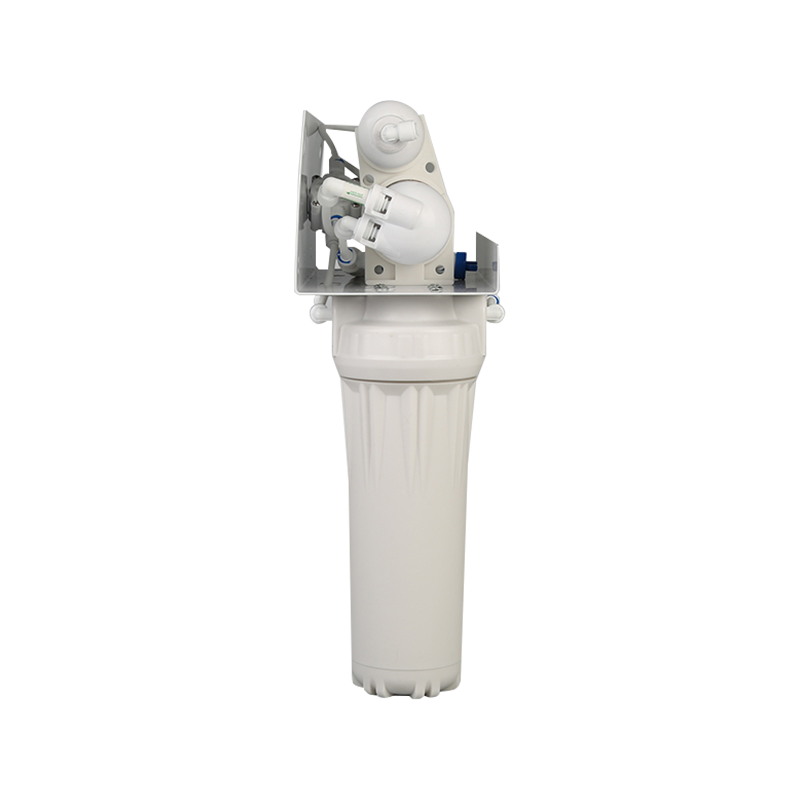 RH-RO4 Six-Stage 75 GPD RO Water FilterSix-stage 75 GPD RO drinking water system with PP, CTO, UDF, RO membrane, post-carbon, and mineralized ball; easy filter replacement for household/office use.View Product →
Reverse osmosis is not magic. It is pressure, a very fine membrane, and a sensible order of stages around it. Once you can picture a drop of water moving from the sediment cartridge to the carbon block, past the membrane and through the post-carbon polish, the maintenance schedule stops being arbitrary and the flow rates start making sense.
If you are a distributor, brand owner or appliance manufacturer looking for a partner on that journey, we also provide water filter solutions for OEM projects, from cartridge specification to complete system assembly. Whether you are replacing one membrane at home or planning a product line, the principle stays the same: clean water is mostly a matter of putting the right stages in the right order.
Related products
-
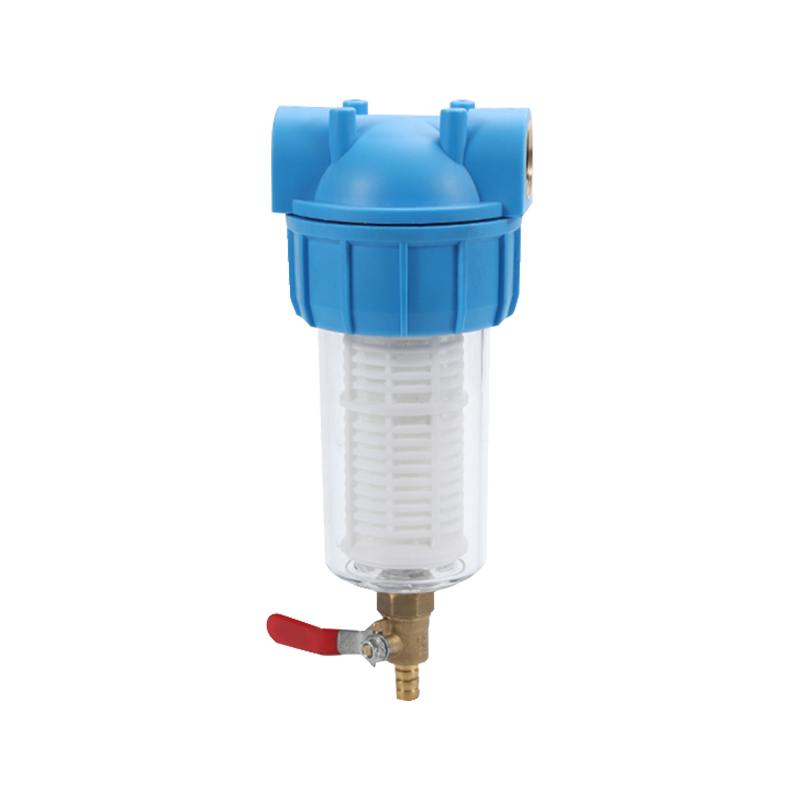 >
RH-06J5BSingle Water Filter with copper recoil valve is characterized by its efficient filtration system, which can effectively remove impurities, suspended matter, residual chlorine, odor and some ha...
See Details -
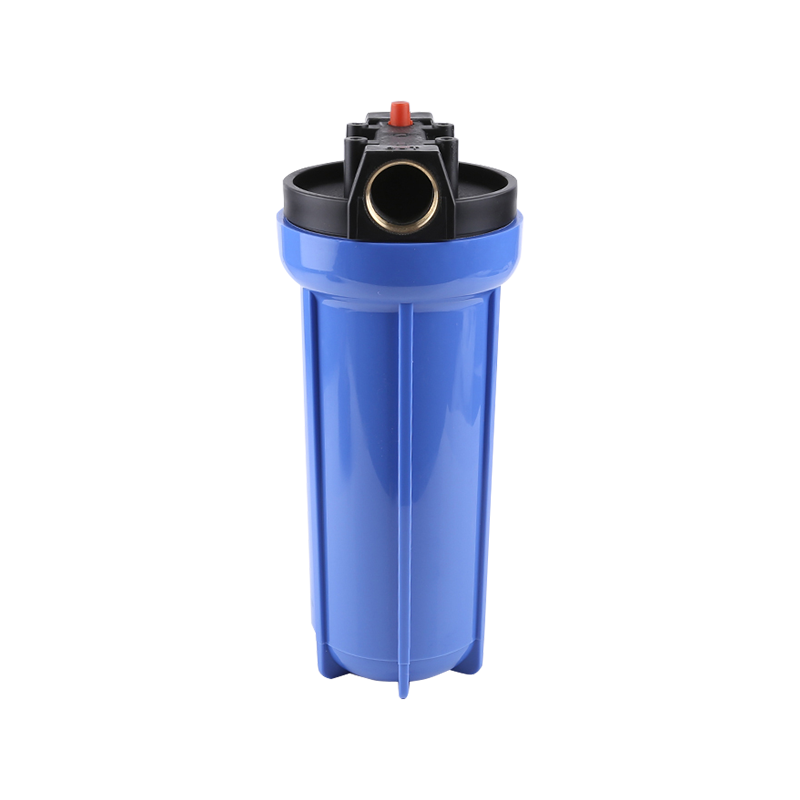 >
1. Single Water Filter(15BAR).2. 10" PET bottle+black cap, 3/4"brass thread.3. With 10" PP 70g filter cartridge.4. Color box packing.5. Components: wrench+plastic hanging board+screw.
See Details -
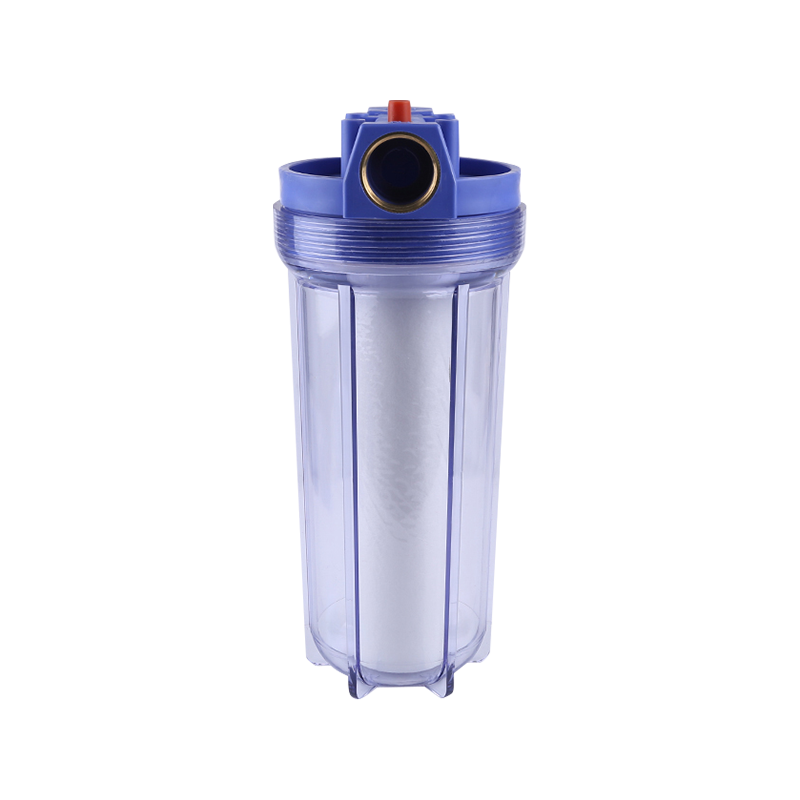 >
1. Single Water Filter(15BAR); 2. 10" PET bottle+blue cap,3/4"brass thread.3. With 10" PP 70g filtercartridge.4. Color box Packing. 5. Components: wrench+plastic hanging board+screw.
See Details -
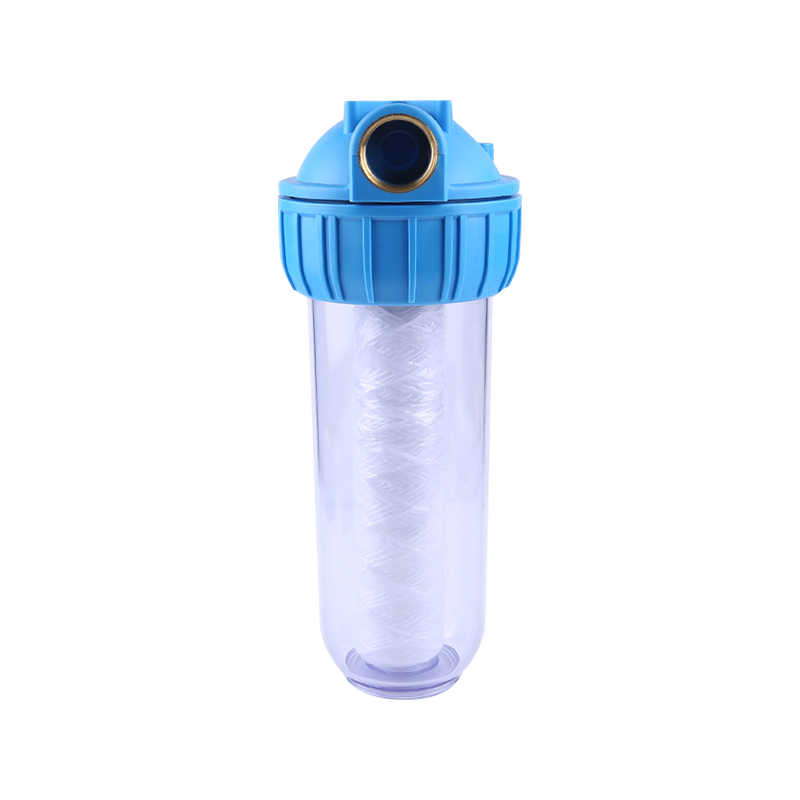 >
1. Single Water Filter(15BAR).2. 10" PET bottle+blue cap,3/4"brass thread.3. With 10" pp 70g cartridge. 4. Color box Packing. 5. Components: wrench+plastic hanging board+screw.
See Details -
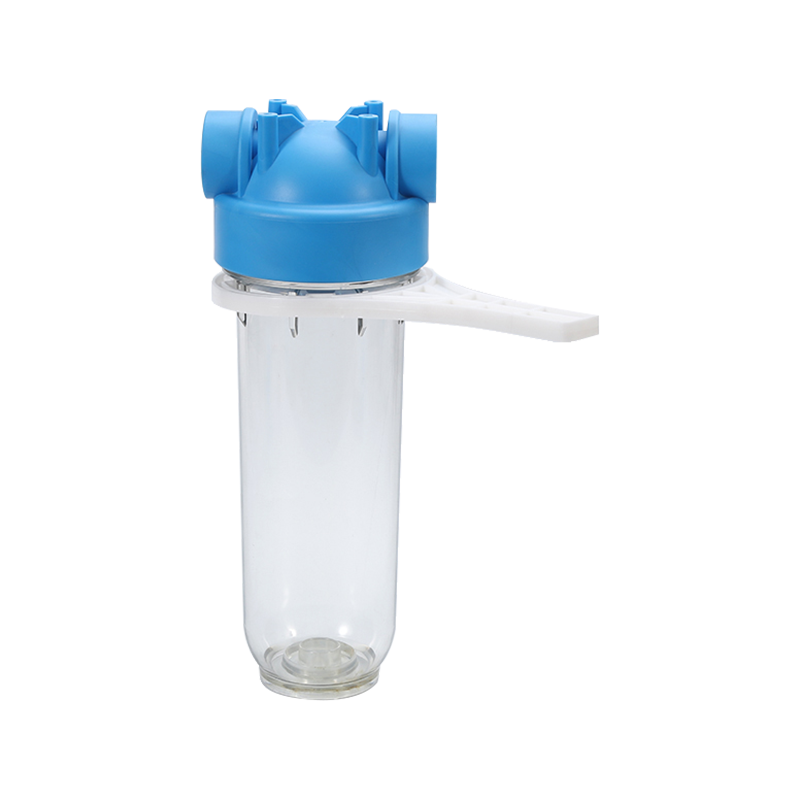 >
1. Single Water Filter(15BAR).2. 10" PET bottle+blue cap,3/4"brass thread.3. With 10" PP 70g filter cartridge.4. Color box Packing.5. Components: wrench+plastic hanging board+screw.
See Details -
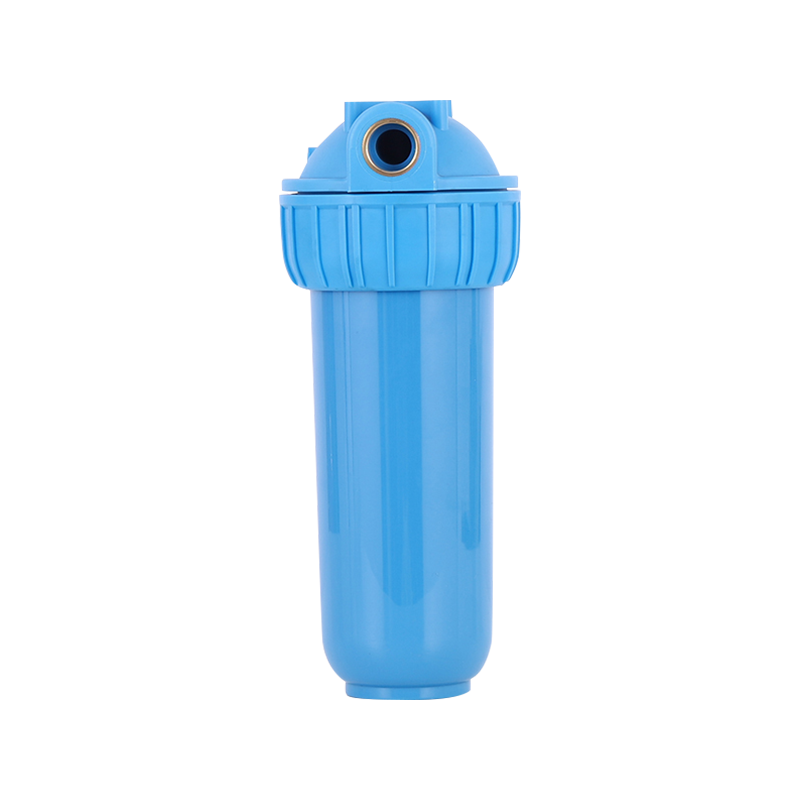 >
1. Single Water Filter(15BAR).2. 10" PET blue bottle+blue cap,3/4"brass thread.3. With 10" pp 70g cartridge. 4. Color box Packing. 5. Components: wrench+plastic hanging board.
See Details -
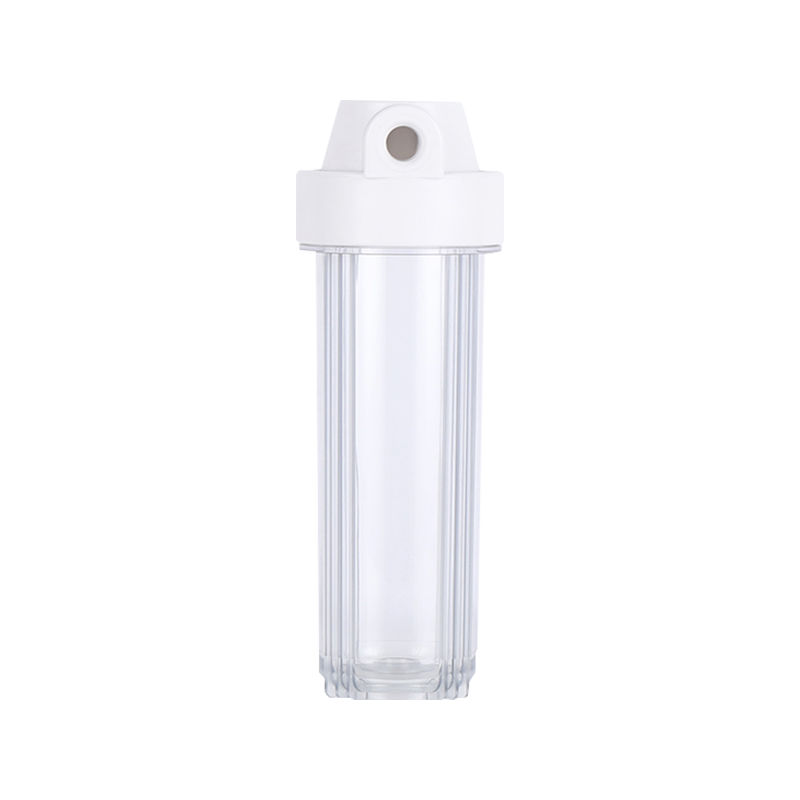 >
1. Single Water Filter(15BAR).2. 10" PET transparent bottle+white cap,1/4"brass thread.3. With 10" pp 70g cartridge. 4. Color box Packing.
See Details

If you are interested in our products, please consult us
Ningbo Yaorui Water Purification Technology Co., LTD. All Rights Reserved.
Wholesale Household Water Purifier Manufacturers
