 English
 русский
 Español
 عربى
 中文简体

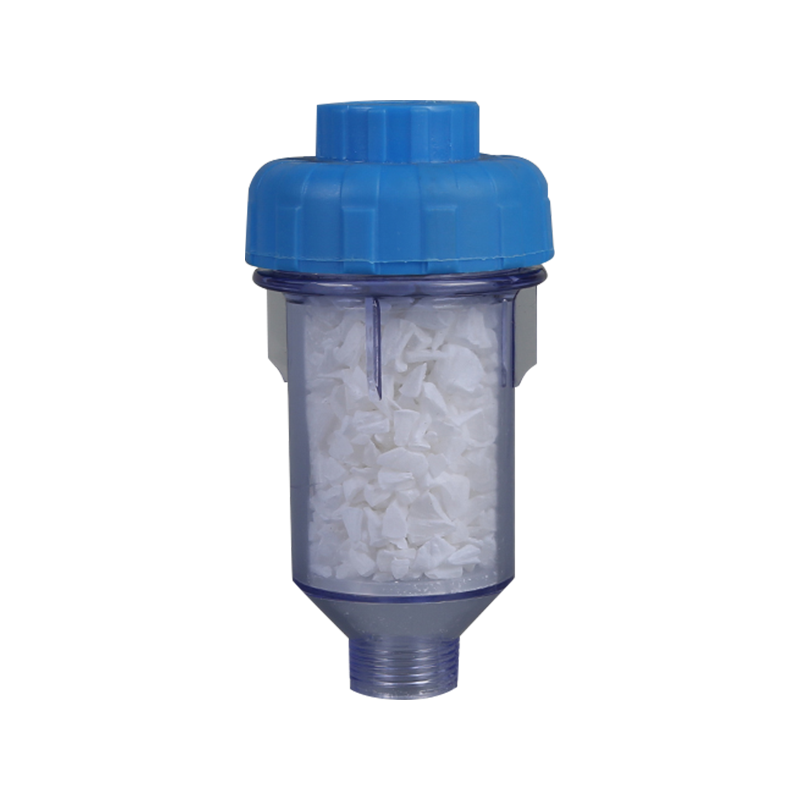 >
The core highlight of this filter is its built-in silicone sheet filter layer. As a high-performance elastic material, silicone has high-temperature resistance, aging resistance, corrosion resistance,...
See Details [email protected]
 +86-18368206374
 No.99,Yuma Road,Mazhu Town,Yuyao City,Zhejiang Province,China.
What Is a Reverse Osmosis Filter? A Plain-English Guide to How RO Works
Industry News-Content
- 1 What a Reverse Osmosis Filter Really Is
- 2 What Happens Inside a Reverse Osmosis Filter
- 3 What a Reverse Osmosis Filter Removes and What It Leaves Behind
- 4 The Wastewater Question
- 5 Flow Rate, Pressure and Daily Output
- 6 Keeping a Reverse Osmosis Filter Working
- 7 When a Reverse Osmosis Filter Makes Sense
- 8 Common Misconceptions
Most people meet reverse osmosis for the first time while standing in a kitchen, watching a faucet fill a glass more slowly than they expected. The question that follows is almost always the same: what actually is a reverse osmosis filter, and why is it treated as something different from the pitcher or the carbon cartridge that came before it? After more than fifteen years of building cartridges, housings and complete RO systems, we have answered that question in a lot of different languages. The short version is this: a reverse osmosis filter is not a finer strainer. It works on a completely different principle, and once that principle clicks, everything else in the system, from the sediment pre-filter to the storage tank, starts to make sense.
Below is a plain explanation of how RO filtration works, what it removes, what it does not remove, and what to expect once one is installed in a home or a commercial kitchen.
What a Reverse Osmosis Filter Really Is
Osmosis is one of nature's quiet habits. When two water solutions with different concentrations are separated by a semipermeable membrane, water naturally drifts from the weaker solution toward the stronger one, trying to even things out. That drift is osmosis, and the pressure it generates is called osmotic pressure.
Reverse osmosis simply flips the direction. By applying pressure greater than the natural osmotic pressure on the more concentrated side, water is forced the other way, through the membrane, while dissolved solids are held back. What passes through is water with most of its dissolved content stripped away; what stays behind is carried off as a separate concentrate stream. Nothing is burned, chemically altered or boiled away. It is a pressure-driven physical separation.
The membrane that does this work is a thin, tightly wound sheet with pores measured in fractions of a micron, small enough that hydrated ions and most dissolved molecules cannot follow the water through. Because the membrane is the heart of the system, everything built around it exists to protect it: sediment and carbon stages upstream keep particles and chlorine away from the membrane surface, and a polishing stage downstream restores the taste of the water before it reaches the glass.
What Happens Inside a Reverse Osmosis Filter
A residential reverse osmosis filter is rarely a single component. It is a short assembly line of stages, and each one has one job.
The Sediment Pre-Filter
A five-micron sediment cartridge catches rust, sand, silt and pipe debris before they can reach anything delicate. This is the least glamorous stage and the one that quietly decides how long the rest of the system lasts.
The Carbon Pre-Filter
Chlorine is the membrane's worst enemy, because it gradually degrades the polymer that does the rejecting. A carbon block stage removes chlorine and many taste-and-odor compounds first. Good carbon blocks are also a story in themselves, and if you want to go deeper on that single stage, our notes on activated carbon block filters for chlorine reduction cover the mechanics.
The Membrane
This is where the actual reverse osmosis happens. Water is pushed through the membrane under pressure, dissolved salts and metals are rejected, and the concentrate is sent to drain. A well-made membrane holds up for two to three years in typical household conditions, and its condition, not the brand badge on the housing, determines the quality of the finished water.
The Post-Filter
Water leaving a storage tank can taste flat because the minerals that gave it character are gone. A final carbon or mineral stage smooths that out, and some systems add a mineral or pH cartridge to put a little balance back.
 RH-RO3 Six-Stage 75 GPD Reverse Osmosis Water Filter SystemA six-stage 75 GPD RO system with pressure gauge and stand bracket, adding post carbon and mineralized ball for final taste balance.View Product →
Systems arranged this way are often described by stage count rather than by size. A six-stage unit, for example, typically adds a mineral or alkaline cartridge to the five stages above, which is why two machines with similar footprints can produce noticeably different water.
What a Reverse Osmosis Filter Removes and What It Leaves Behind
RO is broad-spectrum rather than selective. It does not target one contaminant; it rejects most dissolved material above a certain size. The table below shows roughly what to expect from a properly maintained membrane and its accompanying stages.
| Substance in the water | Handled mainly by | Typical removal |
|---|---|---|
| Dissolved salts and total dissolved solids | Membrane | 90 to 99 percent |
| Lead, arsenic and other heavy metals | Membrane | 90 to 98 percent |
| Chlorine and chloramine | Carbon pre-filter | High, with regular replacement |
| Sediment, rust and sand | Sediment pre-filter | Down to five microns |
| Bacteria and viruses | Membrane | Strongly rejected, not sterilized |
| Calcium and magnesium hardness | Membrane | Largely removed |
| Dissolved gases such as carbon dioxide | Poorly rejected | Low |
Two honest caveats are worth repeating. First, RO does not sterilize. It physically blocks microorganisms, which is not the same as killing them, so a system that has been sitting unused or contaminated can still cause problems. Second, RO removes beneficial minerals along with the harmful ones, which is precisely why mineral and pH cartridges exist.
The Wastewater Question
Every reverse osmosis filter produces two streams: the purified water you drink and a concentrate stream that carries the rejected solids away. Early systems sent three or four litres down the drain for every litre of drinking water. Modern designs use flow restrictors, recirculation and higher-pressure pumps to bring that ratio closer to one to one, and larger tankless units often do better still.
It helps to think of the concentrate as the water doing the cleaning rather than as pure loss. The membrane has to be flushed continuously, otherwise dissolved solids accumulate on its surface and shorten its life. Cutting the flush to save water usually costs more in membrane replacement than it saves at the meter.
Flow Rate, Pressure and Daily Output
Membrane ratings are quoted in gallons per day, and the number matters more than the stage count. A 75 GPD membrane paired with a small pressure tank delivers water in short bursts and refills between uses, which suits a household drawing a few litres at a time. Units rated at 400, 600, 800 or 1000 GPD usually skip the tank altogether and produce water on demand, which is why they end up on kitchen counters and in busy offices.
 Five-Stage Tankless Reverse Osmosis Water Purifier for HomeTankless five-stage RO purifier with 600G membrane, 2:1 wastewater ratio, and TDS/reset/rinse functions for households needing on-demand drinking water.View Product →
Output also depends on incoming pressure and temperature. Cold water in winter flows through a membrane more slowly than warm water in summer, and a household supply below roughly 40 psi will never let a membrane reach its rated figure without a booster pump. If you are comparing configurations, the wider range of reverse osmosis systems shows how much the tank, pump and housing choices change real-world performance.
Keeping a Reverse Osmosis Filter Working
An RO system is a consumable machine, not a permanent fixture. Performance drifts quietly, long before anything looks broken, and the only reliable signal is the calendar.
- Sediment pre-filter: every three to six months, sooner with heavy sediment.
- Carbon pre-filter and post-filter: every six to twelve months.
- Membrane: every two to three years, or when production drops noticeably.
- Storage tank: check pressure annually; replace when water delivery slows.
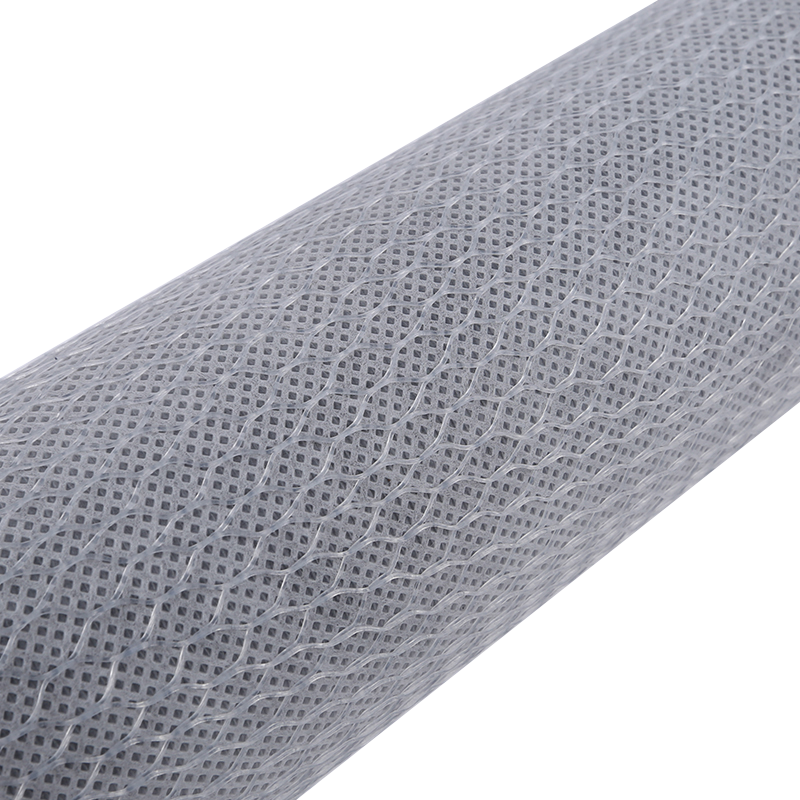 RH-CTO10 10-Inch CTO Activated Carbon Filter CartridgeWholesale 10-inch CTO activated carbon cartridge for scheduled replacement, helping protect the RO membrane as the carbon stage wears out.View Product →
Replacing the carbon stage on schedule is the single cheapest way to protect the membrane, and it is the step most households skip.
When a Reverse Osmosis Filter Makes Sense
RO is not the right answer for every tap. It earns its place in fairly specific situations:
- Water with high total dissolved solids, hardness or a noticeable saltiness.
- Homes on wells where hardness, iron or metals are a recurring concern.
- Areas where lead service lines or older plumbing raise real questions.
- Espresso machines, coffee brewers and ice makers, where scale ruins equipment fast.
- Aquariums, hydroponics and laboratories that need consistent, near-zero base water.
Where the water is already soft, low in dissolved solids and lightly chlorinated, a simpler carbon or multi-stage filter can be enough. There is no prize for owning more stages than the water requires, and we would rather tell a customer that than sell a system they do not need.
Common Misconceptions
- RO water is not "dead" water. It is simply low in minerals, which the diet replaces easily.
- RO is not the same as a carbon pitcher. Pitchers handle taste and chlorine; they do not reject dissolved salts.
- A slow faucet is not always a failing system. Cold supply water and low pressure slow every membrane.
- Stage count is not a quality ranking. A well-built three-stage membrane system can outperform a poorly maintained seven-stage one.
A reverse osmosis filter is, at heart, a very simple idea executed with great precision: push water hard enough, against its natural inclination, through a membrane fine enough to hold dissolved material back. Everything else, the housings, the cartridges, the pumps and the tanks, exists to let that one sheet of polymer do its job for years without complaint.
If you are choosing a system, start with your water report rather than a product photo. Knowing what is actually in the water tells you which stages you need, how often to change them, and how much capacity is worth paying for. That is the same advice we give to buyers and OEM partners every week, and it has never once led anyone wrong.
Related products
-
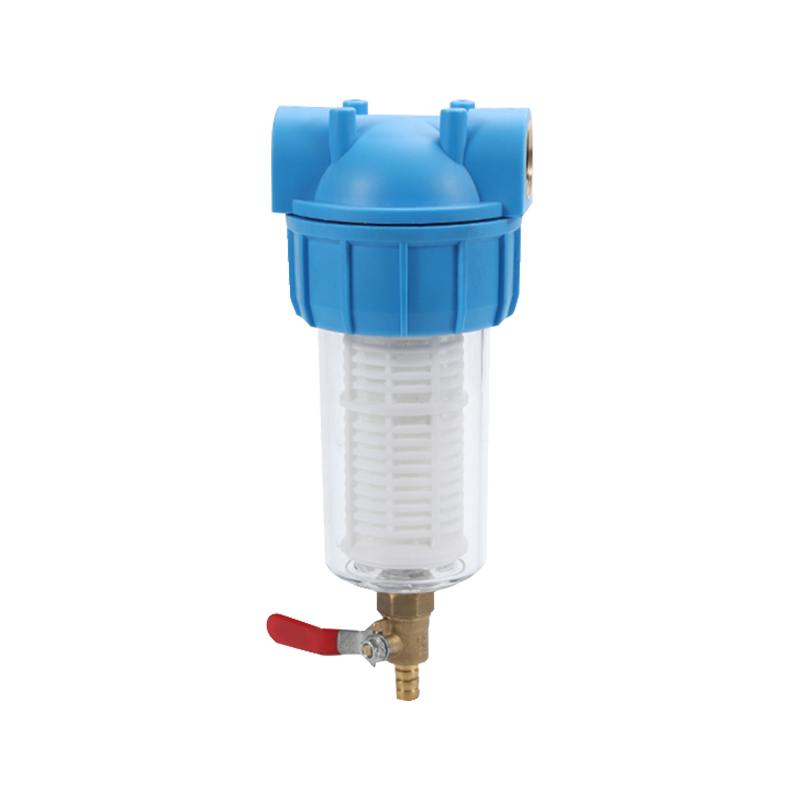 >
RH-06J5BSingle Water Filter with copper recoil valve is characterized by its efficient filtration system, which can effectively remove impurities, suspended matter, residual chlorine, odor and some ha...
See Details -
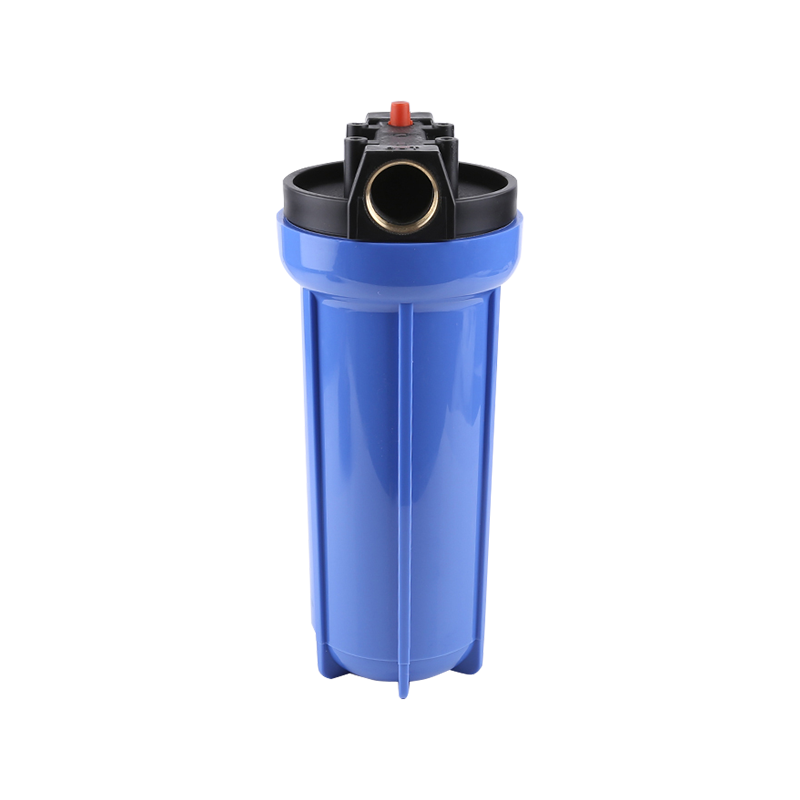 >
1. Single Water Filter(15BAR).2. 10" PET bottle+black cap, 3/4"brass thread.3. With 10" PP 70g filter cartridge.4. Color box packing.5. Components: wrench+plastic hanging board+screw.
See Details -
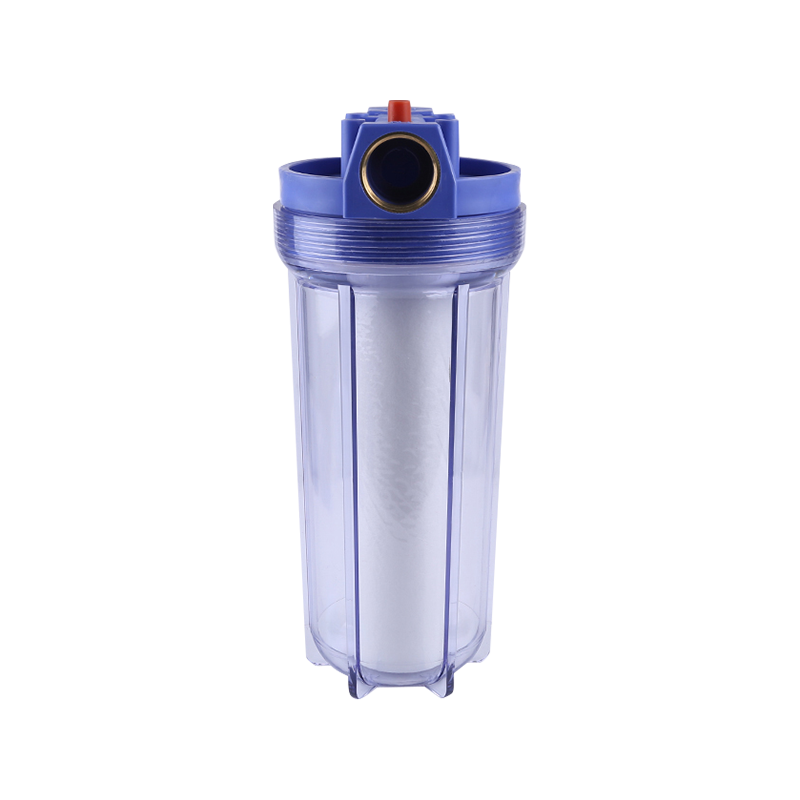 >
1. Single Water Filter(15BAR); 2. 10" PET bottle+blue cap,3/4"brass thread.3. With 10" PP 70g filtercartridge.4. Color box Packing. 5. Components: wrench+plastic hanging board+screw.
See Details -
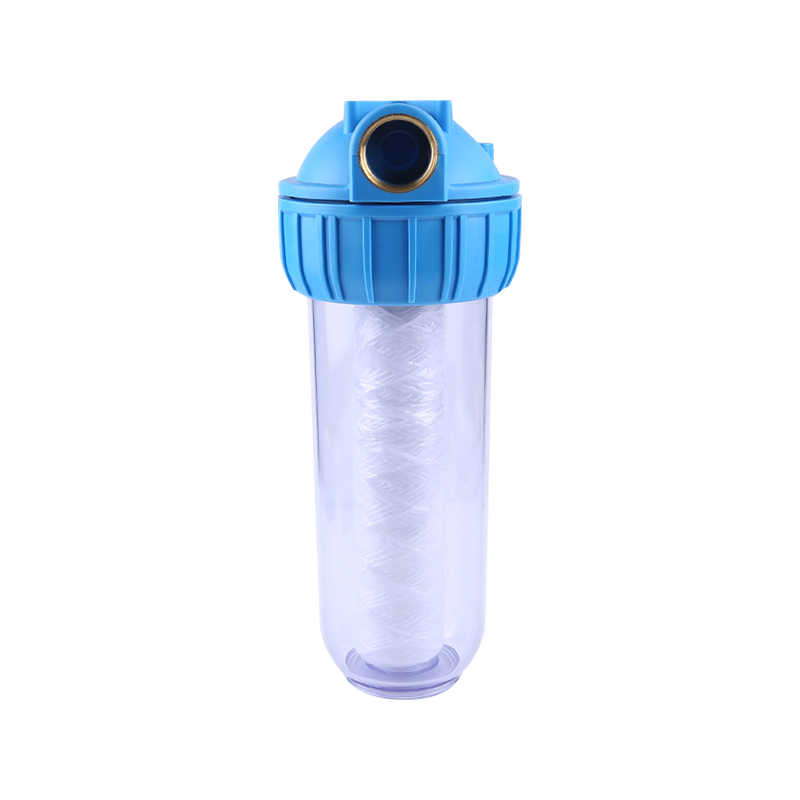 >
1. Single Water Filter(15BAR).2. 10" PET bottle+blue cap,3/4"brass thread.3. With 10" pp 70g cartridge. 4. Color box Packing. 5. Components: wrench+plastic hanging board+screw.
See Details -
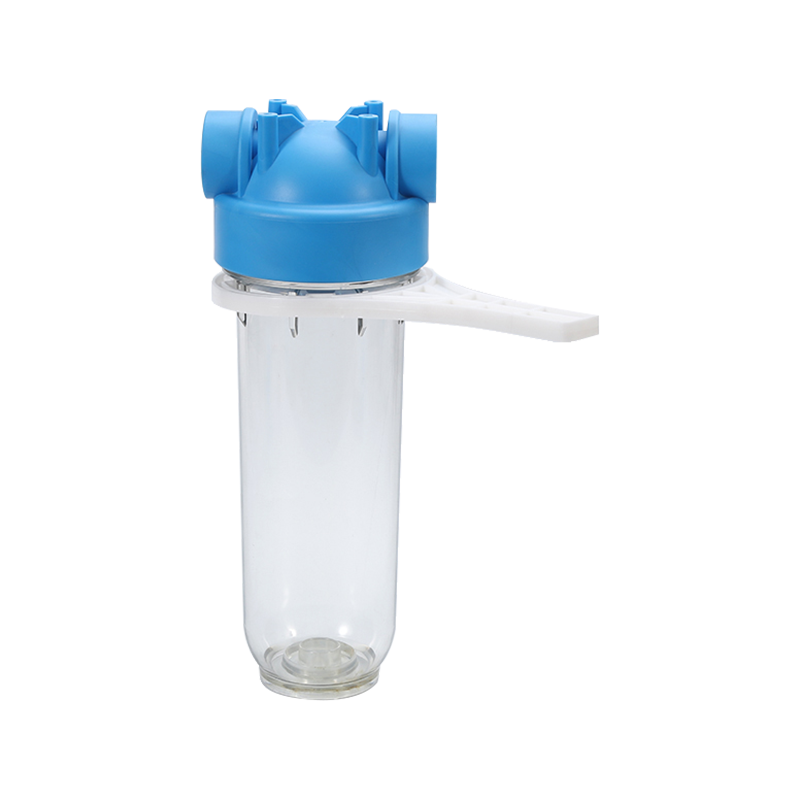 >
1. Single Water Filter(15BAR).2. 10" PET bottle+blue cap,3/4"brass thread.3. With 10" PP 70g filter cartridge.4. Color box Packing.5. Components: wrench+plastic hanging board+screw.
See Details -
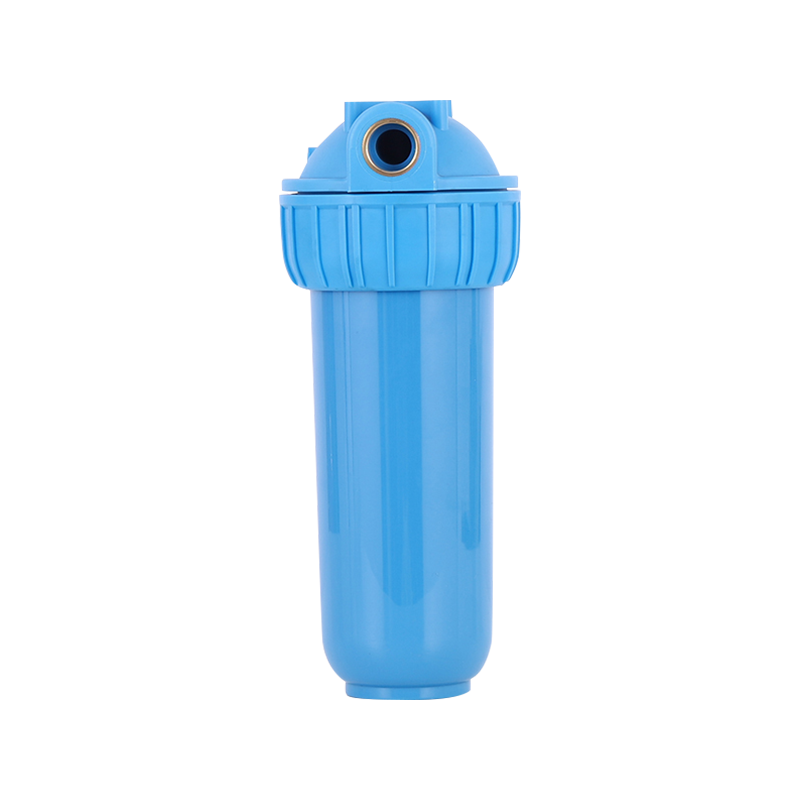 >
1. Single Water Filter(15BAR).2. 10" PET blue bottle+blue cap,3/4"brass thread.3. With 10" pp 70g cartridge. 4. Color box Packing. 5. Components: wrench+plastic hanging board.
See Details -
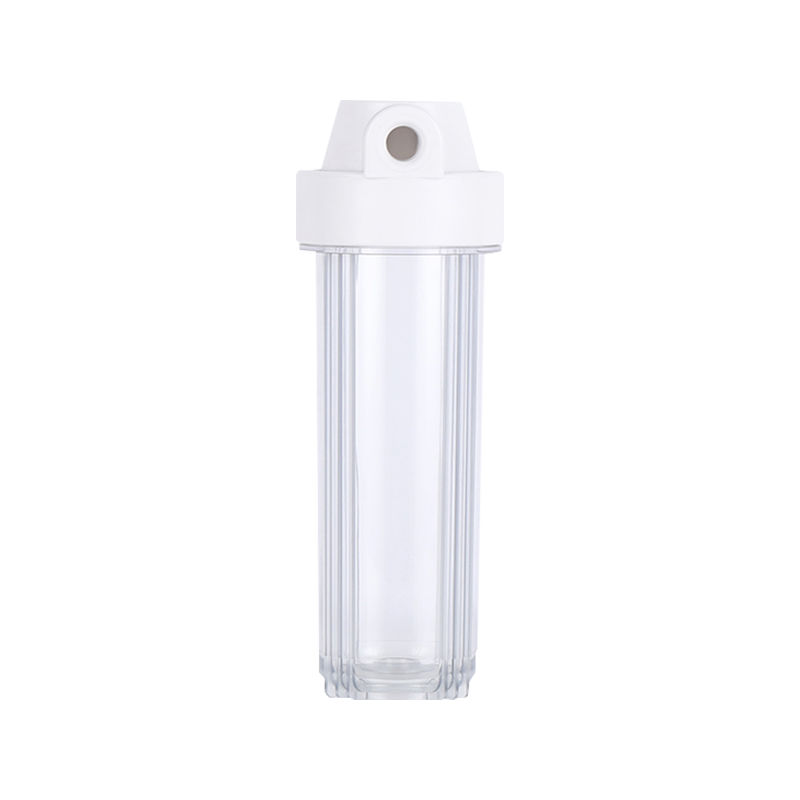 >
1. Single Water Filter(15BAR).2. 10" PET transparent bottle+white cap,1/4"brass thread.3. With 10" pp 70g cartridge. 4. Color box Packing.
See Details

If you are interested in our products, please consult us
Ningbo Yaorui Water Purification Technology Co., LTD. All Rights Reserved.
Wholesale Household Water Purifier Manufacturers
