 English
 русский
 Español
 عربى
 中文简体

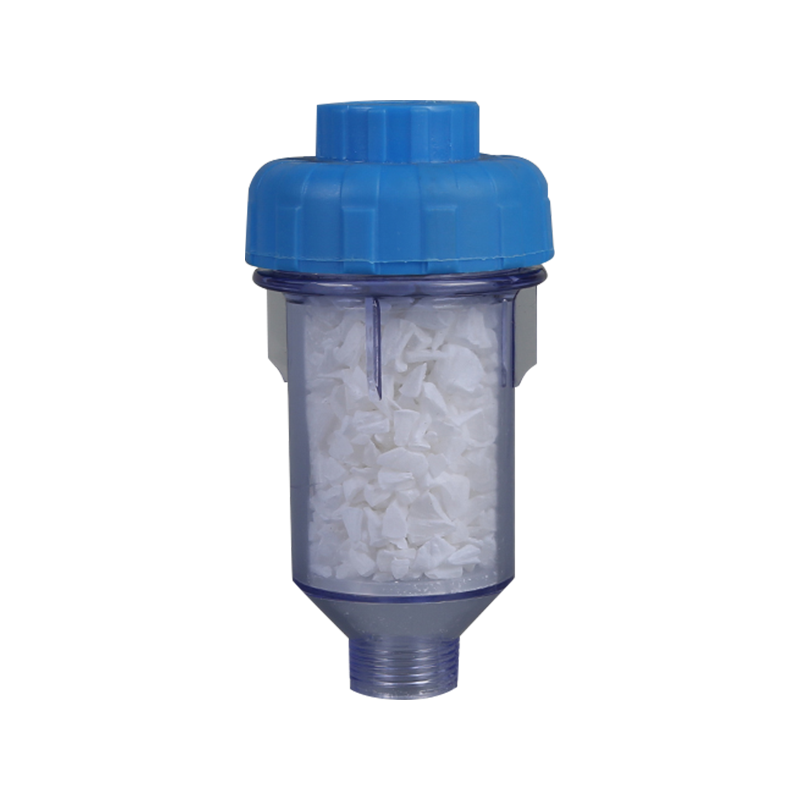 >
The core highlight of this filter is its built-in silicone sheet filter layer. As a high-performance elastic material, silicone has high-temperature resistance, aging resistance, corrosion resistance,...
See Details [email protected]
 +86-18368206374
 No.99,Yuma Road,Mazhu Town,Yuyao City,Zhejiang Province,China.
NSF Certification for Water Filters: What the Label Really Tells You Before Buying
Industry News-Content
- 1 What NSF Certification Really Means
- 2 The Standards Behind the Seal
- 3 "Certified," "Tested To," and Other Phrases That Look Alike
- 4 How to Verify a Claim in Five Minutes
- 5 Where Certification Matters Most Across a Filter Lineup
- 6 Whole-House and Commercial Systems Need the Same Scrutiny
- 7 What to Ask Before You Place an Order
- 8 Planning Certification Into an OEM Project
If you source water filters for a living, you have seen those three letters everywhere: NSF. They turn up on retail packaging, in spec sheets, inside RFQs, and in the very first email a new buyer sends us. They are also among the most misunderstood marks in this industry, sometimes treated as a magic sticker that guarantees clean water, and sometimes dismissed as decoration.
We have been manufacturing filter cartridges, housings and reverse osmosis systems for more than fifteen years, and the same question keeps coming back: does NSF certification actually tell you something useful? Yes, but only when you know which standard sits behind the claim and which part of the product it covers. Here is how to read it properly.
What NSF Certification Really Means
NSF International is an independent testing and certification body. Together with the American National Standards Institute, it maintains the NSF/ANSI standards that most drinking water products are measured against. Certification is not a self-declaration. A product is tested at an accredited laboratory against a specific standard, and the manufacturer's production facility is audited, usually once a year, with retesting to confirm the product still performs the way it did on day one.
Two details matter more than most people expect:
- The listing covers defined claims, not an entire brand. It says that a specific model reduces specific contaminants by specific percentages under defined test conditions.
- It is tied to model numbers and to replacement parts. If the cartridge inside a certified housing is swapped for a different one, the certification does not automatically follow.
Filtration media can also be certified in its own right. Carbon, ceramic and membrane materials are tested for performance and for material safety, and for a manufacturer that separation between media, components and finished system is where most of the documentation lives.
The Standards Behind the Seal
A handful of standards account for almost every claim you will see on a water filter.
| Standard | Primary focus | Typical products |
|---|---|---|
| NSF/ANSI 42 | Aesthetic effects: chlorine taste and odor, particulate and sediment reduction | Sediment and carbon block cartridges, whole-house pre-filters, pitchers |
| NSF/ANSI 53 | Health effects: lead, VOCs, cysts, fluoride and similar contaminants | Carbon block and specialty cartridges, under-sink systems |
| NSF/ANSI 58 | Reverse osmosis systems, including dissolved solids reduction | Point-of-use RO machines, replacement membrane and post-filter sets |
| NSF/ANSI 61 | Materials in contact with drinking water | Housings, tubing, fittings, filtration media |
| NSF/ANSI 372 | Lead content of wetted components | Housings, valves, faucets and fittings |
| NSF/ANSI 401 | Emerging compounds, including some microplastics | Carbon block cartridges and filters making the extra claim |
"Certified," "Tested To," and Other Phrases That Look Alike
Marketing language drifts, so it helps to know exactly what each version means.
- "Certified to NSF/ANSI 42" means the product is listed, audited and retested. This is the strongest wording you can find.
- "Tested to NSF/ANSI 42" or "tested in accordance with" means a test took place, but there may be no ongoing listing. Ask who performed it and request the report.
- "NSF-grade" or "meets NSF requirements" is undefined. These phrases carry no standing on their own.
- "Media certified to NSF/ANSI 61" means one component is certified. The assembled system may still be unlisted.
How to Verify a Claim in Five Minutes
- Note the exact standard number and the exact model number from the label, the box or the spec sheet.
- Search the certifier's public listing database; NSF, WQA and IAPMO all maintain searchable listings.
- Confirm your model appears in that listing, and check whether the replacement cartridge is included.
- Read the listed claims, including which contaminants and at what reduction rate.
- Request the certificate and the performance data sheet, then check the dates on both.
If a supplier cannot produce those two documents quickly, that is your answer.
Where Certification Matters Most Across a Filter Lineup
Different points in a product range run into certification at different moments. You can see how this plays out across the NSF-certified water filtration systems and cartridge families we build, but the logic below applies to any supplier you evaluate.
Everyday reductions: sediment and chlorine
Standard 42 work is the backbone of household filtration, covering sediment pre-filters, five-micron pleated cartridges and carbon blocks that remove chlorine taste and odor. It is also the easiest place to be vague, because the difference between a dense, well-rinsed block and a cheap one is invisible until somebody cuts it open.
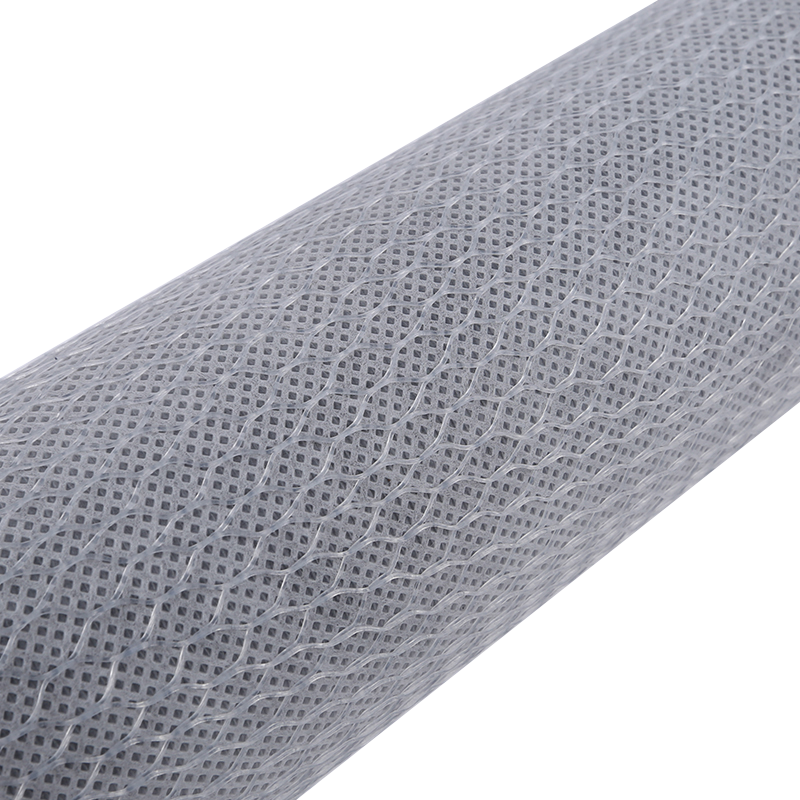 RH-CTO10 10-Inch CTO Activated Carbon Water Filter CartridgeA wholesale 10-inch CTO carbon cartridge with 350 g weight and 70 mm diameter; compare specifications carefully before relying on filtration claims.View Product →
Lead, volatile organic compounds, cysts, fluoride and similar contaminants sit under standard 53. Nobody should make those claims without a listing. If a cartridge is not 53-listed, treat the claim as unproven, no matter how confident the sales sheet sounds.
Reverse osmosis: standard 58
RO systems are certified as complete systems, and standard 58 covers dissolved solids and the contaminants a membrane stage is expected to reject. When we assemble four, five and six-stage machines from 75G up to 1000G, the real question is not only whether the membrane performs, but whether the pre-filters, post-filters, fittings and storage components hold up under the same listing.
 RH-RO6 Five-Stage Home Reverse Osmosis Water Purifier SystemA five-stage home RO purifier with 600G membrane and no tank, positioned for wholesale; verify system certifications for any standard 58 or 401 claims.View Product →
Microplastics and emerging compounds: standard 401
Standard 401 is newer and voluntary, yet it appears in buyer specifications more often every year because it addresses contaminants that 42 and 53 were never written for. If your market cares about microplastics, this is the listing to look for.
Materials in contact with water: standard 372
Every wetted part, from housing and valve to faucet and fitting, falls under lead-content requirements. Standard 372 says nothing about filtration performance, and that is exactly why it is easy to overlook when you are comparing cartridges.
Whole-House and Commercial Systems Need the Same Scrutiny
Larger systems are where certification gaps hide most comfortably. A jumbo or Big Blue housing used as a whole-house sediment stage, a high-flow housing feeding a commercial line, a coffee machine filter on a busy service contract: each of these carries water every day at flow rates that small cartridges never see. The housing material, the thread quality and the gasket all belong to the same conversation as the media inside.
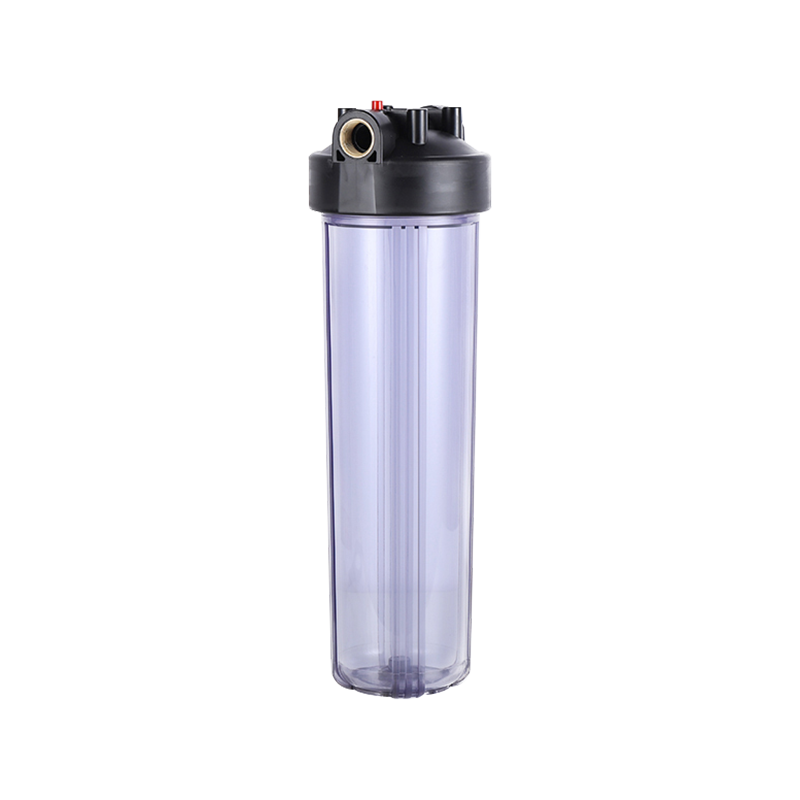 RH-JBB20B 20-Inch Jumbo Big Blue Transparent Water Filter HousingA 20-inch transparent Big Blue single-stage housing with 1-inch brass thread, supplied without cartridge; suited to wholesale buyers specifying larger filter housings.View Product →
For buyers assembling a range, it is usually smarter to certify the cartridge families that carry the claims, and to specify certified media and materials for the housings around them.
What to Ask Before You Place an Order
- Which standard is this product certified to, and who holds the certificate: the factory or the brand?
- Does the listing include the replacement cartridge, or only the housing?
- Can I see the certificate and performance data sheet with model numbers that match my purchase order?
- Does the certification survive rebranding for my private label?
- Which components are certified on their own, and which are simply assembled from certified parts?
Planning Certification Into an OEM Project
Certification is attached to an entity and a model, so it rarely fits neatly into a project that starts late. If you are developing a private-label line, the practical sequence looks like this: freeze the bill of materials early, keep the media source stable, avoid mid-project material substitutions, and take test samples from the same production line that will fill your orders.
This is the part of the process where an experienced manufacturing partner earns their keep. Our OEM water filter solutions work starts with your target market and the claims you intend to make, then works backward through media selection, housing design and documentation. A change of carbon supplier can be invisible on the outside and fatal to a listing, so we prefer to settle those details before tooling rather than after.
None of this is meant to make certification sound intimidating. It is simply a language, and once you can read it, buying decisions get faster and cheaper. Ask for the standard number, ask for the listing, ask who holds it, and you will filter out most of the noise before a single sample ships.
If you would like a second pair of eyes on a specification, or help mapping certification requirements onto a new cartridge or system, our team is happy to talk it through. We answer inquiries within twelve working hours on business days, and we would rather tell you honestly what a product can and cannot claim than promise something the paperwork will not support.
Related products
-
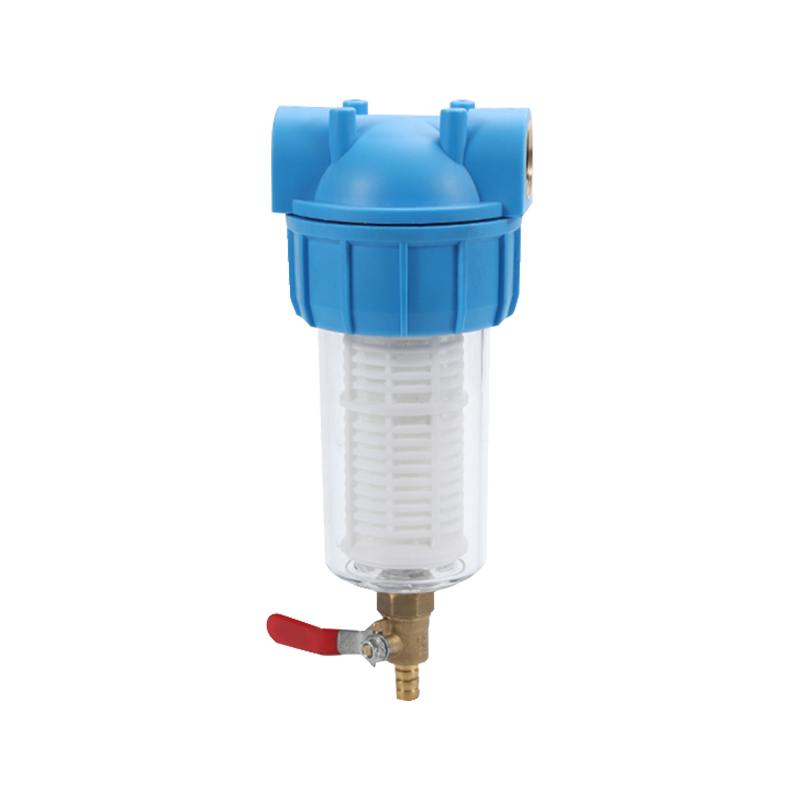 >
RH-06J5BSingle Water Filter with copper recoil valve is characterized by its efficient filtration system, which can effectively remove impurities, suspended matter, residual chlorine, odor and some ha...
See Details -
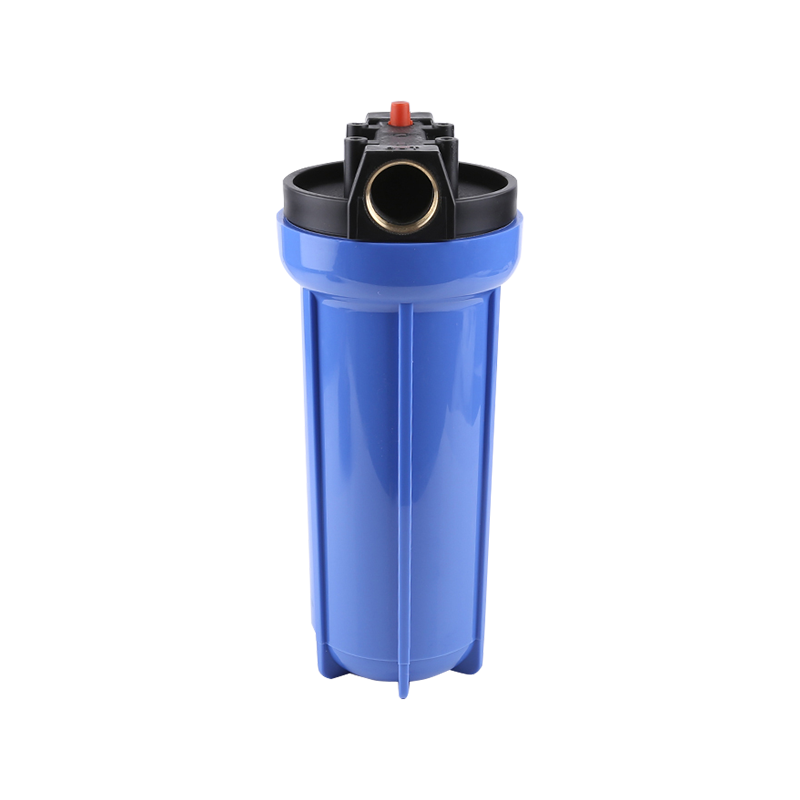 >
1. Single Water Filter(15BAR).2. 10" PET bottle+black cap, 3/4"brass thread.3. With 10" PP 70g filter cartridge.4. Color box packing.5. Components: wrench+plastic hanging board+screw.
See Details -
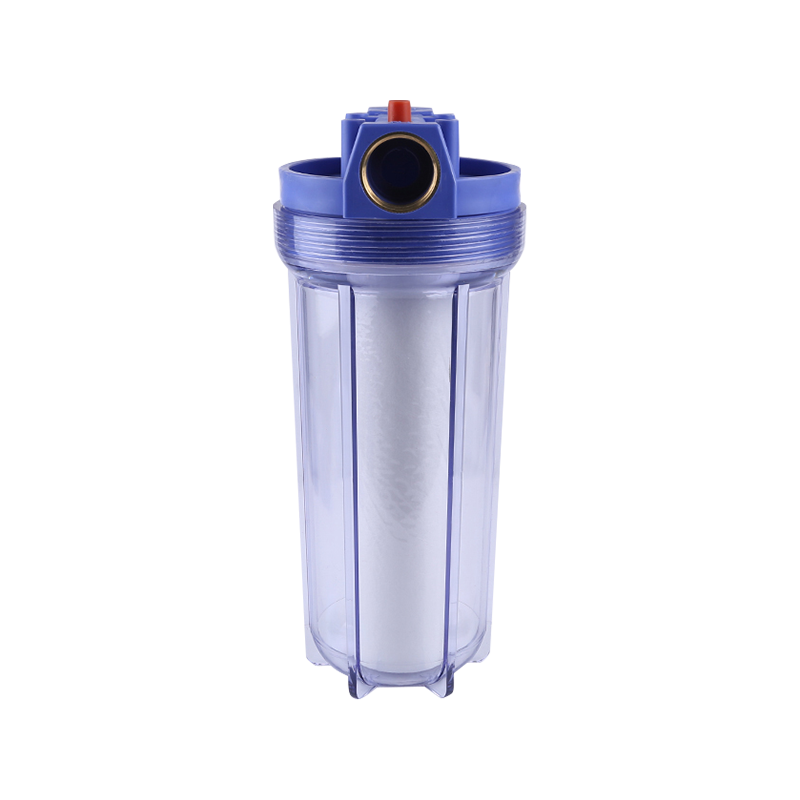 >
1. Single Water Filter(15BAR); 2. 10" PET bottle+blue cap,3/4"brass thread.3. With 10" PP 70g filtercartridge.4. Color box Packing. 5. Components: wrench+plastic hanging board+screw.
See Details -
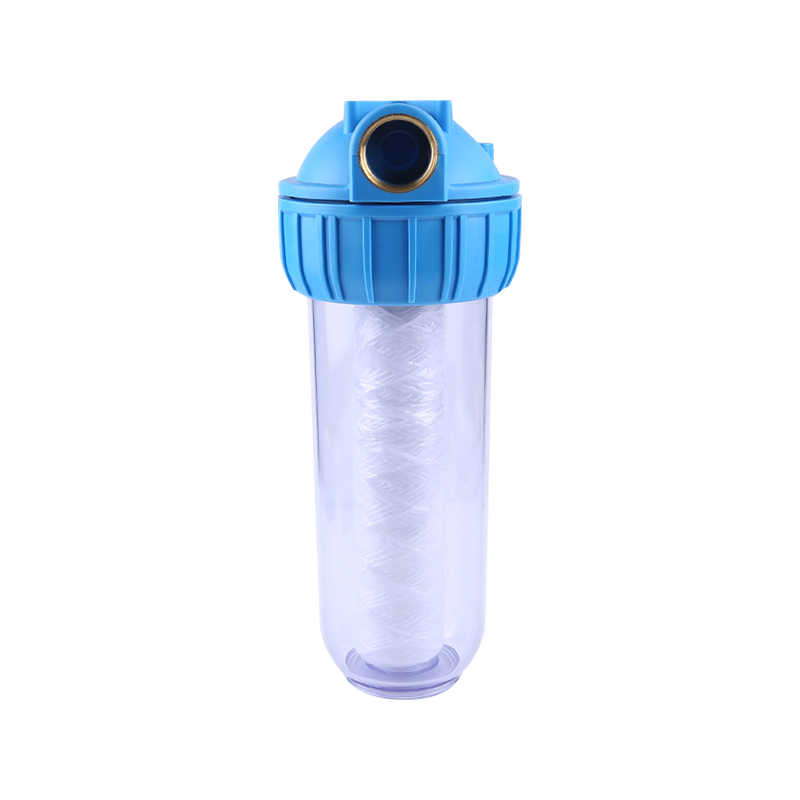 >
1. Single Water Filter(15BAR).2. 10" PET bottle+blue cap,3/4"brass thread.3. With 10" pp 70g cartridge. 4. Color box Packing. 5. Components: wrench+plastic hanging board+screw.
See Details -
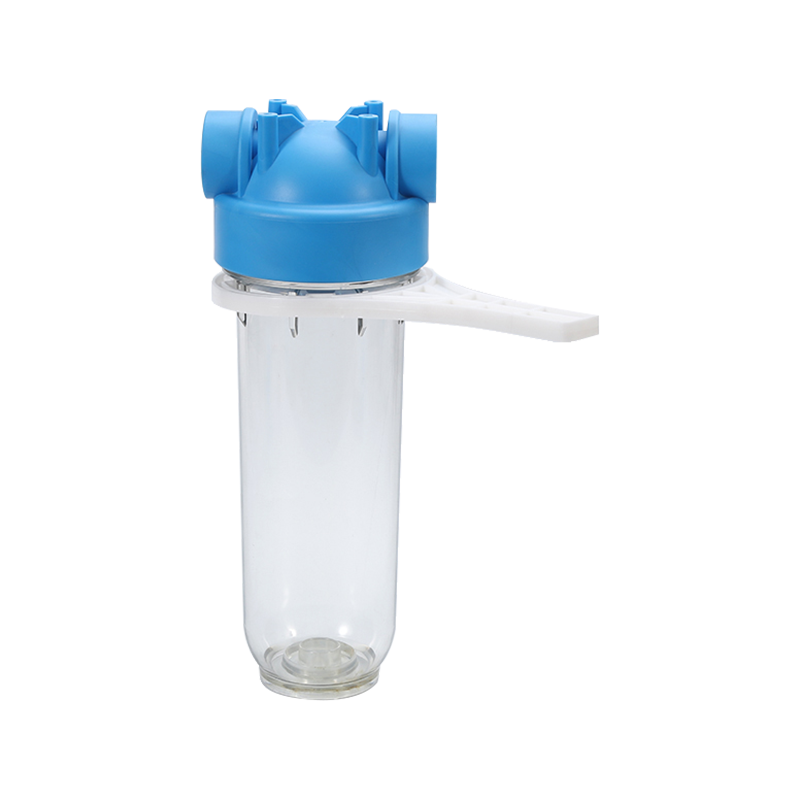 >
1. Single Water Filter(15BAR).2. 10" PET bottle+blue cap,3/4"brass thread.3. With 10" PP 70g filter cartridge.4. Color box Packing.5. Components: wrench+plastic hanging board+screw.
See Details -
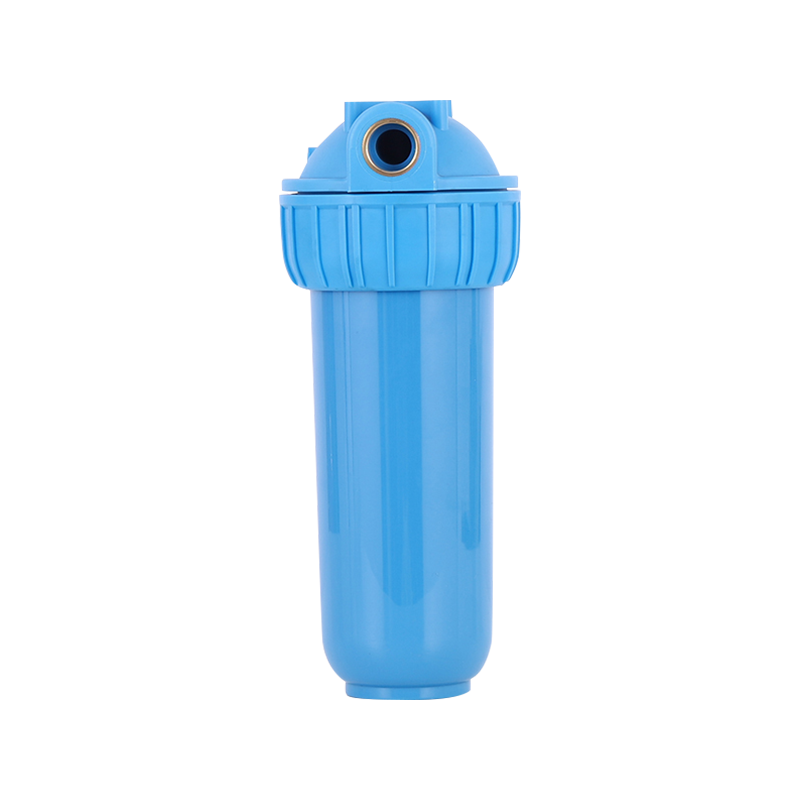 >
1. Single Water Filter(15BAR).2. 10" PET blue bottle+blue cap,3/4"brass thread.3. With 10" pp 70g cartridge. 4. Color box Packing. 5. Components: wrench+plastic hanging board.
See Details -
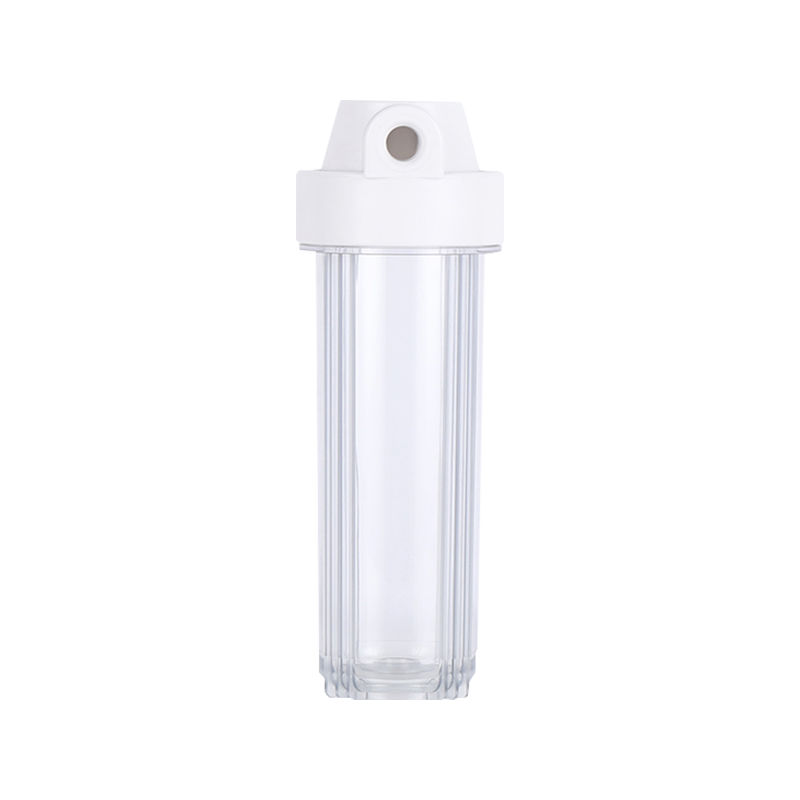 >
1. Single Water Filter(15BAR).2. 10" PET transparent bottle+white cap,1/4"brass thread.3. With 10" pp 70g cartridge. 4. Color box Packing.
See Details

If you are interested in our products, please consult us
Ningbo Yaorui Water Purification Technology Co., LTD. All Rights Reserved.
Wholesale Household Water Purifier Manufacturers
