 English
 русский
 Español
 عربى
عربى 中文简体
中文简体
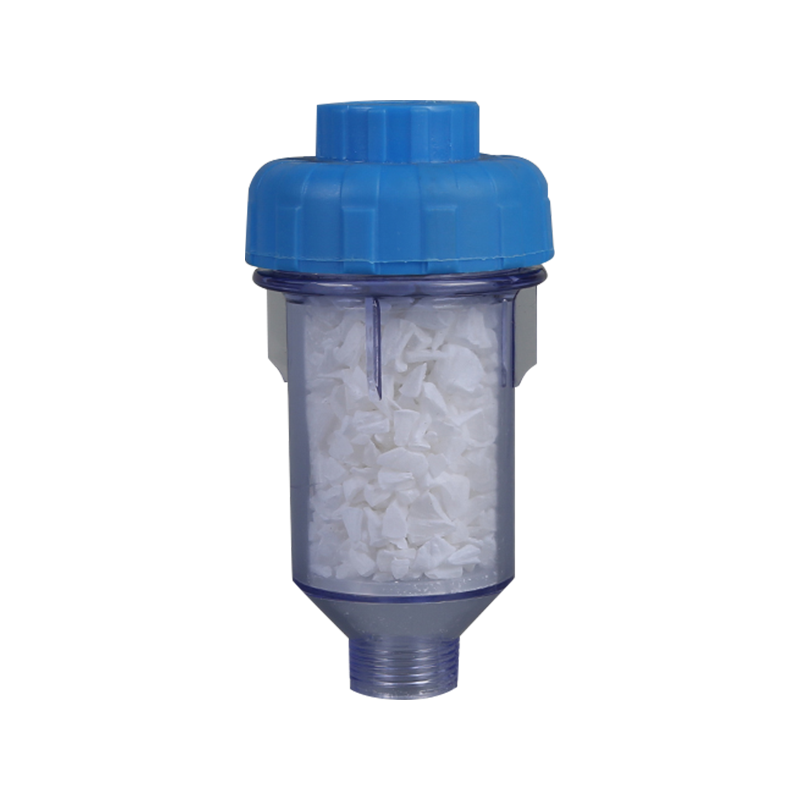 >
>The core highlight of this filter is its built-in silicone sheet filter layer. As a high-performance elastic material, silicone has high-temperature resistance, aging resistance, corrosion resistance,...
See Details [email protected]
 +86-18368206374
 No.99,Yuma Road,Mazhu Town,Yuyao City,Zhejiang Province,China.
How Often Should You Really Change Your Water Filter Cartridge to Ensure Safety?
Industry News-Content
- 1 1. The Science of Cartridge Lifespan: Why They “Expire.”
- 2 2. General Replacement Timelines: A Quick Guide
- 3 3. Four Signs Your Water Filter Cartridge Needs Immediate Replacement
- 4 4. How to Maximize Your Filter’s Life (Without Risking Safety)
- 5 5. Is it Worth the Wait?
- 6 FAQ: Frequently Asked Questions
- 7 References
In the world of water purification, the Water Filter Cartridge is the frontline soldier. Whether it is a high-tech Reverse Osmosis (RO) system or a simple under-sink sediment filter, its job is to trap contaminants, chemicals, and pathogens. However, every cartridge has a finite holding capacity.
1. The Science of Cartridge Lifespan: Why They “Expire.”
To understand the replacement frequency, we must look at how different Water Filter Cartridges function.
1.1 Mechanical Clogging (Physical Filters)
Filters like PP Sediment cartridges work like a net. Once every hole in the net is filled with sand, rust, or silt, the water pressure drops. While you can see the dirt on these filters, the microscopic blockages are what ultimately compromise the system.
1.2 Chemical Saturation (Activated Carbon)
Activated Carbon cartridges work through adsorption. The carbon has millions of tiny pores that chemically bond with chlorine and VOCs (Volatile Organic Compounds). Once those “sites” are full, the carbon is saturated. It cannot hold any more chemicals, allowing them to pass straight into your glass.
1.3 Biofilm Accumulation
This is the hidden safety risk. As a cartridge traps organic matter, it provides food for bacteria. Over time, a “biofilm” can grow inside the cartridge. If left too long, the bacteria count in the filtered water can actually be higher than in the unfiltered tap water.
2. General Replacement Timelines: A Quick Guide
While water quality varies by location, the following table provides the industry-standard “Safety Window” for common Water Filter Cartridges.
Replacement Frequency Matrix
| Cartridge Type | Typical Lifespan | Primary Indicator for Change |
|---|---|---|
| PP Sediment Filter | 3 - 6 Months | Visible browning / Drop in water pressure |
| Activated Carbon (GAC/CTO) | 6 Months | Change in taste or “chlorine” smell |
| Reverse Osmosis (RO) Membrane | 24 Months | High TDS (Total Dissolved Solids) reading |
| Ultrafiltration (UF) Membrane | 12 Months | Significant decrease in flow rate |
| Post-Carbon / Alkaline Filter | 6 - 12 Months | Water begins to taste “flat” or acidic |
3. Four Signs Your Water Filter Cartridge Needs Immediate Replacement
Regardless of what the calendar says, your water system will often give you physical cues that the Water Filter Cartridge has reached its limit:
3.1 A Significant Drop in Water Pressure
This is the most common sign of a “blinded” filter. If your faucet takes twice as long to fill a pitcher as it did a month ago, the sediment buildup is restricting the flow.
3.2 Unpleasant Odors or “Off” Tastes
If the water begins to smell like “rotten eggs” (hydrogen sulfide) or takes on a metallic or chemical taste, the carbon in your cartridge is likely saturated and can no longer neutralize impurities.
3.3 Visible Particulates
If you see small black flecks (carbon fines) or cloudy water, the internal structure of the cartridge may have bypassed or degraded, allowing contaminants to leak through.
3.4 Slippery or “Slime” Feeling on the Cartridge
If you pull out a cartridge for inspection and it feels slimy to the touch, this is a confirmed Biofilm. You should sanitize the filter housing and install a new cartridge immediately to ensure microbiological safety.
4. How to Maximize Your Filter’s Life (Without Risking Safety)
If you find yourself changing your expensive carbon filters too often, consider a “Multi-Stage” approach:
- Install a Pre-Filter: Placing a cheap 5-micron PP Sediment filter before your expensive carbon or RO system will trap the “big” dirt, allowing the more advanced cartridges to focus on chemicals rather than mud.
- Monitor Water Usage: A household of two will need fewer changes than a household of six. Many modern systems come with Flow Meters that track the actual gallons filtered rather than just time.
5. Is it Worth the Wait?
Changing a Water Filter Cartridge is a classic case of “preventive medicine.” While it is tempting to wait until the water tastes bad, the safest practice is to follow a 6-month rotation for primary filters. This ensures that your system remains a barrier against contaminants rather than a source of them.
FAQ: Frequently Asked Questions
Q1: Can I wash a sediment filter and reuse it?
A: Generally, no. While you can rinse the surface dirt off, the particles trapped deep within the fibers remain. Reusing it often leads to rapid pressure drops and potential bacterial growth.
Q2: Does the “6-month” rule apply if I haven’t used the water much?
A: Yes. Even if the water isn’t flowing, the cartridge is submerged in stagnant water. This is when bacterial colonies are most likely to form. If a vacation home has been empty for months, replace the filters before use.
Q3: Is an “expired” filter better than no filter at all?
A: Not necessarily. An expired, saturated filter can “dump” a large concentration of trapped pollutants back into the water stream all at once (a phenomenon called breakthrough), making the water temporarily more toxic than tap water.
References
- NSF/ANSI Standard 42 & 53: Drinking Water Treatment Units.
- WQA (Water Quality Association) - Residential Water Treatment Guide.
- EPA - Safe Drinking Water Act Technical Documents.
Related products
-
 >
>
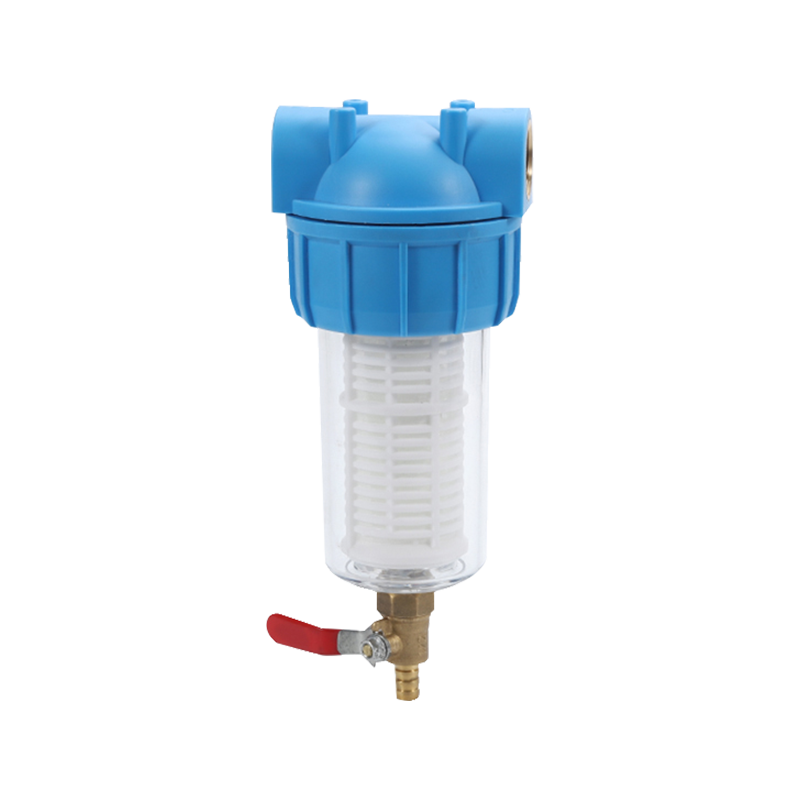
RH-06J5BSingle Water Filter with copper recoil valve is characterized by its efficient filtration system, which can effectively remove impurities, suspended matter, residual chlorine, odor and some ha...
See Details -
 >
>
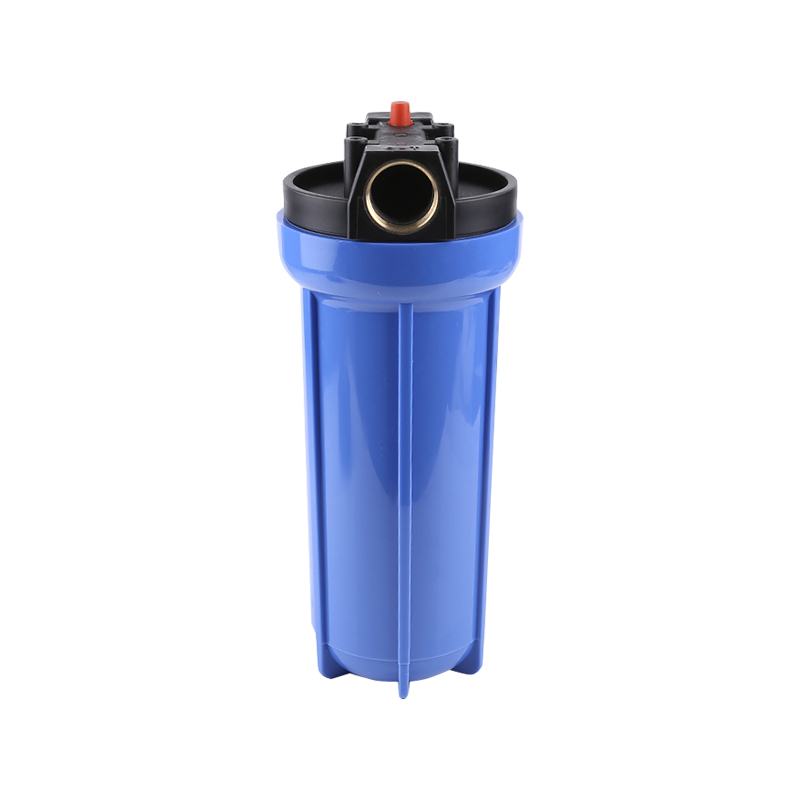
1. Single Water Filter(15BAR).2. 10" PET bottle+black cap, 3/4"brass thread.3. With 10" PP 70g filter cartridge.4. Color box packing.5. Components: wrench+plastic hanging board+screw.
See Details -
 >
>
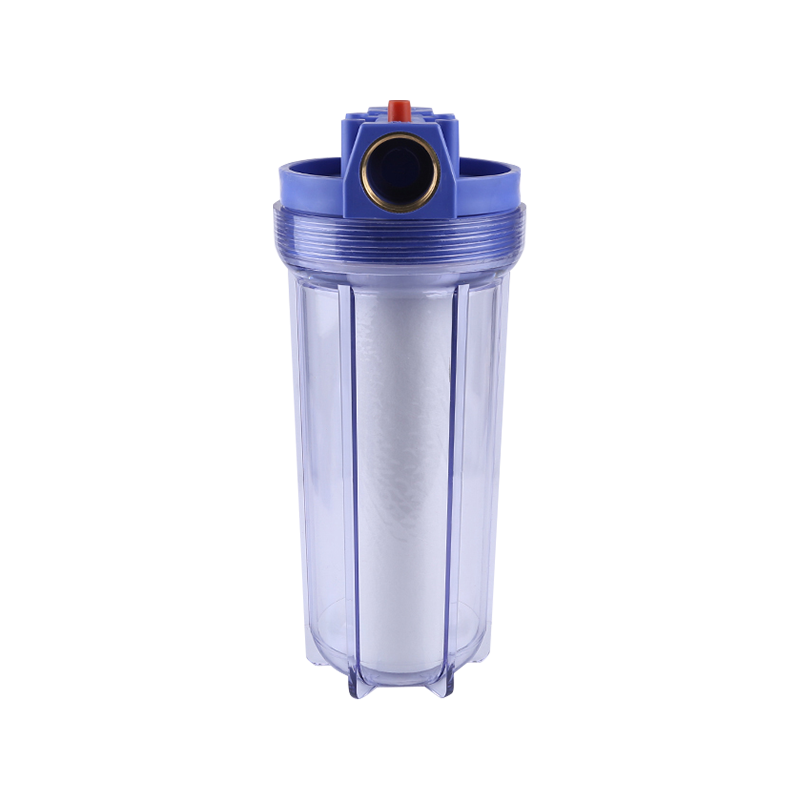
1. Single Water Filter(15BAR); 2. 10" PET bottle+blue cap,3/4"brass thread.3. With 10" PP 70g filtercartridge.4. Color box Packing. 5. Components: wrench+plastic hanging board+screw.
See Details -
 >
>
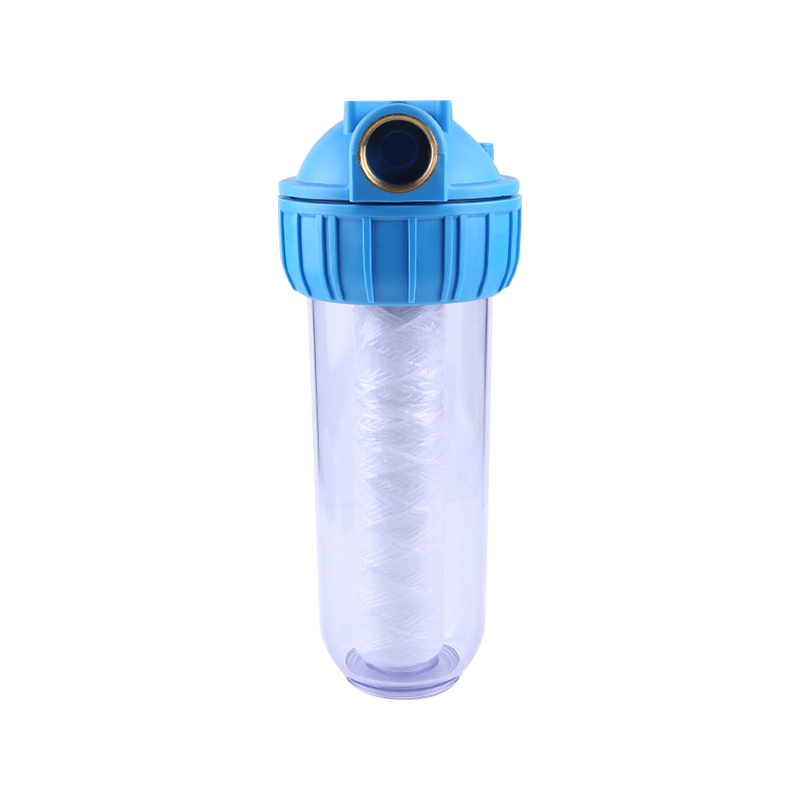
1. Single Water Filter(15BAR).2. 10" PET bottle+blue cap,3/4"brass thread.3. With 10" pp 70g cartridge. 4. Color box Packing. 5. Components: wrench+plastic hanging board+screw.
See Details -
 >
>
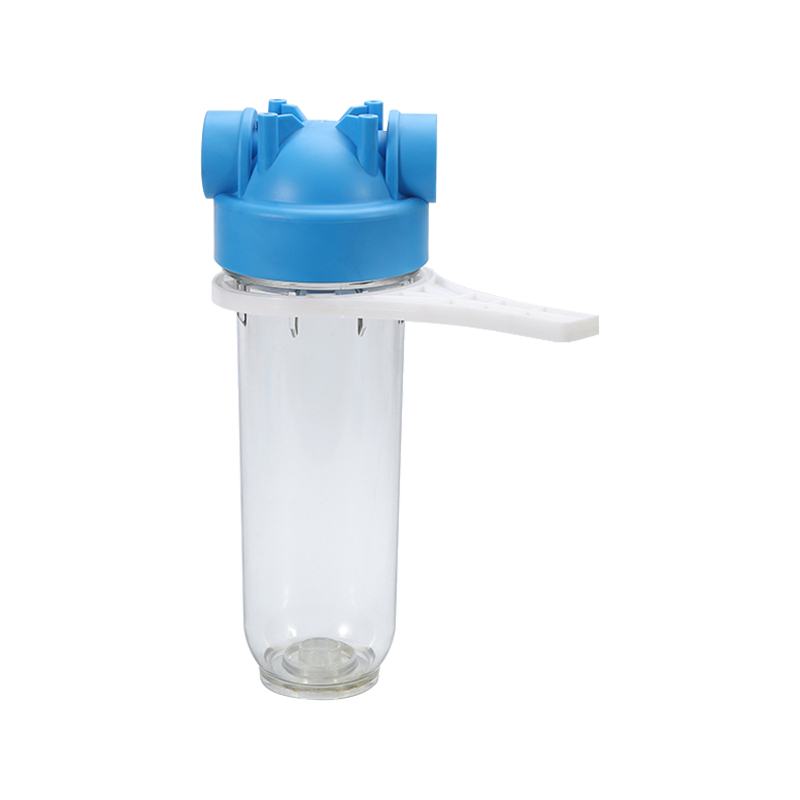
1. Single Water Filter(15BAR).2. 10" PET bottle+blue cap,3/4"brass thread.3. With 10" PP 70g filter cartridge.4. Color box Packing.5. Components: wrench+plastic hanging board+screw.
See Details -
 >
>
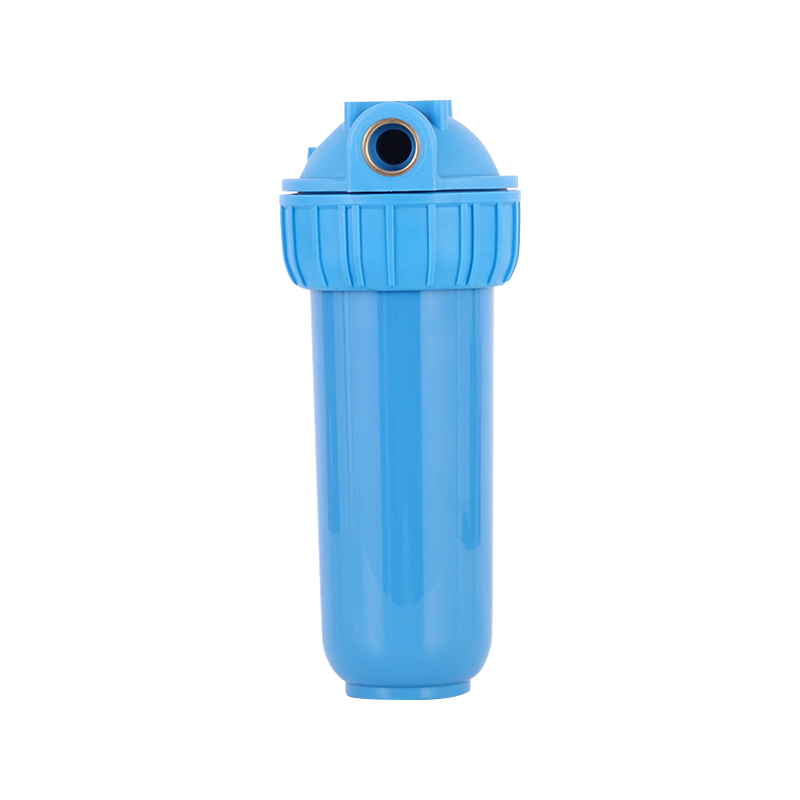
1. Single Water Filter(15BAR).2. 10" PET blue bottle+blue cap,3/4"brass thread.3. With 10" pp 70g cartridge. 4. Color box Packing. 5. Components: wrench+plastic hanging board.
See Details -
 >
>
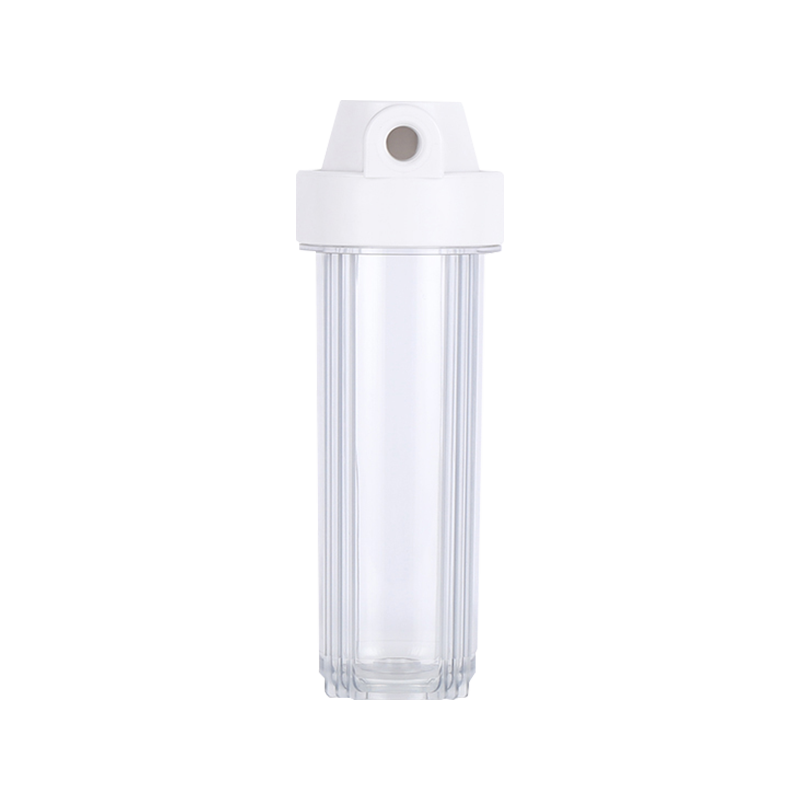
1. Single Water Filter(15BAR).2. 10" PET transparent bottle+white cap,1/4"brass thread.3. With 10" pp 70g cartridge. 4. Color box Packing.
See Details

If you are interested in our products, please consult us
Ningbo Yaorui Water Purification Technology Co., LTD. All Rights Reserved.
Wholesale Household Water Purifier Manufacturers
