 English
 русский
 Español
 عربى
عربى 中文简体
中文简体
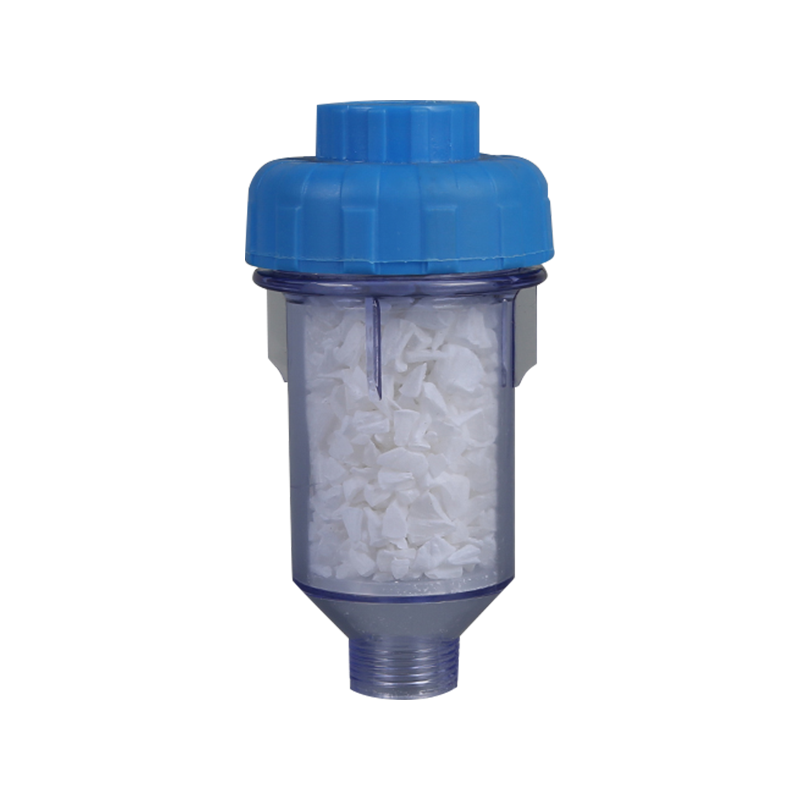 >
>The core highlight of this filter is its built-in silicone sheet filter layer. As a high-performance elastic material, silicone has high-temperature resistance, aging resistance, corrosion resistance,...
See Details [email protected]
 +86-18857088392
 No. 1, Guihua 'an Road, Qinggang Xiaohu Family, Mushan Town, Yuyao , Zhejiang, CHINA
Single vs. Double Stage Water Filter: Is the Extra Stage Truly Worth It for Your Home?
Industry News-In the modern era of household management, access to clean, safe, and great-tasting water is no longer considered a luxury—it is a fundamental necessity. As municipal water infrastructures age and concerns over chemical runoff and heavy metal contamination grow, homeowners are increasingly turning to point-of-use (POU) filtration systems. However, the market is saturated with options ranging from simple pitcher filters to complex multi-stage reverse osmosis units. At the center of this decision-making process is the debate between the single-stage and the double stage water filter. While a single-stage unit offers a compact and budget-friendly entry point, the double-stage system represents a more robust, engineered approach to water purification. The question remains: is the addition of a second filtration chamber a meaningful upgrade or an unnecessary expense?
The Mechanical Architecture of Filtration: Why Two Stages Matter
To understand the superiority of a double stage water filter, one must first understand the concept of “Filter Loading” and the “Division of Labor.” In a single-stage system, a single cartridge (typically a carbon block) is forced to perform two conflicting tasks: mechanical straining of physical particles and chemical adsorption of dissolved gases. This dual responsibility inevitably leads to a compromise in performance. A double-stage system, however, utilizes a specialized sequential architecture that allows each filter to perform its primary function with 100% efficiency.
Stage One: The Sediment Pre-Filtration Shield
The primary purpose of the first stage in a double stage water filter is to act as a mechanical barrier. Most high-quality systems employ a 5-micron or 1-micron sediment filter made of thermally bonded polypropylene fibers. This stage is designed to capture “suspended solids”—the physical debris such as rust flakes from old city pipes, sand, silt, and scale. By removing these large particles at the very beginning of the process, the system prevents the secondary, more expensive filter from becoming “blinded” or clogged. In a single-stage unit, these particles would coat the microscopic pores of the carbon media, rendering it useless long before its chemical-removal capacity is exhausted. The first stage, therefore, acts as a sacrificial shield that preserves the integrity of the entire system.
Stage Two: The Chemical Purification and Adsorption Engine
Once the water has been stripped of physical turbidity in stage one, it enters the second chamber, which usually houses a high-density Activated Carbon Block. Because the water entering this stage is already physically clear, the activated carbon can dedicate its entire surface area to a process called “adsorption.” Activated carbon is unique because it possesses millions of micro-pores that create a massive internal surface area—one gram of carbon can have a surface area in excess of 500 square meters. This stage is responsible for removing the “unseen” threats: chlorine, chloramines, volatile organic compounds (VOCs), pesticides, herbicides, and bad tastes or odors. In a double-stage configuration, the “contact time” between the water and the carbon is effectively maximized because the flow is not impeded by sediment buildup. This results in water that is not only safe but has the crisp, refreshing taste of premium bottled water.
Operational Excellence: Calculating the ROI of the Double Stage System
When evaluating water filtration, homeowners must look beyond the initial purchase price and consider the Total Cost of Ownership (TCO) and the long-term maintenance cycle. From a purely operational standpoint, the double stage water filter consistently outperforms single-stage alternatives by offering a more sustainable and cost-effective maintenance path.
Extended Lifecycle and Maintenance Efficiency
The most significant operational advantage of a dual-stage system is the extension of the filter replacement cycle. In a single-stage system, the “all-in-one” cartridge often becomes clogged with sediment and loses water pressure within three months, even if the carbon inside is still capable of removing chemicals. This forces the homeowner to replace an expensive multi-function filter prematurely. In a double-stage system, the sediment pre-filter (Stage 1) is exceptionally inexpensive—often costing less than ten dollars. By replacing only the sediment filter every six months, you can often push the lifespan of the more expensive carbon block (Stage 2) to a full twelve months. This targeted maintenance approach ensures that you are only paying for the filtration capacity you actually use, significantly reducing the annual cost of clean water.
Customization for Local Water Profiles
Another pillar of operational excellence is the ability to customize the filtration stages based on your specific water quality report. Every geographic location has a unique “water signature”—some areas may have high iron content, while others may be treated with heavy amounts of chloramine. A double stage water filter housing provides the flexibility to “mix and match” cartridges. For example, if you have extremely hard water that leaves scale on your fixtures, you can utilize an ion-exchange resin cartridge in stage one followed by a carbon block in stage two. If you are concerned about lead in an older home, you can use a dedicated lead-reduction filter. This level of customization is impossible with single-stage units, which offer a “fixed” filtration profile. By tailoring the stages to your specific needs, you achieve a higher level of purification efficiency and a safer drinking environment for your household.
Technical Comparison: Single Stage vs. Double Stage Performance
To assist in your decision-making process, refer to the following performance matrix comparing the two filtration architectures.
| Feature | Single-Stage Filter | Double Stage Water Filter |
|---|---|---|
| Primary Technology | Multi-function Carbon | Dedicated Sediment + Carbon |
| Debris Capacity | Low (Quick to clog) | High (Dedicated pre-filter) |
| Chemical Removal | Moderate | High (Increased contact time) |
| Water Pressure Drop | Significant over time | Minimal (Maintained by stage 1) |
| Average Lifecycle | 3–5 Months | 6–12 Months |
| Customization | None | High (Interchangeable cartridges) |
| Annual Operating Cost | Moderate to High | Low (Inexpensive pre-filter swaps) |
| Installation Type | Under-sink / Countertop | Under-sink / High-flow |
Frequently Asked Questions (FAQ)
Does a double stage water filter remove Total Dissolved Solids (TDS)?
A double-stage filter is designed to remove physical particles and chemical contaminants. It does not significantly lower TDS because it leaves behind healthy minerals like calcium and magnesium. If you require zero TDS, you would need a Reverse Osmosis (RO) system, though these are more expensive and produce wastewater.
How do I know when to change the filters?
The most common sign is a noticeable drop in water pressure or a change in the taste and smell of the water. As a professional standard, we recommend replacing the sediment filter every 6 months and the carbon block every 12 months to ensure optimal performance.
Is the double stage system compatible with my existing faucet?
Most under-sink double stage water filters come with a dedicated “designer faucet.” However, they can also be spliced directly into your existing cold water line using standard 1/4 inch or 3/8 inch quick-connect fittings.
Technical References and Standards
- NSF/ANSI Standard 42: Certification for Aesthetic Effects (Chlorine, Taste, and Odor).
- NSF/ANSI Standard 53: Certification for Health Effects (Lead, Cysts, and VOC reduction).
- WQA (Water Quality Association): Guidelines for Point-of-Use Water Filtration Housing Integrity.
- EPA Safe Drinking Water Act: Reference for maximum contaminant levels (MCLs) in municipal tap water.
Related products
-
 >
>
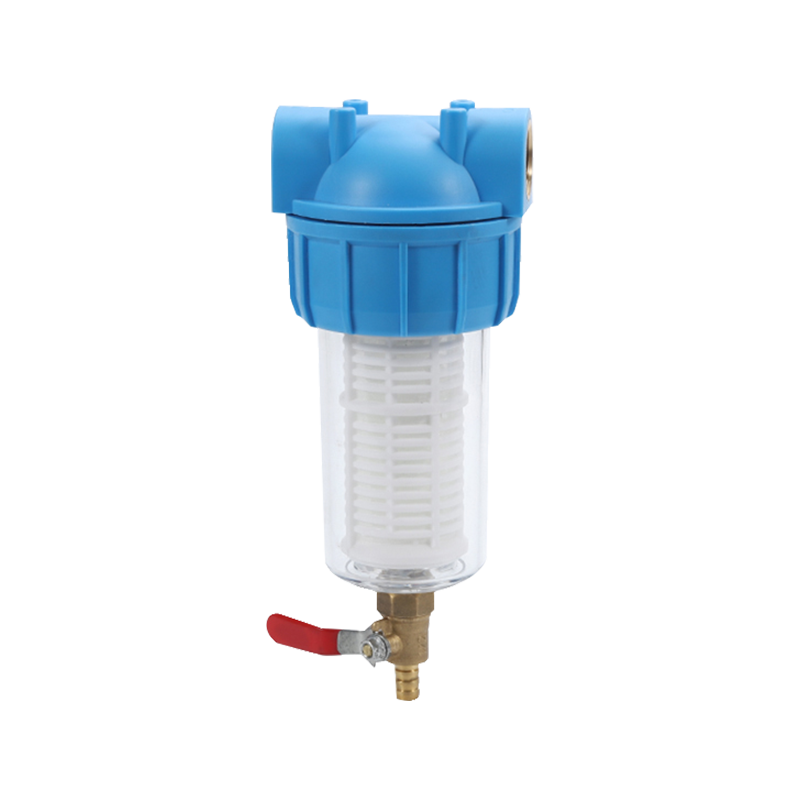
RH-06J5BSingle Water Filter with copper recoil valve is characterized by its efficient filtration system, which can effectively remove impurities, suspended matter, residual chlorine, odor and some ha...
See Details -
 >
>
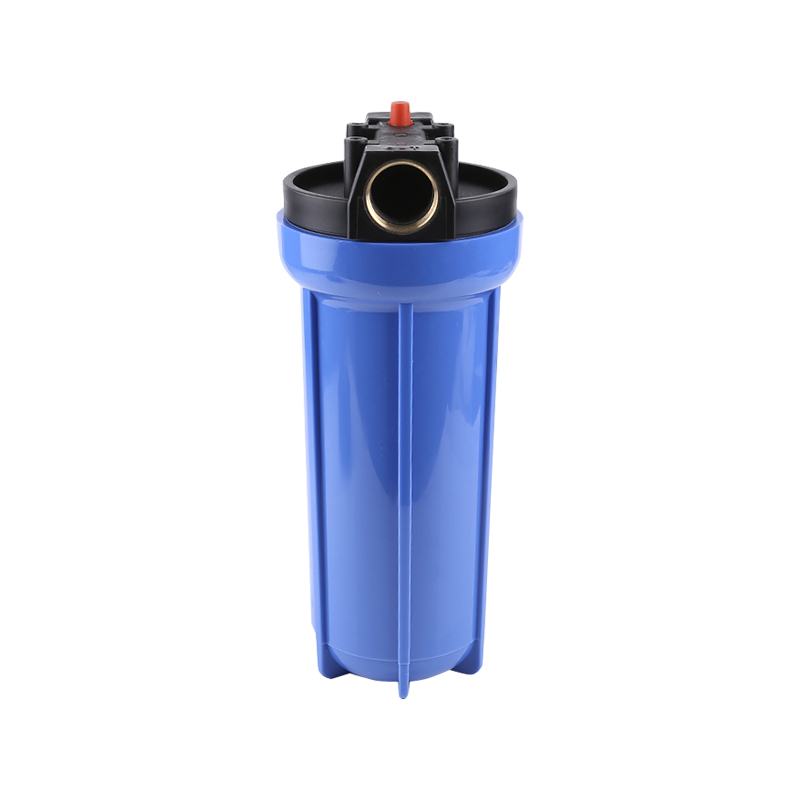
1. Single Water Filter(15BAR).2. 10" PET bottle+black cap, 3/4"brass thread.3. With 10" PP 70g filter cartridge.4. Color box packing.5. Components: wrench+plastic hanging board+screw.
See Details -
 >
>
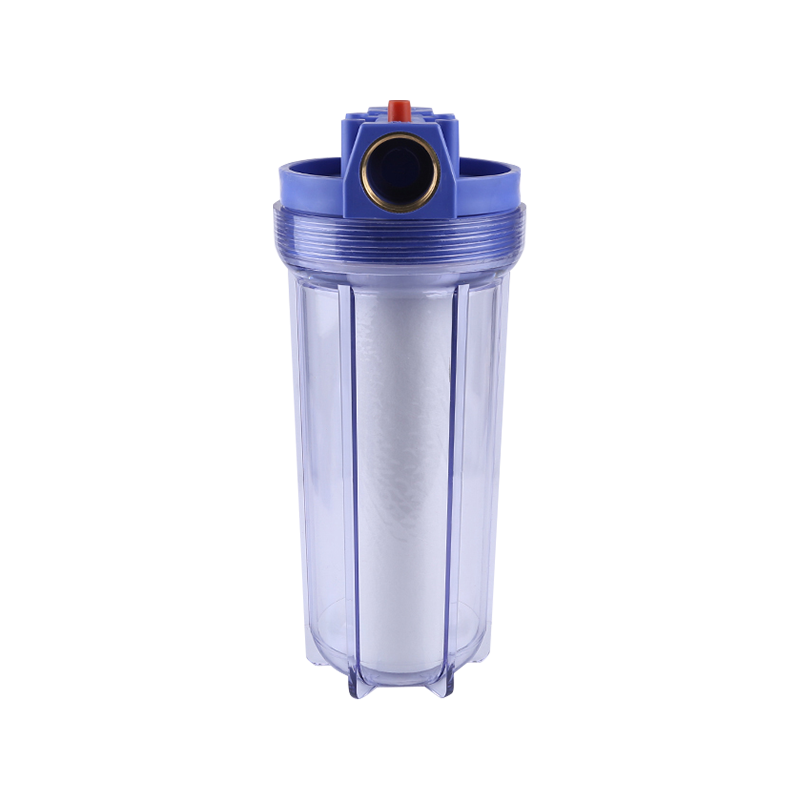
1. Single Water Filter(15BAR); 2. 10" PET bottle+blue cap,3/4"brass thread.3. With 10" PP 70g filtercartridge.4. Color box Packing. 5. Components: wrench+plastic hanging board+screw.
See Details -
 >
>
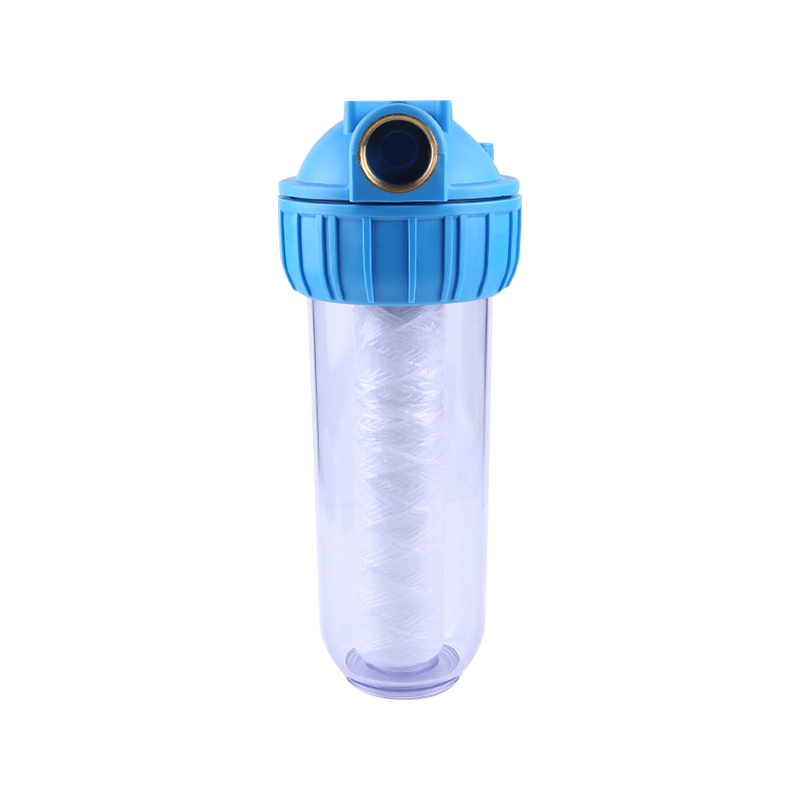
1. Single Water Filter(15BAR).2. 10" PET bottle+blue cap,3/4"brass thread.3. With 10" pp 70g cartridge. 4. Color box Packing. 5. Components: wrench+plastic hanging board+screw.
See Details -
 >
>
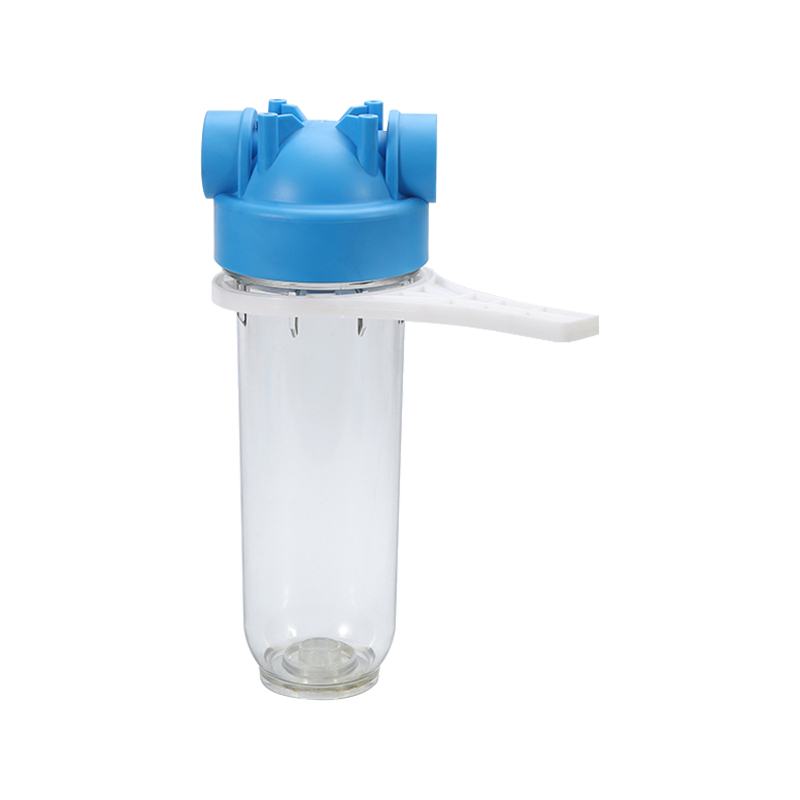
1. Single Water Filter(15BAR).2. 10" PET bottle+blue cap,3/4"brass thread.3. With 10" PP 70g filter cartridge.4. Color box Packing.5. Components: wrench+plastic hanging board+screw.
See Details -
 >
>
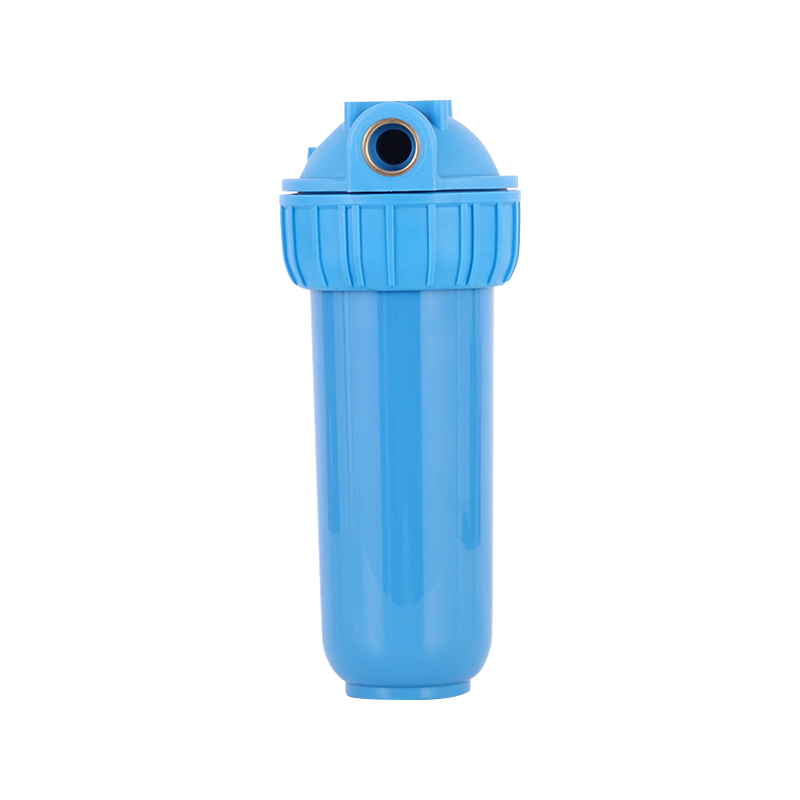
1. Single Water Filter(15BAR).2. 10" PET blue bottle+blue cap,3/4"brass thread.3. With 10" pp 70g cartridge. 4. Color box Packing. 5. Components: wrench+plastic hanging board.
See Details -
 >
>
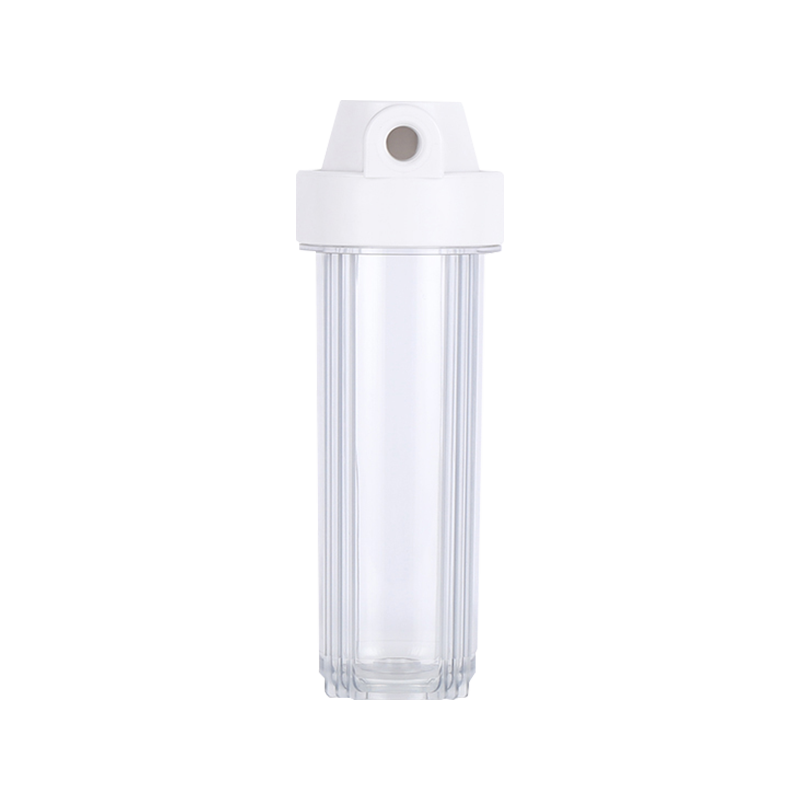
1. Single Water Filter(15BAR).2. 10" PET transparent bottle+white cap,1/4"brass thread.3. With 10" pp 70g cartridge. 4. Color box Packing.
See Details

If you are interested in our products, please consult us
Ningbo Yaorui Water Purification Technology Co., LTD. All Rights Reserved.
Wholesale Household Water Purifier Manufacturers
