 English
 русский
 Español
 عربى
عربى 中文简体
中文简体
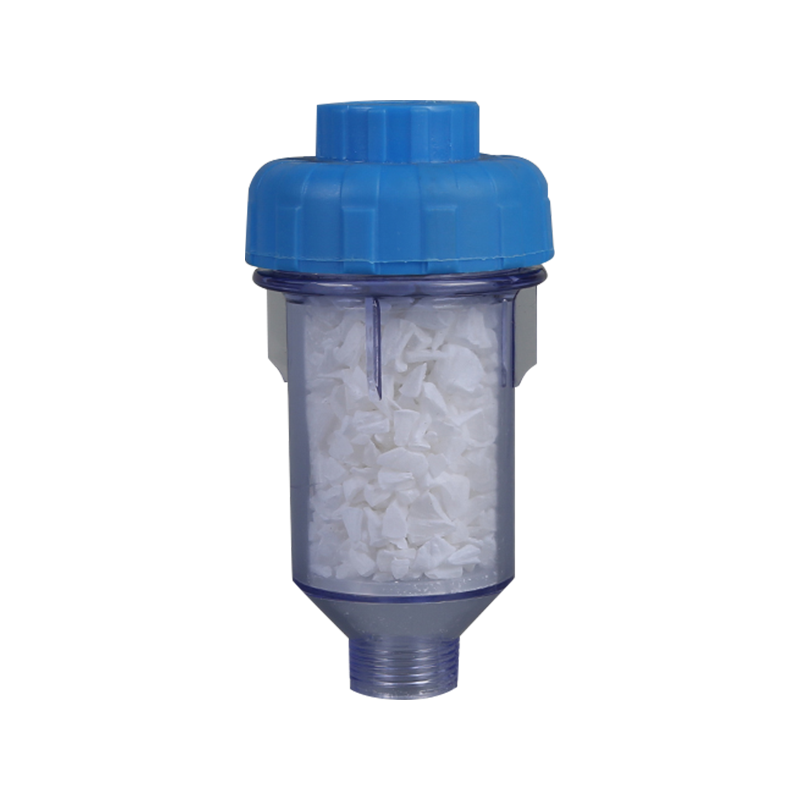 >
>The core highlight of this filter is its built-in silicone sheet filter layer. As a high-performance elastic material, silicone has high-temperature resistance, aging resistance, corrosion resistance,...
See Details [email protected]
 +86-18368206374
 No.99,Yuma Road,Mazhu Town,Yuyao City,Zhejiang Province,China.
Reverse Osmosis vs. Carbon Filters: Which Household Water Filter is Right for You?
Industry News-Content
In 2026, as urban infrastructure faces increasing pressure and emerging contaminants like microplastics and “forever chemicals” (PFAS) dominate headlines, the security of our home water supply has become a core pillar of modern health. For most families, the question is no longer if they need a water purifier, but which technology fits their specific home environment. Currently, the market is dominated by two powerhouse technologies: Reverse Osmosis (RO) and Activated Carbon Filtration. While both aim to deliver clean drinking water, their scientific principles, filtration precision, and long-term maintenance costs differ significantly.
The Power of the Membrane: Understanding Reverse Osmosis (RO)
Reverse Osmosis (RO) is widely regarded as the most rigorous and thorough filtration method available for residential use. Originally designed for desalination and industrial ultrapure water, it has become a standard feature for high-end Household Water Filters. An RO system utilizes a high-pressure pump to drive water molecules through a semi-permeable membrane, while the vast majority of contaminants are rejected and flushed away as wastewater.
Molecular-Level Filtration and Heavy Metal Defense
The defining characteristic of RO technology is its unparalleled filtration precision. The pores of an RO membrane are typically as small as 0.0001 microns. In comparison, a human hair is about 70 microns in diameter, and the smallest viruses are generally larger than 0.02 microns.
- Removal of Total Dissolved Solids (TDS): RO systems effectively eliminate dissolved inorganic salts, nitrates, and fluorides—substances that standard activated carbon filters cannot block.
- Defense Against Complex Pollutants: If your water quality report indicates the presence of Lead, Arsenic, or Chromium-6, the physical barrier provided by an RO system is currently the most reliable safety line in a residential setting.
Multi-Stage Architecture: More Than Just a Membrane
A standard Under-sink Household Water Filter using RO technology is not just a single component; it is an integrated system typically consisting of 4 to 6 stages:
- PP Sediment Pre-filter: Traps rust, sand, and large particles to prevent them from scratching the delicate RO membrane.
- Pre-Carbon Filter: Adsorbs residual chlorine, as chlorine can cause oxidative damage to the RO membrane.
- The RO Membrane Core: Performs high-precision physical separation to produce nearly pure .
- Post-Carbon Polishing Filter: Refines the taste and removes any odors that may arise from the storage tank, ensuring every glass of water is crisp and refreshing.
The Adsorption Specialist: The Role of Activated Carbon Filters
Activated carbon filtration is the most widely used water treatment technology globally. Its core strength lies in its incredible surface area and “adsorption” capability. Unlike the physical sieving of RO, activated carbon acts like a giant “chemical magnet,” capturing organic pollutants through physical adsorption and chemical reactions.
Sensory Improvement: Removing Odors and Chlorine
Municipal tap water is usually treated with chlorine or chloramines for disinfection. While effective, these chemicals often leave a distinct “swimming pool” taste and smell.
- VOC Removal: Activated carbon is the undisputed champion at removing residual chlorine, herbicides, pesticides, and various Volatile Organic Compounds (VOCs).
- Preservation of Natural Minerals: This is a core reason many users choose a Carbon-based Household Water Filter. It does not alter the TDS value of the water, preserving healthy calcium, magnesium, and potassium ions. This results in a more natural “mineral water” taste, avoiding the “flat” mouthfeel often associated with pure RO water.
Filter Media Forms: GAC vs. Carbon Blocks
In the specifications of a Household Water Filter, the form of the carbon determines its efficiency.
- Granular Activated Carbon (GAC): These filters are loosely packed and allow for high flow rates, but they may suffer from “channeling,” where water finds a path of least resistance and bypasses the media.
- Compressed Carbon Blocks (CTO): Made from compressed carbon powder, these offer a much larger surface area and tighter pores (typically 0.5 to 5 microns). They provide both chemical adsorption and physical filtration, making them the preferred choice for premium Countertop Water Filters.
Technical Performance Showdown: RO vs. Carbon
To assist B2B buyers or household decision-makers in a direct comparison, we have summarized the following table showing the performance of these two Household Water Filter technologies under 2026 standard laboratory conditions.
| Performance Metric | Reverse Osmosis (RO) | Activated Carbon Filter |
|---|---|---|
| Filtration Precision | ~0.0001 Microns | 0.5 - 10 Microns |
| Chlorine & Odor Removal | Excellent | Superior (Professional Grade) |
| Heavy Metal Removal (Lead/Arsenic) | > 99% | Moderate to High (with additives) |
| Fluoride & Nitrate Removal | Highly Effective | Generally Ineffective |
| Wastewater Produced | Yes (Concentrate stream) | Zero Waste (100% utilization) |
| Installation Complexity | Higher (Requires drain/power) | Lower (Plug-and-play / No power) |
| Best For… | Well water, High TDS areas | City water, mineral taste fans |
Choosing the Right Solution: Practical and Economic Factors
When selecting the most suitable Household Water Filter, you must consider long-term factors such as the Total Cost of Ownership (TCO) and environmental impact.
Sustainability and Wastewater Ratios
A historical pain point for RO technology is the generation of wastewater. However, new high-efficiency RO models in 2026 have improved the wastewater ratio to 2:1 or even 3:1 (meaning 3 cups of pure water are produced for every 1 cup of wastewater). If you live in a water-stressed region or are focused on eco-friendly spending, choosing a high-efficiency RO system or a zero-waste carbon system is a wiser move.
Maintenance Cycles and Consumable Costs
Long-term ownership costs are key to evaluating a system’s value.
- Carbon Maintenance: Filters require frequent replacement, usually every 6 to 12 months. While the single-unit cost is low, the cumulative cost over time is significant.
- RO Maintenance: While pre-filters need annual changes, the most expensive component—the RO Membrane—can last between 24 and 36 months under quality water conditions.
For large families, calculating the “cost per gallon” often reveals that while the initial investment in an RO system is higher, its overall cost-effectiveness over a 5-year period is superior to high-end carbon pitchers that require frequent replacements.
Frequently Asked Questions (FAQ)
1. Does a household water filter remove fluoride?
Standard carbon filters cannot remove fluoride. To successfully remove it, you must choose a Reverse Osmosis Household Water Filter or a specialized filter containing Activated Alumina.
2. Can I use a carbon filter for private well water?
Well water is complex and may contain bacteria or excessive heavy metals. A carbon filter alone is usually insufficient; an RO system paired with a UV sterilizer is recommended to address potential microbial contamination.
3. Why is the TDS value not zero after RO filtration?
The salt rejection rate of an RO membrane is typically 95%-98%. If the source water TDS is very high (e.g., 500+ mg/L), a remaining value of 10-20 mg/L is normal and does not affect the safety of the water.
4. Will a water filter cause a drop in water pressure?
There will be a slight impact. RO systems usually solve this with pressure tanks or booster pumps. If you have high flow requirements, consider a “tankless high-flow RO model” or a high-velocity carbon block filter.
References and Citations
- National Sanitation Foundation (NSF/ANSI) Standard 58 for Reverse Osmosis Systems (2025 Revised).
- World Health Organization (WHO): Guidelines for Drinking-water Quality, 5th Edition.
- Water Quality Association (WQA): Comparative Study on Adsorption Kinetics of Activated Carbon.
- Journal of Membrane Science: Innovations in Thin-film Composite Membranes for Household Water Treatment.
Related products
-
 >
>
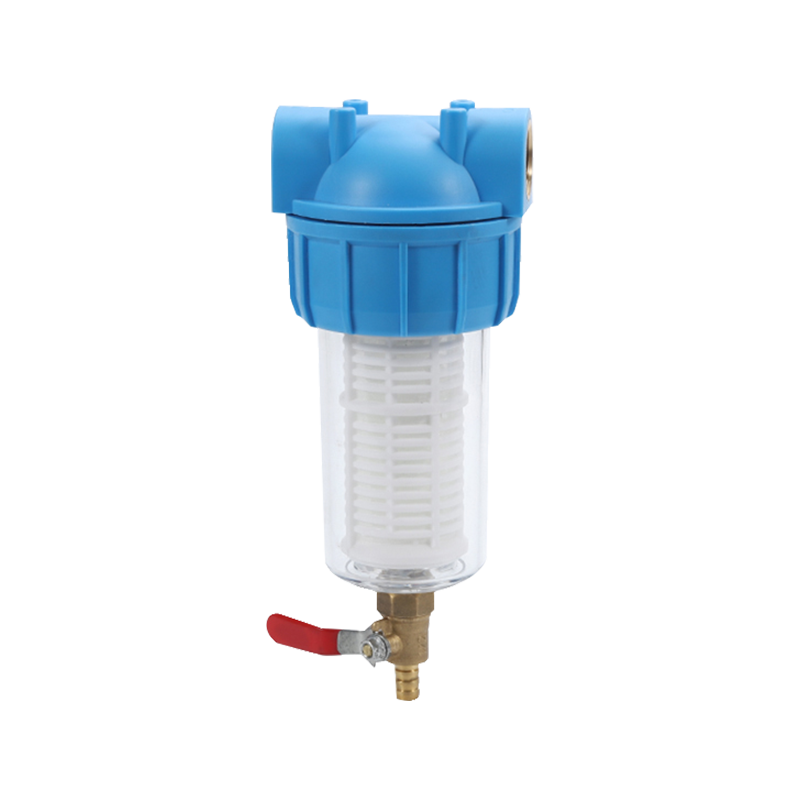
RH-06J5BSingle Water Filter with copper recoil valve is characterized by its efficient filtration system, which can effectively remove impurities, suspended matter, residual chlorine, odor and some ha...
See Details -
 >
>
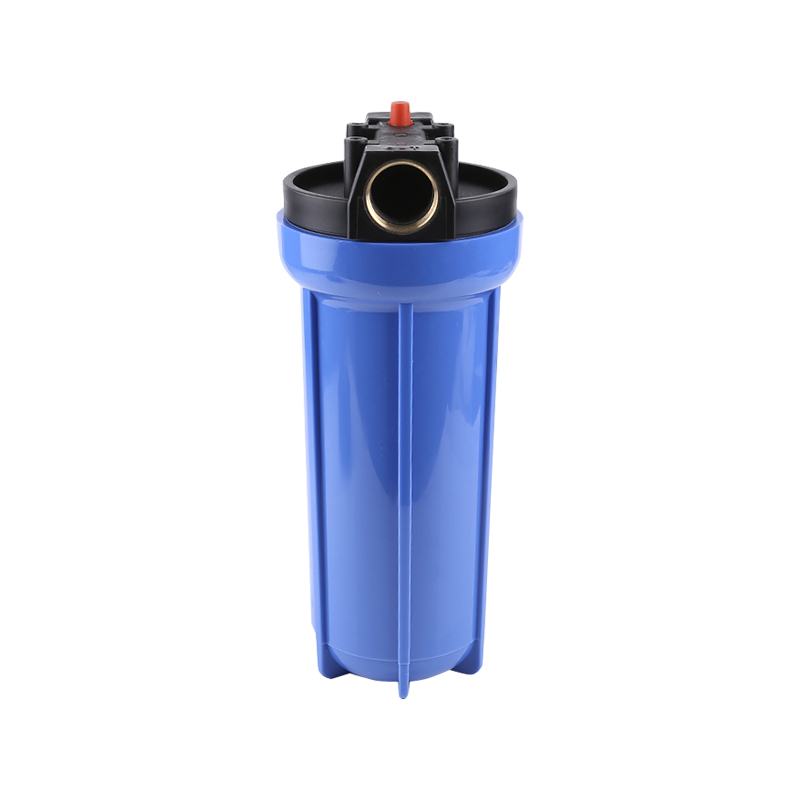
1. Single Water Filter(15BAR).2. 10" PET bottle+black cap, 3/4"brass thread.3. With 10" PP 70g filter cartridge.4. Color box packing.5. Components: wrench+plastic hanging board+screw.
See Details -
 >
>
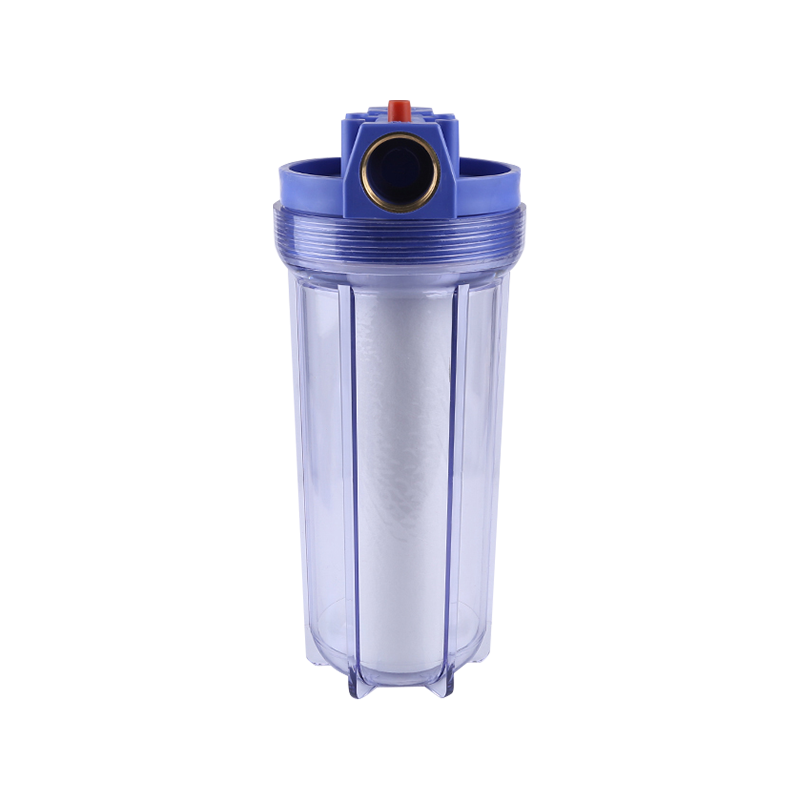
1. Single Water Filter(15BAR); 2. 10" PET bottle+blue cap,3/4"brass thread.3. With 10" PP 70g filtercartridge.4. Color box Packing. 5. Components: wrench+plastic hanging board+screw.
See Details -
 >
>
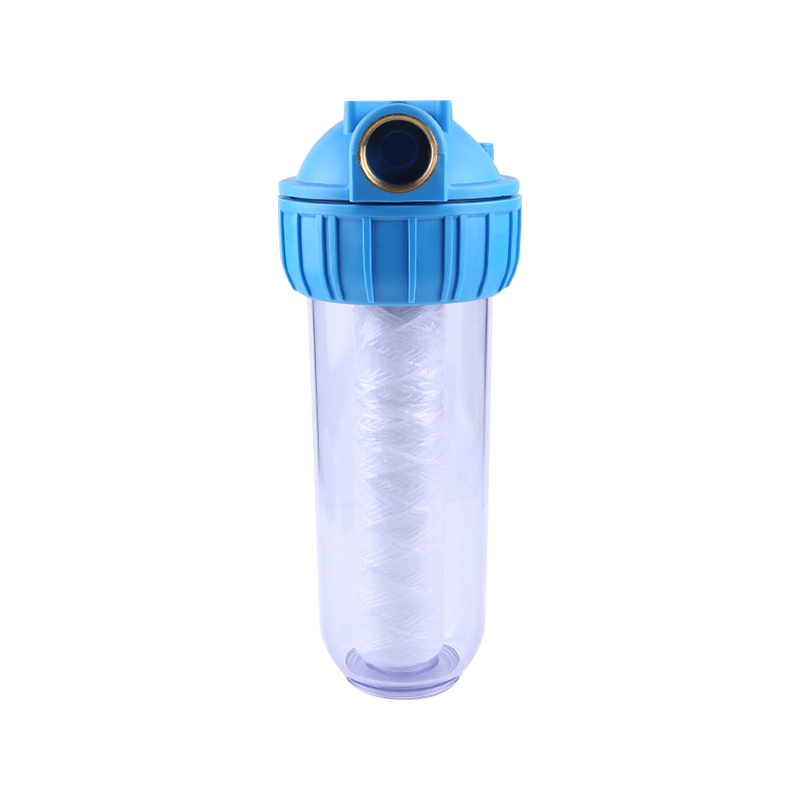
1. Single Water Filter(15BAR).2. 10" PET bottle+blue cap,3/4"brass thread.3. With 10" pp 70g cartridge. 4. Color box Packing. 5. Components: wrench+plastic hanging board+screw.
See Details -
 >
>
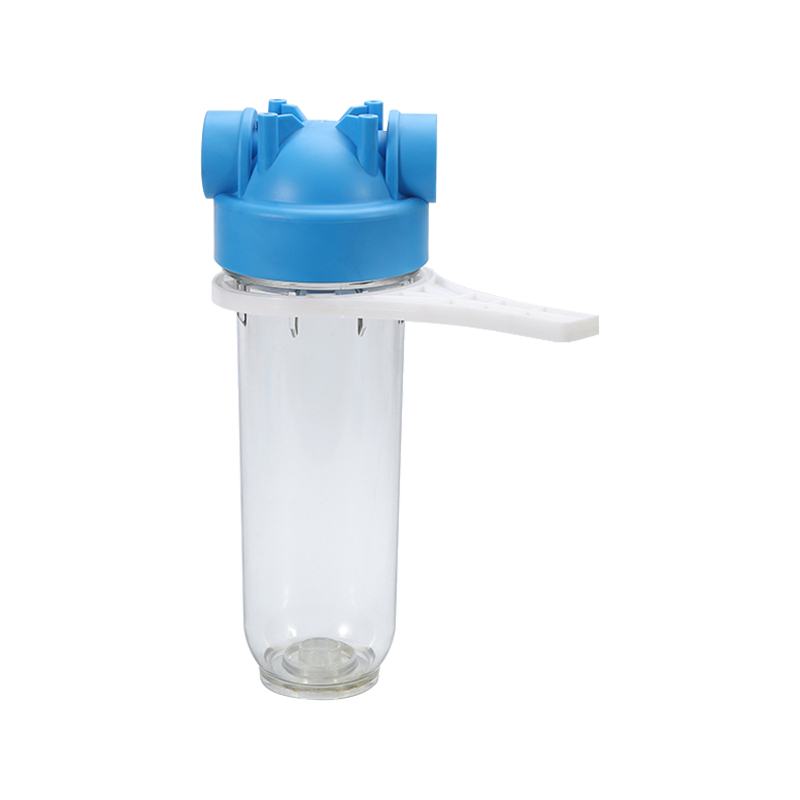
1. Single Water Filter(15BAR).2. 10" PET bottle+blue cap,3/4"brass thread.3. With 10" PP 70g filter cartridge.4. Color box Packing.5. Components: wrench+plastic hanging board+screw.
See Details -
 >
>
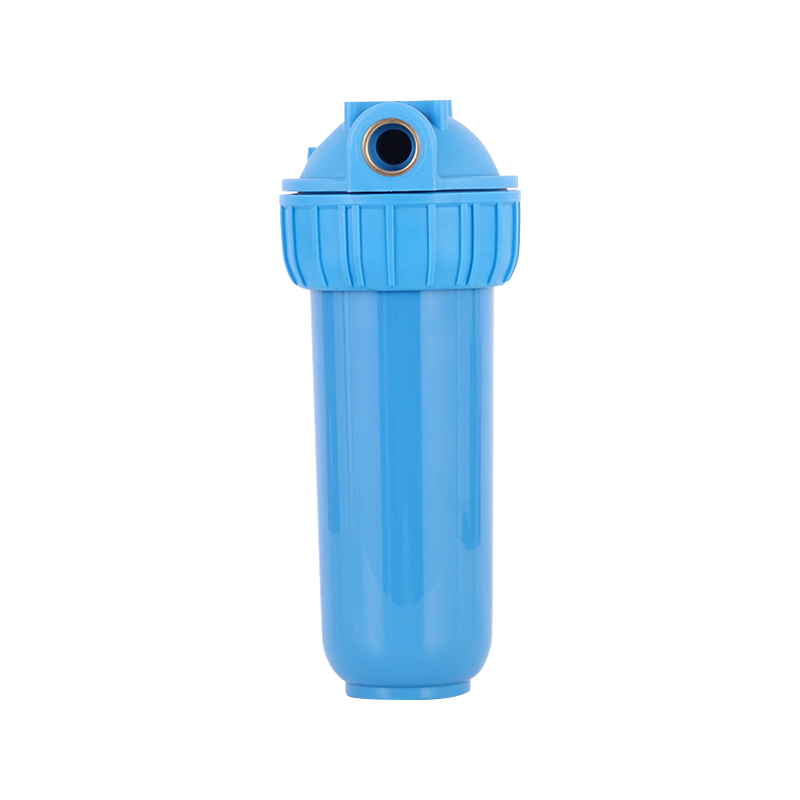
1. Single Water Filter(15BAR).2. 10" PET blue bottle+blue cap,3/4"brass thread.3. With 10" pp 70g cartridge. 4. Color box Packing. 5. Components: wrench+plastic hanging board.
See Details -
 >
>
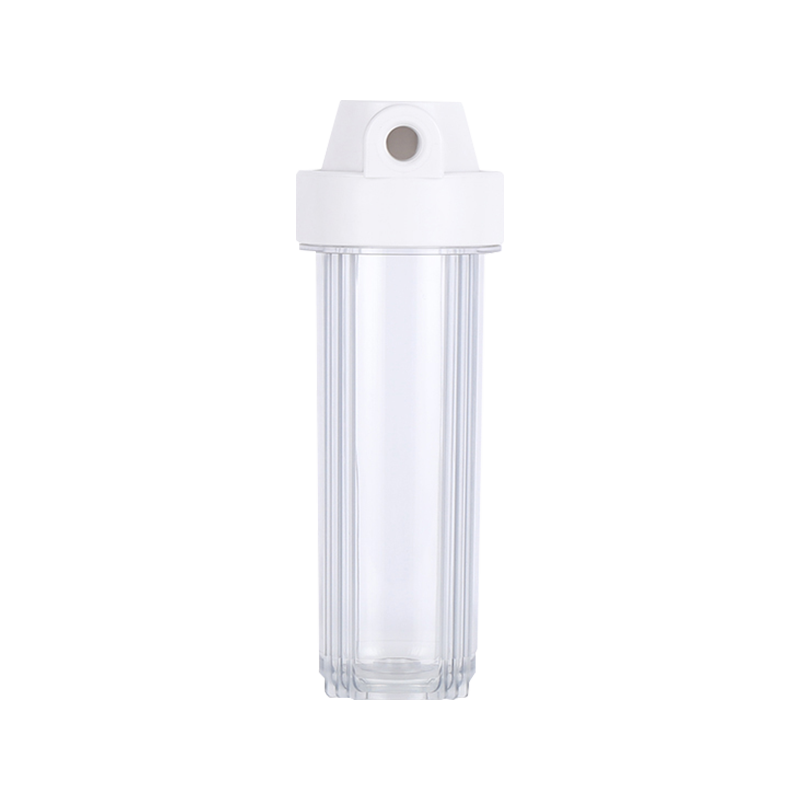
1. Single Water Filter(15BAR).2. 10" PET transparent bottle+white cap,1/4"brass thread.3. With 10" pp 70g cartridge. 4. Color box Packing.
See Details

If you are interested in our products, please consult us
Ningbo Yaorui Water Purification Technology Co., LTD. All Rights Reserved.
Wholesale Household Water Purifier Manufacturers
