 English
 русский
 Español
 عربى
عربى 中文简体
中文简体
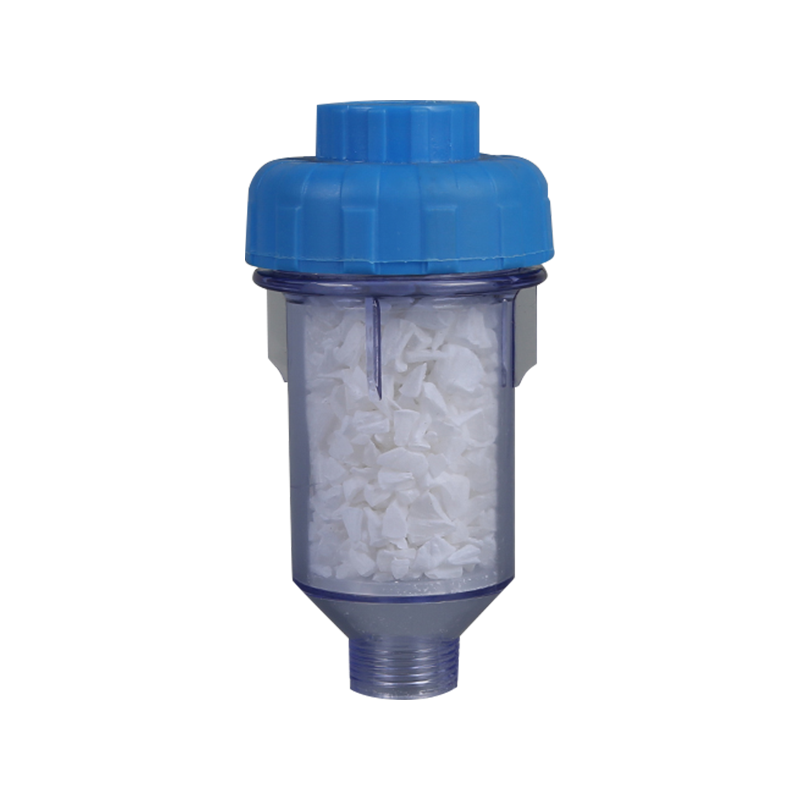 >
>The core highlight of this filter is its built-in silicone sheet filter layer. As a high-performance elastic material, silicone has high-temperature resistance, aging resistance, corrosion resistance,...
See Details [email protected]
 +86-18368206374
 No.99,Yuma Road,Mazhu Town,Yuyao City,Zhejiang Province,China.
How Often Should You Replace Your Water Filter to Keep It Effective?
Industry News-Content
- 1 Is a Water Filter Pitcher Actually Better Than Tap Water?
- 2 How Do You Choose the Best Water Filter for Your Home Without Overspending?
- 3 Are Dangerous Contaminants Still Hiding in Your Drinking Water?
- 4 How Often Should You Replace Your Water Filter to Keep It Effective?
- 5 Is a Reverse Osmosis System Worth the Investment for Your Family?
- 6 Can Switching to a Water Filter Really Help You Save the Planet?
- 7 Is Your Hard Water Ruining Your Hair and Skin?
- 8 Can You Install an Under-Sink Water Filter Yourself in Under 30 Minutes?
- 9 Do Refrigerator Water Filters Actually Remove Lead and Microplastics?
- 10 Which Water Filter Technology is Right for Your Specific ZIP Code?
- 11 Frequently Asked Questions (FAQ)
- 12 References
Choosing the right water filtration system is no longer just a luxury—it’s a vital step toward safeguarding your family’s health and enhancing your home’s efficiency. With an overwhelming array of options on the market, understanding the nuances of water quality is key.
Is a Water Filter Pitcher Actually Better Than Tap Water?
For many households, the journey toward better water quality begins with a simple, gravity-fed pitcher. But is this $30 investment truly superior to the water flowing from your faucet? The answer lies in the specific contaminants present in your local supply.
Understanding the Limitations of Pitchers
Most standard pitchers utilize a combination of activated carbon and ion-exchange resin. While these are excellent at reducing the taste and odor of chlorine—often the primary complaint with municipal tap water—they may struggle with more stubborn pollutants. If your tap water contains high levels of heavy metals like lead or arsenic, or specialized chemicals like PFAS (the “forever chemicals”), a basic pitcher might only offer a marginal improvement.
The Maintenance Factor
The effectiveness of a pitcher is entirely dependent on the user. Unlike a plumbed-in system, a pitcher requires frequent manual refills and, more importantly, strict adherence to filter replacement schedules. A neglected pitcher filter can actually become a reservoir for bacteria. However, for those living in apartments or on a tight budget, a high-quality, certified pitcher is undeniably a safer and better-tasting alternative to unfiltered tap water.
How Do You Choose the Best Water Filter for Your Home Without Overspending?
Navigating the water filter market can feel like a minefield of technical jargon and hidden costs. Finding the “best” filter doesn’t mean buying the most expensive one; it means matching a system to your specific water chemistry.
Start with a Water Quality Report
Before spending a dime, obtain your local Consumer Confidence Report (CCR) or perform a home water test. If your main issue is sediment and chlorine, a whole-house carbon block system is a cost-effective solution. If you are dealing with high salinity or fluoride, you may need to invest more in a Reverse Osmosis (RO) unit.
Comparing Initial Cost vs. Long-Term Value
It is a common mistake to look only at the “sticker price.” A cheap faucet-mount filter might cost $25 initially but requires a $15 replacement filter every month. Conversely, an under-sink system might cost $300 upfront but only require $60 in annual maintenance. To avoid overspending, calculate the Cost Per Gallon over a three-year period. This long-term perspective ensures you get the best ROI for your health and home.
Are Dangerous Contaminants Still Hiding in Your Drinking Water?
Even if your water looks clear and smells fresh, invisible threats could be lingering. Modern water infrastructure, while advanced, often fails to filter out emerging contaminants that have become more prevalent in the 21st century.
The Threat of Microplastics and Lead
Lead often enters drinking water not from the treatment plant, but from aging pipes in older homes or city service lines. Even more concerning is the rise of microplastics, which have been detected in tap water globally. These microscopic particles can bypass basic filtration methods and enter the human body, with long-term health effects still being studied by researchers.
Chemical Runoff and PFAS
In agricultural or industrial areas, pesticides and “forever chemicals” (PFAS/PFOA) often leach into groundwater. These substances are notoriously difficult to break down and can accumulate in the human bloodstream. High-performance filtration systems, particularly those with NSF/ANSI 53 or 58 certifications, are specifically designed to tackle these microscopic hazards, providing a final line of defense that municipal plants may not provide.
How Often Should You Replace Your Water Filter to Keep It Effective?
A water filter is only as good as its last replacement. Using an expired filter is like trying to vacuum a rug with a full dust bag—it simply won’t work, and it might even make things worse.
The Science of Filter Exhaustion
Most filters work through adsorption, where contaminants stick to the surface of the filter media (usually carbon). Once those “sticky sites” are full, the filter is saturated. At this point, “breakthrough” occurs, where the trapped contaminants are released back into your drinking water in concentrated bursts.
Typical Replacement Schedules
The following table provides a general guideline for replacement based on standard household usage (a family of four):
| Filter Category | Recommended Replacement | Key Sign of Failure |
|---|---|---|
| Standard Pitcher | Every 2 Months | Slow filtration speed |
| Faucet-Mounted | Every 3 Months | Noticeable chlorine smell |
| Under-Sink Carbon | Every 6 - 12 Months | Drop in water pressure |
| RO Membrane | Every 24 Months | Bitter or salty taste |
| UV Purifier | Every 12 Months (Bulb) | Alarm or indicator light |
Is a Reverse Osmosis System Worth the Investment for Your Family?
Reverse Osmosis (RO) is often hailed as the gold standard of home water purification. But for the average family, does the high level of filtration justify the higher price tag and water waste?
How RO Technology Works
Reverse osmosis forces water through a semi-permeable membrane with pores so small that only water molecules can pass through. This process effectively removes up to 99% of dissolved solids (TDS), including nitrates, sulfates, fluoride, and even some viruses. For families living in areas with high TDS or specific health concerns, the peace of mind provided by an RO system is often invaluable.
Weighing the Pros and Cons
While RO systems provide unparalleled purity, they do have drawbacks. They typically produce “waste water” (the brine that carries away contaminants) and strip away healthy minerals like calcium and magnesium. To combat this, many modern premium RO systems now include a remineralization stage to restore the water’s natural pH and taste, making it a comprehensive, albeit more expensive, solution.
Can Switching to a Water Filter Really Help You Save the Planet?
The environmental impact of bottled water is staggering. Beyond the plastic waste clogging our oceans, the carbon footprint of bottling and transporting water across the country is immense. Switching to a home water filter is one of the most impactful personal choices you can make for the environment.
Reducing Plastic Waste
One standard under-sink filter can replace up to 5,000 single-use plastic bottles. By eliminating the need for bottled water, a single household can prevent hundreds of pounds of plastic from entering landfills annually. Furthermore, the energy required to manufacture a filter is a fraction of what is needed to produce and recycle thousands of plastic bottles.
Conservation of Resources
The “hidden” cost of bottled water includes the water used in the manufacturing process itself—it often takes three liters of water to produce just one liter of bottled water. While some filtration systems like RO produce waste water, newer “zero waste” or “low-ratio” models are becoming standard, ensuring that your quest for pure water doesn’t come at an unsustainable environmental cost.
Is Your Hard Water Ruining Your Hair and Skin?
When people think of water filters, they often focus on drinking. However, the water you bathe in can have a profound impact on your physical appearance and dermatological health.
The Impact of “Hard Water”
Hard water contains high levels of calcium and magnesium. While safe to drink, these minerals react with soap to create “soap scum” that sticks to your skin and hair. This can clog pores, leading to acne, and strip hair of its natural oils, resulting in brittleness, frizz, and a dull appearance.
The Role of Shower Filters
Installing a specialized shower filter (often using KDF-55 media) can neutralize chlorine and reduce scale buildup. Users often report softer skin, less scalp irritation, and more vibrant hair color within just a few weeks of installation. For those with eczema or sensitive skin, removing chlorine—a known irritant—is often a recommendation from dermatologists to help manage flare-ups.
Can You Install an Under-Sink Water Filter Yourself in Under 30 Minutes?
The idea of “plumbing” often scares homeowners into hiring expensive professionals. However, modern water filter designs have shifted toward a “plug-and-play” philosophy that makes DIY installation accessible to almost everyone.
The Rise of Quick-Connect Fittings
Most modern under-sink systems now use “push-to-connect” or “Quick-Connect” fittings. You no longer need heavy wrenches or messy sealants; you simply push the plastic tubing into the port until it clicks. Many systems are designed to tap into your existing cold water line with a simple T-valve that requires zero pipe cutting.
Preparation is Key
To ensure a 30-minute installation, have your tools ready: a screwdriver, a small bucket for drips, and a drill if you need to install a dedicated filtered-water faucet. By following the manufacturer’s video guide, most homeowners find that the hardest part is simply clearing out the cleaning supplies from under the sink to make room for the unit.
Do Refrigerator Water Filters Actually Remove Lead and Microplastics?
The convenience of water from a fridge door is undeniable, but there is a common misconception that these filters are as powerful as dedicated filtration systems.
Carbon Block Limitations
Most refrigerator filters are basic carbon blocks. While they are excellent for making ice taste better by removing chlorine, their ability to remove heavy metals like lead or microscopic contaminants depends entirely on their NSF Rating. If your filter is only rated for NSF 42 (Aesthetic Effects), it will not protect you from lead or microplastics.
Checking the Certification
To ensure your fridge filter is actually protecting your health, look for an NSF 53 certification. This rating confirms the filter has been tested to reduce specific health-related contaminants. Because fridge filters are small, they also saturate quickly; skipping a replacement can lead to the “sloughing off” of trapped contaminants, meaning your ice could eventually contain more impurities than the tap water itself.
Which Water Filter Technology is Right for Your Specific ZIP Code?
Water quality is hyper-local. A system that works perfectly for a home in a mountain region with soft water may fail miserably in a coastal city with high mineral content and ancient lead pipes.
Urban vs. Rural Needs
Urban residents often deal with high levels of chemical disinfectants (chlorine or chloramines) and potential heavy metal leaching from city infrastructure. In these cases, high-grade carbon filtration is a priority. Conversely, rural residents relying on well water may face issues like bacterial contamination, iron staining, or nitrate runoff from farms, necessitating UV purifiers or specialized water softeners.
Customizing Your Setup
The most efficient way to choose a system is to match it to your local water profile. Many homeowners now opt for “hybrid” systems—a whole-house sediment filter to protect appliances, combined with a high-precision RO system at the kitchen sink for drinking and cooking. This targeted approach ensures maximum protection where it matters most while keeping maintenance costs manageable.
Frequently Asked Questions (FAQ)
1. Does a water filter remove healthy minerals?
Standard carbon filters keep minerals in, while Reverse Osmosis (RO) systems remove them. If you prefer mineral-rich water, look for an RO system with a reminerlization stage.
2. Why is my filtered water cloudy?
Cloudiness in a newly installed filter is usually just trapped air bubbles. Run the water for a few minutes, and it should clear up. If it persists, it may be a sign of a faulty seal.
3. Can I use a water filter to remove fluoride?
Most standard pitcher and faucet filters do not remove fluoride. You will typically need a Reverse Osmosis system or an activated alumina filter for effective fluoride reduction.
4. Is it cheaper to use a filter than to buy bottled water?
Yes. On average, filtered tap water costs about $0.02 to $0.05 per gallon, whereas bottled water can cost upwards of $1.50 per gallon.
References
- Environmental Protection Agency (EPA). (2024). National Primary Drinking Water Regulations.
- NSF International. (2025). Consumer Guide to Water Restoration and Filtration Standards (Standard 42, 53, and 58).
- World Health Organization (WHO). (2023). Guidelines for Drinking-water Quality: Fourth Edition.
- Journal of Water and Health. (2025). Efficacy of Point-of-Use Filtration Systems in Removing Emerging Contaminants.
Related products
-
 >
>
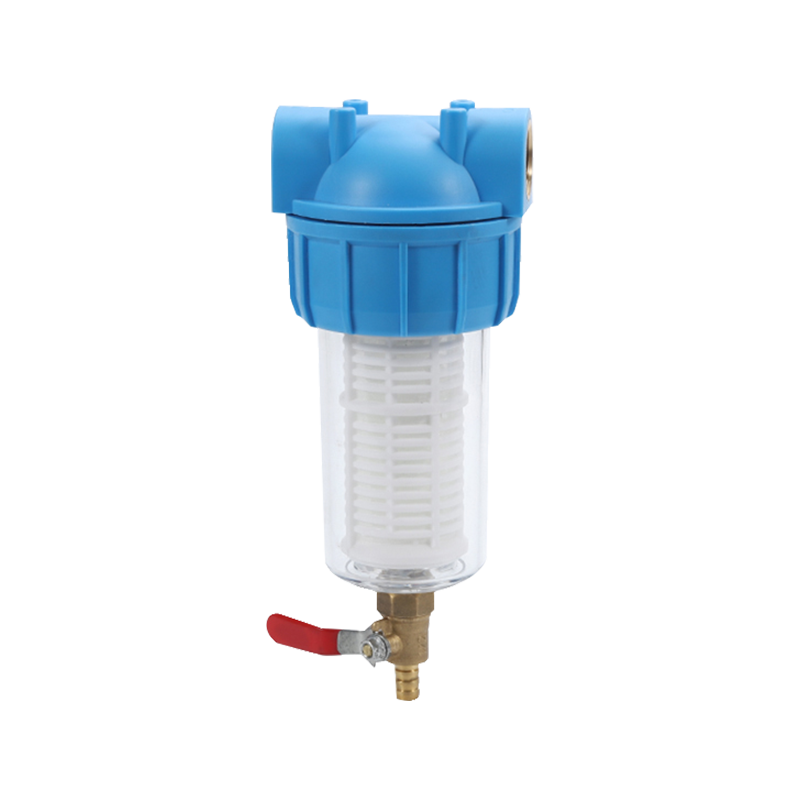
RH-06J5BSingle Water Filter with copper recoil valve is characterized by its efficient filtration system, which can effectively remove impurities, suspended matter, residual chlorine, odor and some ha...
See Details -
 >
>
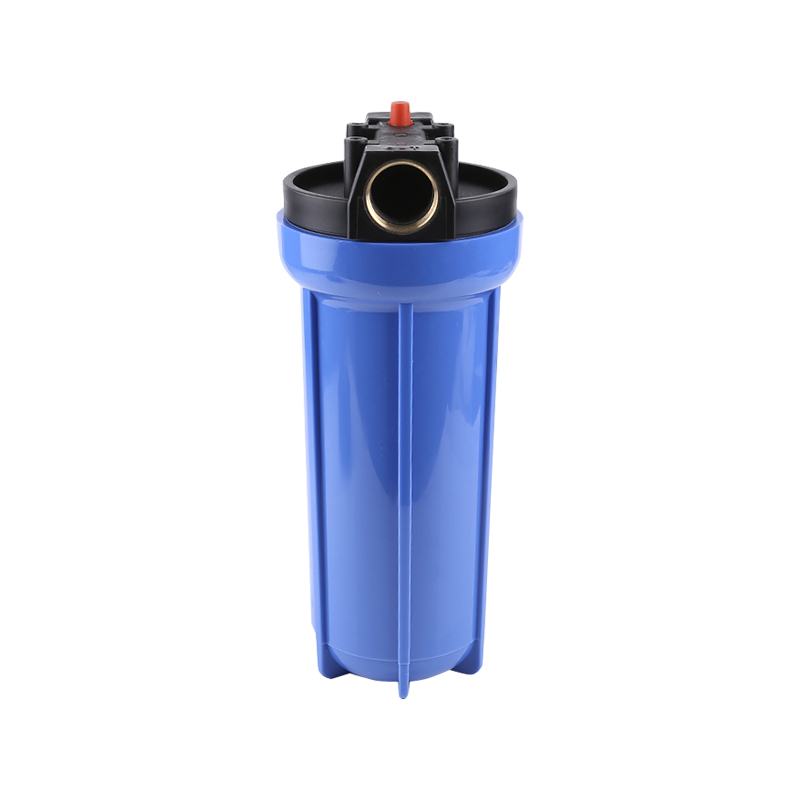
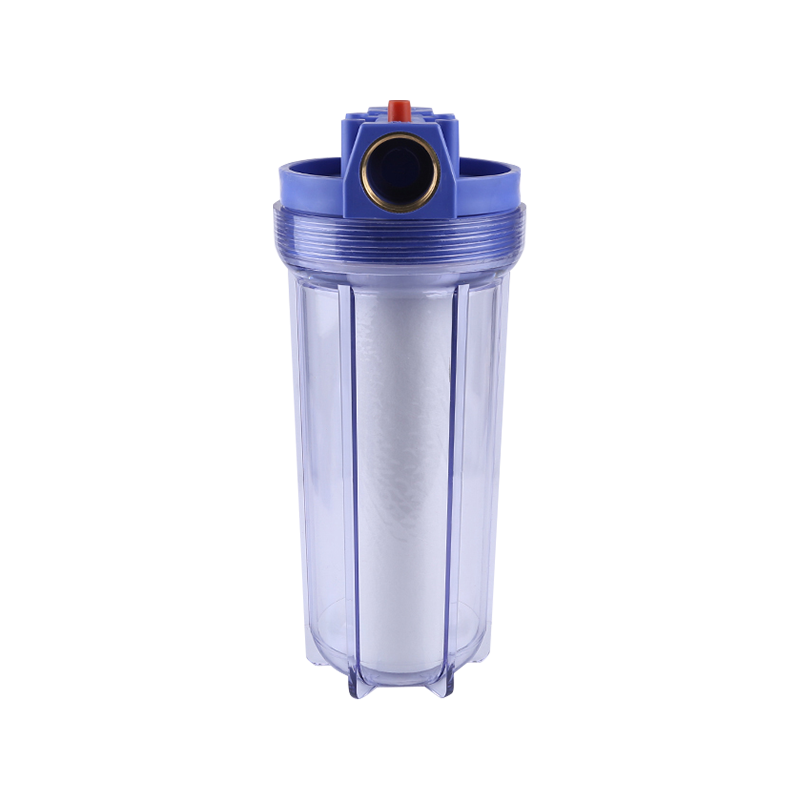
1. Single Water Filter(15BAR).2. 10" PET bottle+black cap, 3/4"brass thread.3. With 10" PP 70g filter cartridge.4. Color box packing.5. Components: wrench+plastic hanging board+screw.
See Details -
 >
>
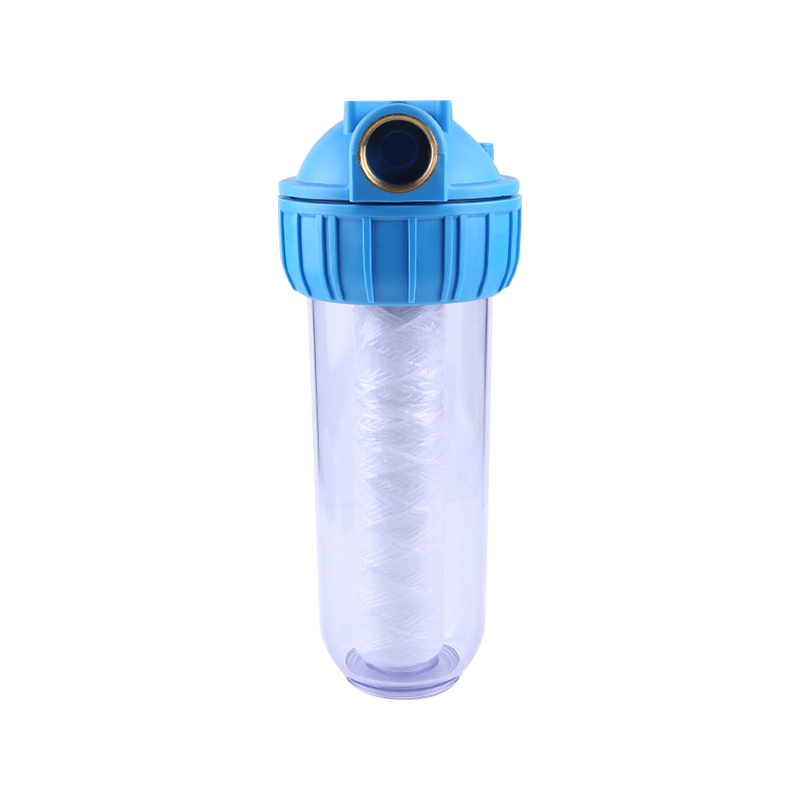
1. Single Water Filter(15BAR); 2. 10" PET bottle+blue cap,3/4"brass thread.3. With 10" PP 70g filtercartridge.4. Color box Packing. 5. Components: wrench+plastic hanging board+screw.
See Details -
 >
>
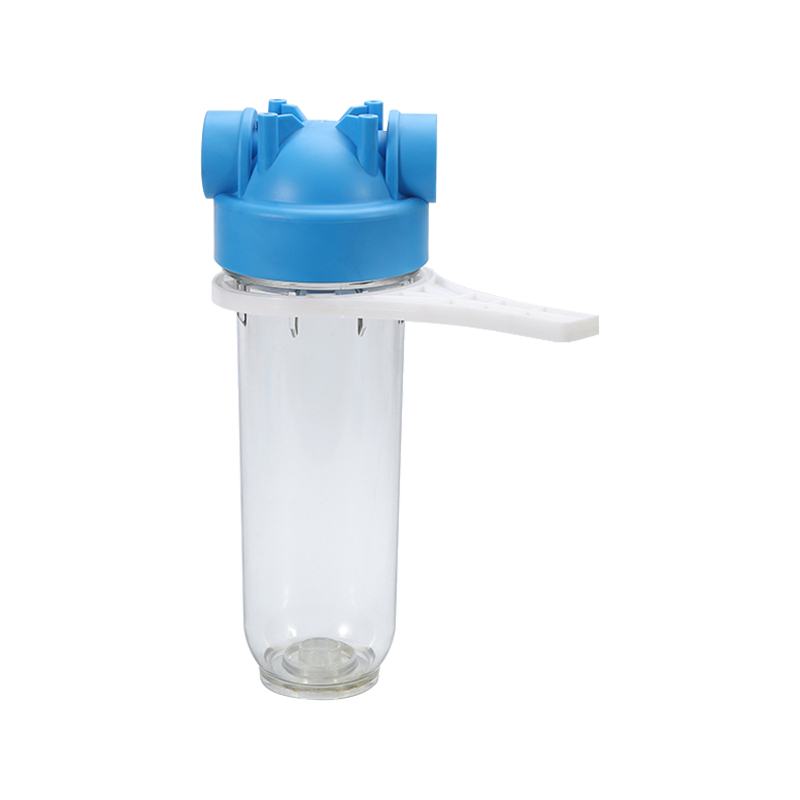
1. Single Water Filter(15BAR).2. 10" PET bottle+blue cap,3/4"brass thread.3. With 10" pp 70g cartridge. 4. Color box Packing. 5. Components: wrench+plastic hanging board+screw.
See Details -
 >
>
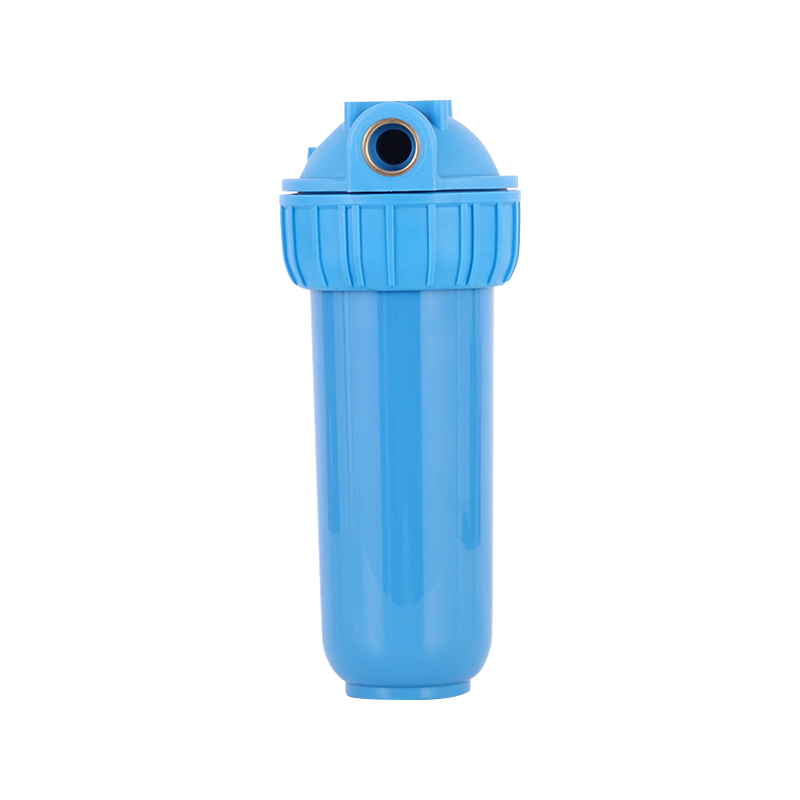
1. Single Water Filter(15BAR).2. 10" PET bottle+blue cap,3/4"brass thread.3. With 10" PP 70g filter cartridge.4. Color box Packing.5. Components: wrench+plastic hanging board+screw.
See Details -
 >
>
1. Single Water Filter(15BAR).2. 10" PET blue bottle+blue cap,3/4"brass thread.3. With 10" pp 70g cartridge. 4. Color box Packing. 5. Components: wrench+plastic hanging board.
See Details -
 >
>
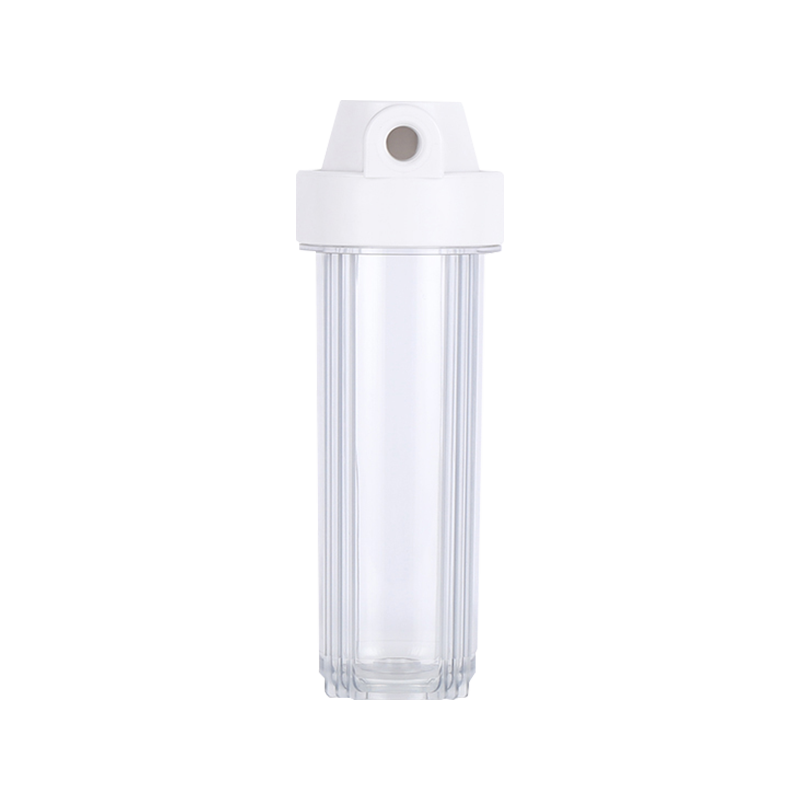
1. Single Water Filter(15BAR).2. 10" PET transparent bottle+white cap,1/4"brass thread.3. With 10" pp 70g cartridge. 4. Color box Packing.
See Details

If you are interested in our products, please consult us
Ningbo Yaorui Water Purification Technology Co., LTD. All Rights Reserved.
Wholesale Household Water Purifier Manufacturers
