 English
 русский
 Español
 عربى
عربى 中文简体
中文简体
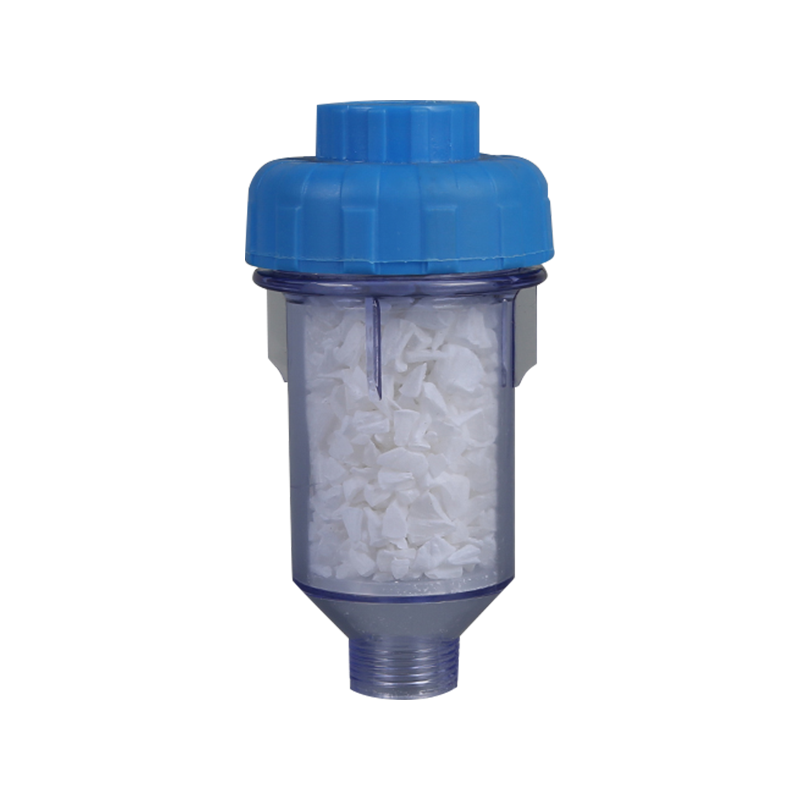 >
>The core highlight of this filter is its built-in silicone sheet filter layer. As a high-performance elastic material, silicone has high-temperature resistance, aging resistance, corrosion resistance,...
See Details [email protected]
 +86-18368206374
 No.99,Yuma Road,Mazhu Town,Yuyao City,Zhejiang Province,China.
Is a Reverse Osmosis Water Filter Better Than a Standard Carbon Filter?
Industry News-Content
Understanding the Technology: How They Differ
In the realm of water purification, the debate between choosing a standard carbon filter and a Reverse Osmosis (RO) system water filter is one of the most significant for both homeowners and industrial operators. While both technologies aim to improve water quality, they operate on fundamentally different scientific principles. A standard carbon filter relies primarily on adsorption, a process where contaminants are chemically or physically trapped within the porous structure of activated carbon. In contrast, a Reverse Osmosis system is a comprehensive, multi-stage water treatment plant in a compact form, utilizing a semi-permeable membrane to achieve molecular-level separation.
The distinction is crucial for anyone concerned about “Total Dissolved Solids” (TDS) and long-term health. Carbon filters are excellent at making water taste and smell better by removing chlorine and organic compounds, but they act as a “bypass” for many microscopic inorganic threats. On the other hand, the Reverse Osmosis system water filter acts as a rigorous barrier. By applying pressure to overcome osmotic pressure, the RO membrane (with pores as small as 0.0001 microns) allows only pure H2O molecules to pass through. This fundamental difference means that while carbon filtration is a “polishing” step, Reverse Osmosis is a “purification” step. Understanding these engineering nuances is the first step toward ensuring your facility or home has access to the highest standard of hydration.
Contaminant Removal: Which One Cleans Better?
When evaluating which system “cleans better,” the answer depends on your specific “water profile.” If your primary goal is to remove the “pool-like” taste of chlorine from city water, a standard carbon filter is often sufficient. However, if you are dealing with well water, aging lead pipes, or agricultural runoff, a Reverse Osmosis system water filter is objectively superior. It provides a much broader spectrum of protection against invisible, tasteless, and odorless contaminants that carbon simply cannot touch.
What RO Removes that Carbon Cannot
Standard activated carbon filters are generally ineffective against dissolved inorganic substances. For example, Fluoride, Arsenic, and Nitrates are common in many water supplies but are far too small to be trapped by carbon pores. An RO system, however, can reject up to 99% of these harmful ions. Furthermore, the threat of heavy metals like Lead and Hexavalent Chromium is a growing concern in modern plumbing. While some high-end carbon blocks are rated for lead reduction, they can quickly become saturated. A multi-stage Reverse Osmosis system provides a failsafe by using a dedicated membrane that consistently blocks heavy metals based on their molecular size and ionic charge.
The Role of Carbon in an RO System
It is a common misconception that choosing RO means abandoning carbon. In reality, a high-quality Reverse Osmosis water filter is a hybrid. It typically includes a sediment pre-filter, at least one carbon block pre-filter to protect the membrane from chlorine damage, the RO membrane itself, and a “post-carbon” polisher to refresh the taste before the water reaches your faucet. Therefore, when you invest in an RO system, you are getting the benefits of carbon filtration combined with the unparalleled power of membrane technology. This makes RO the most comprehensive “insurance policy” for your drinking water.
Water Efficiency and Environmental Impact
As sustainability becomes a core focus for modern enterprises and eco-conscious households, the “efficiency” of a water system is a vital metric. This is perhaps the only area where a standard carbon filter holds a slight advantage over a Reverse Osmosis system water filter. Carbon filters have a “dead-end” filtration design, meaning 100% of the water that enters the filter comes out of the faucet. There is zero wastewater produced, and the system operates solely on your existing line pressure without needing electricity.
The Evolution of RO Wastewater Ratios
Historically, Reverse Osmosis systems were criticized for being “wasteful.” Older models could send up to 4 gallons of water down the drain for every 1 gallon of purified water produced (a 4:1 ratio). This “reject water” or brine carries away the concentrated contaminants that were blocked by the membrane. However, the industry has seen massive technological leaps. Modern high-efficiency Reverse Osmosis systems now feature a 1:1 or even a 1:1.1 waste ratio. For B2B buyers looking for “commercial-grade RO systems,” there are even permeate pump-equipped models that utilize the energy of the wastewater to boost the efficiency of the entire process, minimizing the environmental footprint significantly.
Tankless RO Systems vs. Traditional Models
Another major trend in the “Reverse Osmosis water filter” market is the shift toward tankless Reverse Osmosis systems. Traditional units store purified water in a pressurized tank, which can be a site for secondary bacterial growth if not maintained. Tankless models use a high-powered internal pump to provide a “fresh-on-demand” flow. While they require a power outlet, they eliminate the need for a bulky tank, save under-sink space, and provide an even better wastewater ratio. For those prioritizing “green building” standards or minimal water waste, these advanced RO configurations are the current gold standard.
Technical Comparison: RO vs. Standard Carbon
To assist procurement managers and homeowners in comparing these technologies, we have developed a detailed technical comparison table. This table highlights the performance across the most searched-for water quality parameters.
| Performance Metric | Standard Carbon Filter | Reverse Osmosis (RO) System |
|---|---|---|
| Primary Mechanism | Adsorption (Chemical/Physical) | Membrane Separation (Ionic/Molecular) |
| Pore Size | 0.5 – 10.0 Microns | ~0.0001 Microns |
| TDS Reduction | Negligible | 90% – 99% (Excellent) |
| Lead & Arsenic Removal | Limited / Specific models only | Highly Effective |
| Chlorine & Odor Removal | Excellent | Excellent (Integrated Stage) |
| Water Waste | 0% (Zero Waste) | 50% – 75% (Depending on Efficiency) |
| pH Influence | Neutral | Slightly Acidic (unless remineralized) |
| Ideal For | High-quality city water | Well water, high TDS, or total purity |
Maintenance: Longevity and Cost per Gallon
From a B2B perspective, the “Total Cost of Ownership” (TCO) of a Reverse Osmosis system water filter often outperforms bottled water and high-frequency carbon filter replacements. While the upfront investment for an RO system is higher—ranging from $250 to $800 depending on the GPD (Gallons Per Day) capacity—the cost of the water produced is measured in pennies per gallon.
Filter Replacement Cycles
Maintenance of an RO system is a multi-tier process. The sediment and carbon pre-filters usually require replacement every 6 to 12 months to ensure the system doesn’t lose pressure and to protect the sensitive RO membrane. The Reverse Osmosis membrane itself is the most durable component, typically lasting between 24 and 36 months depending on the incoming “Total Dissolved Solids” level. In contrast, a standard pitcher or faucet-mounted carbon filter often needs a new cartridge every 2 to 3 months. When you calculate the labor and cost of frequent replacements, the RO system offers a more “set-and-forget” experience with a higher volume of purified water output.
Ensuring System Longevity
To maximize the life of your commercial or residential RO system, it is essential to monitor the “TDS meter” readings. A significant spike in TDS from the output faucet is a clear indicator that the membrane has been compromised. For businesses, implementing a scheduled maintenance plan not only ensures the health of employees or customers but also protects downstream equipment like coffee makers, ice machines, and laboratory instruments from scale buildup. An RO system is an investment in “clean infrastructure” that pays for itself by preventing the damage caused by hard water and corrosive contaminants.
FAQ: Frequently Asked Questions
Q: Does a Reverse Osmosis system remove beneficial minerals?
A: Yes, the RO membrane is so effective that it removes minerals like Calcium and Magnesium along with the contaminants. Many users solve this by adding a remineralization filter (Alkaline stage) at the end of the system to add these minerals back and balance the pH.
Q: Is RO water too acidic to drink?
A: Pure RO water has a pH of around 6.0 to 6.5. While slightly acidic, it is not harmful. However, for those who prefer alkaline water, high-end Reverse Osmosis systems include an alkaline post-filter to boost the pH to 8.0 or 9.0.
Q: Can I install a Reverse Osmosis water filter myself?
A: Most residential under-sink RO systems are designed for “DIY-friendly” installation with color-coded tubing. However, for commercial applications or if you are uncomfortable with basic plumbing, we recommend professional installation to ensure a leak-free setup.
Q: How do I know if I need a booster pump?
A: RO systems require a minimum of 40 PSI to function. If your home’s water pressure is low (common with well systems), a booster pump is necessary to force the water through the membrane efficiently and reduce wastewater.
References & Industry Citations
- Water Quality Association (WQA): “Point-of-Use Reverse Osmosis Systems for Drinking Water Treatment.”
- NSF International: “NSF/ANSI 58: Reverse Osmosis Drinking Water Treatment Systems Standard.”
- Environmental Protection Agency (EPA): “A Consumer’s Guide to Water Treatment Technologies.”
- Journal of Membrane Science: “Efficiency Improvements in Small-Scale Reverse Osmosis Desalination Units” (2025).
Related products
-
 >
>
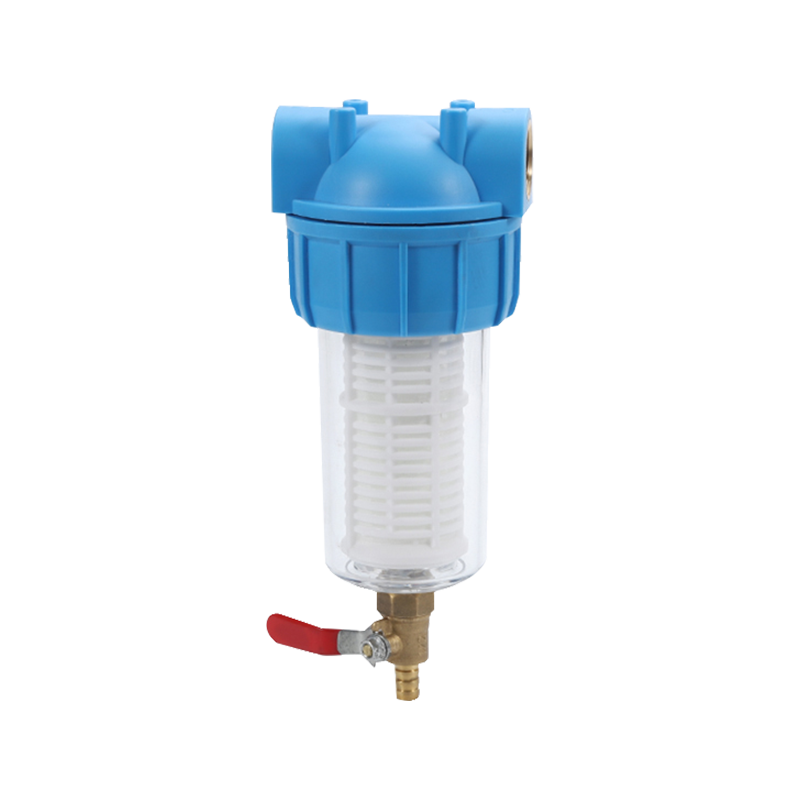
RH-06J5BSingle Water Filter with copper recoil valve is characterized by its efficient filtration system, which can effectively remove impurities, suspended matter, residual chlorine, odor and some ha...
See Details -
 >
>
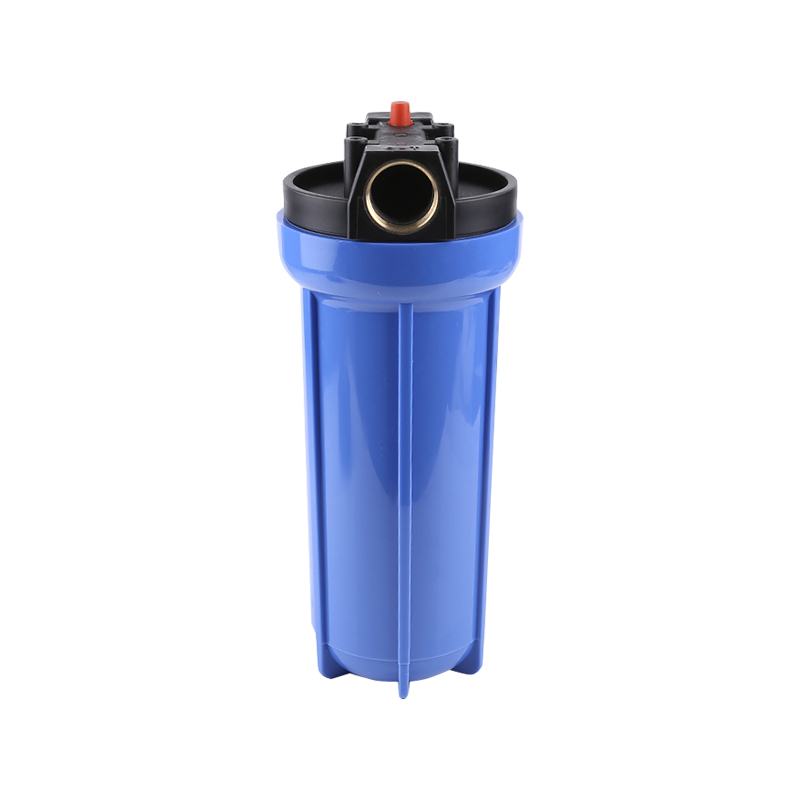
1. Single Water Filter(15BAR).2. 10" PET bottle+black cap, 3/4"brass thread.3. With 10" PP 70g filter cartridge.4. Color box packing.5. Components: wrench+plastic hanging board+screw.
See Details -
 >
>
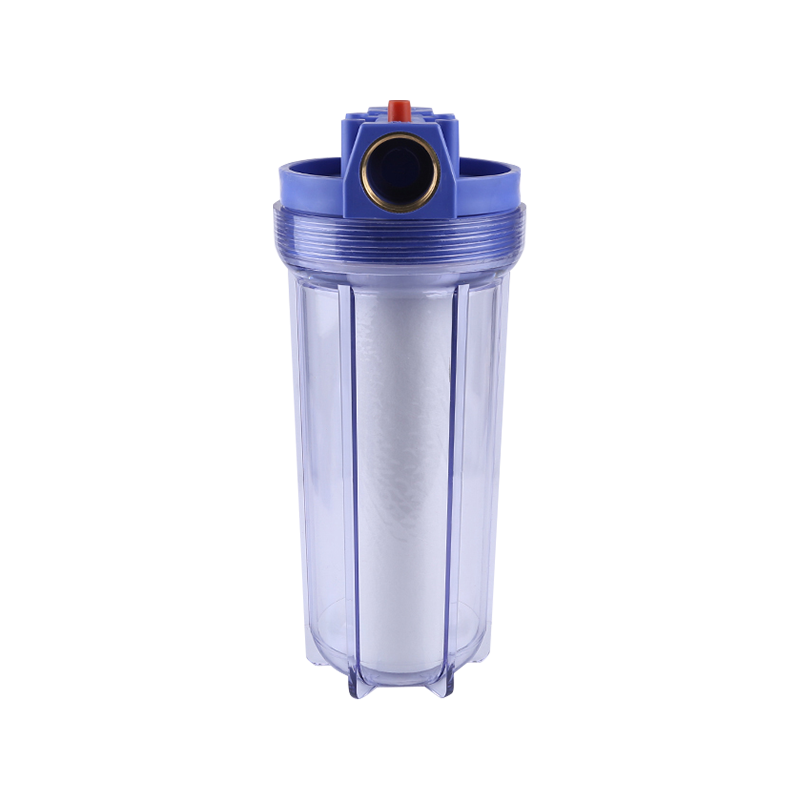
1. Single Water Filter(15BAR); 2. 10" PET bottle+blue cap,3/4"brass thread.3. With 10" PP 70g filtercartridge.4. Color box Packing. 5. Components: wrench+plastic hanging board+screw.
See Details -
 >
>
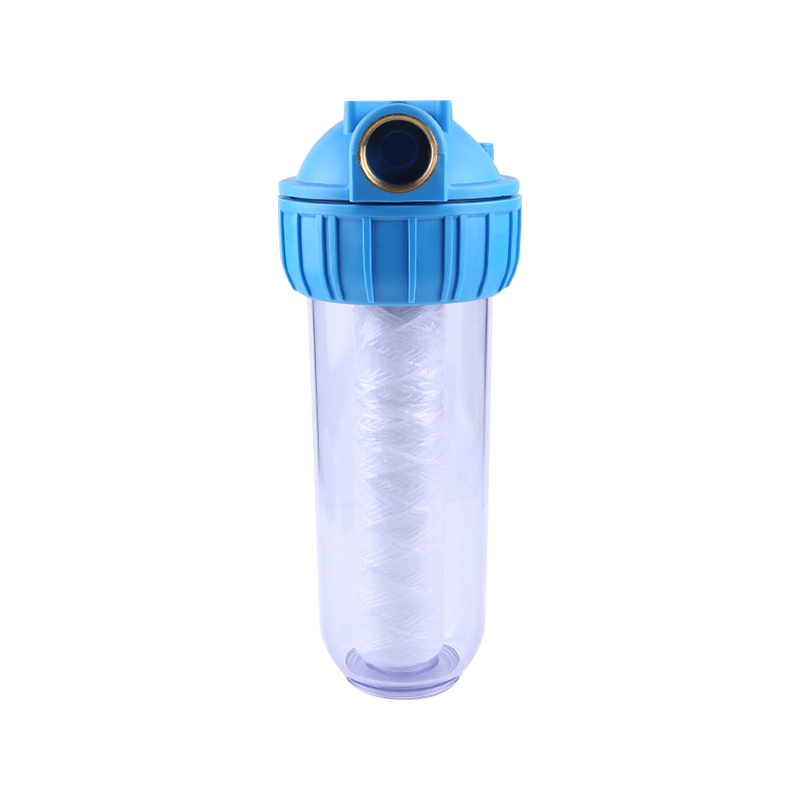
1. Single Water Filter(15BAR).2. 10" PET bottle+blue cap,3/4"brass thread.3. With 10" pp 70g cartridge. 4. Color box Packing. 5. Components: wrench+plastic hanging board+screw.
See Details -
 >
>
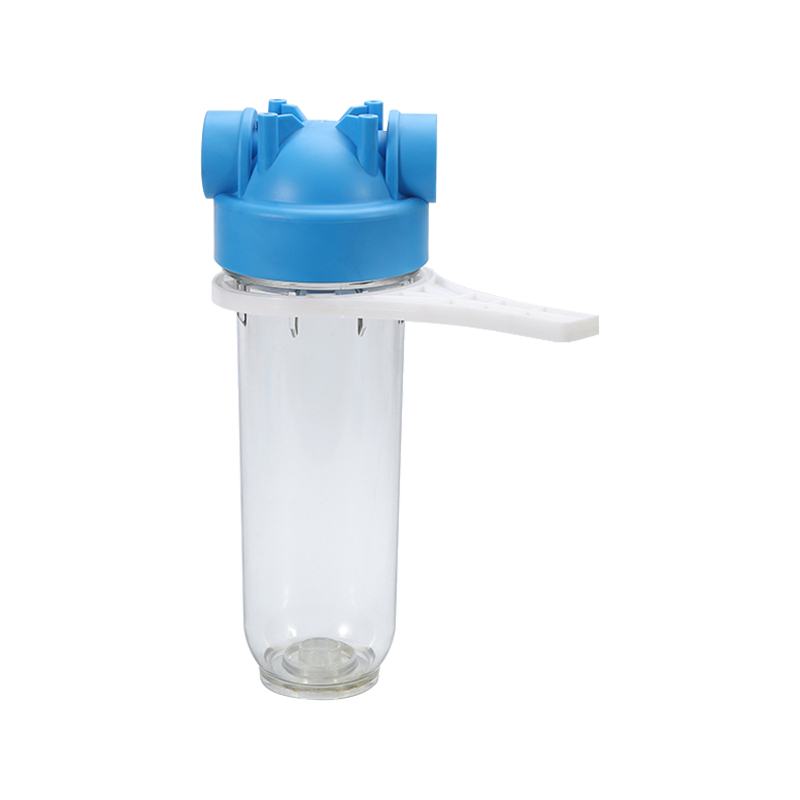
1. Single Water Filter(15BAR).2. 10" PET bottle+blue cap,3/4"brass thread.3. With 10" PP 70g filter cartridge.4. Color box Packing.5. Components: wrench+plastic hanging board+screw.
See Details -
 >
>
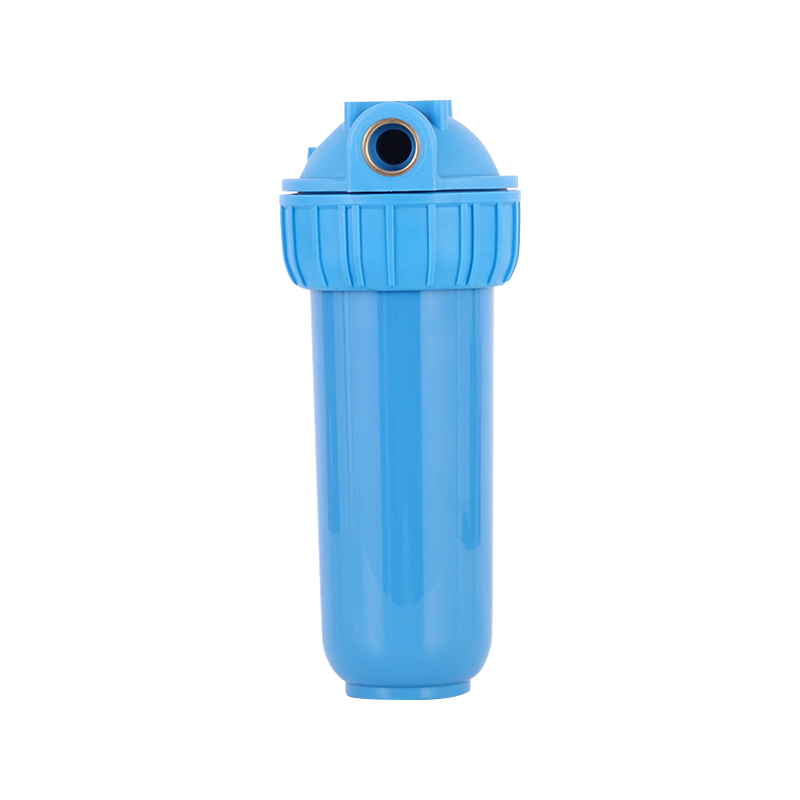
1. Single Water Filter(15BAR).2. 10" PET blue bottle+blue cap,3/4"brass thread.3. With 10" pp 70g cartridge. 4. Color box Packing. 5. Components: wrench+plastic hanging board.
See Details -
 >
>
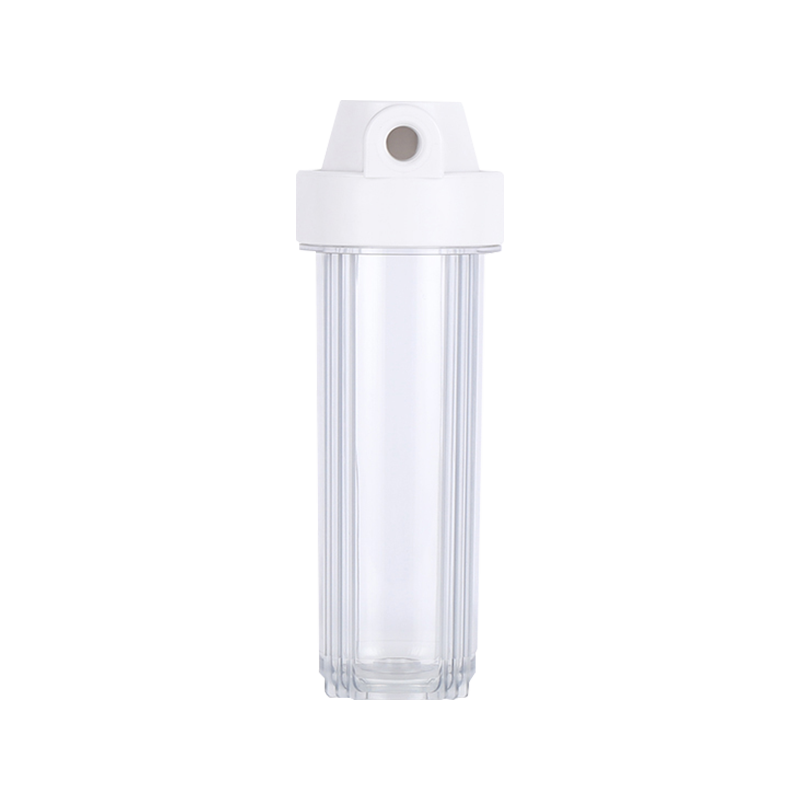
1. Single Water Filter(15BAR).2. 10" PET transparent bottle+white cap,1/4"brass thread.3. With 10" pp 70g cartridge. 4. Color box Packing.
See Details

If you are interested in our products, please consult us
Ningbo Yaorui Water Purification Technology Co., LTD. All Rights Reserved.
Wholesale Household Water Purifier Manufacturers
