 English
 русский
 Español
 عربى
عربى 中文简体
中文简体
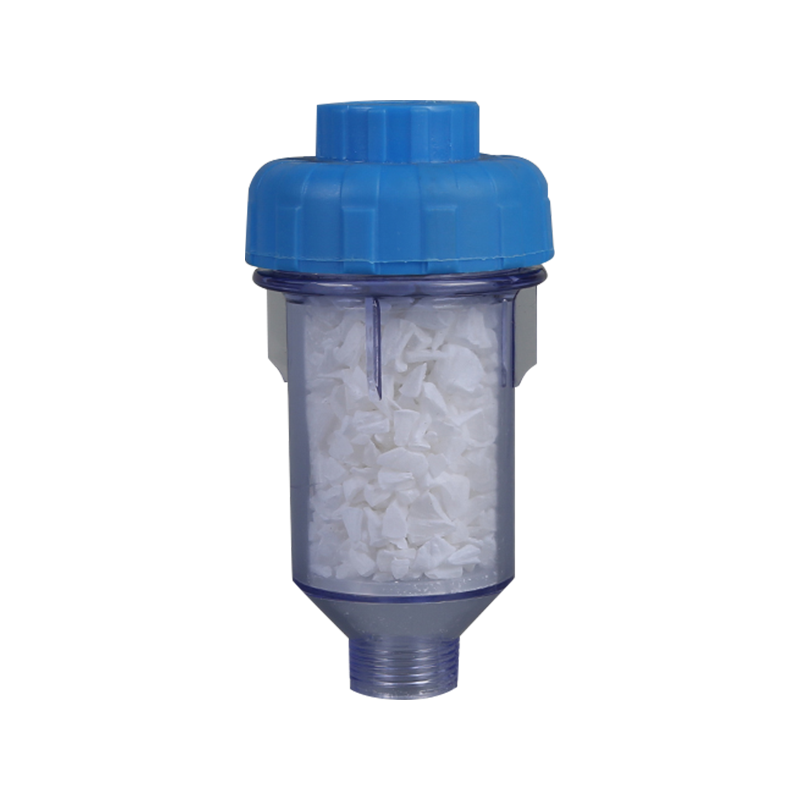 >
>The core highlight of this filter is its built-in silicone sheet filter layer. As a high-performance elastic material, silicone has high-temperature resistance, aging resistance, corrosion resistance,...
See Details [email protected]
 +86-18368206374
 No.99,Yuma Road,Mazhu Town,Yuyao City,Zhejiang Province,China.
Which Household Water Filter Cartridge is Best for Improving Water Taste?
Industry News-Content
- 1 Which Household Water Filter Cartridge is Best for Improving Water Taste?
- 2 Technical Comparison: Filter Technologies and Taste Impact
- 3 The Role of Activated Carbon Block in Chemical Adsorption
- 4 Beyond Chlorine: Addressing Salty or Bitter Water Profiles
- 5 FAQ: Frequently Asked Questions
- 6 References and Technical Resources
Which Household Water Filter Cartridge is Best for Improving Water Taste?
For the majority of homeowners, the primary motivation for installing a water system is to achieve a crisp, refreshing taste that rivals premium bottled water. However, “bad taste” is not a singular issue; it is a complex sensory experience caused by a variety of chemical and physical factors. To identify which Household Water Filter Cartridge is best for your specific needs, you must first understand the “off-notes” in your local supply. Whether you are dealing with a medicinal chlorine odor, a metallic bitterness, or an earthy aftertaste, the solution lies in the specific pore structure and chemical affinity of the filter media.
Identifying the Source of Poor Water Flavor
The taste of tap water is largely influenced by municipal treatment processes and the geological makeup of your region. Chlorine and chloramines are the most frequent offenders, used by cities to disinfect water but leaving behind a sharp, “bleach-like” smell. In other areas, high concentrations of Total Dissolved Solids (TDS)—such as calcium, magnesium, and sodium—can make water feel “heavy” or taste slightly salty. By selecting a targeted Household Water Filter Cartridge, you are essentially performing “chemical surgery” on your water, removing the unwanted molecules while retaining the essential hydration properties.
The Superiority of Point-of-Use Filtration
While whole-house systems are excellent for protecting appliances from scale, a dedicated drinking water filter cartridge at the kitchen sink is the most effective way to improve taste. These cartridges are engineered with a higher density of filtration media, ensuring that the water you consume has maximum contact time with the carbon or membrane. This intensive contact is what allows for the removal of subtle volatile organic compounds (VOCs) that even high-end municipal plants might miss.
Technical Comparison: Filter Technologies and Taste Impact
Navigating the various types of filtration can be overwhelming. The following table provides a technical breakdown of how different Household Water Filter Cartridges influence the palate, helping you choose the right configuration for your home.
| Filter Technology | Primary Contaminant Target | Impact on Water Taste | Recommended Application |
|---|---|---|---|
| Carbon Block | Chlorine, Chloramines, VOCs | Excellent (Crisp & Clean) | Standard municipal water |
| Reverse Osmosis (RO) | Heavy Metals, TDS, Salts | Neutral (Pure / “Flat”) | Well water or high-mineral areas |
| Remineralization | Low pH / Acidity | Sweet & Smooth Mouthfeel | Post-RO “Polishing” stage |
| PP Sediment | Rust, Sand, Dirt | Minimal (Visual Clarity only) | Pre-filtration to protect carbon |
| Ceramic Filter | Bacteria, Cysts, Silt | Moderate (Removes earthy notes) | Gravity-fed or portable units |
The Role of Activated Carbon Block in Chemical Adsorption
When it comes to the “gold standard” for flavor improvement, the Activated Carbon Block Cartridge remains unrivaled. Unlike simple sand or sediment filters that trap particles mechanically, carbon works through a process called “adsorption.”
Why Carbon Block Outperforms GAC
Many entry-level filters use Granular Activated Carbon (GAC), which consists of loose carbon pellets. While effective, GAC can suffer from “channeling,” where water finds the path of least resistance and bypasses much of the media. A Solid Carbon Block, however, forces water through a dense, uniform matrix. This maximizes the surface area available for chemical bonding. A single gram of high-quality activated carbon has a surface area equivalent to several thousand square meters, allowing it to “soak up” chlorine and organic odors with incredible efficiency.
Understanding Micron Ratings for Taste Polishing
The effectiveness of a Household Water Filter Cartridge is often defined by its micron rating. For taste improvement, a 0.5-micron to 1-micron rating is the sweet spot. A sub-micron carbon block does more than just remove chemicals; it provides a “polishing” effect by straining out microscopic particulates that contribute to turbidity (cloudiness). When water is clear and free of suspended solids, the human tongue perceives it as colder and fresher, significantly enhancing the overall drinking experience.
Beyond Chlorine: Addressing Salty or Bitter Water Profiles
In regions where the water supply is “hard” or has a high mineral content, a carbon filter alone may not be enough to provide the desired taste. If your water has a metallic tang or a bitter finish, you are likely tasting dissolved minerals and heavy metals.
Reverse Osmosis for a “Blank Slate” Profile
A Reverse Osmosis (RO) Membrane Cartridge is the most aggressive form of household filtration. By forcing water through a semi-permeable membrane, it removes up to 99% of all dissolved solids, including lead, arsenic, and nitrates. The result is a “blank slate” water profile. For many, this is the ultimate in purity, though some find pure RO water to taste somewhat “flat” or “empty” because the minerals that provide “body” to the water have been stripped away.
The Sweet Finish: Alkaline and Remineralization Cartridges
To combat the flatness of RO water, the most sophisticated Household Water Filter Systems now utilize a multi-stage approach. After the water passes through the RO membrane, it travels through an Alkaline Remineralization Cartridge. This stage adds back precise amounts of calcium and magnesium, while slightly raising the pH level. This process mimics the natural filtration of mountain springs, resulting in water that has a slightly “sweet” and “silky” mouthfeel. This is widely considered the best possible setup for coffee connoisseurs and tea enthusiasts who require a specific mineral balance to extract the best flavors from their brews.
FAQ: Frequently Asked Questions
Why does my water taste like “rotten eggs” even with a new filter?
The rotten egg smell is usually Hydrogen Sulfide gas. While a standard carbon block can reduce this, you may need a specialized KDF (Kinetic Degradation Fluxion) Cartridge or a Manganese Dioxide filter specifically designed to oxidize and remove sulfur compounds.
Can a Household Water Filter Cartridge remove fluoride?
Standard carbon filters do not remove fluoride. If fluoride removal is a priority for your household, you must use a Reverse Osmosis (RO) system or a specialized Activated Alumina Cartridge.
How do I know if my cartridge is expired?
The most common signs are a noticeable return of the chlorine taste, a significant drop in water pressure (indicating the pores are clogged with sediment), or a “sour” odor caused by bacterial buildup on the filter media.
References and Technical Resources
- NSF/ANSI Standard 42: Drinking Water Treatment Units — Aesthetic Effects.
- Water Quality Association (WQA): Technical Fact Sheet on Active Carbon Filtration.
- Environmental Protection Agency (EPA): Home Water Testing and Filtration Guide.
Related products
-
 >
>
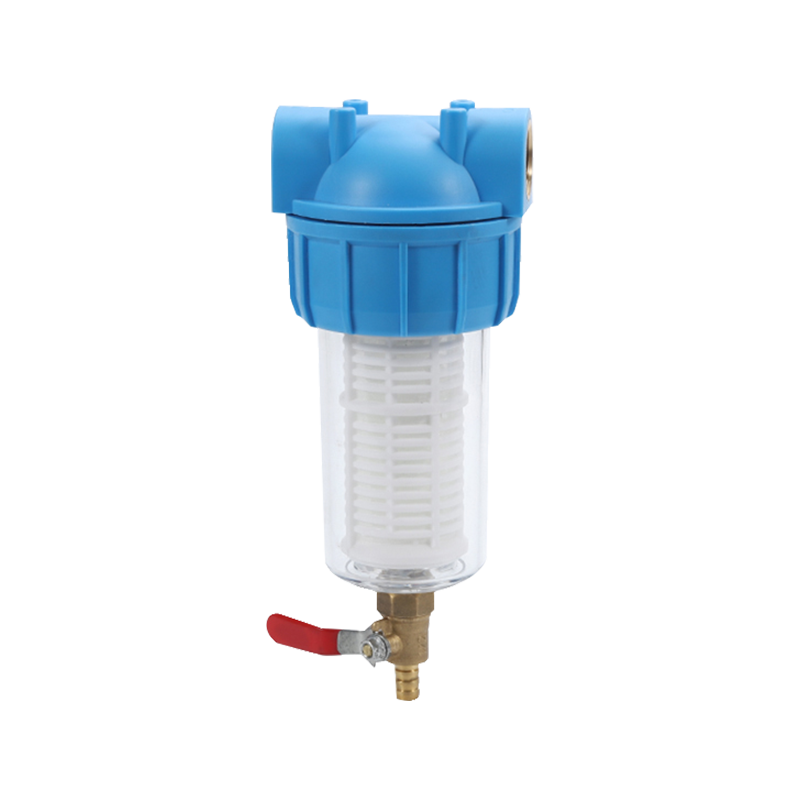
RH-06J5BSingle Water Filter with copper recoil valve is characterized by its efficient filtration system, which can effectively remove impurities, suspended matter, residual chlorine, odor and some ha...
See Details -
 >
>
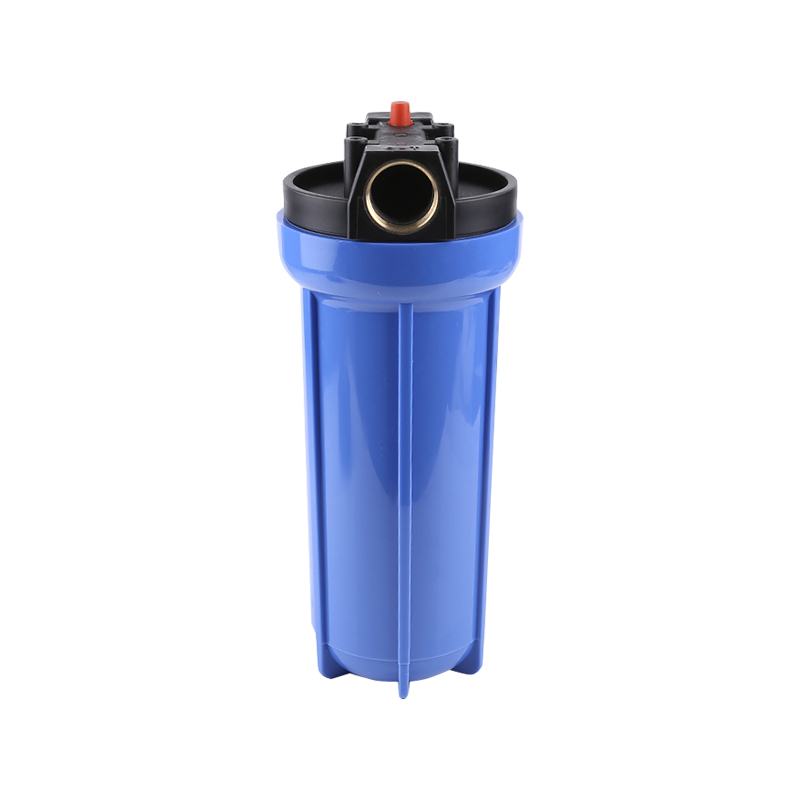
1. Single Water Filter(15BAR).2. 10" PET bottle+black cap, 3/4"brass thread.3. With 10" PP 70g filter cartridge.4. Color box packing.5. Components: wrench+plastic hanging board+screw.
See Details -
 >
>
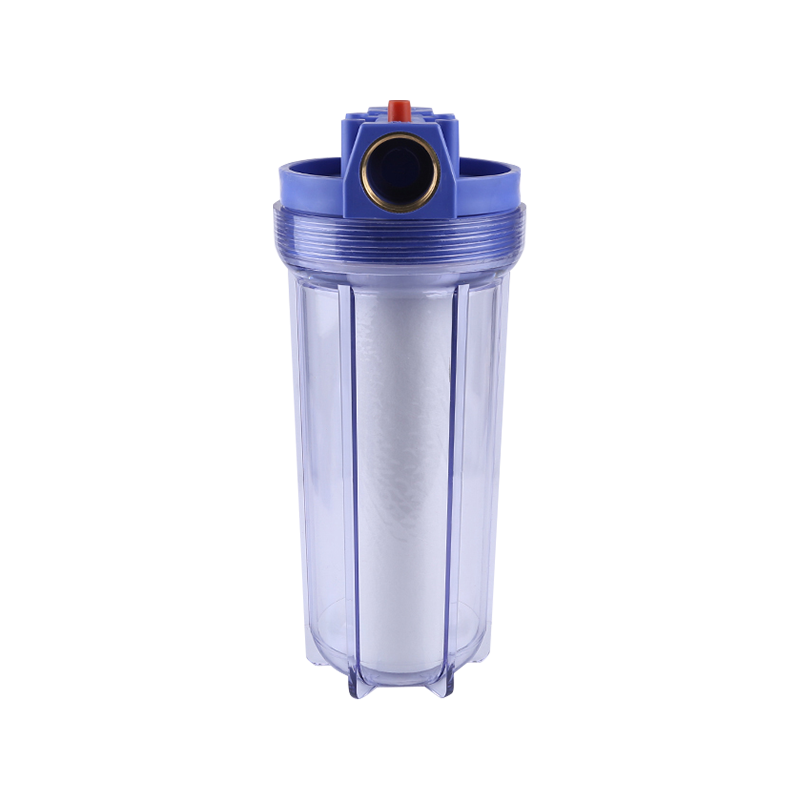
1. Single Water Filter(15BAR); 2. 10" PET bottle+blue cap,3/4"brass thread.3. With 10" PP 70g filtercartridge.4. Color box Packing. 5. Components: wrench+plastic hanging board+screw.
See Details -
 >
>
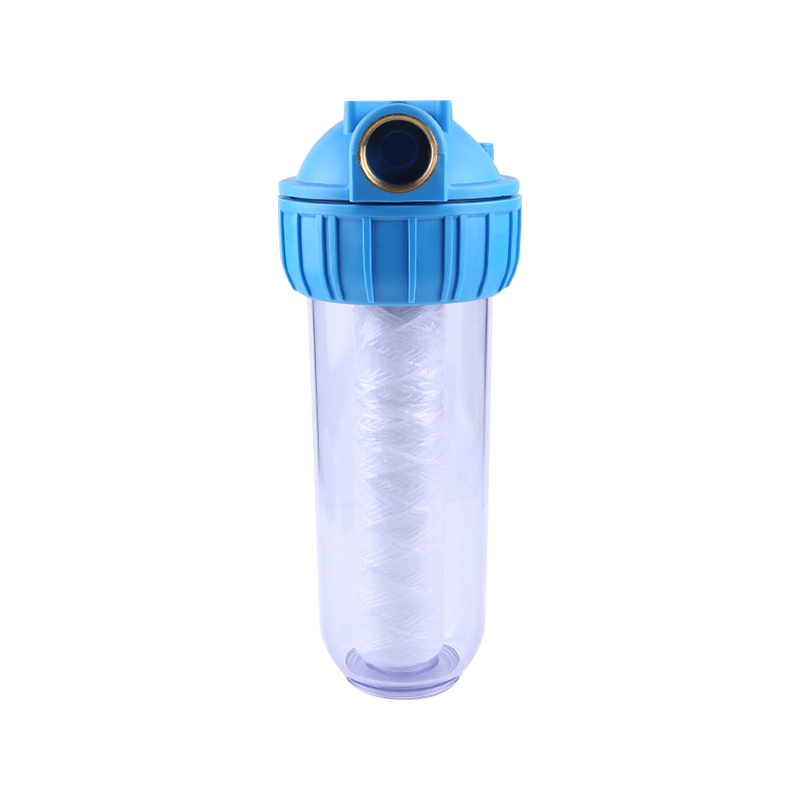
1. Single Water Filter(15BAR).2. 10" PET bottle+blue cap,3/4"brass thread.3. With 10" pp 70g cartridge. 4. Color box Packing. 5. Components: wrench+plastic hanging board+screw.
See Details -
 >
>
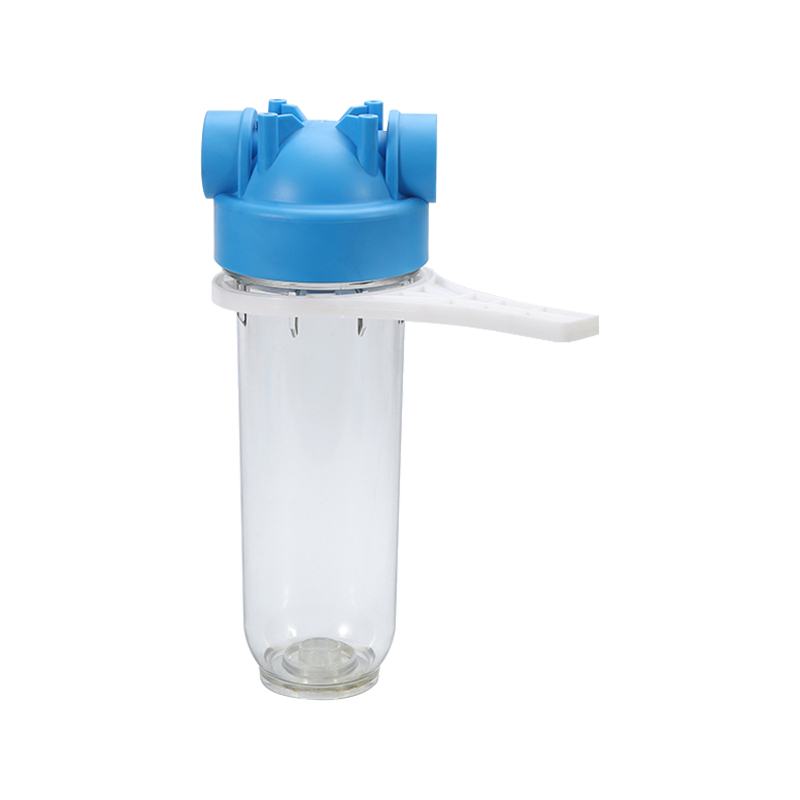
1. Single Water Filter(15BAR).2. 10" PET bottle+blue cap,3/4"brass thread.3. With 10" PP 70g filter cartridge.4. Color box Packing.5. Components: wrench+plastic hanging board+screw.
See Details -
 >
>
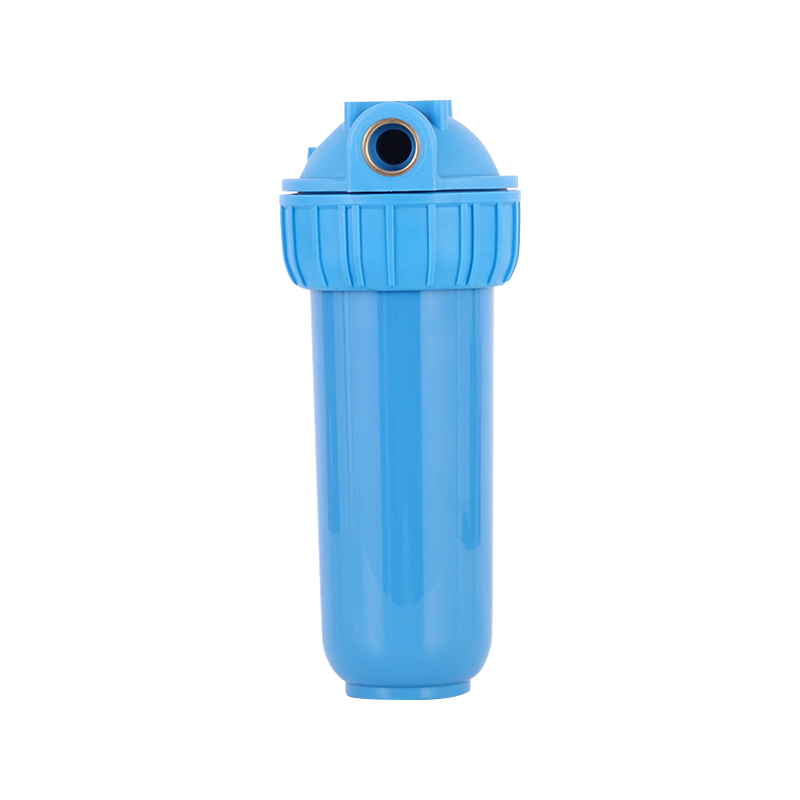
1. Single Water Filter(15BAR).2. 10" PET blue bottle+blue cap,3/4"brass thread.3. With 10" pp 70g cartridge. 4. Color box Packing. 5. Components: wrench+plastic hanging board.
See Details -
 >
>
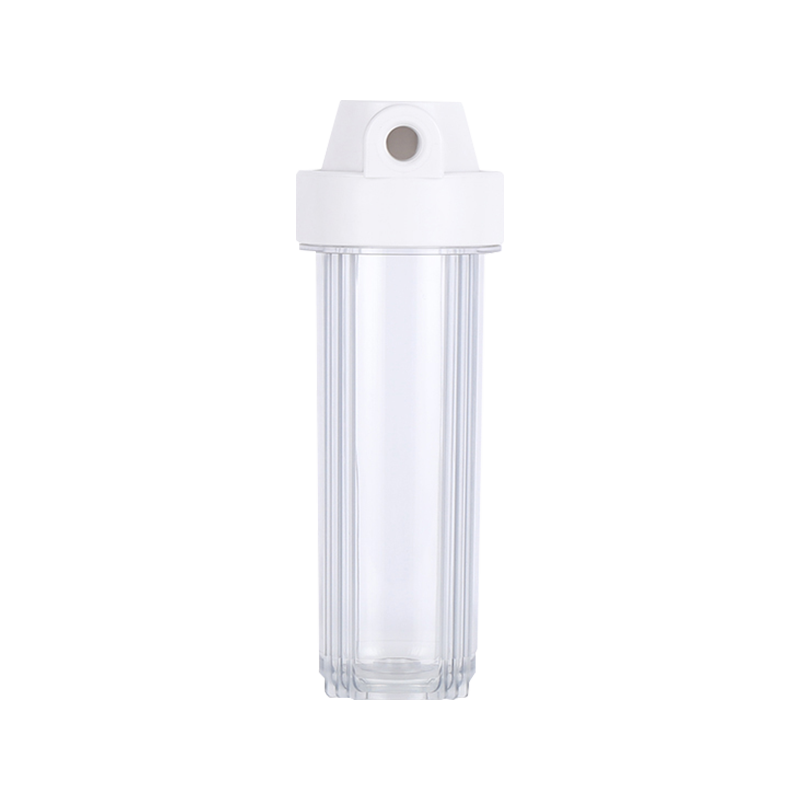
1. Single Water Filter(15BAR).2. 10" PET transparent bottle+white cap,1/4"brass thread.3. With 10" pp 70g cartridge. 4. Color box Packing.
See Details

If you are interested in our products, please consult us
Ningbo Yaorui Water Purification Technology Co., LTD. All Rights Reserved.
Wholesale Household Water Purifier Manufacturers
