 English
 русский
 Español
 عربى
عربى 中文简体
中文简体
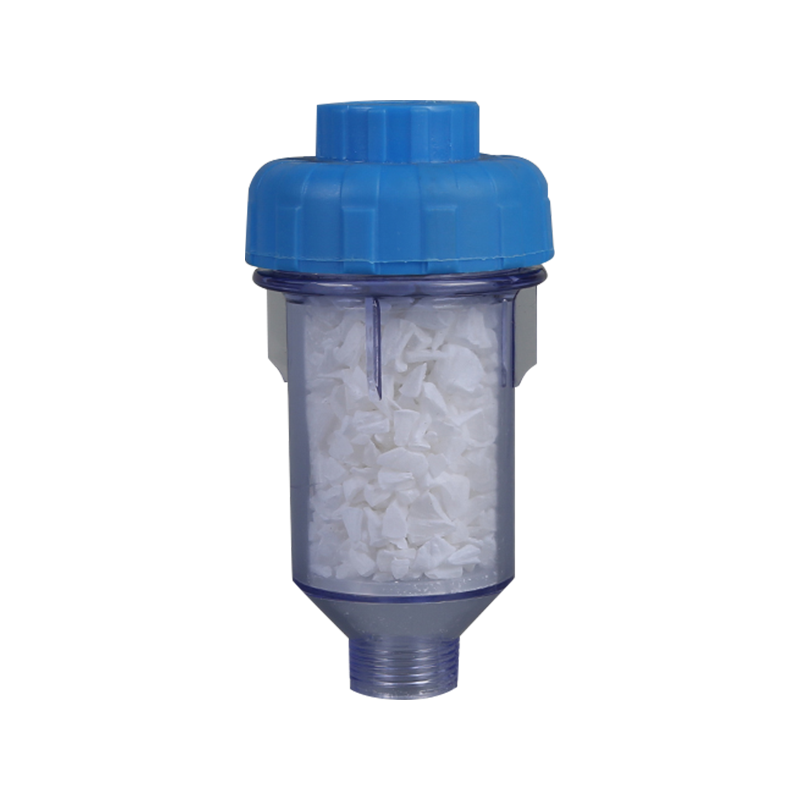 >
>The core highlight of this filter is its built-in silicone sheet filter layer. As a high-performance elastic material, silicone has high-temperature resistance, aging resistance, corrosion resistance,...
See Details [email protected]
 +86-18368206374
 No.99,Yuma Road,Mazhu Town,Yuyao City,Zhejiang Province,China.
Understanding the Five Stage Water Filter: How It Works and Benefits
Industry News-Clean and safe drinking water is essential for good health, and modern water filtration technologies make it easier to ensure water quality. Among these, the Five Stage Water Filter is a popular choice for households and businesses due to its efficiency and thorough purification process. But what exactly is a Five Stage Water Filter? How does it work, and what benefits does it offer?
What Is a Five Stage Water Filter?
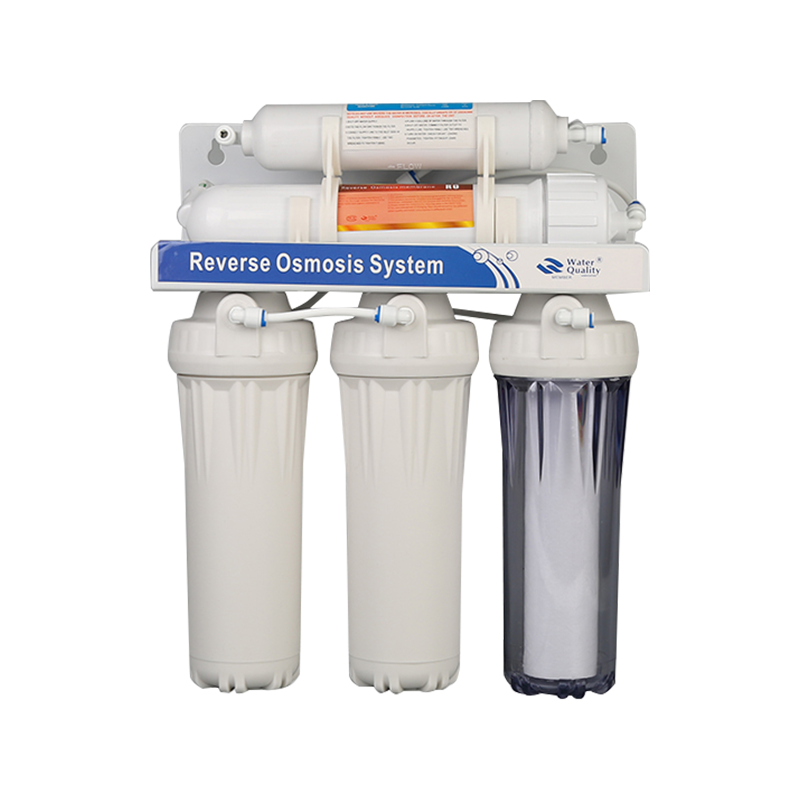
A Five Stage Water Filter is a water purification system that filters water through five distinct layers or cartridges. Each stage is designed to remove a specific type or group of contaminants, from large particles to microscopic impurities. This layered approach ensures the water is purified step-by-step, resulting in water that is not only clean but also tastes better and is safer to drink.
How Does the Five Stage Water Filter Work?
Let’s break down the typical five filtration stages and what each does:
Sediment Filter
The first stage is the sediment filter, which acts as a physical barrier that captures large particles suspended in the water. These particles typically include sand, rust flakes, dirt, and other visible debris. Removing these larger contaminants early is important because they can clog finer filters later in the process, reducing their effectiveness and lifespan. The sediment filter usually consists of a pleated or spun polypropylene material, which can trap particles as small as 5 microns (about 0.005 mm) or even smaller depending on the design.
Activated Carbon Filter (Granular or Carbon Block)
The second stage is usually an activated carbon filter. Activated carbon is a highly porous material with a vast surface area that effectively traps chlorine, volatile organic compounds (VOCs), pesticides, herbicides, and other chemical contaminants. These substances can affect the taste and smell of water, often giving it a chlorinated or “chemical” odor and flavor. This stage not only improves water’s aesthetic qualities but also reduces potentially harmful chemicals that could have adverse health effects over time.
Carbon Block Filter
In many five-stage systems, a third stage is a second activated carbon filter, often a carbon block rather than granular carbon. Carbon block filters have a denser structure and provide more thorough filtration by adsorbing residual chlorine and other organic compounds that the previous stage might have missed. This ensures a deeper removal of impurities and helps prevent unpleasant aftertastes.
Reverse Osmosis (RO) Membrane or Other Specialized Filter
The fourth stage is usually the most critical and technologically advanced — commonly a Reverse Osmosis (RO) membrane or an equivalent specialized filter. The RO membrane has tiny pores (around 0.0001 microns) that allow only pure water molecules to pass through, blocking almost all dissolved solids, heavy metals (like lead, arsenic, mercury), bacteria, viruses, and other microscopic contaminants. This stage is what transforms water from merely filtered to nearly pure, removing impurities that most conventional filters cannot.
Some systems may use alternative technologies in this stage, such as ultrafiltration membranes or specialized media, depending on the intended use and water quality.
Post Carbon Filter (Polishing Filter)
The final stage is a post-carbon or polishing filter. Even after the previous rigorous filtration steps, some water may retain minor tastes or odors. This last filter, often made of activated carbon, further refines the water’s taste and freshness before it reaches your glass. It ensures the water is pleasant to drink, removing any residual smells or tastes that might remain from the filtration process or the storage tank.
Benefits of a Five Stage Water Filter
Comprehensive Filtration
The key benefit of a five-stage system is its multi-layered approach. Each filter targets specific contaminants, from large sediment to microscopic pathogens, ensuring no major pollutant is overlooked. This comprehensive filtration is ideal for homes with complex water quality issues or in areas where tap water contains a variety of impurities.
Improved Taste and Odor
Many water contaminants affect taste and smell, such as chlorine and organic compounds. The dual activated carbon stages remove these effectively, resulting in water that tastes cleaner, fresher, and more appealing. This can encourage increased water consumption, promoting better hydration and health.
Health Protection
Water contaminated with heavy metals, bacteria, viruses, pesticides, or chemicals poses serious health risks. The five-stage filter’s advanced filtration, especially the RO membrane, protects you and your family by removing these harmful substances. This is particularly important in areas with poor water infrastructure or known contamination issues.
Versatility
Five Stage Water Filters are versatile and can be installed in various settings — from city tap water systems to well water or even filtered water for industrial uses. Their adaptable filtration technology can address a broad spectrum of contaminants commonly found in different water sources.
Cost-Effective
Though initial installation costs exist, a five-stage filter reduces or eliminates the need for bottled water purchases. This saves money over time and helps reduce plastic waste, making it an environmentally friendly choice as well.
Ease of Use and Maintenance
Most five-stage systems are designed for easy installation under the kitchen sink or as a standalone unit. Regular maintenance usually involves replacing filters every 6 to 12 months, depending on water quality and usage. Many filter cartridges are user-replaceable, which keeps operating costs low and system performance optimal.
Related products
-
 >
>
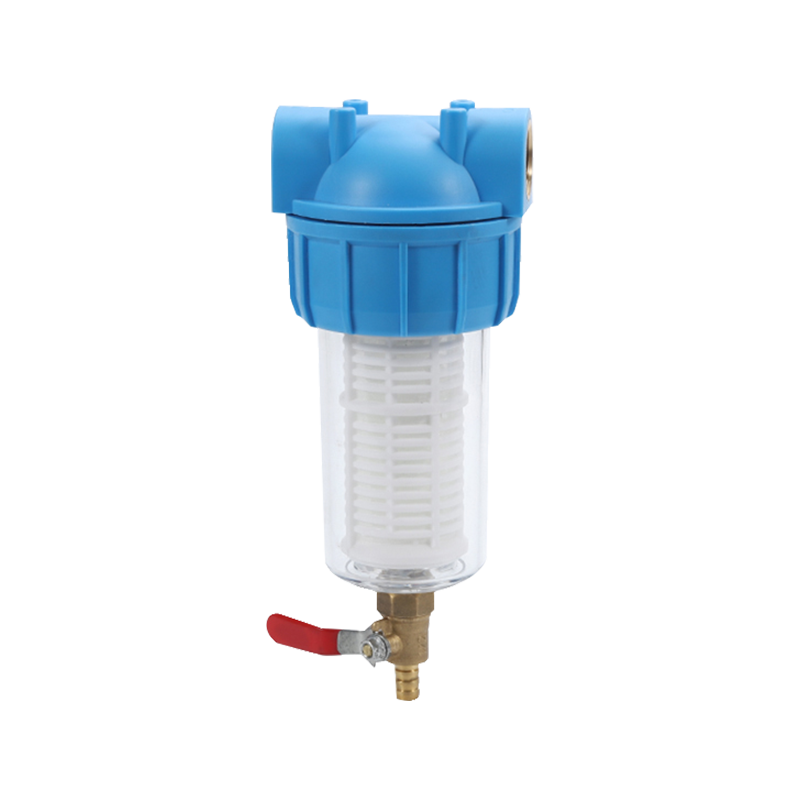
RH-06J5BSingle Water Filter with copper recoil valve is characterized by its efficient filtration system, which can effectively remove impurities, suspended matter, residual chlorine, odor and some ha...
See Details -
 >
>
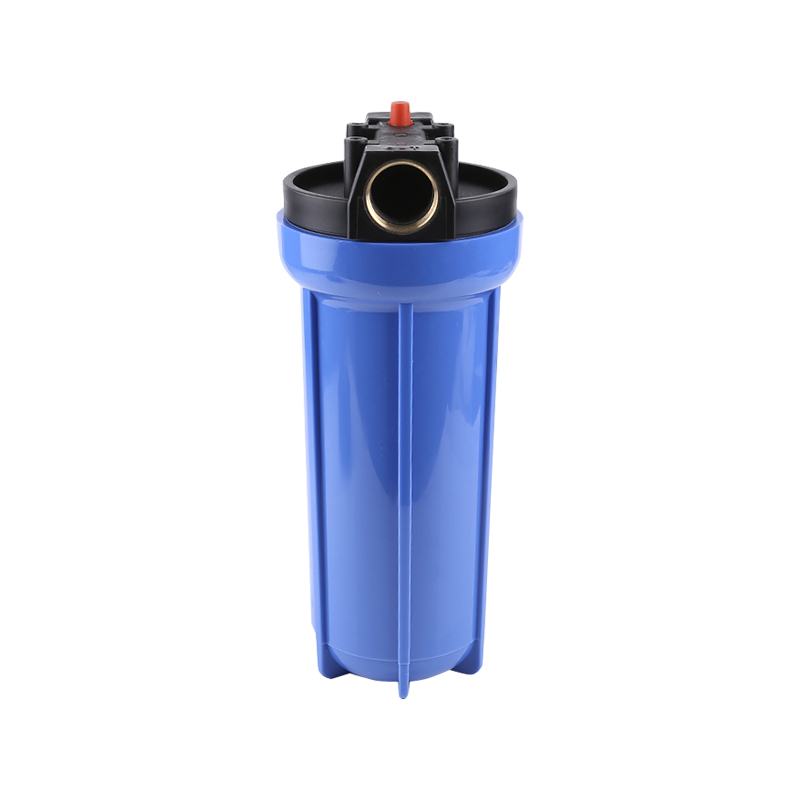
1. Single Water Filter(15BAR).2. 10" PET bottle+black cap, 3/4"brass thread.3. With 10" PP 70g filter cartridge.4. Color box packing.5. Components: wrench+plastic hanging board+screw.
See Details -
 >
>
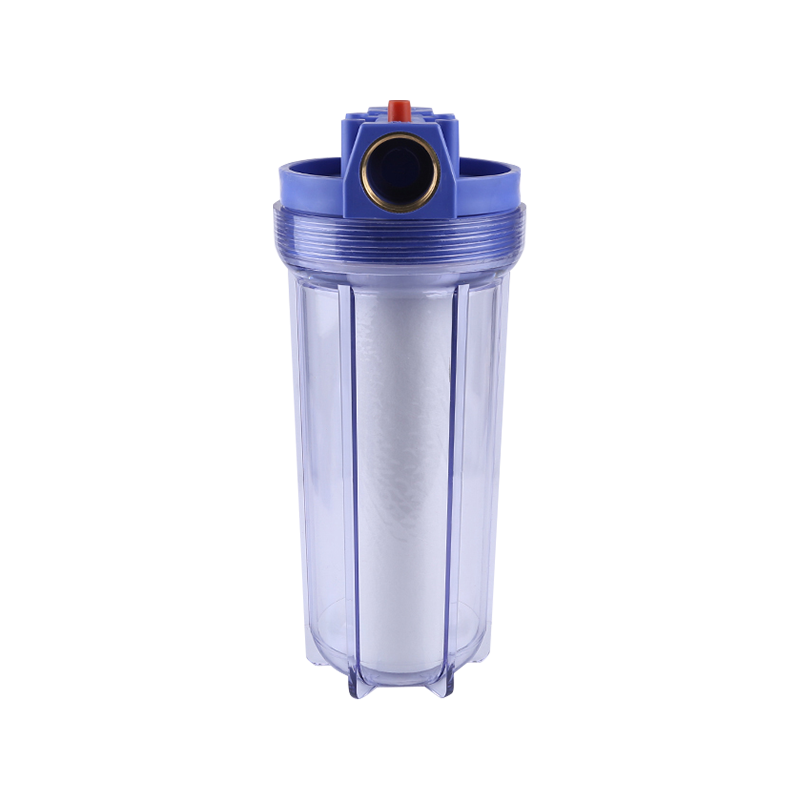
1. Single Water Filter(15BAR); 2. 10" PET bottle+blue cap,3/4"brass thread.3. With 10" PP 70g filtercartridge.4. Color box Packing. 5. Components: wrench+plastic hanging board+screw.
See Details -
 >
>
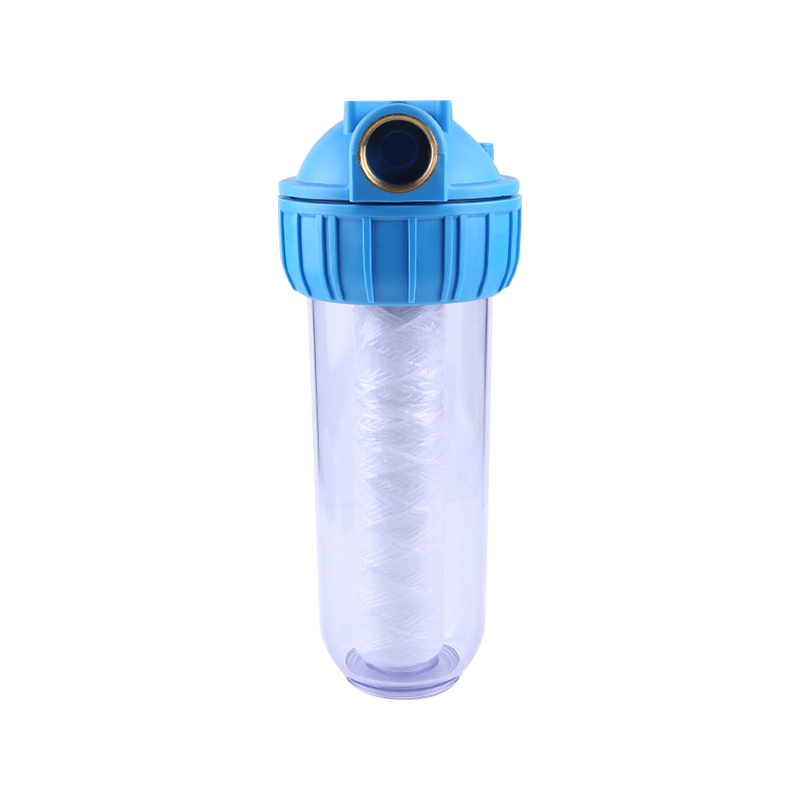
1. Single Water Filter(15BAR).2. 10" PET bottle+blue cap,3/4"brass thread.3. With 10" pp 70g cartridge. 4. Color box Packing. 5. Components: wrench+plastic hanging board+screw.
See Details -
 >
>
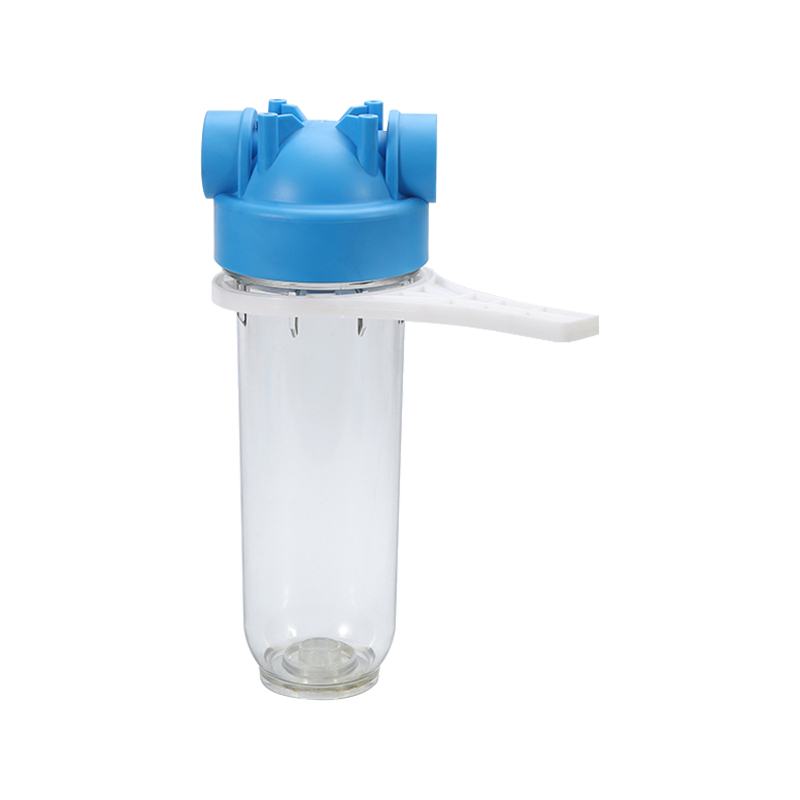
1. Single Water Filter(15BAR).2. 10" PET bottle+blue cap,3/4"brass thread.3. With 10" PP 70g filter cartridge.4. Color box Packing.5. Components: wrench+plastic hanging board+screw.
See Details -
 >
>
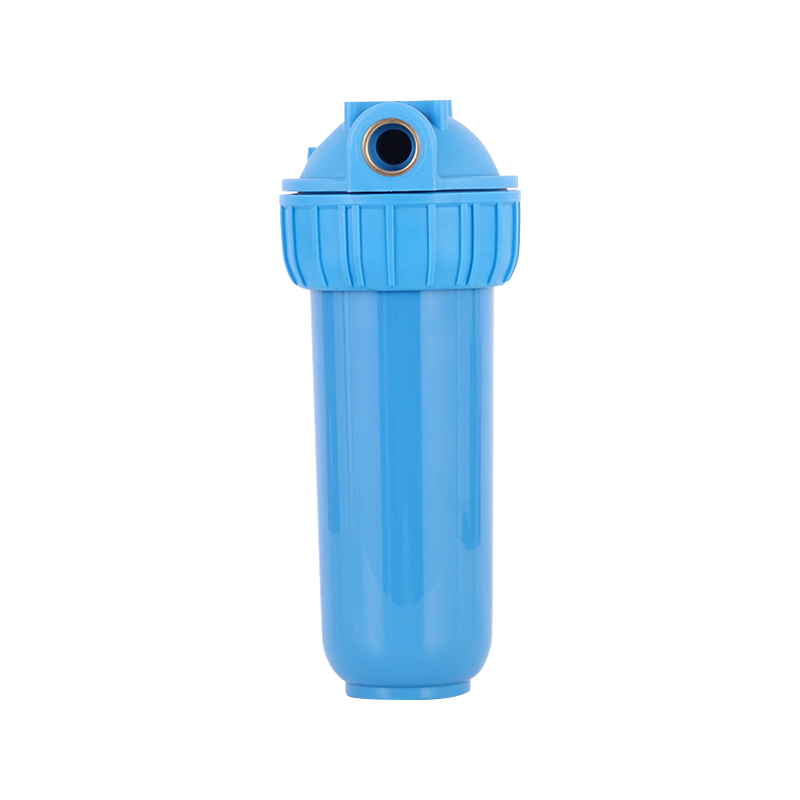
1. Single Water Filter(15BAR).2. 10" PET blue bottle+blue cap,3/4"brass thread.3. With 10" pp 70g cartridge. 4. Color box Packing. 5. Components: wrench+plastic hanging board.
See Details -
 >
>
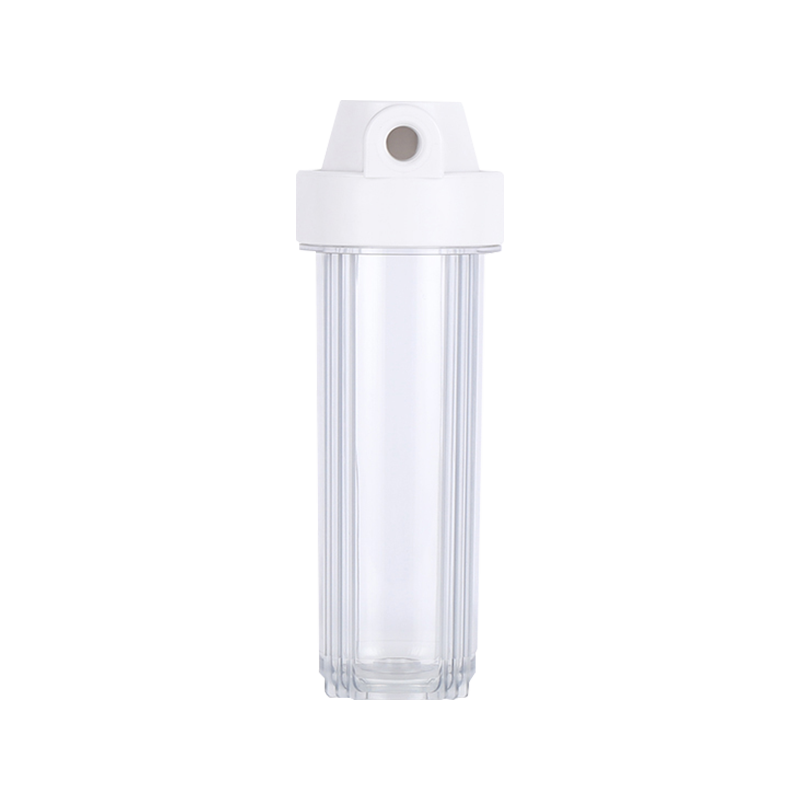
1. Single Water Filter(15BAR).2. 10" PET transparent bottle+white cap,1/4"brass thread.3. With 10" pp 70g cartridge. 4. Color box Packing.
See Details

If you are interested in our products, please consult us
Ningbo Yaorui Water Purification Technology Co., LTD. All Rights Reserved.
Wholesale Household Water Purifier Manufacturers
