 English
 русский
 Español
 عربى
عربى 中文简体
中文简体
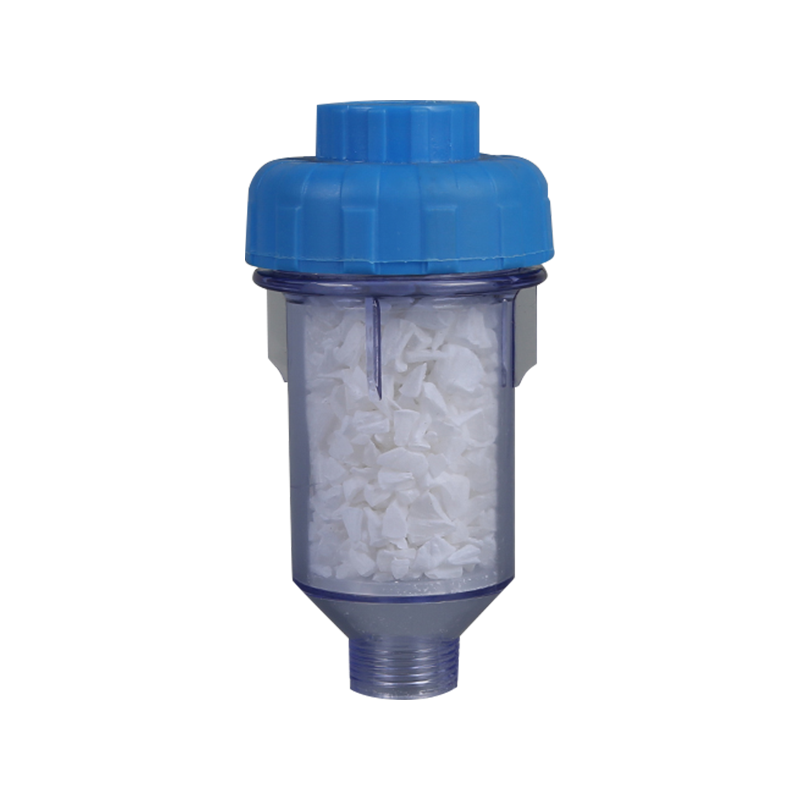 >
>The core highlight of this filter is its built-in silicone sheet filter layer. As a high-performance elastic material, silicone has high-temperature resistance, aging resistance, corrosion resistance,...
See Details [email protected]
 +86-18368206374
 No.99,Yuma Road,Mazhu Town,Yuyao City,Zhejiang Province,China.
Water Filter Cartridge Replacement Guide: When and How Often to Change It
Industry News-Content
- 1 Quick Answer: How Often Should You Replace a Water Filter Cartridge?
- 2 Why Water Filter Cartridge Replacement Matters
- 3 Types of Water Filter Cartridges and Their Replacement Schedules
- 4 Complete Replacement Schedule Table by Filter Type
- 5 5 Signs Your Water Filter Cartridge Needs Replacing
- 6 Whole House Water Filter Cartridge Replacement Guide
- 7 Reverse Osmosis Filter Cartridge Replacement Schedule by Stage
- 8 Shower Filter Replacement Guide
- 9 How to Choose the Right Water Filter Refills
- 10 Cost Comparison: Filter Cartridge Types and Annual Spend
- 11 Common Mistakes to Avoid When Replacing Filter Cartridges
- 12 How to Extend the Life of Your Water Filter Cartridge
- 13 Frequently Asked Questions
- 13.1 Can I use a water filter cartridge past its expiration date?
- 13.2 How do I know which water filter refills fit my system?
- 13.3 Do reverse osmosis filter cartridges remove all contaminants?
- 13.4 Is it safe to clean and reuse a ceramic filter indefinitely?
- 13.5 Why does my shower filter need replacement more often than my under-sink filter?
Quick Answer: How Often Should You Replace a Water Filter Cartridge?
As a general rule, most water filter cartridge types need replacement every 2 to 6 months, though the exact timing depends heavily on the type of cartridge, your water quality, and household usage. A standard sediment filter typically lasts 1 to 3 months, a carbon filter cartridge lasts 2 to 6 months, a ceramic filter can last 6 to 12 months with proper cleaning, and reverse osmosis filter cartridges have staggered replacement schedules ranging from 6 months to 2 years depending on the stage.
If you're noticing reduced water flow, a change in taste or odor from your filtered tap, or your filter has simply reached its rated capacity (usually measured in gallons), it's time to swap in a fresh water cartridge. Below, we break down exact replacement intervals for every common filter type, how to recognize warning signs, and step-by-step instructions for changing cartridges in whole house systems, RO units, and shower filters.
Why Water Filter Cartridge Replacement Matters
Every filter cartridge has a finite capacity for trapping contaminants. Once a sediment filter becomes saturated with dirt, rust, and particulates, or a carbon filter cartridge's activated carbon becomes fully saturated with chlorine and organic compounds, the filter stops performing effectively—and in some cases, can actually make water quality worse than running it unfiltered.
There are three main risks of neglecting replacement schedules:
- Reduced filtration effectiveness, allowing sediment, chlorine, or microorganisms to pass through untreated
- Bacterial growth inside a saturated cartridge, since trapped organic material becomes a breeding ground for microbes over time
- Reduced water pressure and flow rate as clogged sediment filters restrict water passage through the housing
Studies on household water filtration systems show that an overdue carbon filter cartridge can lose up to 50% of its chlorine reduction capacity after just 30 days beyond its rated lifespan, making timely replacement a genuine health and performance issue—not just routine maintenance.
Types of Water Filter Cartridges and Their Replacement Schedules
Not every filter cartridge works the same way or lasts the same length of time. Understanding the type installed in your system is the first step to setting an accurate replacement schedule.
Sediment Filter
A sediment filter is designed to physically trap dirt, sand, rust particles, and other suspended solids before they reach downstream filters or appliances. Most household sediment filters are rated at 5 micron, meaning they capture particles as small as 5 micrometers in diameter—roughly 1/20th the width of a human hair. A 5 micron water filter is the most common choice for residential pre-filtration because it balances strong particle capture with adequate water flow.
Replacement frequency: 1 to 3 months, though homes with well water or high sediment content may need replacement as often as every 2-4 weeks.
Carbon Filter Cartridge
A carbon filter cartridge uses activated carbon to absorb chlorine, chloramine, volatile organic compounds (VOCs), and substances that cause bad taste or odor. Carbon filtration is the workhorse behind most filtered tap systems, including pitcher filters, under-sink units, and refrigerator filters.
Replacement frequency: 2 to 6 months, depending on cartridge size and household water consumption. Most standard carbon filter cartridges are rated for 300-600 gallons of throughput.
Ceramic Filter
A ceramic filter uses a rigid, porous ceramic shell—often rated at 0.2 to 0.5 micron—to physically block bacteria, protozoa, and fine sediment. Unlike disposable cartridges, ceramic filters can typically be cleaned and reused multiple times by scrubbing the outer surface, extending their functional life significantly.
Replacement frequency: 6 to 12 months for full cartridge replacement, though the ceramic element itself can often be cleaned every 2-4 weeks to maintain flow rate between full replacements.
Reverse Osmosis (RO) Filter Cartridges
Reverse osmosis water filter cartridges are part of a multi-stage system, typically including a sediment pre-filter, one or two carbon filter cartridges, a semi-permeable RO membrane, and sometimes a post-filter or remineralization cartridge. Because each stage handles a different filtration job, ro filter cartridges have staggered replacement schedules rather than a single uniform timeline.
Replacement frequency varies by stage—see the detailed table below for specifics.
Complete Replacement Schedule Table by Filter Type
Use this table as a quick reference for setting reminders on each filter cartridge type in your home.
| Filter Type | Replacement Frequency | Typical Capacity |
|---|---|---|
| Sediment filter (5 micron) | 1-3 months | 10,000-20,000 gallons |
| Carbon filter cartridge | 2-6 months | 300-600 gallons |
| Ceramic filter | 6-12 months | 1,500-3,000 gallons |
| RO sediment pre-filter | 6 months | N/A (time-based) |
| RO carbon pre-filter | 6 months | N/A (time-based) |
| RO membrane | 2-3 years | 2,000+ gallons |
| RO post-filter | 6-12 months | N/A (time-based) |
| Whole house water filter cartridge | 3-6 months | 50,000-100,000 gallons |
| Shower filter cartridge | 2-6 months | 10,000-12,000 gallons |
5 Signs Your Water Filter Cartridge Needs Replacing
While calendar-based schedules are a good baseline, your filter cartridge will often show physical signs that replacement is overdue—regardless of how many months have passed.
1. Reduced Water Flow or Pressure
A clogged sediment filter or saturated carbon filter cartridge restricts water flow through the housing. If you notice your filtered tap producing noticeably weaker flow than normal, this is often the clearest sign that a water cartridge needs replacement.
2. Change in Taste or Odor
Once activated carbon becomes saturated, chlorine and organic compounds begin passing through untreated, often resulting in a return of chlorine taste, musty odor, or metallic aftertaste in your drinking water.
3. Cloudy or Discolored Water
If sediment particles begin appearing in your filtered water, it usually means the sediment filter has reached full capacity and can no longer trap incoming particulates effectively.
4. Visible Indicator Light or Reset Reminder
Many modern refrigerator filtration systems and whole house water filter cartridge setups include electronic indicator lights that track usage by gallons or days, automatically alerting you when replacement is due.
5. Calendar-Based Reminder
If none of the visible signs above appear, defaulting to the manufacturer's recommended timeline is the safest approach, since bacterial growth and reduced filtration effectiveness can occur even without obvious symptoms.
Whole House Water Filter Cartridge Replacement Guide
A whole house water filter cartridge sits at the point where the main water line enters your home, filtering all water used for drinking, bathing, laundry, and appliances. Because the entire household's water passes through it, these cartridges handle a much higher volume than point-of-use filters.
Typical Replacement Interval
Most whole house systems use a combination sediment filter and carbon filter cartridge, rated for 50,000 to 100,000 gallons or roughly 3 to 6 months for an average family of four using approximately 300 gallons per day.
Step-by-Step Replacement Process
- Shut off the main water supply valve feeding into the filter housing.
- Open a faucet downstream to relieve residual water pressure in the system.
- Use a filter housing wrench to loosen and remove the sump (housing canister).
- Remove the old cartridge and discard, then inspect and rinse the inside of the housing.
- Insert the new water cartridge, ensuring the O-ring is properly seated to prevent leaks.
- Reattach the housing and slowly turn the main water supply back on.
- Check for leaks around the housing seal and run water for 2-3 minutes to flush out any carbon dust.
Reverse Osmosis Filter Cartridge Replacement Schedule by Stage
Most reverse osmosis water filter cartridges systems use between 3 and 5 stages, and each stage degrades at a different rate. Replacing all stages on the same schedule is a common mistake that either wastes money or, worse, leaves an exhausted stage in service too long.
Stage 1: Sediment Pre-Filter
This stage protects the more delicate RO membrane downstream by capturing larger particles. Replace every 6 months regardless of visible clogging, since particle buildup can otherwise damage the membrane.
Stage 2: Carbon Pre-Filter
This carbon filter cartridge removes chlorine before it reaches the membrane, since chlorine can degrade certain membrane materials over time. Replace every 6 months alongside the sediment pre-filter.
Stage 3: RO Membrane
The membrane is the core component of any RO system, removing up to 99% of dissolved solids, heavy metals, and contaminants through a semi-permeable barrier. Because it's protected by upstream filters, the membrane typically lasts 2 to 3 years before replacement is needed.
Stage 4: Post-Filter (Polishing Filter)
This final carbon stage removes any residual taste before water reaches your faucet. Replace every 6 to 12 months, since it operates on lower volume (only water dispensed for drinking, not the full household supply).
| Stage | Function | Replacement Interval |
|---|---|---|
| Sediment pre-filter | Removes particles, protects membrane | 6 months |
| Carbon pre-filter | Removes chlorine | 6 months |
| RO membrane | Removes dissolved solids | 2-3 years |
| Post-filter | Polishes final taste | 6-12 months |
Shower Filter Replacement Guide
Shower filter cartridges are designed to reduce chlorine and chloramine exposure during bathing, which can dry out skin and hair over time. Because shower filters process a high volume of water in short, intense bursts, they tend to wear out faster than under-sink filters relative to total time in service.
Replacement Frequency
Most shower filter replacement cartridges are rated for 10,000 to 12,000 gallons, which translates to roughly 2 to 6 months for an average household, depending on shower frequency and duration.
Step-by-Step Shower Filter Replacement
- Turn off the water supply to the shower if a dedicated shutoff valve is available.
- Unscrew the filter housing from the shower arm or showerhead assembly by hand or with a wrench if tight.
- Remove the spent cartridge and dispose of it according to local recycling guidelines.
- Insert the new cartridge, checking that rubber gaskets are properly aligned to prevent leaks.
- Reattach the housing and showerhead, then run water for 1-2 minutes to clear any initial carbon residue.
How to Choose the Right Water Filter Refills
When shopping for water filter refills, matching the correct cartridge specification to your system is critical—using an incompatible cartridge can lead to leaks, poor filtration, or even damage to your housing unit.
Check Micron Rating
For general household sediment filtration, a 5 micron water filter is the standard choice. Lower micron ratings (1 micron or less) capture finer particles but reduce flow rate, while higher ratings (10-20 micron) allow faster flow but capture less fine sediment.
Match Housing Dimensions
Standard residential filter housings typically accept 10-inch or 20-inch cartridges with either standard (2.5-inch) or big blue (4.5-inch) diameters. Always verify exact dimensions before ordering replacement water filter refills.
Consider OEM vs Generic Cartridges
Generic or third-party water cartridge options often cost 30-50% less than OEM brand cartridges while meeting the same NSF/ANSI certification standards, making them a cost-effective choice as long as dimensions and certifications match.
Buy in Bulk for Cost Savings
Purchasing a 3-6 month supply of water filter refills at once typically reduces per-unit cost by 15-25% compared to buying single cartridges individually each time replacement is due.
Cost Comparison: Filter Cartridge Types and Annual Spend
Understanding the long-term cost of each filter type helps with budgeting and choosing the most economical system for your household.
| Filter Type | Cartridges Per Year | Estimated Annual Cost |
|---|---|---|
| Sediment filter | 4-6 | $30-$60 |
| Carbon filter cartridge | 2-4 | $40-$80 |
| Whole house water filter cartridge | 2-4 | $60-$150 |
| RO filter cartridges (full set) | 2 (excluding membrane) | $50-$100 |
| Shower filter cartridge | 2-4 | $30-$70 |
Common Mistakes to Avoid When Replacing Filter Cartridges
Even with the right replacement schedule, certain mistakes during the swap process can reduce filter performance or cause system damage.
- Forgetting to flush the system after installing a new carbon filter cartridge, which can release excess carbon dust into your first few glasses of filtered water.
- Installing cartridges in the wrong flow direction—most cartridges have an arrow indicating correct water flow orientation.
- Overtightening the filter housing, which can crack the canister or damage O-ring seals.
- Reusing old O-rings instead of replacing them, leading to slow leaks that may go unnoticed for weeks.
- Mixing up RO system stages, installing a sediment pre-filter in the post-filter position or vice versa.
- Letting a ceramic filter dry out completely between cleanings, which can sometimes cause hairline cracks in the porous shell.
How to Extend the Life of Your Water Filter Cartridge
While every cartridge eventually needs replacement, a few habits can help maximize the usable life of each filter, saving money on water filter refills over time.
Install a Pre-Filter
Adding a basic sediment filter ahead of more expensive carbon or RO stages protects downstream cartridges from premature clogging, often extending their lifespan by 20-30%.
Clean Ceramic Filters Regularly
Gently scrubbing the exterior of a ceramic filter with a soft brush every 2-4 weeks removes surface buildup and restores flow rate without requiring a full cartridge swap.
Avoid Running Hot Water Through Carbon Filters
Heat accelerates the breakdown of activated carbon media, so routing only cold water through carbon filter cartridges (where the system design allows) helps preserve filtration capacity longer.
Monitor Local Water Quality Reports
Areas with higher sediment or chlorine levels in municipal water supplies will exhaust filter cartridges faster than average; checking your local water quality report can help you adjust replacement timing proactively rather than reactively.
Frequently Asked Questions
Can I use a water filter cartridge past its expiration date?
It's not recommended. While the system won't necessarily stop working immediately, an overdue carbon filter cartridge or sediment filter loses effectiveness and can become a breeding ground for bacteria, especially when contaminant levels exceed 50% of rated capacity.
How do I know which water filter refills fit my system?
Check the model number printed on your existing cartridge or housing unit, and match the dimensions (length and diameter) along with micron rating before purchasing a replacement water cartridge.
Do reverse osmosis filter cartridges remove all contaminants?
No single filter removes 100% of contaminants, but reverse osmosis water filter cartridges combined with a full multi-stage system typically remove up to 99% of dissolved solids, heavy metals, and many microorganisms.
Is it safe to clean and reuse a ceramic filter indefinitely?
No. While ceramic filters can be cleaned multiple times, the porous shell gradually wears thin with repeated scrubbing. Most manufacturers recommend full replacement after 6-12 months or once the filter no longer restores adequate flow after cleaning.
Why does my shower filter need replacement more often than my under-sink filter?
Shower filter replacement is needed more frequently because the cartridge processes hot water at high flow rates for extended periods, which accelerates the breakdown of filtration media compared to the lower-volume, often cold-water use of under-sink filtered tap systems.
Related products
-
 >
>
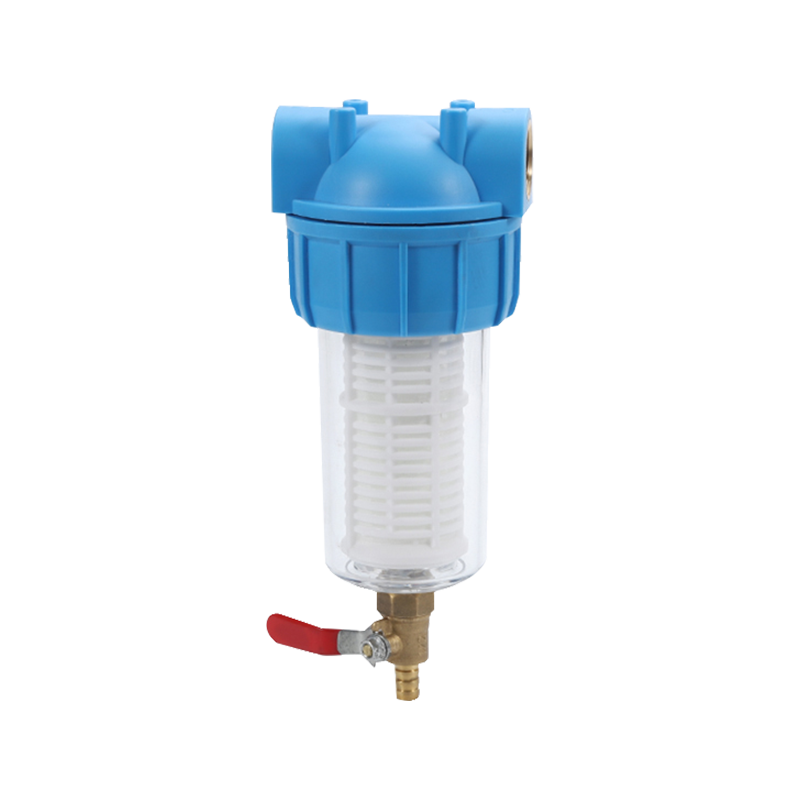
RH-06J5BSingle Water Filter with copper recoil valve is characterized by its efficient filtration system, which can effectively remove impurities, suspended matter, residual chlorine, odor and some ha...
See Details -
 >
>
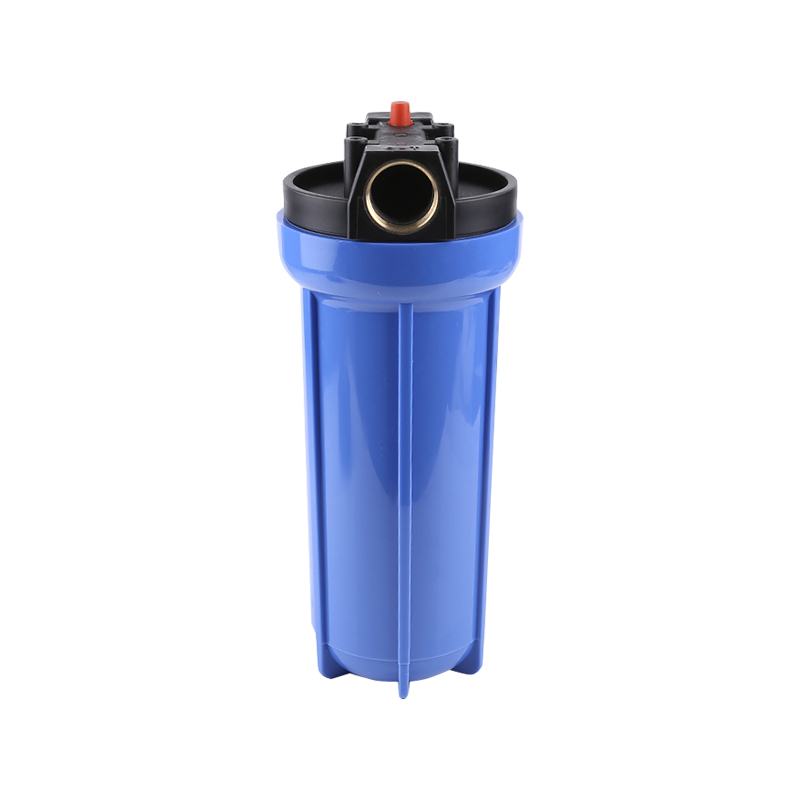
1. Single Water Filter(15BAR).2. 10" PET bottle+black cap, 3/4"brass thread.3. With 10" PP 70g filter cartridge.4. Color box packing.5. Components: wrench+plastic hanging board+screw.
See Details -
 >
>
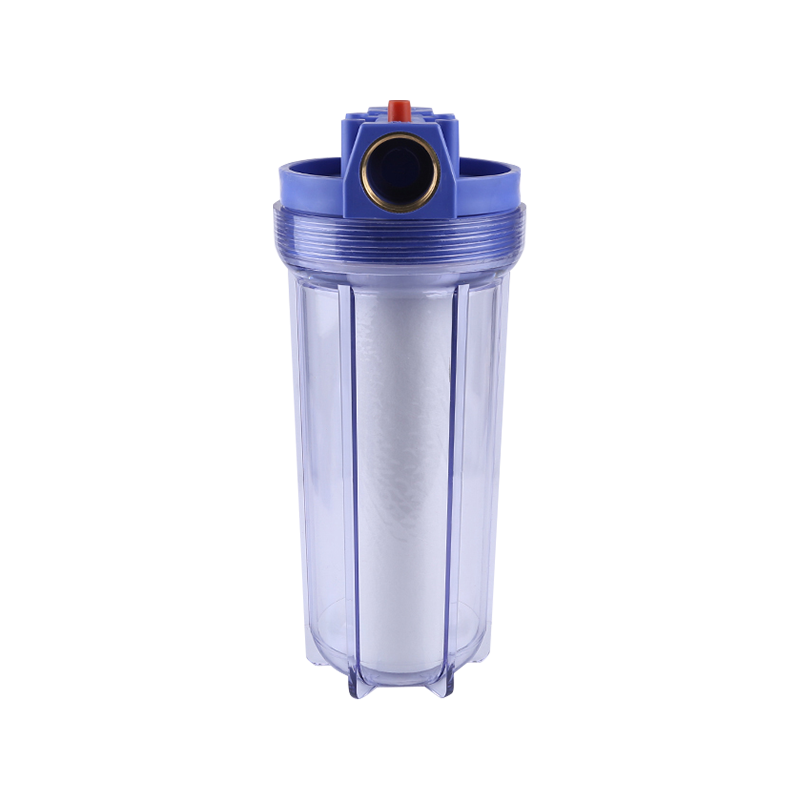
1. Single Water Filter(15BAR); 2. 10" PET bottle+blue cap,3/4"brass thread.3. With 10" PP 70g filtercartridge.4. Color box Packing. 5. Components: wrench+plastic hanging board+screw.
See Details -
 >
>
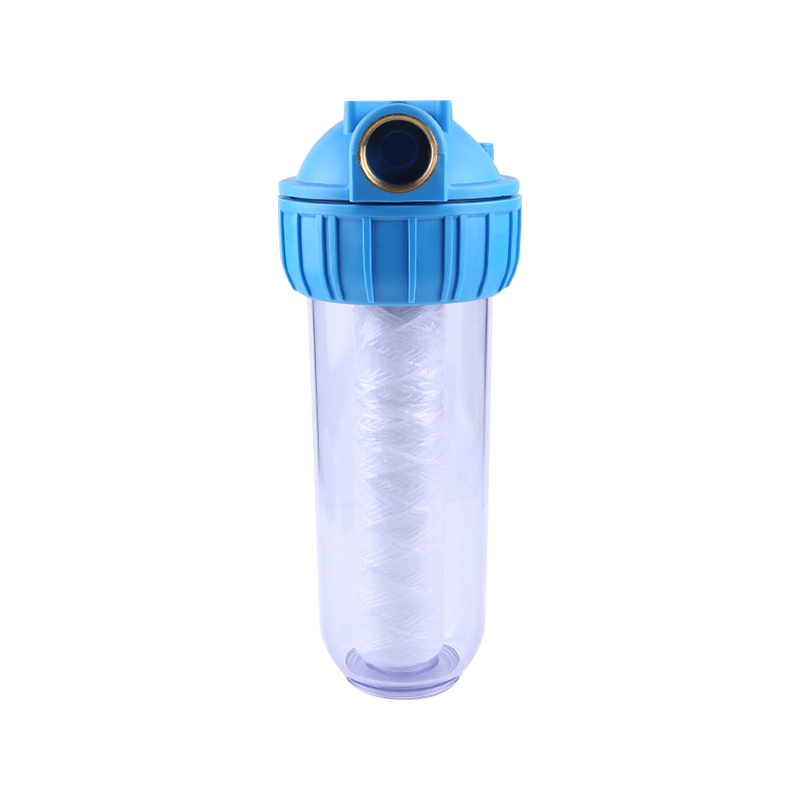
1. Single Water Filter(15BAR).2. 10" PET bottle+blue cap,3/4"brass thread.3. With 10" pp 70g cartridge. 4. Color box Packing. 5. Components: wrench+plastic hanging board+screw.
See Details -
 >
>
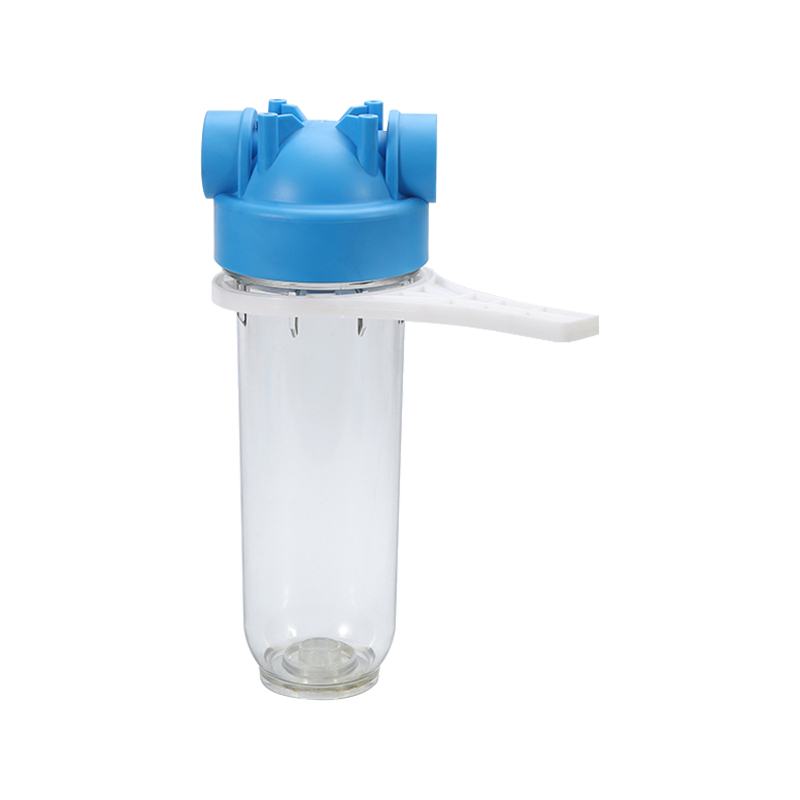
1. Single Water Filter(15BAR).2. 10" PET bottle+blue cap,3/4"brass thread.3. With 10" PP 70g filter cartridge.4. Color box Packing.5. Components: wrench+plastic hanging board+screw.
See Details -
 >
>
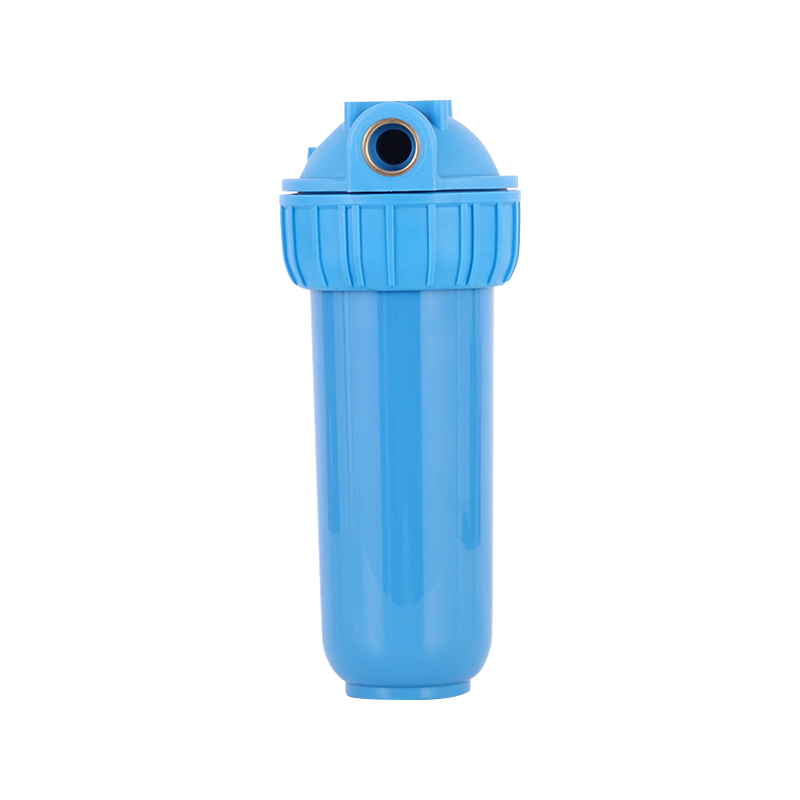
1. Single Water Filter(15BAR).2. 10" PET blue bottle+blue cap,3/4"brass thread.3. With 10" pp 70g cartridge. 4. Color box Packing. 5. Components: wrench+plastic hanging board.
See Details -
 >
>
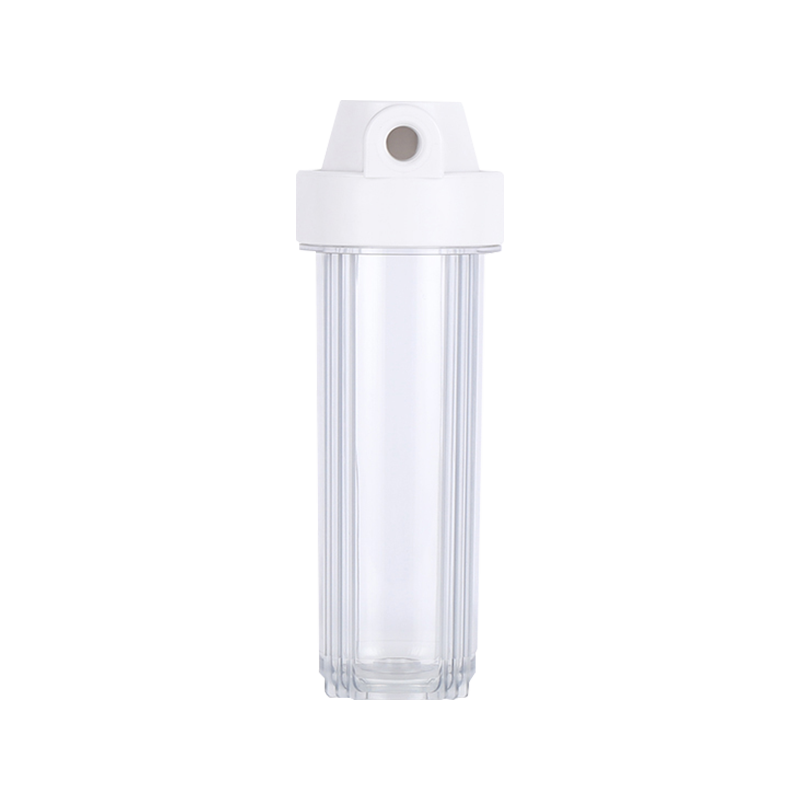
1. Single Water Filter(15BAR).2. 10" PET transparent bottle+white cap,1/4"brass thread.3. With 10" pp 70g cartridge. 4. Color box Packing.
See Details

If you are interested in our products, please consult us
Ningbo Yaorui Water Purification Technology Co., LTD. All Rights Reserved.
Wholesale Household Water Purifier Manufacturers
