 English
 русский
 Español
 عربى
عربى 中文简体
中文简体
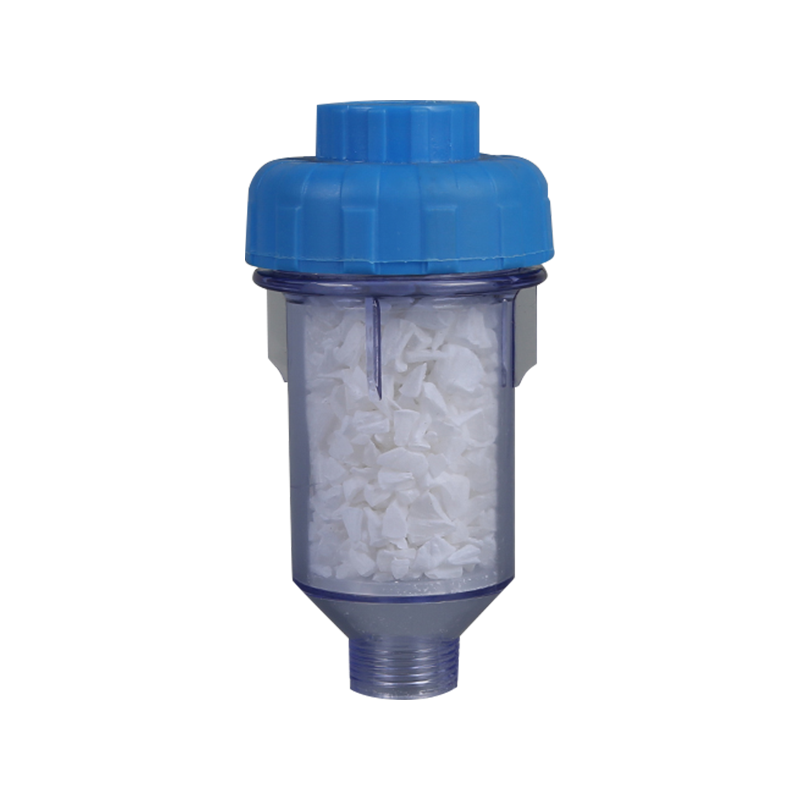 >
>The core highlight of this filter is its built-in silicone sheet filter layer. As a high-performance elastic material, silicone has high-temperature resistance, aging resistance, corrosion resistance,...
See Details [email protected]
 +86-18368206374
 No.99,Yuma Road,Mazhu Town,Yuyao City,Zhejiang Province,China.
What Are the Common Problems with Water Filter Parts and How to Fix Them?
Industry News-Content
Introduction
Water filtration systems play a vital role in providing clean, safe, and healthy drinking water. They rely on various water filter parts to remove impurities such as sediment, chlorine, heavy metals, bacteria, and other contaminants. However, over time, these parts can face a range of problems that reduce water quality, impact flow rate, and even pose health risks. Understanding these issues is critical for homeowners, businesses, and facility managers who want to ensure their filtration systems work efficiently.
Common problems include clogged filter cartridges, leaks in housings, reduced water pressure, and unpleasant taste or odors. By identifying the causes of these issues and implementing timely maintenance or replacement, you can avoid costly repairs, extend the life of your system, and guarantee safe drinking water. This article provides a comprehensive overview of the most frequent problems with water filter parts, practical solutions for fixing them, and strategies for preventive care to maximize system performance.
Clogged or Dirty Filter Cartridges
Understanding the Problem
One of the most common issues with water filtration systems is a clogged or dirty filter cartridge. Over time, particles such as sand, rust, sediment, and mineral deposits accumulate inside the filter cartridge. This accumulation reduces water flow and diminishes the filter’s ability to remove impurities effectively. For systems using activated carbon, prolonged use without replacement can lead to saturation, meaning the filter no longer absorbs chlorine, odors, or chemicals efficiently.
Signs of a clogged filter include slower water flow, reduced pressure at taps, and changes in water taste or odor. In commercial or high-usage systems, these problems can escalate faster due to larger volumes of water passing through the filters, making regular maintenance essential. Ignoring clogged filters not only affects performance but may also allow contaminants to bypass the filter, undermining water safety.
How to Fix Clogged Filters
- Inspect filter cartridges at regular intervals (every 3–6 months depending on water quality and system usage).
- Rinse or backwash filters if they are reusable; otherwise, replace disposable cartridges according to manufacturer recommendations.
- Ensure proper installation of the filter to prevent water bypass, which can reduce filtration effectiveness.
- For activated carbon filters, consider replacing them sooner if water quality tests indicate high chlorine or chemical levels.
Routine maintenance and timely replacement of clogged or dirty cartridges are essential to keep water flowing efficiently and maintain optimal filtration performance. Using high-quality replacement cartridges can also improve the longevity of the system.
Leaks in Filter Housings or Seals
Common Causes of Leaks
Leaks in water filter housings are a frequent problem that can cause water damage, reduce system efficiency, and allow unfiltered water to mix with clean water. The main causes include worn-out O-rings, improperly seated seals, or cracks in the filter casing. Over-tightening or under-tightening the filter housing can also contribute to leaks, as can aging components that have lost their elasticity or integrity.
Even minor leaks can lead to more serious problems over time, including corrosion of metal parts, mold growth, and potential health hazards due to contaminated water bypassing the filtration system. Detecting leaks early is crucial for preventing larger issues and ensuring water safety.
How to Fix Leaks
- Inspect all O-rings and seals for cracks, wear, or deformation and replace them as needed.
- Ensure the filter housing is properly aligned and tightened according to the manufacturer’s instructions.
- Examine the filter casing for visible cracks; replace damaged components immediately.
- Lubricate O-rings with food-grade silicone grease to maintain a proper seal and prevent leaks.
Regular inspection and maintenance of seals, housings, and O-rings can prevent leaks before they become major issues. Keeping these parts in good condition ensures uninterrupted filtration and prolongs the lifespan of your water system.
Reduced Water Pressure
Causes of Low Water Pressure
A sudden or gradual reduction in water pressure is a common sign that water filter parts may be malfunctioning. Low pressure is often caused by clogged filter cartridges, sediment buildup in pipes, kinks in hoses, or issues with the system’s membranes in reverse osmosis setups. In residential systems, it may be linked to high water usage or mineral deposits forming in pipes and fittings.
Reduced water pressure can compromise filtration efficiency, leading to inadequate removal of impurities and slower water output. In commercial systems, this may disrupt operations and reduce productivity, highlighting the need for regular maintenance and inspection.
How to Restore Water Pressure
- Clean or replace clogged filter cartridges.
- Inspect tubing and hoses for kinks or blockages and straighten them as necessary.
- Check the system for scale buildup, particularly in hard water areas, and descale as required.
- For reverse osmosis systems, inspect the membrane and replace if water output is significantly reduced.
Unpleasant Taste or Odor
Causes of Taste and Odor Problems
Even when filters are functioning, water can develop off-flavors or odors if water filter parts are expired or contaminated. Activated carbon filters can become saturated, losing their ability to remove chlorine, chemicals, or odors. Additionally, bacteria or mold growth inside filter housings can produce unpleasant smells or tastes, which can pose a health risk if consumed over time.
Common signs include metallic taste, sulfur-like odor, or musty flavors in the water. Persistent issues indicate that either filters need replacing or housings require thorough cleaning. These problems can occur in both residential and commercial systems, emphasizing the importance of regular maintenance and timely replacement of critical filter parts.
How to Fix Taste and Odor Problems
- Replace expired or saturated filters promptly according to manufacturer recommendations.
- Clean filter housings thoroughly to prevent bacterial or mold growth.
- Flush the system after replacing filters to remove trapped contaminants.
- Consider additional pre-filters for areas with high chlorine or heavy mineral content to improve water taste and quality.
Summary of Common Water Filter Part Problems
| Problem | Possible Cause | Recommended Fix |
|---|---|---|
| Clogged or Dirty Filter Cartridge | Accumulated sediment, minerals, or contaminants | Clean or replace cartridge, ensure proper installation |
| Leaks in Housing or Seals | Worn O-rings, cracked housing, improper tightening | Replace O-rings, realign/tighten housing, replace damaged parts |
| Reduced Water Pressure | Clogged filters, kinks in tubing, scale buildup | Clean/replace filters, straighten hoses, descale system |
| Unpleasant Taste or Odor | Saturated carbon filters, bacterial/mold growth | Replace filters, clean housing, flush system |
Maintaining water filter parts and addressing common problems promptly is essential for delivering safe, clean, and high-quality water. Regular inspections, proper cleaning, and timely replacement of cartridges, O-rings, and housings can prevent issues such as clogging, leaks, low water pressure, and unpleasant taste or odors. By following these guidelines, both residential and commercial users can ensure optimal performance, extend the life of their filtration system, and protect the health of all
Related products
-
 >
>
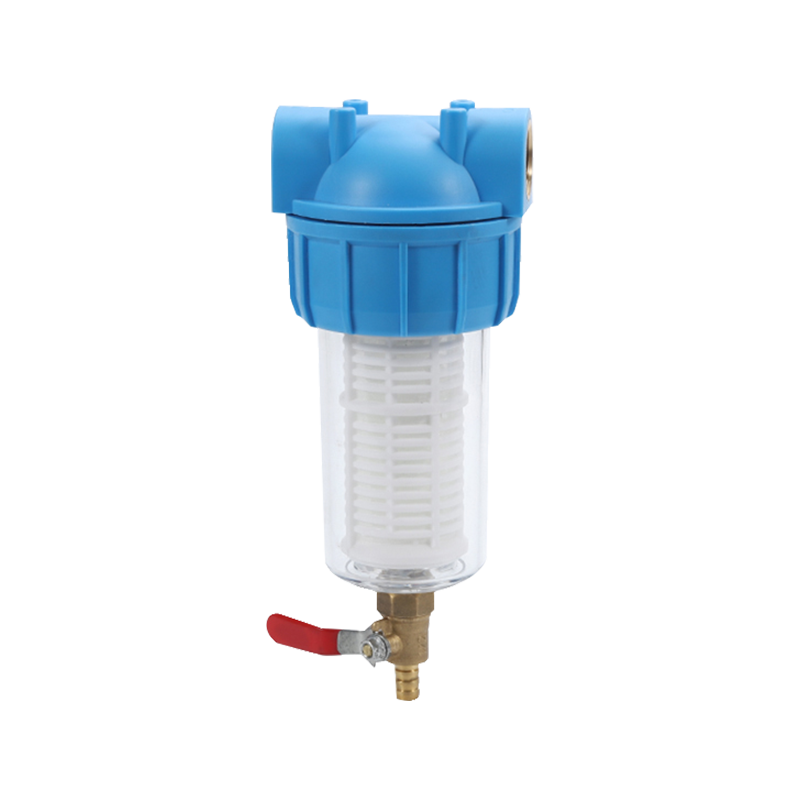
RH-06J5BSingle Water Filter with copper recoil valve is characterized by its efficient filtration system, which can effectively remove impurities, suspended matter, residual chlorine, odor and some ha...
See Details -
 >
>
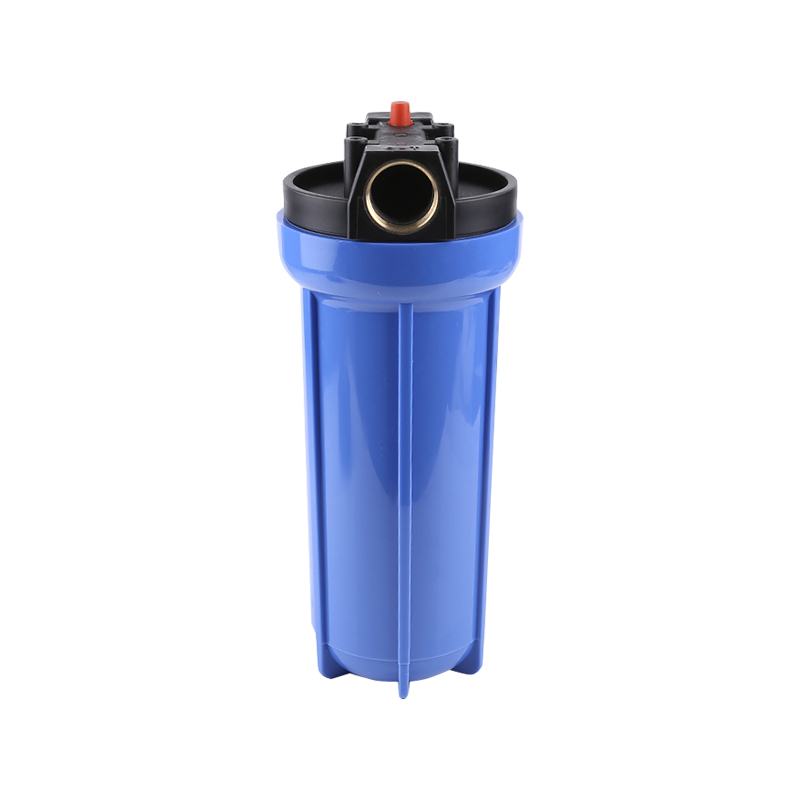
1. Single Water Filter(15BAR).2. 10" PET bottle+black cap, 3/4"brass thread.3. With 10" PP 70g filter cartridge.4. Color box packing.5. Components: wrench+plastic hanging board+screw.
See Details -
 >
>
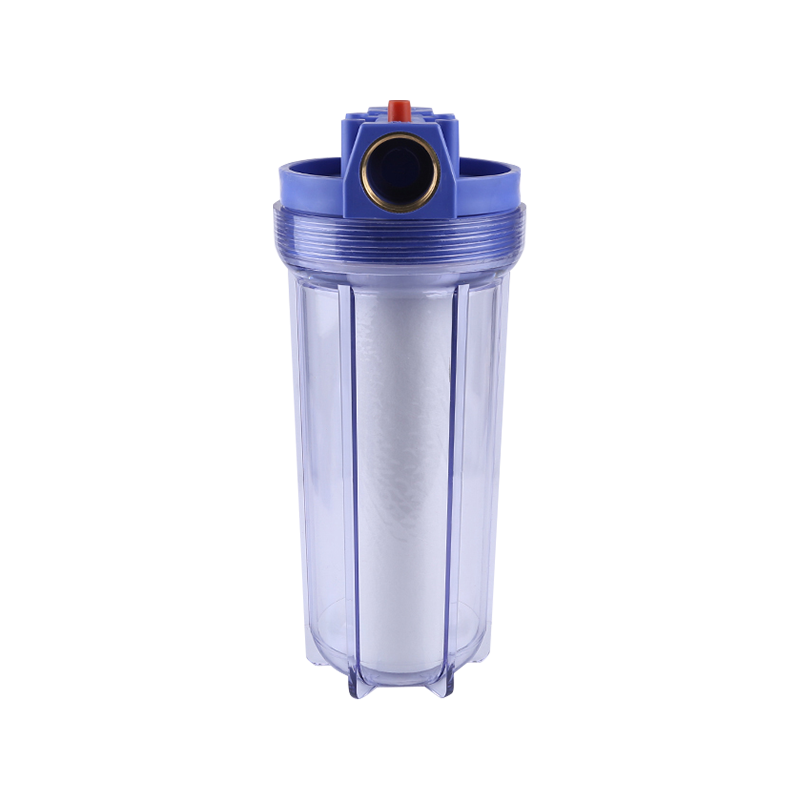
1. Single Water Filter(15BAR); 2. 10" PET bottle+blue cap,3/4"brass thread.3. With 10" PP 70g filtercartridge.4. Color box Packing. 5. Components: wrench+plastic hanging board+screw.
See Details -
 >
>
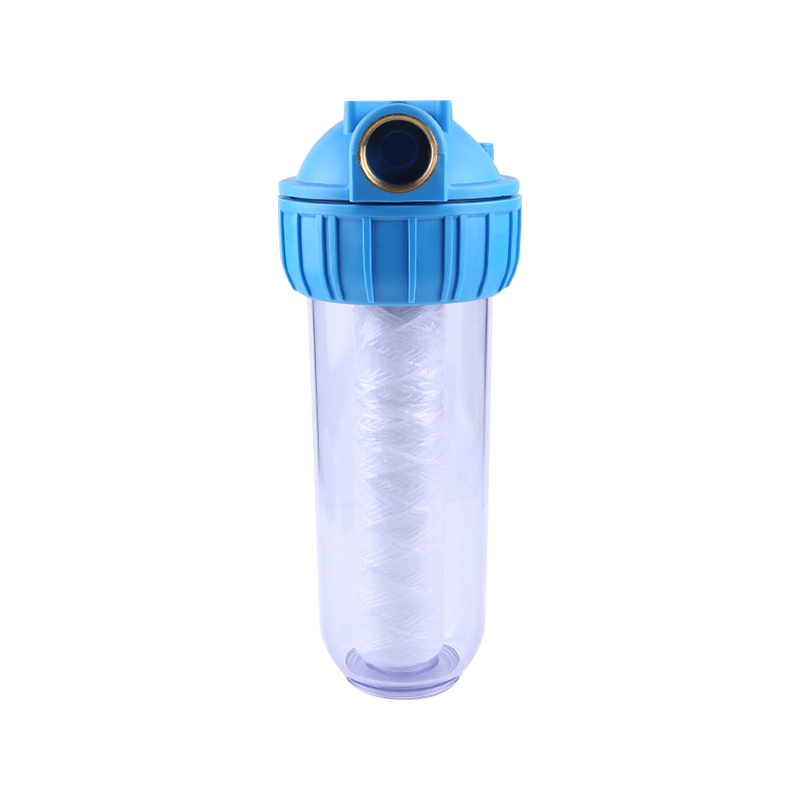
1. Single Water Filter(15BAR).2. 10" PET bottle+blue cap,3/4"brass thread.3. With 10" pp 70g cartridge. 4. Color box Packing. 5. Components: wrench+plastic hanging board+screw.
See Details -
 >
>
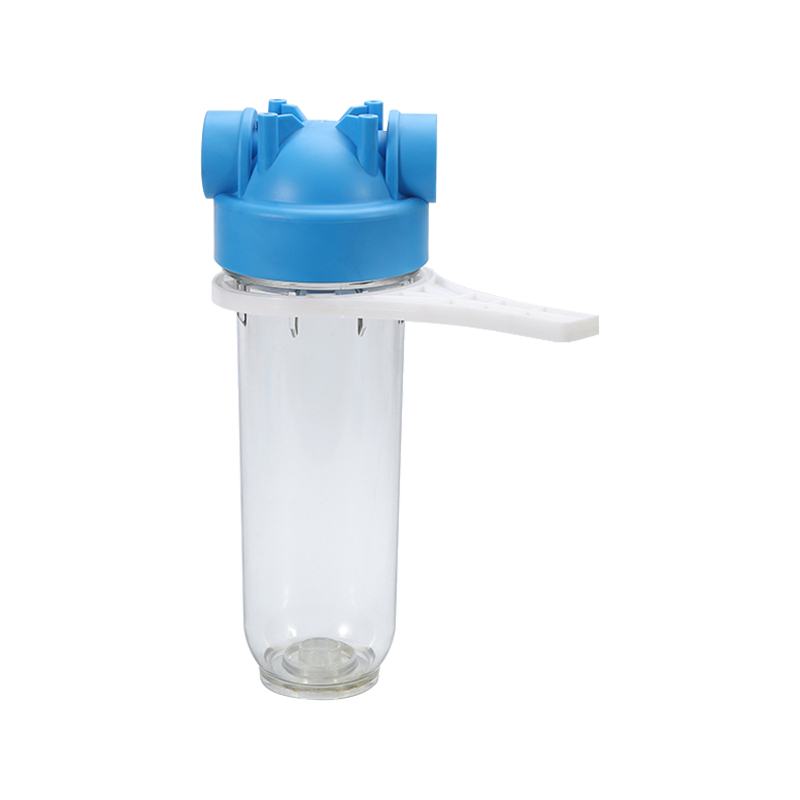
1. Single Water Filter(15BAR).2. 10" PET bottle+blue cap,3/4"brass thread.3. With 10" PP 70g filter cartridge.4. Color box Packing.5. Components: wrench+plastic hanging board+screw.
See Details -
 >
>
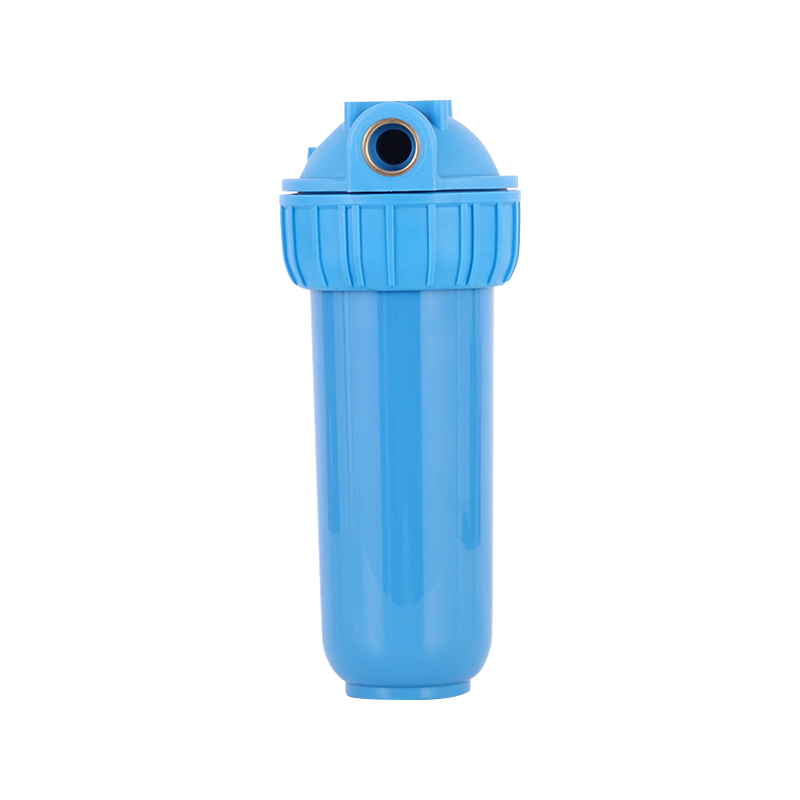
1. Single Water Filter(15BAR).2. 10" PET blue bottle+blue cap,3/4"brass thread.3. With 10" pp 70g cartridge. 4. Color box Packing. 5. Components: wrench+plastic hanging board.
See Details -
 >
>
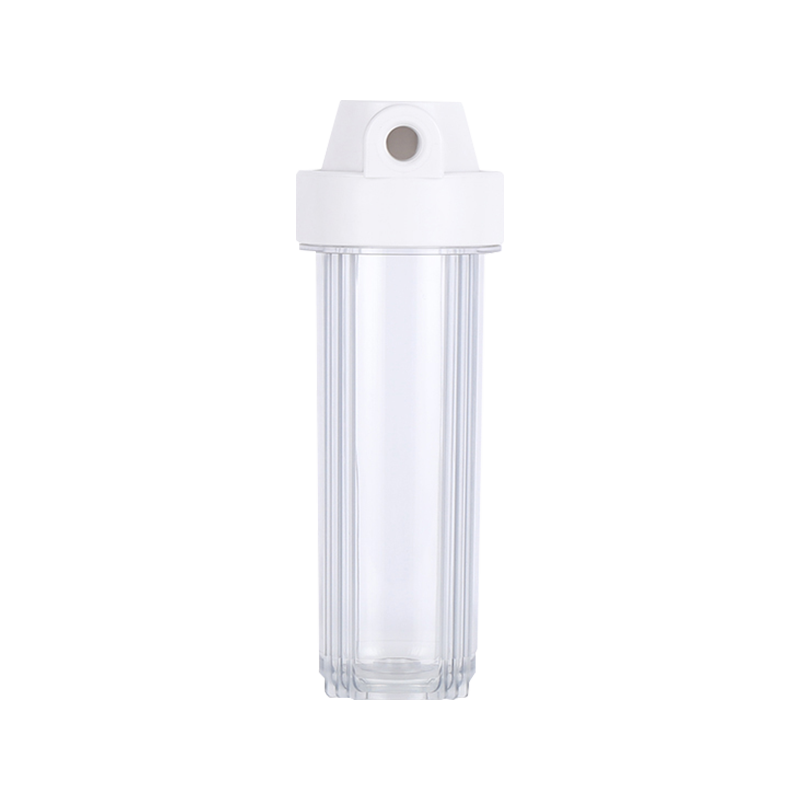
1. Single Water Filter(15BAR).2. 10" PET transparent bottle+white cap,1/4"brass thread.3. With 10" pp 70g cartridge. 4. Color box Packing.
See Details

If you are interested in our products, please consult us
Ningbo Yaorui Water Purification Technology Co., LTD. All Rights Reserved.
Wholesale Household Water Purifier Manufacturers
