 English
 русский
 Español
 عربى
عربى 中文简体
中文简体
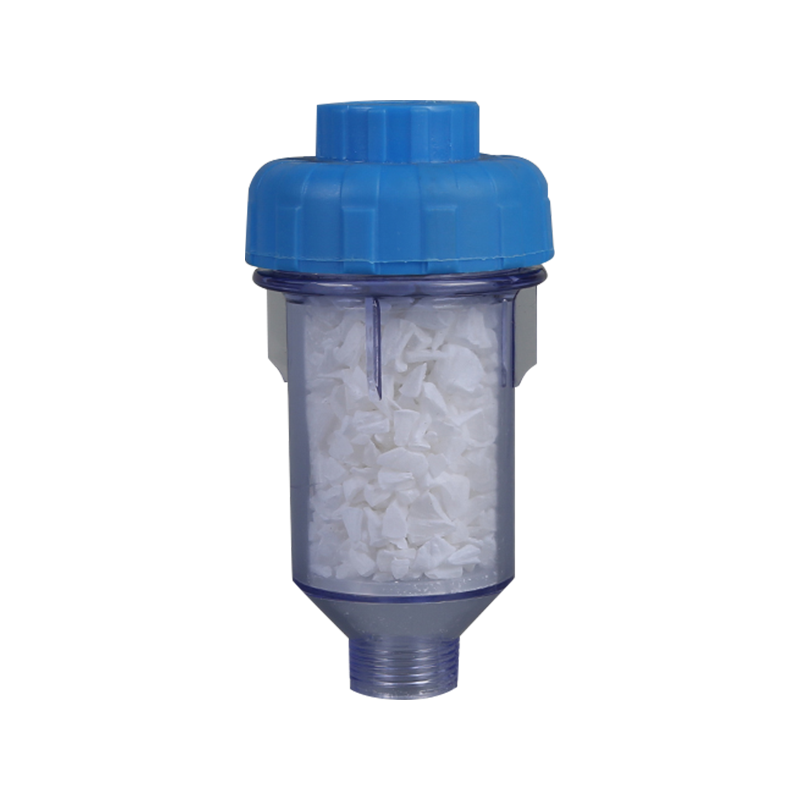 >
>The core highlight of this filter is its built-in silicone sheet filter layer. As a high-performance elastic material, silicone has high-temperature resistance, aging resistance, corrosion resistance,...
See Details [email protected]
 +86-18368206374
 No.99,Yuma Road,Mazhu Town,Yuyao City,Zhejiang Province,China.
What Are the Key Benefits of Installing a Home Reverse Osmosis System?
Industry News-Content
Introduction to Home Reverse Osmosis Systems
A home reverse osmosis (RO) system is one of the most effective ways to ensure safe and high-quality drinking water for your household. Reverse osmosis is a water purification process that removes contaminants, dissolved salts, heavy metals, and harmful chemicals by forcing water through a semi-permeable membrane. Unlike standard water filters, which may only remove sediment or chlorine, an RO system targets a wide range of pollutants, including lead, arsenic, nitrates, fluoride, and other dissolved solids. In recent years, the demand for home RO systems has increased significantly due to rising concerns about water quality and health. Homeowners are investing in RO systems not only to improve the taste of drinking water but also to protect family members from long-term exposure to harmful contaminants.
Installing a home RO system provides continuous access to purified water directly from the tap, eliminating the need for bottled water. It is particularly useful in areas where tap water quality is inconsistent or where water contains high levels of chlorine, sediment, or heavy metals. Additionally, RO systems are designed to work efficiently in conjunction with pre-filters and post-filters, which enhance purification and improve taste. Modern RO systems are compact, easy to install, and low-maintenance, making them a practical solution for households of all sizes. By ensuring safe and high-quality water, a home RO system supports better health, hydration, and overall well-being.
1. Superior Water Purification and Health Benefits
Comprehensive Contaminant Removal
One of the primary benefits of installing a reverse osmosis system at home is its ability to remove a wide variety of contaminants. RO membranes are highly effective at filtering out dissolved salts, heavy metals like lead and mercury, chlorine, pesticides, and even certain microorganisms. This level of purification goes beyond standard carbon or sediment filters, which may only address taste or odor. For households using well water or municipal supplies with inconsistent water quality, a home RO system ensures that every drop of water is consistently clean and safe to drink.
Health Protection and Long-Term Benefits
Regular consumption of purified water reduces exposure to harmful substances, supporting kidney function, reducing the risk of heavy metal accumulation, and lowering potential digestive or neurological problems. Families with young children, elderly members, or immunocompromised individuals particularly benefit from RO water. By removing chemical residues and harmful contaminants, RO systems promote better overall health. Additionally, purified water enhances hydration since the absence of chlorine and other chemicals allows the body to absorb water more efficiently. Over time, consistent use of a home reverse osmosis system can contribute to improved health outcomes for all household members.
2. Improved Taste, Odor, and Cooking Quality
Better Tasting Drinking Water
Chlorine, sediment, and other dissolved compounds in tap water can significantly impact taste and smell. A home RO system eliminates these impurities, delivering crisp, clean, and fresh-tasting water. Many homeowners notice an immediate difference in the flavor of water, coffee, tea, and other beverages. This improvement encourages increased water consumption, which is essential for maintaining proper hydration and supporting overall health. People often report that RO water tastes noticeably better than standard tap water or bottled water.
Enhancing Cooking and Food Flavor
Cooking with RO water can elevate the taste of meals. Foods absorb fewer chemical residues, allowing their natural flavors to shine. Boiling vegetables, making soups, or preparing coffee and tea with purified water often results in a richer and more natural taste. RO systems also remove odors that may originate from municipal water or old pipes, ensuring that the water you use for cooking does not alter the taste or smell of your meals. For culinary enthusiasts or households aiming for healthier and tastier meals, this benefit is particularly valuable.
3. Cost Savings Compared to Bottled Water
Long-Term Financial Benefits
Investing in a home reverse osmosis system provides significant long-term savings. While the upfront cost of installation varies depending on system complexity, households that regularly buy bottled water can recover the expense within one or two years. A typical family consuming multiple gallons per week would save hundreds of dollars annually by switching to an RO system. Additionally, the convenience of having purified water available on-demand eliminates the need for heavy bottle storage, delivery fees, and frequent trips to the store.
Environmental Advantages
By reducing reliance on bottled water, RO systems also contribute to environmental protection. Plastic bottles are a major source of pollution, and using a home RO system helps decrease household plastic waste. This not only benefits the environment but also supports sustainable living practices. Modern systems are efficient, producing minimal wastewater, and some models include water-saving features to further reduce environmental impact.
Home RO System Benefits Table
| Benefit | Description | Impact |
|---|---|---|
| Water Purification | Removes heavy metals, chlorine, pesticides, and dissolved solids | Safe, healthy water for drinking and cooking |
| Improved Taste & Odor | Eliminates chemical tastes and odors | Better tasting beverages and meals |
| Cost Savings | Reduces the need for bottled water | Long-term financial savings |
| Ease of Maintenance | Filters and membranes are easy to replace | Consistent water quality with minimal effort |
| Environmental Benefits | Reduces plastic waste and household carbon footprint | Supports sustainable living |
4. Convenience and Easy Maintenance
Simple Filter Replacement
Home RO systems are designed with user convenience in mind. Pre-filters, RO membranes, and post-filters are straightforward to replace, typically ranging from 6 months to 2–3 years depending on usage and water quality. Some modern RO systems feature filter change indicators or automated reminders, ensuring that the system continues to provide optimal performance. Proper maintenance ensures the water remains pure, and the system operates efficiently without unexpected breakdowns.
Durable and Long-Lasting Components
RO systems are constructed with high-quality membranes, housings, and valves, providing years of reliable service. With regular maintenance, a home system can last over a decade, delivering consistent water quality for the entire household. Investing in a durable RO system minimizes long-term costs, reduces the need for frequent replacements, and provides peace of mind that your family always has access to safe drinking water.
FAQ
1. How often should I replace RO filters?
Pre-filters are typically replaced every 6–12 months, RO membranes every 2–3 years, and post-filters every 12 months. Exact timing depends on water quality and household usage.
2. Can RO systems remove all contaminants?
While RO systems remove most dissolved salts, heavy metals, chlorine, and certain microorganisms, some volatile organic compounds (VOCs) may require additional filtration, such as activated carbon filters.
3. Do RO systems waste water?
Traditional RO systems produce some wastewater, typically 3–4 gallons per gallon of purified water. Modern RO systems with permeate pumps or water-saving technology reduce waste to near 1:1 ratios.
4. Can I install an RO system under my sink?
Yes, most home RO systems are designed for under-sink installation. Whole-house RO systems are also available but require more space and plumbing modifications.
5. Is RO water safe for daily consumption?
Yes, RO water is safe for daily use. Some households choose to remineralize RO water for taste and to restore trace minerals.
References
- Water Quality Association – Reverse Osmosis Water Purification
- U.S. Environmental Protection Agency – Drinking Water Standards
- Consumer Reports – Best Home Reverse Osmosis Systems
- Journal of Environmental Health – Health Benefits of Water Purification
- National Sanitation Foundation (NSF) – Certified RO Systems
Related products
-
 >
>
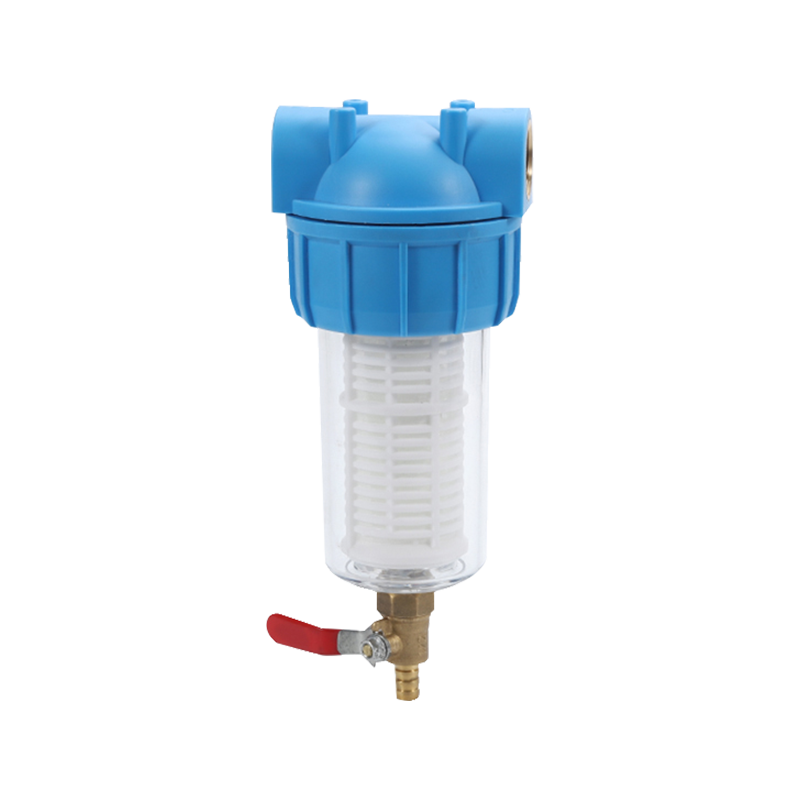
RH-06J5BSingle Water Filter with copper recoil valve is characterized by its efficient filtration system, which can effectively remove impurities, suspended matter, residual chlorine, odor and some ha...
See Details -
 >
>
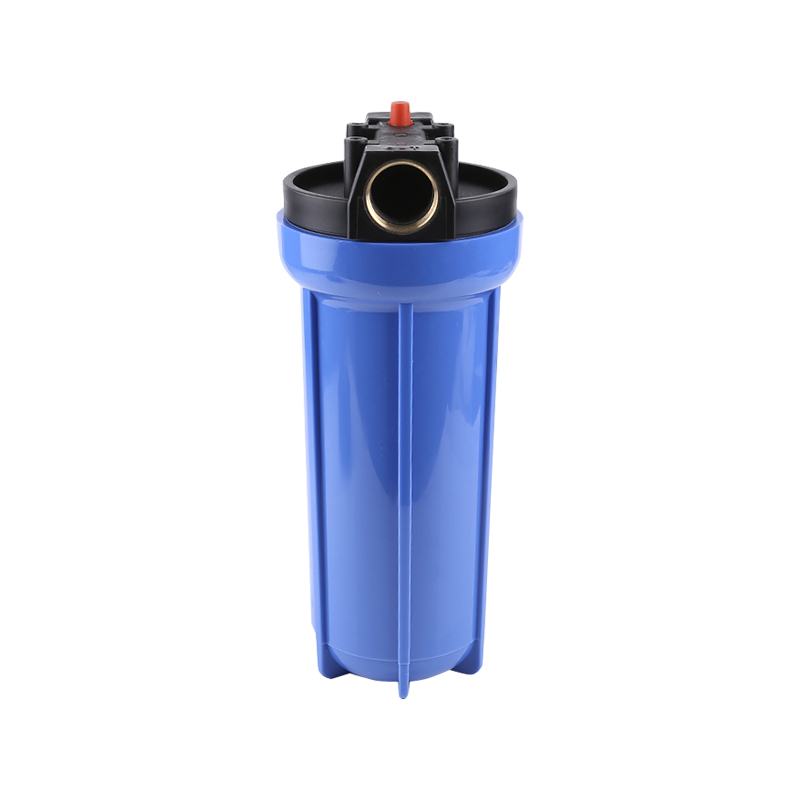
1. Single Water Filter(15BAR).2. 10" PET bottle+black cap, 3/4"brass thread.3. With 10" PP 70g filter cartridge.4. Color box packing.5. Components: wrench+plastic hanging board+screw.
See Details -
 >
>
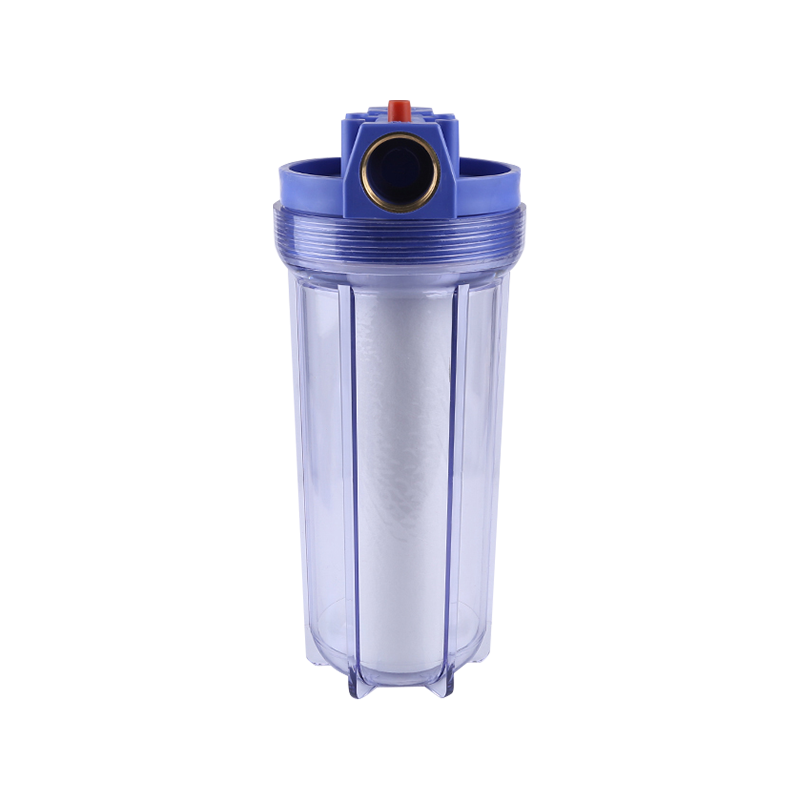
1. Single Water Filter(15BAR); 2. 10" PET bottle+blue cap,3/4"brass thread.3. With 10" PP 70g filtercartridge.4. Color box Packing. 5. Components: wrench+plastic hanging board+screw.
See Details -
 >
>
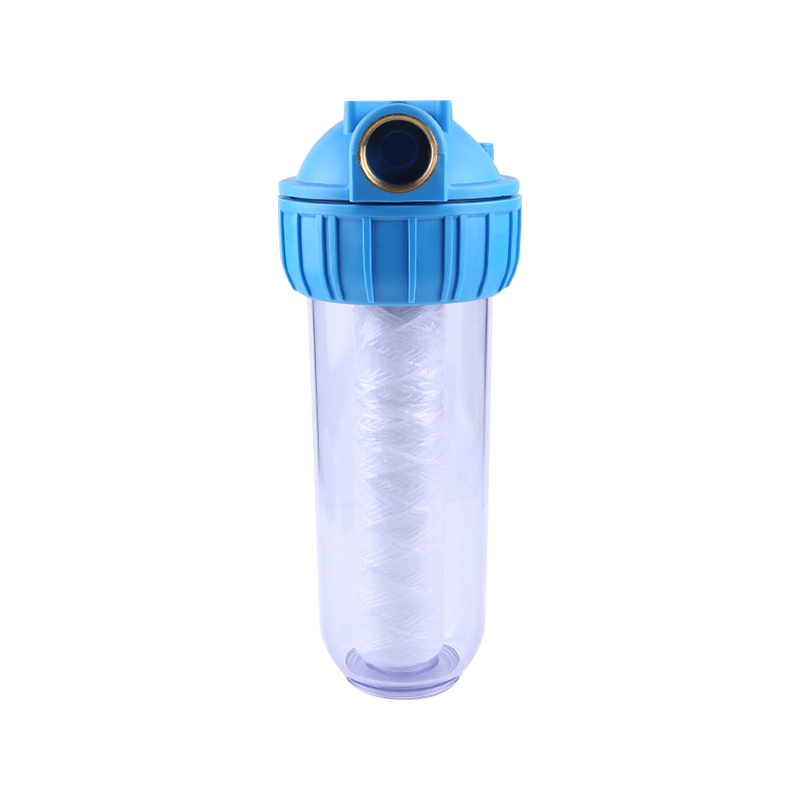
1. Single Water Filter(15BAR).2. 10" PET bottle+blue cap,3/4"brass thread.3. With 10" pp 70g cartridge. 4. Color box Packing. 5. Components: wrench+plastic hanging board+screw.
See Details -
 >
>
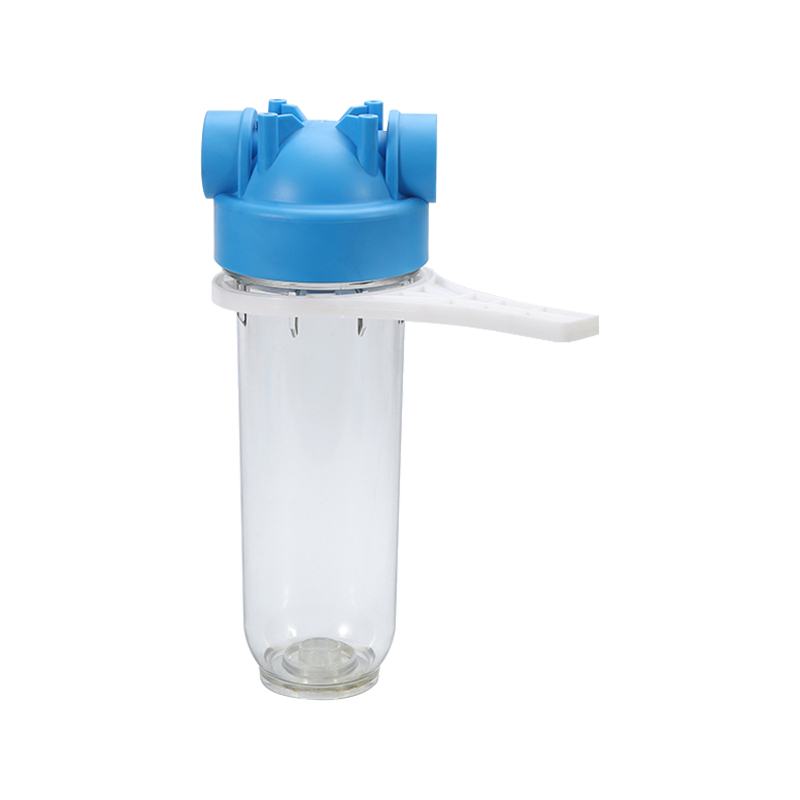
1. Single Water Filter(15BAR).2. 10" PET bottle+blue cap,3/4"brass thread.3. With 10" PP 70g filter cartridge.4. Color box Packing.5. Components: wrench+plastic hanging board+screw.
See Details -
 >
>
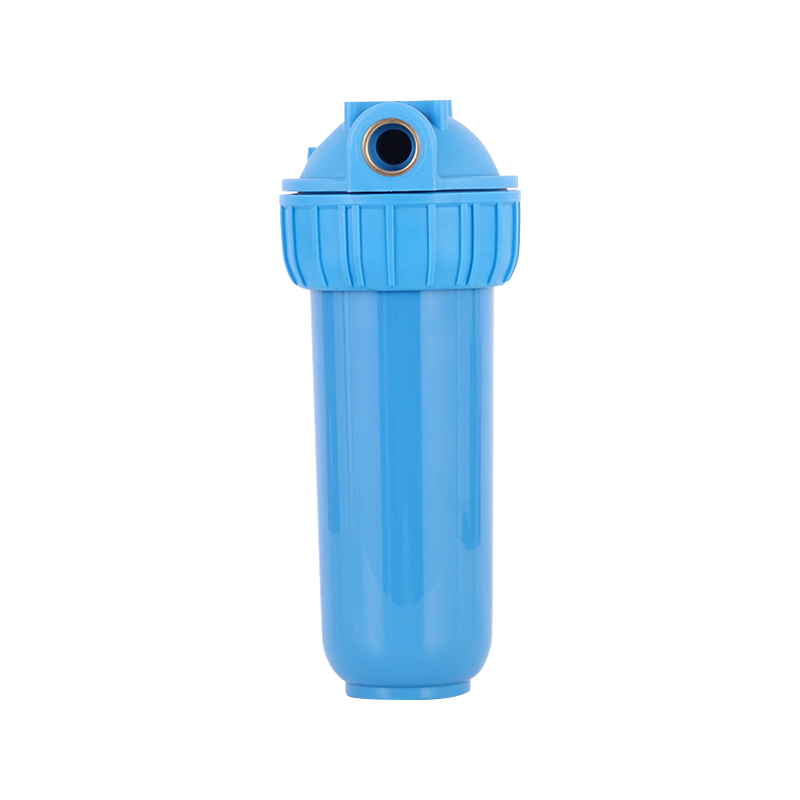
1. Single Water Filter(15BAR).2. 10" PET blue bottle+blue cap,3/4"brass thread.3. With 10" pp 70g cartridge. 4. Color box Packing. 5. Components: wrench+plastic hanging board.
See Details -
 >
>
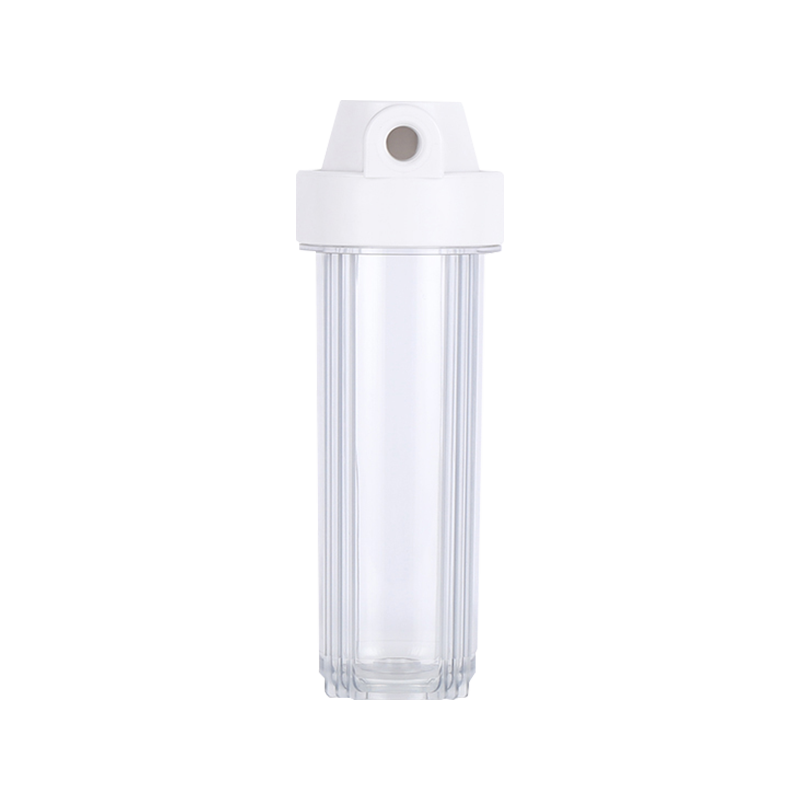
1. Single Water Filter(15BAR).2. 10" PET transparent bottle+white cap,1/4"brass thread.3. With 10" pp 70g cartridge. 4. Color box Packing.
See Details

If you are interested in our products, please consult us
Ningbo Yaorui Water Purification Technology Co., LTD. All Rights Reserved.
Wholesale Household Water Purifier Manufacturers
