 English
 русский
 Español
 عربى
عربى 中文简体
中文简体
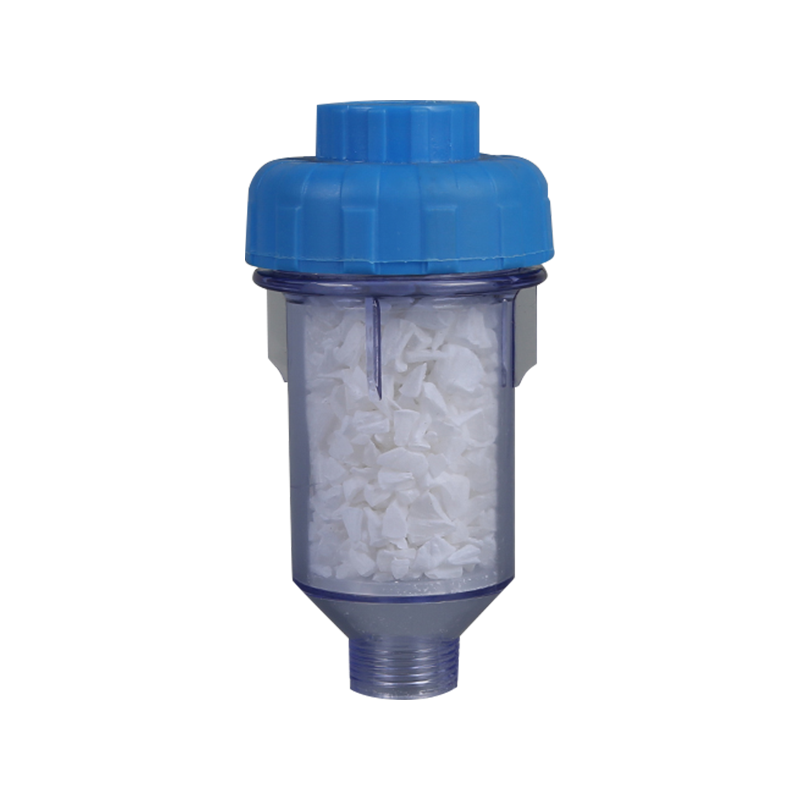 >
>The core highlight of this filter is its built-in silicone sheet filter layer. As a high-performance elastic material, silicone has high-temperature resistance, aging resistance, corrosion resistance,...
See Details [email protected]
 +86-18368206374
 No.99,Yuma Road,Mazhu Town,Yuyao City,Zhejiang Province,China.
What Are the Key Features to Look for in a Single Stage Water Filter?
Industry News-Content
When selecting a single stage water filter for your home, it’s crucial to choose one that best fits your water quality needs and lifestyle. With a variety of options available, it can be overwhelming to determine which features are most important.
1. Filtration Capacity
The filtration capacity refers to how much water a filter can purify before it needs to be replaced. This feature is essential because it ensures you won’t need to replace the filter too often, making it a cost-effective and convenient option for homeowners. Filtration capacity is typically measured in gallons and ranges from as little as 100 gallons to over 1,000 gallons. For smaller households, filters with a lower capacity may suffice, while larger families or those with heavy water usage will likely need a filter with a higher capacity to meet daily demands.
To choose the right filter capacity for your home, consider your daily water usage. The average person consumes about 80-100 gallons of water per day. If you have a family of four, you would need a filter with a higher capacity to ensure it can handle the demand over an extended period without needing frequent replacements.
Tip: If you prefer a low-maintenance option, select a filter with a larger capacity. While the initial cost might be slightly higher, it will save you money and effort in the long run by reducing the frequency of filter changes.
2. Filter Material
The material of the filter is another critical aspect of performance. Single stage filters use various materials designed to target specific contaminants, making it important to choose one that effectively addresses your water quality needs. Below are some common materials used in single stage filters and what they’re best at removing:
| Filter Material | Contaminants Removed | Best For |
|---|---|---|
| Activated Carbon | Chlorine, VOCs, pesticides, bad odors, and taste | General taste and odor improvement, chemical contaminants |
| Ceramic | Bacteria, protozoa, and sediments | Reducing microbial contamination and larger particles |
| KDF (Kinetic Degradation Fluxion) | Heavy metals (lead, mercury, etc.), chlorine, bacteria | Heavy metal removal, controlling scale and bacteria growth |
| Ion Exchange Resin | Hardness minerals like calcium and magnesium | Softening water, reducing scale buildup |
Each material has its strengths and is suitable for different water issues. Activated carbon is most commonly used for improving the taste and odor of water, whereas KDF and ceramic filters are often preferred in areas with specific contaminants like chlorine or heavy metals. Make sure to match the filter material to the types of contaminants present in your water.
Tip: If you’re uncertain about the contaminants in your water, consider getting a water test before purchasing a filter. Many filters are designed to target multiple contaminants, but it’s helpful to know exactly what you’re dealing with.
3. Filtration Efficiency
The filtration efficiency of a single stage water filter refers to its ability to effectively remove contaminants from your water. To assess a filter’s efficiency, check for certifications such as NSF/ANSI certification. These certifications ensure that the filter has undergone rigorous testing and meets specific standards for contaminant reduction.
Additionally, different filters are designed to remove various contaminants, so it’s important to look at the specific contaminants a filter targets. Some common contaminants that single stage filters can remove include:
- Chlorine: Often found in municipal water systems, chlorine can affect the taste and smell of water.
- Lead: A toxic metal that can leach into drinking water through old pipes or plumbing fixtures.
- Sediment: Fine particles like dirt and rust that can be present in untreated water.
- Volatile Organic Compounds (VOCs): Chemicals from household cleaning products, pesticides, and other pollutants that may affect water quality.
To ensure a filter meets your needs, verify its contaminant removal rate in the product specifications. Some filters remove up to 99% of specific contaminants, while others may only remove a portion.
4. Flow Rate
The flow rate of a filter is a measure of how fast water passes through it, typically expressed in gallons per minute (GPM). A higher flow rate means that you can get filtered water more quickly. However, a faster flow rate may reduce the filter’s effectiveness in removing contaminants. It’s a delicate balance between speed and efficiency.
For most single stage filters, the flow rate typically ranges from 0.5 to 3 GPM. If you have a large household or need filtered water quickly, a higher flow rate may be necessary. However, a filter with a high flow rate may sacrifice some of the contaminant removal performance, especially for more complex filtration systems.
Tip: If you want to maintain a high flow rate while ensuring the filter works effectively, check the product details to see if the filter is designed to balance speed with filtration efficiency.
5. Installation and Maintenance
One of the main advantages of single stage water filters is their easy installation and low maintenance. Many of these filters are designed for DIY installation, and depending on the type, they may simply require attaching a filter to a faucet or installing a small under-sink system.
Installation Considerations:
- Faucet-Mounted Filters: Typically require no tools and can be attached directly to the faucet.
- Under-Sink Filters: May require basic plumbing skills or a professional plumber for installation.
- Countertop Models: Usually need no installation beyond attaching to a faucet or a water line.
Maintenance is generally minimal for these filters, with most requiring only a filter replacement every 3 to 6 months, depending on the filter’s capacity and usage. However, some filters, such as ceramic filters, can be cleaned and reused, extending their lifespan.
Tip: Always follow the manufacturer’s guidelines for maintenance. A filter that is not replaced or cleaned regularly can lose its effectiveness, leading to reduced water quality.
6. Size and Design
The size and design of the filter are important considerations, especially if you have limited space. Single stage filters are available in different designs, from faucet-mounted filters that sit directly on your faucet, to under-sink models that are installed out of sight.
When selecting a filter, think about where you want to install it. Faucet-mounted filters are compact and convenient, but they may not be suitable for all faucets. Under-sink filters are more permanent solutions but require more space and installation effort.
Tip: Consider choosing a filter that matches your home’s aesthetic and installation preferences. If you have limited counter space, an under-sink model may be the best option.
7. Cost-Effectiveness
While the initial cost of a single stage water filter can vary, it’s important to consider the long-term cost of ownership. Filters with lower upfront costs may require more frequent replacements, which can add up over time. Conversely, higher-quality filters might come with a higher initial price but can last longer and perform better.
When evaluating the cost-effectiveness, take into account:
- Replacement filter cost: How much will replacement filters cost, and how often will they need to be replaced?
- Maintenance needs: Some filters require regular cleaning or servicing, while others only need periodic filter replacement.
Tip: Always calculate the total cost of ownership over a year or more, factoring in the purchase price, maintenance, and replacement filters.
8. Aesthetics and Compatibility
Although the primary function of a water filter is to purify your water, the aesthetics and design may be important to some users, especially if the filter will be visible in your kitchen or bathroom. Consider the look of the filter in relation to your space. Many modern filters come in sleek, compact designs that won’t take up much room or clash with your decor.
Additionally, ensure the filter is compatible with your existing plumbing. Some filters, like faucet-mounted systems, are designed to work with standard faucets, while others may require specific fittings or adapters.
Tip: Check that the filter is compatible with your home’s water system to avoid installation issues.
9. Water Pressure Requirements
Some single stage water filters require a certain water pressure to operate effectively. If your home has low water pressure, you may need to find a filter designed to work in such conditions. Filters that require higher pressure might struggle to deliver adequate flow in areas with low water pressure, affecting their performance.
Tip: If you have low water pressure, look for a filter that is explicitly designed to work well under these conditions.
10. Warranty and Customer Support
A solid warranty is a good indicator of the manufacturer’s confidence in their product. Most reputable filter brands offer warranties ranging from 1 to 5 years. Additionally, reliable customer support is essential for troubleshooting installation issues or addressing problems with the filter.
Before purchasing, check if the manufacturer offers a warranty and read reviews to assess the quality of their customer service.
Tip: Choose a filter from a brand that provides a warranty and has a good reputation for customer service.
FAQ
1. How often should I replace the filter in a single stage water filter?
Most single stage filters require a replacement every 3 to 6 months, depending on the model and the amount of water used.
2. Can a single stage filter remove lead from water?
Yes, filters with KDF or activated carbon materials are effective at removing lead from water.
3. Are single stage filters suitable for well water?
Some single stage filters can be used for well water, but it’s important to choose a filter designed to handle contaminants commonly found in well water, such as bacteria or high mineral content.
4. Can I install a single stage filter myself?
Many single stage water filters are designed for DIY installation, particularly faucet-mounted and countertop models. Under-sink models may require professional plumbing installation.
References
- NSF International. (2020). “NSF/ANSI 53: Health Effects.”
- Environmental Protection Agency (EPA). (2021). “Drinking Water Contaminants.”
- Water Quality Association (WQA). (2020). “Choosing a Water Treatment System.”
Related products
-
 >
>
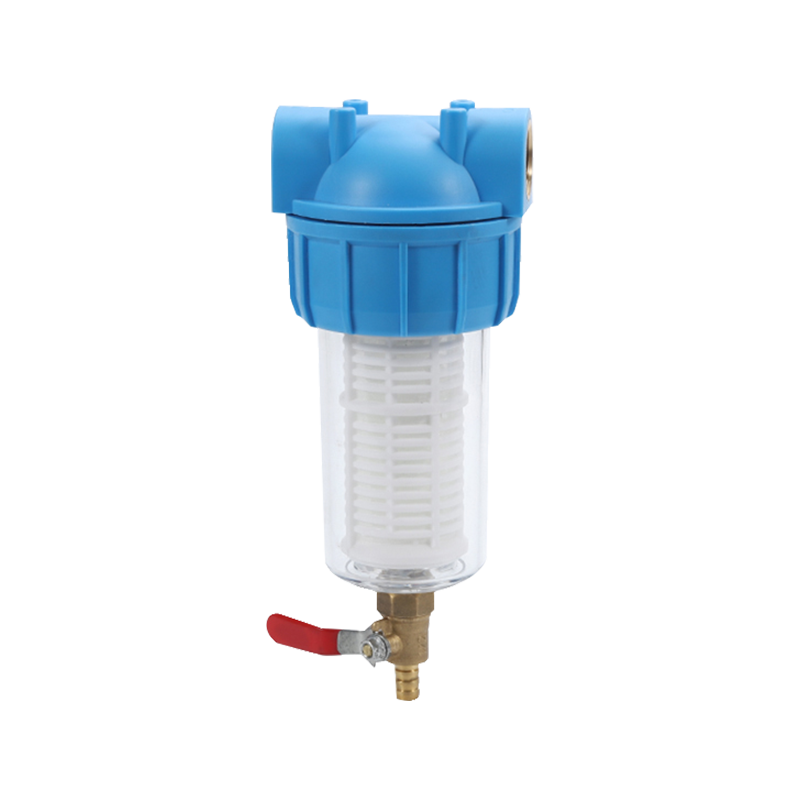
RH-06J5BSingle Water Filter with copper recoil valve is characterized by its efficient filtration system, which can effectively remove impurities, suspended matter, residual chlorine, odor and some ha...
See Details -
 >
>
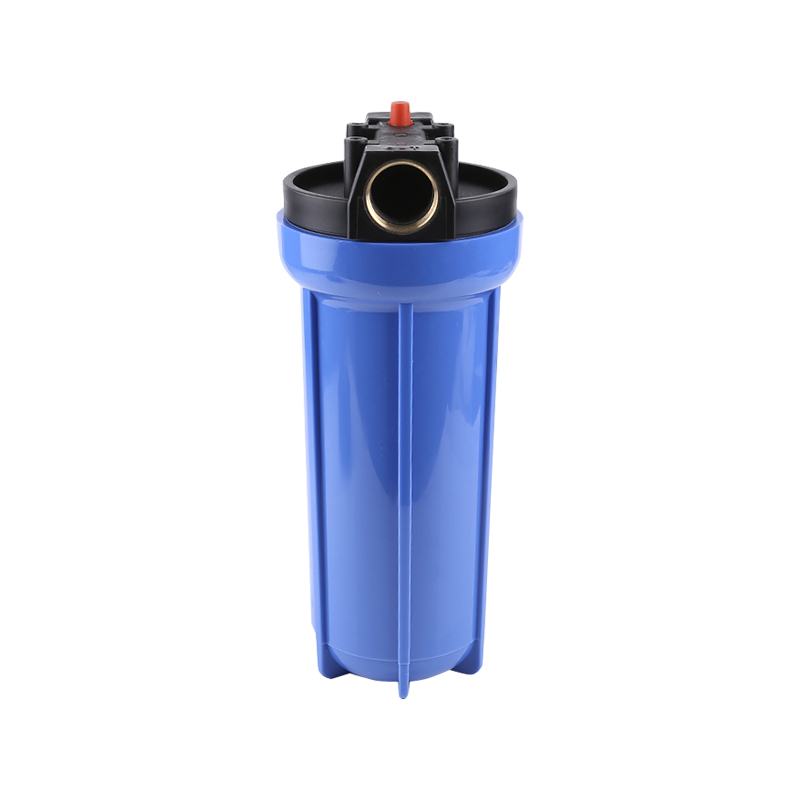
1. Single Water Filter(15BAR).2. 10" PET bottle+black cap, 3/4"brass thread.3. With 10" PP 70g filter cartridge.4. Color box packing.5. Components: wrench+plastic hanging board+screw.
See Details -
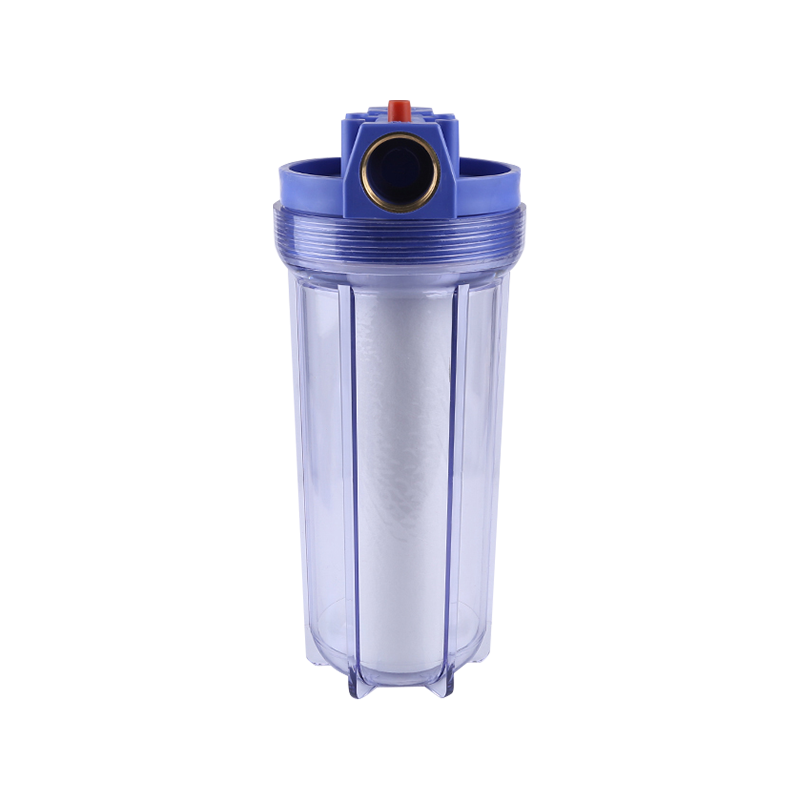 >
>
1. Single Water Filter(15BAR); 2. 10" PET bottle+blue cap,3/4"brass thread.3. With 10" PP 70g filtercartridge.4. Color box Packing. 5. Components: wrench+plastic hanging board+screw.
See Details -
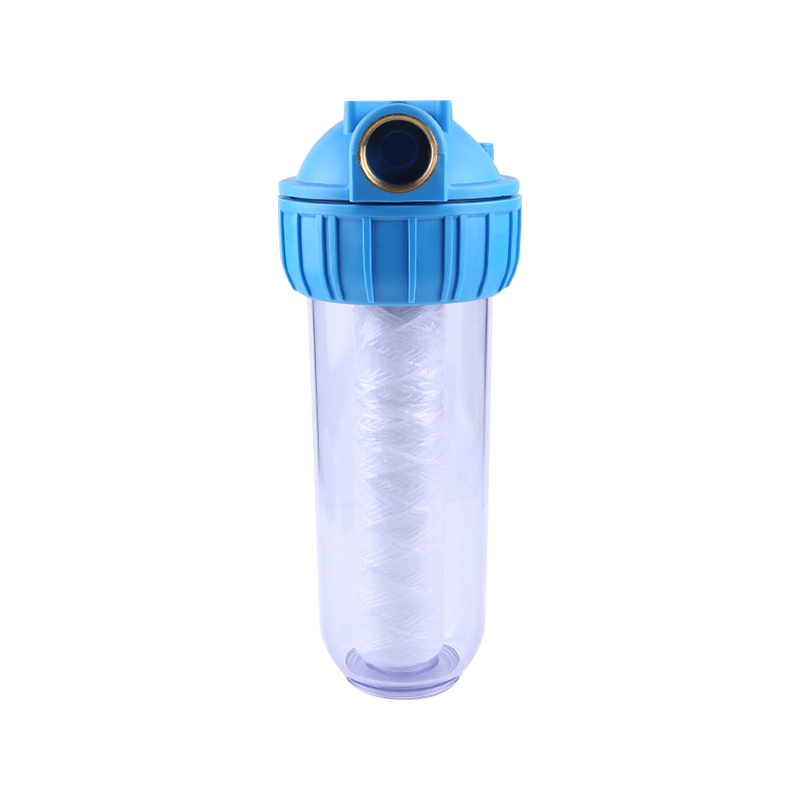 >
>
1. Single Water Filter(15BAR).2. 10" PET bottle+blue cap,3/4"brass thread.3. With 10" pp 70g cartridge. 4. Color box Packing. 5. Components: wrench+plastic hanging board+screw.
See Details -
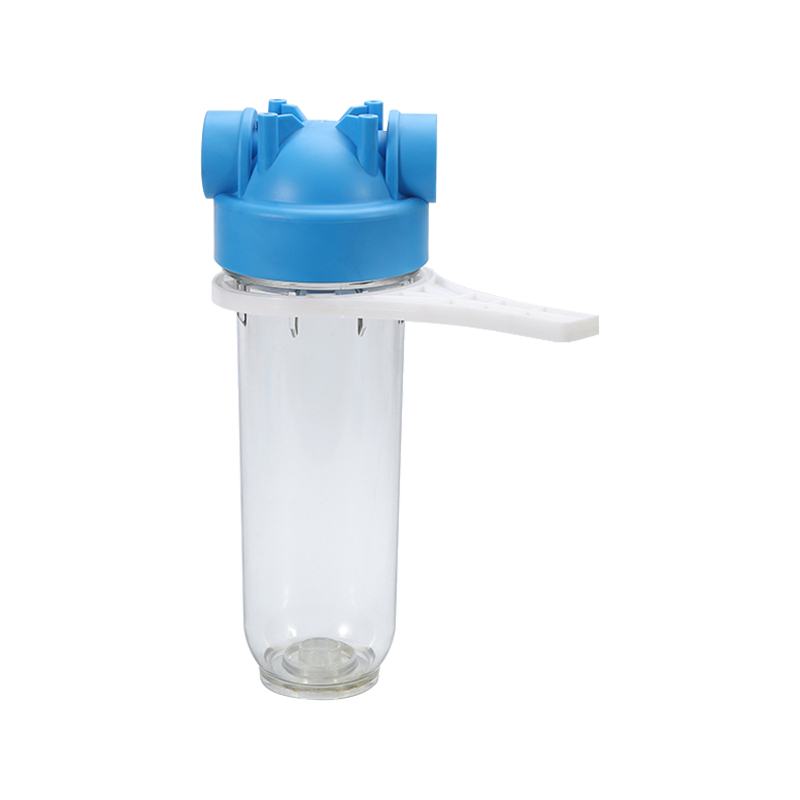 >
>
1. Single Water Filter(15BAR).2. 10" PET bottle+blue cap,3/4"brass thread.3. With 10" PP 70g filter cartridge.4. Color box Packing.5. Components: wrench+plastic hanging board+screw.
See Details -
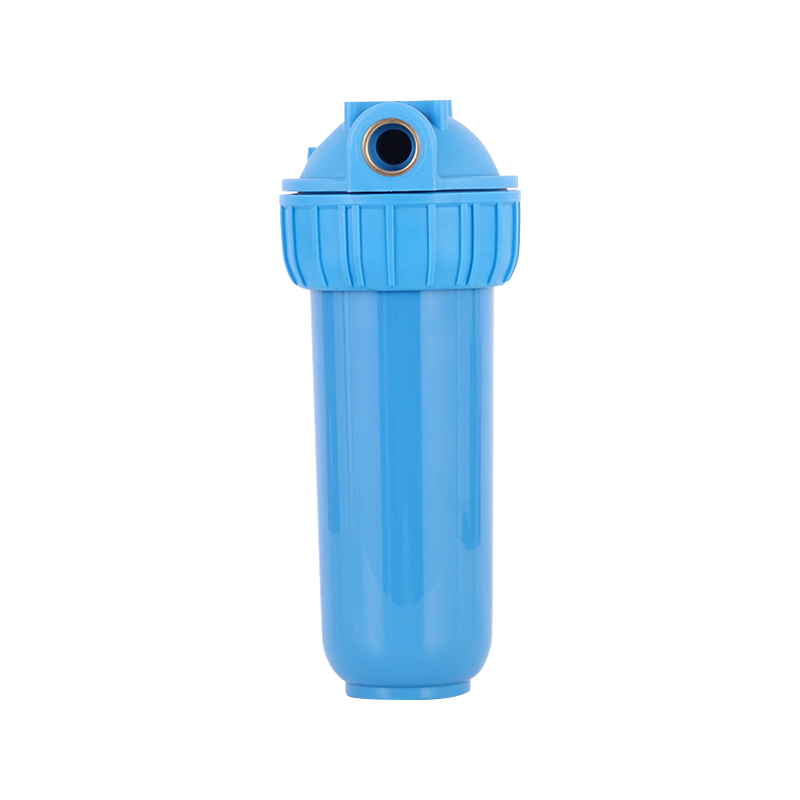 >
>
1. Single Water Filter(15BAR).2. 10" PET blue bottle+blue cap,3/4"brass thread.3. With 10" pp 70g cartridge. 4. Color box Packing. 5. Components: wrench+plastic hanging board.
See Details -
 >
>
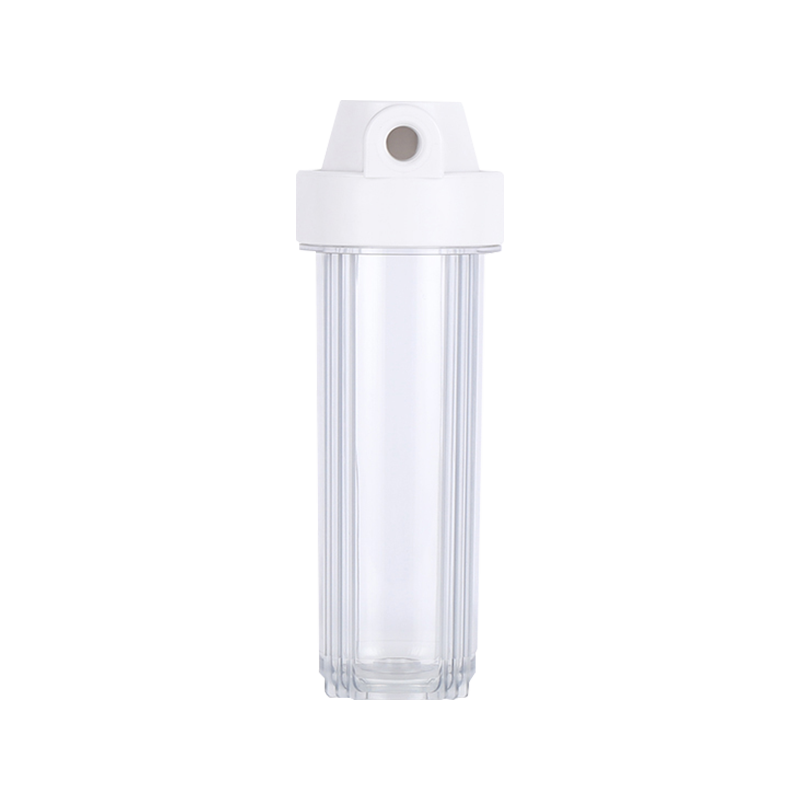
1. Single Water Filter(15BAR).2. 10" PET transparent bottle+white cap,1/4"brass thread.3. With 10" pp 70g cartridge. 4. Color box Packing.
See Details

If you are interested in our products, please consult us
Ningbo Yaorui Water Purification Technology Co., LTD. All Rights Reserved.
Wholesale Household Water Purifier Manufacturers
