 English
 русский
 Español
 عربى
عربى 中文简体
中文简体
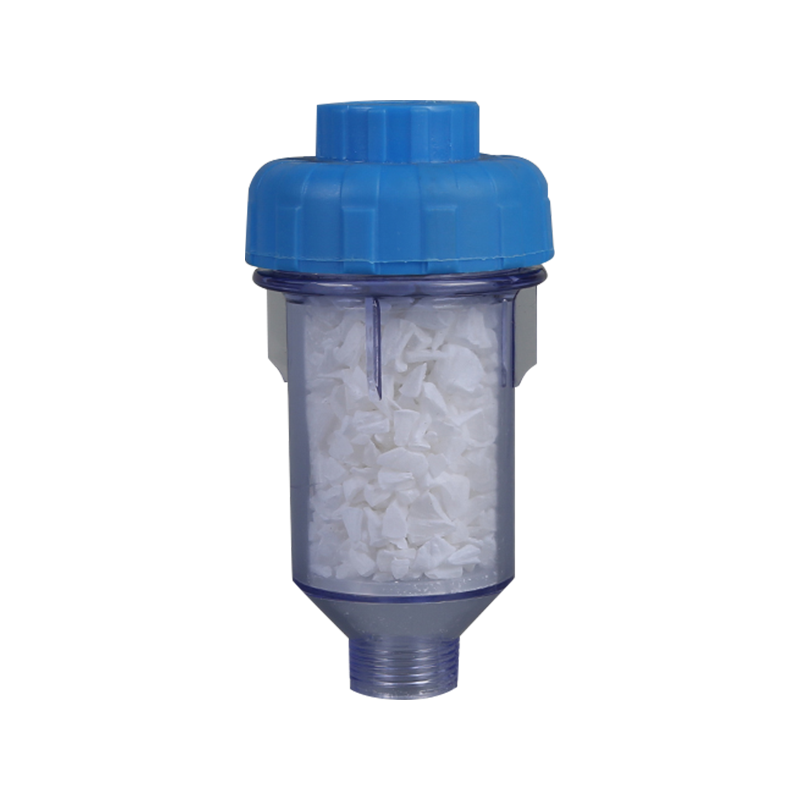 >
>The core highlight of this filter is its built-in silicone sheet filter layer. As a high-performance elastic material, silicone has high-temperature resistance, aging resistance, corrosion resistance,...
See Details [email protected]
 +86-18368206374
 No.99,Yuma Road,Mazhu Town,Yuyao City,Zhejiang Province,China.
How Effective Is a Reverse Osmosis System at Removing Contaminants from Water?
Industry News-Content
Reverse Osmosis System is one of the most popular and effective water filtration methods for households and businesses seeking to improve water quality. Known for its ability to filter out a broad range of contaminants, it’s a highly sought-after solution for ensuring safe drinking water. However, like all filtration systems, it’s important to understand just how well an RO system performs in terms of contaminant removal.
How Reverse Osmosis Works
Reverse osmosis is a water purification process that forces water through a semi-permeable membrane under high pressure. This membrane acts as a filter, allowing only water molecules to pass through while blocking larger particles and contaminants. The process is called “reverse” osmosis because it essentially reverses the natural osmosis process by applying pressure to move water from a lower concentration of solutes to a higher concentration, effectively filtering out unwanted substances.
The key element in the RO system is the membrane, which has pores as small as 0.0001 microns. This is significantly smaller than most contaminants, allowing the system to effectively filter out harmful substances such as bacteria, viruses, chlorine, heavy metals, and salts. Water that passes through the membrane is purified, leaving behind a concentrated stream of contaminants, which is typically flushed out of the system.
This process results in water that is not only clean but also free from harmful chemicals, heavy metals, and pathogens, making it ideal for drinking, cooking, and other daily uses.
Contaminants That Reverse Osmosis Can Effectively Remove
One of the main reasons people opt for reverse osmosis systems is their ability to remove a wide range of contaminants. From chemicals like chlorine to heavy metals like lead, RO systems are highly efficient at providing clean, safe water. Here’s a closer look at some of the most common contaminants that reverse osmosis systems can remove:
1. Chlorine and Chloramine
Municipal water supplies often contain chlorine and chloramine, which are added as disinfectants. While chlorine can leave an unpleasant taste and odor, chloramine is even harder to remove with traditional filters. Reverse osmosis systems are excellent at removing both of these substances, providing cleaner and better-tasting water. Chloramine is especially tough to remove using activated carbon alone, but RO systems, with their advanced filtration, ensure these chemicals are effectively filtered out.
2. Heavy Metals
Heavy metals like lead, mercury, arsenic, and cadmium are dangerous to human health and can contaminate water supplies through industrial waste, old pipes, or agricultural runoff. Even low concentrations of heavy metals in water can pose serious health risks, including kidney damage, developmental delays in children, and neurological damage. Reverse osmosis is highly effective at removing these contaminants, helping to make drinking water much safer.
3. Salt and Sodium
In areas where water has high salt content (such as coastal or brackish water regions), reverse osmosis is particularly useful. The process of desalination removes excess salt and sodium from the water, making it safe to drink. High sodium levels in drinking water can contribute to high blood pressure and other cardiovascular issues. By removing these salts, an RO system helps to prevent such health concerns and improves the overall taste of water.
4. Pesticides and Herbicides
Agricultural runoff is a major concern in many areas, as pesticides and herbicides can easily find their way into local water sources. These chemicals can be harmful to human health, leading to hormone disruption, cancer, and other serious health problems. Reverse osmosis systems are highly effective at removing these contaminants, providing peace of mind to households in agricultural regions.
5. Fluoride
Fluoride is commonly added to municipal water supplies for dental health benefits. However, many people prefer to avoid fluoride for various reasons, including concerns about its potential health effects. Reverse osmosis systems can remove fluoride from water, providing a solution for individuals who wish to avoid this substance in their drinking water.
6. Microorganisms (Bacteria, Viruses, Protozoa)
One of the primary advantages of reverse osmosis is its ability to filter out harmful microorganisms such as bacteria, viruses, and protozoa. These pathogens can pose significant health risks, especially in areas with untreated water or private wells. RO systems effectively remove these microbes, preventing waterborne diseases and other infections.
7. Nitrates
High levels of nitrates, often found in agricultural areas due to fertilizer runoff, can be hazardous, particularly for infants. Nitrates can interfere with the body’s ability to transport oxygen, leading to a condition called methemoglobinemia, also known as “blue baby syndrome.” Reverse osmosis is one of the most effective methods for removing nitrates from drinking water, making it safer for infants and other vulnerable groups.
Contaminants Removed by RO – Effectiveness Table
| Contaminant | Removal Efficiency | Potential Health Risk | System Benefit |
|---|---|---|---|
| Chlorine & Chloramine | High | Taste/odor, skin irritation | Improves water taste and odor |
| Heavy Metals (Lead, Arsenic) | Very High | Kidney damage, developmental delays | Protects against toxicity |
| Salt & Sodium | Very High | High blood pressure, dehydration | Improves taste and health |
| Pesticides & Herbicides | High | Cancer, hormone disruption | Reduces exposure to chemicals |
| Fluoride | High | Dental fluorosis, bone issues | Removes unwanted fluoride |
| Microorganisms (Bacteria) | Very High | Waterborne diseases | Protects against infections |
| Nitrates | High | Blue baby syndrome, anemia | Reduces risk for infants and others |
From the table, it’s clear that reverse osmosis systems are highly efficient at removing a broad spectrum of contaminants, ensuring that water is not only safe to drink but also free of harmful substances that could cause long-term health problems.
Contaminants That Reverse Osmosis Does Not Effectively Remove
While reverse osmosis is highly effective, there are some contaminants that it does not remove as efficiently, and understanding these limitations is important for choosing the right water filtration system.
1. Dissolved Gases (e.g., Carbon Dioxide)
Reverse osmosis does not filter out dissolved gases in water, such as carbon dioxide. These gases, although they may affect the taste of the water, do not typically pose a significant health risk. However, some people may notice a slightly flat taste in the water due to the presence of CO2.
2. Volatile Organic Compounds (VOCs)
VOCs such as solvents, pesticides, and industrial chemicals can sometimes pass through the RO membrane, particularly if they are in very small concentrations. While RO can remove many organic compounds, it may not be as effective for certain VOCs unless the system is combined with an additional activated carbon filter that can better absorb these substances.
3. Some Heavy Metals (e.g., Iron)
Although RO systems are very effective at removing most heavy metals, certain metals like iron may not be filtered out completely if they are in a dissolved or colloidal state. Iron typically needs additional filtration methods, such as an iron filter or sediment filter, to be effectively removed.
4. Essential Minerals (Calcium, Magnesium)
A key limitation of reverse osmosis is that it removes not only harmful substances but also beneficial minerals like calcium and magnesium, which contribute to the taste and health benefits of drinking water. Some people prefer to remineralize their water after filtration, especially if they are concerned about losing these minerals.
FAQ
Q1: Can reverse osmosis remove all contaminants from water?
No, reverse osmosis is highly effective at removing many contaminants but does not filter out certain dissolved gases, some VOCs, and essential minerals. For complete purification, RO systems are often paired with additional filters like activated carbon or remineralization filters.
Q2: Does reverse osmosis affect the mineral content of water?
Yes, reverse osmosis removes most minerals such as calcium and magnesium from water. Some people opt to add minerals back into the water after filtration if they prefer to retain these essential nutrients.
Q3: How often should I replace the filters in my reverse osmosis system?
Typically, pre-filters need to be replaced every 6–12 months, while the reverse osmosis membrane should be replaced every 2–3 years. Regular maintenance ensures the system functions efficiently and provides high-quality water.
References
- “Water Quality and Health: Review of Water Filtration Methods,” Environmental Health Perspectives, 2020.
- “Effectiveness of Household Water Filtration Systems,” Journal of Water and Health, 2021.
- “Impact of Contaminants in Drinking Water on Health,” The Lancet Public Health, 2019.
Related products
-
 >
>
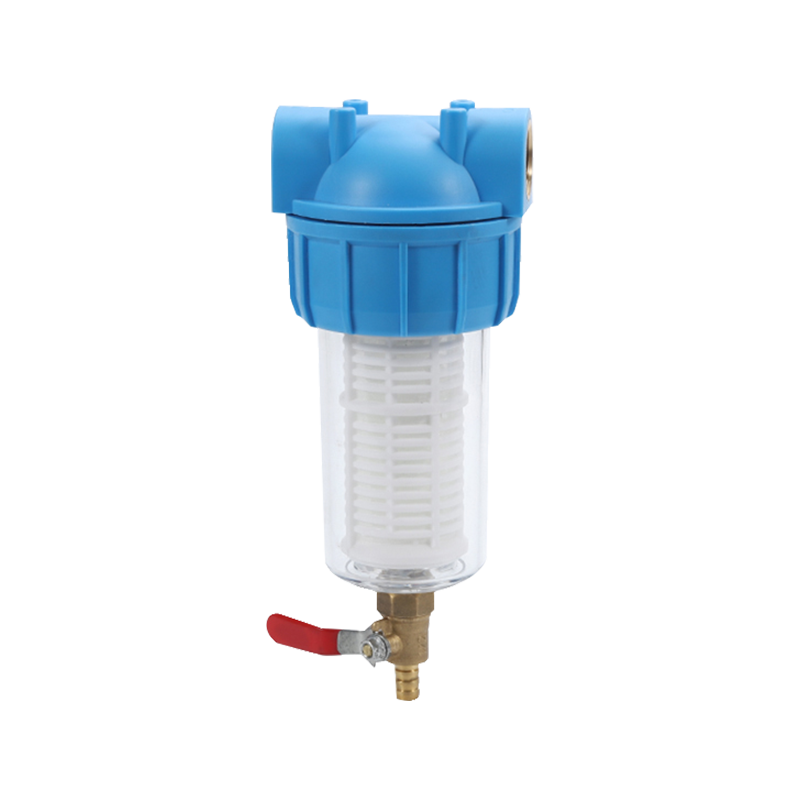
RH-06J5BSingle Water Filter with copper recoil valve is characterized by its efficient filtration system, which can effectively remove impurities, suspended matter, residual chlorine, odor and some ha...
See Details -
 >
>
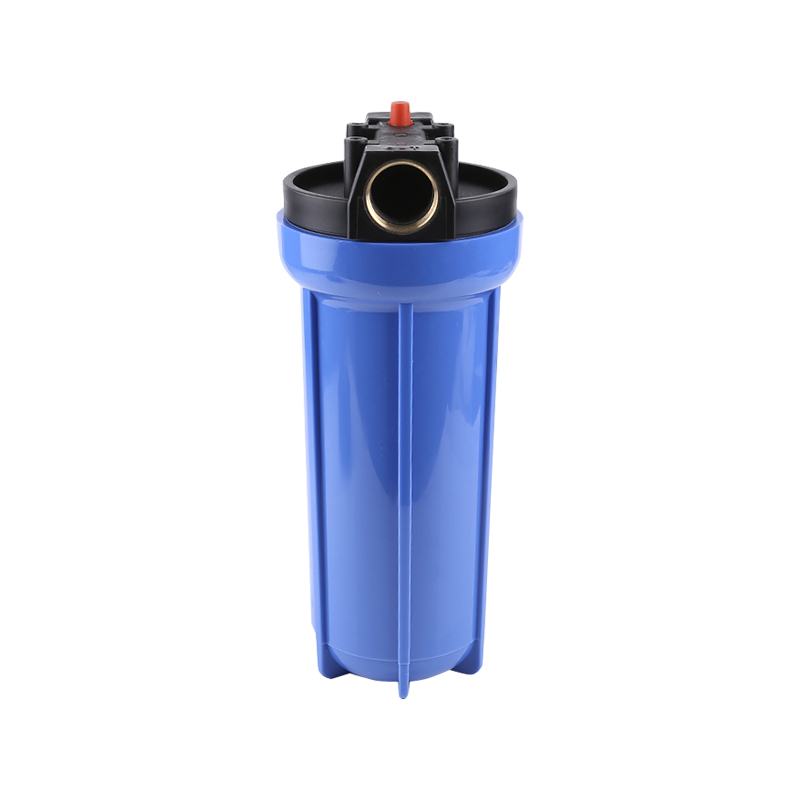
1. Single Water Filter(15BAR).2. 10" PET bottle+black cap, 3/4"brass thread.3. With 10" PP 70g filter cartridge.4. Color box packing.5. Components: wrench+plastic hanging board+screw.
See Details -
 >
>
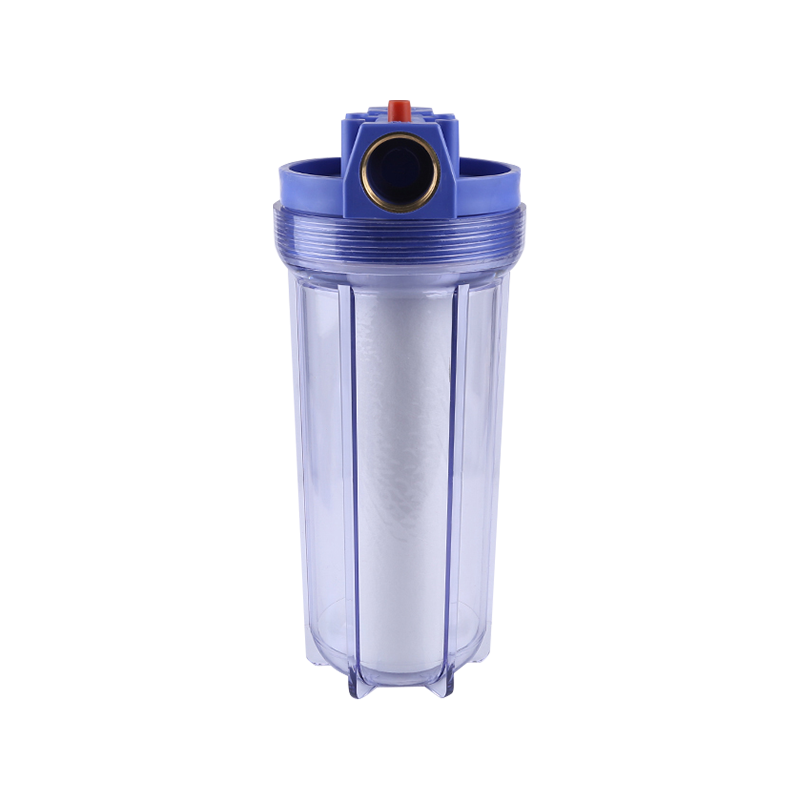
1. Single Water Filter(15BAR); 2. 10" PET bottle+blue cap,3/4"brass thread.3. With 10" PP 70g filtercartridge.4. Color box Packing. 5. Components: wrench+plastic hanging board+screw.
See Details -
 >
>
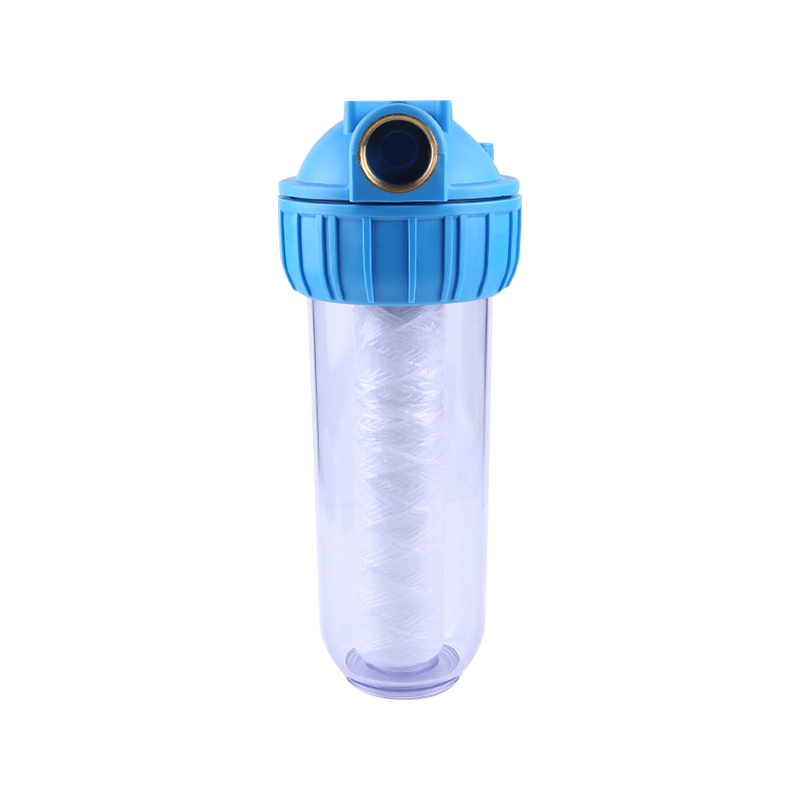
1. Single Water Filter(15BAR).2. 10" PET bottle+blue cap,3/4"brass thread.3. With 10" pp 70g cartridge. 4. Color box Packing. 5. Components: wrench+plastic hanging board+screw.
See Details -
 >
>
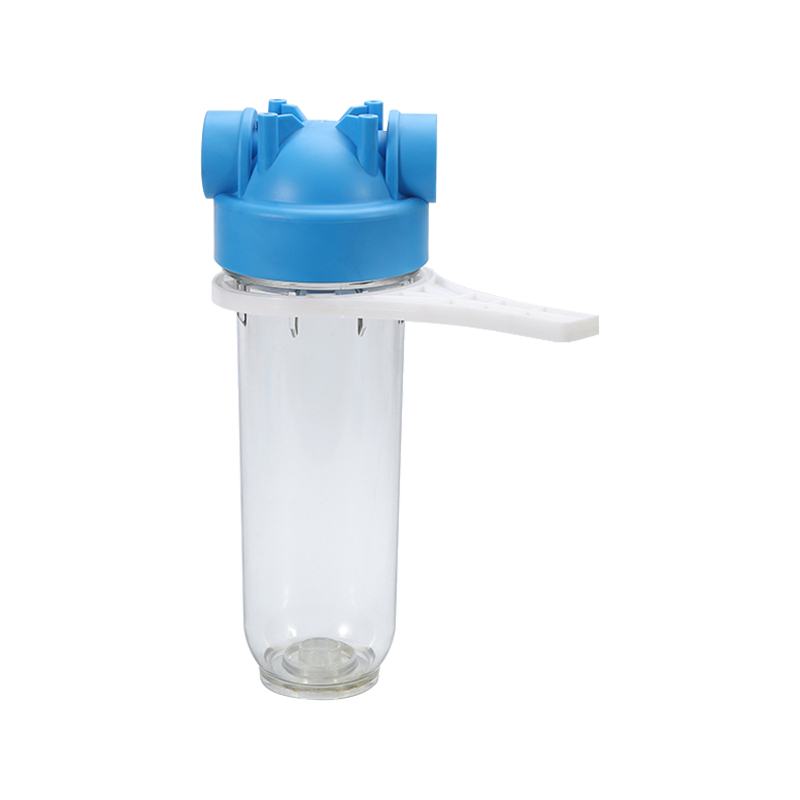
1. Single Water Filter(15BAR).2. 10" PET bottle+blue cap,3/4"brass thread.3. With 10" PP 70g filter cartridge.4. Color box Packing.5. Components: wrench+plastic hanging board+screw.
See Details -
 >
>
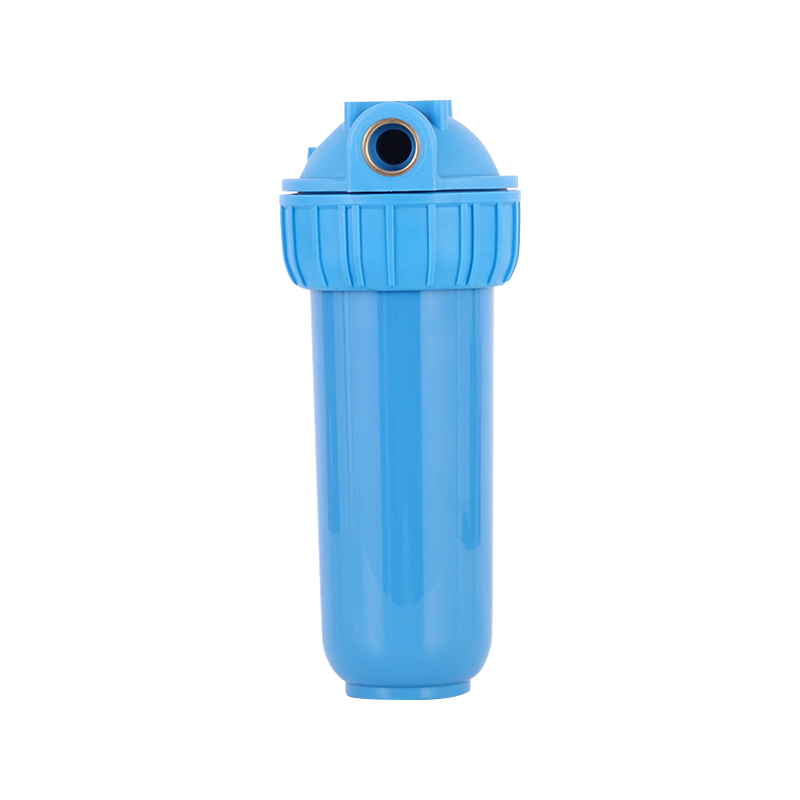
1. Single Water Filter(15BAR).2. 10" PET blue bottle+blue cap,3/4"brass thread.3. With 10" pp 70g cartridge. 4. Color box Packing. 5. Components: wrench+plastic hanging board.
See Details -
 >
>
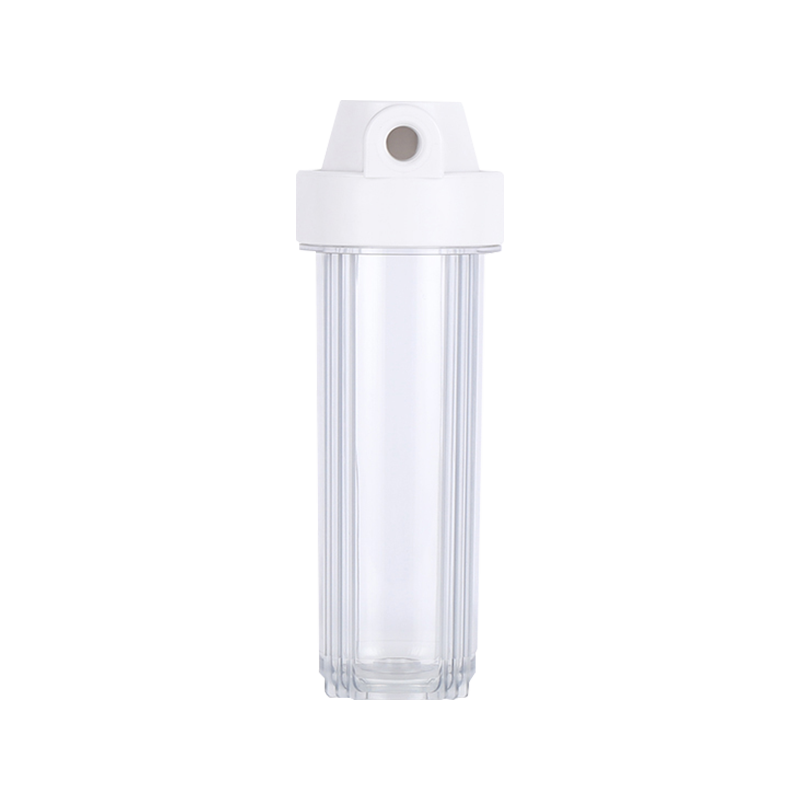
1. Single Water Filter(15BAR).2. 10" PET transparent bottle+white cap,1/4"brass thread.3. With 10" pp 70g cartridge. 4. Color box Packing.
See Details

If you are interested in our products, please consult us
Ningbo Yaorui Water Purification Technology Co., LTD. All Rights Reserved.
Wholesale Household Water Purifier Manufacturers
