 English
 русский
 Español
 عربى
عربى 中文简体
中文简体
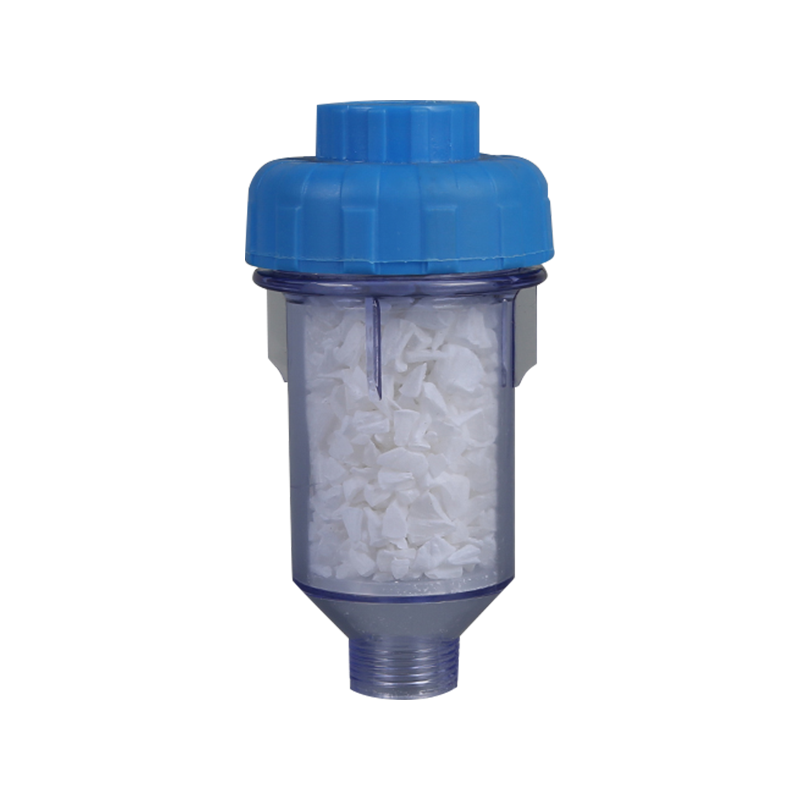 >
>The core highlight of this filter is its built-in silicone sheet filter layer. As a high-performance elastic material, silicone has high-temperature resistance, aging resistance, corrosion resistance,...
See Details [email protected]
 +86-18368206374
 No.99,Yuma Road,Mazhu Town,Yuyao City,Zhejiang Province,China.
Why Is It Important to Choose the Right Water Filter Cartridge for Your Home?
Industry News-Content
A water filter cartridge is a key component in any home water treatment system. Choosing the right cartridge is essential not only for ensuring safe drinking water but also for improving the quality of life and protecting your health. With growing concerns about water quality, selecting the correct filter cartridge has become more important than ever.
1. Ensures Effective Filtration
Your water supply may contain various harmful substances, such as chlorine, heavy metals, organic compounds, bacteria, and viruses. Different types of water filter cartridges are designed to remove specific contaminants. Some focus on removing chlorine and odors, while others target harmful substances like heavy metals, bacteria, and viruses. Choosing the wrong filter may lead to inadequate filtration, meaning harmful substances could still be present in your water, increasing health risks.
For example, some households may have water with higher levels of chlorine, which can affect both the taste and health of the water. Long-term exposure to chlorine can harm the liver and kidneys. In such cases, selecting a filter specifically designed to remove chlorine becomes essential. On the other hand, if your water contains significant levels of heavy metals like lead or mercury, a filter capable of removing these toxic substances can prevent these harmful chemicals from entering your body.
2. Protects Your Health
Water is an essential element in our daily lives, and it directly affects our health. Unfiltered water may contain bacteria, parasites, and chemicals that can enter our body through drinking, cooking, or washing, leading to various health issues. For example, drinking water with high levels of lead can cause developmental problems in children and lead to issues such as high blood pressure and kidney damage in adults. Chlorine and volatile organic compounds (VOCs) in unfiltered water can increase the risk of cancer.
A proper water filter cartridge not only removes common harmful substances but also improves water safety, effectively protecting the health of household members. Whether it’s removing bacteria and viruses or eliminating heavy metals and harmful chemicals, selecting the right filter is an important step in protecting your health.
3. Improves Taste and Odor
The taste and smell of water are essential for a pleasant drinking experience. If your home’s water has a strong odor or taste, it can negatively impact daily life. Many tap water sources contain high levels of chlorine, which creates an unpleasant chemical taste. Additionally, sediment and organic matter in the water can cause undesirable tastes.
The right water filter cartridge can effectively eliminate these tastes and odors, making the water fresher and more enjoyable. For drinking water, removing chlorine and bad odors not only improves taste but also purifies the water. For example, activated carbon filters are commonly used to effectively remove chlorine and organic compounds, significantly enhancing the taste and smell of water.
| Filter Type | Main Contaminants Removed | Best Suited For | Lifespan | Advantages | Disadvantages |
|---|---|---|---|---|---|
| Activated Carbon | Chlorine, VOCs, Odors | Improving taste, removing gases | 6-12 months | Improves taste and odor | Limited filtration, can’t remove heavy metals |
| Reverse Osmosis | Bacteria, viruses, heavy metals, minerals | Areas with high pollution | 12-18 months | Removes most contaminants, pure water | Higher installation and maintenance cost |
| UV Filter | Bacteria, viruses | Removing microbial contaminants | 12 months | Highly effective for disinfection | Cannot remove chemical contaminants |
| Ceramic Filter | Bacteria, sediment, tiny particles | Areas with high sediment content | 6-12 months | Physical filtration, durable | Slower filtration speed |
As shown in the table, different types of water filter cartridges target different pollutants. By understanding your home’s water quality, you can choose the most suitable filter to ensure the best water quality improvement.
4. Optimizes Filter Performance and Lifespan
Choosing the right water filter cartridge ensures not only effective filtration but also extends the lifespan of the filter. The material and design of different filter cartridges determine their longevity. For instance, activated carbon filters typically remove chlorine and organic compounds but need to be replaced more frequently, usually every 6 to 12 months. Reverse osmosis filters, on the other hand, have a longer lifespan, typically 12 to 18 months.
Choosing the correct filter helps prolong its use, preventing the need for frequent replacements and saving money. Additionally, a properly chosen filter can more effectively deal with the contaminants in your water, reducing wear and tear on the system and ensuring smooth operation.
5. Protects Plumbing and Appliances
Water filters are important not only for drinking water but also for protecting the plumbing and appliances in your home. Common minerals such as calcium and magnesium in water can lead to scale buildup, which can block pipes, damage appliances, and decrease their efficiency over time. Sediments and particles can also wear down pipes and appliances.
By choosing the right water filter cartridge, you can effectively remove these sediments, reducing scale formation and extending the life of pipes and appliances. Additionally, for household appliances like dishwashers and washing machines, purified water can improve their efficiency and reduce repair costs.
6. Addresses Local Water Quality Concerns
Water quality varies by location, and some areas may have higher levels of chlorine, fluoride, heavy metals, or other contaminants in their water supply. In such areas, selecting the appropriate water filter cartridge becomes especially important. By understanding the specific water quality issues in your area, you can choose a filter designed to address those particular problems.
For example, if you live in an area with high iron content in the water, selecting a filter that removes rust and sediments is essential. Similarly, if your water has high lead levels, choosing a reverse osmosis filter can effectively remove these harmful substances.
FAQ
Q1: Can a water filter cartridge remove all contaminants?
No, a water filter cartridge can only remove specific contaminants. You should choose a filter based on your water’s specific issues. For example, activated carbon filters remove chlorine and organic compounds, while reverse osmosis filters remove a wider range of contaminants.
Q2: What are the disadvantages of reverse osmosis filters?
Although reverse osmosis filters can remove a wide range of contaminants, they also filter out minerals from the water, which may affect its mineral balance. Additionally, reverse osmosis systems tend to be more expensive to install and maintain.
Q3: How often should I replace my water filter cartridge?
The replacement frequency depends on the type of filter. Activated carbon filters generally need to be replaced every 6 to 12 months, while reverse osmosis filters typically need replacement every 12 to 18 months. Refer to the brand’s recommendations for more specific guidance.
Relevant References:
- “Water Quality and Health: Review of Water Filtration Methods,” Environmental Health Perspectives, 2020.
- “Effectiveness of Household Water Filtration Systems,” Journal of Water and Health, 2021.
- “Impact of Contaminants in Drinking Water on Health,” The Lancet Public Health, 2019.
Related products
-
 >
>
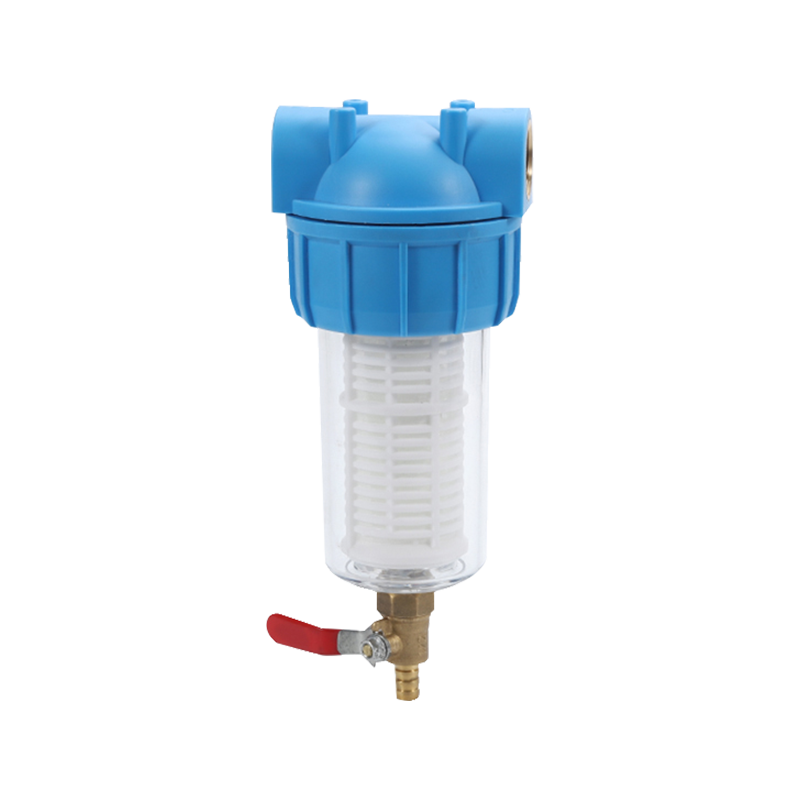
RH-06J5BSingle Water Filter with copper recoil valve is characterized by its efficient filtration system, which can effectively remove impurities, suspended matter, residual chlorine, odor and some ha...
See Details -
 >
>
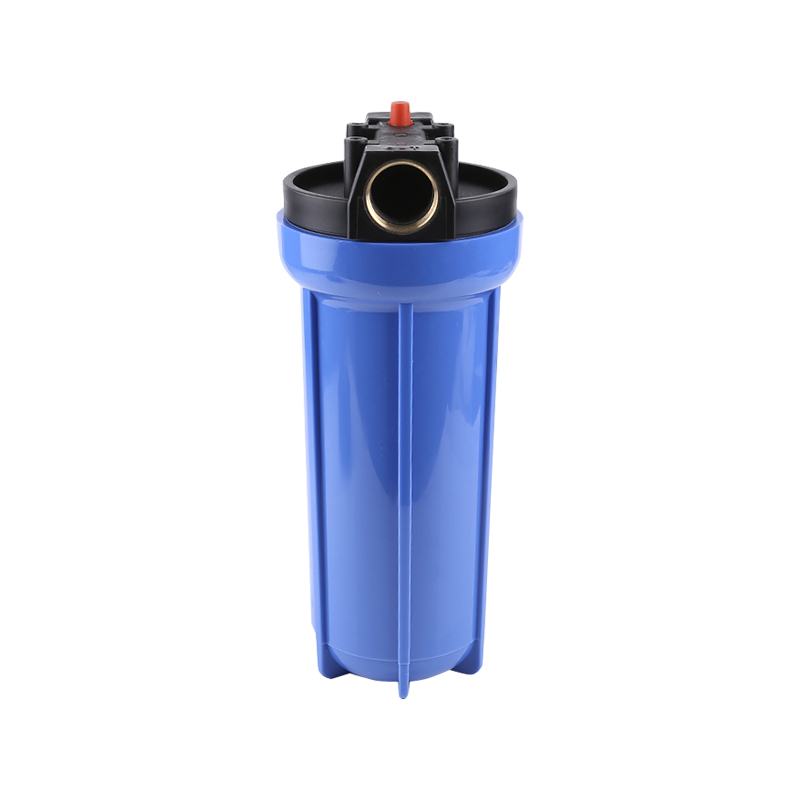
1. Single Water Filter(15BAR).2. 10" PET bottle+black cap, 3/4"brass thread.3. With 10" PP 70g filter cartridge.4. Color box packing.5. Components: wrench+plastic hanging board+screw.
See Details -
 >
>
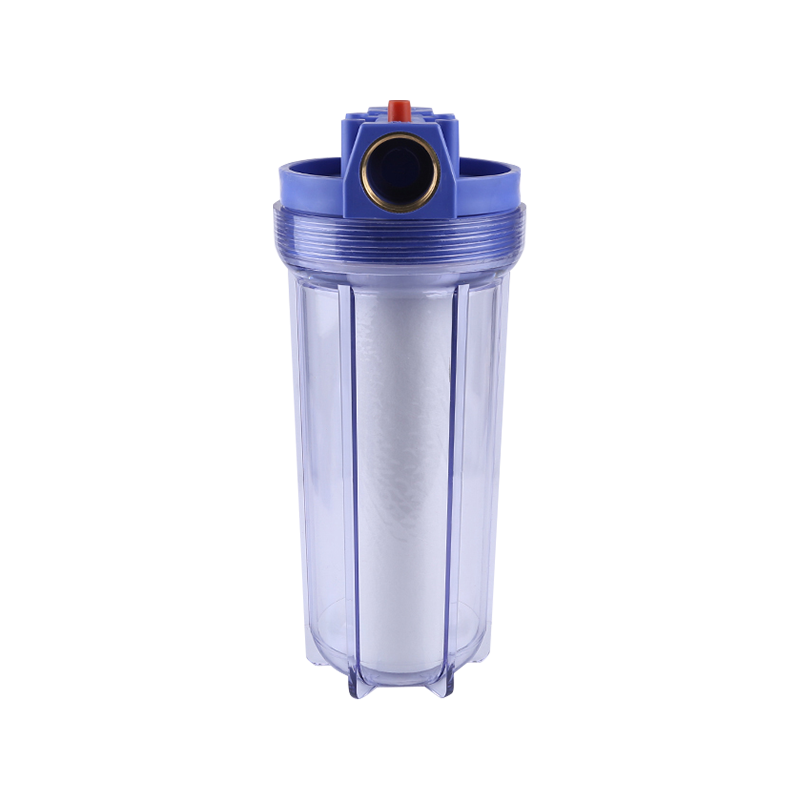
1. Single Water Filter(15BAR); 2. 10" PET bottle+blue cap,3/4"brass thread.3. With 10" PP 70g filtercartridge.4. Color box Packing. 5. Components: wrench+plastic hanging board+screw.
See Details -
 >
>
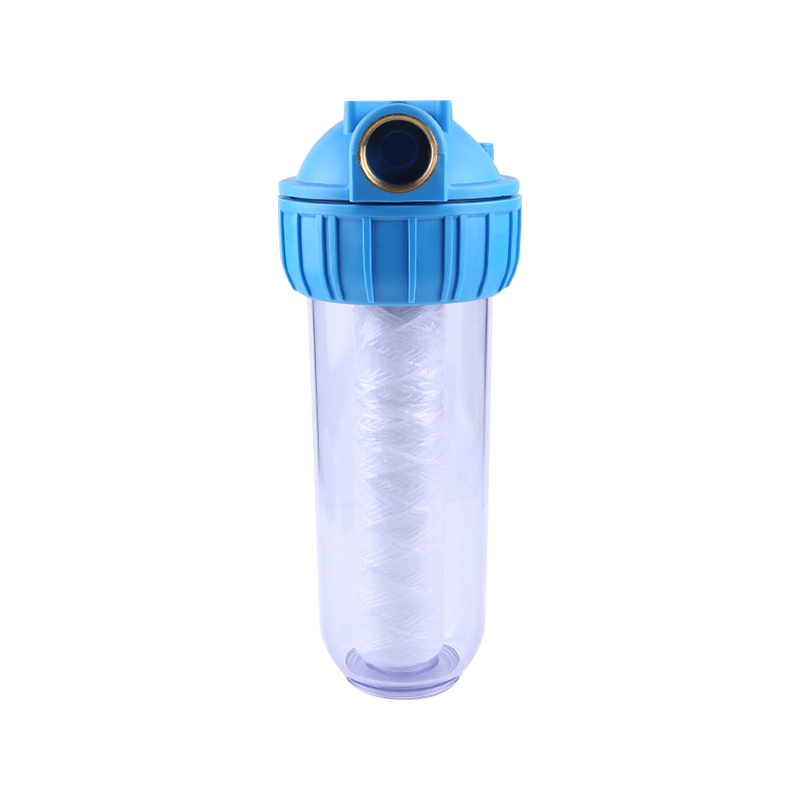
1. Single Water Filter(15BAR).2. 10" PET bottle+blue cap,3/4"brass thread.3. With 10" pp 70g cartridge. 4. Color box Packing. 5. Components: wrench+plastic hanging board+screw.
See Details -
 >
>
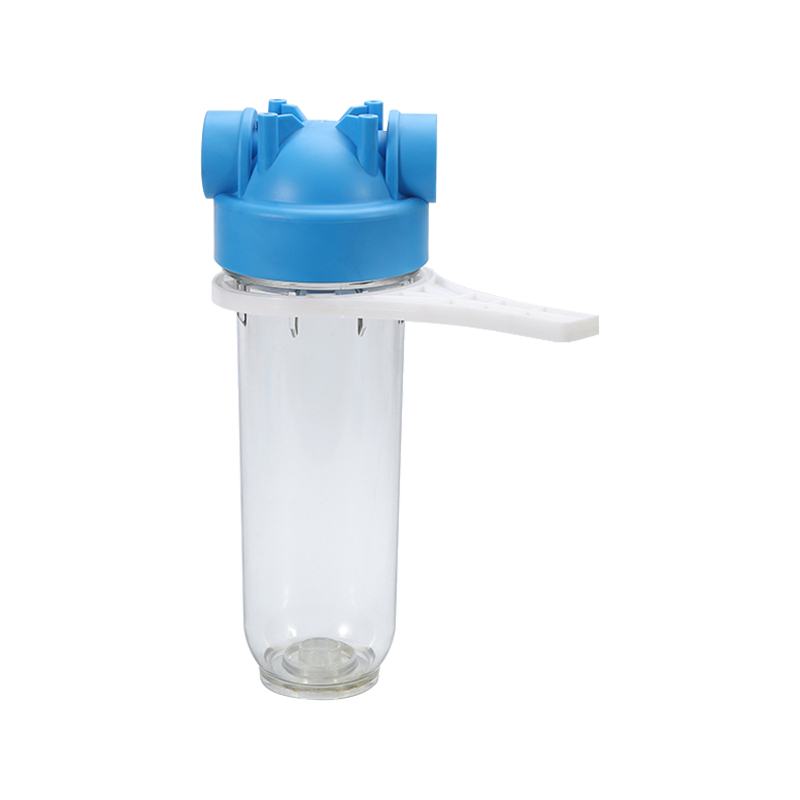
1. Single Water Filter(15BAR).2. 10" PET bottle+blue cap,3/4"brass thread.3. With 10" PP 70g filter cartridge.4. Color box Packing.5. Components: wrench+plastic hanging board+screw.
See Details -
 >
>
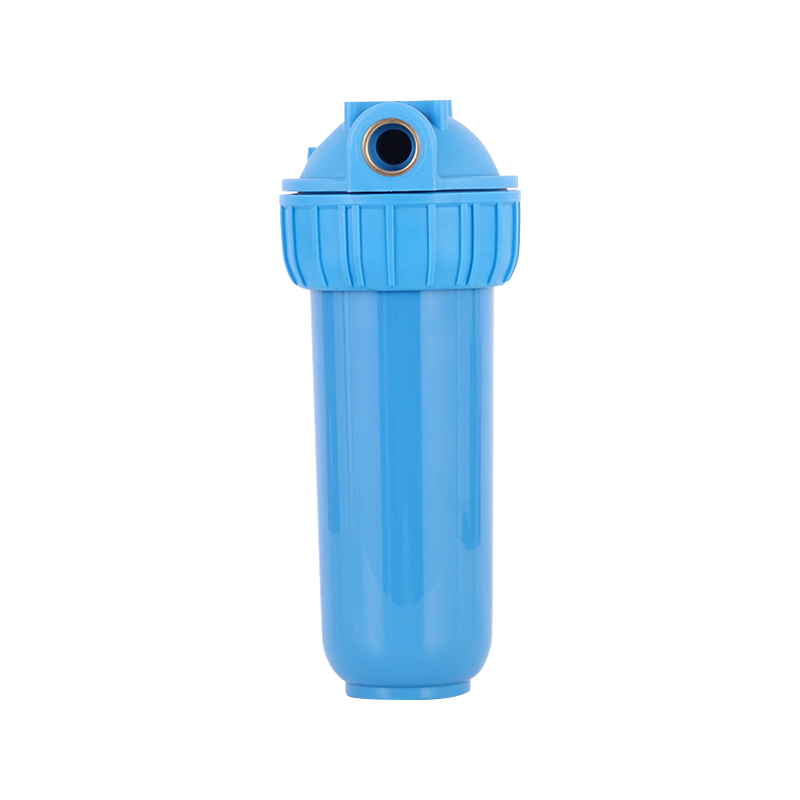
1. Single Water Filter(15BAR).2. 10" PET blue bottle+blue cap,3/4"brass thread.3. With 10" pp 70g cartridge. 4. Color box Packing. 5. Components: wrench+plastic hanging board.
See Details -
 >
>
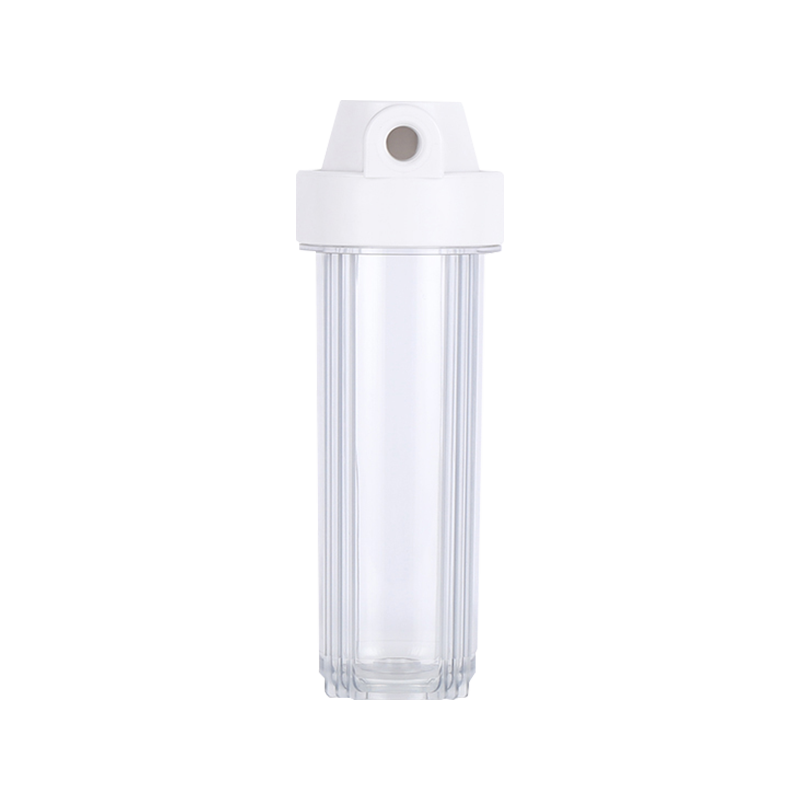
1. Single Water Filter(15BAR).2. 10" PET transparent bottle+white cap,1/4"brass thread.3. With 10" pp 70g cartridge. 4. Color box Packing.
See Details

If you are interested in our products, please consult us
Ningbo Yaorui Water Purification Technology Co., LTD. All Rights Reserved.
Wholesale Household Water Purifier Manufacturers
