 English
 русский
 Español
 عربى
عربى 中文简体
中文简体
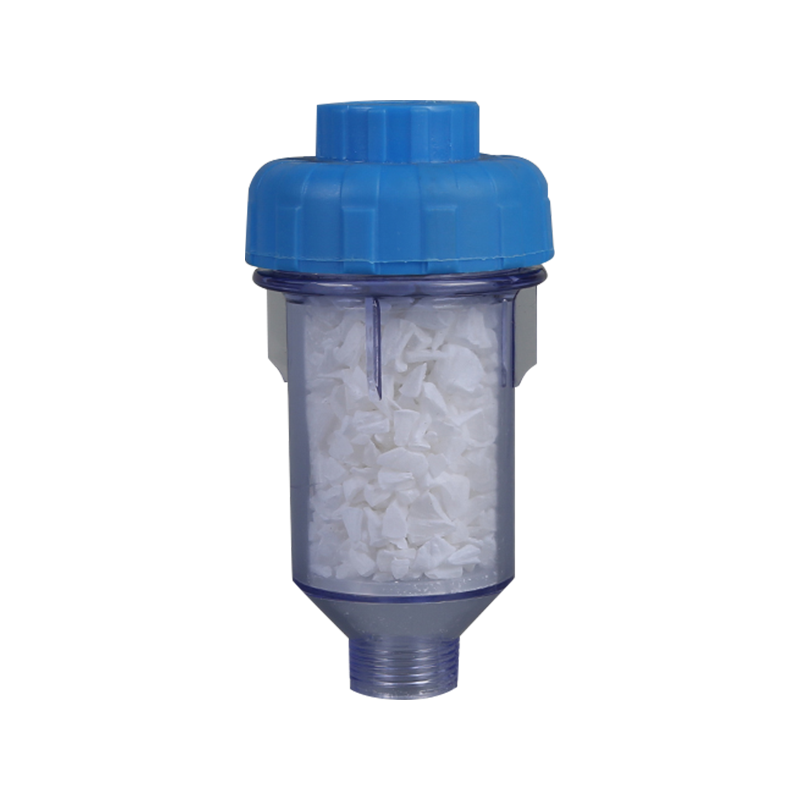 >
>The core highlight of this filter is its built-in silicone sheet filter layer. As a high-performance elastic material, silicone has high-temperature resistance, aging resistance, corrosion resistance,...
See Details [email protected]
 +86-18368206374
 No.99,Yuma Road,Mazhu Town,Yuyao City,Zhejiang Province,China.
What Are the Key Benefits of a Single Stage Water Filter Compared to Multi-Stage Filters?
Industry News-Content
Introduction
Access to clean and safe drinking water is essential for every household. While multi-stage water filtration systems have gained popularity for their advanced purification capabilities, single stage water filters remain a practical and cost-effective choice for many homes. These filters are designed to remove common contaminants such as sediment, chlorine, and unpleasant odors, providing safe and great-tasting water with minimal complexity.
Single stage filters use a single filtration medium, typically activated carbon or ceramic, to purify water in one step. This simplicity not only reduces maintenance requirements but also lowers the cost compared to multi-stage systems. For homeowners who need basic water treatment or want a convenient, space-saving solution, single stage water filters are often the ideal choice. Understanding the benefits of these filters compared to multi-stage systems can help you make an informed decision for your household water needs.
How Single Stage Water Filters Work
A single stage water filter functions by allowing water to pass through a single filtration cartridge that traps impurities or adsorbs chemicals. Activated carbon is one of the most commonly used mediums due to its ability to remove chlorine, sediment, volatile organic compounds (VOCs), and unpleasant odors. Some filters also use ceramic or polypropylene elements for additional sediment removal.
The design is straightforward: water flows through the cartridge, contaminants are trapped, and clean water exits on the other side. Unlike multi-stage systems, which rely on several cartridges with different filtration purposes, single stage filters handle all the cleaning in one pass. This simplicity makes installation and maintenance easy, with minimal risk of errors or misalignment. Single stage filters are often faucet-mounted, countertop, or under-sink units, offering flexibility for different household setups.
Key Benefits of Single Stage Water Filters
1. Cost-Effectiveness
A major advantage of single stage water filters is their affordability. They typically cost less upfront than multi-stage systems and require only one cartridge for replacement. This reduces long-term maintenance costs, making them suitable for budget-conscious households or renters who may not want to invest in expensive filtration setups.
Despite being more affordable, single stage filters are still effective at removing the most common contaminants, such as chlorine, sediment, and bad odors. For many households, this level of filtration meets daily drinking water needs without the additional expense of multi-stage systems.
2. Ease of Installation and Maintenance
Single stage water filters are extremely user-friendly. Most models can be installed without professional assistance and require only basic plumbing knowledge. Maintenance is straightforward, typically involving a simple cartridge replacement every few months, depending on water usage and quality.
Multi-stage filters, by contrast, often require replacing several cartridges at different intervals, increasing the complexity and potential for errors. Single stage systems simplify maintenance schedules and make it easier to ensure consistent water quality over time, reducing stress for homeowners.
3. Compact Design and Space-Saving
Another benefit is the compact design of single stage water filters. They are lightweight, small, and can easily fit in apartments, small kitchens, or tight spaces where multi-stage systems might not be practical. Their portability allows them to be installed under sinks, on countertops, or even in temporary setups, making them a flexible choice for a variety of household environments.
Single Stage vs Multi-Stage Water Filters
| Feature | Single Stage Water Filter | Multi-Stage Water Filter |
|---|---|---|
| Cost | Low initial and maintenance costs | Higher initial and maintenance costs |
| Installation Ease | Simple, DIY-friendly | Complex, may require professional installation |
| Maintenance | Single cartridge replacement | Multiple cartridges with staggered replacements |
| Space Requirement | Compact, space-saving | Larger footprint, requires more space |
| Filtration Scope | Basic impurities (sediment, chlorine, taste) | Comprehensive filtration (sediment, chlorine, heavy metals, VOCs) |
| Ideal Use | Moderate water quality households | Highly contaminated water or specialized needs |
| Lifespan | Moderate, depending on cartridge | Longer life but higher upkeep |
Adequate Filtration for Everyday Needs
While multi-stage filters are designed for extreme water purification, single stage water filters provide sufficient protection for everyday household use. They effectively remove common contaminants such as chlorine, sediment, and unpleasant odors, improving the taste and safety of tap water.
Single stage filters are particularly suitable for households with municipal water sources that are already treated but may have residual chemicals or particulates. For families, apartments, or small offices, these filters strike a balance between cost, convenience, and performance. They also require less space and maintenance, allowing users to enjoy clean water without the complexity of multi-stage systems.
Tips for Choosing the Right Single Stage Water Filter
- Assess water quality: Test your water for chlorine, sediment, and other common contaminants to determine if a single stage filter is sufficient.
- Check cartridge lifespan: Select a filter that lasts 3–6 months for convenience and cost-efficiency.
- Look for certifications: NSF/ANSI certifications ensure the filter meets safety and performance standards.
- Consider installation type: Options include countertop, under-sink, or faucet-mounted filters, depending on space and convenience.
- Evaluate water flow rate: Ensure the filter delivers sufficient flow for daily household needs without reducing pressure.
FAQ
Q1: Can single stage water filters remove heavy metals?
A1: Most single stage filters are designed to remove chlorine, sediment, taste, and odor. For heavy metals or specialized contaminants, multi-stage filters may be more appropriate.
Q2: How often should the cartridge be replaced?
A2: Typically every 3–6 months, depending on water usage and quality. Always follow the manufacturer’s guidelines.
Q3: Are single stage filters suitable for small kitchens or apartments?
A3: Yes, their compact design makes them ideal for small spaces and easy installation.
Q4: Do single stage filters improve water taste?
A4: Yes, they effectively reduce chlorine and odors, enhancing the flavor of tap water.
Q5: Can I install a single stage water filter myself?
A5: Most single stage filters are DIY-friendly and do not require professional installation.
References
- NSF International. Drinking Water Treatment Units: Certifications and Standards.
- Water Quality Association. Single Stage vs Multi-Stage Filtration Systems.
- Consumer Reports. Best Water Filters for Home Use.
- Home Water Works. Choosing the Right Household Water Filter.
Related products
-
 >
>
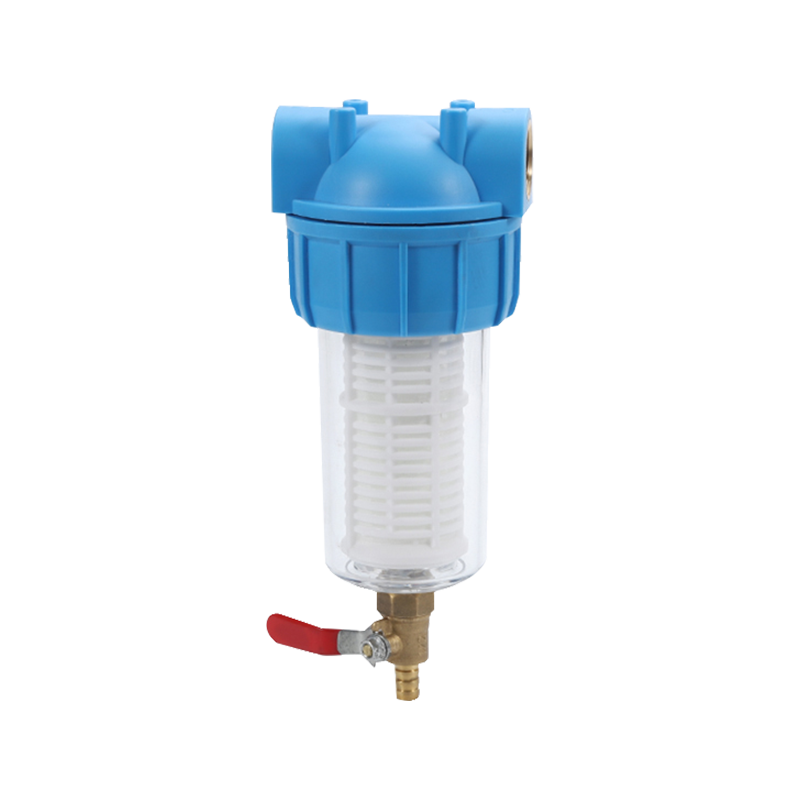
RH-06J5BSingle Water Filter with copper recoil valve is characterized by its efficient filtration system, which can effectively remove impurities, suspended matter, residual chlorine, odor and some ha...
See Details -
 >
>
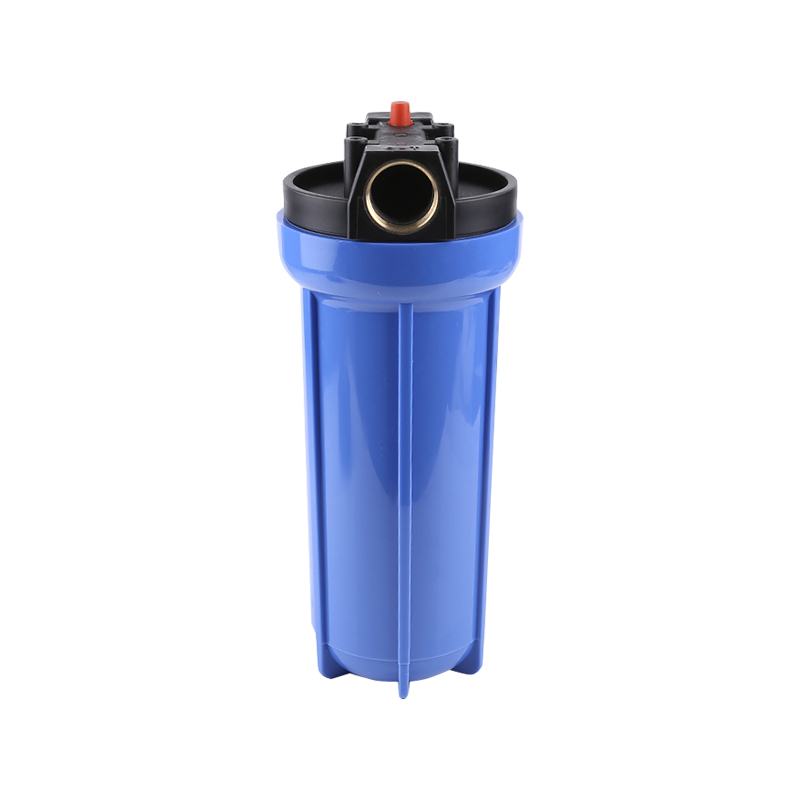
1. Single Water Filter(15BAR).2. 10" PET bottle+black cap, 3/4"brass thread.3. With 10" PP 70g filter cartridge.4. Color box packing.5. Components: wrench+plastic hanging board+screw.
See Details -
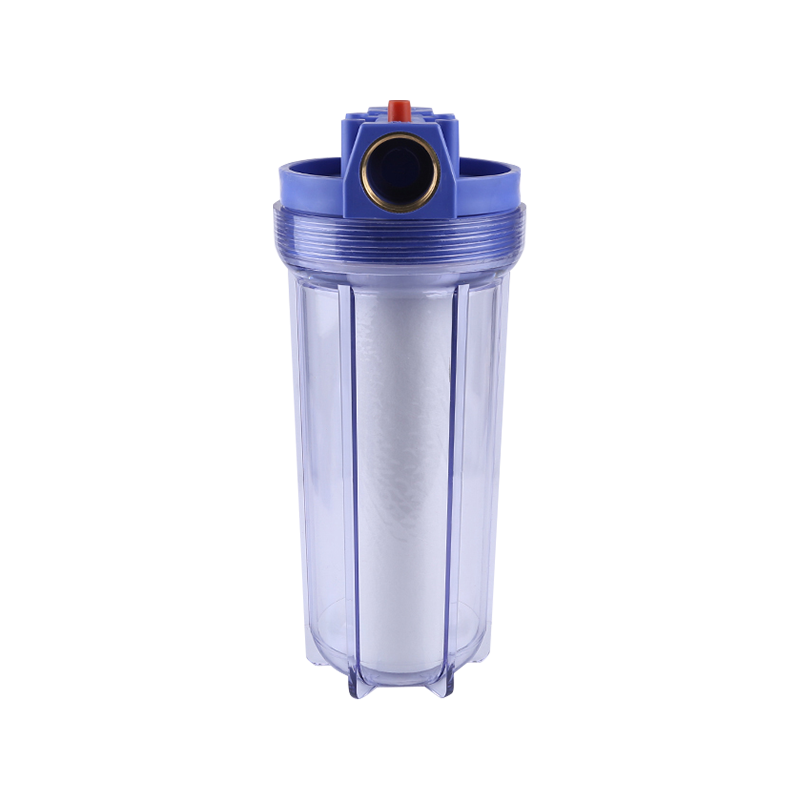 >
>
1. Single Water Filter(15BAR); 2. 10" PET bottle+blue cap,3/4"brass thread.3. With 10" PP 70g filtercartridge.4. Color box Packing. 5. Components: wrench+plastic hanging board+screw.
See Details -
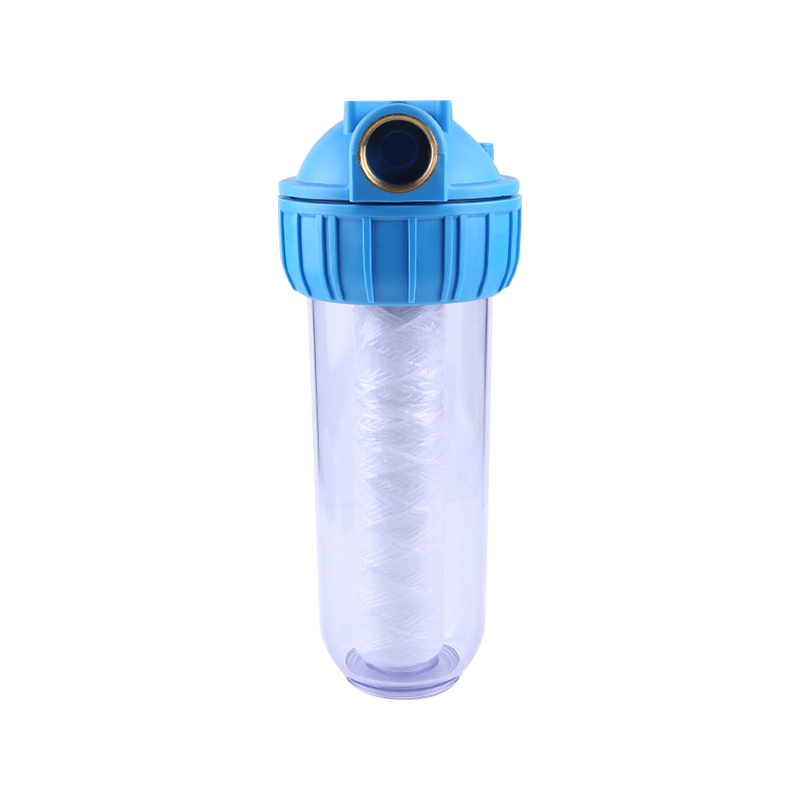 >
>
1. Single Water Filter(15BAR).2. 10" PET bottle+blue cap,3/4"brass thread.3. With 10" pp 70g cartridge. 4. Color box Packing. 5. Components: wrench+plastic hanging board+screw.
See Details -
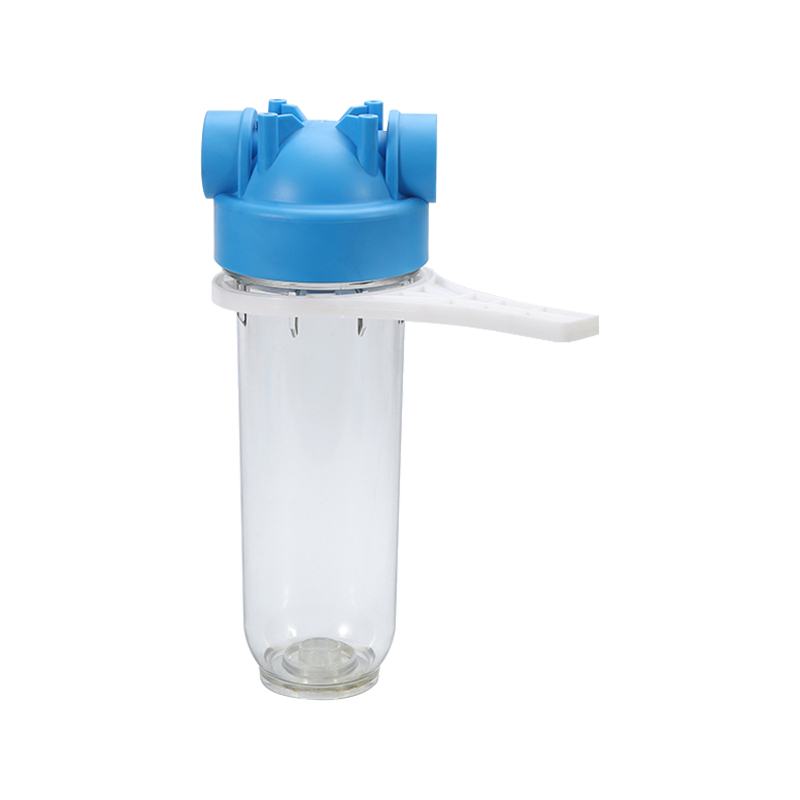 >
>
1. Single Water Filter(15BAR).2. 10" PET bottle+blue cap,3/4"brass thread.3. With 10" PP 70g filter cartridge.4. Color box Packing.5. Components: wrench+plastic hanging board+screw.
See Details -
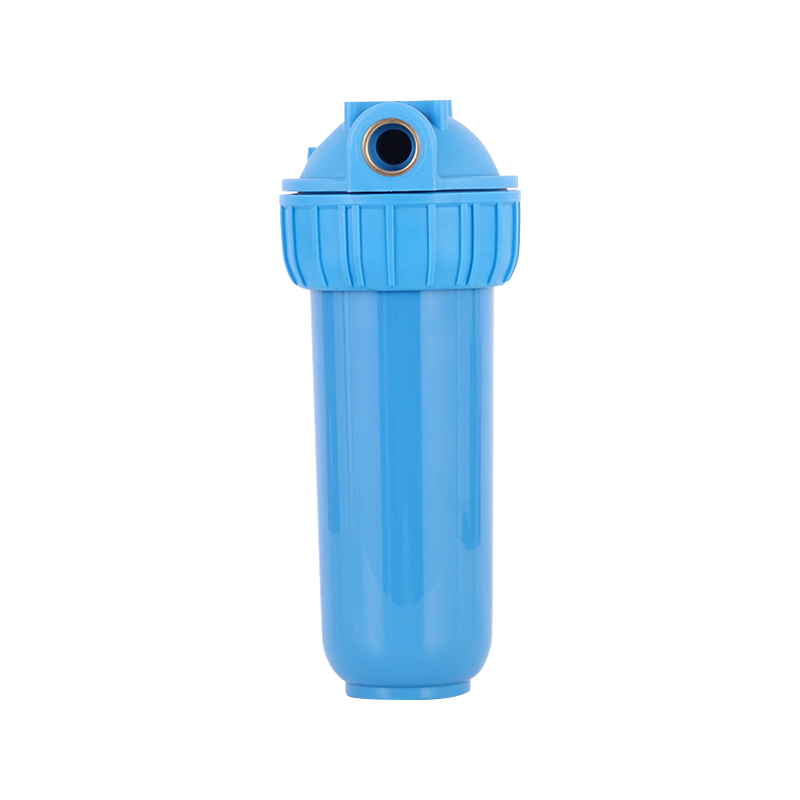 >
>
1. Single Water Filter(15BAR).2. 10" PET blue bottle+blue cap,3/4"brass thread.3. With 10" pp 70g cartridge. 4. Color box Packing. 5. Components: wrench+plastic hanging board.
See Details -
 >
>
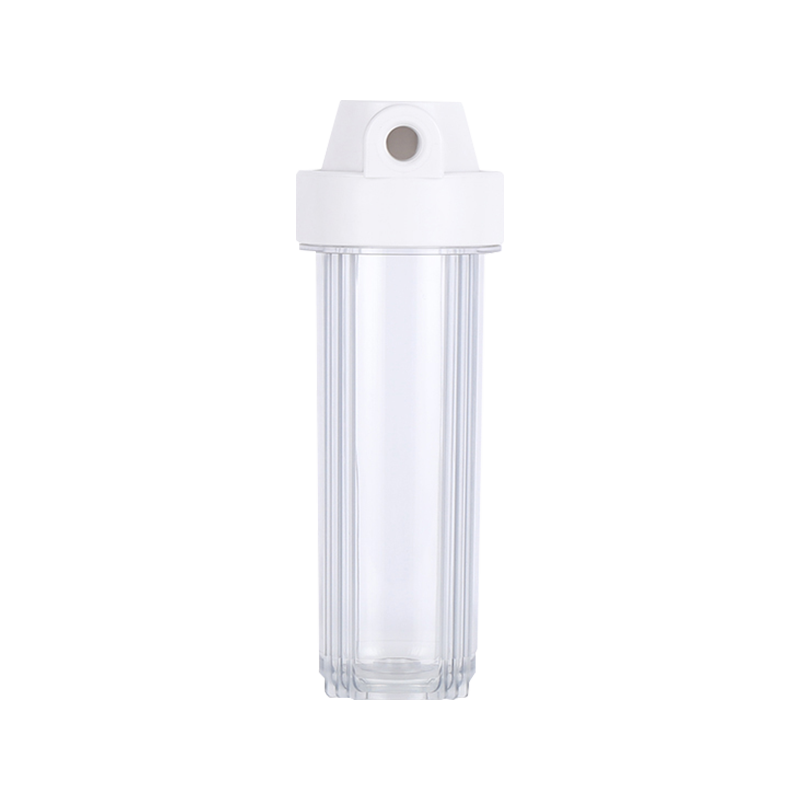
1. Single Water Filter(15BAR).2. 10" PET transparent bottle+white cap,1/4"brass thread.3. With 10" pp 70g cartridge. 4. Color box Packing.
See Details

If you are interested in our products, please consult us
Ningbo Yaorui Water Purification Technology Co., LTD. All Rights Reserved.
Wholesale Household Water Purifier Manufacturers
