 English
 русский
 Español
 عربى
عربى 中文简体
中文简体
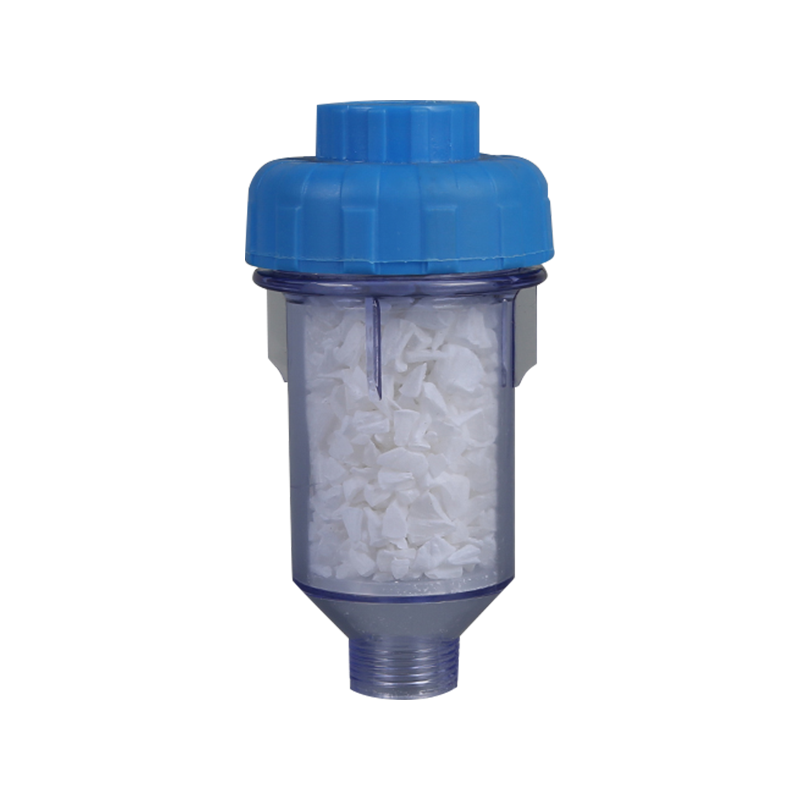 >
>The core highlight of this filter is its built-in silicone sheet filter layer. As a high-performance elastic material, silicone has high-temperature resistance, aging resistance, corrosion resistance,...
See Details [email protected]
 +86-18368206374
 No.99,Yuma Road,Mazhu Town,Yuyao City,Zhejiang Province,China.
How Often Should You Replace the Filters in a Three Stage Water Filter System?
Industry News-Content
Maintaining a three-stage water filter system requires understanding when to replace the filters to ensure your system works efficiently and your water remains clean and safe. The three-stage filtration process typically includes a sediment filter, carbon filter, and sometimes a reverse osmosis (RO) filter or another specialized filter. Each filter has a different lifespan depending on its function, the quality of your water, and your usage patterns.
1. Sediment Filter
- Replacement Interval: Every 3 to 6 months
Function:
The sediment filter is the first line of defense in your water filtration system. It removes large particles, such as sand, silt, dirt, and rust, that can clog the other filters in the system and affect water flow. It essentially prevents debris from contaminating the more sensitive carbon or RO filters.
Why You Need to Replace It:
Over time, the sediment filter will fill up with debris, reducing its ability to trap additional particles. This will eventually cause a decrease in water pressure and flow, making the system less efficient.
Signs You Need to Replace It:
- Reduced water pressure: If you notice your water pressure decreasing, it could be because the sediment filter is clogged and needs replacing.
- Cloudy or discolored water: If the filter is no longer effectively trapping dirt, you may see visible particles in your water.
- Visible dirt or buildup: You can inspect the filter for visible dirt buildup. If it looks saturated with particles, it’s time for a change.
2. Carbon Filter
- Replacement Interval: Every 6 to 12 months
Function:
The carbon filter is designed to remove chlorine, volatile organic compounds (VOCs), pesticides, herbicides, and other chemicals that can negatively affect the taste and odor of your water. This filter improves water quality by neutralizing unpleasant smells and harmful chemicals, making the water taste better.
Why You Need to Replace It:
Carbon filters work through adsorption, where impurities bind to the carbon’s surface. Over time, the carbon becomes saturated with contaminants, reducing its effectiveness. If not replaced, your water may start to taste or smell unpleasant again.
Signs You Need to Replace It:
- Bad taste or odor: If you notice a chlorine or musty smell in your water, it might indicate that the carbon filter is no longer working properly.
- Declining filtration performance: If the filter is no longer removing contaminants as effectively, it’s time to replace it. This can result in noticeable changes in the water’s taste, odor, or clarity.
- Excessive usage: In areas with high levels of chlorine or other chemicals in the water, the carbon filter will need replacement more frequently.
3. Reverse Osmosis (RO) or Specialized Filter
- Replacement Interval: Every 12 to 24 months
Function:
The RO filter is the most advanced filtration stage and typically comes after the carbon filter. It uses a semi-permeable membrane to remove smaller contaminants such as lead, arsenic, fluoride, bacteria, and viruses. Some systems may include a specialized filter for specific contaminants like heavy metals or bacteria.
Why You Need to Replace It:
Over time, the RO membrane can become clogged with contaminants, reducing its ability to filter out harmful substances. Regular replacement ensures the continued removal of dangerous toxins and pathogens from your water.
Signs You Need to Replace It:
- Poor water quality: If your water is still contaminated with chemicals or heavy metals after passing through the RO filter, it’s likely that the membrane is no longer functioning properly.
- Slow water production: If the flow of water from your RO system has slowed down considerably, it could be a sign that the membrane is clogged or damaged.
- Excessive TDS levels: Total Dissolved Solids (TDS) are a measure of the amount of dissolved contaminants in your water. If TDS levels rise, it could mean the RO filter is no longer removing contaminants efficiently.
4. Factors Affecting Filter Life
There are several factors that affect how often you should replace the filters in your three-stage water filtration system. These include:
| Factor | Impact on Filter Life |
|---|---|
| Water Quality | Poor water quality with high levels of contaminants will cause filters to wear out faster. |
| Water Usage | Larger households or high water consumption will require more frequent filter changes. |
| Manufacturer Guidelines | Always follow the recommended filter replacement schedule provided by the manufacturer. |
- Water Quality: If your home receives water with high levels of sediment, chlorine, or other contaminants, the filters will become saturated more quickly. In such cases, it’s wise to check your filters more frequently.
- Water Usage: If your household uses a lot of water, your filters will need to be replaced more often. Larger families or areas with high water consumption should plan for more frequent maintenance.
- Manufacturer Guidelines: Different water filter brands have different filter designs and lifespans. Always check the manufacturer’s recommendations to get the most accurate schedule for replacement.
5. Additional Maintenance Tips
Even though it’s essential to replace filters regularly, here are some other maintenance tips that can help keep your system running smoothly:
-
Regular Inspections: Every few months, inspect your filters to check for visible damage, clogging, or contamination. Even if they’re not due for replacement, catching a potential issue early can help prevent bigger problems.
-
Flush the System: Some systems require you to flush the filters periodically. This process helps remove any buildup of debris or contaminants that may accumulate in the filters over time.
-
Keep an Eye on Water Pressure: A sudden drop in water pressure is often a sign that the filters are clogged. This could be caused by the sediment filter or carbon filter, which may need replacing sooner than expected.
Related products
-
 >
>
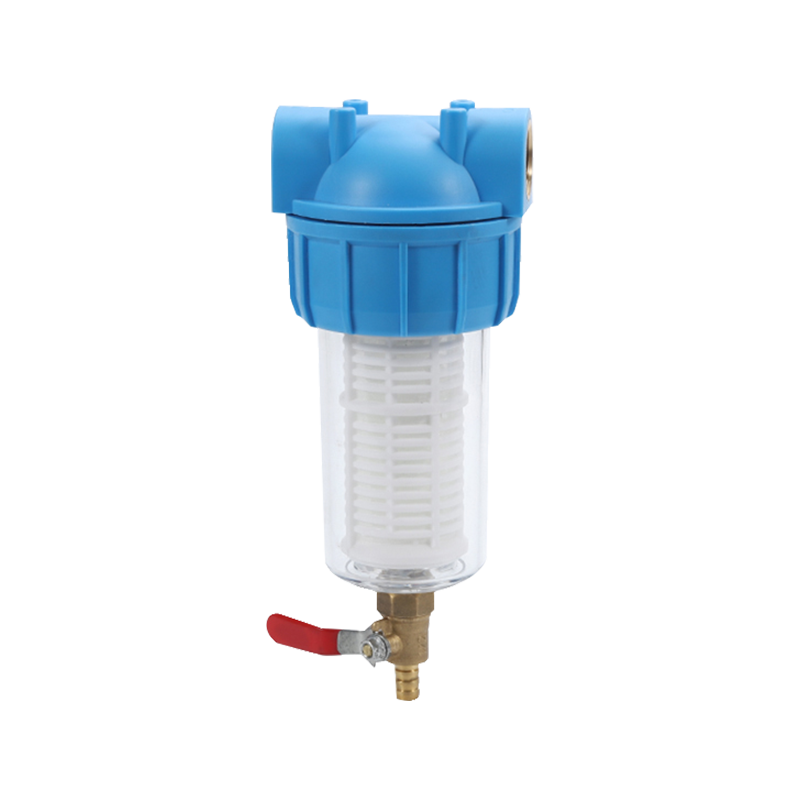
RH-06J5BSingle Water Filter with copper recoil valve is characterized by its efficient filtration system, which can effectively remove impurities, suspended matter, residual chlorine, odor and some ha...
See Details -
 >
>
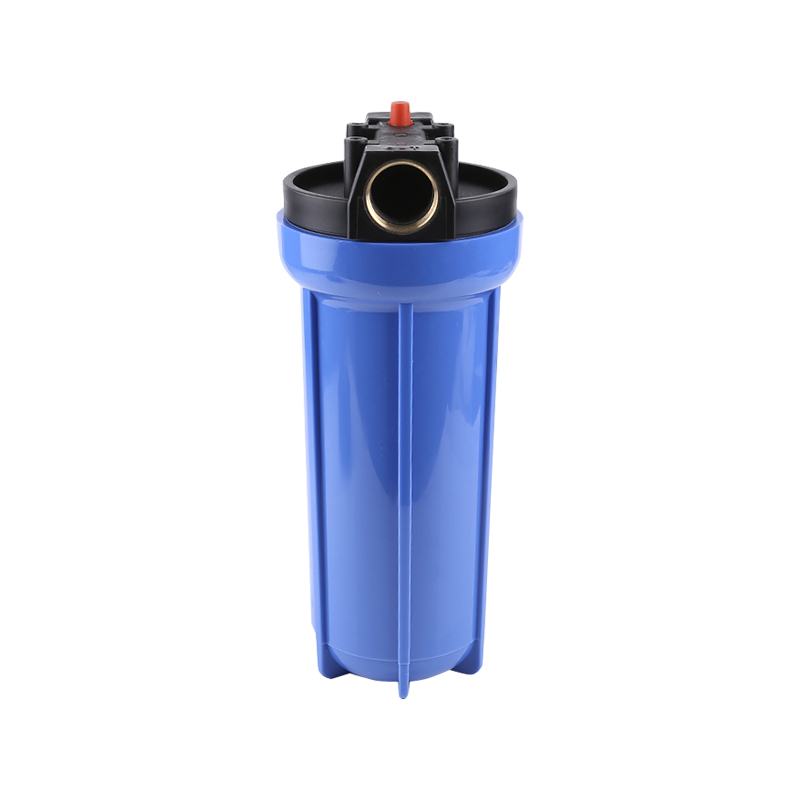
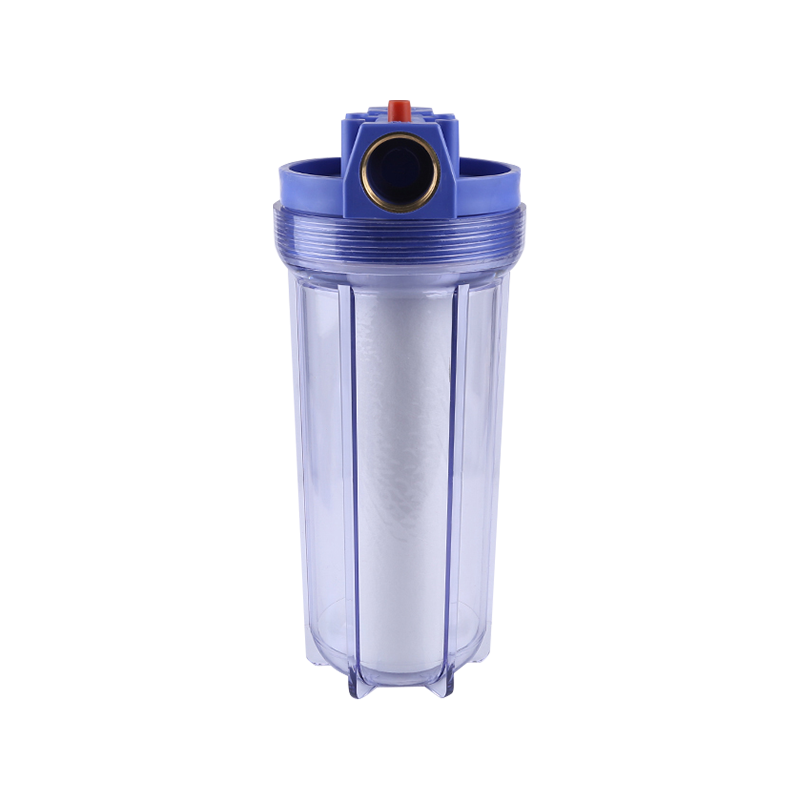
1. Single Water Filter(15BAR).2. 10" PET bottle+black cap, 3/4"brass thread.3. With 10" PP 70g filter cartridge.4. Color box packing.5. Components: wrench+plastic hanging board+screw.
See Details -
 >
>
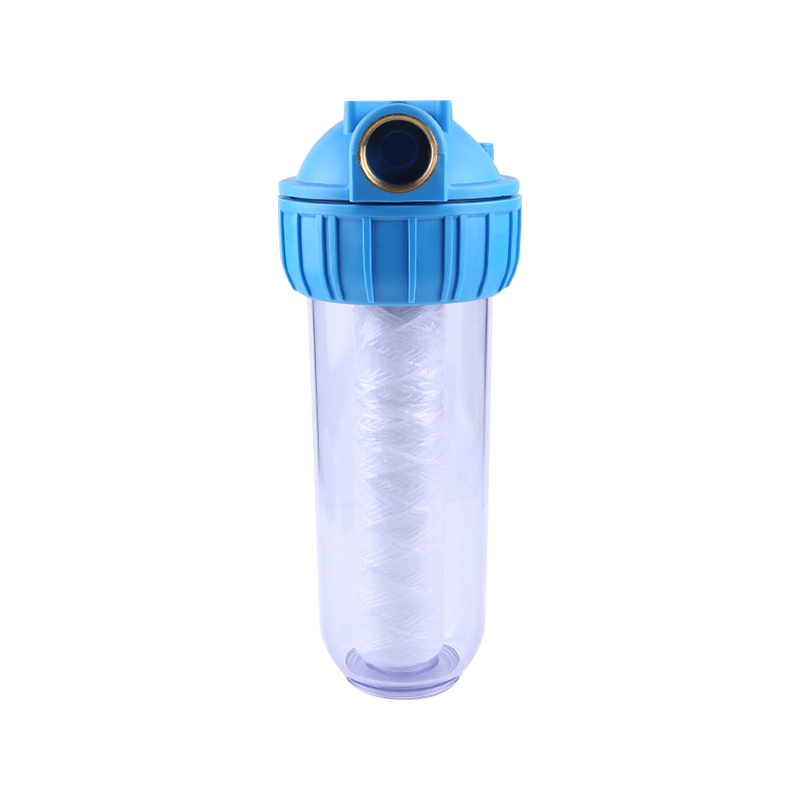
1. Single Water Filter(15BAR); 2. 10" PET bottle+blue cap,3/4"brass thread.3. With 10" PP 70g filtercartridge.4. Color box Packing. 5. Components: wrench+plastic hanging board+screw.
See Details -
 >
>
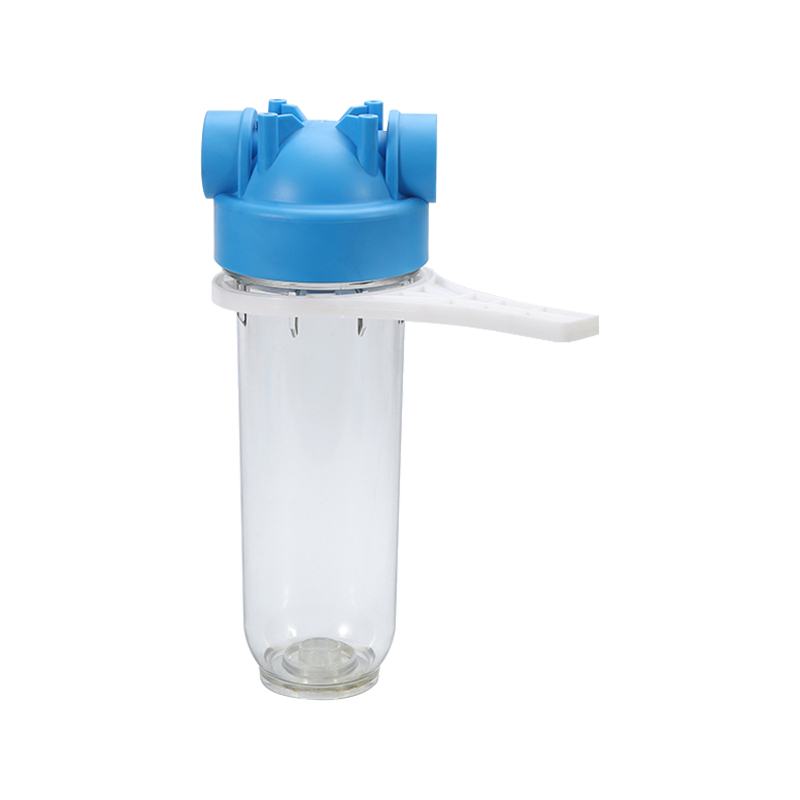
1. Single Water Filter(15BAR).2. 10" PET bottle+blue cap,3/4"brass thread.3. With 10" pp 70g cartridge. 4. Color box Packing. 5. Components: wrench+plastic hanging board+screw.
See Details -
 >
>
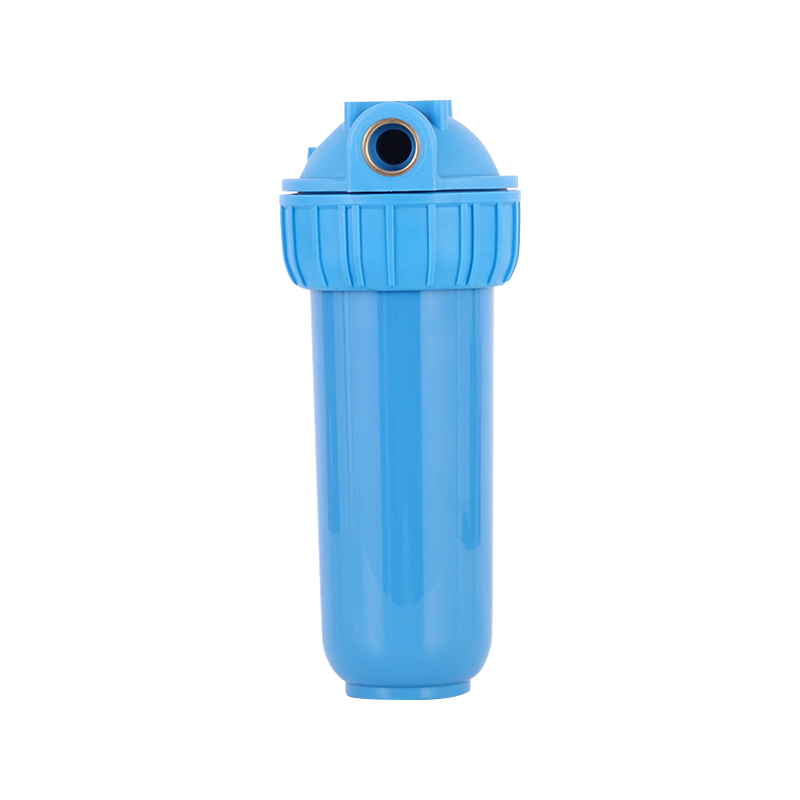
1. Single Water Filter(15BAR).2. 10" PET bottle+blue cap,3/4"brass thread.3. With 10" PP 70g filter cartridge.4. Color box Packing.5. Components: wrench+plastic hanging board+screw.
See Details -
 >
>
1. Single Water Filter(15BAR).2. 10" PET blue bottle+blue cap,3/4"brass thread.3. With 10" pp 70g cartridge. 4. Color box Packing. 5. Components: wrench+plastic hanging board.
See Details -
 >
>
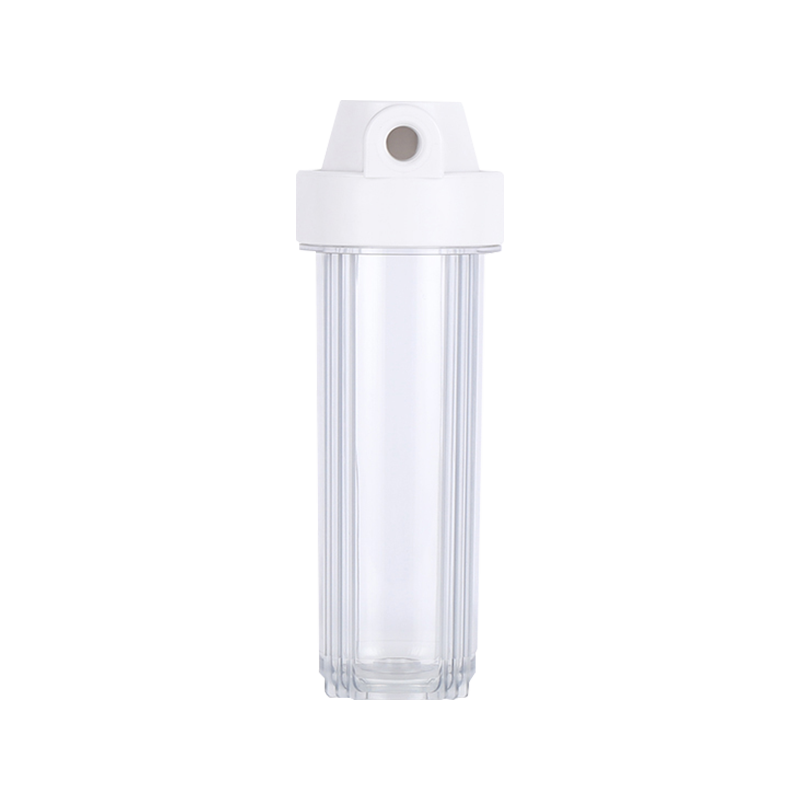
1. Single Water Filter(15BAR).2. 10" PET transparent bottle+white cap,1/4"brass thread.3. With 10" pp 70g cartridge. 4. Color box Packing.
See Details

If you are interested in our products, please consult us
Ningbo Yaorui Water Purification Technology Co., LTD. All Rights Reserved.
Wholesale Household Water Purifier Manufacturers
