 English
 русский
 Español
 عربى
عربى 中文简体
中文简体
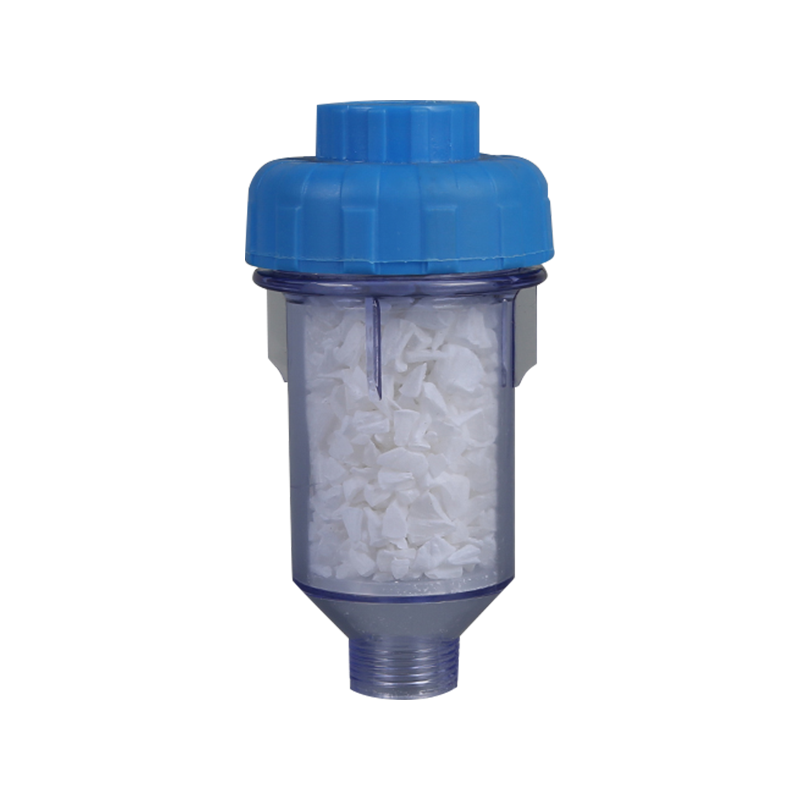 >
>The core highlight of this filter is its built-in silicone sheet filter layer. As a high-performance elastic material, silicone has high-temperature resistance, aging resistance, corrosion resistance,...
See Details [email protected]
 +86-18368206374
 No.99,Yuma Road,Mazhu Town,Yuyao City,Zhejiang Province,China.
What is the Difference Between a Reverse Osmosis System Water Filter and a Carbon Filter?
Industry News-Content
When selecting a water purification solution, the Reverse Osmosis System Water Filter (RO System) and the Carbon Filter (Activated Carbon Filter) are the two technologies most often compared. While both improve drinking water quality, they differ fundamentally in their working principle, purification depth, and the resulting water quality.
To use an analogy: The Carbon Filter is the water’s “Polisher,” primarily addressing sensory issues (taste and odor); whereas the Reverse Osmosis System is the water’s “Surgeon,” capable of thoroughly removing almost all impurities to achieve a high level of purity.
I. Mechanism and Physics: The Depth of Filtration Difference
The most fundamental distinction lies in how they purify water, which determines the size of the contaminants they can remove.
1. Carbon Filters: The Power of Adsorption
- Working Principle: Activated carbon, especially in the form of a carbon block, possesses an enormous porous surface area. As water flows through these carbon granules, contaminants (like chlorine) are chemically attracted and “stick” to the surface of the carbon through a process called Adsorption.
- Target Removal: The primary targets are organic chemical substances, especially chlorine and its byproducts (such as Trihalomethanes, THMs). Activated carbon is highly effective at improving water’s odor, taste, and color.
- Limitations: The effectiveness of carbon is limited by the contaminant’s molecular size and charge. It cannot remove the vast majority of inorganic contaminants, such as Total Dissolved Solids (TDS), heavy metals (like arsenic or lead, fluoride), or microorganisms. Once the carbon’s adsorption sites are saturated, the filtration effect diminishes rapidly, and the filter can even begin to harbor bacteria.
2. Reverse Osmosis Systems: The Physical Barrier of Exclusion
- Core Technology: The heart of the RO system is the thin Semi-Permeable Membrane. Water is forced through this membrane under pressure from a pump.
- Target Removal: The pores in this membrane are extremely small, typically only $0.0001$ microns. This size only allows pure water molecules to pass through, physically blocking virtually all impurities larger than water molecules (including ions and dissolved solids). This includes:
- Total Dissolved Solids (TDS): Including salts, calcium, magnesium, and potassium.
- Heavy Metals: Lead, arsenic, cadmium, mercury, etc.
- Inorganic Compounds: Fluoride, nitrates, nitrites, etc.
- Microorganisms: Bacteria and viruses.
- System Structure: RO systems are typically multi-stage filtration setups. The core RO membrane is protected by pre-filters, usually a PP (sediment) filter and a carbon filter, to remove chlorine and large particulates, preventing damage to the delicate RO membrane.
II. Comprehensive Contaminant Removal Capability
The table below provides a detailed comparison of the two technologies’ effectiveness against different contaminant categories:
| Contaminant Type | Carbon Filter | Reverse Osmosis System | Purification Depth and Focus |
|---|---|---|---|
| Chlorine, Odor, Taste | Excellent | Excellent (Done by pre-carbon filter) | Both are great at improving the aesthetic qualities of water. |
| Volatile Organic Compounds (VOCs) | Good | Excellent | Includes pesticides, herbicides, and other organic compounds. |
| Heavy Metals (Lead, Arsenic, etc.) | Limited/Unstable | Removes 95% - 99% | The RO membrane has a very high removal rate for charged heavy metal ions. |
| Total Dissolved Solids (TDS) | Cannot Remove | Removes 90% - 99% | A unique function of RO, used to measure water purity. |
| Microorganisms (Bacteria, Viruses) | Cannot Remove | Extremely High Removal Rate | The RO membrane pore size is smaller than viruses, effectively blocking them. |
| Fluoride, Nitrates | Cannot Remove | Excellent | Key capabilities for addressing specific municipal or well water contaminants. |
III. Practical Ownership and User Experience Differences
Beyond filtration capability, the two systems also differ significantly in terms of daily use, cost, and environmental impact.
1. Flow Rate and Storage
- Carbon: Water flow is fast, allowing for instantaneous filtration without the need for a storage tank.
- Reverse Osmosis: Filtration speed is very slow. Therefore, RO systems must be equipped with a pressurized storage tank to ensure users can access a large volume of purified water immediately when needed.
2. Maintenance, Cost, and Longevity
- Carbon: Filter replacement is frequent (typically every $2-6$ months) but inexpensive. The system itself is low-cost.
- Reverse Osmosis: Filters are replaced in stages (e.g., PP cotton $6$ months, Carbon $12$ months, RO membrane $2-3$ years). Individual filter cost is higher, but the RO membrane has a longer lifespan. The system’s initial purchase price is higher, but the long-term average cost-effectiveness may be better.
3. Water Waste and Environmental Impact
- Carbon: Produces no wastewater. All filtered water is usable.
- Reverse Osmosis: This is the biggest point of contention for RO systems. To flush away the contaminants trapped by the membrane, the system produces Brine Water (wastewater).
- Traditional Systems: The waste ratio could be as high as $4:1$ (i.e., generating $4$ gallons of wastewater for every $1$ gallon of pure water produced).
- Modern High-Efficiency Tankless Systems: The waste ratio has been optimized to $1:1$ or even better, significantly reducing water consumption.
4. Impact on Health Minerals
- Carbon: Because it only adsorbs chemical compounds, it retains natural minerals like calcium and magnesium.
- Reverse Osmosis: RO technology does not distinguish between “good” and “bad”; it removes virtually all minerals. To address this, modern RO systems often integrate an Alkaline/Remineralization post-filter to reintroduce essential natural minerals before the purified water is dispensed, improving taste and balancing the water’s $\text{pH}$ level.
IV. How to Make Your Choice?
Your decision should be based on your local water quality, budget, and purity requirements:
| Recommendation | Choose a Carbon Filter | Choose a Reverse Osmosis System |
|---|---|---|
| Water Environment | Safe municipal water with minor chlorine taste/odor issues. | Well water, old lead pipes, high hardness, or specific contamination (fluoride, nitrates). |
| Primary Need | Improve taste and odor; budget is the top priority. | Seek laboratory-grade pure water; remove dissolved solids and heavy metals. |
| Installation Requirement | Simple installation, no tank or extra faucet required. | Requires space under the sink; installation is relatively more complex. |
Related products
-
 >
>
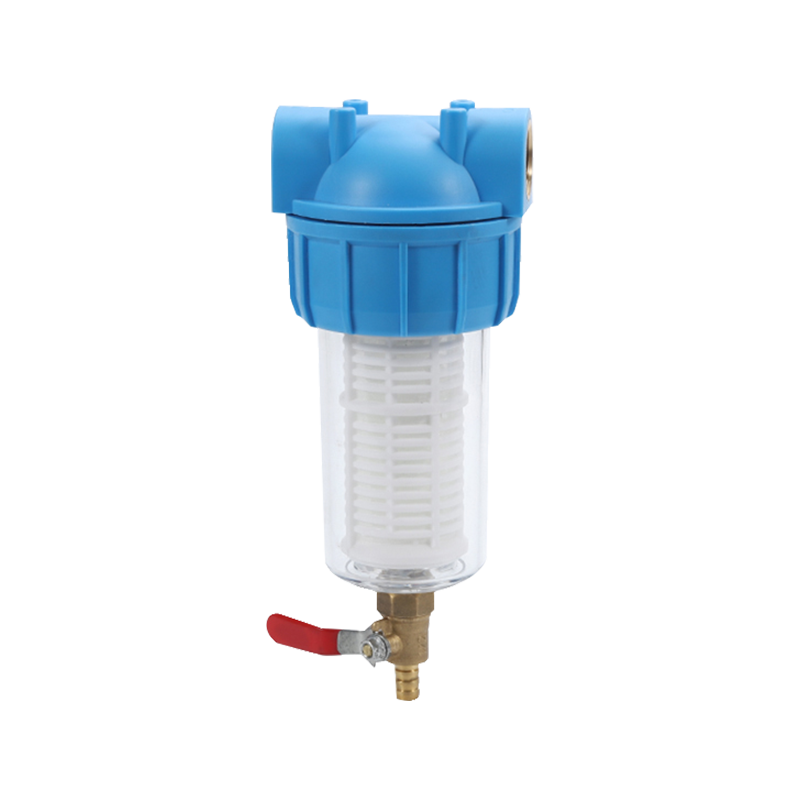
RH-06J5BSingle Water Filter with copper recoil valve is characterized by its efficient filtration system, which can effectively remove impurities, suspended matter, residual chlorine, odor and some ha...
See Details -
 >
>
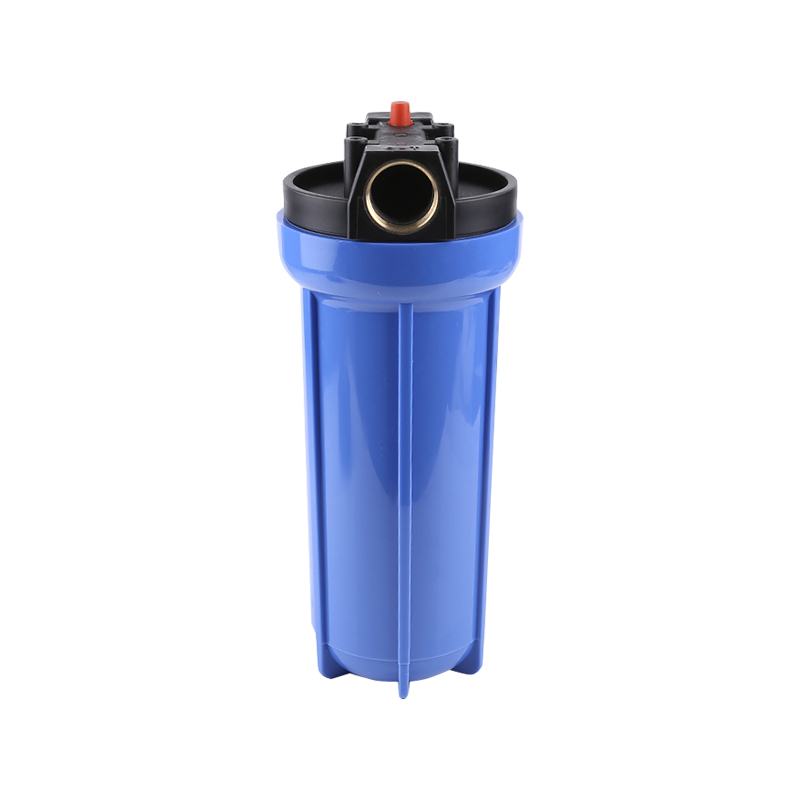
1. Single Water Filter(15BAR).2. 10" PET bottle+black cap, 3/4"brass thread.3. With 10" PP 70g filter cartridge.4. Color box packing.5. Components: wrench+plastic hanging board+screw.
See Details -
 >
>
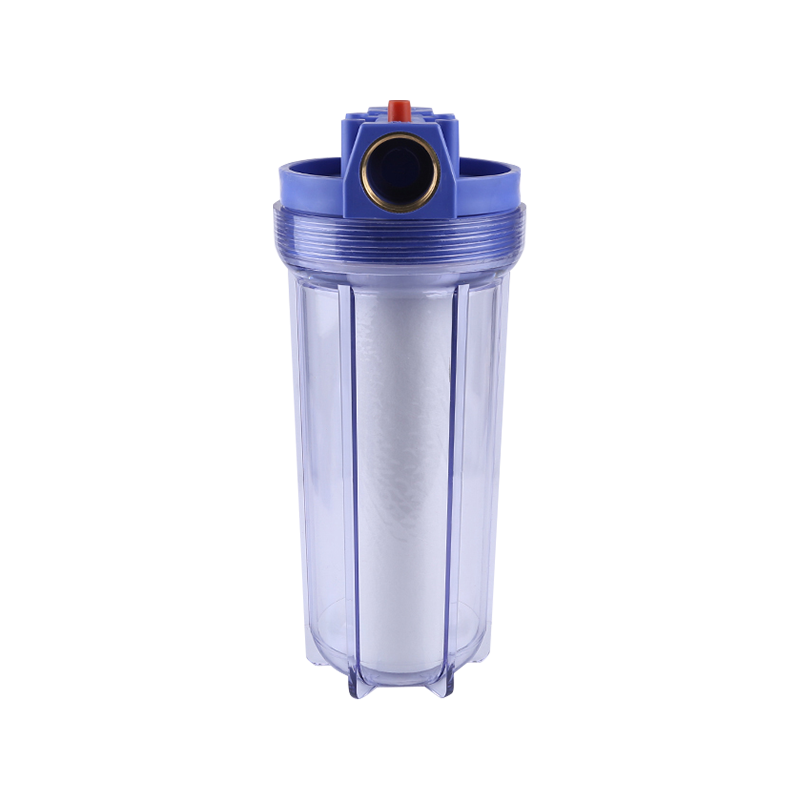
1. Single Water Filter(15BAR); 2. 10" PET bottle+blue cap,3/4"brass thread.3. With 10" PP 70g filtercartridge.4. Color box Packing. 5. Components: wrench+plastic hanging board+screw.
See Details -
 >
>
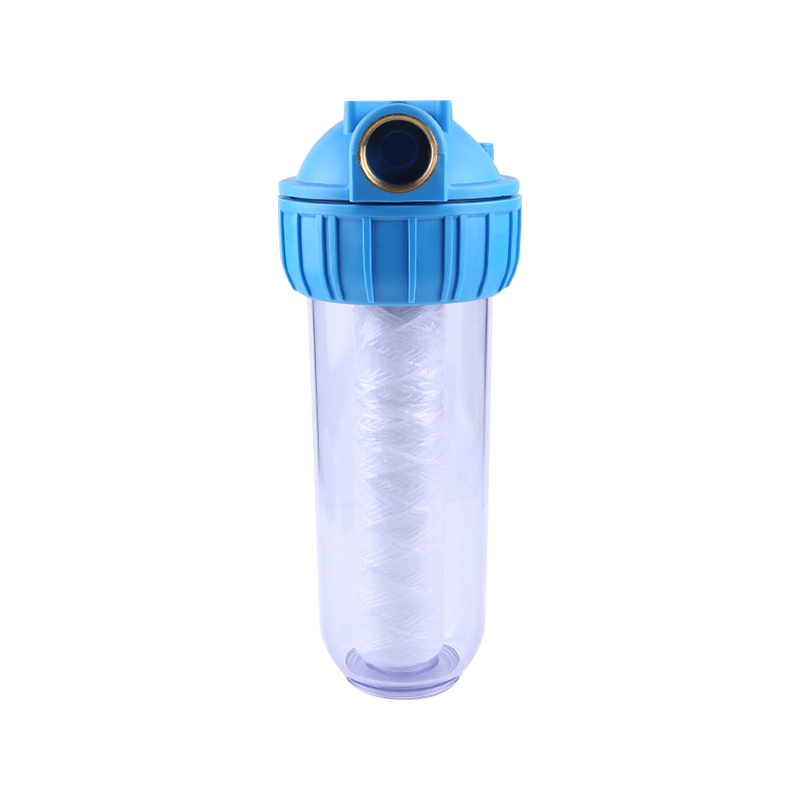
1. Single Water Filter(15BAR).2. 10" PET bottle+blue cap,3/4"brass thread.3. With 10" pp 70g cartridge. 4. Color box Packing. 5. Components: wrench+plastic hanging board+screw.
See Details -
 >
>
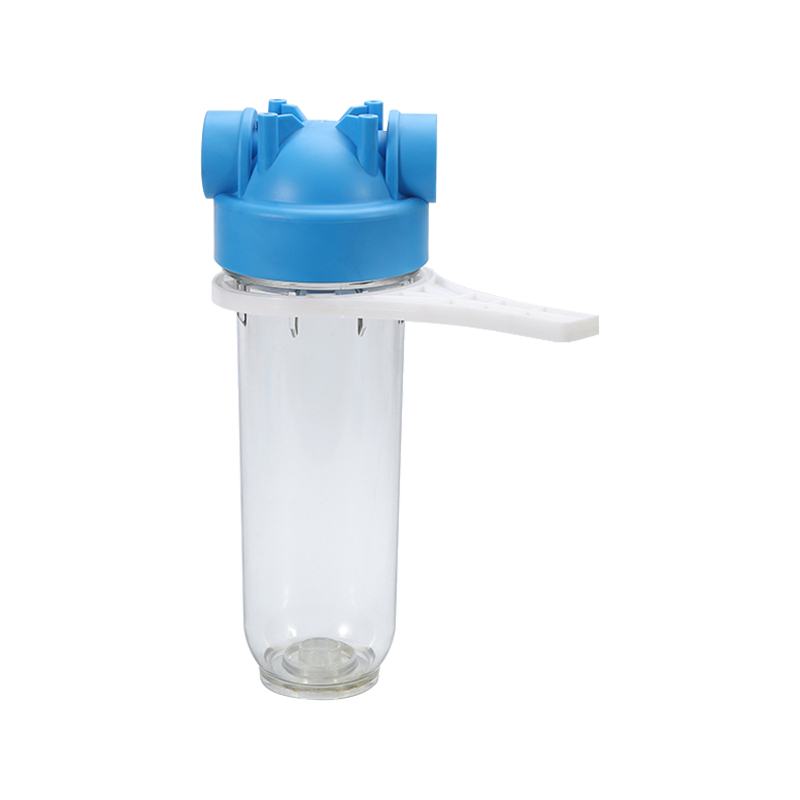
1. Single Water Filter(15BAR).2. 10" PET bottle+blue cap,3/4"brass thread.3. With 10" PP 70g filter cartridge.4. Color box Packing.5. Components: wrench+plastic hanging board+screw.
See Details -
 >
>
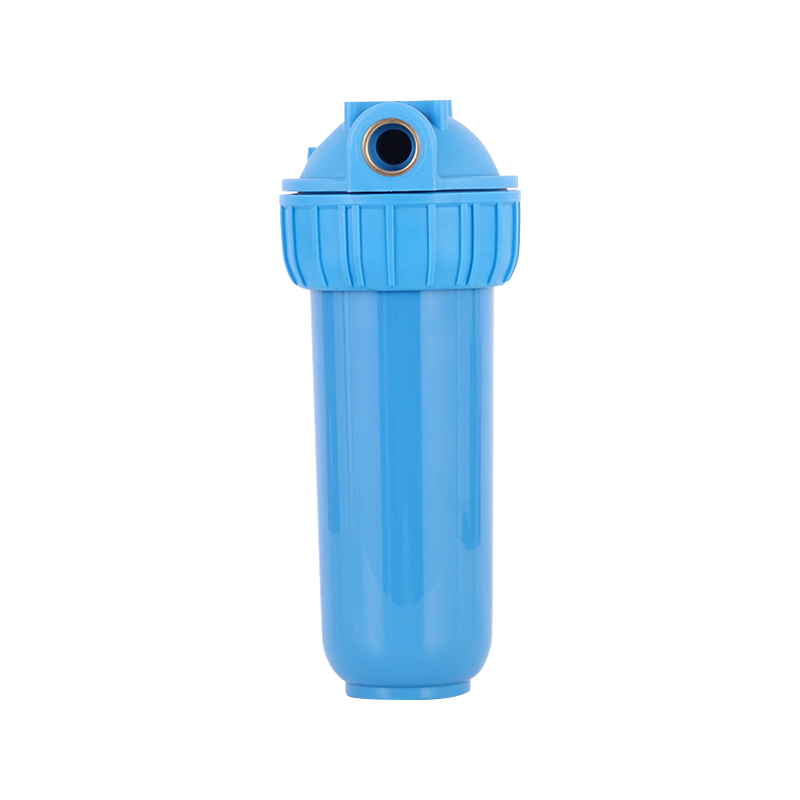
1. Single Water Filter(15BAR).2. 10" PET blue bottle+blue cap,3/4"brass thread.3. With 10" pp 70g cartridge. 4. Color box Packing. 5. Components: wrench+plastic hanging board.
See Details -
 >
>
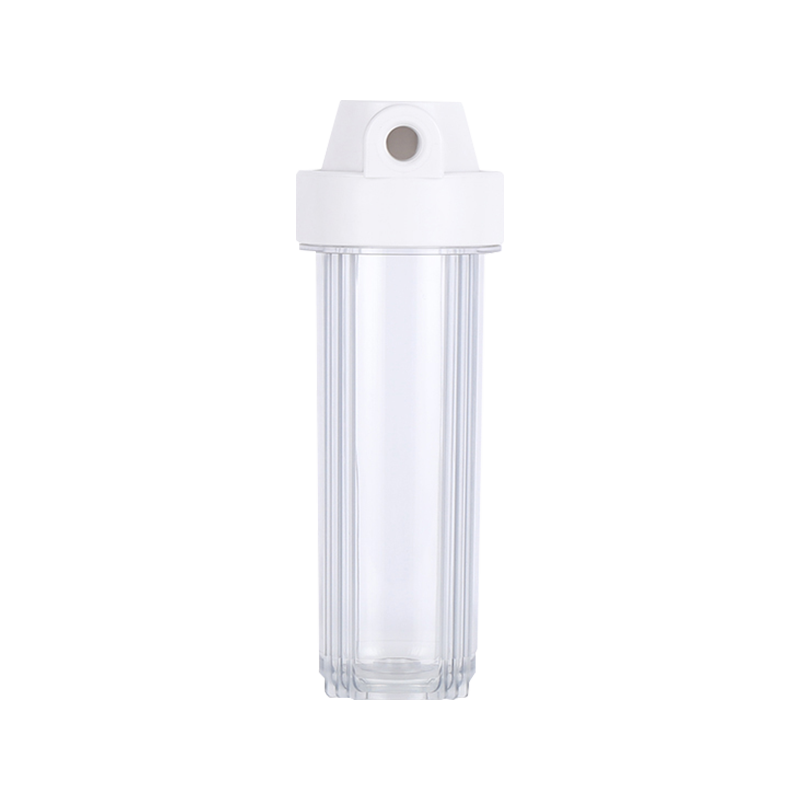
1. Single Water Filter(15BAR).2. 10" PET transparent bottle+white cap,1/4"brass thread.3. With 10" pp 70g cartridge. 4. Color box Packing.
See Details

If you are interested in our products, please consult us
Ningbo Yaorui Water Purification Technology Co., LTD. All Rights Reserved.
Wholesale Household Water Purifier Manufacturers
