 English
 русский
 Español
 عربى
 中文简体

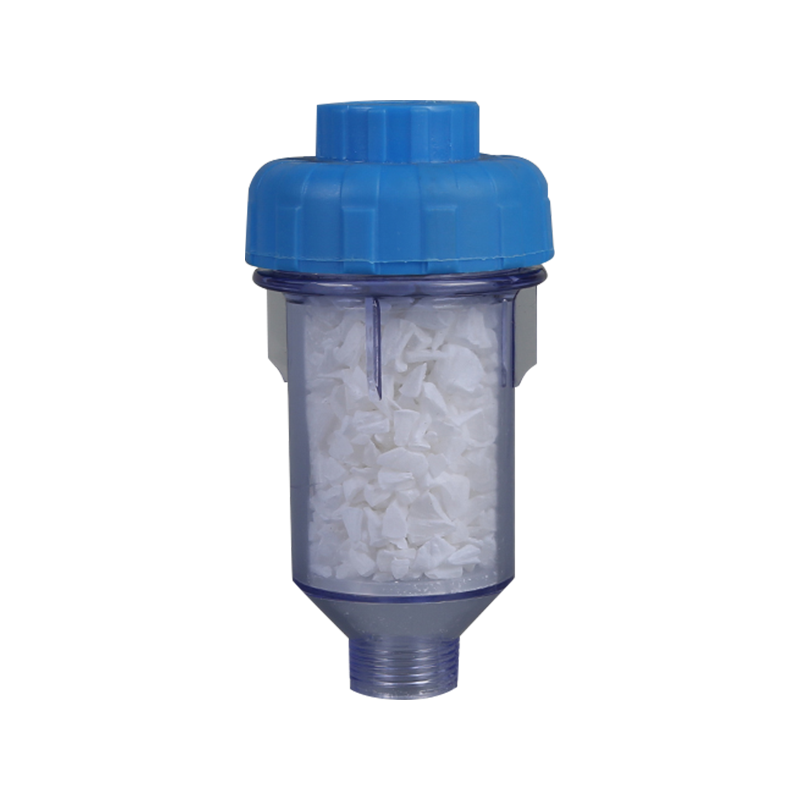 >
The core highlight of this filter is its built-in silicone sheet filter layer. As a high-performance elastic material, silicone has high-temperature resistance, aging resistance, corrosion resistance,...
See Details [email protected]
 +86-18368206374
 No.99,Yuma Road,Mazhu Town,Yuyao City,Zhejiang Province,China.
NSF International Water Filter Certification: A Practical Guide for Buyers
Industry News-Content
- 1 What the NSF International Name Actually Means on a Filter Label
- 2 The Standards Behind the Mark: A Quick Reference
- 3 What Certification Actually Tests
- 4 Matching Standards to the Water Problem in Front of You
- 5 Inside the Factory: Where NSF Requirements Change the Design
- 5.1 Sediment and pre-filtration
- 5.2 Carbon blocks: the engineering is in the density
- 5.3 Ceramic candles for off-grid and outdoor use
- 5.4 Reverse osmosis systems are certified as systems
- 5.5 Housings, fittings and the lead question
- 5.6 Specialty applications
- 5.7 Commercial coffee filters
- 5.8 Shower filters
- 5.9 RV, marine and portable
- 6 What OEM and Private-Label Buyers Should Ask
- 6.1 Our private label uses the same cartridge. Does the existing listing cover us?
- 6.2 What documents should we request before a bulk order?
- 6.3 Can certification be arranged for a brand-new design?
- 6.4 How does certification affect cost and lead time?
- 6.5 We sell into Canada and Australia. Does an NSF listing travel?
- 6.6 Where do we start if we have never done this before?
- 7 Five Steps to Verify an NSF Water Filter Claim
- 8 Myths That Refuse to Die
- 9 Where This Leaves You
- 10 Frequently Asked Questions
- 10.1 Is NSF certification legally required for a water filter?
- 10.2 Does an NSF certified cartridge make my finished system certified?
- 10.3 What is the difference between NSF/ANSI 42 and NSF/ANSI 53?
- 10.4 How long does an NSF listing last?
- 10.5 Can I put the NSF mark on my own private-label packaging?
- 10.6 Does NSF certification mean a filter removes everything?
- 10.7 Why do some filters carry a listing and others only a test report?
Turn over almost any water filter cartridge sold in North America and you will find three letters printed somewhere on the label: NSF. For a buyer, those letters are shorthand for "an independent organization has checked this product." For the people who manufacture it, they mean something far less glamorous — material extraction testing, traceability records, claim-by-claim verification, and an auditor who is allowed to walk into the factory without warning.
We build water filter cartridges, housings and reverse osmosis systems in Yuyao, Ningbo, and we have supplied customers across the United States, Canada and Australia for more than fifteen years. The questions we receive about NSF International have barely changed in that time. Is certification legally required? Does a certified cartridge make the finished system certified? What is the real difference between NSF/ANSI 42 and NSF/ANSI 53? This article answers those questions in the order buyers usually run into them, and it explains what the mark does — and does not — promise.
What the NSF International Name Actually Means on a Filter Label
NSF is not a brand of filter and it is not a government agency. It is an independent public health and safety organization that writes standards, tests products against them, and then keeps watching those products for as long as the manufacturer wants to keep the mark. The name has a history, and that history explains why the same three letters appear on a countertop pitcher and on a commercial coffee machine filter.
1944 — A sanitation body is founded
The National Sanitation Foundation is established in Ann Arbor, Michigan, to standardize public health practices for food equipment and sanitation. Writing consensus standards comes first; product certification follows decades later.
1970s — Drinking water enters the picture
The organization publishes its first standards for point-of-use drinking water treatment devices, the ancestors of today's NSF/ANSI 42 and 53. Household filtration stops being a purely private matter between a homeowner and a catalogue.
1990 — The name is shortened
The National Sanitation Foundation becomes NSF International as its work spreads beyond the United States. Standards are now developed under ANSI-accredited procedures, with committees made up of manufacturers, regulators, academics and consumer representatives rather than NSF staff alone.
2000s — Certification becomes the visible half
Thousands of filters, softeners, UV units and plumbing components are listed in a public database that any buyer can search by model number. The listing, not the logo, is the document that matters.
Every year after that — The audit continues
A listing is not a diploma that hangs on a wall forever. Manufacturers pay annual fees, submit to unannounced factory inspections, and can lose the right to use the mark if a product changes without notifying the certifier.
The distinction that trips up the most buyers is between a product that is certified and a product that is merely tested to a standard. "Certified by NSF" means a listing exists, the exact model number appears in it, the factory has passed its audit, and the manufacturer is licensed to print the mark. "Tested to NSF standards," "meets NSF/ANSI 42 requirements" or "NSF-grade media" are the manufacturer's own statements. They may be perfectly honest and even backed by a laboratory report, but they carry none of the ongoing obligations. When a claim matters to your business, ask for the listing number.
The Standards Behind the Mark: A Quick Reference
NSF/ANSI standards are numbered, and each number describes a scope of testing rather than a level of quality. A five-stage system is not automatically "more certified" than a single-stage one; the two simply hold listings under different documents. The table below covers the numbers that appear most often on residential and commercial water filter products.
| Standard | What it covers | Where you usually see it |
|---|---|---|
| NSF/ANSI 42 | Aesthetic effects: chlorine taste and odour, chloramine, particulate reduction, zinc, iron, manganese, turbidity | Sediment cartridges, carbon blocks, pitchers, whole-house filters |
| NSF/ANSI 53 | Health effects: lead, cysts, volatile organic compounds, arsenic, nitrate and nitrite, mercury, asbestos | Carbon block cartridges, under-sink systems, specialty media |
| NSF/ANSI 58 | Reverse osmosis drinking water treatment systems, tested as complete assemblies | Countertop and under-sink RO units with tank or direct flow |
| NSF/ANSI 401 | Emerging contaminants: pharmaceuticals, personal care products, BPA, nonylphenol, some pesticides | Premium carbon blocks and RO polishing stages |
| NSF/ANSI 372 | Lead content in drinking water system components, with a weighted average limit of 0.25 percent | Brass fittings, valves, faucets, threaded inserts |
| NSF/ANSI/CAN 61 | Health effects of materials that contact drinking water, including the Canadian designation | Housings, tubing, coatings, commercial assemblies |
| NSF/ANSI 55 | Ultraviolet microbiological water treatment, split into Class A and Class B duty levels | UV sterilisation stages on domestic and commercial systems |
| NSF/ANSI 177 | Shower filtration systems, aesthetic effects | Handheld and fixed shower filters |
| NSF/ANSI 44 | Cation exchange water softeners | Softeners and resin-based softening cartridges |
Notice how the numbers stack. A countertop RO machine sold as an "NSF certified water filter" might hold a 58 listing for the system, a 372 declaration for its lead-free fittings, and a 42 listing for the post-carbon polishing stage. A gravity-fed ceramic filter used outdoors might hold a 42 listing for particulate reduction only. Two products can both carry the mark and still promise very different things, which is why the scope matters more than the logo.
What Certification Actually Tests
Buyers often imagine a single laboratory session in which a filter is run until it clogs. In reality, a listing is built from several separate evaluations, and a product has to clear all of them before the mark is granted.
Materials in contact with water
Every wetted component — housing plastic, O-ring rubber, carbon binder, brass thread, adhesive — is soaked in test water and the water is analysed afterwards. If a material leaches anything above the standard's limit, the design goes back to the drawing board.
Structural integrity
Housings and cartridges are burst-tested and cycled through repeated pressure swings, the way a municipal line behaves when a pump kicks in at two in the morning. A filter that performs beautifully but cracks at 150 psi is not a product.
Performance against a defined challenge
Contaminant reduction is measured with a specific challenge water, at a specific flow rate, for a specific capacity. "Reduces lead" only means something when those three numbers sit next to it.
Labels, manuals and marketing
The claim on the box, in the manual and on the website must match the tested claim. Adding "removes 99 percent of everything" to a listing that covers chlorine taste and odour is a violation, not an exaggeration.
Annual unannounced inspections
An auditor arrives without an appointment, walks the production line, checks incoming material certificates, reviews batch records and pulls samples for verification.
Ongoing market surveillance
Listed products are periodically retested from the market. If a production batch no longer matches the tested construction, the listing can be suspended until it does.
Matching Standards to the Water Problem in Front of You
The most useful way to read a certification is backwards: start with what is actually in the water, then find the standard that addresses it. Buyers who work this way rarely overpay for stages they do not need.
What is in the water
- Chlorine and chloramine from municipal disinfection
- Sediment, rust and sand from ageing pipework
- Lead from pre-1986 plumbing and solder joints
- Cysts such as Cryptosporidium and Giardia
- Volatile organic compounds and disinfection by-products
- Hardness minerals that scale kettles and coffee boilers
- Iron and manganese in well water
- Trace pharmaceuticals and personal care products
- Bacteria in untreated, stored or hauled water
What the standard addresses
- NSF/ANSI 42 for taste, odour and particles
- NSF/ANSI 53 for lead, cysts, VOCs and similar health claims
- NSF/ANSI 401 for the trace organic compounds
- NSF/ANSI 44 for ion exchange softening
- NSF/ANSI 55 for ultraviolet microbiological treatment
- NSF/ANSI 58 for reverse osmosis systems
- NSF/ANSI 177 for shower filtration
- NSF/ANSI 372 and 61 for the parts the water travels through
Particulate reduction deserves a closer look, because it is the claim most often printed without explanation. Under NSF/ANSI 42, sediment performance is expressed as a nominal class rather than a single micron number, and the classes run from sub-micron capture all the way up to coarse screening. The chart below shows the ranges as a visual scale rather than a linear measurement.
The practical lesson is that "NSF certified" is never a single specification. A sediment element certified to a fine particulate class and a carbon block certified for lead reduction are both compliant products that solve entirely different problems. Choosing between them is a water-quality decision, not a certification decision.
Inside the Factory: Where NSF Requirements Change the Design
A certification mark is applied to a finished product, but the decisions that make certification possible are made much earlier, on the production floor. Here is where the requirements actually bite.
Sediment and pre-filtration
Polypropylene melt-blown and pleated elements are the least glamorous part of a filtration train and the most common source of a failed claim. Their job is particle capture, and under NSF/ANSI 42 that means a nominal particulate reduction class tied to a flow rate. Push twice the rated flow through the same cartridge and efficiency drops, which is why each geometry has to be tested and rated on its own rather than borrowed from a similar-looking cousin.
Carbon blocks: the engineering is in the density
Compressed carbon blocks are where the real design work lives. Performance depends on the carbon source, the mesh size, the binder, the density and the sintering pressure. Change any one of those and you change pressure drop, service life and contaminant profile at the same time. A block that reduces chlorine taste and odour at 1.5 gallons per minute will not automatically hold the same claim at 4 gallons per minute, and the certification is written for one specific flow rate and capacity. Reproducing that construction batch after batch is the part that separates a certified factory from a certified sample.
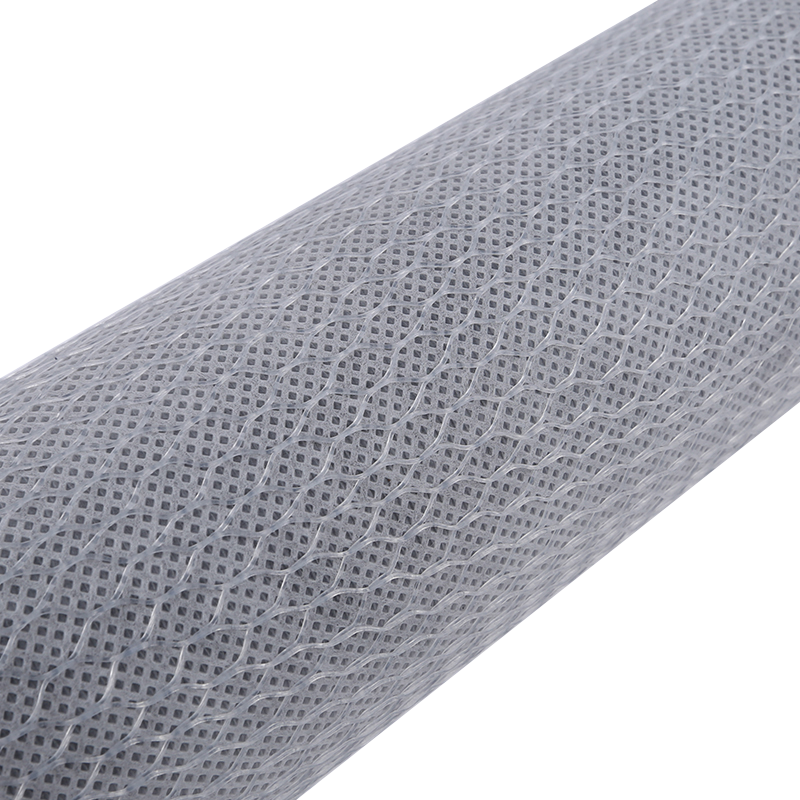 RH-CTO10 10-Inch Activated Carbon Filter CartridgeA 10-inch coal-based activated carbon cartridge presented with wholesale specifications, useful when comparing carbon block construction and ordering details.View Product →
Ceramic candles for off-grid and outdoor use
Ceramic candle elements take the opposite approach. Water passes through a microporous ceramic wall by gravity or low pressure, and the pores are small enough to trap particles and microorganisms while staying cleanable with a soft brush. There is no electricity and no storage tank, which makes ceramic a natural fit for outdoor, emergency and gravity-fed applications. Ceramic cartridges are typically certified for particulate reduction, and any microbiological claim attached to them belongs to the specific standard they were tested against, not to the word "ceramic" on its own.
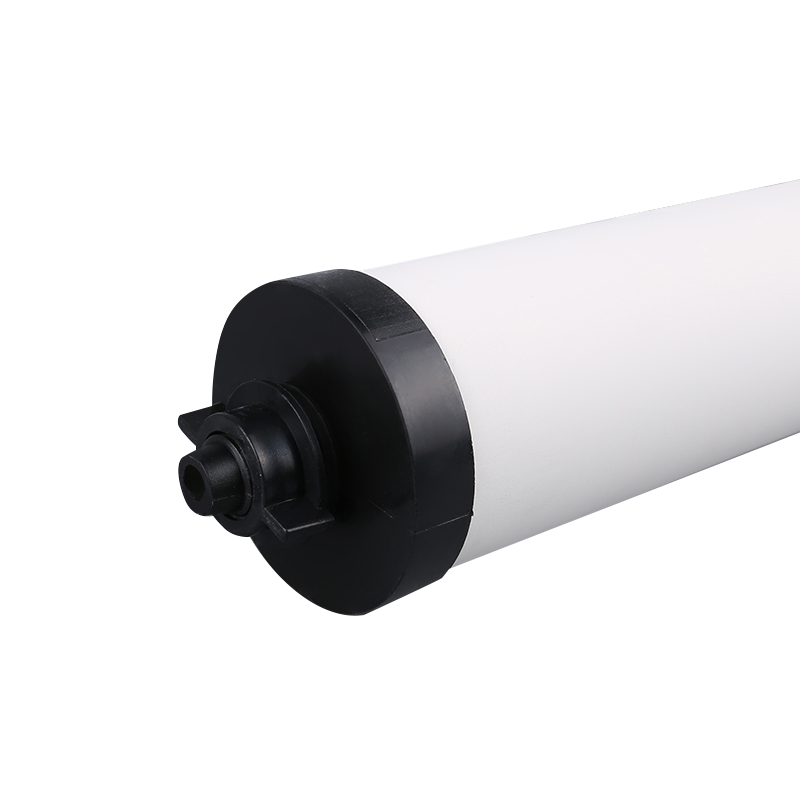 RH-TC10A2 10-Inch Candle Ceramic Filter CartridgeA 10-inch candle ceramic cartridge with wholesale packing details, relevant for gravity-fed or low-pressure setups discussed alongside ceramic filtration.View Product →
Reverse osmosis systems are certified as systems
Reverse osmosis is the most heavily regulated residential technology, which is why NSF/ANSI 58 exists as a standalone document. A system is evaluated as a system: membrane element, pre-filters, post-carbon polishing, pressure vessel, storage tank, tubing and faucet. The membrane on its own is not "NSF 58 certified," and substituting a cheaper membrane or housing without notifying the certifier is enough to invalidate the listing. This is also why RO development timelines are longer than they first appear.
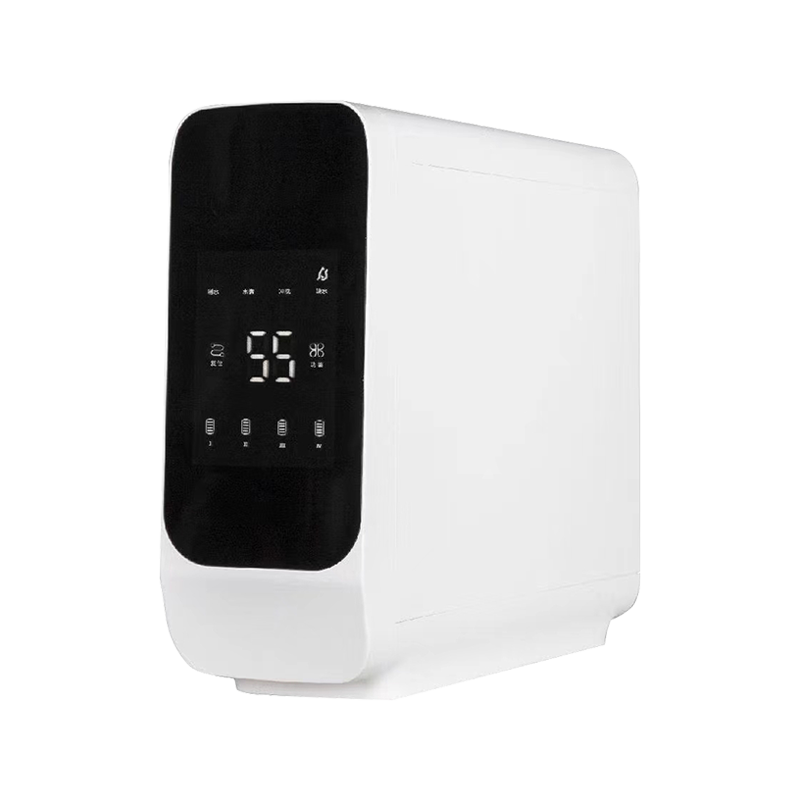 RH-RO6 Five-Stage 800G Reverse Osmosis Home PurifierA five-stage 800G household RO purifier with listed components and tankless configuration, worth reviewing when comparing complete system setups and installation details.View Product →
Housings, fittings and the lead question
The parts that never appear in a marketing photograph are often the ones that fail a review. Brass inlet fittings, threaded inserts, O-rings and housing bodies all sit in contact with drinking water, which places them under NSF/ANSI 372 for lead content and, in commercial installations, NSF/ANSI/CAN 61 for material health effects. A system that removes lead from the water and then adds it back through a fitting is not a system anyone should be selling.
Specialty applications
The same manufacturing logic travels into narrower product categories, each with its own expectations.
Commercial coffee filters
Judged primarily on scale control and chlorine reduction, because the espresso boiler is the expensive component. A cartridge that protects a boiler for six months pays for itself long before anyone tastes the difference.
Shower filters
Covered by NSF/ANSI 177 for aesthetic effects. The goal is chlorine and odour reduction at high flow rates and warm temperatures, which is a very different test environment from a cold kitchen line.
RV, marine and portable
Mobile replacements have to survive vibration, temperature swings, winterisation and irregular use. Housing seals and thread integrity matter as much as media performance in these installations.
What OEM and Private-Label Buyers Should Ask
Most of our conversations about certification happen with buyers who are developing their own brand rather than reselling an existing catalogue item. These are the questions that come up most often.
Our private label uses the same cartridge. Does the existing listing cover us?
Usually not automatically. A listing names specific model numbers. A private-label version with a new model number and new packaging is normally added to the manufacturer's listing or listed separately, and the claims printed on your packaging must match the approved scope exactly.
What documents should we request before a bulk order?
The listing number and the exact model it covers, a current printout of that listing, the scope of the claim including contaminant, flow rate and capacity, confirmation that the factory inspection is up to date, and a materials declaration for wetted parts where lead content is relevant.
Can certification be arranged for a brand-new design?
Yes, and it is far easier when the design is discussed early. Media selection, housing geometry, flow path and fittings all influence the test outcome. Changing any of them after testing usually means retesting and a new round of fees.
How does certification affect cost and lead time?
It adds a development step and an annual maintenance cost, and it limits what can be changed later without consequence. It is worth planning for at the quotation stage rather than after the tooling has been cut.
We sell into Canada and Australia. Does an NSF listing travel?
NSF standards are widely recognised in Canada through the dual ANSI/CAN designations, and Australian buyers commonly accept NSF listings alongside local expectations. Acceptance is always decided by your customer or the authority, so confirm the requirement rather than assuming it.
Where do we start if we have never done this before?
Start with the target market, the water it has, and the claim you want on the box. Everything else — media, housing, flow rate, testing — follows from those three answers. If you are developing a private label, our OEM water filter solutions page explains how we usually structure a first project.
Five Steps to Verify an NSF Water Filter Claim
Verification takes about ten minutes when you know where to look. It is the same process whether you are a distributor auditing a supplier or a brand owner checking your own paperwork before a retail listing goes live.
1
Get the exact model number
Not the family name, not the series, not the trade name on the front of the box. Certification is tied to a specific model identifier.
2
Search the public listing database
Every legitimate listing is published by the certifier and can be searched by manufacturer and model. If nothing appears, ask the supplier to explain why.
3
Read the scope, not just the number
Which contaminants, at what flow rate, for how many gallons or litres. A listing for chlorine taste and odour is not a listing for lead.
4
Check the status and the dates
Expired and suspended listings still appear in old catalogues and on old packaging artwork. Confirm the listing is active today.
5
Check the replacement cartridge separately
The system listing and the cartridge listing are two different documents. A certified system does not automatically certify the third-party cartridge someone installs in it next year.
Myths That Refuse to Die
After fifteen years of export manufacturing, we have heard most of these at least once a month. Each one has a practical answer.
The myth
"NSF certified means the water is guaranteed safe to drink."
The reality
It means the product performed as claimed under defined test conditions against a defined challenge water. Safety depends on the source water, the installation and the maintenance schedule.
The myth
"More stages means a higher level of certification."
The reality
Stage count is a design decision. Certification is granted per model and per standard, and a well-built two-stage unit can hold a stronger listing than a poorly built five-stage one.
The myth
"The logo printed on the box is the proof."
The reality
The public listing is the proof. Logos can be printed by anyone with a printer; a listing has to be earned and maintained every year.
The myth
"Certification is a one-time project."
The reality
Annual fees, unannounced inspections and retesting after design changes make certification an ongoing commitment rather than a purchase order.
Where This Leaves You
If you remember one thing from this article, let it be that NSF International does not sell trust in bulk. It sells a documented, audited, annually renewed statement about a specific product doing a specific thing under specific conditions. That statement is only as useful as your ability to read it.
For buyers, the practical checklist is short: identify the exact model, confirm the listing is active, read the scope, and check that the replacement cartridge you plan to sell carries its own documentation. For brand owners, the checklist starts earlier: decide what the product must claim, then design and test toward that claim instead of adding it to the packaging afterwards.
We have walked this path with customers of every size, from two-person e-commerce operations to distributors with twenty years of shelf space behind them. If you are trying to work out which certification actually applies to the water your customers have, take a look at our NSF certified water filtration systems range, or send us the water report and the claim you are aiming for. We will tell you honestly which parts are straightforward and which ones will need testing.
Frequently Asked Questions
Is NSF certification legally required for a water filter?
For most residential filters, no. Certification is voluntary. However, plumbing codes and many municipal authorities require NSF/ANSI/CAN 61 and 372 compliance for components that contact drinking water, and large retailers commonly require a 42 or 53 listing before a product can be ranged at all. In practice, the market enforces what the law does not.
Does an NSF certified cartridge make my finished system certified?
No. Certification is granted to a specific finished product. A certified cartridge inside an uncertified housing produces an uncertified system. If you assemble your own unit, that assembly has to be tested and listed in its own right.
What is the difference between NSF/ANSI 42 and NSF/ANSI 53?
Standard 42 covers aesthetic effects: taste, odour, chlorine and particles. Standard 53 covers health effects: lead, cysts, volatile organic compounds and similar contaminants. A product can hold one, both or neither, and the two are never interchangeable.
How long does an NSF listing last?
A listing stays active as long as the manufacturer keeps paying the annual fees, passes unannounced factory inspections and does not change the product without notifying the certifier. If any of those stop, the listing is removed from the public database.
Can I put the NSF mark on my own private-label packaging?
Only if the specific model you are selling is covered by a listing and the certifier's claims policy allows the wording you intend to use. Most private-label arrangements are handled either by adding the new model to the manufacturer's existing listing or by obtaining a separate listing for the new brand.
Does NSF certification mean a filter removes everything?
No, and a supplier who says so is telling you something useful about how they operate. Certification is always scoped to particular contaminants, a particular flow rate and a particular capacity. Anything beyond that scope is marketing, not verification.
Why do some filters carry a listing and others only a test report?
Because a test report is a snapshot and a listing is a commitment. A laboratory report proves a sample performed once. A listing proves the factory can keep producing the same construction, under inspection, year after year.
Related products
-
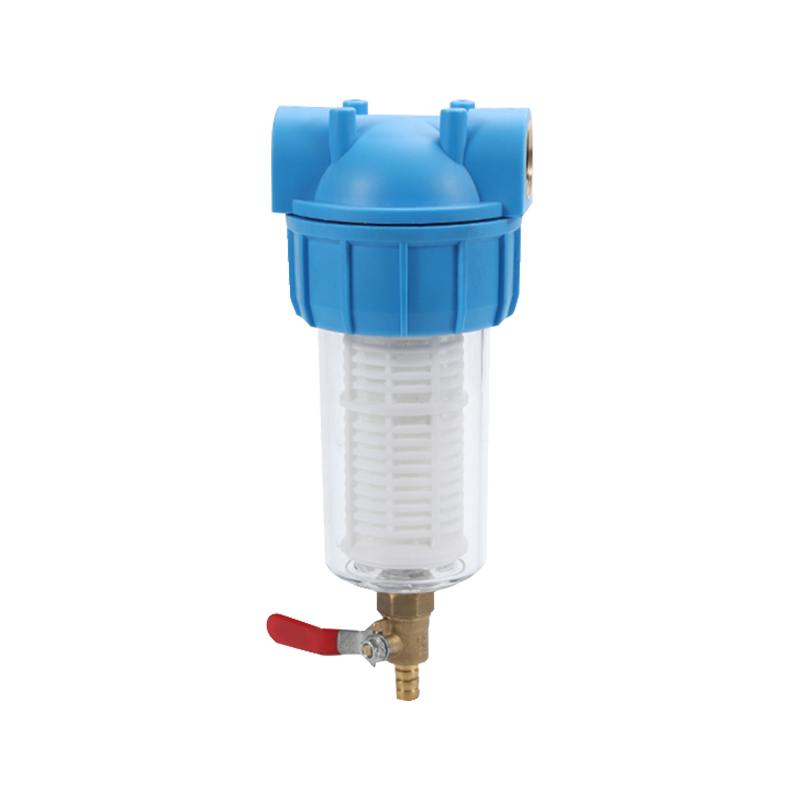 >
RH-06J5BSingle Water Filter with copper recoil valve is characterized by its efficient filtration system, which can effectively remove impurities, suspended matter, residual chlorine, odor and some ha...
See Details -
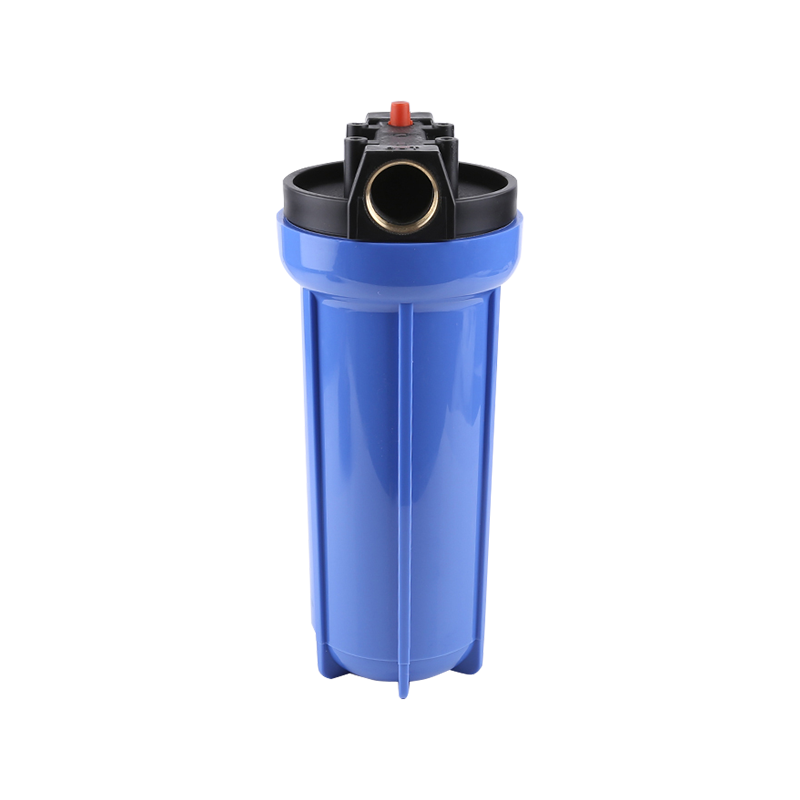 >
1. Single Water Filter(15BAR).2. 10" PET bottle+black cap, 3/4"brass thread.3. With 10" PP 70g filter cartridge.4. Color box packing.5. Components: wrench+plastic hanging board+screw.
See Details -
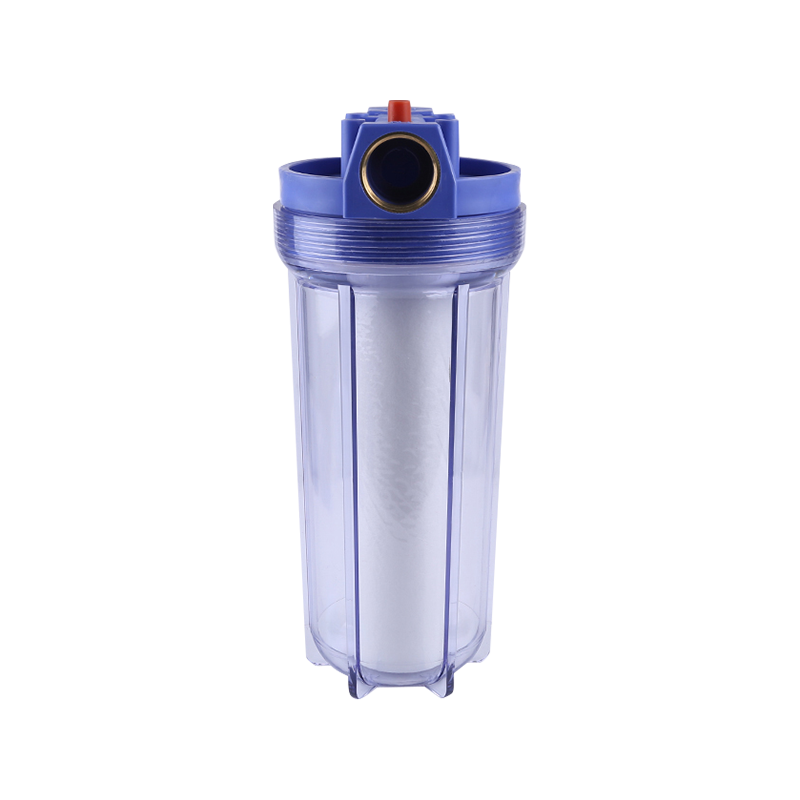 >
1. Single Water Filter(15BAR); 2. 10" PET bottle+blue cap,3/4"brass thread.3. With 10" PP 70g filtercartridge.4. Color box Packing. 5. Components: wrench+plastic hanging board+screw.
See Details -
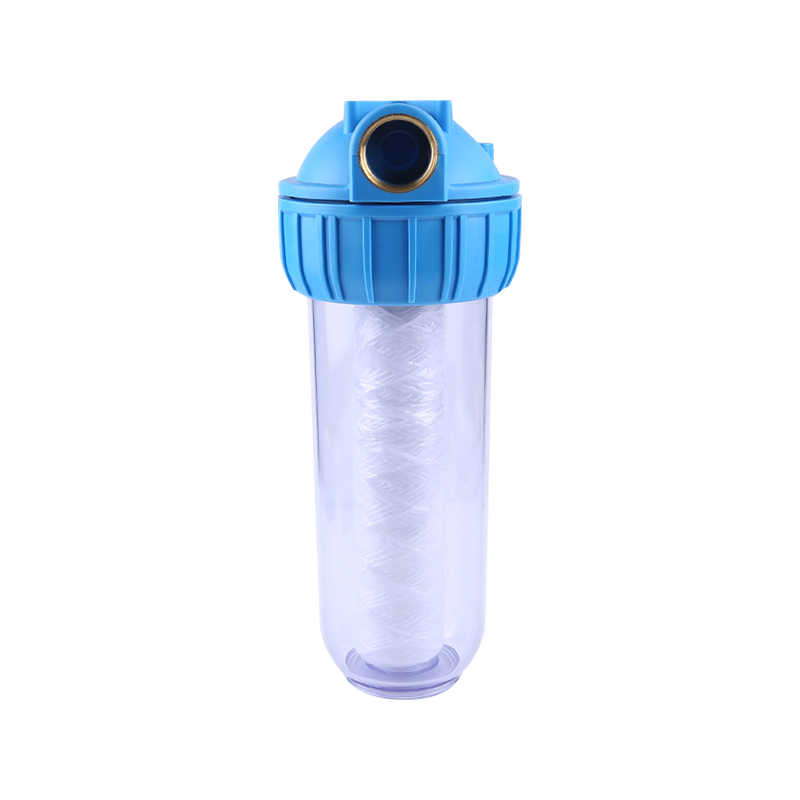 >
1. Single Water Filter(15BAR).2. 10" PET bottle+blue cap,3/4"brass thread.3. With 10" pp 70g cartridge. 4. Color box Packing. 5. Components: wrench+plastic hanging board+screw.
See Details -
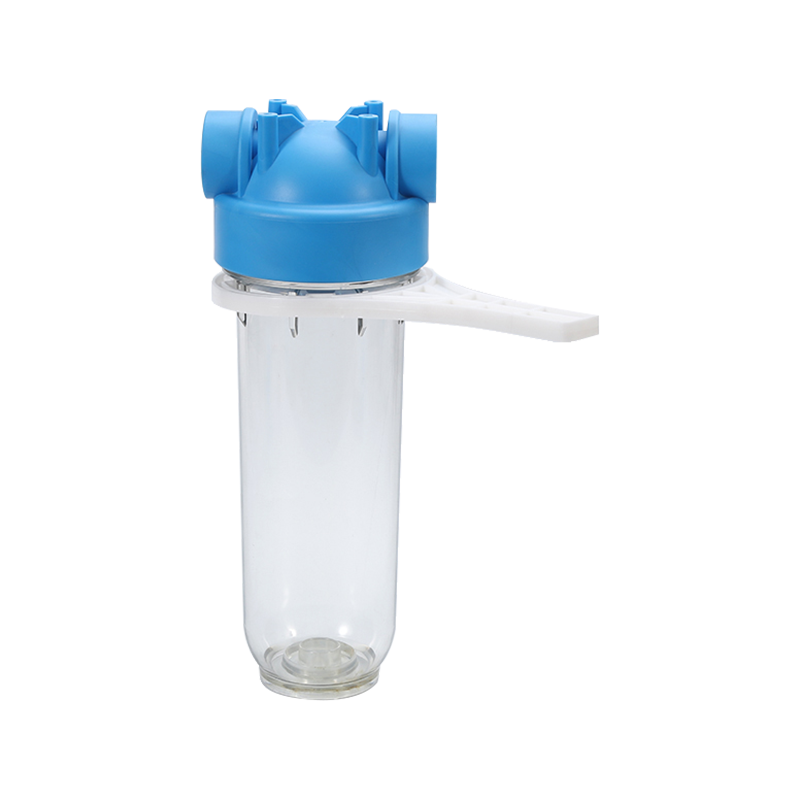 >
1. Single Water Filter(15BAR).2. 10" PET bottle+blue cap,3/4"brass thread.3. With 10" PP 70g filter cartridge.4. Color box Packing.5. Components: wrench+plastic hanging board+screw.
See Details -
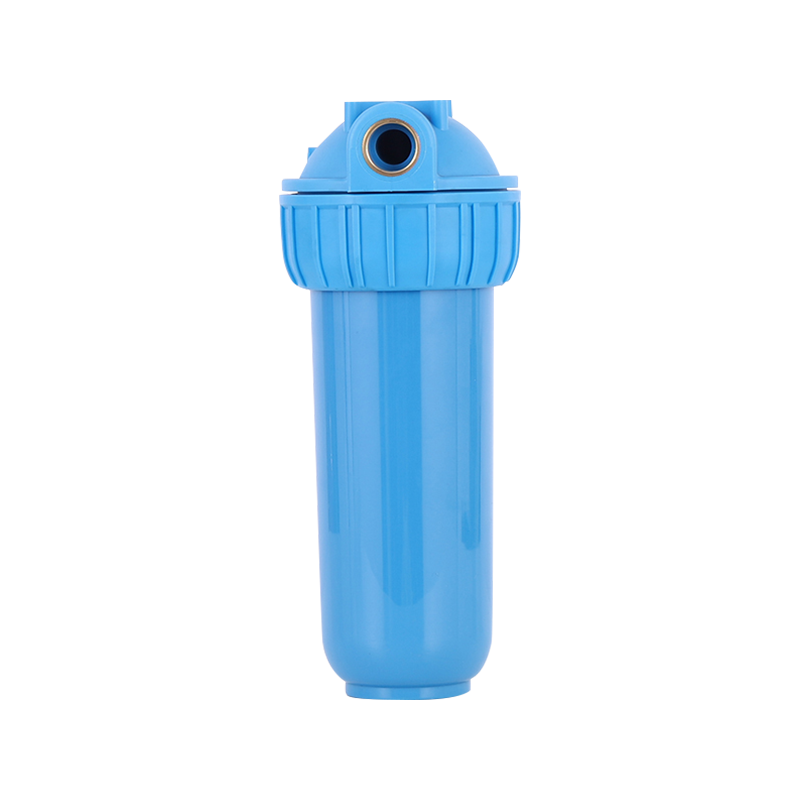 >
1. Single Water Filter(15BAR).2. 10" PET blue bottle+blue cap,3/4"brass thread.3. With 10" pp 70g cartridge. 4. Color box Packing. 5. Components: wrench+plastic hanging board.
See Details -
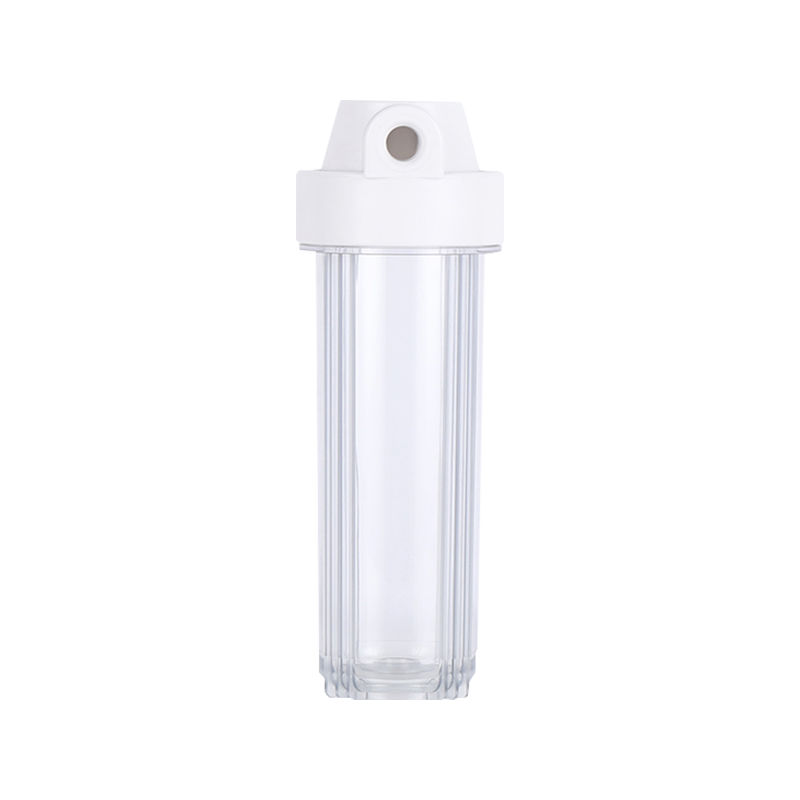 >
1. Single Water Filter(15BAR).2. 10" PET transparent bottle+white cap,1/4"brass thread.3. With 10" pp 70g cartridge. 4. Color box Packing.
See Details

If you are interested in our products, please consult us
Ningbo Yaorui Water Purification Technology Co., LTD. All Rights Reserved.
Wholesale Household Water Purifier Manufacturers
